How to Wash Sneakers in Washing Machine: 8 Essential Steps for Safe Cleaning
You can safely wash sneakers in a washing machine by using cold water and a gentle cycle to protect the shoe’s materials and shape. This method works well for many types of sneakers, including popular running shoes and casual styles. Follow specific steps to prepare your shoes and choose the right settings for effective, damage-free cleaning.
This advice is for anyone looking to clean their sneakers at home without risking damage or shrinking. You’ll learn how to prep your shoes for the wash, select proper machine settings, and dry them correctly to keep your sneakers fresh and long-lasting.
Key Takeaways
- Remove laces and insoles before washing to avoid tangling and ensure thorough cleaning.
- Use a mesh laundry bag or pillowcase to protect sneakers during the wash cycle.
- Select a cold or 30-degree gentle wash cycle to prevent heat damage to shoes.
- Use a small amount of mild detergent suitable for delicate fabrics.
- Run an extra spin cycle to reduce drying time and water retention.
- Air dry sneakers at room temperature; avoid direct heat sources like dryers or radiators.
1. Can You Safely Wash Sneakers in a Washing Machine?

Yes, you can safely wash many sneakers in a washing machine, but this depends largely on the materials used to make them. Shoes made with canvas, nylon, cotton, and polyester typically hold up well in a machine wash. These fabrics are durable enough to handle both the water and agitation involved without damage. Washing machines are effective at removing dirt and bacteria, with Time reporting that machine washing can eliminate 90 to 99% of bacteria, making it a hygienic choice for your sneakers.
Machine washing isn’t suitable for all sneaker types. Leather, suede, and some delicate synthetic materials require more gentle care. Leather sneakers may crack, lose their shape, or have their finish damaged by machine washing. Suede is particularly sensitive to water and agitation and can easily become stained or roughened by the washing process. Synthetic sneakers vary, so checking the manufacturer’s recommendations is key, especially if the material feels not like typical nylon or mesh but more plastic-like or rubbery.
It’s not just about the upper material; the sneaker’s construction plays a role. Some shoes have glued parts that might come loose in a washing machine. Sewing threads and soles also differ in durability. Sneakers designed for running or casual use, commonly made from canvas or mesh, can often be machine washed without any issues, whereas specialty or fashion sneakers may need hand cleaning. Here’s an overview to help you decide if your sneakers are safe for machine washing:
| Material | Machine Wash Suitability | Notes |
|---|---|---|
| Canvas | Safe | Durable and handles agitation well; can include cotton blends |
| Mesh | Safe | Lightweight and breathable; requires gentle cycle and cold water |
| Polyester & Nylon | Safe | Common in athletic shoes; tolerant of machine washing |
| Leather | Not Safe | Water and agitation can damage finish and cause warping |
| Suede | Not Safe | Highly sensitive to water; prone to stains and texture damage |
| Synthetic (rubbery/plastic-like) | Varies | Check manufacturer; some can handle machine wash gently |
Choosing the right washing method starts with identifying your sneaker’s material. For canvas, mesh, polyester, and nylon sneakers, a gentle cold-water cycle is usually safe. Adding a few old towels to balance the load can help protect both your shoes and the machine. Avoid machine washing if your sneakers contain leather or suede, as these materials need specialized cleaning to preserve their look and longevity.
Each sneaker type demands slightly different treatment to avoid damage or loss of shape. Always remove loose dirt before washing and allow sneaker parts like laces and insoles to be cleaned separately or replaced if damaged. Following these precautions ensures your sneakers come out clean, fresh, and intact.
2. How to Prepare Sneakers for Machine Washing

Preparing your sneakers properly before washing them in a machine helps protect both the shoes and your washer, ensuring the best cleaning results. You should remove laces and insoles, brush off excess dirt, and use a mesh laundry bag or pillowcase to shield your sneakers during the wash cycle.
Removing Laces and Insoles
Taking out the laces and insoles leaves room for a more thorough cleaning and avoids damage or tangling in the washing machine. Wash laces separately inside a mesh laundry bag or pillowcase to keep them from wrapping around the agitator or each other. Insoles should also be removed since many are not designed to be machine washed and dry better when air-dried. Removing these parts also helps prevent the inside of the shoes from staying wet too long, which can cause odors or material breakdown.
Pre-Cleaning Shoes to Remove Excess Dirt
Before tossing your sneakers in the washing machine, remove loose dirt and debris to avoid clogging the machine or causing less effective cleaning. Brush off mud, sand, or other grime with a soft brush or cloth. Tapping the soles of your sneakers together can also dislodge crumbs or caked dirt. Pre-cleaning reduces the risk of stains setting during the wash and helps maintain the shoe’s appearance.
Using a Mesh Laundry Bag for Protection
Putting your sneakers inside a mesh laundry bag or a tied pillowcase softens the impact during washing, safeguarding your shoes and the washing machine drum. The bag prevents the shoes from hitting the machine’s interior harshly and stops the laces from getting caught in moving parts.
Adding a few old towels to the wash load can provide extra padding and balance the load. Make sure the laundry bag is securely closed to prevent the sneakers from slipping out. Mesh bags designed for shoes typically cost around $5 to $10 and are reusable for many washes.
- Remove shoelaces and insoles from your sneakers.
- Place laces in a mesh laundry bag or pillowcase to avoid tangling.
- Use a soft brush or cloth to brush away dirt and debris on the shoe surface and soles.
- Tap the soles together to loosen any stuck-on dirt.
- Put your pre-cleaned sneakers into a mesh laundry bag or tightly tied pillowcase.
- Add one or two old towels to the washing machine load for extra protection.
- Securely close the mesh bag or pillowcase to prevent shoes from escaping during the cycle.
Always remove laces and insoles before washing to prevent damage and tangling; washing laces inside a mesh bag keeps them neat and safe during the cycle.
3. Choosing the Best Washing Machine Settings for Sneakers
Choose the right settings on your washing machine to clean sneakers effectively while protecting their shape and fabric. Select a gentle or delicate cycle because it uses higher water levels and slower spin speeds. This lowers wear on the shoes and reduces the risk of damage. Avoid hot water to prevent shrinking or warping; cold water is best for all types of sneaker materials.
Lower spin speeds help protect sneakers from bending or breaking. A low spin speed or no spin is preferred since fast spinning can cause permanent distortion. Adding a mesh laundry bag or pillowcase cushions the shoes and reduces noise. Including a few old towels in the load balances the drum and prevents excessive banging.
Use a mild liquid detergent, and apply a small amount. Harsh powders or bleach risk discoloring and weakening fabrics. Liquid detergent dissolves thoroughly in cold water and rinses well, leaving less residue inside the shoes.
For front-loading and top-loading machines, these same principles apply, but front loaders generally have gentler tumbling action. If using a top loader, placing sneakers and towels around them cushions impacts and prevents damage to both the shoes and the washer. The table below summarizes recommended machine settings and detergent types by sneaker fabric:
| Fabric Type | Wash Cycle | Water Temperature | Spin Speed | Detergent |
|---|---|---|---|---|
| Canvas / Fabric | Delicate / Gentle | Cold | Low or No Spin | Mild Liquid, Small Amount |
| Mesh / Synthetic | Delicate / Gentle | Cold | Low or No Spin | Mild Liquid, Small Amount |
| Leather / Suede | Hand Wash Recommended | N/A | N/A | Use Specialized Cleaner, Not Machine |
| Rubber Soles (with fabric uppers) | Delicate / Gentle | Cold | Low or No Spin | Mild Liquid, Small Amount |
Following these guidelines avoids shrinking, tearing, or deforming your sneakers. Using cold water preserves the material’s integrity while mild detergent prevents residue build-up. The gentle cycle and low spin help shoes keep their shape during the wash. This method takes about 45 minutes to an hour, providing a deep clean without over-exposing your sneakers to damaging conditions.
4. Step-by-Step Guide to Washing Sneakers in the Machine
Washing your sneakers in the machine can be simple and effective when done correctly. Using a protective mesh bag and adding towels helps protect both your shoes and the machine. A typical wash cycle lasts about 30 to 45 minutes, depending on your machine.
Loading Your Sneakers and Towels
Prepare your sneakers by placing them inside a mesh laundry bag or a clean pillowcase tied securely at the top. This prevents the shoes from banging directly against the drum, reducing damage to both the sneakers and the machine. Loading towels alongside the bag cushions the shoes further and aids in cleaning by balancing the load.
- Place your sneakers in a mesh laundry bag or pillowcase.
- Add a few old towels to the drum to help with agitation and protect the machine.
- Arrange everything loosely inside the drum without overpacking to allow movement during the cycle.
While it’s possible to wash sneakers without a mesh bag, the risk of damage to the shoes and washing machine increases. A bag is a small investment that helps keep your shoes intact and prevents noise from the drum.
Selecting and Starting the Wash Cycle
Choose a gentle or delicate cycle with cold water to avoid shrinking or warping your sneakers. Skip using bleach or stain boosters to prevent discoloration, especially on whites. Use liquid detergent to prevent residue buildup inside the shoes.
- Set the washing machine to a gentle cycle using cold water (below 30°C or about 85°F).
- Use a small amount of liquid detergent formulated for delicate fabrics.
- Start the wash cycle and monitor the machine for unusual noise or imbalance.
The cycle usually lasts between 30 and 45 minutes. Avoid hot water and heavy agitation as they can damage shoe glue and shapes.
Finishing and Removing Sneakers After Wash
Once the cycle is complete, remove your sneakers and towels promptly to prevent musty smells. Take the shoes out of the mesh bag and check for excess water by gently pressing them. Avoid using a drying machine as heat can cause glue separation and shrinkage.
- Remove sneakers and towels immediately after the cycle finishes.
- Take the sneakers out of the protective bag and gently squeeze out excess water.
- Air dry sneakers in a well-ventilated area away from direct heat or sunlight.
Leaving sneakers wet inside the machine or bag can cause odors and damage. Proper drying ensures they maintain their shape and last longer.
5. How to Dry Sneakers Properly After Machine Washing
Proper drying is key to preserving the shape and longevity of your sneakers after machine washing. Air drying is generally the best method because it avoids heat damage. High temperatures from tumble drying can weaken glue and distort the shoe’s shape, especially on sneakers with delicate materials or bonded parts.
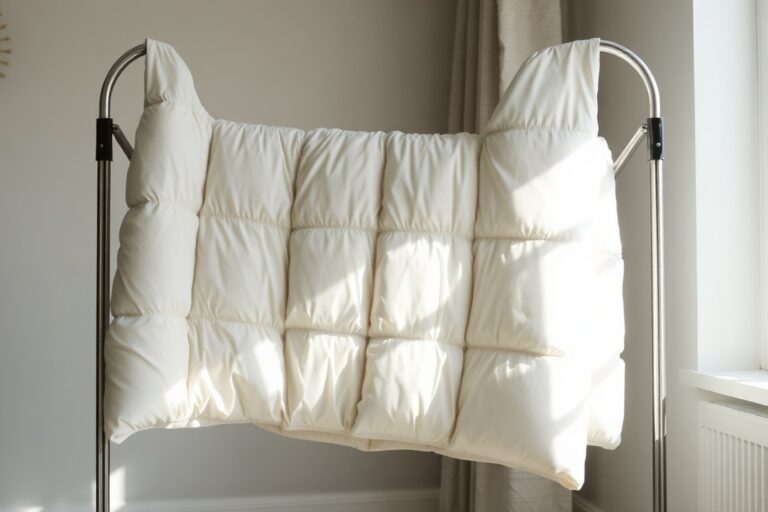
To air dry, remove any excess water by gently patting with a clean towel. Stuff the inside of your sneakers with crumpled paper towels or clean cloths to maintain their shape as they dry. Replace the stuffing if it becomes damp to speed up drying. Place the sneakers in a well-ventilated area away from direct sunlight to prevent fading or warping.
- Remove insoles and laces to dry separately, reducing moisture inside the shoe
- Stuff sneakers with paper towels to keep their form
- Dry indoors or in the shade to avoid UV damage
- Allow 24 to 48 hours for complete air drying, depending on humidity
- Refrain from using a machine dryer to protect glue and fabric
- Check shoes periodically and replace damp stuffing if needed
- For faster drying, use a fan but avoid direct heat sources
Tumble drying might seem faster, but it risks shoe deformation and glue failure, leading to loose soles or misshapen uppers. Even low heat cycles can cause harm. For sneakers with synthetic or rubber components, repeated exposure to heat can accelerate material breakdown.
Never put your sneakers in a machine dryer; the heat can cause permanent damage that air drying will avoid.
Keeping sneakers in shape during drying helps maintain comfort and fit. Using cushioning inside the shoes replicates their original volume and ensures they don’t collapse or shrink. Removing insoles and laces helps these parts dry faster and avoids a musty smell building up inside.
For shoes made of delicate fabrics or with glued accents, air drying avoids weakening the adhesives that hold the structure together. While air drying takes longer, expect at least a full day, the results are safer for the life of your sneakers. Using fans or open windows can speed this up slightly without risking heat damage.
6. When to Hand Wash Sneakers Instead of Using a Washing Machine
Hand washing sneakers is better than using a washing machine when your shoes have delicate fabrics, glued components that might loosen, or mixed materials that could get damaged in a machine cycle. Shoes with fine mesh, leather accents, or sensitive embellishments fare best with a gentle hand-cleaning approach. This method helps preserve your sneakers’ shape and finish while effectively removing dirt or stains.
Identifying Sneakers Unsuitable for Machine Wash
Sneakers that feature delicate fabrics such as silk, suede, or soft leather should not go into a washing machine. The agitation and water temperature can damage these materials, causing discoloration or brittleness. Sneakers with glued soles or embellishments like beads or sequins risk coming apart or being pulled off in a machine. Hybrid-material shoes combining leather with mesh or fabric also need extra care. Signs your sneakers require hand washing include visible wear on glue joints, discoloration risks, or manufacturer warnings against machine cleaning.
Natural leather, for example, does not tolerate excess water well and can crack if soaked. Synthetic leather is sometimes machine safe but still needs cautious treatment. If your shoes have any delicate stitching or non-removable insoles, the safest route is hand washing to avoid damage or deformation.
Hand Washing Materials Needed
To hand wash sneakers safely and thoroughly, gather these materials: a small bucket or basin, mild detergent or sneaker cleaner, a soft brush or cloth, and clean water. Mild detergent avoids harsh chemicals that can fade or weaken fabric. A soft-bristled toothbrush or brush with gentle bristles lets you clean without abrasion. Avoid stiff brushes or scrubbers that can wear down delicate surfaces. Use a microfiber cloth for wiping off leftover soap or dirt. For tough stains, apply cleaner directly but sparingly.
Gentle Cleaning Techniques by Fabric
Each material calls for a slightly different hand washing technique to ensure good results without damage.
- Delicate fabric or mesh: Use lukewarm water (around 75°F) and a mild detergent diluted properly to avoid spots after drying. Gently scrub with a soft brush or cloth in small circular motions. Rinse carefully with clean water and blot dry with a towel.
- Leather accents or uppers: Lightly dampen a cloth and apply a small amount of saddle soap or leather cleaner. Avoid soaking leather parts. Wipe gently without over-rubbing and dry at room temperature away from direct heat.
- Canvas or cotton: These can tolerate more water but still benefit from gentle treatment. Use warm water and mild soap. Lightly scrub and rinse well to avoid residual soap, which can stiffen fabric.
Spot treating stains before overall cleaning helps avoid excess wetting while improving stain removal. Follow these steps for effective hand washing of delicate or non-machine-safe sneakers:
- Remove the shoelaces and insoles, wash these separately by soaking them in warm soapy water for 10, 15 minutes.
- Mix mild detergent with lukewarm water in a basin or bucket, aiming for a solution that is soapy but not overly concentrated.
- Dip the soft brush or cloth into the cleaning solution and gently scrub dirt and stains on the sneaker’s surface.
- For particularly dirty areas, apply a small amount of cleaner directly and rub lightly, avoiding soaking the shoe.
- Rinse the sneakers with clean water by wiping with a damp cloth or lightly using water spray, avoiding submerging delicate parts.
- Pat the shoes dry with a clean towel to absorb excess moisture and reshape the sneakers as needed.
- Allow the shoes to air dry in a well-ventilated space at room temperature, avoiding sunlight or heat sources that can warp or discolor materials.
- Once dry, reinstall clean insoles and laces to complete the process.
7. How Often Should You Machine Wash Your Sneakers?
You should machine wash your sneakers only as often as necessary to maintain cleanliness and control odor without causing unnecessary wear. For casual wear, washing every two to three months usually suffices to remove surface dirt and freshen up the shoes. However, if you use your sneakers for intense activities such as running or playing sports, washing them every one to two weeks can help manage sweat, bacteria, and odor buildup more effectively.
Machine washing removes odor and bacteria better than spot cleaning or manual scrubbing, especially when combined with a detergent designed to break down grime and kill germs. The agitation and water temperature, typically cold to warm, help flush out sweat residues and airborne microorganisms. Keep in mind that delicate fabrics or glued components may not tolerate frequent washing well, so limiting machine cleaning to when the shoes are noticeably dirty or smelly is best.
The frequency of machine washing affects your sneakers’ longevity. Repeated washing can weaken adhesives, fade colors, and degrade cushioning or fabric over time. The exact durability loss depends on the shoe model and material but expect that washing once per week or more may shorten their useful life. Using a gentle cycle with cold water reduces damage risk. Air-drying your sneakers instead of using heat preserves their shape and materials better.
For example, if you run four to five times weekly, washing your running shoes every two weeks strikes a reasonable balance between hygiene and shoe care. In contrast, casual sneakers worn intermittently and only for walking need washing no more than every three months unless they get visibly dirty. After machine washing, remove laces and insoles to air those parts separately, which also limits moisture retention that can harm shoes.
Consider special cases like white or light-colored sneakers, which might require more frequent cleaning to avoid noticeable stains. Still, avoid washing them too often to prevent yellowing or fabric weakening. When your sneakers still smell bad after machine washing, let them dry completely away from sunlight, then use deodorizing sachets or sprays to control bacteria.
Adjust how often you wash your sneakers depending on how much you wear them and their condition. Less frequent washes preserve shoe lifespan but may allow odor and bacteria growth, while frequent washes improve hygiene but risk material wear. Adjust your cleaning schedule so your shoes stay fresh without compromising durability.
8. Common Mistakes to Avoid When Washing Sneakers in a Washing Machine
Machine washing sneakers can be convenient but often goes wrong if you’re not careful. One common mistake is washing shoes that aren’t made for the machine. Sneakers with delicate materials or glued parts may shrink, warp, or fall apart when exposed to water and agitation. Always check manufacturer guidelines and opt for hand washing if the label advises against machine use.
Another frequent error is skipping lace removal and protection. Laces can tangle around the machine’s drum or agitator, potentially damaging both the shoe and your washer. Place laces in a mesh laundry bag or wash them separately to prevent this problem. Removing insoles before washing helps maintain shoe shape and improves cleaning on all surfaces.
- Do not overload the machine; wash sneakers with towels or soft items to cushion impact.
- Use cold or lukewarm water; hot water can deform sneakers or weaken adhesives.
- A gentle or delicate cycle reduces wear to fabrics and stitching.
- Avoid using bleach or harsh detergents that can discolor or weaken materials.
- Never dry sneakers in a machine dryer; air dry in a well-ventilated area.
- Check your washing machine’s manual for any specific warnings about washing shoes.
Washing sneakers incorrectly may cause the soles or upper material to deform or shrink. For best results, use cold water and skip high-spin cycles. Aggressive spinning and heat cause most shape and size problems. When shoes do deform, stuffing them with newspaper or shoe trees while drying can help restore their form.
Some worry that washing sneakers in a machine will damage the washer itself. This risk rises if sharp shoe parts or hard debris loosen in the drum. Protect your machine by using a sneaker-specific bag and not washing excessively worn or dirty shoes that shed material.
Always secure shoelaces and use a mesh bag to prevent damage to the washing machine’s drum and your sneakers during the wash cycle.
Step-by-Step Action Plan for Washing Your Sneakers in a Machine
Follow these steps to clean your sneakers safely and keep them in good shape when using a washing machine.
- Before washing: Remove the insoles and laces. Check for material type to confirm machine washing is suitable. This prevents damage and ensures all parts get cleaned.
- Preparation phase: Brush off loose dirt and soak laces separately if very dirty. You’ll notice less grime remains after washing.
- Load the machine: Place sneakers in a mesh laundry bag or pillowcase, add towels to balance load and protect sneakers from impact. This helps reduce banging noise and bruising.
- Set the machine: Use a gentle, cold water cycle with mild detergent. Cold water preserves the shoe’s glue and colors.
- After washing: Remove sneakers immediately and reshape them by stuffing with paper towels to absorb moisture and maintain form.
- Drying phase: Let sneakers dry naturally in a spot with good airflow, avoiding exposure to direct sunlight or heaters. This helps keep their shape and material intact.
- Post-dry check: Inspect and clean residual stains by spot treating if needed. Proper drying means no musty smell or sogginess.
Frequently Asked Questions
Can Sneakers Be Washed in a Washing Machine?
Yes, sneakers can be washed in a washing machine if you use a mesh bag, cold water, and a gentle cycle to avoid damage to the shoes or the machine. Removing laces and insoles beforehand helps achieve better cleaning.
How to Wash Sneakers in a Washing Machine Without a Mesh Bag?
You can place your sneakers inside a tied pillowcase along with a few old towels to protect them and reduce noise and damage during the wash. This helps cushion the shoes inside the machine.
What Is the Best Cycle to Wash Shoes in the Washing Machine?
Choose a gentle cycle or hand wash setting on cold water with minimal or no spinning to avoid bending or shrinking your sneakers. This approach ensures better water penetration and lowers agitation inside the washing machine drum.
What Is the Best Way to Clean a Pair of Sneakers?
The best way includes brushing off loose dirt, removing laces and insoles, and using a gentle machine wash or hand washing for delicate materials, followed by air drying. This prevents damage and ensures thorough cleaning.
Can You Wash Sneaker Insoles in the Washing Machine?
Yes, you can wash insoles in the machine, but place them in a mesh bag or pillowcase and avoid high heat drying to prevent warping or shrinking.
Will Washing Sneakers in the Machine Damage the Soles?
Proper washing with cold water and gentle cycles usually won’t damage soles, but harsh settings or high spinning may weaken glue or deform the soles.
Wrapping Up
Machine washing can refresh and clean your sneakers without harm if you follow careful preparation and drying steps. Start by removing laces and dirt, then use a gentle cycle with cold water to protect materials. After washing, air drying keeps the sneakers in good shape. Try this method with your next pair for clean shoes ready to wear again.