How to Dry Clean at Home: 8 Easy Steps for Safe, Effective Care
How to dry clean at home is possible using specialized kits or careful fabric care techniques that avoid harsh chemicals. You can safely refresh and clean many dry-clean-only garments yourself, saving money and trips to the professional cleaner. This approach works best for lightly soiled or occasionally worn clothes, letting you maintain your wardrobe conveniently at home.
This advice suits homeowners or renters who want to care for delicate clothes without frequent professional services. The following tips explain which fabrics you can handle, effective cleaning methods, stain treatment, drying, and storage to keep your garments looking their best.
Key Takeaways
- Check garment labels carefully to confirm which fabrics are safe for home dry cleaning techniques.
- Use at-home dry cleaning kits like Dryel to clean up to four loads affordably and effectively.
- Pre-treat stains gently with spot cleaners and wait 15 minutes before a full cleaning cycle.
- Soak silk and wool items no longer than 30 minutes in cool water for safe home cleaning.
- Dry light fabrics within 2 to 4 hours, and heavy fabrics overnight for best results after cleaning.
- Use refreshing sprays between cleanings to kill odor bacteria and reduce wrinkles.
1. Is Drying Cleaning Clothes at Home Really Possible?

Yes, it is possible to dry clean clothes at home, but not in the exact same way professionals do. The term “dry clean only” on a garment label means the item should be cleaned without water, using specific solvents instead. This instruction is meant to protect delicate fabrics or finishes from damage, shrinkage, or color loss that normal water washing may cause. However, many clothes labeled “dry clean only” can actually be freshened and cleaned gently at home using low-moisture methods like steaming, hand washing with gentle detergents, or stain pre-treatment.
The main difference between professional dry cleaning and home methods lies in the solvents used and the level of machine control. Professional cleaners use chemicals like perchloroethylene under precisely controlled temperatures and spinning speeds to remove oils and stains without wetting the fabric. At home, you won’t have access to these chemicals, but alternatives like a home steamer or specially designed delicate detergents can reduce the need for harsh chemicals while still cleaning and freshening garments.
Before attempting to clean a “dry clean only” garment at home, it is important to carefully read the label and understand the fabric type. For example, items made from wool, silk, or synthetic blends may tolerate gentle hand washing or steaming, while suede or very structured garments usually need professional care. Test a hidden area first with water and mild detergent to check for colorfastness or texture changes. When the garment’s label reads “dry clean” and not “dry clean only,” you have more flexibility to attempt cleaning it at home.
To decide whether home dry cleaning is an option, consider whether the garment can handle moisture and gentle agitation without damage. Sweaters, silks, and some mesh fabrics often respond well to at-home steam cleaning or hand washing with a detergent for delicates. When stains exist, pretreat them carefully using gentle spot cleaning before moving on. Keep in mind that home efforts are best for maintaining or refreshing clothes rather than delivering the deep stain removal professional dry cleaners achieve.
Costs and effort differ as well. Professional dry cleaning typically costs between $5 and $20 per garment, depending on material and location. Home methods require minimal investment: a handheld steamer costs about $20 to $50, and delicate detergent is similarly affordable. While the results might not be identical to a dry cleaner’s finish, these methods can extend garment life and reduce the need for frequent professional cleaning.
Good results at home mean a fresher, less wrinkled garment free from surface stains, but it’s possible some stubborn marks or fabric issues might remain. Problems like shrinking, fabric weakening, or color loss usually arise when home methods are applied to fabrics truly needing professional solvent cleaning. When in doubt, test carefully, follow label instructions, and reserve at-home cleaning for durable “dry clean only” items that tolerate light moisture and gentle handling.
2. Which Fabrics and Garments Can You Safely Dry Clean at Home?
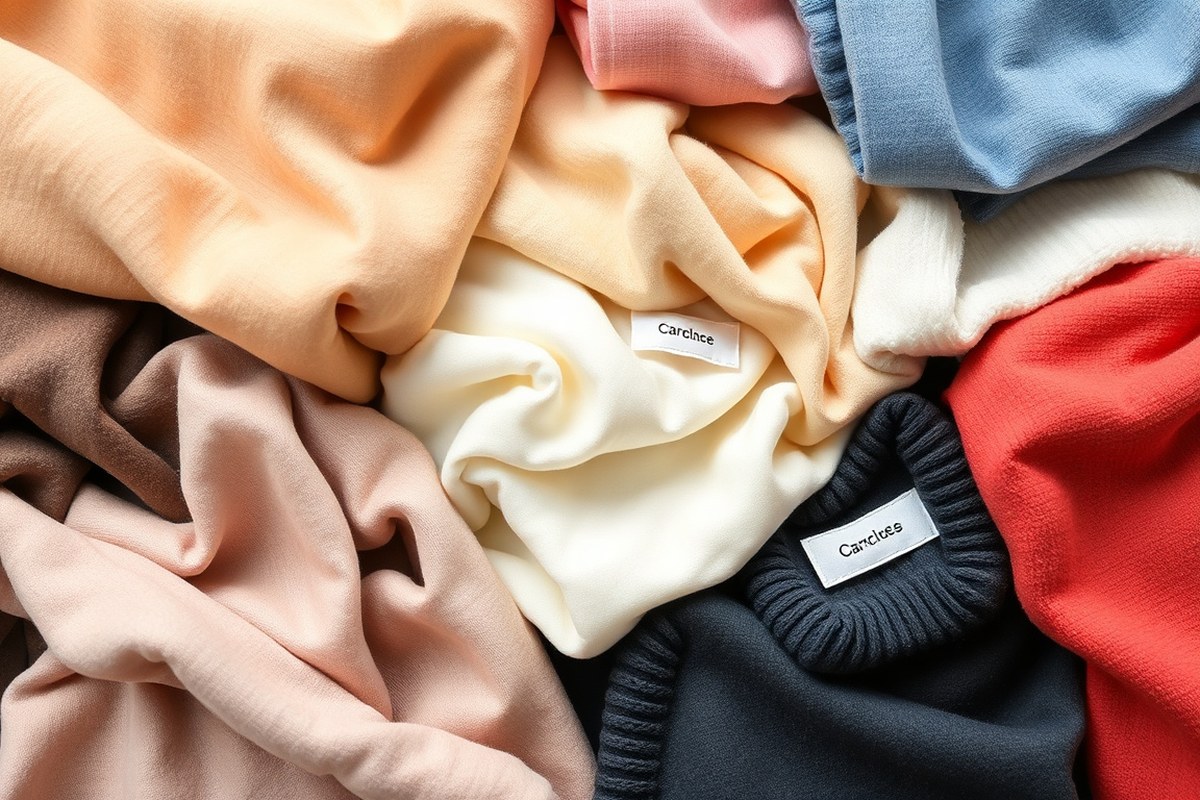
Choosing which garments and fabrics you can dry clean at home depends largely on their care labels and material type. Cotton, linen, polyester, and some silks can usually be refreshed using gentle home methods with a suitable detergent and low temperature. Wool items may tolerate light hand washing or steaming when treated carefully, avoiding the need for harsher professional services. However, some fabrics require special caution, and trying to dry clean them yourself can cause permanent damage.
Leather and suede, for example, have unique care needs and should generally never be dry cleaned at home. Even though some home techniques exist for these materials, they require specific products and careful application. Structured garments, heavily embellished clothing, or delicate items like viscose demand professional handling to preserve their shape and detail.
| Fabric | Home Dry Cleaning Suitability | Care Notes |
|---|---|---|
| Cotton, Linen, Polyester | Usually safe | Use mild detergent, low temperature, and gentle agitation |
| Silk | Sometimes | Use fragrance-free dry shampoo or mild detergent; avoid excessive moisture and heat |
| Wool, Cashmere, Mohair, Angora | With caution | Light hand wash or steaming preferred over harsh methods; avoid agitation |
| Denim, Velvet | Often possible | Hand wash gently or use special home dry cleaning kits |
| Leather, Suede | Not recommended | Requires special products and techniques; professional care usually best |
| Viscose (Rayon), Structured or Embellished Garments | No | Professional dry cleaning only to avoid damage and deformation |
For delicate fabrics like silk or wool that show “dry clean only” on care labels, consider home dry cleaning methods only if the tag allows or suggests it. Using a mild detergent designed for delicate fibers and avoiding water temperatures higher than 86°F (30°C) helps protect the garment’s integrity. For leather and suede items, follow product-specific instructions carefully, and spot treat with a soft-bristled brush when necessary.
Handling structured pieces or clothing with embellishments requires extra care at every step. Avoid soaking these items or using machine agitation. Instead, opt for light steaming to reduce wrinkles and freshen your clothes, and never attempt to dry clean these at home if the fabric is sensitive or expensive.
Check the care label closely and test any cleaning product on a hidden area before full application to prevent fabric damage.
3. Effective Methods to Dry Clean Clothes at Home
You can dry clean clothes at home using several methods including at-home dry cleaning kits, careful hand washing, and refreshing garments with steam and odor removers. Each method offers different levels of cleaning and care based on your fabric and garment needs. Choosing the right approach depends on the item’s fabric, the type of soil or odors, and your budget.
Using a Home Dry Cleaning Kit
Home dry cleaning kits are designed to refresh and lightly clean clothes labeled “dry clean only” without washing machines or harsh chemicals. They typically come with a stain remover, a reusable bag, and a moist cleaning cloth to use in your dryer. These kits cost around $25 for a starter pack that can handle several loads, making them a budget-friendly alternative to professional cleaning for lightly soiled items.
- Pre-treat any visible stains on the garment with the included stain remover.
- Place the clothes inside the kit’s reusable bag along with the moist cleaning cloth.
- Seal the bag securely and put it in your dryer on a medium heat setting.
- Run the dryer cycle for about 20 to 30 minutes to allow the steam from the cloth to clean and refresh the fabric.
- Remove the clothes promptly and hang them to air out any remaining moisture.
- Check the garments for any stains and repeat pre-treatment if necessary before full washing or professional cleaning.
These kits work well for odor removal and light soil but won’t remove heavy stains or grease. They are best for everyday wear such as blouses, lightweight suits, and skirts.
Hand Washing ‘Dry Clean’ Clothes Safely
Hand washing offers a gentler way to clean delicate fabrics at home without harsh solvents, using lukewarm water and mild detergent. This method is suitable for wool, silk, and synthetic blends if you handle the fabric carefully. Skipping the washing machine spin cycle is critical to avoid stretching or damaging the garment.
- Fill a clean basin with cool to lukewarm water and add a small amount of gentle detergent specifically formulated for delicate fabrics.
- Submerge the garment fully and gently swirl it for 2 to 5 minutes, avoiding wringing or rubbing.
- Let the garment soak for 10 to 15 minutes for deeper cleaning.
- Drain the soapy water and refill with clean, lukewarm water to rinse the garment thoroughly.
- Repeat rinsing steps as needed until soap is fully removed.
- Lay the garment flat on a clean towel, roll it up to press out excess water without wringing, then reshape and air dry flat away from direct sunlight or heat.
This approach requires more time and care than kits but can produce better cleaning results on fragile or heavily soiled clothes. Avoid using harsh detergents, bleach, or hot water to prevent damage.
Refreshing Clothes with Steam and Odor Removers
Using steam is a non-washing method that relaxes wrinkles and freshens garments by reducing odors and killing bacteria. A garment steamer or a steam-cleaning device can work well for daily maintenance between cleanings. Steam can remove light odors and make your clothes feel fresh without the risk of shrinking or stretching.
To use steam effectively, hang your garment on a padded hanger and hold the steamer nozzle about 6 to 12 inches away from the fabric. Slowly move the steam head vertically and horizontally over the garment surfaces. Let the garment dry completely before wearing or storing. This method costs little beyond the steamer’s purchase and requires no water immersion or detergent.
For odor removal without washing, a mixture of equal parts white vinegar and water lightly sprayed on fabric can neutralize common smells. Test a hidden area first to make sure it does not discolor the fabric. Allow the garment to air dry fully afterward. Avoid using sprays on delicate fabrics without checking care labels, and do not saturate the garment.
4. How to Pre-Treat Stains on Dry-Clean-Only Clothes at Home
Proper pre-treatment of stains on dry-clean-only garments is essential to prevent permanent damage and improve cleaning success. Recognizing the stain type and carefully applying the right stain remover or homemade solution can lift stains without harming delicate fabrics.
Identifying Common Stain Types
Knowing what kind of stain you’re dealing with helps you choose the safest and most effective treatment. Oil-based stains (like makeup or grease) require different solutions than water-based stains (such as coffee or wine). Protein stains (blood, sweat) and dye stains (ink, grass) each need targeted care to avoid setting or spreading.
Bright or delicate fabrics may also change colour if treated with harsh chemicals, so consider the fabric type alongside the stain. Wool and silk require gentler treatment than synthetics.
Safe Stain Removal Solutions
Choose stain removers that are labelled safe for dry-clean-only fabrics. Many store-bought products are formulated to break down tough stains without waterlogging or shrinking delicate garments. Always have these supplies on hand:
- All-purpose dry cleaning spot remover
- Dry shampoo powder (for oil-based stains)
- Mild dish soap diluted in cool water (homemade option)
- White vinegar diluted in water (for protein stains)
Avoid bleach, harsh detergents, or strong solvents, as they may damage fibres. Testing a small, hidden area before full application helps ensure no adverse effects.
Step-by-Step Pre-Treatment Process
Follow these steps to safely pre-treat stains on dry-clean-only clothes before cleaning them at home:
- Identify the stain type and select an appropriate stain remover from the safe options above.
- Test the stain remover on a hidden seam or hem to check for colourfastness or fabric damage. Wait 10 minutes.
- Apply the remover sparingly to the stained area using a clean cloth or soft brush, avoiding rubbing that can spread or embed the stain further.
- Let the stain remover sit for 5 to 10 minutes to break down the stain; do not exceed 15 minutes to prevent fabric stress.
- Blot the area gently with a dry clean cloth to absorb loosened stain particles without rubbing.
- For oil-based stains, sprinkle dry shampoo powder on the area, let it sit for 20 minutes, then brush it off.
- Allow the garment to air dry fully before proceeding with your chosen home dry cleaning method.
Testing and Avoiding Fabric Damage
Always perform a patch test before treating stains. Apply a small amount of the stain remover to a concealed portion of the fabric, wait 10 to 15 minutes, then check for colour changes or fabric weakening. Discontinue use if any damage appears.
Use gentle pressure when rubbing or blotting to avoid stretching or pilling fibers. Avoid soaking the fabric during pre-treatment, as excess moisture can lead to shrinkage or distortion in delicate materials.
Expected Outcomes and Troubleshooting
Effective pre-treatment lifts most common stains enough to remove them during the home dry cleaning process. Stains should appear noticeably lighter or partially faded after treatment but may not fully disappear until complete cleaning.
When a stain doesn’t improve or starts to spread, stop treatment and consider a professional cleaner. Avoid repeated application of removers, which can weaken delicate fibres.
5. How to Dry and Store Clothes After Home Dry Cleaning
Drying clothes carefully after home dry cleaning helps avoid shrinking, warping, and damage to delicate fabrics. Air drying is the safest method because heat and tumbling can cause some materials to lose shape or fibers to weaken. Avoid tumble drying unless the garment’s label specifically allows low heat, as the agitation and warmth may shrink or distort dry-clean-only fabrics.
Place garments flat on a clean towel or drying rack in a well-ventilated area away from direct sunlight and heaters. Heat and sun can fade colors and weaken fibers over time. Let clothes dry fully before storing to prevent mildew and odor. Thin or lightweight fabrics can dry overnight, but thicker pieces might take 24 to 48 hours depending on humidity. Turn items occasionally to promote even drying.
- Do dry garments flat or hang on padded hangers for natural shape support
- Don’t wring or twist clothes to remove moisture; instead, press gently with a towel
- Avoid tumble drying unless allowed by the care label and use low heat only
- Keep drying areas cool, shaded, and ventilated to preserve fabric quality
- Wait until clothes are completely dry before putting them in storage
- Use breathable garment bags to protect clothes from dust while allowing air flow
- Store in a cool, dry place to prevent mustiness and fabric deterioration
Always read the garment care label before drying, ignoring it can lead to irreversible damage or shrinkage.
After drying, store clothes properly by choosing well-ventilated closets or wardrobes. Avoid plastic bags, which trap moisture and cause mildew. If protection from dust is needed, use cotton or other breathable fabric garment bags. Maintain a consistent, moderate temperature in the storage space; excessive heat or humidity accelerates fabric wear. To keep your garments feeling fresh, consider adding natural moisture absorbers like silica packets or cedar blocks, which also deter moths.
6. Common Mistakes and Risks with DIY Dry Cleaning at Home
Common mistakes in DIY dry cleaning often cause garment damage such as shrinking, color fading, or fabric distortion. Using regular detergents not designed for delicate fabrics can strip colors and weaken fibres, leading to irreversible damage. Overwetting fabrics or applying heat incorrectly may cause shrinking or warping, especially with sensitive materials like rayon, which sometimes require professional hand washing to maintain shape and color.
To avoid these risks, it’s important to follow safe temperature guidelines and use gentle, natural cleaning agents made for dry-clean-only fabrics. Avoid soaking clothes in water or harsh solutions; instead, lightly apply cleaning products and test them on inconspicuous areas. Use a cool iron setting, ideally below 230°F, when smoothing wrinkles to prevent heat damage. Also, resist the urge to press the iron in one spot too long or use excessive pressure, which can crush fabric structure and leave shiny marks.
- Do a spot test with any cleaning solution on a hidden part of the garment before full application.
- Use natural, delicate fabric cleaners instead of regular detergent to prevent fading and fibre damage.
- Apply cleaning agents sparingly, avoid drenching garments to stop shrinkage and colour bleeding.
- Iron on low heat settings, moving the iron gently and quickly over the fabric to avoid burns.
- Check fabric care labels and confirm the maximum safe temperature for cleaning and ironing.
- Skip vinegar or baking soda treatments on delicate fabrics, which can cause marks or color changes.
- Handle delicate fabrics gently, avoiding wringing or rough motions that distort shapes.
Choosing the right temperature and cleaners depends on the fabric type and garment instructions. Lightweight silks and rayon require temperatures lower than 230°F during any heat application. For machine-aided methods, use cold or lukewarm water settings and specialized dry-cleaning kits designed for home use, which typically cost less than professional cleanings that run between $25 and $50 for a few items. Following these precautions minimizes common DIY dry cleaning errors and keeps your clothes looking fresh without costly damage.
7. When to Choose Professional Dry Cleaning Instead of Home Methods
You should choose professional dry cleaning over home methods when your garments show specific warning signs or if the fabric is highly delicate. Fabrics like silk, wool, and acetate, or complex items such as tailored suits, lined jackets, and embellished dresses often require the expertise of professional cleaners. These professionals have specialized solvents and equipment to clean without damaging fibers, shrinkage, or color loss. Attempting home dry cleaning on these garments risks irreversible damage, poor stain removal, or changes in texture, which matters because preserving the garment’s integrity can extend its use and appearance over time.
One key checklist to decide when to use professional dry cleaning includes checking for care labels that explicitly state “Dry Clean Only” without alternative instructions, presence of stubborn stains like oil, ink, or dye transfer, and garments with mixed fabrics or intricate details such as pleats, beading, or heavy linings. If your clothes show visible wear, have a musty odor, or need reshaping or pressing, professional services can restore them effectively. For example, a tailored wool blazer with a “Dry Clean Only” tag, horizontal oil stain on the collar, or faded lining should be handed over to pros. They have machines that control temperature and solvents precisely, minimizing risks. In contrast, home kits usually struggle with heavy stains and can cause uneven cleaning or fabric damage.
Heavily used dry-clean-only clothes benefit from professional cleaning roughly every three to six months, balancing fabric health and budget. For frequently worn items such as business suits or formal dresses, regular professional care prevents buildup of dirt and skin oils that home cleaning may not adequately remove. Casual or occasional items cleaned at home may only need pro attention every 12 months unless stains appear or fabric texture changes. The exact frequency depends on your usage, garment type, and climate, but leaning toward more frequent professional care for premium items pays off in garment longevity.
Garments that always require expert attention include vintage or antique clothing, leather and suede items, scuba or neoprene materials, and anything with complex construction like corsets or elaborate beading. These materials can react unpredictably to household solvents, and minor mistakes may cause permanent damage. For example, professional cleaners use carbon dioxide or more advanced solvents tailored to these materials, while home products are limited to mild chemicals and water-based alternatives. The added cost, professional dry cleaning services can run from $10 to $30 or more per item depending on complexity, is justified by avoiding costly garment replacement.
Deciding when to skip home dry cleaning and opt for professionals comes down to assessing your garment’s fabric, condition, and cleaning history. Use a rubric: if the item is a high-value, structured, or delicate garment; shows moderate or hard-to-remove stains; or your home dry cleaning attempts failed before, choose professionals. Their skill and equipment deliver better results, avoid fabric damage, and keep your wardrobe looking its best in the long term.
8. How to Extend Garment Life with Home Dry Cleaning and Regular Care
Home dry cleaning can extend your garments’ life by removing dirt and odors gently, preserving fabric integrity better than frequent professional cleanings, which use stronger solvents. Knowing how to refresh versus deeply clean and protecting clothes through smart habits lowers wear and fading, reducing visits to the dry cleaner.
Refreshing Clothes Without Washing
Between full cleanings, freshen up lightly worn clothes using a home dry cleaning kit or steam treatments to loosen wrinkles and kill surface bacteria. Spot treat visible marks with a gentle stain remover made for dry clean-only fabrics before refreshing. This approach prevents excess solvent exposure that wears down fibers faster.
Air garments outside or near a window for 20 to 30 minutes to reduce odors naturally. Using a handheld steamer or the steam cycle on your iron can revive fabric texture without water contact. Avoid using regular detergent or soaking, as that damages delicate finishes on dry clean-only items.
Scheduling Regular Home Care
Set a cleaning schedule based on garment use and fabric type. Lightly worn suits or dresses may only need refreshing every 3-5 wears and a deep clean based on soiling or seasonal use, often every 6 months to a year. Outerwear and heavily worn items may need more frequent cleaning but avoid overdoing it to maintain fabric strength.
Keep a rotating wardrobe to reduce frequency of cleaning each piece. After any home dry cleaning session, inspect garments for signs of damage or persistent stains and consider professional care if needed.
- Refresh clothes after 1-3 wears or when they smell stale
- Deep clean every 6 to 12 months for suits and delicate fabrics
- More frequent treatment for outerwear or garments exposed to sweat and dirt
- Store clothes properly between uses to reduce dust and wrinkles
- Use garment bags for delicate items when not in use
- Rotate your wardrobe to minimize repeated wear on the same pieces
Balancing refreshes with deep cleans optimizes garment longevity and appearance.
Protecting Fabric and Color Longer
Minimise exposure to direct sunlight during drying and storage to avoid fading. Turn clothes inside out before dry cleaning and storage to protect outer surfaces. Use padded hangers to maintain shape and prevent creases that stress fibers.
Avoid excessive heat from irons or dryers on dry clean-only fabrics; a low steam setting is safer. Handle garments gently when brushing off dust or lint to keep fibers intact. Finally, always follow care label instructions closely and test any home cleaning product on hidden areas first.
Do not use regular detergent or soaking on dry clean-only clothes; this often causes shrinkage and fabric distortion.
Step-by-Step Action Plan for Dry Cleaning at Home
Follow this plan to safely and effectively dry clean your garments at home, keeping them fresh without risking damage.
- Before You Start: Check your garment’s care label to confirm it’s safe for home dry cleaning. No visible damage or fragile trims should be present.
- Day 1: Pre-treat any stains using a gentle stain remover appropriate for dry-clean-only fabrics. Test on a hidden spot first to ensure no discoloration occurs.
- Day 1: Use a home dry cleaning kit or a mild solvent-based solution in a well-ventilated area, following the instructions carefully. Check that the fabric’s texture remains normal after cleaning.
- Day 1: Air dry garments by hanging them up in a clean, dry room away from direct sunlight. Confirm they are fully dry before moving to storage.
- After Drying: Use a fabric brush or steamer to smooth out wrinkles and restore the garment’s appearance. Feel for any stiffness or changes that indicate incomplete cleaning.
- Weekly Care: Store your dry-clean-only clothes in breathable garment bags and brush them regularly to prevent dust and dirt buildup that leads to frequent cleaning needs.
- Monthly Review: Inspect garments for new stains or odors. Spot-treat as soon as you notice problems to avoid difficult cleaning later.
- When in Doubt: Schedule a professional dry cleaning service for heavily soiled, structured, or vintage pieces to avoid accidental damage.
Frequently Asked Questions
Is Dry Cleaning Possible at Home?
Yes, you can dry clean clothes at home using methods like steam cleaning and spot-treating stains without a special kit. Always check garment labels and test a small area first to avoid damage.
How to Dry Clean at Home Without a Machine?
Use steam cleaning, handwashing with gentle detergents, and spot treatment to freshen and clean dry-clean-only clothes safely. Avoid soaking and handle fabrics delicately to prevent damage.
What Is a Substitute for Dry Cleaning?
Handwashing with a mild detergent for delicates, steam cleaning, and spot treating stains work well as dry cleaning alternatives at home. These methods help clean without harsh chemicals or machines.
Can I Make My Own Dry Cleaning Solution at Home?
Making your own solution is possible using vinegar and water mixes, but always test it on a small fabric area first. Store-bought specialized cleaners often are safer and more effective for delicate garments.
How Do I Remove Wrinkles from Dry-Clean-Only Clothes Without Ironing?
Steam from a garment steamer or hanging clothes in a steamy bathroom relaxes wrinkles gently without risking fabric damage. Avoid direct contact with hot irons on these fabrics.
Are Home Dry Cleaning Kits Effective?
Home dry cleaning kits can freshen clothes and remove light stains but might not handle heavy soiling or stubborn stains as well as professional services.
Key Points to Remember
Dry cleaning clothes at home is doable when you follow steps that respect your garment’s fabric and condition. Starting with tested stain removal and choosing suitable cleaning kits lets you freshen clothes safely without a professional. Your next move could be picking one dry-clean-only garment and trying a home kit following this plan, watching closely for any adverse effects.