What Is Dry Cleaning? A Complete Guide with Expert Tips and Solvent Comparison
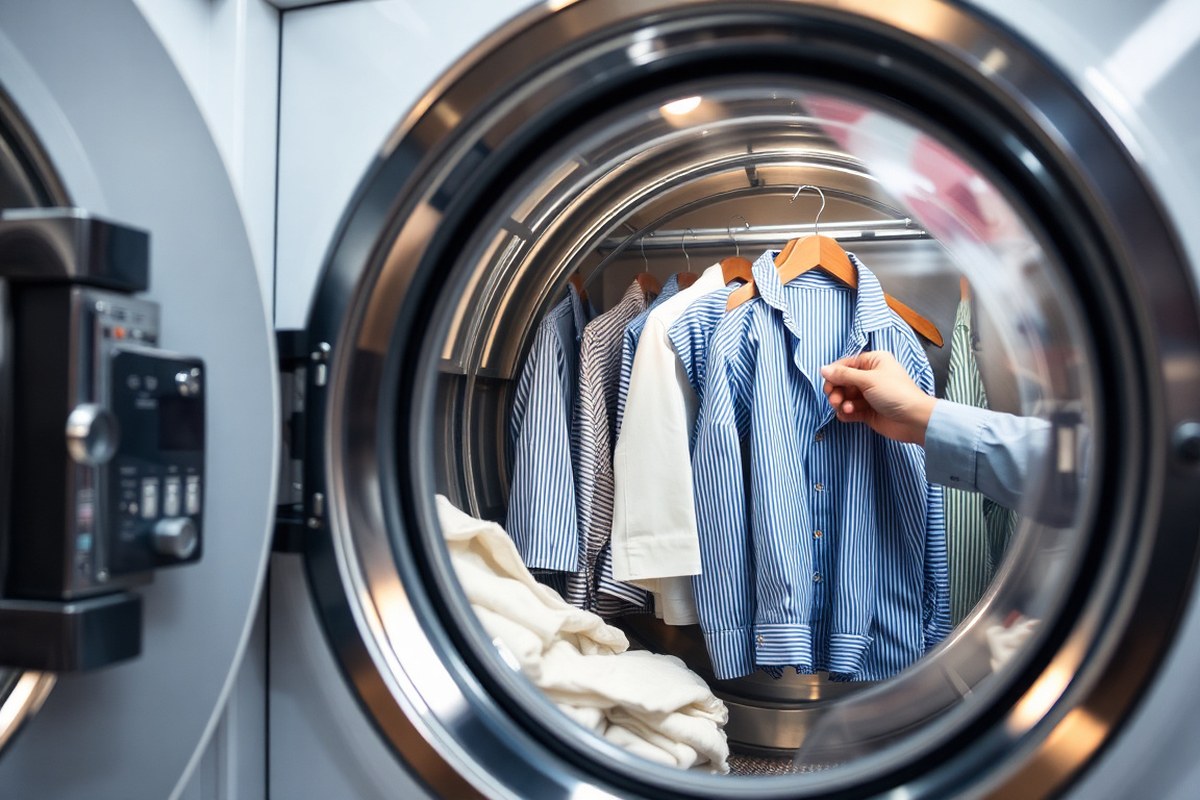
Dry cleaning is a cleaning method that uses chemical solvents instead of water to clean delicate fabrics without damaging them. It is ideal for garments and textiles that can shrink, lose shape, or get damaged through regular washing with water and detergent. This process provides a safe, effective way to remove stains and freshen clothes that require special care.
This explanation is for anyone curious about how dry cleaning differs from traditional washing and what makes it necessary for certain fabrics. You’ll learn the basic process, why some items need it, how solvents used vary, and tips to maximize your garment care before and after cleaning.
Key Takeaways
- Dry cleaning uses chemical solvents instead of water to protect delicate fabrics from damage.
- Fabrics like silk, wool, and some synthetic blends require dry cleaning because water can shrink or distort them.
- The most common traditional solvent is perchloroethylene (perc), but greener alternatives like siloxane and liquid carbon dioxide exist.
- Professional dry cleaning usually takes about 1 to 1.5 hours, with rapid turnaround services available within 24 hours.
- Picking up and returning clothes via on-demand dry cleaning services offers convenience without compromising quality.
- Properly preparing garments by checking labels and emptying pockets improve cleaning results and prevents damage.
What Is Dry Cleaning and How Does It Differ from Washing?

Dry cleaning is a professional cleaning method that removes dirt and stains from fabrics without using water. Instead, it relies on special liquid solvents to clean garments. The term “dry” comes from the fact that the process avoids water entirely, which prevents the fabric from becoming wet or saturated during cleaning. This approach protects delicate textiles that could be damaged, shrink, or lose their shape if washed in a conventional washing machine.
Unlike traditional laundry, where water mixed with detergent flushes out dirt, dry cleaning uses solvents such as perchloroethylene, often called “perc.” These solvents dissolve oils and grease more effectively than water and do so without swelling or saturating the fibers of the cloth. As a result, fabrics like wool, silk, and embellished clothing maintain their texture, colors, and fit for longer. The liquid solvents evaporate quickly after cleaning, leaving garments nearly dry at the end of the process.
Water is avoided because some fabrics react poorly to it. For example, silk can lose its sheen and wrinkle badly, wool can shrink, and rayon may distort when exposed to water and agitation. Dry cleaning keeps these items looking newer by cleaning with a liquid that doesn’t interfere with the fiber’s structure. This method also handles stains that water struggles to remove, such as grease or oil-based spots.
In traditional washing, garments are soaked, agitated, and rinsed, which takes longer and can stress delicate fibers. Dry cleaning is typically quicker, taking just about 1 to 1.5 hours for a professional to complete. It requires specialized machines and trained operators to handle the solvents safely and ensure even cleaning. Because dry cleaning involves chemicals, it can cost more than home washing, typically ranging from $5 to $20 per garment depending on fabric type and item complexity.
Not all fabrics need dry cleaning, but it’s ideal for structured, delicate, or embellished garments that regular washing might ruin. Some modern dry cleaning services even offer pickup and delivery options, returning cleaned clothes within 24 hours. While traditional solvents like perc have environmental concerns and are being phased out in some places such as California, newer methods use less-toxic solvents or water-based alternatives, broadening dry cleaning’s reach while aiming for safer, more eco-friendly cleaning.
How the Professional Dry Cleaning Process Works Step-by-Step
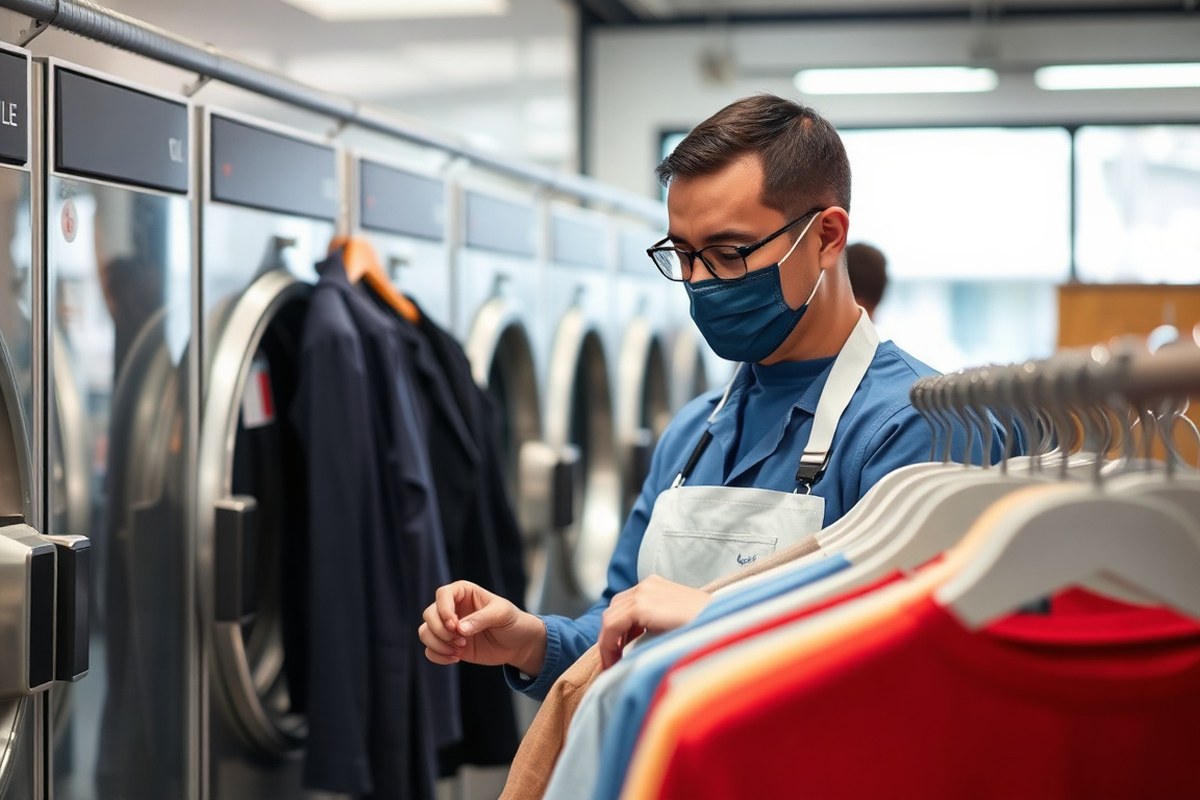
The professional dry cleaning process involves several careful steps to clean clothes without water. It starts with tagging and inspecting the garment, followed by treating any stains, washing with solvents in a special machine, drying, then a final inspection before finishing. This method protects delicate fabrics and removes dirt and oils that water can’t effectively clean.
Garment Tagging and Inspection
When you drop off your clothes, each garment is tagged with an identification number to keep it separate from others. This step helps track your items and prevents mix-ups. After tagging, a trained professional inspects the garment closely to check for stains, damages, or weak spots. This inspection also confirms if the garment is suitable for dry cleaning and identifies any stains that need special attention.
The inspector marks the stains and notes any fabric details that might influence the cleaning method. This attention ensures that the right solvent and treatment process are used, protecting your clothes from damage while targeting problem areas.
Pre-Treatment of Stains
Stains are treated before the main cleaning cycle to improve removal success. Dry cleaners use special solvents or spotting chemicals tailored to the stain type, such as grease, ink, or wine. This pre-treatment often involves gently rubbing or applying the solvent on the stain to break down the oils or particles that cause discoloration.
Some stains, especially water-based ones, require delicate handling as they might not be easily removed by dry cleaning solvents alone. The quality of stain removal depends on the cleaner’s skill and the correct choice of products. Pretreatment usually takes a few minutes per garment but is essential for a successful clean.
Cleaning and Drying Cycle
After pretreatment, the garment is placed into the dry cleaning machine, a large tumbler with a tank that holds the cleaning solvent. Instead of water, the machine uses a liquid solvent that circulates and filters through the clothes repeatedly to lift dirt and oils without damaging delicate fibers.
The machine tumbles the clothes slowly to allow the solvent to reach all parts. This process happens at room temperature to prevent shrinking or fabric distortion. Solvent is filtered and recycled multiple times during cleaning to maintain efficiency and reduce waste.
Once the cleaning cycle is complete, the machine shifts to drying. Warm air circulates around 60 to 63°F through the tumbler, evaporating any remaining solvent from the clothes. This drying phase ensures your garment is completely dry and ready for final review.
Second Inspection and Finishing
After drying, the garment undergoes a second inspection to confirm all stains are removed and the fabric is clean. If some stains remain, a new treatment cycle may be applied. This step ensures your clothes come back spotless and fresh.
Finishing includes pressing or steaming to remove wrinkles and restore the garment’s shape. This process depends on the fabric type and garment style, aiming to make your clothes look ready to wear. Any minor repairs, like reattaching buttons or replacing loose threads, may also happen at this stage. Cleaning professional dry cleaners may take about 1 to 3 days for the entire process, sometimes longer for delicate or complicated items due to extra care or additional treatments needed.
Always point out stains at drop-off to make sure they get the proper attention during pretreatment.
- Tag each garment with a unique identifier.
- Inspect the garment for stains, damages, and fabric type.
- Treat stains with appropriate spotting chemicals before cleaning.
- Place garments into the dry cleaning machine with liquid solvent.
- Tumble clothes while solvent circulates and filters continuously.
- Dry clothes using warm air at about 60-63°F to evaporate solvent.
- Re-inspect garments to check for remaining stains or issues.
- Finish with pressing, steaming, or minor repairs as needed.
Which Fabrics and Items Need Dry Cleaning Instead of Washing?
Fabrics and garment types labeled for dry cleaning deserve special care to prevent damage. Dry cleaning works with delicate or structured fabrics that water and home washing machines can harm. Checking your garment’s care label is key to choosing the right method.
Common Fabrics Requiring Dry Cleaning
Some fabrics will shrink, stretch, fade, or lose shape if washed in water. These materials benefit from the solvent cleaning of dry cleaning, which avoids water and heat. Classic examples include silk, wool, and rayon. Structured items like suits, coats, and tailored dresses often use fabrics that hold their shape best with dry cleaning. Other items that typically require dry cleaning include:
- Silk blouses and scarves
- Wool sweaters and coats
- Rayon and acetate garments
- Structured suits and blazers
- Velvet and chiffon fabrics
- Garments with embellishments or pleats
- Leather and suede items (professional dry clean only)
These fabrics and items often carry a “dry clean only” label because washing them at home risks irreversible damage. Dry cleaning preserves fabric integrity and color, especially for delicate or expensive clothing.
Understanding Dry Clean Care Symbols
Labels use symbols to direct proper fabric care. For dry cleaning, look for a small circle, which indicates the garment should not be washed with water. Sometimes the circle contains letters representing specific solvents allowed, such as “P” indicating perchloroethylene or “F” for hydrocarbon solvents.
Garments marked with a circle symbol usually read “dry clean only.” This means using home washing methods may ruin the fabric, cause shrinkage, or damage finishes. Following these symbols saves your clothes from avoidable wear.
Risks of Improper Washing
Washing fabrics labeled for dry cleaning with water and detergent can cause shrinking, stretching, color loss, and distortion of shape. For example, wool garments exposed to water and heat may shrink by 10 to 20 percent. Silk can lose its luster and strength after exposure to soaps or agitation.
Washing structured clothing like suits or blazers can lead to lost form, puckering seams, and damaged lining. Items with delicate trims or pleats lose their defined shapes. Home washing also risks running colors, especially on dyed or pile fabrics like velvet.
Choosing professional dry cleaning avoids these problems. It helps maintain the garment’s original appearance and prolongs its life. When you see “dry clean only” or the circle symbol, follow it to protect your clothing investment.
What Solvents Are Used in Dry Cleaning and How Do They Compare?
Dry cleaning uses specialized solvents to clean fabrics without water. The most widely used traditional solvent, perchloroethylene (perc), is effective at dissolving grease and oil stains. Perc has been the industry standard since the 1930s because it removes soils that water and detergents cannot. Modern machines recycle perc in closed-loop systems, reducing emissions, but environmental and health concerns remain. Exposure to perc is linked to cancer risks and respiratory problems, especially for dry cleaning workers, leading to stricter regulations and bans in several countries like Germany, Britain, and the US.
Newer, more environmentally friendly solvents have emerged as alternatives. Four main “green” options include synthetic petroleum (DF-2000), siloxane (marketed as Green Earth), liquid carbon dioxide, and wet cleaning (a water-based, detergent system performed with special equipment). These solvents aim to balance cleaning power with lower toxicity and reduced environmental impact. For example, siloxane is a colorless, odorless silicone liquid that breaks down stains without leaving a strong chemical residue and has a lower health risk profile than perc.
Many dry cleaners have transitioned to these alternatives, which often cost more but offer safer workplaces and less pollution. Detergents are added to help remove soils in both traditional and green solvents, improving stain removal efficiency. Proper solvent filtration and recycling remain important; solvents that smell strong or remain dirty suggest poor maintenance, which can cause damage to garments and increase health risks.
| Solvent Type | Common Use | Environmental Impact | Health Concerns | Comments |
|---|---|---|---|---|
| Perchloroethylene (Perc) | Traditional standard solvent | High; persistent pollutant, regulated | Linked to cancer, respiratory risks | Phased out in some countries; still used in closed-loop systems |
| Synthetic Petroleum (DF-2000) | Green alternative | Lower than perc, still petroleum-based | Less toxic than perc | Effective, but flammable |
| Siloxane (Green Earth) | Eco-friendly solvent | Lower impact, breaks down easily | Low toxicity | Odorless, popular green choice |
| Liquid Carbon Dioxide | Non-toxic alternative | Very low impact, recycled in machines | Minimal health risks | Requires special equipment; higher cost |
| Wet Cleaning | Water-based, detergent system | Low environmental impact | Safe for workers and fabric | Uses specialized machines and detergents |
Choosing the right solvent depends on the garment, local regulations, and the dry cleaner’s technology. Green alternatives often offer safer cleaning without sacrificing effectiveness, but they come with higher operational costs. Watch for dry cleaners that maintain their machines well and disclose their solvent use. This helps ensure safer service and better garment care for you and the environment.
How to Prepare and Care for Garments Before and After Dry Cleaning
Before dropping off your garments for dry cleaning, take time to check each piece carefully. Make sure to note any stains on your clothes and inform your dry cleaner about their type, whether it’s coffee, oil, wine, or something else. This information helps the cleaning staff select the right pretreatment solution to target the stain effectively. Also, read the care label to confirm that dry cleaning is recommended for that fabric.
Garments with metal parts like buttons or zippers should be identified and separated from others. These parts can scratch or damage delicate fabrics and embellishments during cleaning if not handled properly. For heavily beaded gowns, antique lace, or couture items with glued or structural elements like boning, manual dry cleaning is often necessary to preserve the garment’s integrity.
- Turn clothes with body odor inside out to let steam reach problem areas better
- Point out all visible and hidden stains to your dry cleaner
- Separate items with metal zippers or buttons to prevent damage
- Cover delicate buttons and embellishments with soft cloths if possible
- Check garment labels for dry cleaning advice and special care instructions
- Note any pre-existing damage like missing buttons or broken zippers to avoid disputes
- Remove items from pockets and empty all contents before drop-off
After dry cleaning, proper care helps keep your clothes looking their best longer. Store garments in a cool, dry place away from direct sunlight to avoid fading and fabric deterioration. Hang suits, silk, and wool items on padded hangers to maintain their shape. Avoid folding or crushing decorated pieces immediately after cleaning to prevent damage to embellishments. If your dry cleaner removes and replaces buttons, check these are secure when you collect your items.
Always tell your dry cleaner about every stain and odor to ensure targeted treatment and better cleaning results.
The dry cleaning process itself includes an inspection both before and after cleaning. This inspection ensures stains are treated promptly and any persistent spots are addressed before the final finish. Your dry cleaner also protects buttons and embellishments by covering them or removing them temporarily to avoid damage during cleaning. Expect the entire visit to a professional dry cleaner to take a few days, depending on factors like garment type and workload.
How Long Does Dry Cleaning Take and What Affects Turnaround Time?
The dry cleaning process usually takes between 24 to 48 hours from drop-off to pickup. This time includes inspection, stain treatment, cleaning with solvent, drying, steaming, and pressing. Items dropped off before 10 AM often qualify for same-day service at many branches, meaning you can have your garments ready within hours if you need them fast.
Turnaround time depends on several factors. Stain complexity plays a big role. If your garment has tough stains like grease, ink, or wine, the dry cleaner will spend extra time identifying and pre-treating them before the cleaning cycle starts. This step can add several hours to processing, especially for delicate fabrics that require careful handling to avoid damage. The type of item matters too. Suits, coats, and dresses often require longer cleaning and pressing times compared to simpler items like shirts or pants.
Service options affect how quickly you get your clothes back. Some cleaners offer express or rush services for an additional fee, which can reduce turnaround to a few hours within the same day. Pickup and delivery services add convenience but may extend timing slightly depending on scheduling and travel distance. Companies like Laundryheap provide fast collection and delivery right to your door, which saves you trips but requires planning ahead to ensure your item arrives when you need it.
Additional steps like professional tailoring or alterations lengthen total processing time. When scheduling, consider whether your garment needs hemming or repairs along with cleaning, as this can add a day or two. Price varies too; fast or same-day services can cost 20 to 50 percent more than standard turnaround, depending on location and service level.
Good results come from balancing speed with thorough care. Rushing can lead to incomplete stain removal or insufficient pressing, which affects the garment’s appearance. Slow processing allows more careful stain treatment and finishing, especially for high-value or delicate fabrics sensitive to the solvents used. Dry cleaning relies on chemical solvents that clean better than water but also require skilled handling to protect your clothes while removing dirt and stains effectively.
Planning ahead and communicating your timeline to the dry cleaner helps ensure your items are ready when you need them. Ask about their cutoff time for same-day service and confirm if pickup or delivery suits your schedule. Being aware of factors like stain type, garment complexity, and added service options helps you choose the best balance between speed, cost, and quality for your dry cleaning needs.
Common Dry Cleaning Mistakes and How to Avoid Them
One frequent mistake is ignoring stains before sending garments to the dry cleaner. Stains that you don’t point out can be missed or not treated properly, making them harder or impossible to remove later. Letting your cleaner know exactly where the stains are and what caused them helps them select the best solvents and treatment methods. Without this information, the stain may set deeper during the process.
Misunderstanding care labels is another common error. Labels sometimes suggest dry cleaning only, but you might try home washing, which can ruin delicate fabrics. Dry cleaning protects fibers from shrinking or losing shape by using specialised solvents. Reading the label carefully and following its instructions ensures you don’t risk damage such as color bleeding or texture changes.
Poor communication with your dry cleaner also leads to disappointing results. Dry cleaners often provide minor repairs like replacing missing buttons or fixing loose hems. Pointing out any existing damage allows these fixes during cleaning and prevents further deterioration. If you don’t mention repairs or garment specifics, you may miss out on added value that often comes with professional service.
- Always point out stains and describe how they happened.
- Read and follow garment care labels carefully.
- Inform cleaners about any damage or repairs needed.
- Use pick-up and drop-off services to keep garments safe and avoid rushed drops.
- Avoid home washing on dry clean-only items to prevent shrinkage or fabric loss.
- Ask your dry cleaner about their cleaning solvents and process for your garment type.
Neglecting these steps raises the risk of fabric damage, stain permanence, or poor cleaning outcomes. Proper pre-treatment of stains and clear communication allow dry cleaners to tailor the process and protect your clothing investment. Picking a dry cleaner that uses modern, computer-controlled machines and trusted solvents like perchloroethylene can increase cleaning effectiveness.
Dry cleaning is also an opportunity to catch and fix minor garment issues early. Take a moment before drop-off to check for missing buttons, holes, or worn areas. This keeps garments looking good longer and avoids more expensive repairs later. With some attention to details before you hand off your clothes, you help the dry cleaner give your garments the best care possible.
Modern Innovations and Eco-Friendly Trends in Dry Cleaning
Recent advances in dry cleaning focus on making the process safer for both the environment and your clothes. Innovations such as green solvents, liquid carbon dioxide cleaning, and professional wet cleaning reduce the use of harsh chemicals. At the same time, new on-demand pickup and delivery options provide greater convenience without compromising quality.
Green Solvent Technologies
Green solvents include alternatives to traditional perchloroethylene (perc), offering less toxicity and lower environmental impact. Hydrocarbon solvents, liquid silicone, and dibutoxymethane are examples that clean well without soaking fabrics in water. These solvents penetrate gently, preserving delicate textiles like silk, wool, and cashmere while reducing harmful emissions.
Liquid carbon dioxide cleaning uses CO2 under pressure as a solvent. This process requires specialized equipment that keeps CO2 in liquid form, cleaning garments without the chemical residues typical of waterless solvents. Liquid CO2 cleaning reduces chemical waste and odor residues, making it a popular eco-friendly choice. Pricing for these services may be higher, often 10 to 20% more than traditional dry cleaning, but many people find the tradeoff worthwhile for environmental benefits.
Professional Wet Cleaning Explained
Professional wet cleaning uses water and specialized detergents along with computer-controlled machines to clean delicate clothes safely. Unlike home washing, these machines regulate temperature, moisture, and agitation precisely to avoid shrinkage or damage. Wet cleaning avoids chemical solvents altogether, making it an environmentally gentle option for many fabrics traditionally labeled “dry clean only.”
Skilled technicians select appropriate cycles and detergents based on fabric type and garment construction. Although wet cleaning removes some stains less effectively than solvents, it excels at handling water-soluble dirt while lowering chemical exposure risks. This technique is growing in popularity, particularly among cleaners prioritizing sustainability and fabric care.
On-Demand Dry Cleaning Services
Modern dry cleaners increasingly offer on-demand pickup and delivery services that connect customers with professional cleaners through apps or websites. You schedule a pickup time, and your clothes are collected, cleaned using the latest eco-friendly methods, and returned within 24 to 48 hours. This service adds convenience and saves time, especially for busy households or those without easy access to dry cleaners.
Some services use route optimization software to reduce fuel consumption during pickups and deliveries, further supporting sustainability goals. Prices for on-demand services vary, typically adding a $10 to $20 convenience fee on top of standard cleaning rates, but they can save you trips and provide faster turnaround times.
Ask your dry cleaner about the specific cleaning method they use before dropping off clothes labeled “dry clean only” to ensure the best fabric care and environmental choice.
Step-by-Step Action Plan for Using Dry Cleaning Services
Follow this plan to get the best results from your dry cleaning experience and keep your clothes in top shape.
- Before you go: Check the care labels on your garments to identify which items need dry cleaning. This ensures you don’t accidentally wash something that requires special care.
- Day 1: Inspect clothes for stains and point them out to the dry cleaner. Clear communication helps the cleaner treat spots effectively.
- Day 1: Remove any delicate accessories or items from pockets before dropping off your clothes. This prevents damage or loss during cleaning.
- Day 2: Confirm the estimated pickup time with the cleaner. Knowing when your garments will be ready helps you plan accordingly.
- Pickup day: Inspect your clothing for any missed stains or damage. Address any issues immediately with the cleaner to get a solution.
- After pickup: Store dry cleaned items properly, hanging or folding as recommended. Proper storage maintains the garment’s shape and cleanliness.
- Regularly: Limit dry cleaning frequency; clean only when necessary to preserve fabric life and avoid chemical buildup.
Frequently Asked Questions
What Is Dry Cleaning?
Dry cleaning is a cleaning process that uses solvents instead of water to clean clothes and fabrics. It removes stains and dirt without shrinking or damaging delicate materials.
How Long Does a Typical Dry Cleaning Cycle Take?
The dry cleaning process typically takes between 1 to 1.5 hours to complete. This allows enough time to clean, dry, and press your garments properly.
Can Dry Cleaning Be Done at Home?
Dry cleaning is usually done by professionals using specialized machines and solvents. Home kits exist but are less effective and not suitable for all fabrics.
Is Dry Cleaning Safe for All Types of Clothing?
Dry cleaning is best for delicate fabrics and items labeled as “dry clean only.” Always check your garment’s care label before choosing this method.
Why Do Some Dry Cleaners Offer Same-Day or 24-hour Service?
Many modern dry cleaners provide on-demand services where items are picked up, cleaned, and returned within 24 hours for convenience.
What Solvents Are Considered “Green” or Eco-Friendly in Dry Cleaning?
Eco-friendly solvents include siloxane (Green Earth), liquid carbon dioxide, and synthetic petroleum (DF-2000), which reduce environmental impact.
Wrapping Up
Dry cleaning removes tough stains and protects delicate fabrics by using special solvents instead of water. It’s ideal for items that can’t withstand traditional washing. Take time to understand your garments’ needs and communicate clearly with your cleaner to get the best care. Start by checking the care labels on a few pieces today to see which ones require dry cleaning next time.