How to Remove Sweat Stains from White Shirts: 8 Proven Methods for Best Results
To remove sweat stains from white shirts effectively, soak the stained area for at least 20 minutes using a paste of baking soda or vinegar, then gently scrub the stain. For old stains, longer soaking and repeated treatment may be necessary. This approach helps lift stains without damaging the fabric.
Anyone dealing with stubborn yellowing or discoloration on white shirts will find practical, step-by-step methods here. The article covers quick stain removal, selecting stain-fighting ingredients, and care tips to keep your whites looking clean and fresh.
Key Takeaways
- Soak sweat-stained white shirts for 15 to 30 minutes to loosen stain particles before scrubbing.
- Make a paste of baking soda and water to gently scrub fresh sweat stains for effective removal.
- Use white vinegar to soak underarm areas, helping to break down sweat and deodorant buildup.
- For older or tougher stains, extend soaking time beyond 30 minutes and repeat treatments if needed.
- Test bleach cautiously on white or cream shirts and use only if fabric care label allows it.
- Scrubbing with a soft toothbrush works better than rubbing harshly, which can damage fabric.
1. How to Quickly Remove Sweat Stains from White Shirts

Removing sweat stains from white shirts quickly is possible using common household items like liquid laundry detergent, white vinegar, baking soda, and hydrogen peroxide. Pretreating the stain before washing helps break down the sweat and deodorant residue that causes yellowing. For fresh stains, immediate treatment and washing give the best results. Older stains need a little more time soaking but can still clear up with these DIY methods.
Use liquid detergent to target protein and oil in sweat stains. White vinegar and baking soda work to lift and neutralize odors and discoloration. Hydrogen peroxide acts as a gentle bleaching agent safe for whites when used properly. Soaking times vary by stain age but usually range from 15 to 30 minutes to allow ingredients to work effectively without damaging fabric. Avoid using hot water initially as it can set stains.
- Pretreat the stain: Apply 1 to 2 teaspoons of liquid laundry detergent directly to the stained underarm or collar area. Rub gently with your fingers to work it into the fabric. This helps dissolve sweat residue quickly.
- Let it sit: Leave the detergent on the sweat stain for at least 10 minutes. This step ensures the enzymes and cleaning agents start breaking down the stain before washing.
- Prepare a soaking solution: Mix one part white vinegar to two parts cool water in a basin or sink large enough to hold your shirt. Soak the shirt in this solution for 15 to 20 minutes. Vinegar helps loosen yellow discoloration and neutralizes odor.
- Create a baking soda paste: Mix 3 tablespoons of baking soda with enough water to form a thick paste. For stubborn old stains, add a teaspoon of hydrogen peroxide to the mixture for extra bleaching action.
- Apply the paste: Spread the baking soda paste over the sweat-stained areas. Let it sit for 15 minutes if fresh stains or up to 30 minutes for older, set-in stains. This extra step boosts stain removal.
- Wash normally: After pretreatment, wash your white shirt in cool or warm water using your regular detergent. Avoid hot water as it may set any remaining stain. Use the highest water level for good rinsing.
- Dry in sunlight if possible: Air-dry your shirt in direct sunlight. UV rays provide a natural bleaching effect that further lightens any residual stains and brightens white fabric.
This method costs only a few dollars for common household items and typically takes from 40 minutes to an hour from start to finish, including soaking and drying prep. Quick removal depends on acting soon after the stain appears and using pretreatment steps thoroughly.
2. Choosing the Right Stain Removal Ingredients for Whites
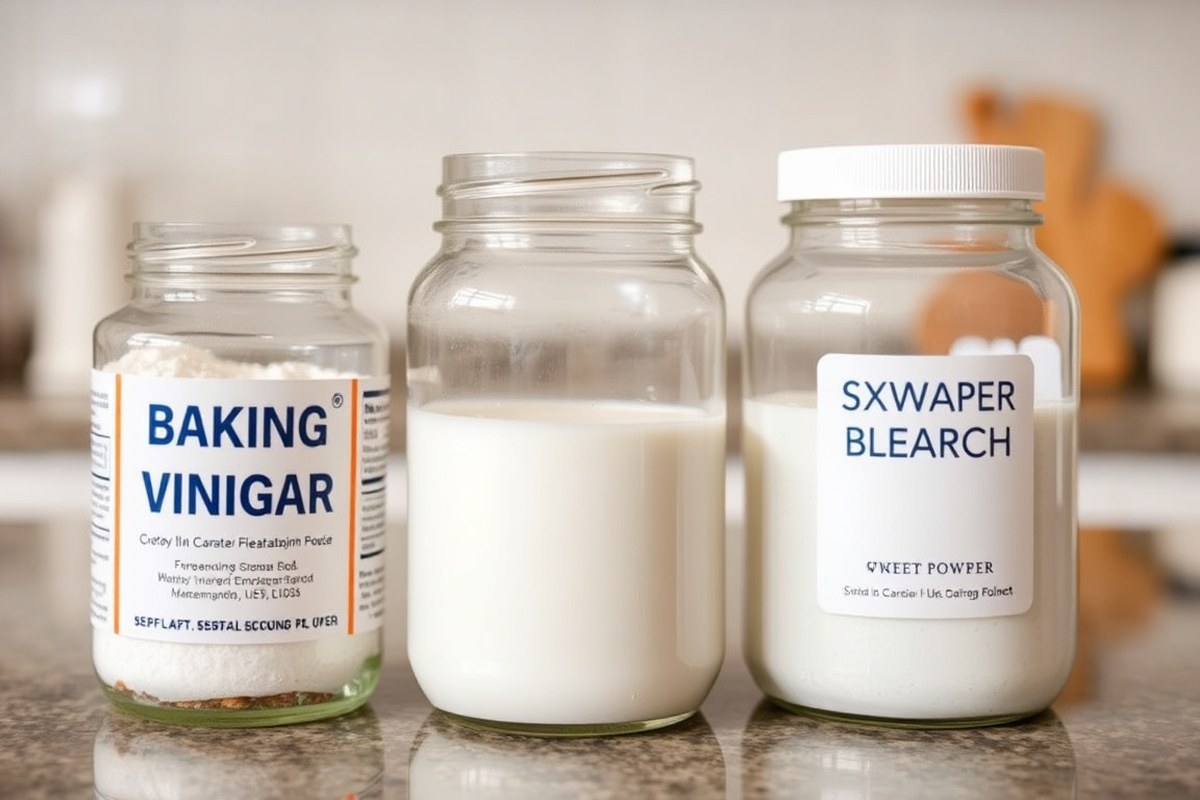
The best agents for removing sweat stains from white shirts include white vinegar, baking soda, oxygen bleach, and hydrogen peroxide. Each works differently depending on the chemistry of the stain and fabric involved. Vinegar, for example, is slightly acidic, which helps break down the alkaline salts left by sweat, making it effective on old yellow stains without damaging most fabrics. Baking soda acts as a mild abrasive and deodorizer, lifting stain pigments and neutralizing odors gently. Oxygen bleach releases oxygen molecules that break apart stain molecules and whiten fabrics, but it is safer and less harsh compared to chlorine bleach. Hydrogen peroxide works as a natural whitening agent by bleaching stains chemically, often improve by mixing it with baking soda and salt for stubborn spots.
White vinegar is best applied by sponging it directly onto the stained area before laundering. Choose distilled white vinegar as it contains no colorants that might discolor your shirt. Baking soda works well when made into a paste, combine 4 tablespoons with 1 tablespoon of water, and rubbed gently into the armpit or collar stains. Let it dry and then wash as normal. Oxygen bleach can be used safely on white cotton and cotton-poly blends following the package instructions, generally involving soaking for 30 minutes to 1 hour before washing. Avoid chlorine bleach on delicate fabrics as it can degrade fibers and cause yellowing rather than removing it.
| Stain Removal Agent | Effectiveness on Sweat Stains | Fabric Safety | Ideal Usage |
|---|---|---|---|
| White Vinegar | Good for old yellow stains; dissolves sweat salts | Safe for most washable fabrics including cotton and synthetics | Pre-treat stain by sponging; soak before wash |
| Baking Soda | Effective for fresh and moderate stains; deodorizes | Gentle for all fabrics, including delicate whites | Paste applied and dried on stain; then launder normally |
| Oxygen Bleach | Strong on stubborn or old stains; whitens | Safe on cotton, linen, and cotton-poly blends; check labels | Used as a soak or in wash; follow product instructions |
| Hydrogen Peroxide (3%) | Good natural bleach; lifts tough stains when combined with baking soda | Generally safe on cotton whites; spot test first on synthetic blends | Mix with baking soda and salt; make paste for spot treatment |
| Chlorine Bleach | Powerful, but can damage fabrics and cause yellowing | Not recommended for most white shirts, especially delicate or synthetic blends | Use only if fabric label permits, and on sturdy cotton whites only |
Natural agents like vinegar and baking soda cost very little, typically under a dollar per use, and are easy to find in most households. Oxygen bleach may cost a little more but offers strong whitening without harsh chemicals. Using these in the order of stain age and fabric type helps prevent damage and increases success in stain removal. Applying a baking soda paste and letting it dry locks in pigments and odors to be washed away effectively. For older yellow sweat stains, vinegar pre-soaking helps dissolve set-in salts, while oxygen bleach boosts whiteness afterward.
Always test any stain remover on a hidden part of your shirt to check for colorfastness or fabric damage before full application.
3. Step-by-Step Guide to Removing Fresh vs Old Sweat Stains
Fresh sweat stains usually respond quickly to treatment with less soaking time, while older, yellowed stains need longer soaking and may require multiple treatments. You can repeat the removal process as many times as needed, assessing progress after each wash. Knowing the difference between fresh and old stains helps you apply the right method and avoid damaging your shirt.
Identifying Fresh vs Old Sweat Stains
Fresh sweat stains appear as damp or slightly discolored patches, mostly on the underarm area, often still moist or faintly yellow. They have not fully set into the fabric and usually wash out more easily. Old or set-in stains are dry yellow marks that have penetrated the fabric fibers and can look darker or crusty after drying.
Knowing the stain’s age is important because fresh sweat stains usually require a quick wash or brief soak, while old stains need soaking solutions and paste treatments with longer contact times. When you notice some moisture or the stain looks fresh, treat it as a new stain.
Treatment Steps for Fresh Stains
Fresh stains can often be removed with minimal soaking and a single treatment. Using a liquid laundry detergent on a fresh stain works well because it penetrates the fabric quickly. Follow these steps for best results:
- Apply liquid laundry detergent directly to the sweat stain, gently rubbing it with your fingers to work the detergent into the fabric.
- Let the garment sit for 5 to 10 minutes; this short time helps the detergent break down sweat proteins without damaging the fabric.
- Soak the stained area in cold water for 15 to 30 minutes to further loosen the stain.
- Use a soft-bristled toothbrush to gently scrub the stain, focusing on the edges.
- Rinse thoroughly with cool water to remove detergent and loosened sweat residue.
- Machine wash the shirt in cold or warm water using your usual detergent.
- Air dry the shirt or line dry to avoid setting any leftover stain with heat.
You’ll see fading or significant lightening of the stain after this process. When the stain is still visible, repeat the treatment once more to remove leftover traces before drying.
Treatment Steps for Old or Set-In Stains
Old sweat stains need longer soaking times and sometimes a homemade stain-removal paste. Aspirin mixed with hot water works well for set-in yellow stains because it breaks down the proteins and minerals in sweat that cause yellowing. Plan for repeating treatments if stains persist after the first wash.
- Crush two aspirin tablets into a fine powder.
- Mix the powder with ½ cup of hot water to create a paste.
- Apply the paste thickly onto the yellowed sweat stain using a toothbrush or your fingers.
- Let the paste sit on the stain for 30 to 60 minutes at room temperature, allowing time for the aspirin to act.
- Soak the shirt in cold to warm water for 1 to 2 hours to loosen the stain further.
- Scrub gently with a toothbrush to lift stain particles from the fabric.
- Machine wash the shirt in warm water with regular detergent.
- Check the stain before drying; repeat the entire process if it is still visible.
Good progress shows fading or lightening after each treatment cycle. Avoid heated drying until the stain is fully removed, as heat can permanently set yellow sweat stains. Persisting stains typically respond well to two or more cycles of this treatment regimen.
4. How Fabric Type Affects Sweat Stain Removal Methods
The type of fabric your white shirt is made from directly influences the best way to remove sweat stains without causing damage. Natural fibers like cotton absorb sweat and stains differently than synthetic fabrics, and delicate materials require more cautious treatments to avoid shrinkage, discoloration, or fabric weakening.
Cotton and cotton blends are common choices for white shirts and tend to tolerate mild bleaching agents and enzymatic cleaners well. You can use hydrogen peroxide safely on white cotton to break down sweat stains, but it’s wise to test it on an inconspicuous spot first to avoid any discoloration. Avoid scrubbing too hard, as this can weaken fibers and cause holes over time.
Synthetic fabrics like polyester used in workout shirts trap sweat differently. These usually require enzymatic cleaners that target protein stains or oxygen-based bleaches formulated for synthetics without causing yellowing or stiffness. Avoid using hot water above 104°F (40°C) because high heat can set stains and damage elastic fibers present in synthetics.
Delicate fabrics such as silk or fine cotton blends typical in dress shirts need gentle handling. Professional cleaning is often recommended for these materials. When treating at home, use mild detergents and avoid bleach or harsh chemicals. Hand washing in cool water with a gentle stain remover designed for delicate fabrics minimizes the risk of damage or shrinkage.
| Fabric Type | Safe Cleaning Method | Temperature | Precautions |
|---|---|---|---|
| White Cotton | Hydrogen peroxide or enzymatic cleaners | Warm water (up to 104°F/40°C) | Test peroxide spot first; avoid harsh scrubbing |
| Cotton Blends | Oxygen-based bleach or enzyme detergents | Warm water (up to 104°F/40°C) | Check garment care label; gentle agitation |
| Polyester/Synthetics | Enzyme cleaners; oxygen bleach formulated for synthetics | Cool to warm water (below 104°F/40°C) | Avoid heat; no chlorine bleach; avoid fabric softeners |
| Delicates (Silk, Fine Blends) | Mild detergent; professional cleaning recommended | Cold water | No bleach; hand wash gently; avoid soaking |
To avoid damage or shrinkage during cleaning, always follow the garment’s care label instructions. Use the lowest effective temperature and gentle agitation. Avoid bleach on delicates or blends without confirming fabric compatibility. Treat stains promptly to prevent deep embedding, which can require harsher treatments that risk fabric integrity. Adjust your cleaning method based on fabric type, and you can maintain bright white shirts without weakening their fibers or causing distortion.
5. Common Mistakes When Removing Sweat Stains and How to Fix Them
Common errors like using heat too soon, mixing incompatible chemicals, and skipping pretreatment steps can worsen sweat stains on your white shirts. Avoiding these mistakes increases the chance that stains will lift effectively without permanent damage. Here is a checklist of frequent problems with clear fixes you can apply immediately.
Using Heat Too Early and How It Affects Stains
Applying dryer heat or ironing before completely removing sweat stains sets the proteins and oils deeper into fibers. This can turn light stains into stubborn yellow marks. Wait to dry your white shirt until after successful stain removal and rinsing. Air drying is best until you confirm the stain’s gone, then use low dryer heat around 140°F (60°C) if needed.
Repeated exposure to heat, especially with old stains, makes removal much harder to achieve. Instead, treat stains promptly while still fresh to avoid permanent fixing caused by heat. Low heat for drying after washing saves your white shirts from deep-set stains.
Avoid Mixing Bleach Types or Cleaning Chemicals
Combining chlorine bleach with ammonia, vinegar, or other acids creates harmful gases and can damage fabric fibers. Oxygen-based bleach is safer for white shirts but must still be used according to label instructions to avoid colour fading or weakening fabric. Never mix bleach with detergents or stain removers unless the product explicitly states it’s safe.
Stick to one type of stain remover at a time, for example, use an enzymatic stain spray specifically for sweat stains, then follow with an oxygen-bleach soak if needed. This approach prevents chemical conflicts and improves stain breakdown. Always rinse thoroughly between treatments.
Skipping or Inadequate Pretreatment
Not treating sweat stains as soon as possible allows oils and salts to build up, making stains tougher and less responsive to washing. Pretreatment means applying your chosen stain remover evenly over the stain, gently working it in, and letting it sit for at least 15 to 30 minutes before laundering.
For old or stubborn stains, repeat detergent pretreatment and try an oxygen-bleach soak for several hours or overnight. This extra step boosts stain removal without harsh scrubbing. Avoid aggressive scrubbing, which can thread damage, and focus on gentle, consistent pretreatment instead.
Checklist of Mistakes and How to Fix or Prevent Them
- Dryer heat applied before stain removal, Fix by air drying until stains are gone.
- Mixing chlorine bleach with ammonia or vinegar, Prevent by using only one bleach type at a time.
- Skipping stain pretreatment, Remedy with enzyme cleaner applied 15-30 minutes before wash.
- Using harsh scrubbing on fabric, Avoid by gently working stain remover in by hand.
- Delaying washing after stain appearance, Wash shirts promptly within 24 hours for best results.
- Ignoring product instructions on stain removers or bleaches, Always follow label guidelines.
- Repeated use of high dryer heat on stained clothes, Use low heat or air dry to protect fabric.
Following these points can save you time, money, and preserve your shirt’s fabric and colour while effectively tackling tough sweat stains.
Recognizing the Impact of Delayed Treatment and Aggressive Methods
Old sweat stains exposed repeatedly to high heat dry cycles often resist standard treatments, meaning you may need stronger or repeated soaking in oxygen bleach solutions. However, this can wear down the fabric over time, so weigh the cost versus the shirt’s value. For lighter fabric types, frequent bleaching risks thinning or yellowing beyond the stain itself.
Gentle pretreatment and prompt washing reduce this damage risk while improving stain removal success. Test a small hidden area of the shirt before attempting bleach soaks or repeated chemical treatments.
Always air dry your white shirt after treating sweat stains to prevent heat from setting the stain permanently.
6. How Deodorants and Sweat Cause Yellow Stains on White Shirts
Yellow stains on white shirts happen because sweat, deodorant chemicals, and your skin’s natural oils interact and create a buildup. Sweat alone is mostly water and salt, but when combined with aluminum and zirconium compounds found in many deodorants, it forms those stubborn yellow marks. Bacteria that feed on sweat byproducts make the stain darker and harder to remove.
The Chemistry Behind Sweat and Deodorant Stains
Sweat contains water, salts like sodium chloride, and proteins from your body. On its own, sweat doesn’t usually cause yellow stains. The problem starts when aluminum- or zirconium-based compounds from deodorants mix with sweat. These metal salts chemically react with proteins and other organic compounds in sweat. This reaction creates insoluble yellow compounds that latch onto fibers of white shirts.
The more aluminum or zirconium in the deodorant, the worse these yellow stains can be. These compounds act like stains’ glue, making them stick to fabric even after washing. Without aluminum, sweat tends to leave less noticeable or no yellow residue.
Role of Sweat Bacteria and Body Oils
Bacteria living on your skin thrive on components in sweat, especially lipids and proteins. As they break these down, they produce waste products like acids and ammonia. These waste products can deepen the yellow color and cause odor. Over time and with sweat buildup, the fabric fibers absorb these substances, making stains harder to eliminate.
Body oils also add to the problem. Oils don’t mix with water, so when sweat evaporates, they remain in the fabric. The oils trap the yellow compounds and hold onto dirt, which darkens the stain over time. This is why areas like armpits on white shirts take on that yellow, dingy look after repeated wear.
Why Aluminum and Zirconium Compounds Cause Discoloration
Aluminum salts, including aluminum chlorohydrate, are common active ingredients in antiperspirants. They work by blocking sweat glands, but chemically they react with the proteins from sweat to form a yellowish residue. This residue accumulates and oxidizes, turning more noticeable after heat exposure, like from body warmth or drying.
Zirconium compounds, found in some deodorants, behave similarly by reacting with sweat components to create insoluble complexes that stain fabrics. These stains often become permanent if not treated quickly because they bind tightly to shirt fibers.
Fabric Softener Effects on Sweat Stains
Fabric softeners coat clothing fibers to make them feel softer. Unfortunately, this coating can trap sweat, deodorant residues, and bacteria inside fabric layers. Rather than washing away, these substances build up, causing more yellowing and odor over time. Continuous use of fabric softeners on white shirts prone to sweat staining may make it harder to keep them bright. Choosing to skip fabric softener or using it sparingly on white shirts that often get sweat stains can reduce buildup and make stain removal easier.
7. Prevention Strategies to Keep White Shirts Sweat-Stain Free
Preventing sweat stains on white shirts starts with careful choices in deodorants and laundry habits. Using an all-natural deodorant without aluminum reduces the chemical buildup that causes yellowing. Avoid applying thick layers; excess deodorant trapped in fabric promotes staining rather than stopping sweat. Apply a thin, even layer and let it dry completely before dressing.
Laundering habits impact how long your shirts stay stain-free. Wash white shirts soon after wearing to stop sweat molecules from embedding deeply. Treating sweat stains quickly also helps maintain the fabric’s brightness. Using cold or warm water (between 60 and 80 degrees Fahrenheit) preserves fabric integrity while removing sweat residues. Avoid high-heat drying since it can set stains permanently.
Sunlight can help keep your white shirts fresh and bright when used wisely. After washing, dry shirts outside in indirect sunlight for 1 to 3 hours. The sun’s UV rays naturally bleach whites and kill odor-causing bacteria without harsh chemicals. Direct, prolonged sun exposure should be limited to prevent fabric damage or yellowing due to UV overexposure.
- Choose natural deodorants free of aluminum to reduce sweat stain risk.
- Apply deodorant sparingly and allow it to dry before putting on shirts.
- Wash shirts promptly after use, ideally within 24 hours.
- Use cool or warm water cycles instead of hot water to protect fibers.
- Air-dry shirts partially in indirect sunlight to brighten and freshen.
- Avoid heat drying on high settings to prevent setting stains.
- Consider wearing moisture-wicking undershirts to limit sweat reaching outer layers.
Consistent fabric care is key in extending shirt freshness and preventing sweat stains. Spot treating underarm areas before washing with gentle stain removers also reduces buildup. You can mix equal parts baking soda and water to form a paste, apply it to problem areas, and let it sit for 15 minutes before laundering. This simple step cuts down on odors and visible discoloration. By integrating these habits into your routine, you’ll reduce the frequency and severity of sweat stains, keeping your white shirts looking cleaner and newer over time.
8. Removing Sweat Odor from White Shirts Alongside Stains
Sweat stains often go hand in hand with body odor in white shirts. The odor comes from bacteria breaking down sweat and trapping in the fabric, especially under the arms where deodorant residue builds up. Simply removing the visible stain might not be enough to get rid of the smell, so treating both together is key.
Start by soaking your white shirt in a solution designed to tackle bacteria and break down sweat components at once. Mix 1 cup of white vinegar or lemon juice with 1 gallon of cold water. These acids help dissolve the compounds causing stains and odor. Let the shirt soak for 30 to 60 minutes, depending on how strong the smell is. Longer soaking can improve odor removal but might weaken delicate fabrics, so stick closer to 30 minutes for thin cotton shirts.
After soaking, create a paste by mixing 2 tablespoons of baking soda with enough water to form a thick consistency. Apply this paste directly to the stained and odorous areas. Baking soda neutralizes remaining odors and acts as a gentle abrasive to lift stains. Let it sit for 20 minutes before washing.
Use the hottest water temperature the fabric can handle, usually 140°F (60°C) for cotton white shirts, to wash the stained area. Apply a detergent containing enzymes to better remove protein-based sweat stains and odors. Skip fabric softeners because they can hold onto smells. Let the shirt air dry in sunlight, which uses UV light to reduce bacteria and keep whites bright.
Persistent odor after washing calls for repeating the soak and paste method again before drying the shirt. Avoid using bleach frequently, as it can weaken fabric fibers and cause yellowing, which worsens sweat stain appearance over time.
Soak odorous white shirts in a vinegar-water solution for 30 to 60 minutes before applying a baking soda paste to target both stains and sweat smells effectively.
Using these acid-soak and baking soda paste steps together targets sweat stains and odor in one process. The acids break down stain-causing compounds, while baking soda neutralizes smells. Washing on the correct heat setting with enzyme detergent completes the treatment. This combined approach improves your chances of removing the tough underarm smell and yellowing without damaging your favorite white shirts.
Step-by-Step Action Plan for Removing Sweat Stains from White Shirts
Follow these clear steps to tackle sweat stains on your white shirts efficiently and keep your clothes looking fresh.
- Before washing: Treat the stain immediately by applying a mixture of water and mild detergent or a stain remover designed for whites. Let it sit for 10 minutes to start breaking down the stain.
- During washing: Use the warmest water safe for the fabric, along with a bleach-free detergent or one containing oxygen bleach. Check the shirt after washing; the stain should lighten noticeably or disappear.
- After washing: Air-dry the shirt and avoid using a dryer until the stain is gone to prevent setting it. Inspect the shirt; if stains remain, repeat treatment.
- For stubborn old stains: Soak the shirt in an oxygen-based bleach solution for at least 4 hours, then wash again. Visible fading or removal of the stain means this worked.
- Weekly maintenance: Wash white shirts promptly after use and avoid deodorants that contain aluminum compounds to reduce yellow stain formation.
- When storing: Keep white shirts in a cool, dry place to prevent sweat odor buildup and stains.
- Spot check before each wear: Examine collars and underarm areas; treat any faint stains early to avoid buildup.
- After multiple washes: Refresh white shirts by soaking in a mix of baking soda and water before washing to remove lingering odors and dullness.
Frequently Asked Questions
Can I Use Lemon Juice to Remove Sweat Stains from White Shirts?
Lemon juice acts as a natural bleach and can help lighten sweat stains on white shirts. Apply it carefully and rinse thoroughly to avoid fabric damage or yellowing.
Are Sweat Stains on White Cotton Shirts Harder to Remove?
Sweat stains on cotton are generally easier to treat because cotton absorbs treatments well, but old or set-in stains may still need stronger pre-treatment.
Can I Put a White Shirt with Sweat Stains in the Dryer Before Treating?
Avoid drying stained shirts before treatment, as heat sets sweat stains permanently, making them harder to remove later. Air dry until stains are gone.
Will Vinegar Neutralize Sweat Odor in White Shirts?
White vinegar helps neutralize sweat odor by killing bacteria causing the smell, and can be used in pre-soaking to freshen white shirts.
Is It Safe to Use Bleach on All White Shirts to Remove Sweat Stains?
Chlorine bleach can damage certain fabrics like silk or wool and may weaken cotton if overused; use oxygen-based bleach as a safer alternative on whites.
Do Sweat Stains Affect the Collar and Cuffs More Than Other Parts of White Dress Shirts?
Yes, sweat and body oils tend to build up around collars and cuffs, causing more noticeable stains in those areas that require focused treatment.
The Bottom Line
Removing sweat stains from white shirts takes some care, but acting quickly and using the right methods makes a big difference. Treat stains right away and choose cleaners safe for your fabric to avoid damage. Try the first step today by treating any fresh stain before your next wash, and keep up with prevention to save time later.