How to Wash Shoes in Washing Machine Without Mesh Bag: Simple Steps for Safe, Clean Results
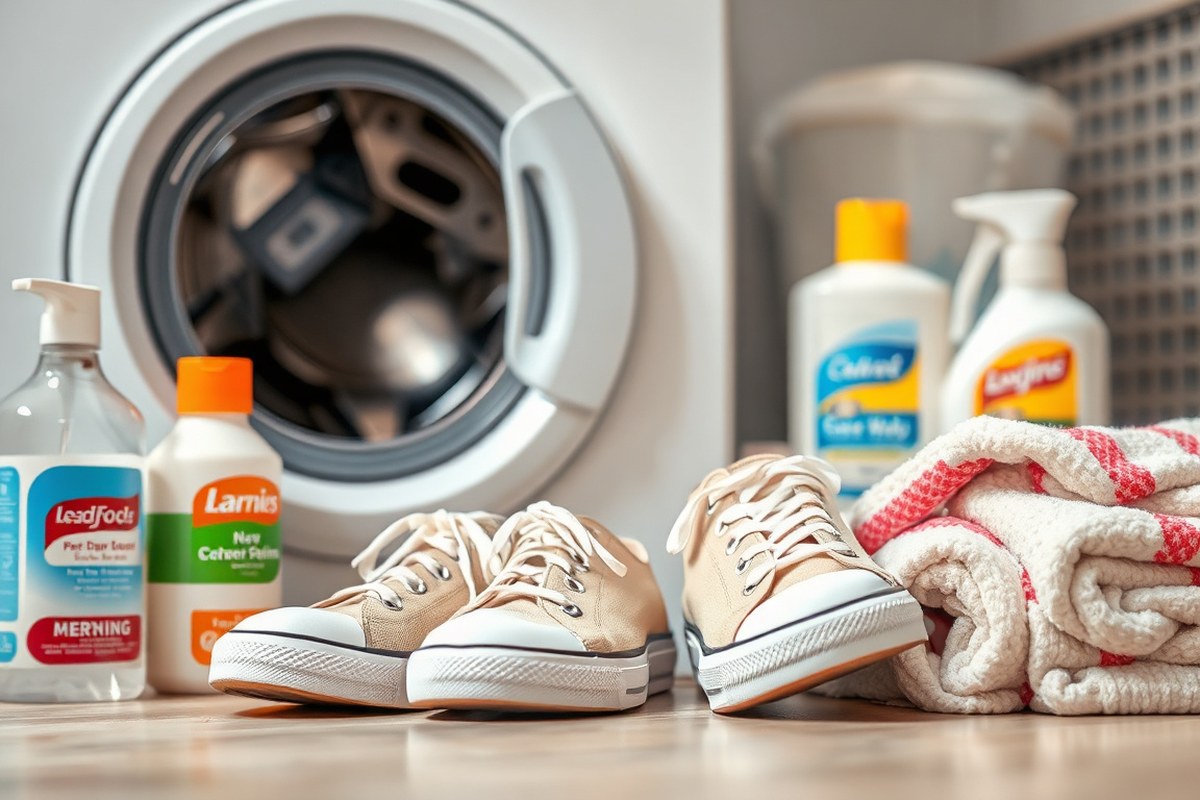
You can clean shoes in a washing machine even without a mesh bag by taking special precautions to protect your shoes and the machine. Take out laces and insoles, choose a delicate cycle with cold water, and add towels around the shoes for cushioning. This method helps avoid damage and gets your shoes clean safely without a mesh bag.
This advice suits anyone who wants to clean their shoes at home without special gear. It covers how to prepare shoes, protect your machine, and handle drying for the best results when washing shoes in washing machine without mesh bag.
Key Takeaways
- Remove laces and insoles before washing to avoid damage and improve cleaning.
- Choose a delicate cycle and set the water temperature to around 30 degrees Celsius for safety.
- Use a few old towels in the drum to cushion shoes and reduce noise and impact.
- Brush off excess dirt from shoes to prevent clogging or scratching the machine.
- Air dry shoes for 24 to 48 hours; avoid tumble drying without a mesh bag to protect materials.
- Wash shoes every 2-3 months if used daily or in dirty conditions to maintain hygiene.
Can You Wash Shoes in the Washing Machine Without a Mesh Bag?

You can clean shoes in a washing machine without using a mesh bag by taking special precautions to protect your shoes and the washer. Shoes without a mesh bag may hit the drum or other clothing, which could cause damage. Using a pillowcase or similar fabric bag that you can tie up helps keep the shoes secure. Adding a few old towels to the wash also absorbs shock, preventing hard impacts.
Before washing, remove the laces and insoles. Wash the insoles separately by hand with gentle detergent because soaking them in the machine could cause them to lose shape or get waterlogged. Put the laces in a small fabric bag or pillowcase along with the shoes to keep them from tangling or damaging the agitator. Always brush off excess dirt from the shoes first to prevent the washing machine’s filter from clogging.
Using cold water and a gentle cycle reduces wear on your shoes and the machine. Hot water or heavy agitation can damage both the footwear and the washer’s drum over time. Front-loading washers tend to be gentler on shoes than top-loading washers with agitators, which can increase the risk of damage without a mesh bag. After washing, air dry the shoes naturally on a rack or well-ventilated surface; avoid the dryer as the heat can warp or shrink some materials.
Cleaning results may not be quite as good without a mesh bag because the shoes move around more freely and might not get as evenly cleaned. However, securing your shoes in a pillowcase and adding towels will help prevent excessive movement, allowing detergents and water to work effectively. Avoid washing heavily soiled shoes without protection to prevent dirt from redepositing on other clothes or inside the machine.
Skipping a mesh bag doesn’t automatically mean damage to your washing machine, but direct contact between hard shoe parts and the drum can cause scratches or dents, especially if you have a top loader with an agitator. Shoes hitting the drum repeatedly may also loosen components or wear down seals faster. The use of a fabric cover like a pillowcase plus towels acts as a buffer to protect the machine’s interior.
For a safe and effective wash without a mesh bag, check the care instructions on your shoes first and avoid machine washing if the label forbids it. Tie the shoes securely in a sturdy pillowcase, add some towels to the wash for padding, select a gentle, cold water cycle, and remove any loose parts beforehand. This approach balances cleaning performance with protecting your machine and shoes from potential damage. Washing shoes often calls for a dedicated sneaker bag, which can simplify the process and provide more effective protection over time.
Which Shoe Materials Are Safe to Machine Wash Without a Mesh Bag?
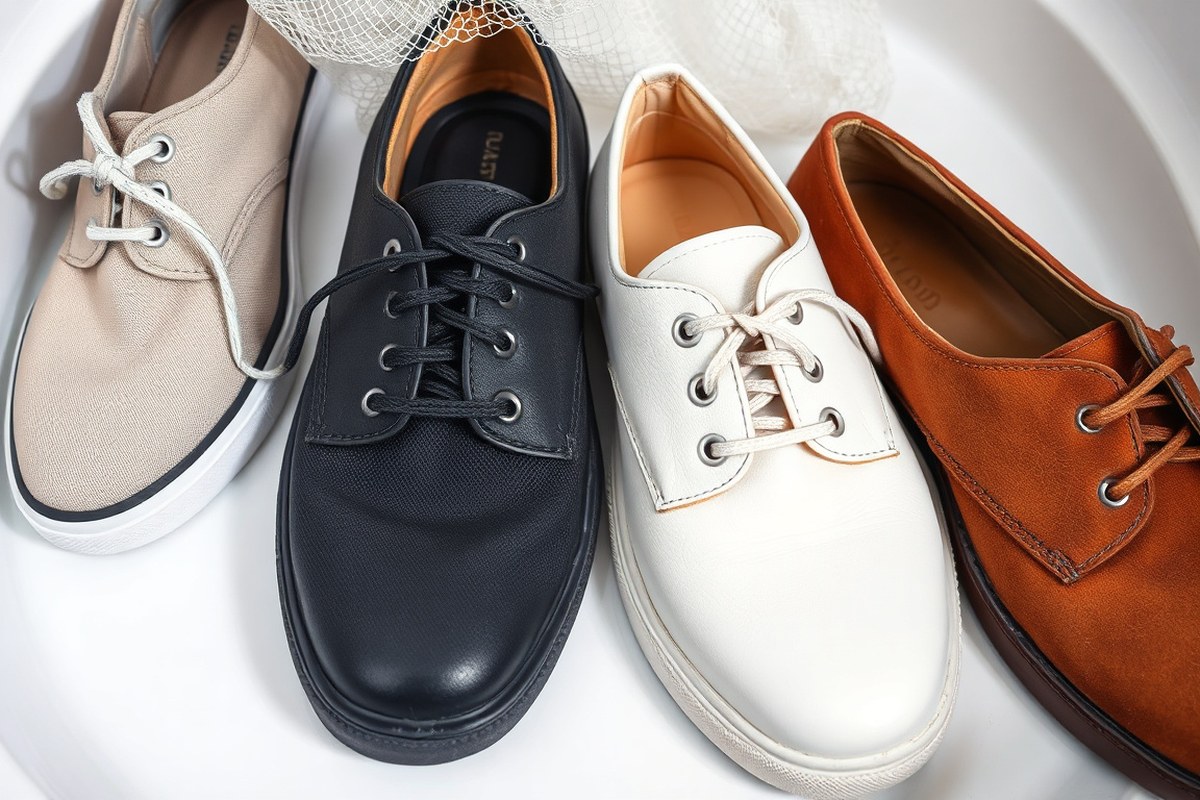
Canvas, nylon, cotton, and polyester shoes usually can be cleaned in a washing machine without using a mesh bag. Leather, suede, and related materials must not be washed this way because water and movement can ruin them. Always review the care label on your shoes first to avoid any harm.
Materials Suitable for Machine Washing
Fabric-based shoes such as canvas, cotton, nylon, and polyester mesh typically handle machine washing well without a mesh bag, especially if washed on a cold, gentle cycle. These materials are durable and less likely to suffer damage from the washer’s motion. Athletic shoes, running sneakers, and casual canvas shoes often fall into this category.
Washing these shoes directly in the machine can save time, but be sure to remove laces and insoles first and place them inside the drum padded with towels or other clothing to reduce impact. Cold water and a gentle cycle are preferred to maintain the shoes’ shape and colour.
Materials to Avoid Without Mesh Bag
Leather and suede shoes should never be washed in a washing machine, whether or not a mesh bag is used. These materials absorb water easily, leading to deformation and stains. The agitation and moisture can also cause permanent damage like cracking or stiffness.
For leather, use a damp cloth with leather cleaner and a soft brush for tougher areas. Suede requires dry cleaning or specialized suede cleaners to preserve its texture. Washing machines cannot replicate these gentle cleaning methods and risk ruining the shoes.
| Shoe Material | Machine Washable Without Mesh Bag? | Recommended Alternative or Caution |
|---|---|---|
| Canvas | Yes, on cold and gentle cycle | Check garment care label first |
| Cotton | Yes, on cold and gentle cycle | Avoid hot water to prevent shrinking |
| Nylon and Polyester Mesh | Yes | Gentle cycle recommended |
| Knit and Coated Fabrics | Depends on manufacturer instructions | Use soft brush and mild cleaner if unsure |
| Leather | No | Use damp cloth and leather cleaner |
| Suede and Nubuck | No | Dry cleaning or special suede cleaner needed |
Following this table can help you decide whether your shoes are machine washable without a mesh bag or if other cleaning methods should be considered.
Effects of Washing on Different Fabrics
Fabric shoes generally withstand washing machine agitation better than leather or suede. Canvas and cotton can shrink or fade if washed in hot water or dried with heat, so always select cold water and air dry. Synthetic fabrics like polyester mesh retain shape better but can develop pilling or wear faster if washed too harshly.
Leather and suede shoes exposed to machine washing often suffer material breakdown. Leather may crack or warp after exposure to water and soap, while suede tends to stiffen and lose softness. This damage is irreversible and affects the shoe’s comfort and appearance.
Practical Tip: Never machine wash leather or suede shoes, use targeted cleaners and methods specific to these materials to maintain their condition.
How to Prepare Shoes for Washing Without a Mesh Bag
Preparing your shoes correctly before machine washing without a mesh bag helps prevent damage to both your shoes and the washing machine. This includes removing the laces and insoles, cleaning them separately as needed, and removing loose dirt from the shoe’s surface. Proper preparation ensures a cleaner result and keeps your footwear in good condition.
Removing Laces and Cleaning Them Separately
Take out the laces before putting your shoes in the washing machine. Washing laces loose inside the machine can cause them to tangle or snag on other items, potentially damaging the laces or your machine’s drum. Cleaning laces separately also allows for better access to the shoe eyelets during washing.
To clean laces without a mesh bag, either hand wash them or place them in a small pillowcase or tied-up sock as a makeshift pouch. This keeps laces contained and reduces the risk of tangling or slipping into the machine’s parts.
Removing and Hand-Washing Insoles
Most insoles are not designed to withstand the agitation of a washing machine cycle and can get damaged, lose shape, or hold water inside, which delays drying. Removing insoles before washing extends their life and prevents moisture buildup inside the shoes.
Clean insoles by hand using mild soap and warm water. Scrub gently with a soft brush or cloth to remove dirt and odors. Rinse, then air dry completely, never put insoles in the machine or dryer. This prevents warping and avoids mold or odor problems.
Brushing Off Loose Dirt and Debris
Before washing, it’s important to remove loose dirt from your shoes to avoid spreading mud or grit inside the machine. Use a stiff-bristled brush for the shoe surfaces and an old toothbrush to scrub around detailed areas like eyelets and seams. This step decreases excess dirt buildup and improves cleaning results.
Cleaning off debris also prevents injury to the fabric or material of the shoe during the wash and helps the machine work more effectively. Doing this takes just a few minutes but reduces the risk of damage or discoloration from trapped dirt. Follow these steps to prepare your shoes properly for machine washing without a mesh bag:
- Remove the laces and set them aside for separate cleaning in a small cloth pouch or by hand washing.
- Pull out the insoles carefully to protect them from water damage.
- Brush off all loose dirt and dried mud using a stiff brush and an old toothbrush for tight spots.
- If insoles can’t be machine washed, scrub them gently by hand with mild soap and water, then air dry fully.
- Place your shoes in the machine, ensuring they are clean of debris to minimize abrasion.
- Check that loose items that could tangle or snag are either removed or secured before starting the wash cycle.
How to Protect Your Washing Machine and Shoes Without a Mesh Bag
To protect both your washing machine and shoes when washing without a mesh bag, use a delicate or gentle cycle with cold water. These settings reduce the risk of shrinking, warping, or glue loosening in shoes. Set the spin speed to low or off to prevent heavy bouncing that can damage the machine drum and your footwear. Cold water prevents shrinkage and preserves shoe shape better than warm or hot water.
Balancing the load inside the machine is important. Add a few old towels or similar soft items to cushion your shoes and keep them stable during the wash. This padding stops shoes from banging directly against the drum, reducing noise and mechanical wear. Towels also help distribute weight evenly, which prevents the washing machine from becoming off-balance and potentially malfunctioning or leaking.
- Use delicate or gentle cycle with cold water
- Set spin speed to low or no spin
- Add 2 to 3 old towels for cushioning and balance
- Remove shoelaces and place inside shoes or separate socks
- Do not overload, leave enough space for items to move freely
- Use mild liquid detergent sparingly to avoid residue
When shoes and towels move freely without overcrowding, it minimizes direct impacts with the drum. Shoes can slip and bounce on high spin speed, causing scratches or dents on the drum surface. Low spin speed or no spin keeps movement gentle, protecting the washer and extending shoe life. A small load also improves washing effectiveness because items have room to move and clean properly.
Without a mesh bag to contain shoes, choose towels that are thick enough to absorb shocks but not so heavy that they unbalance the drum. Place towels evenly around the shoes and avoid washing several pairs together unless you have a very large washer. Spread out items evenly to maintain drum balance throughout the cycle.
Following these steps keeps the washing machine running smoothly while safeguarding your shoes from damage. Over time, protecting your appliance and shoes this way can save costly repairs and extend the lifespan of your footwear. Always avoid using high heat settings or harsh detergents, which can cause irreversible damage to shoe materials and machine components alike.
Household Alternatives to Mesh Bags for Washing Shoes Safely
Using household items as substitutes for mesh laundry bags can protect your shoes and keep your washing machine safe. Two common alternatives are old pillowcases and pairs of tights. Both options help prevent shoes, shoelaces, or small items from tangling with other laundry or banging directly against the washer drum, which could cause damage.
An old pillowcase is a straightforward choice. You should put the shoes inside the pillowcase and close it securely with a zipper, safety pins, or by tying the open end tightly. This containment reduces friction, protecting both shoes and the machine. Pillowcases are usually large enough for most sneakers, but avoid using pillowcases made of very thick or heavy fabric as they won’t allow enough water and detergent flow, reducing cleaning effectiveness.
Tights or pantyhose work well for smaller shoes and shoelaces. Slip each shoe or a bundle of shoelaces inside individual legs, then knot the ends. This keeps everything contained in one place and lets water pass more freely due to the fine mesh of the fabric. Avoid using tights with runs or holes because damaged fabric won’t offer proper protection.
| Household Substitute | How to Use | Pros | Cons |
|---|---|---|---|
| Old Pillowcase | Place shoes inside and close with a zipper, pins, or tie | Easy to find; protects shoes well; allows detergent flow if thin fabric | Heavy fabric blocks water flow; size may be bulky |
| Tights/Pantyhose | Put shoes or shoelaces inside each leg, tie ends securely | Fine mesh allows thorough cleaning; good for small items | Fragile fabric can tear; limited capacity |
| Old T-shirt or Thin Cloth | Wrap shoes tightly and knot or secure with pins | Readily available; soft protection for shoes | Lacks mesh structure; may not protect well from impacts |
| Reusable Grocery Bag (mesh type) | Place shoes inside and tie or zip closed | Durable; good ventilation | Not always available; can be bulky |
Each alternative requires securing the container firmly so shoes don’t escape during the wash cycle. For pillowcases, zippers provide the best seal, while ties work well with tights and thin cloth. Using these alternatives helps keep shoes and shoelaces from damaging the washer or other clothes while allowing water and detergent to circulate adequately for cleaning.
Safely washing shoes means always containing them to avoid damage to your washer and your shoes; do not wash shoes loose without any cover.
Choosing the Right Washing Settings When Not Using a Mesh Bag
Set your washing machine to a cold or lukewarm temperature, ideally between 60°F and 80°F (15°C to 27°C). This temperature range prevents shoe materials from shrinking, warping, or losing color while still allowing effective cleaning. Use a gentle or delicate cycle, since fast or heavy cycles can damage your shoes and strain your machine’s drum. Limit the wash duration to 30 to 45 minutes to give shoes enough agitation without overexposing them to water and mechanical action that could cause wear.
Washing shoes alone can reduce the cleaning efficiency and cause them to bump loudly inside the drum. Add two or three towels or laundry sheets to the load. These act as buffers, provide extra friction to scrub dirt off your shoes, and protect your washer from the shoes’ hard edges.
- Use cold or lukewarm water (60°F to 80°F)
- Select a gentle or delicate cycle
- Set the cycle length between 30 and 45 minutes
- Add 2, 3 towels or sheets to the load with your shoes
- Remove excess dirt from shoes before placing them in the machine
- Check and secure all laces and closures to avoid tangling
Before washing, remove loose dirt by brushing or tapping the shoes outside. Shoes that are heavily soiled can damage the machine and other laundry. Secure laces and closures to prevent them from catching inside the washer. After the wash, inspect your washing machine drum for any damage or trapped debris. Keeping these settings and tips in mind helps your shoes come out clean without harming them or your washer.
How to Dry and Maintain Shoes After Washing Without a Mesh Bag
Drying your shoes properly after washing them without a mesh bag prevents damage and keeps their shape intact. The best method is air drying with careful support inside the shoes to avoid deformation. Avoid tumble drying and direct heat sources that can weaken glue and warp the shoe’s structure.
Air Drying Techniques
Air drying shoes slowly in a well-ventilated area is the safest way to dry them after machine washing. It can take 24 to 48 hours depending on material and airflow. Place shoes where air can circulate around all sides, such as near an open window or on a shoe rack.
Keep shoes away from direct sunlight and heaters, which can cause fading, shrinking, or hardening. A shaded, airy spot prevents uneven drying that leads to stiffness or odd shapes.
Stuffing Shoes to Maintain Shape
Stuffing shoes with crumpled newspaper or clean rags helps them keep their original shape during drying. The stuffing absorbs moisture inside and supports the shoe walls so they don’t collapse or crease.
Replace the stuffing every few hours while drying to speed moisture removal and prevent a musty smell. Avoid heavy or rigid fillers that can stretch or damage the shoe.
Avoiding Direct Heat and Tumble Dryers
Heat from dryers or heaters can weaken the glue holding shoes together and change the flexibility of material parts like soles and uppers. This results in misshapen or stiff shoes over time.
Tumble drying is especially risky without a mesh bag because shoes can bang around, causing physical damage to your washer and the shoes themselves. Many brands recommend never machine-drying shoes.
Instead, stick with air drying and patience. While it takes longer, your shoes stay intact and last longer.
- Remove laces and insoles (if possible) to let shoes dry faster and more evenly.
- Pat dry the shoes gently with a towel to remove excess water after the wash cycle ends.
- Stuff the inside of each shoe with crumpled newspaper or paper towels.
- Place shoes in a shaded, well-ventilated area away from direct sunlight or heat sources.
- Turn the shoes every 6 to 8 hours to allow even drying on all sides.
- Replace the stuffing in the shoes every few hours to remove absorbed moisture effectively.
- Allow 24 to 48 hours to dry completely based on shoe material and humidity levels.
- Once dry, remove stuffing and reinsert the insoles and laces.
Common Mistakes and How to Avoid Them When Washing Shoes Without a Mesh Bag
Washing shoes without a mesh bag in a washing machine often leads to damage if you don’t take precautions. Shoes can bang sharply against the drum or agitator, causing scuffs on both the shoes and the machine. Excessive tumbling without protection can also weaken glued parts like midsoles or cause seams to split, especially on running shoes with engineered mesh and glued foam. You’ll notice this damage as loose seams, detached soles, or visible tears, which signal that the machine wash went wrong.
Another common error is choosing the wrong wash cycle or water temperature. Hot water can warp shoe materials or dissolve adhesives, while harsh cycles increase wear and tear. Overloading the washing machine worsens these effects since shoes have less room to move gently. Skipping the step of removing laces and insoles may trap dirt inside and reduce cleaning efficiency.
- Don’t use hot water, stick to cold or lukewarm (below 85°F) to protect materials and glue.
- Avoid heavy or prolonged wash cycles; choose a gentle or delicate setting.
- Remove laces and insoles before washing for a thorough clean and less strain on shoe parts.
- Wash two pairs or add towels to balance the load and cushion shoes during the cycle.
- Check shoes for any loose components before washing to prevent further damage.
- Air dry shoes slowly at room temperature rather than using heat to avoid warping.
Ignoring these precautions often results in shoes that look worse after washing or a damaged machine drum. Those with delicate leather, suede, or running shoes with glued foam are better off hand washing to preserve the shoe’s structure and appearance. Hand washing lets you target stains gently with a soft brush and mild detergent, reducing the risk of adhesive failure or fabric tears.
Always inspect shoes thoroughly before choosing machine wash without a mesh bag; subtle cracks or peeling glue are signs to opt for hand cleaning instead.
Practicing these steps ensures you minimize damage and get cleaner shoes without mesh bag protection. Taking time to set up the load right and choosing mild conditions allows shoes to come out fresher and intact.
Step-by-Step Action Plan for Washing Shoes Without a Mesh Bag
Clean your shoes safely in the washing machine by following this method that avoids using a mesh bag. Each stage is designed to protect your shoes and the washing machine.
- Before you start: Remove laces and insoles from your shoes to avoid tangling and wear. Check that your shoes are machine washable materials like canvas or synthetic fabrics.
- Preparation phase: Use a soft brush or cloth to remove loose dirt and debris. Spot-clean any tough stains with mild detergent to protect shoe fabric.
- Load the machine: Place shoes in the drum along with a few towels for cushioning. The towels prevent shoes from banging against the drum and reduce noise.
- Select settings: Choose a gentle or delicate cycle with cold water and slow spin speed. This minimizes damage to shoes and washing machine parts.
- Add detergent: Use a small amount of mild liquid detergent to avoid excess suds that can trap dirt inside shoes.
- After washing: Remove the shoes promptly and reshape them if needed. Stuff with clean paper towels to help maintain form and absorb moisture.
- Drying phase: Let shoes air dry away from direct heat or sunlight, which can warp or fade materials. Avoid the dryer unless your shoes’ care instructions say it’s safe.
Frequently Asked Questions
Can I Put My Shoes in the Washing Machine Without a Bag?
Yes, you can wash shoes without a mesh bag by securing them inside a pillowcase or using towels to cushion them. This helps protect both your shoes and the washing machine from damage during the wash cycle.
Can I Just Throw My Shoes in the Washing Machine?
No, throwing shoes directly in can damage both the shoes and the machine. You should remove laces and insoles and use some form of protection like a pillowcase or towels to avoid knocks and abrasion.
How to Correctly Wash Shoes in a Washing Machine?
Remove laces and insoles, brush off dirt, put shoes in a pillowcase or with towels, choose a gentle cold cycle. This method helps clean shoes thoroughly while reducing wear and tear on both footwear and washing machine.
Why Put Shoes in a Mesh Bag When Washing?
Mesh bags prevent shoes from banging against the washing machine drum and protect delicate materials. They also keep shoes contained to avoid damaging the machine’s interior and the shoes themselves during the cycle.
Can I Wash All Types of Shoes in the Washing Machine Without a Mesh Bag?
Not all shoes are suitable; cloth and synthetic sneakers are safer. Leather, suede, or delicate materials risk damage without proper protection, so avoid machine washing them or use a mesh bag at minimum.
How Long Should I Let Shoes Dry After Washing in the Machine Without a Mesh Bag?
Generally, let shoes air dry for 24 to 48 hours at room temperature. Avoid direct heat sources, which can warp or shrink materials, and remove insoles to speed drying and prevent odor buildup.
Before You Go
Washing your shoes in a machine without a mesh bag is possible when you take precautions to protect both your footwear and your washer. Preparing your shoes carefully, selecting the right cycle, and drying them properly will extend their life and keep them looking good. Start with removing laces and spot-cleaning stains before loading your machine with towels to cushion the load.