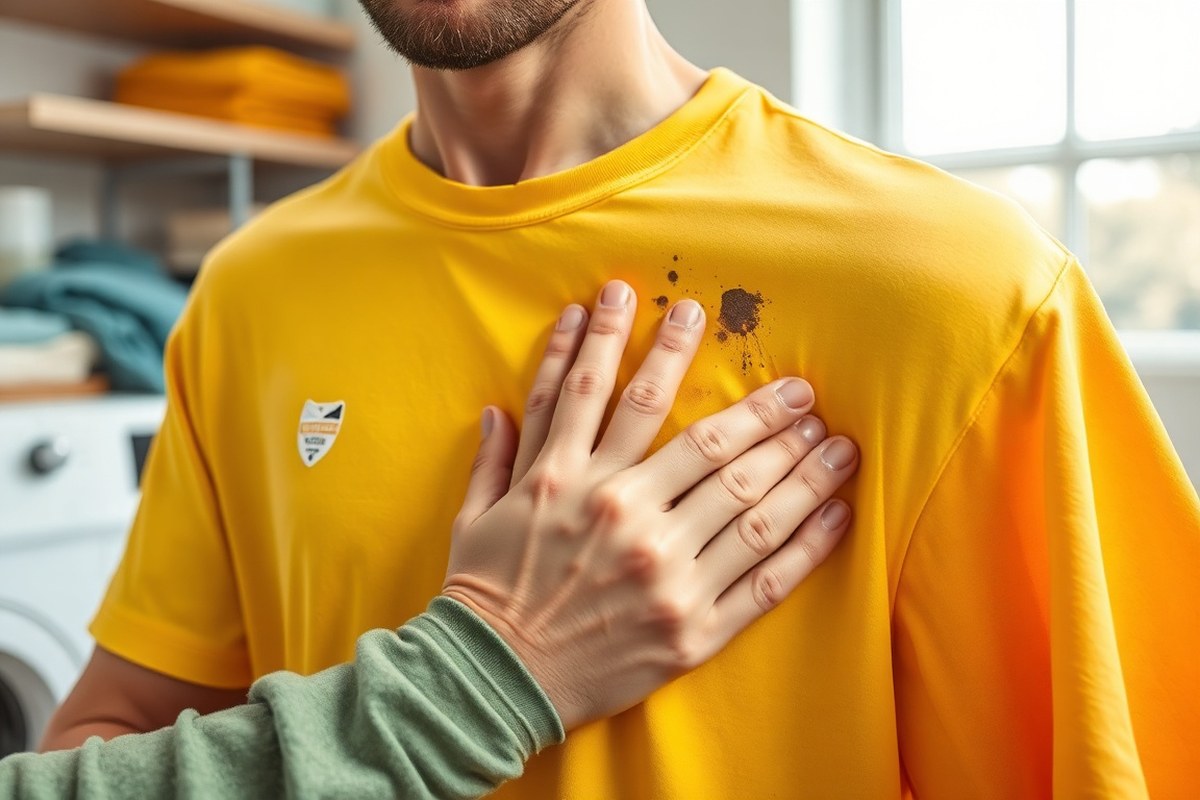
How to Clean Mold Out of Clothes: 8 Proven Methods and Expert Tips
To clean mold out of clothes, begin by treating stains with a mold-killing solution, washing in hot water with vinegar, then drying thoroughly. Wearing protective gear while cleaning prevents exposure to mold spores that can cause health issues. This straightforward approach works well for most fabrics and helps stop mold from spreading to other garments.
This advice is for homeowners and renters dealing with moldy clothing, whether for everyday laundry or musty items stored too long. You’ll learn practical steps and tips to safely remove mold, handle delicate fabrics, and avoid recurring problems.
Key Takeaways
- Use a stain remover or a solution made by mixing one part 3% hydrogen peroxide with four parts water applied straight to the mold stains. Let it sit for 15 minutes before putting the clothes in the wash.
- Wash moldy clothes in hot water with white vinegar to kill about 80% of mold spores and reduce odors.
- Use the washer’s sanitize cycle when available, because temperatures above 140°F kill most mold species.
- Protect yourself by wearing a KN95 mask, gloves, and eye protection when treating moldy clothing.
- Dry clothes completely using high heat or sunlight to kill remaining mold spores effectively.
- Store only fully dry clothes and keep closet humidity under 50% with a dehumidifier or desiccant to prevent mold growth.
1. How to Clean Mold Out of Clothes Step-by-Step

Removing mold from clothes involves careful handling and a multi-step process to eliminate stains, kill mold spores, and remove odors. Mold can weaken fabrics and cause unpleasant smells if not properly cleaned. Using household items like white vinegar, laundry detergent, and oxygen bleach improves the chance of full mold removal. Timely action maximizes results, and soaking clothes before washing helps break down mold buildup for better cleaning.
- Prepare safely: Wear gloves and work in a well-ventilated area to prevent inhaling mold spores. Shake off loose mold outdoors before bringing clothes inside.
- Pre-treat mold stains: Apply white vinegar directly onto mold spots and let sit for 10 to 15 minutes. Vinegar helps kill mold and loosens stains, making washing more effective.
- Soak the clothes: Fill a basin or tub with warm water (about 105°F to 120°F) and add 1 cup of white vinegar per gallon of water. Soak the clothes for 30 minutes to 1 hour to loosen mold and odors.
- Wash with mold-killing detergent: Use your washing machine’s hottest safe water setting for the fabric. Add a mold-killing laundry detergent and 1 to 2 cups of white vinegar, depending on load size, to the wash cycle. For white or colorfast clothes, consider adding oxygen bleach for extra mold stain removal.
- Rinse thoroughly: Ensure the final rinse cycle completes properly to wash away loosened mold and residue. Borax added to the wash can help eliminate spores and odors during rinsing.
- Inspect and repeat if needed: Check for any lingering stains or musty smells after drying. Repeat soaking and washing if mold traces or odors remain, as mold can be stubborn.
- Dry clothes thoroughly: Dry clothes in direct sunlight if possible or use a high-heat setting on your dryer to kill any remaining mold spores and prevent regrowth. Avoid air drying moldy clothes indoors as this can promote mold spread.
Following these steps should help remove most mold stains and odors from machine-washable clothes. Avoid using chlorine bleach on colored fabrics since it can cause fading. Keep in mind mold can weaken fabric fibers over time, so prompt cleaning and thorough drying matter to prevent permanent damage.
2. Comparing Bleach, Vinegar, Borax, and Oxygen Bleach for Mold
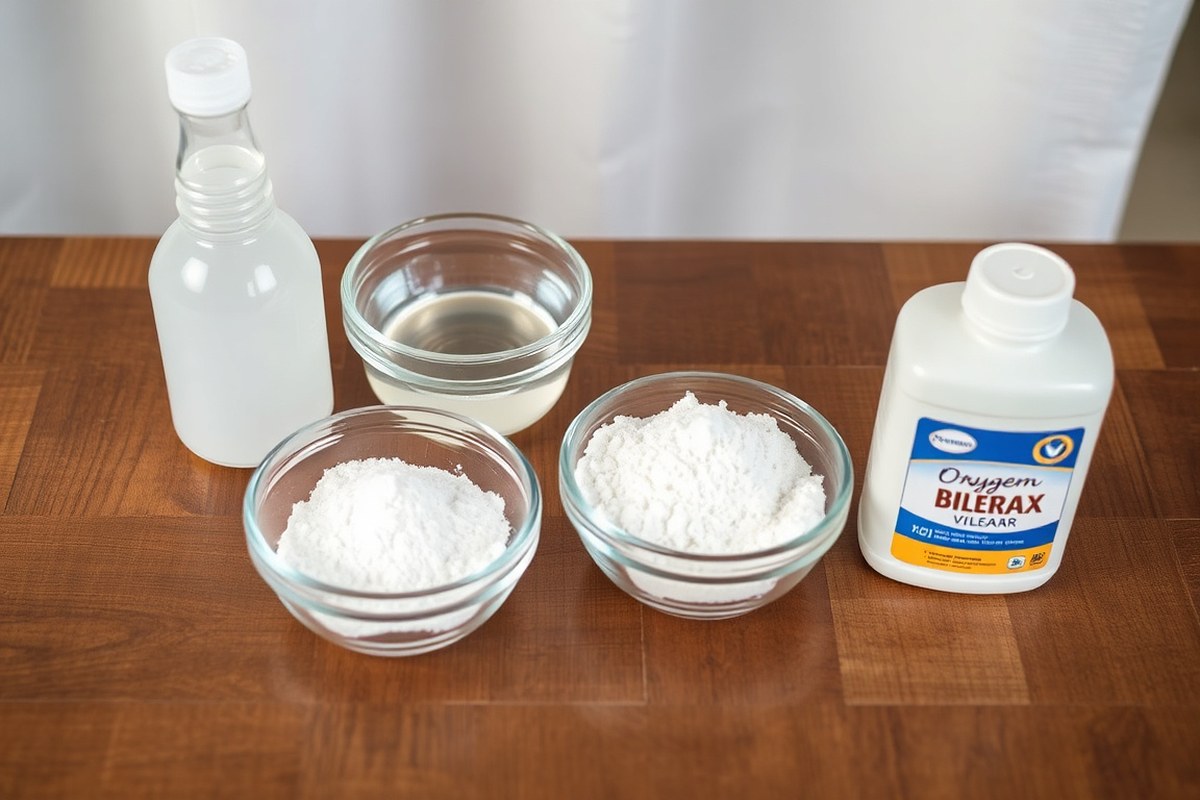
Choosing the right cleaning agent to remove mold from clothes depends on the fabric, mold severity, and your priorities for safety and odor removal. Chlorine bleach works best on white clothes because it kills most mold species quickly and removes stains, but it can damage colors and delicate fabrics. Oxygen bleach is safer for colors and most washable fabrics because it uses hydrogen peroxide to break down mold and eliminate odors without stripping dyes. White vinegar kills about 82% of mold species, including those common on fabrics, and naturally removes musty smells. Borax is another mild option that kills light mold and can boost your detergent’s effectiveness.
| Cleaning Agent | Effectiveness on Mold | Fabric Compatibility | Odor Removal | Safety & Use |
|---|---|---|---|---|
| Chlorine Bleach | High (best for stubborn mold on whites) | Only whites and bleach-safe fabrics | Strong odor, can mask mold smell | Use diluted; avoid on colors and delicates; wash on hottest setting fabric allows |
| Oxygen Bleach | Moderate to high (removes mold and odor) | Safe on colors and most fabrics | Neutralizes mold odor effectively | Pre-soak affected clothes for several hours, wash warm/hot as fabric allows |
| White Vinegar | Moderate (kills ~82% mold species) | Safe on colors and delicates | Removes musty odor naturally | Use full-strength for pre-soak or add cup to wash cycle |
| Borax | Moderate (best for light mold) | Safe on most fabrics when dissolved | Neutral to slight scent, helps deodorize | Dissolve in water for pre-soak; add to wash along with detergent |
For tough mold on whites, chlorine bleach is the fastest and most effective but only use it on bleach-safe fabrics due to risk of color loss. Oxygen bleach works well for colors and helps protect fabric integrity while still tackling mold and odors. Vinegar offers a natural, fabric-safe option that tackles mold and odor, especially on colors and delicates, but may require multiple washings for severe mold. Borax is a mild, safe booster best for light mold and odor removal; it complements other agents but doesn’t replace bleach for heavy mold.
Always pre-soak moldy clothes in oxygen bleach, vinegar, or borax before washing on the hottest setting your fabric can handle to maximize mold removal.
3. How to Handle Mold on Delicate and Leather Clothes
Delicate fabrics and leather require extra caution to remove mold without causing damage. Use gentle cleaning products suited for sensitive materials and avoid harsh scrubbing or soaking. Professional cleaning is often the safest choice for valuable or stubborn mold stains on these items.
Safe Mold Removal for Silks and Wools
Silks and wools are sensitive to water temperature, chemicals, and agitation, which can damage fibers or cause shrinkage. Avoid chlorine bleach and strong detergents. Oxygen-based cleaners and white vinegar diluted with water are generally safer options. Always test a small, hidden area first to check for colourfastness. Follow these gentle steps to treat mold on silk or wool:
- Brush off loose mold spores outside wearing gloves and a mask to avoid inhaling spores.
- Mix a solution of 1 part white vinegar to 4 parts cold water or prepare an oxygen-based cleaner according to package instructions, avoiding hot water.
- Apply the solution to the affected area using a soft cloth or sponge without saturating the fabric.
- Let it sit for 10 to 15 minutes to kill the mold spores.
- Rinse carefully with cold water, avoiding twisting or wringing the fabric to preserve its shape.
- Place the clothing on a clean towel and carefully roll it up to squeeze out extra moisture.
- Air dry by laying flat or hanging in a shaded, well-ventilated area away from direct sunlight or heat.
- Repeat if necessary, but avoid frequent wetting which can worsen delicate fibers.
This approach minimizes fabric stress and safely tackles mold without harsh chemicals. Avoid oxygen bleach on wool or silk, as it can cause fibre loss or colour changes.
Home Remedies for Moldy Leather Items
Leather is porous and sensitive to moisture and harsh chemicals, so it requires special care to avoid damage or staining. Home kits for leather cleaning often contain conditioners that help kill mold and preserve leather texture. Mild dish soap and water applied sparingly can be effective for light mold growth. Use these steps for safely cleaning mold from leather:
- Take the leather item outside and brush off visible mold with a dry, soft-bristled brush.
- Mix a solution of mild dish soap and water using 1 teaspoon of soap per cup of water.
- Dampen a soft cloth with the solution and gently wipe the leather surface without saturating it.
- Dry immediately with a clean, dry cloth to avoid water absorption.
- Apply a commercial leather conditioner after drying to restore moisture and flexibility.
- Place the item in a well-ventilated area to prevent mold regrowth.
- Should mold continue or grow within seams, it’s best to stop home cleaning attempts.
Leather cleaning wipes with antifungal properties are available but always check for compatibility with your leather type. Avoid excessive moisture, as it can cause leather to warp or crack.
When to Consult a Dry Cleaner
Garments labelled “dry clean only” should not be washed at home to avoid fabric damage. Expensive, heavily affected, or extremely delicate items often require professional care. Dry cleaners use special solvents and machines designed to safely remove mold without harming the fabric.
Persistent mold stains or valuable items should be taken to a dry cleaner skilled in mold removal. Inform them about the mold and any home cleaning attempts you’ve made. This ensures the proper treatment approach and prevents mold spores from spreading to other items during cleaning. Professional cleaning typically costs $10 to $50 per garment but protects your investment in quality clothing.
4. Recognizing When Moldy Clothes Are Beyond Saving
Deciding whether to keep or discard moldy clothes depends on several key signs of damage and health risks. Severe mold damage often shows as dark, widespread stains that don’t fade after washing, combined with a persistent musty odor. When mold has penetrated deep into fabric fibers, cleaning may remove the surface mold but not the spores embedded within. This condition increases the chance mold will regrow. Notice stubborn stains or lingering smells even after thorough cleaning? It’s safer to discard the clothes. The risk to your health from continued mold exposure outweighs saving the garment.
Mold can start growing on clothes quickly, usually within 24 to 48 hours when they stay damp. Even after washing, mold spores may survive if the cleaning temperature is too low or drying is incomplete. Dryers rarely kill mold spores, and cold water washing has little impact on them. These facts make it critical to inspect clothes carefully after cleaning. Mold that keeps returning after several cleanings means the fabric is beyond repair. Retaining such clothes risks spreading mold spores to your home and triggering allergic or respiratory symptoms.
Health risks are significant enough to justify discarding moldy clothing in many cases. According to health experts, black mold exposure can lead to respiratory irritation, skin rashes, or worse for people with weakened immune systems or asthma. Fabric mold acts as a trigger for these issues and can contaminate other stored garments. You should avoid keeping any clothing with visible black mold or persistent mold odor to reduce these health risks.
To decide, first isolate the moldy garment from other clothes and inspect it under good light. Smell the fabric for mustiness. Wash the garment using hot water when fabric care labels allow, combined with a proven anti-mold agent like oxygen bleach. After washing, dry the garment completely in the sun or a hot dryer cycle. Stains, spots, or odors still present? Run one more cleaning cycle. Use this script to decide: “If the garment shows visible black mold or large stains that don’t fade after two cleaning attempts, or it still smells moldy after drying, discard it. Fragile fabric that’s stained but smells clean and shows no black mold might be kept after careful drying and storage.”
Costs for discarding moldy clothes include replacing the item and managing waste properly, do not put moldy clothes in regular laundry or use household bins with clean items. Seal moldy garments in plastic bags before disposal to prevent spores spreading. This measure protects your living space and reduces health hazards. In some states, disposal rules differ, but generally, standard trash disposal is acceptable if the items are sealed securely.
5. How to Prevent Mold on Clothes Before It Starts
Preventing mold growth on clothes depends on controlling moisture and storing garments properly. Managing humidity, drying clothes fully, cleaning your washing machine, and reducing moisture in storage areas are key. These actions stop the damp conditions mold needs to thrive.
Humidity Control in Closets and Laundry Areas
Mold grows when relative humidity stays above about 50%. Keeping your closets and laundry rooms below this level helps avoid mold spores settling on your fabrics. Using a hygrometer to check humidity regularly gives you a clear picture of moisture levels. When rooms feel damp or musty, it’s time to act.
Closets filled with packed clothes trap warmth and moisture, creating pockets perfect for mold. Keeping these spaces clean and dusted also prevents spores from finding a foothold. Air circulation, either by opening doors or using fans, reduces humidity buildup and keeps clothes fresher.
Drying Clothes Thoroughly Before Storage
Clothes must be fully dry before folding or hanging. Any leftover dampness, even slightly, allows mold to grow quickly. Avoid leaving wet clothes sitting in the washing machine or laundry baskets for hours or days. Always schedule laundry so clothes can be dried promptly.
Dry clothes faster by hanging them outside in sunlight if possible. Sunlight’s ultraviolet rays inhibit mold and kill spores. When outdoor drying isn’t an option, tumble dry on a high heat setting or use room heaters and fans to speed drying indoors.
Maintaining a Clean Washing Machine
Mold in washing machines will transfer to your clothes, causing repeated contamination. Check your machine regularly for mold buildup around the door seals and detergent dispensers. Clean the machine monthly using vinegar or a washing machine cleaner that targets mold and mildew.
After a wash, leave the door open for a few hours to let the interior dry completely. Avoid leaving wet or soiled clothes in the drum for long periods. Keeping your washer clean stops mold spores from embedding in fabrics during cycles.
Using Moisture Absorbers and Proper Airflow
Using desiccants like silica gel packets or moisture-absorbing crystals in closets can lower moisture effectively, especially in small or enclosed storage spaces. They trap excess water vapor, reducing the chance mold has to develop.
Dehumidifiers are a stronger solution for damp basements or laundry rooms. These devices lower ambient humidity below 50%, which is the threshold mold generally needs to grow. A basic consumer dehumidifier can cost between $150 and $300 but pays off by protecting your clothes and home.
Never seal clothes tightly in plastic without drying first; trapped moisture will accelerate mold growth.
- Use a hygrometer to monitor humidity levels regularly.
- Keep closet doors cracked open or use small fans for better air circulation.
- Dry clothes fully before storing; hang in sunlight when possible.
- Clean washing machine monthly for mold control.
- Leave washing machine doors open post-wash to air out moisture.
- Place moisture absorbers where clothes are stored.
- Run a dehumidifier in damp basements or laundry rooms.
6. Protecting Yourself When Cleaning Moldy Clothes
Wearing the right protective gear is essential when cleaning moldy clothes to prevent inhaling spores or getting them on your skin. A KN95 mask offers a good balance of comfort and filtration, blocking most airborne particles that could cause allergic reactions or respiratory issues. Gloves, either disposable nitrile or rubber, protect your hands from contact with mold and harsh cleaning agents. Protective eyewear or glasses shield your eyes from spores, which could irritate or infect the mucous membranes.
Cleaning mold indoors risks spreading spores to other surfaces or the air you breathe. To minimize this, contain the affected clothes in a plastic bag while transporting them to the laundry area. Close off heating or cooling vents in the room to prevent spores from circulating throughout your living space. Avoid shaking or rubbing moldy clothes vigorously, as this shakes loose spores that become airborne.
- Wear a KN95 mask, gloves, and protective eyewear before handling moldy clothes.
- Transport moldy clothing in sealed plastic bags to the laundry room.
- Close off HVAC vents in the cleaning area to reduce spore spread.
- Work gently with moldy fabrics to avoid releasing spores into the air.
- Work in a well-ventilated space with windows open or a fan running.
- After cleaning, wash all gloves and eyewear or dispose of them if single-use.
- Ventilate the laundry area for at least 30 minutes after cleaning is done.
Good ventilation is key to reducing mold exposure during laundering. Open a window or use a fan to draw fresh air through the area where you treat and wash clothes. This helps move spores outside rather than trapping them around you. Running an air purifier with a HEPA filter can also reduce airborne spores effectively in spaces with limited outdoor airflow.
Following these precautions carefully can reduce your risk of mold-related health effects and prevent spreading spores throughout your home. Equipment like a KN95 mask and gloves is relatively inexpensive, generally costing $1 to $5 per piece, while creating proper airflow requires simply opening a window or placing a fan strategically. Skipping these steps might lead to skin irritation, respiratory symptoms, or extend mold contamination to other areas.
7. Effective Drying Techniques to Kill Mold Spores on Clothes
Drying clothes thoroughly is essential to kill mold spores and prevent them from coming back. Using a high-heat setting in your dryer or drying clothes in direct sunlight are the most effective methods. Both approaches reduce moisture quickly while eliminating mold spores through heat or ultraviolet light exposure.
Using Heat and Extended Drying Cycles
Dryer heat can kill mold spores effectively if you use the right temperature and drying time. Set your dryer to the highest heat setting safe for the fabric, usually labeled on the care tag. The heat should reach above 130°F (54°C) to be effective against mold.
Extended drying cycles are helpful because they ensure clothes dry completely. Damp clothes left in the dryer or laundry basket can allow mold to regrow. To maximize mold removal, dry clothes on high heat for at least 30 to 45 minutes or until fully dry. Here is a straightforward routine for drying moldy clothes effectively in a machine:
- Set the dryer to the highest safe heat setting according to the garment label.
- Place the washed clothes immediately into the dryer to avoid additional moisture exposure.
- Run an extended drying cycle, aiming for 30 to 45 minutes or more until no dampness remains.
- Check the clothes after drying; if they feel damp, run an extra drying cycle.
- Avoid removing clothes from the dryer before they are completely dry to prevent mold revival.
Sunlight as a Natural Mold Killer
Sun drying is a highly recommended way to kill mold spores naturally. Ultraviolet (UV) rays from direct sunlight have antimicrobial properties that reduce mold on fabrics. Sunlight also helps deodorize clothes and inhibits mold from returning.
Hang your clean, damp clothes outside on a sunny day where they receive full sun exposure. Lay flat or hang loosely to allow air to circulate around the fabric. Direct sunlight for 3 to 6 hours can significantly reduce mold spores.
Since sunlight strength varies by season and location, choose a bright, sunny day for the best results. If you live in a humid or rainy area, combine sun drying with machine drying for assured spore elimination. Avoid drying clothes in shaded or damp areas, as this encourages mold regrowth.
Avoiding Mold Regrowth in Damp Clothes
Letting clothes remain damp for long periods encourages mold spores to multiply, undoing your cleaning efforts. Mold thrives in moisture, so drying clothes promptly after washing is key.
Do not leave wet clothes sitting in the washing machine or basket for more than a few hours. Always transfer them quickly to the dryer or hang them outside to dry in sunlight. Clothes that stay damp for days can redevelop mold even after washing.
Maintain proper airflow around drying clothes by using hangers or drying racks spaced well apart. Avoid overcrowding your dryer to allow warm air to circulate thoroughly. These steps help ensure clothes dry fully and stay mold-free.
8. Cleaning Mold from Washing Machines to Prevent Recontamination
Mold inside washing machines can cause clothes to reabsorb spores, leading to persistent musty smells and stains. Detecting mold involves looking for dark spots or buildup around the rubber gasket, detergent dispenser, and inside the drum. A sour or musty smell after washing also hints at hidden mold. The best cleaning cycles to remove mold use the hottest water setting available, ideally above 140°F (60°C), since most mold dies at this temperature. Many washers include a sanitize cycle that reaches these temperatures, making it a suitable choice.
Household remedies like white vinegar or hydrogen peroxide can help clean washers effectively. Adding a cup of vinegar or peroxide to the detergent dispenser before running a hot cycle aids in breaking down mold and removing odors. Regular maintenance every 1 to 3 months keeps mold in check and prevents it from coming back. Avoid leaving wet clothes inside the washer, as this encourages mold growth. Follow these steps to deep clean your washing machine and reduce mold risks:
- Inspect the washer: Check the door seal, detergent dispenser, and drum for visible mold or residue.
- Run a hot water cycle: Set the washer to the hottest available cycle, using the sanitize setting if your machine has one.
- Add white vinegar or hydrogen peroxide: Pour 1 cup of white vinegar or hydrogen peroxide into the detergent compartment or directly into the drum to kill mold and neutralize odors.
- Use a natural detergent: Add your usual laundry detergent that’s safe for your machine and skin.
- Run two cleaning cycles: Start the machine and allow it to run through two complete cycles to maximize mold removal, especially if you notice heavy mold buildup or strong odors.
- Wipe down seals and dispensers: After the cycles finish, clean the rubber door seal and detergent drawer with a cloth soaked in vinegar or hot, soapy water to remove any remaining spores.
- Leave the door open: Keep the washer door open between uses to let moisture evaporate and reduce mold growth risk.
- Repeat regularly: Perform this deep clean every 1 to 3 months depending on how often you use your washer and if you notice mold or odors returning.
Never leave damp clothes inside the washer after a cycle finishes; prolonged moisture encourages mold to grow rapidly inside the machine.
Step-by-Step Action Plan for Removing Mold from Clothes
Follow these steps to clean mold out of your clothes safely and prevent it from coming back. Each phase helps you check progress and protect your clothes.
- Before You Start: Wear gloves and a mask to protect yourself from mold spores. This keeps you safe during cleaning.
- Day 1: Brush off visible mold outside or in a well-ventilated area. Removing loose mold stops spores from spreading indoors.
- Day 1, Next: Pre-soak clothes in white vinegar or oxygen bleach solution for at least 30 minutes. This softens and breaks down mold.
- Day 1, After Soaking: Wash clothes in hot water with detergent and your chosen mold remover like oxygen bleach. Check clothes after washing for mold smell or spots.
- Day 1, After Washing: Make sure to dry your clothes fully, either outside under direct sunlight or inside using a dryer set to high heat for no less than 30 minutes. Exposure to sunlight and heat helps destroy any remaining mold spores.
- Day 2: Inspect clothes. Mold that doesn’t go away after the first wash can be treated again with oxygen bleach, or you might consider taking delicate items to a professional cleaner.
- Weekly: Clean your washing machine by running a hot cycle with vinegar or a washing machine cleaner. This stops mold from returning to your clothes.
- Ongoing: Air out clothes regularly and store them dry in well-ventilated areas to prevent new mold growth.
Frequently Asked Questions
Can Mold on Clothes Make You Sick?
Yes, mold on clothes can cause allergic reactions, rashes, and asthma flare-ups, so prompt cleaning is important to avoid health issues.
What Is the Best Natural Way to Kill Mold on Clothes?
White vinegar is effective and natural; use 1 to 2 cups with detergent in hot water to kill most mold spores and remove smell.
Will Washing Clothes with Bleach Kill Mold?
Regular bleach can kill surface mold on white or bleach-safe fabrics but isn’t effective on deep-set mold and can damage some materials.
How Long Does It Take Mold to Grow on Clothes?
Mold on damp clothes can start growing within 24 to 48 hours if left in warm, humid conditions without proper drying.
Can Mold Spores Spread to Other Clothes in the Laundry?
Yes, mold spores can transfer from one garment to others in wet laundry, so isolate and treat moldy items before washing.
Is It Okay to Wear Clothes with Mold on Them?
Wearing moldy clothes is not safe because spores can cause skin irritation and respiratory symptoms; clean or discard the garment promptly.
The Bottom Line
Removing mold from clothes requires attention to safety, thorough cleaning, and proper drying. Taking action quickly and consistently stops mold from damaging your fabrics and spreading. Start cleaning your moldy clothes today and maintain a dry storage space to keep your wardrobe fresh and mold-free.