How to Wash Goose Down Jacket: Complete Care Steps for Lasting Warmth
Yes, you can wash a goose down jacket at home by using a gentle cycle at 30°C with a mild down-specific detergent and no fabric softeners. Proper washing and drying preserve the jacket’s insulation and fluff, ensuring lasting warmth through many seasons. This process works well for anyone who owns a goose down jacket, from outdoor enthusiasts to casual users wanting effective care. You’ll get clear steps on preparation, washing, and drying to keep your jacket clean and cozy safely.
Following the right approach avoids common mistakes that damage down insulation, like using harsh detergents or high heat. This advice fits various washing machines and hand washing, giving options to maintain your jacket’s performance without professional cleaning. By mastering these care steps, your goose down jacket stays soft and warm, ready for your next outdoor adventure or daily wear.
Key Takeaways
- Always wash your goose down jacket separately using a gentle laundry cycle set to 30°C.
- Use a down-specific detergent or mild washing liquid and avoid fabric softeners or bleach.
- Pre-soak heavily soiled jackets for up to 60 minutes to loosen embedded dirt before washing.
- Close all zippers and turn the jacket inside out before washing to protect outer fabric.
- Give your jacket an extra rinse cycle to remove all detergent residues thoroughly.
- Dry the jacket naturally, fluffing and shaking it regularly over 24 to 48 hours to restore loft.
Can You Wash a Goose Down Jacket at Home?
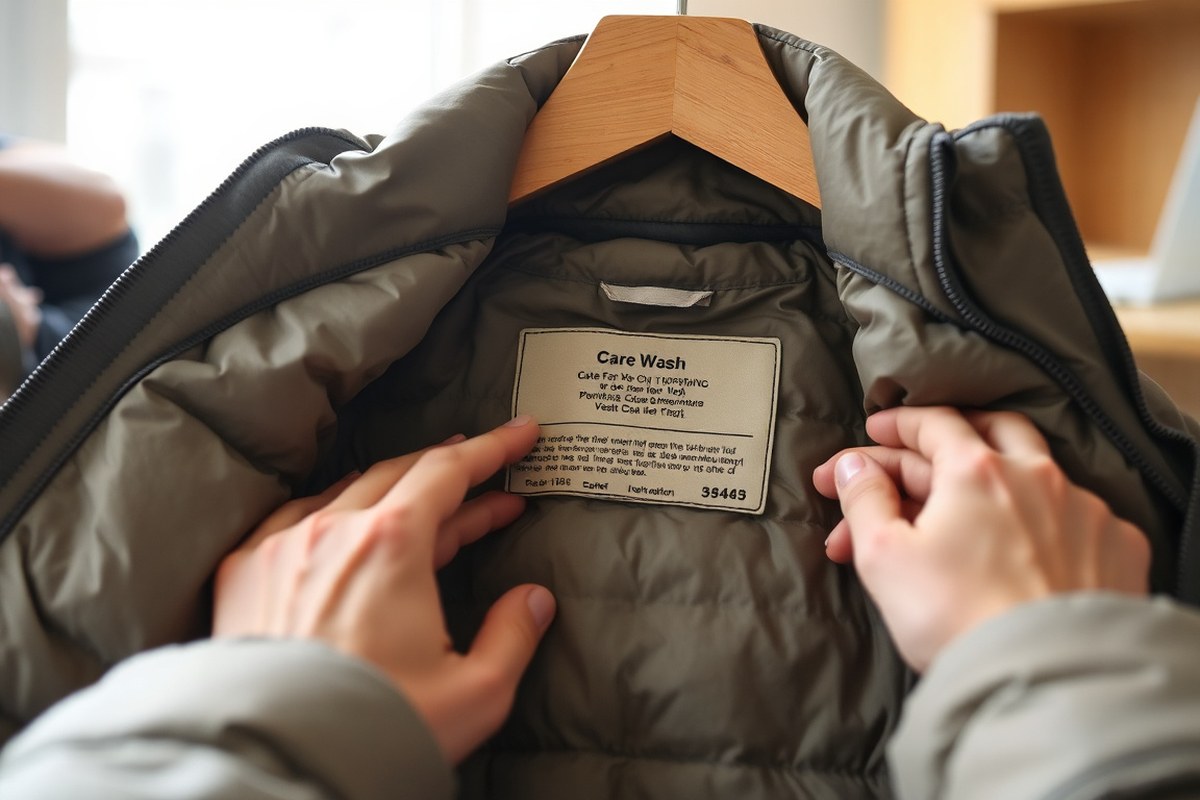
You can wash a goose down jacket at home if you follow the specific instructions on its care label. These labels provide essential guidance tailored to the jacket’s construction and fabric limitations, which affect whether home washing is safe and effective. Washing your down jacket without checking these instructions risks damaging the insulation or outer fabric.
Start by locating the care tag sewn inside your jacket. This tag usually uses symbols alongside written directions. Look for symbols indicating the recommended washing method, such as hand wash only, machine wash at a gentle cycle, or do not wash at all. Many outdoor jackets allow machine washing on a delicate or cold setting, often around 30°C (86°F), without bleach or fabric softeners. Some jackets, especially those with delicate or water-resistant outer layers, may require hand washing or professional cleaning. Avoid washing jackets made from fabrics that the label advises against immersing in water.
It matters because improper washing can ruin the down filling by clumping the feathers or causing their natural oils to strip away, reducing insulation. The outer fabric might also lose water resistance or tear if washed too roughly or at the wrong temperature. Washing at home lets you clean the jacket when needed, but only when the label confirms it’s safe.
Here’s a checklist to help you decide and prepare for washing your down jacket at home. First, confirm the care label allows washing and note any temperature limits or cycle recommendations. Check for warnings against machine washing or the use of certain detergents. Next, ensure your washing machine does not have a center agitator, which can damage the jacket. Zip up all zippers and turn the jacket inside out to protect the fabric during washing. Use a gentle or delicate cycle on cold or 30°C water. Add a small amount of mild detergent formulated for down or a neutral detergent if none is available. Avoid fabric softeners or bleach, which harm down’s loft and water repellency. Wash the jacket by itself to prevent abrasion from other clothes.
Results will be best if you soak heavily soiled areas for up to 60 minutes before washing. After washing, the jacket may look puffy, which is a good sign that the down is lofting correctly again. A poor result includes clumping feathers, a soggy texture, or fabric damage, which happens when the care label is ignored or the washing conditions do not match those instructions. Washing at home costs only the price of a mild detergent and your water and electricity, making it affordable compared to professional cleaning, which can cost $20 to $50 or more.
Not all goose down jackets are suitable for home washing. Some high-performance or coated fabrics require specialized care or dry cleaning. When in doubt about your jacket’s fabric or cleaning recommendations, checking with the manufacturer or retailer is the safest option to avoid costly damage. Following the care label exactly ensures your goose down jacket stays warm, fluffy, and reliable for many outdoor seasons.
Choosing the Right Detergent for Goose Down Jackets

Choosing the right detergent for your goose down jacket is essential to keep the feathers fluffy and the jacket waterproof. Use a liquid detergent designed specifically for sensitive fabrics or down. Specialized down detergents cost between $10 and $15 per bottle, but they contain no harsh chemicals or enzymes that can damage the down or its natural oils. Regular household detergents or powders often contain additives that strip these oils, reducing insulation and causing clumping.
Homemade soaps or dishwashing liquids should be avoided. Although they seem gentle, they usually have strong surfactants and degreasers that are too harsh for down. Using these can lead to feathers sticking together and a jacket that loses its loft and warmth. Fabric softeners and bleach are also off-limits because they break down the feather structure and damage the fabric shell.
Washing your jacket with the proper detergent means you can safely run a gentle or down-specific machine cycle at cold temperatures, around 30°C (86°F). This prevents heat damage. Add 3 to 4 clean tennis balls or dryer balls during washing and drying to help break up any clumps and restore the jacket’s fluff. When washing by hand, mix about one tablespoon of down detergent per gallon of cold water and gently massage the garment rather than scrubbing.
| Detergent Type | Safe for Goose Down | Cost Estimate | Risks | Best Use Case |
|---|---|---|---|---|
| Specialized Down Detergent | Yes | $10-$15 per bottle | None if used as directed | Regular care; best fluff restoration |
| Liquid Detergent for Sensitive Fabrics | Usually yes | $5-$10 | Avoid powders with bleach/enzyme | Budget option; less effective on clumping |
| Dish Soap or Homemade Soaps | No | Low | Strips natural oils; clumps feathers | Do not use on down jackets |
| Fabric Softener or Bleach | No | Varies | Breaks down feather and shell | Avoid completely |
When washing your goose down jacket, always read detergent labels carefully to ensure there are no enzymes, bleach, or fabric softener ingredients. A liquid formula is preferred because powders do not dissolve well during a gentle wash cycle, which can leave residue. Using the right detergent prevents filling clumps and preserves the jacket’s water resistance and breathability. If your jacket is only lightly soiled, a gentle rinse without detergent can sometimes be enough to refresh it.
Never use fabric softener or bleach; these chemicals permanently damage the down feathers and reduce your jacket’s insulation.
Preparing and Pre-Treating Your Down Jacket Before Washing
Before washing your goose down jacket, carefully check it for stains and dirt, treat any spots to avoid damaging the down, and prepare all closures for the wash. Turning the jacket inside out and securing zippers and buttons will help protect the fabric and hardware during the cleaning process.
Inspecting for Stains and Dirt
Begin by examining your down jacket under good lighting to identify any visible dirt, stains, or debris on both the exterior and interior surfaces. Focus on areas prone to soiling, such as cuffs, underarms, collars, and pockets. Dirt and stains can lock in odors or damage the fabric if not addressed before washing.
Use your hands to feel for any crusty dirt or sticky residues that might not be fully visible. Removing loose dirt with a soft brush or cloth can prevent it from spreading during the wash. Skipping this inspection may lead to unsatisfactory cleaning results or even damage to the down insulation.
Effective Stain Pre-Treatment Methods
Targeting stains before the full wash helps prevent them from setting permanently into the down and fabric. Use a stain remover compatible with down jackets or a mild detergent designed for down fill. Avoid bleach or harsh chemicals that can damage the feathers and outer fabric.
A proven spot treatment includes mixing equal parts white vinegar and down detergent, then diluting with a small amount of water. Spray this gently on the stained area and dab with a clean, soft towel. Let the solution sit for 10 to 15 minutes to loosen dirt and oils before washing.
For tougher or ground-in stains, applying a bar of solid soap directly and gently rubbing it on the spot can help break down residues without soaking the entire jacket. After treatment, do not skip a light rinse or pre-wash soak to remove excess soap from the spots.
Prepping Zippers, Buttons, and Inside-Out Turning
Preparing your jacket’s hardware before washing prevents snags and damage to both the garment and your washing machine. Fully zip all zippers, snap buttons, and fasten any Velcro closures. This keeps the jacket’s shape intact and stops closures from catching on fabric during agitation.
Turn the jacket inside out to shield the outer shell from friction and abrasion. Washing the jacket inside out also exposes the lining to cleaning action, which can help remove body oils that accumulate inside. Following these steps ensures your goose down jacket stays protected and cleans effectively, ready for drying and maintaining its loft and warmth.
- Place the jacket on a clean, flat surface under bright light.
- Scan the jacket for stains and dirt spots, paying special attention to cuffs and underarms.
- Use a soft brush or cloth to gently remove loose dirt or debris.
- Mix equal parts white vinegar and down detergent, dilute slightly with water.
- Spray the solution on each stain, then gently dab with a clean towel.
- Let the treatment sit for 10 to 15 minutes.
- Zip all zippers fully, button all snaps, and close Velcro flaps.
- Turn the jacket inside out before placing it in the washing machine or preparing for hand washing.
Machine Washing vs Hand Washing: Which Method Is Best?
You can safely machine wash down jackets using a gentle cycle and cool water, which is faster and less labor-intensive than hand washing. Hand washing offers more control and reduces risk of damage, making it preferable for fragile jackets or when no suitable machine is available. Setting the right cycle and water temperature is key for machine washing, while thorough soaking and gentle agitation define effective hand washing.
Setting Washing Machine Cycles and Temperature
Choose a gentle or delicate cycle on your washing machine, such as a wool or sensitive setting. Keep the water temperature at 30°C (86°F) or below to prevent heat damage to the down insulation. Adding a tennis ball or two into the drum during the wash can help maintain the jacket’s loft by breaking up clumps of down. Use a front-loading machine if possible, as it causes less stress on the fabric than top loaders with agitators. Avoid overloading the machine; the jacket needs enough room to move freely for an even wash.
After the main wash, set your machine to run a long or extra rinse cycle to remove detergent residues. Residue left in the jacket can cause clumping or reduced loft, so thorough rinsing is important. Do not leave the wet jacket in the washing machine after the cycle finishes, as dampness may lead to mildew. Remove and prepare it for drying promptly.
Steps for Gentle Hand Washing
Hand washing a down jacket is safer but more time-consuming. Begin by filling a bathtub or large sink with warm water, about 30°C, and adding a small amount of appropriate down detergent. Submerge the jacket completely and let it soak for around one hour to loosen dirt. Gently press and knead the jacket to help release grime but avoid scrubbing or wringing, as this can damage the seams and down clusters.
Once soaked, drain the soapy water and refill with clean water to rinse. Repeat rinsing two or three times until no suds remain. Throughout the process, handle the jacket carefully to maintain its shape. After rinsing, lift the jacket out gently and press excess water by laying it flat and pressing, rather than twisting or squeezing. Never leave the wet jacket sitting for prolonged periods before drying to avoid mold growth.
When to Choose Professional Cleaning Instead
Professional cleaning is advisable if your down jacket has stubborn stains, is heavily soiled, or has specific care labels that warn against home washing. Dry cleaners with experience in down products use specialized equipment and techniques to preserve loft and ensure thorough cleaning without damage. While professional cleaning costs more and requires dropping off and pick up time, it reduces the risk of losing warmth and structure that can sometimes happen with incorrect home methods.
Choose professional cleaning if your jacket contains delicate trims, non-removable liners, or is vintage. Also consider it when you lack the right detergent or washing machine settings. In all cases, follow the jacket manufacturer’s specific care instructions to avoid voiding warranties or damaging the thermal properties of your jacket.
Avoiding Common Washing Mistakes That Damage Down Jackets
Using the wrong detergent or fabric softener can cause serious damage to your goose down jacket. Household detergents often contain enzymes or bleach that strip natural oils from down feathers, reducing their loft and warmth. Fabric softener coats the feathers and outer fabric with residue, which impairs water resistance and compressibility. Always choose a detergent specifically designed for delicate or down-filled items to protect these properties.
Excess heat is another common risk. High temperatures during washing or drying can break down the fine structure of down feathers and damage the jacket’s shell material. Drying your jacket on low heat may take several hours but preserves the fill and fabric. Avoid any heat setting above 104°F (40°C), as higher temperatures cause permanent damage to both insulation and fabric finish.
Over-washing also reduces your jacket’s lifespan. Washing more often than necessary removes the essential oils from the down and wears out the fabric faster. Resist the urge to clean the jacket after every use; spot clean minor stains instead and reserve full washing for obvious dirt or odors. Compressing or packing the jacket for extended periods after washing can crush the feathers, reducing their loft and warmth retention.
- Avoid household detergents and fabric softeners to protect down’s natural oils
- Never dry clean; chemicals used in the process harm down feathers
- Use only low or no heat settings when drying to prevent damage
- Spot clean minor stains to reduce unnecessary washing cycles
- Make sure to clean mud and dirt before washing to prevent permanent staining
- Allow several hours of low heat drying instead of rushing with high heat
- Do not leave your jacket compressed for long after washing or drying
Always check care labels and avoid skipping the low-temperature drying step to maintain your jacket’s loft and water resistance.
Removing mud or dirt completely before washing is important. If these residues remain, they can discolor your detergent soak and potentially stain the jacket permanently. Take a moment to gently brush off or pre-treat stubborn spots with a down-safe cleaner to improve washing results. Once clean, drying the jacket slowly at low heat followed by manual fluffing helps restore volume and warmth.
How to Dry a Goose Down Jacket Properly for Fluff and Warmth
Drying your goose down jacket properly preserves its loft and warmth while preventing clumps and mildew. Use a tumble dryer on the lowest heat setting combined with dryer or tennis balls to break up feather clusters. Check carefully for full dryness before storing to avoid damp spots.
Using Dryer Balls and Low Heat Cycles
Using a tumble dryer is the most effective way to dry a goose down jacket without damaging the delicate feathers. Set your dryer to the lowest heat setting available to avoid overheating, which can dry the jacket’s exterior but leave the interior damp. Place two to five clean tennis balls or dryer balls inside with the jacket to help break up clumps. The balls gently pat the down, restoring its loft and insulating properties.
It’s best to unzip the jacket before placing it in the dryer to maintain its shape. Avoid high heat as it can shrink fabric and damage the down filling. Remove the jacket every 30 minutes to fluff it by hand, redistributing feathers if needed, before returning it to the dryer.
Manual Fluffing Techniques During Air-Drying
If you do not have access to a tumble dryer, air drying is an option but requires patience and manual fluffing to keep the down from clumping or flattening. First, lay the jacket flat on a clean surface away from direct heat or sunlight to drip dry after washing. Once the dripping slows, flip and gently shake the jacket to redistribute the feathers.
Every 30 minutes, manually fluff the down by lightly patting or shaking the jacket, breaking up any forming clumps with your fingers. This prevents stiffness and allows the insulation to dry evenly. Avoid extended air drying since it can take multiple days and risk mildew. Use a fan or ventilated space to speed drying.
Signs and Checklist to Confirm Dryness
Confirming your jacket is completely dry ensures it maintains warmth and avoids mildew or odor. The down should feel evenly fluffy and light, with no dense or cold spots. A fully dry jacket will regain its bulky loft and bounce back when brushed or shaken.
You can also gently press sections of the jacket, if any feel cool or damp, continue drying. The outer fabric should be dry to the touch throughout, especially near seams and under sleeves where moisture may hide. Using a spin cycle on low heat can help redistribute feathers before final drying if clumping remains.
Dry only on low heat and keep fluffing regularly until dry. Store the jacket uncompressed in a breathable area to preserve loft and warmth.
- Unzip the jacket and check for heavy water pooling; let it drip dry briefly if very wet.
- Place the jacket in the dryer with 2 to 5 clean tennis balls or dryer balls.
- Select the lowest heat or delicate cycle on the dryer.
- Set a timer for 30 minutes and start the dryer.
- Every 30 minutes, remove the jacket and manually fluff by shaking and patting to breakup clumps.
- Return the jacket to the dryer and repeat the 30-minute drying/fluffing cycle until fully dry.
- Confirm dryness by checking for uniform loft, no cold/damp spots, and the jacket feeling light and fluffy.
- Store the jacket uncompressed in a dry, ventilated space after drying.
How Often to Wash Your Down Jacket Without Losing Performance
Frequent washing can harm your goose down jacket by breaking down the natural oils in the down clusters, which lowers their loft and insulation ability. Washing too often also stresses the fabric and seams, reducing the jacket’s lifespan. Most down jacket manufacturers recommend washing only when necessary, usually every 3 to 4 months if used regularly outdoors or less often for lighter use.
To decide when to wash your jacket, consider how dirty it actually is. A jacket worn occasionally in mild, clean conditions can often go an entire season without washing. Spot clean visible stains with a damp cloth or mild soap instead of a full wash to preserve the down’s fluffiness. Only plan a full wash when the jacket shows obvious dirt, odors, or loss of loft.
For jackets lightly soiled with dirt, dust, or smells, spot cleaning the affected area is a less harmful approach. Use a sponge or soft cloth with a small amount of down-friendly detergent diluted in water. Dab gently without soaking the fabric. Let the jacket air dry completely before wearing. This method cuts down on washing cycles and retains fullness and water resistance longer.
When you do wash your jacket, always run it separately on a delicate cycle to avoid damage from other garments. Use cold or lukewarm water below 30°C (86°F) to protect the fabric and feathers. Avoid heavy spin cycles that could crush the down. The drying process takes significant time, especially in cold, humid, or windless conditions. Plan for up to several days of air drying or use a low-temperature tumble dry with clean tennis balls to restore loft.
When dirt and smells build up over months or after exposure to sweat, rain, or smoky environments, a thorough wash is necessary to restore the jacket’s performance. Delaying washing for too long, though, risks permanent odor absorption and fabric damage. The cost of washing beyond wear and tear comes in extra time spent drying, which can extend to multiple days in poor weather.
In summary, limit full washes to when your down jacket visibly needs it, use spot-cleaning for minor stains, and wash with care to keep the down fluffy and insulating. This approach maximizes warmth, water resistance, and garment lifespan while keeping your jacket looking and performing its best over many seasons.
Storing and Maintaining Your Down Jacket After Washing
Proper storage of your goose down jacket after washing protects its insulation and extends its life. Avoid moisture and compression to keep the down clusters fluffy, which preserves warmth. Store your jacket in a cool, dry place with good air circulation. Avoid basements or damp closets where humidity can cause mildew and damage your jacket’s loft.
Do not pack your down jacket into a compression bag for long-term storage. While compression bags save space, prolonged squeezing crushes the down, reducing its ability to trap heat. Instead, store the jacket loosely in a breathable garment bag made of cotton or mesh. This allows air to flow freely and prevents moisture buildup while maintaining the jacket’s puffiness.
Choose between hanging and folding based on your storage space. Hanging the jacket on a wide, padded hanger helps keep its shape and reduces wrinkles. Avoid thin hangers that may create sharp creases and pressure points. When shelf space is limited, fold your jacket gently without packing it too tightly. Keeping it loosely folded reduces compression stress on the down. Make sure the jacket is completely dry before storing to prevent mold and odor.
Maintaining loft during off-seasons includes regular airing and occasional fluffing. Take your jacket out of storage every couple of months to shake it gently and redistribute the down evenly. This helps prevent the clusters from clumping and losing their insulating power. Air your jacket in indirect sunlight for about an hour to freshen it without risking sun damage. Notice any dampness? Hang your jacket in a well-ventilated spot until it dries completely. Here’s a checklist for storing your down jacket properly: first, ensure the jacket is clean and entirely dry; second, avoid storing in plastic or airtight containers; third, use a breathable garment bag or a loose cloth cover; fourth, store in a cool, dry place away from direct sunlight; fifth, hang on a padded hanger or fold loosely with minimal pressure; lastly, air and fluff the jacket periodically during long storage periods.
Costs associated with proper care after washing are minimal. Breathable garment bags range from around $10 to $30 and are reusable. A padded hanger can be purchased for under $15. Investing in these items preserves the jacket’s warmth and appearance, preventing costly replacements or professional restorations. Good storage avoids the common problem of compressing down, which turns your jacket flat and cold, defeating your purpose of keeping warm outdoors.
Never store your down jacket damp or tightly compressed; doing so risks mold growth and permanent loss of loft, which means less warmth and a shorter jacket lifespan.
Step-by-Step Action Plan for Washing Your Goose Down Jacket
Follow these steps to clean your down jacket safely and keep its warmth and loft intact.
- Before you start: Inspect the jacket for any tears or weak spots. Repair small holes to prevent down loss during washing.
- Preparation phase: Use a down-specific detergent and pre-treat any visible stains with a gentle spot cleaner. This ensures thorough cleaning without damaging the feathers.
- Washing day: Choose machine wash on a gentle cycle with cold water or hand wash using lukewarm water. Avoid fabric softeners or bleach to protect the jacket’s natural oils.
- Drying stage: Tumble dry on low heat with several clean tennis balls or dryer balls. This helps restore loft by breaking up clumps of down as it dries.
- Post-dry check: Gently shake the jacket to evenly redistribute the feathers and make sure it feels fluffy and no damp spots remain. Repeat drying if needed.
- Maintenance phase: Store your jacket loosely in a breathable bag or hang it in a dry place to maintain loft between washes.
- Regular care: Spot clean as needed and plan a full wash after about 4 to 6 months of use or after heavy soaking to preserve insulation performance.
Frequently Asked Questions
Can I Wash a Down Winter Jacket in the Washing Machine?
You can clean a down jacket in a washing machine by selecting a gentle cycle with cold water and using just a little detergent made for down. Stay away from top-loaders that have agitators since they might harm the jacket’s insulation.
What Is the Lifespan of a Down Jacket?
A well-maintained down jacket typically lasts 5 to 10 years. Proper washing, drying, and storage extend its life by preserving the down’s loft and water repellency.
Can I Use Dawn Dish Soap to Wash My Down Jacket?
It’s best not to use Dawn dish soap because it’s not formulated for down and can strip natural oils. Instead, use detergents designed specifically for down garments to maintain their insulation.
Do Puffer Jackets Lose Their Puffs After Washing?
Puffer jackets can lose loft if not dried properly. Using dryer balls or tennis balls during drying helps restore fluff by breaking up clumps in the down filling.
How Do I Check If My Down Jacket Is Washable?
Check the care label inside your jacket first; it will specify if machine washing is safe or if professional cleaning is recommended.
Can I Dry My Down Jacket Outside on a Clothesline?
Avoid drying down jackets on clotheslines because uneven drying can cause clumps. Use a low heat setting in a dryer with tennis balls or dryer balls instead.
Before You Go
Washing your goose down jacket at home is possible with the right care and techniques to keep it warm and durable. Taking careful steps before and after washing, along with using appropriate detergents and drying methods, will help maintain its insulating properties. Start by checking your jacket for damage and choosing a down-specific detergent for your next laundry session to keep enjoying your jacket’s full performance on chilly days.