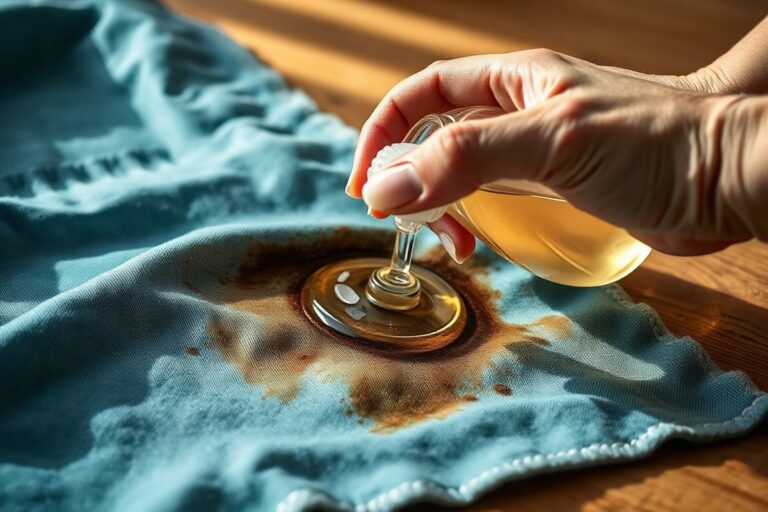
How to Wash with Bleach Safely and Effectively: A Complete Guide
How to wash with bleach safely and effectively starts with using the right type of bleach, measuring the correct amount, and following proper timing. Add bleach to your load only after the washer fills with water, then let it soak for about 5 to 10 minutes. This method ensures good stain removal and disinfecting without damaging fabrics.
Homeowners and renters who want to keep their whites bright and sanitize laundry can benefit from these clear steps and safety tips. You’ll also learn about suitable fabrics, bleach types, and common mistakes to avoid when adding bleach to your laundry routine.
Key Takeaways
- Use regular, unscented household bleach with 5% to 9% sodium hypochlorite for laundry disinfecting and whitening.
- Add bleach five minutes after the washing machine starts filling to prevent direct contact with fabrics.
- Let bleach soak in the wash for at least 5 minutes, but not longer than 10 minutes, to protect clothes.
- For hand washing, mix 1/4 cup of bleach into one gallon of cool water and soak the clothes for five minutes.
- Only bleach white or colorfast cottons, linens, and durable synthetics; avoid bleach on delicate or colored fabrics.
- Clean your washing machine with a bleach solution every 1 to 3 months to prevent mold and odors.
How to Wash Clothes with Bleach Step-by-Step

Adding bleach to your laundry safely and effectively starts with knowing how and when to introduce it to the washing machine cycle. Using the bleach dispenser is best if your machine has one, as most standard top-load and many front-load washers include this feature. When you add bleach correctly, it dilutes automatically and avoids direct contact with fabric, protecting your clothes from damage and ensuring even whitening or disinfecting.
- Sort your laundry. Separate whites or colorfast clothes from colored and delicate items to prevent bleach damage. Use bleach only on fabrics labeled as safe for whitening or disinfecting.
- Measure the bleach. For a standard washing machine, use about 2/3 cup (5.3 fl oz) for heavily soiled clothes or stain removal, and about 1/3 cup (2.7 fl oz) for normally soiled clothes. High-efficiency (HE) washers need less, around 1/3 cup for heavy stains and the maximum level marked in the bleach dispenser otherwise.
- Add bleach to the dispenser. Pour the measured liquid chlorine bleach into the bleach compartment before starting the wash cycle. This compartment releases bleach during the wash when the tub is filled with water, usually after about 5 minutes.
- Select the right cycle and temperature. Choose a hot, long wash cycle suitable for the fabrics. Hot water helps activate the bleach’s whitening and disinfecting properties without damaging most fabrics recommended for bleach use.
- Start the wash cycle. The machine will automatically release the bleach as it fills with water, ensuring even distribution. This setup prevents undiluted bleach from contacting the clothes directly, which can cause spotting or fabric weakening.
- For top-load washers without a bleach dispenser, allow the machine to fill halfway with water, then carefully add the measured bleach directly into the wash water. Add detergent next, then the laundry. This process dilutes the bleach before clothes enter the tub.
- For front-load washers lacking a dispenser, dilute the bleach in 1 liter (34 fl oz) of water and pour this solution directly into the drum before adding clothes.
- Finish washing and drying as usual. After the cycle completes, promptly remove laundry to avoid bleach sitting too long on fabrics, which can weaken fibers. Dry according to fabric care labels.
Bleach should remain in contact with clothes during the entire wash cycle, typically 30 to 60 minutes, depending on your machine’s settings. Avoid adding bleach directly onto fabric or pouring it undiluted into the drum, as that may cause discoloration and fabric damage. Always adhere to your washing machine’s manufacturer guidelines on bleach usage to prevent mechanical issues or voiding warranties.
Which Types of Bleach Are Best for Laundry?

Chlorine bleach and oxygen bleach serve different laundry needs. Chlorine bleach works best for brightening whites and removing tough stains, while oxygen bleach is gentler, safe for colors, and suitable for everyday stain removal. Choosing the right one depends on your fabric type and desired results.
Chlorine Bleach Properties and Uses
Chlorine bleach is a liquid solution with 5.25% sodium hypochlorite, the most common concentration in the US. This chemical is powerful for whitening whites and sanitizing laundry by killing germs. However, chlorine bleach can damage colored fabrics and delicate items like embroidery or any clothes with color accents.
Its strong bleaching power makes it effective at removing tough stains such as sweat, grass, or mildew from white cotton, linen, and some synthetic fabrics. Despite being gentler than cleaning bleach solutions, it still requires careful dilution before adding to your wash. Avoid pouring undiluted bleach directly onto fabrics or into a washer full of clothes.
| Property | Details |
|---|---|
| Sodium hypochlorite concentration | 5.25% (common range 5%, 9%) |
| Typical form | Liquid, diluted for laundry use |
| Best for | Whites, stain removal on bleach-safe fabrics |
| Unsuitable for | Colored clothes, embroidery, delicate fabrics |
| Germ-killing ability | Kills bacteria and viruses in laundry |
Following label dilution and fabric guidelines ensures you get bright whites without fabric damage.
Oxygen Bleach Benefits and Limitations
Oxygen bleach, also known as non-chlorine or color-safe bleach, is a gentler option made from compounds like sodium percarbonate. Available as powder or liquid, it is safe for most colored fabrics and many whites. It removes stains by releasing oxygen that breaks down grime without stripping dye.
This type works well on everyday stains, such as food or dirt, and is less harsh on fibers compared to chlorine bleach. Adding powdered oxygen bleach to the empty washer tub before clothes helps it dissolve properly. It also has environmental advantages, breaking down into oxygen and water without harsh residues.
| Property | Details |
|---|---|
| Form | Powder or liquid |
| Safe for | Colored fabrics, most whites, many delicate fabrics |
| Stain removal | Effective on food, dirt, and light stains |
| Environmental impact | Breaks down into oxygen and water |
Use oxygen bleach regularly for bright colors and fabric preservation, reserving chlorine bleach for heavy-duty white laundry.
Safe Bleach Combinations and What to Avoid
Do not combine chlorine bleach with ammonia, vinegar, lemon juice, or any acids because dangerous gases can form. Also avoid using bleach with detergents that have ammonia or other cleaners unless the product label says it is safe.
Mixing different bleach types, especially chlorine and oxygen bleach, is also not recommended, as it can reduce effectiveness and cause chemical reactions. Always add bleach to water or the washing machine dispenser first, never directly on clothes or in a full load before water fills.
Always pour bleach into the washing machine’s designated dispenser or dilute it fully in water to prevent fabric damage and harmful fumes.
How Much Bleach to Use for Different Washers and Loads
Measure bleach according to your washing machine type and load size to protect clothes and get the best stain removal or sanitizing results. Household bleach for laundry usually has a sodium hypochlorite concentration around 5.25% to 6%, which is standard for cleaning and disinfecting fabrics. Using too much bleach risks weakening fibers or causing yellowing, while too little reduces effectiveness.
For standard (deep-fill) washing machines, ⅓ cup of chlorine bleach works well for a medium or normally soiled load. Increase to ½ cup for small or lightly soiled loads to avoid harshness, or raise to ⅔ cup for heavily soiled, large loads or tough stains. High-efficiency (HE) washers use less water, so they require about half the bleach volume, typically ¼ cup for sanitizing and up to the dispenser’s max line for whitening or stain removal.
| Objective | Standard Washing Machine | High Efficiency Washing Machine |
|---|---|---|
| Sanitization | ½ cup | ¼ cup |
| Whitening and Stain Removal (Normal Soil) | ⅓ cup | Max line in dispenser |
| Whitening and Stain Removal (Heavy Soil) | ⅔ cup | Max line in dispenser |
If your washer lacks a bleach dispenser, add the measured amount of bleach diluted in 1 quart of water after the wash cycle has been agitating for about 5 minutes. This helps bleach mix evenly and avoids direct contact with fabrics, which can cause damage. For hand washing or soaking, combine ¼ cup bleach with 1 gallon of cool water, and soak garments for 5 minutes before rinsing.
Using the right bleach amount depends on load size, soil level, and machine type. Small, lightly soiled loads need less bleach, while larger or heavily stained loads need more to effectively oxidize stains. Oversaturating with bleach, especially in HE machines with less water, can hurt fabrics or cause residue buildup. Stick to recommended amounts to brighten and sanitize clothes safely.
Safety Precautions When Using Bleach in Laundry
Bleach is a powerful cleaning agent but requires careful use to avoid harm. It’s not safe for skin contact without protection, and children should be kept away from it at all times. Direct exposure to bleach can cause irritation, redness, or burns. Always wear rubber gloves when handling bleach, especially concentrated bleach. Bleach on your skin requires quick rinsing with plenty of water for at least 15 minutes; keep an eye on the area and consult a doctor if irritation lasts.
Bleach fumes can cause irritation to your eyes, nose, throat, and lungs, so make sure to use it in a space with lots of fresh air, like a room with open windows and doors. When handling large amounts or working in tight spaces, consider wearing safety goggles and a mask to protect yourself. Avoid directly inhaling the fumes to reduce the chance of respiratory problems.
Never mix bleach with cleaning products other than laundry detergent explicitly marked as safe for mixing. Mixing bleach with ammonia, acids, or other chemicals can generate dangerous fumes that pose serious health risks. For laundry, use the bleach dispenser designed for the purpose or dilute bleach properly before adding it to wash water to prevent fabric damage or chemical reactions.
- Keep bleach bottles tightly closed and store them in a cool, dry place away from children and pets.
- Handle bleach carefully, pour slowly to avoid splashes and never transfer bleach to an unlabelled container.
- For bleach on clothing, immediately rinse the material under cold water, then wash it separately using a mild detergent.
- Use the amount recommended on the bleach label; do not exceed 2/3 cup per load in a washing machine.
- Wear protective gloves and consider old clothes to avoid bleach stains on your skin or garments.
- Ensure bleach is fully diluted and dissolved in water before contact with fabric to avoid bleaching spots or holes.
- Keep bleach away from direct sunlight and heat to maintain its effectiveness and safety.
Proper storage protects bleach from heat and sunlight, which can break down its active chemicals, reducing its cleaning power and potentially causing leaks or dangerous gas buildup inside the container. Handling spills requires quick action; small bleach spills on hard surfaces can be wiped with diluted water, while spills on skin or clothes need rinsing and separate washing. Following these precautions helps keep you safe while effectively using bleach in your laundry routine.
Which Fabrics and Colors Can You Safely Bleach?
Chlorine bleach works well on white cottons and linens but can damage many colored and delicate fabrics. Always check if the fabric can handle bleach by reading labels and testing an unseen area. Handle delicates gently with diluted bleach to avoid harm while tackling stains.
Reading Fabric Care Labels for Bleach Use
Fabric care labels provide specific guidance on whether chlorine bleach is safe for the garment. Look for a triangle symbol: an empty triangle means bleach is allowed, a triangle with two lines means only non-chlorine bleach, and a crossed-out triangle means no bleach at all. These symbols help you avoid damage caused by bleach on unsuitable fabrics.
Besides symbols, check fiber content on the label. Natural fibers like cotton and linen often tolerate bleach, while avoid bleaching wool, silk, mohair, leather, spandex, and any fabric marked as non-fast color. Manufacturer instructions override general rules, so always follow label directions to prevent weakening or discoloring your clothes.
Performing a Bleach Spot Test
Before using bleach on any item, test a small inconspicuous section first, such as the inside of a hem or under a seam. Mix 2 teaspoons of chlorine bleach with 1/4 cup of water to create a dilute solution. Apply a small drop with a cotton swab and let it sit for about one minute. Then blot the area dry and observe any color change, fading, or fabric weakening over the next few minutes.
When the fabric has no visible damage or color loss, using chlorine bleach as directed is usually safe. When color bleeding or fading occurs, avoid chlorine bleach and look for oxygen bleach or another option. This quick test helps prevent ruining an entire garment by identifying sensitivity before full washing.
Always test bleach on a hidden part of the fabric before treating a stain to avoid permanent damage.
Using Diluted Bleach for Delicate Items
Delicate fabrics that aren’t marked “do not bleach” can sometimes be treated safely with very weak bleach solutions. Start by hand-washing the garment gently with mild detergent. Then prepare a solution by mixing about 1/4 cup of bleach with 3/4 cup of water for spot-treating. For soaking, use a far weaker solution, such as 1 part bleach to 100 parts water.
Soak the delicate item in this weak bleach bath for no longer than 15 minutes, then rinse thoroughly with cool water to remove all bleach residue. Avoid machine washing delicate fabrics with bleach as it can damage fibers quickly. This careful approach helps brighten whites or remove stains without risking fabric break down.
Common Mistakes to Avoid When Using Bleach
Bleach stains or holes in clothes happen when full-strength bleach comes in direct contact with fabric fibers, causing them to weaken or discolor permanently. Avoid pouring bleach directly on your clothes by always diluting it with water beforehand. Using undiluted bleach can quickly ruin even sturdy fabrics like cotton, leaving obvious damaged spots.
Mixing bleach with other household cleaners, especially ammonia or vinegar, creates hazardous gases that are harmful to breathe. Never combine bleach with anything but water to keep your laundry safe and effective. Bleach works best when added to the wash water, not applied directly to the fabric or mixed with detergent in the wrong order.
To prevent bleach residue on laundry, add the bleach to the washing machine’s designated bleach dispenser if it has one. When adding bleach, dilute it in water before putting it into the wash drum, then add your clothes. This helps bleach distribute evenly during the wash cycle and reduces the chance of leftover residue or uneven bleaching.
- Always dilute bleach with at least 1 part bleach to 10 parts water before use
- Do not pour bleach directly on fabric; add it to the wash water or dispenser instead
- Never mix bleach with detergents or other cleaners inside the washer
- Use only the type of bleach recommended for your fabric and washer type
- Rinse clothes thoroughly after bleaching to reduce residue and skin irritation
- Test bleach on a hidden spot to check fabric reaction before full use
- For visible bleach spots, try color-safe fabric markers or professional repair
Bleach damage or discoloration can be difficult to reverse. Using color-safe dyes or fabric markers may help blend small areas but won’t restore original color or strength. Professional textile restoration might be needed for valuable items. Preventing bleach damage starts by following product instructions carefully and using bleach only on suitable white or colorfast items.
How to Clean Your Washing Machine with Bleach
Cleaning your washing machine with bleach helps kill bacteria, mold, and mildew buildup that cause odors and reduce efficiency. Top-load and front-load washers both benefit from a monthly hot water cycle with bleach, using about one cup of liquid chlorine bleach. After the cycle, wiping the interior and disinfecting dispensers clears out residue and prevents future smells.
Preparing the Washing Machine for Cleaning
Start by making sure the washer drum is empty and dry. Check the rubber gasket (especially if you have a front-load washer) for any visible dirt, mildew, or trapped debris. Locate the bleach dispenser on your machine, which is usually marked and separate from the detergent tray.
Your washer may lack an automatic bleach dispenser, so you’ll need to add bleach by hand after the drum has filled halfway with water. This step avoids direct bleach contact with the drum surface or clothing fibers.
Adding Bleach and Running the Cleaning Cycle
Use one cup (8 ounces) of liquid chlorine bleach to disinfect the drum and internal components. This amount works well for both top-load and front-load washers during an empty hot-water cycle. Select the warmest or sanitizing cycle your machine offers; hot water helps activate the bleach’s cleaning power. Follow this sequence:
- Set your washer to the clean washer or hottest and longest wash cycle.
- Begin the wash cycle and pause when the water reaches about the halfway mark in the drum.
- Pour one cup of liquid chlorine bleach into the bleach dispenser or, if your machine doesn’t have one, add it carefully into the water.
- Allow the cycle to complete fully without interrupting it.
Running an extra rinse cycle after cleaning can help remove any lingering bleach smell or residue.
After Cycle: Wiping and Rinsing Washer Interior
After the cycle ends, open the washer and use a damp cloth or sponge to clean the drum’s interior, especially around rubber seals, door edges, and dispenser areas where residue and mold can build up. Remove and soak dispensers in a mixture of water and a small amount of bleach if they appear grimy. After soaking, rinse thoroughly and dry before reinstalling. Regularly cleaning these parts prevents ongoing build-up that reduces your washer’s performance. Leaving the washer door or lid open after cleaning speeds drying and discourages mildew growth, helping maintain a fresh-smelling machine.
When Not to Use Bleach and Alternatives to Consider
Bleach is not suitable for all fabrics and laundry situations. Avoid using chlorine bleach on colored clothes and delicate fabrics such as wool, silk, and spandex, as it can cause fading, damage, or holes. Use it only on white, sturdy fabrics like cotton or linens. For items you want to sanitize but that cannot tolerate chlorine bleach, non-chlorine oxygen bleach offers a gentler alternative. Oxygen bleach, available mostly in powdered form, brightens and removes stains without the harsh effects of chlorine bleach. Add powdered oxygen bleach directly to the empty washer tub before loading clothes. If using liquid oxygen bleach, add it to the bleach dispenser just as you would liquid chlorine bleach.
Oxygen bleach works best when dissolved in water at warm temperatures, making it ideal for colored fabrics you want to refresh without risking color loss or fibre damage. It’s important to note that oxygen bleach generally does not disinfect unless the label specifically states it does, so for sanitizing white linens, chlorine bleach remains necessary. Avoid mixing chlorine and oxygen bleach in the same wash load, as this can reduce effectiveness and produce unwanted chemical reactions.
Natural alternatives to bleach offer effective whitening and deodorizing with less risk to fabric and user safety. Baking soda is a good brightening agent; add ½ cup to your regular detergent to help remove odors and whiten clothes gently. White vinegar acts as a disinfectant and fabric softener; use 1 cup in the rinse cycle to deodorize and brighten fabrics without harsh chemicals. These natural methods won’t bleach stains as aggressively as chlorine bleach but protect fabric strength and colors better than most commercial bleaches.
For whitening white clothes without harsh chemicals, soak them in a solution of ¼ cup baking soda mixed in a gallon of warm water for 30 minutes before washing. Another option is soaking whites in diluted white vinegar for 15 to 30 minutes, then washing as usual. These methods brighten fabric fibers by loosening residues and removing odors without the risk of bleaching damage. Keep in mind that natural whiteners take longer for noticeable effects, so they work well for routine laundry but not for emergency stain removal.
Never pour liquid chlorine bleach directly onto dry clothes; always dilute it in water or add it to the washer’s bleach dispenser to prevent fabric damage.
Step-by-Step Action Plan for Bleach Laundry
Use this plan to safely add bleach to your laundry routine and get the best results without damaging your clothes or machine.
- Before You Start: Check labels on your clothes for bleach safety symbols to avoid damage. Only use bleach-safe fabrics.
- Load Clothes: Sort whites and colorfast garments separately to prevent color loss. Load the washer normally, not too full.
- Measure and Add Bleach: Pour bleach into the designated dispenser, usually 3/4 cup for a standard wash. For high-efficiency machines, use 1/4 to 1/3 cup. Avoid direct contact with fabrics.
- Choose Wash Cycle: Select the hottest water safe for the fabric to help bleach work effectively and kill germs.
- Run Full Cycle: Let the washer complete the entire wash and rinse cycle to fully dilute bleach and remove residues.
- After Washing: Air dry or dry clothes immediately, checking for any discoloration or damage before the next use.
- Clean Washing Machine Monthly: Run an empty hot cycle with 1 cup of bleach to prevent buildup and keep your washer fresh.
- Store Bleach Safely: Keep bleach in a cool, dry place out of reach of children and pets to avoid accidents.
Frequently Asked Questions
Can I Hand Wash Clothes with Bleach Safely?
Yes, soak garments for 5 minutes in 1/4 cup bleach per gallon of cool water after pretreating stains and rinsing loose soil for safe hand washing.
How Soon Should I Add Bleach After Starting the Washing Machine?
Add bleach when the drum is about halfway full to ensure proper dilution and even distribution during the cycle.
Can Bleach Damage My Washing Machine If Used Often?
Using bleach to clean your washer once every 1 to 3 months is enough to maintain cleanliness without damage.
How Does Water Temperature Affect Bleach Effectiveness in Laundry?
Hot water activates bleach better for deep cleaning, but always check fabric care labels to avoid damage.
Is It Safe to Mix Bleach with Regular Detergent in the Wash?
Yes, you can use regular detergent with bleach, but always add bleach to the dispenser to avoid undiluted contact with clothes.
What Should I Do If My Washing Machine Doesn’t Have a Bleach Dispenser?
Start the wash cycle, then pause and add diluted bleach carefully while the drum is half full to prevent fabric damage.
Key Points to Remember
Adding bleach to your laundry can whiten your clothes and disinfect them effectively when done right. Always start with fabric and label checks, measure carefully, and use the recommended water temperature. Your next step is to try one bleach wash with a small load of whites, monitoring for any issues before using bleach regularly.