How to Wash White Clothes with Stains: 8 Proven Methods That Work
To wash white clothes with stains effectively, pretreat stains promptly, soak whites for at least 30 minutes, and use appropriate water temperatures based on soil level. Treat organic stains with 3% hydrogen peroxide and avoid setting stains by checking clothes before drying. These methods help restore whiteness and reduce discoloration without damaging fabric.
This advice suits homeowners aiming to keep white garments bright and stain-free. You’ll learn how to identify common stains, choose the right remover, pretreat correctly, select washing settings, handle bleach safely, dry carefully, and maintain whiteness for future wear.
Key Takeaways
- Treat stains immediately by gently blotting with hydrogen peroxide or stain remover before washing.
- Soak stained white clothes for at least 30 minutes to loosen dirt and yellowing prior to washing.
- Use hot water above 130°F for heavily soiled whites and warm water for moderately stained whites.
- Apply paste stain removers with a small brush and let sit 30 minutes before washing for tough spots.
- Avoid drying stained clothes in heat, as dryer heat can permanently set stains into fabric.
- Use lemon juice cautiously only on white garments to brighten but not on colored clothes to prevent fading.
1. Effective Ways to Wash Stained White Clothes
Washing stained white clothes starts by addressing the stains directly to prevent them from setting during the wash. Pretreating stains lifts embedded dirt and oils, improving the chances of restoring brightness. Washing white clothes separately in warm or hot water with the right detergent targets remaining marks while keeping fabrics bright. Hot water kills odor-causing bacteria but can shrink some fabrics, so check care labels before choosing your temperature.
- Separate your white clothes from colors to avoid dye transfer that can dull whites.
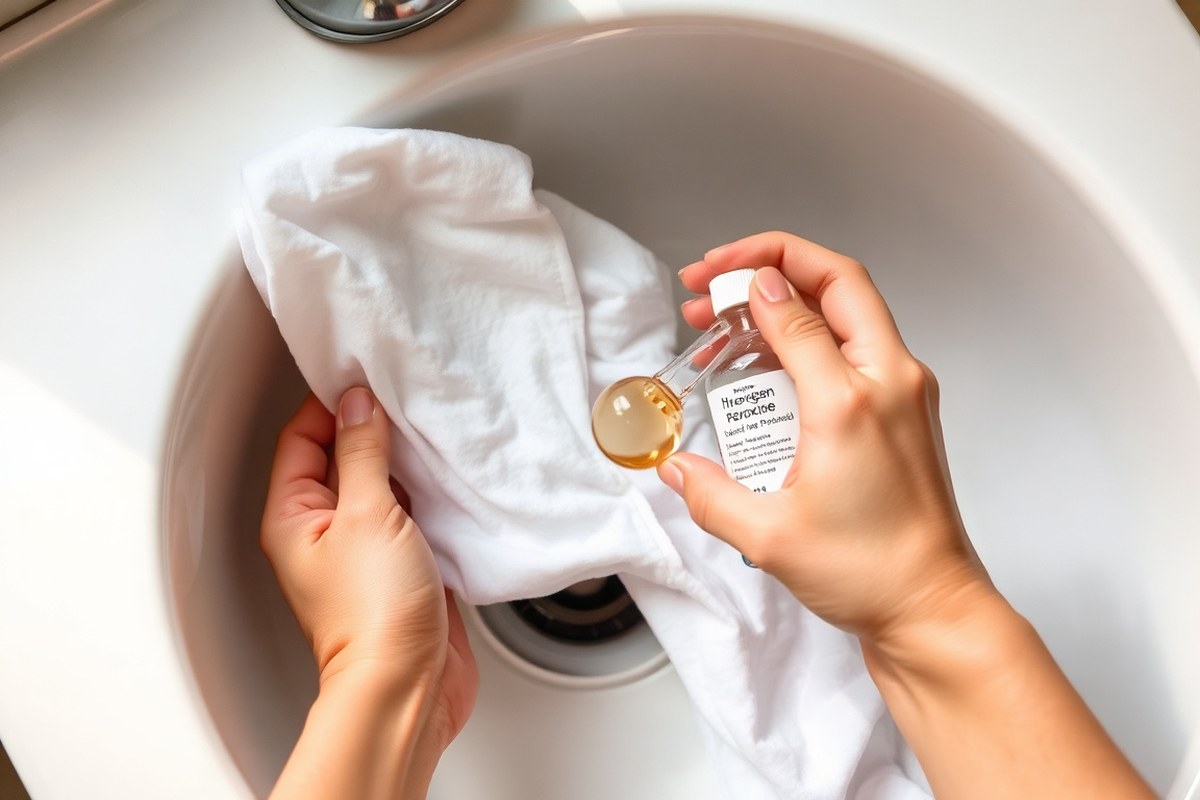
- Identify the stained areas and gently dab stain removers like 3% hydrogen peroxide on small spots using a white cloth. Avoid rubbing, which can spread the stain.
- Let the pretreatment sit for about 10 to 15 minutes to break down the stain before washing.
- Add a detergent formulated for white fabrics. These detergents contain optical brighteners and enzymes that combat stains better than standard detergents. Use the amount recommended on the package, typically around 1 to 2 tablespoons for a regular load.
- Select a warm or hot water cycle on your washing machine. Hot water (around 130°F to 140°F) works best for heavily stained whites, but choose warm water (about 90°F) for delicate items to prevent damage.
- Run the normal wash cycle, ensuring the load is not overloaded. Overloading reduces water flow and cleaning effectiveness.
- Inspect your clothes after washing. If stains remain, avoid drying as heat can set them permanently. Repeat pretreatment and washing if needed before drying.
Treating stains quickly and using hot water with the right detergent makes a big difference in restoring your whites. Hydrogen peroxide is a cost-effective pretreatment option costing about $1 to $3 per bottle and safe to use on most white fabrics. Avoid lemon juice for prewashing since it can bleach fabric unevenly if not rinsed out thoroughly. Keeping fabrics separated and pretreating directly also avoids wasting detergent or re-washing, saving water and energy. For stubborn stains or delicate items, consider professional cleaning to protect fabric integrity while lifting tough marks.
2. How to Identify Common Stains on White Clothes

Stains on white clothes vary in appearance and require different treatments for effective removal. Recognizing what type of stain you’re dealing with helps you pick the right method while protecting your fabric. Acting promptly usually improves results, especially before drying, which can set most stains permanently. Here’s a table breaking down common stain types on white clothes, how they typically look, behavior during washing, and why tailored stain removal matters:
| Stain Type | Appearance | Behavior | Why Treatment Differs |
|---|---|---|---|
| Protein-based (blood, sweat) | Reddish-brown or yellowish marks | Can set with heat; may still fade in cold water with enzyme cleaners | Requires enzyme detergents and cold water to avoid setting protein |
| Oil and grease | Translucent or darkened spots | Repels water; often resistant to normal detergents | Needs grease-fighting stain remover or natural solvents before washing |
| Ink | Sharp, colorful marks, often blue or black | Very difficult to remove; dyes can penetrate fabric deeply | Requires solvents or specialized ink removers; early action critical |
| Dye transfer | Faint or strong discoloration from other colored fabrics | Can cause dinginess if not treated; may fade with bleaching agents | Needs color-safe bleach or boosters; must avoid washing with colored clothes |
| Dirt and mud | Brown or dark stains with gritty texture | Usually loosens with soaking and scrubbing; washes out more easily | Soaking and mechanical agitation help; avoid drying with residual dirt |
| Food and drink (coffee, wine) | Varied colors: red, brown, yellow | Can stain deeply but often respond to aqueous and enzyme treatments | Prompt soaking and appropriate stain removers improve success |
Knowing these stain types lets you plan how to treat stains safely based on your fabric’s tolerance. For instance, cold water and enzyme detergents work well on proteins but not on oils, which need degreasing agents. Ink stains often require specific solvents and fast action to prevent permanent damage.
Check for stains before drying white clothes, because heat from the dryer can permanently set most stains.
Tests on small fabric areas may help you avoid damage. Wash white clothes separately to prevent dye transfer that adds discoloration. This practice reduces future stain problems and simplifies treatment options. Adjusting water temperature according to your fabric type and stain severity also influences cleaning effectiveness.
3. Choosing the Right Stain Remover for Each Stain Type
Choosing the right stain remover depends on the type of stain and the fabric’s care instructions. Grease and cooking oil stains respond best to liquid laundry detergents, which help break down oily residues before washing. For blood stains, rinse with cool water and pretreat with a detergent, avoiding hot water to prevent setting the stain. Ink and other dark stains often require hydrogen peroxide, a natural bleaching agent that gently lifts discoloration without harsh chemicals.
| Stain Type | Recommended Starting Treatment | Important Tip |
|---|---|---|
| Coffee and Tea | Rinse promptly and pretreat with liquid detergent | Avoid drying until the stain is gone |
| Sweat and Deodorant | Use a suitable oxygen-based stain remover | Check fabric compatibility before soaking |
| Grease and Cooking Oil | Apply liquid laundry detergent | Treat the oily residue before washing |
| Blood | Rinse with cool water and pretreat with detergent | Avoid hot water |
Natural ingredients such as lemon juice and white vinegar work well to freshen up white clothing and tackle light stains. The citric acid in lemon juice acts as a gentle bleach alternative. Soak your white garments in a solution of lemon juice and water for half an hour prior to washing. Vinegar, when diluted, can also brighten fabric and is effective at reducing odors and removing small stains but isn’t ideal for tough dirt.
Hydrogen peroxide at 3% concentration is another household option effective for dark organic stains such as blood and ink. It acts as a mild bleach, so test it on an inconspicuous area first to avoid fabric damage. Use it sparingly on suitable fabrics only, as it may weaken delicate fibers or cause yellowing if misapplied.
Always check the fabric care label before choosing any stain remover. Some materials, especially delicate fabrics like silk or wool, may require special cleaners or professional treatment instead of common household products. Taking care to match the stain remover type to both stain and fabric ensures better results and reduces risks of fabric damage.
4. Pretreating and Soaking: Timing and Techniques
Soaking stained white clothes before washing helps loosen and lift stains, improving overall cleaning. For most cases, soaking for at least 30 minutes is effective, but tougher stains may need up to an hour or more. Using solutions like baking soda or white vinegar improve the stain removal process while protecting fabric.
Soaking Durations by Stain Type
Light stains or dingy fabric usually require a soak of 30 minutes to half an hour. This timeline softens stains and allows cleaning agents to penetrate deeper. Heavily soiled or yellowed whites benefit from soaking between 45 minutes and one hour, especially when using baking soda or vinegar in the water. Protein-based stains like blood or sweat respond well to a cold water soak before treatment, while oily stains might require a pretreatment step first.
Be cautious with delicate fabrics or older stains; they may need shorter soak times to avoid damage. Adjust soaking time depending on fabric care instructions and stain severity.
Pretreatment Methods for Fresh vs Set Stains
Fresh stains should be rinsed with cold water immediately to prevent setting. Then, apply a small amount of stain remover or detergent directly on the stain and gently rub it in. Let the detergent sit for 5 to 10 minutes before washing. For set stains, pretreat by soaking in a solution of baking soda and water or white vinegar and water for 30 to 60 minutes before washing.
For baking soda, mix 4 tablespoons per quart of warm water. For vinegar, use a 1:3 ratio of vinegar to water. After soaking, scrub the stain lightly if the fabric allows, then wash with the usual detergent. Avoid hot water during pretreatment to prevent setting protein or dye stains.
How to Avoid Stain Setting During Pretreatment
Avoid using hot water on stained areas before pretreatment, as heat can permanently set many stains, especially protein-based ones. Always use cold or lukewarm water for soaking and rinsing stained whites. Treat stains promptly without delay and never dry clothes before checking that stains are fully removed, since drying can also lock in the stain.
Use gentle agitation when scrubbing pretreatment solutions into stains and avoid harsh scrubbing that may damage fabric fibers. Follow care label instructions for soaking and pretreatment to prevent color loss or fabric weakening during the process. Follow these steps to pretreat and soak stained white clothes effectively:
- Identify the stain type to choose the appropriate soak time and solution.
- Rinse fresh stains with cold water to remove excess residue immediately.
- Mix a soak solution: 4 tablespoons baking soda per quart of warm water or 1 part white vinegar to 3 parts water.
- Submerge your white clothes fully in the solution.
- Soak for 30 minutes for light stains or up to 60 minutes for set or heavy stains.
- If fabric allows, gently rub the stained areas after soaking to help lift the stain.
- Apply liquid detergent directly to stubborn stains and let sit for 5 to 10 minutes before washing.
- Wash white clothes according to fabric care instructions, using cold or warm water as appropriate.
5. Selecting Water Temperature and Laundry Settings
Choosing the right water temperature and laundry cycle depends on the fabric type and how serious the stains are. Hot water works best for sturdy, heavily stained whites like towels, while warm water suits moderately soiled everyday items like shirts. Cold water with a delicate cycle protects fragile fabrics from damage. Proper settings improve stain removal and protect your clothes.
Water Temperature for Different White Fabrics
Use hot water (above 130°F) for durable white fabrics such as towels, sheets, and socks that are heavily stained or yellowed. Hot water helps break down oils and kills bacteria, which is especially useful for these sturdy items. Warm water, between 90°F and 110°F, works well for most white clothes like casual shirts and blouses that have moderate stains. Choose cold water for delicate whites, including sheer blouses and undergarments, to prevent shrinking and fabric damage. These temperatures protect fibers while still cleaning effectively.
Selecting the Correct Laundry Cycle
Check the care labels on your white garments to pick the best machine cycle. For delicate fabrics like silk or lace, use a gentle or delicate cycle. These cycles use slower agitation and shorter wash times to minimize wear on fibers. Sturdier fabrics such as cotton towels or socks should be washed on a normal or heavy-duty cycle, which agitates more vigorously and runs longer to remove tough stains. Using the right cycle keeps your clothes in good shape and improves cleaning results.
How Water Temperature and Cycle Affect Stain Removal
Hot water combined with a heavy-duty cycle is the most effective at removing stubborn stains and yellowing on strong whites because heat helps dissolve stains and loosen dirt while vigorous agitation lifts grime. Warm water cycles still clean well but are gentler, reducing risk of fabric damage and fading. Cold water cycles rely more on detergents and stain removers since heat is absent, making them better suited for delicate items or lightly stained whites. Using too hot water on delicate fabrics can cause shrinking, color loss, or weakening of fibers, so following label instructions is essential.
Checklist for Washing Stained White Clothes
First, identify the fabric and check the care label for temperature recommendations and washing instructions. Use hot water (above 130°F) and a heavy-duty or normal cycle for sturdy, heavily stained whites. For average dirt or moderate stains on cotton-blends or everyday shirts, select warm water (90°F to 110°F) and a normal or permanent press cycle. For delicate items like lingerie, sheer blouses, or silk, stick with cold water and a gentle cycle. Add your preferred detergent and any stain removers accordingly, then start the wash.
Running the hottest water cycle safe for your clothes maximizes cleaning power without risking damage. Avoid drying the item if a stain remains after washing, as heat permanently sets stains. Instead, retreat and rewash using the appropriate temperature and cycle for that fabric.
Hot water is excellent for cleaning whites but never use it on delicate fabrics; always check the care label to avoid damaging your clothes.
6. Safe Use of Bleach and Whitening Agents on White Clothes
Chlorine bleach can brighten and sanitize white clothes, but it is not safe for all fabrics. Use it only on sturdy cotton or linen items that do not have prints, trims, or delicate fibers. Applying bleach directly onto fabric can cause yellowing or weaken fibers. Instead, dilute it carefully according to the product label, generally, one-quarter cup of chlorine bleach in a full washing machine load is sufficient. Use cold or warm water, never hot, to prevent fabric damage and avoid leaving bleach on clothes for longer than 10 minutes. Always add bleach to the wash water before adding clothes, never pour it straight onto garments.
Many white fabrics cannot tolerate chlorine bleach safely. Avoid bleach on synthetic fibers like polyester, nylon, or spandex, as the harsh chemicals can cause discoloration or holes. Lightweight fabrics such as silk or wool should never be bleached. When in doubt, check the care label; if it says “Do Not Bleach,” opt for safer alternatives to protect your clothes.
Oxygen-based bleach is a gentler alternative to chlorine bleach that still lifts stains and brightens without damaging most fabrics. It works well with cotton and other natural fibers and is often safe for garments with trims or patterns that chlorinated bleach would harm. Use oxygen bleach according to the package instructions, usually a scoop added during the wash cycle is enough, and wash with warm water for best results. It requires longer soaking times, often from 30 minutes up to several hours, depending on stain severity and fabric type.
Natural whiteners such as baking soda, 3% hydrogen peroxide, and distilled white vinegar can whiten clothes without the hazards that chlorine bleach carries. Mixing half a cup of baking soda into your laundry detergent boosts its cleaning ability and helps eliminate odors. Hydrogen peroxide acts as a gentle bleaching agent when used for a 30-minute soak before washing. Adding a cup of distilled white vinegar during the rinse cycle can improve fabric brightness and soften clothes, but do not pour it straight onto fabric to avoid marks.
Mistakes to avoid include overusing chlorine bleach, which can cause yellowing and weaken fabric integrity. Never mix bleach with ammonia-based detergents or acidic substances like vinegar, as this produces toxic fumes. Wearing gloves and working in a well-ventilated area protects your skin and lungs from bleach’s harsh effects. Avoid soaking white clothes in bleach solutions longer than recommended, since extended exposure damages fibers and reduces garment lifespan.
Sorting laundry properly matters for safe bleaching. Wash white clothes separately from colored or lightly tinted items to prevent color transfer. Use the hottest water temperature the fabric can handle, usually listed on the care tag, to maximize stain removal and whitening without harm. For delicate fabrics where bleach is not an option, rely on oxygen bleach or natural whiteners to maintain brightness safely.
For a simple bleach use template, start by filling the washing machine with the appropriate water temperature. Add detergent first, then dilute ¼ cup of chlorine bleach into the water before adding your white clothes. Limit wash time to 10-15 minutes with bleach to avoid damage. Rinse thoroughly, and dry according to fabric instructions. For safer long-term care, substitute chlorine bleach with oxygen bleach or natural whitening agents for most white laundry loads.
7. Drying White Clothes Without Setting Stains or Discoloration
To prevent stains from setting and avoid yellowing or fading, you should carefully choose how and when to dry your white clothes. Avoid using high heat in dryers, especially if any stains remain. Heat can cause oil-based or protein stains to set permanently, making them almost impossible to remove. Instead, dry white clothes on a low or medium heat setting or opt for air drying when possible.
Air drying whites in sunlight helps maintain their brightness because the sun works as a natural bleaching agent. However, you should limit the time white clothes spend in direct sunlight to about two hours. Prolonged exposure to UV rays can cause fabric yellowing or weaken fibers. Hanging whites indoors or in a shaded outdoor area after initial sun exposure is a safe approach.
Some white garments have care labels specifying “air dry only.” Follow these instructions carefully to avoid damage. For cotton or common fabrics, air drying on a clothesline or drying rack protects your clothes from heat damage and shrinkage, which also helps preserve a crisp, white look.
When tumble drying is necessary, select a low or medium heat setting and take the clothes out while they are still a bit damp to prevent wrinkles and over-drying, which can fade whites. Using dryer balls or clean tennis balls can help clothes dry evenly and maintain softness.
Before drying, always check if stains have fully lifted. Should stains persist, treat the clothes again and wash them before drying, as heat sets stains permanently. For example, oil stains are notorious for setting in with heat, so in those cases air drying until stains are gone should be the priority.
Here is a simple checklist to follow when drying stained white clothes: First, verify if stains are completely removed; second, decide if the fabric allows machine drying or requires air drying; third, if machine drying, select low or medium heat; fourth, limit sun exposure when air drying to under two hours; fifth, handle delicate or air-dry-only fabrics accordingly. These steps minimize the risk of stain setting, fabric yellowing, and fading.
Maintaining whiteness successfully also depends on the products you use. Detergents formulated to brighten whites often contain safe bleaching agents. These help preserve the clean appearance of your clothes through repeated washes and drying cycles without harsh chemicals that can cause fading.
8. Maintaining Whiteness and Preventing Future Stains on Whites
Keeping white clothes bright and fresh over time requires regular washing using the right products, careful handling, and proactive prevention against stains. Following a consistent routine helps prevent buildup of dirt and sweat that dull whites, while proper storage and prewear treatments reduce yellowing and staining risks. Applying these long-term care strategies ensures your white clothes maintain their vibrancy for years.
Routine Washing Frequency and Products
Washing white clothes regularly prevents the accumulation of sweat, body oils, and dirt that cause dullness. For typical whites like T-shirts and underwear, washing after every wear is best. Items such as dress shirts or white coats can often go a month or more between washes if they show no lining dirt or stains, which protects fabric integrity. Always wash whites separately using the warmest water safe for the fabric, as warm water activates detergents and optical brighteners more effectively.
Use detergents formulated for whites, which often include optical brighteners to maintain brightness. Avoid heavy reliance on bleach, especially on delicate fabrics, since repeated use can weaken fibers and cause yellowing over time. Adding laundry boosters like oxygen-based whiteners or baking soda occasionally can refresh dingy whites without harsh chemicals. Always follow care labels closely to balance cleaning power and fabric care.
Storage and Handling Tips to Avoid Yellowing
Proper storage is important to prevent yellowing, which often results from exposure to heat, moisture, and light. Store white clothes in a cool, dry, well-ventilated area away from direct sunlight to avoid fabric breakdown and discoloration. Avoid tightly packing whites where they trap moisture and sweat residues that cause yellow stains. Hanging clothes on breathable hangers or folding them loosely helps maintain airflow.
Pay special attention when storing whites for long periods. Before putting away any white clothing, make sure it is completely clean and dry to prevent mildew and yellowing. Avoid plastic bags or containers that trap moisture and encourage color changes. Instead, choose cotton garment bags or breathable fabric storage boxes to protect your whites while allowing air circulation.
Preventative Stain Treatments Before Wear
Applying stain repellents or pretreatments before wearing white clothes reduces the risk of stains from sweat, food, and environmental dirt. Products that create a barrier on the fabric can help repel oils and liquids. Lightly spraying underarm areas or collars with a stain guard product can prevent body oils from setting into the fabric. Using antiperspirant products that are clear and designed for fabrics may also protect white shirts from yellow sweat marks.
Practice caution by avoiding exposure to potential staining agents such as colored beverages, sunscreen, and perfumes directly on white clothing. Changing promptly out of whites if they become visibly dirty or sweaty reduces the chance of stains settling in. For outdoor activities where dirt or grass stains are likely, wearing an outer layer over whites can preserve their brightness.
Tip: Always wash your white clothes soon after wear if they appear spotted or stained to prevent permanent discoloration.
Step-by-Step Action Plan for Removing Stains from White Clothes
Follow these clear steps to tackle stains on white clothes and keep them bright over time.
- Before Washing: Identify the type of stain using texture and color clues. This helps you pick the right remover, such as enzyme-based for protein stains or oxygen bleach for organic stains.
- Immediately After a Spill: Blot or gently scrape off excess material without rubbing to prevent spreading. Check if blotting lightens the stain before moving on.
- Within 30 Minutes: Pretreat the stain with a suitable remover or a paste of detergent and water. Let it sit for 10 to 15 minutes and observe if the stain softens or fades.
- Before Washing: Soak the stained clothes in warm water with oxygen-based bleach for 30 minutes if safe for the fabric. Look for signs of stain lightening in the soak water.
- During Washing: Use the hottest water safe for the fabric and a heavy-duty detergent. Select a longer wash cycle to improve stain removal effectiveness.
- Immediately After Washing: Check stains before drying. If any remain, repeat spot treatment to avoid setting stains.
- Drying: Air dry stained areas or the entire garment to avoid heat setting stains. Only use machine drying after confirming stains are gone.
- After Washing: Store white clothes properly and rinse stains promptly in the future. Note that consistently clean whites should stay bright with this routine.
Frequently Asked Questions
Can You Wash White Clothes with Stains Without Pretreating?
Pretreating stains is recommended for best removal results. It targets the stain directly and improves chances to fully remove it during the wash.
How Long Should You Soak Stained White Clothes Before Washing?
Soak white clothes for about 1 hour to loosen stains. This helps to break down tough stains before you wash normally, boosting cleaning effectiveness.
Is It Okay to Use Lemon Juice on White Clothes to Remove Stains?
Lemon juice is safe only for white clothes, not colored fabrics. It can brighten whites but may bleach or damage colored garments, so use it cautiously.
Can Using Vinegar Instead of Fabric Softener Help in Washing White Clothes?
Yes, white vinegar deodorizes and softens white clothes naturally. Add a cup (237 ml) to your wash load instead of fabric softener for these benefits.
What Wash Temperature Is Best to Remove Stains on White Clothes?
Warm or hot water is best for removing dirt and stains on whites. Hot water improves the cleaning power of detergents and stain removers on most fabrics.
Will Drying Stained White Clothes in the Sun Help Remove Stains?
Sunlight can brighten and deodorize white clothes but check stains first. Drying stained clothes in heat may set the stains permanently, so treat stains before drying.
Wrapping Up
Stain removal from white clothes works best when you act quickly and with the right products and methods. Focus on treating stains before they set and adjusting water temperature and drying accordingly. Start by identifying one stubborn stain on a white item and following the plan steps to see noticeable improvement today.