How to Shrink Clothes: 8 Proven Ways That Work for All Fabrics
Shrinking clothes at home works best by applying controlled heat and moisture, typically through washing in hot water and high-heat drying. You can shrink most fabrics safely by starting with lower temperatures and increasing only if needed, since reversing over-shrinking is difficult. This approach applies well to cotton, denim, and other common materials.
This information helps anyone looking to resize garments without professional tailoring. Expect clear, practical steps tailored for beginners and intermediate users who want predictable, damage-free results from shrinking clothes effectively.
Key Takeaways
- Start shrinking 100% cotton by soaking in hot water for 5 minutes, then dry on medium heat to avoid damage.
- Denim with a small amount of spandex shrinks most when washed hot and dried thoroughly due to its cotton content.
- Lower-quality cotton usually shrinks more (7-10%) compared to high-quality cotton (5-7%) under similar conditions.
- Test shrinking at around 60 degrees Celsius (140 degrees Fahrenheit) first to control the process safely.
- Over-drying clothes below 20% moisture prompts more shrinkage but risks fabric damage, so monitor dry time closely.
- Leather garments require lukewarm water soaking for 2-3 minutes to shrink without hardening the material.
1. How to Shrink Clothes at Home Safely and Effectively

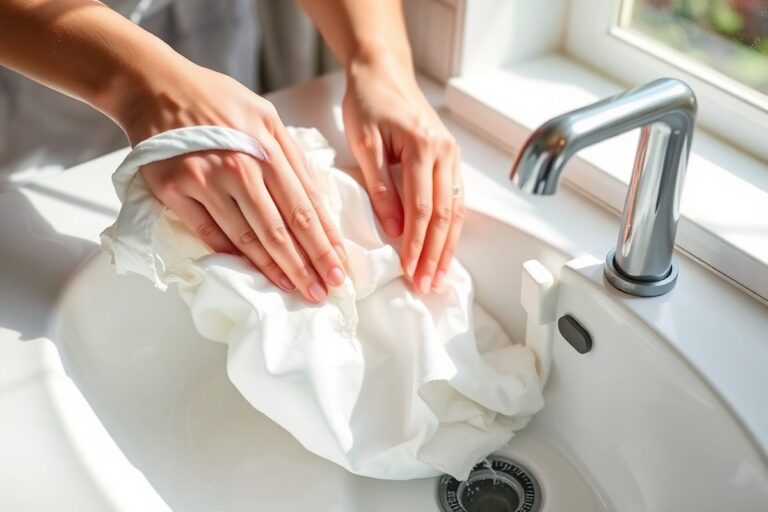
Shrinking clothes at home involves using heat and moisture together to relax and tighten the fabric fibers. Hot water combined with high dryer heat tends to work best because heat causes fibers like cotton and wool to contract. However, this process can also risk damaging your garments, including fading colors and weakening fabric, so careful application is key.
To shrink clothes effectively, start by choosing the right water temperature and drying method based on the fabric type. Using the hottest water setting available on your washing machine encourages rapid shrinkage. After washing, drying the garment on the highest heat setting further shrinks the material by tightening the fibers while moisture is still present. Always check the fabric care label to decide how much heat and agitation your garment can handle without harm. Follow these steps for best results:
- Inspect the garment’s label and fabric type. Confirm if the fabric is shrink-friendly (such as cotton, wool, silk, or linen) and determine the highest safe heat setting.
- Turn the garment inside out. This helps protect colors and the garment’s surface from direct heat damage.
- Set your washing machine to the hottest water temperature it offers. Use a normal or permanent press cycle for gentle agitation depending on the fabric’s delicacy.
- Wash the garment. Hot water opens the fabric fibers to encourage shrinking but may also cause dyes to bleed, so watch for color fading.
- Immediately transfer the wet garment to the dryer. Dry using the highest heat setting available. The combination of heat and moving airflow tightens the fibers when moisture is still inside.
- Check the garment size once dry. Try it on or measure it to see if the shrinking meets your needs.
- Repeat the process if additional shrinkage is required. Gradual shrinkage is safer than trying for drastic changes that might stress or damage fabric.
- Air dry delicate items some of the way before finishing in the dryer. This can reduce wrinkles and help avoid over-shrinking fragile fabrics.
Using this heat and moisture layering method offers the most reliable way to shrink garments safely at home. Washing in hot water softens and loosens the fibers, while high heat drying locks the fabric into a smaller shape. Avoid dry cleaning or cold water, which does not typically cause shrinkage because it lacks the necessary water temperature and agitation. Synthetic blends may require turning inside out and cautious heat settings to preserve color and texture. By controlling temperature and drying conditions thoughtfully, you can shrink your clothes effectively while minimizing the risk of damage or fading.
2. What Fabrics Shrink the Most and How They React

Natural fibers like cotton, wool, and rayon generally shrink the most because their fibers absorb water and heat, causing them to contract. Cotton, especially 100% cotton, shrinks readily when exposed to heat and moisture, with knitted cotton shrinking more in length. Wool and other animal fibers may felt and shrink significantly but require careful handling to avoid damage. Synthetic fabrics such as polyester, nylon, and spandex resist shrinking due to their polymer structure, which maintains shape under heat and wash cycles. Blends that mix natural and synthetic fibers shrink to a moderate degree, depending largely on the fabric ratio.
Fabric treatments also influence shrinkage. Some natural fibers undergo anti-shrinkage processes like Sanforizing, which reduces or prevents shrinking. You can find this on care labels or product descriptions. If a garment is preshrunk or treated, expect little to no size change in the wash, even when using heat. Check the garment’s label for terms like “anti-shrinkage treated,” “Sanforized,” or “preshrunk” to know if shrinking attempts will be effective.
| Fabric Type | Shrinkage Potential | Remarks |
|---|---|---|
| 100% Cotton | High (up to 5%) | Shrinks easily with heat and water; knitted cotton shrinks more in length |
| Denim (100% Cotton) | High | Shrinks easily unless blended with Lycra; typically shrinks evenly |
| Wool, Mohair | Moderate to High | Shrinks significantly if washed with hot water but can damage fabric if mishandled |
| Rayon | Moderate | Natural fiber that may shrink in heat but delicate, so shrink carefully |
| Polyester, Nylon, Spandex | Low to None | Heat resistant; fabrics designed to hold shape and resist shrinking |
| Blends (e.g., Cotton/Polyester) | Low to Moderate | Shrink depends on percentage of natural fibers and fabric construction |
| Preshrunk or Sanforized Fabrics | Minimal | Anti-shrink treatments reduce garment shrinkage after washing |
Understanding fabric behavior is key to effective shrinking. Cotton fibers swell and contract when exposed to water and heat, while synthetic polymers are less reactive, making heat-based shrinking harder on blends or blends with a high synthetic content. Expensive fabrics like cashmere or mohair should never be shrunk carefully with heat; these fibers can become damaged or lose softness. The care label provides the best guidance on whether a piece of clothing is preshrunk or can tolerate shrinking attempts.
Check the care label carefully before trying to shrink; fabrics labeled as “anti-shrink” or “Sanforized” usually won’t shrink and can be damaged by high heat.
3. 8 Effective Methods to Shrink Different Fabric Types
Shrinking clothes requires specific methods depending on the fabric. Cotton, denim, wool, silk, polyester, and blends respond differently to heat, water, and agitation. Following tailored steps for each fabric type gives the best, safest shrinking results at home.
Shrinking Cotton and Denim
Cotton and denim shrink best with heat and moisture, thanks to their natural fibers. Cotton will shrink noticeably after one hot wash and high heat drying. Denim, thicker and more rugged, also shrinks well but may require tougher heat or agitation. Avoid multiple hot cycles to prevent over-shrinking or damage. Follow these steps to shrink cotton or denim clothes:
- Set your washing machine to the hottest water temperature safe for the fabric.
- Place the garment in the washer and run a complete wash cycle with no detergent or a mild detergent.
- After washing, transfer the item directly to the dryer.
- Use the highest heat setting on the dryer and run it until the garment is completely dry, usually 30 to 60 minutes.
- Check the fit when the item is dry. Put it back in the dryer if more shrinkage is needed, but limit extra cycles to prevent damage.
These steps work because heat and moisture relax cotton and denim fibers, causing them to contract. Avoid soaking denim too long before drying; otherwise, stiffness and missed shrinkage spots can occur. Using the iron’s steam function on cotton can also tighten fabric fibers in smaller areas.
Shrinking Wool and Silk
Wool and silk are delicate natural fibers prone to shrinking under heat and water but at risk of damage if mishandled. Wool shrinks when hot water causes scales on fibers to interlock, while silk’s protein structure can be tightened through heat and moisture cautiously. Hot water or high heat dryers can harm these fabrics, so control the process carefully. To shrink wool or silk safely at home, try this method:
- Fill a sink with warm, not hot, water around 100°F (38°C).
- Gently submerge the wool or silk garment, letting it soak for 5 to 10 minutes without agitation.
- Remove the item and press out excess water without wringing.
- Lay the garment flat on a towel and reshape it slightly smaller if needed.
- Allow it to air dry away from direct heat or sunlight.
- If more shrinkage is desired, repeat the soak at slightly higher temperatures but stay below 120°F (49°C) to avoid permanent fiber damage.
Extreme heat or machine drying can cause wool and silk to felt or shrink unevenly. Using the steam function on an iron is effective for targeted shrinking or smoothing wrinkles in wool and certain silk fabrics like Thai silk. Avoid twisting or heavy wringing to keep the fabric intact.
Shrinking Polyester and Synthetic Blends
Polyester and blended fabrics do not shrink quickly because their synthetic fibers resist water and heat. Polyester blends with cotton or spandex offer some shrink potential with heat but require patience and gentle handling to avoid distortion. Drying at high temperatures is the primary method to reduce size. Follow these steps to shrink polyester or blends carefully:
- Wash the garment in warm water (90°F to 110°F or 32°C to 43°C) to loosen fibers, avoiding hot water that can stress blends.
- Transfer the item immediately to the dryer.
- Dry on high heat for 20 to 40 minutes to allow fibers to contract.
- Check the garment size; if shrinking is insufficient, repeat drying but avoid excessive cycles to prevent fiber damage.
Persistent dryness at a high heat setting is key to shrinking polyester. Avoid using bleach or fabric softeners, which interfere with fiber contraction. Blends with natural fibers will shrink more than pure polyester. Polyester can melt under very high heat, so do not iron on direct heat; use a pressing cloth on low settings instead.
Handling Stretch Fabrics and Delicates
Fabrics with spandex or elastane blends shrink less predictably because stretch fibers resist contraction. Delicates such as lace, chiffon, or leather require special care since heat and water can cause damage or deformation. Avoid attempting to shrink leather at home; it requires professional handling. Use these steps to shrink stretchy or delicate fabrics gently:
- For stretch blends, wash the garment in warm water rather than hot.
- Dry on a low-heat setting or air dry slightly damp to prevent overstretching.
- Use a steamer or iron on low heat with a pressing cloth for targeted shrinkage on small areas.
- For delicate fabrics like silk or lace, avoid machine washing; hand wash cold and air dry flat.
- Never use high heat on leather; take leather garments to a professional cleaner for reshaping or sizing.
Stretch fabrics need careful temperature control to avoid losing elasticity. Gentle heat and air drying preserve shape and improve comfort. Delicate fabrics can distort or lose shine if overheated or dried aggressively. Targeted steaming offers a safer way to shrink parts without affecting the whole garment.
4. How Long Does It Take for Clothes to Shrink?
How quickly clothes shrink depends largely on the type of fabric and the shrinking method you use. Natural fibers like cotton and wool shrink faster, often within a single hot wash or dryer cycle, while synthetic fabrics such as polyester usually need repeated exposures to heat to show noticeable shrinkage. Environmental factors like water temperature and drying time also play roles in how long the shrinking process takes.
Fabric Types and Their Shrinking Speeds
Clothes made from animal fibers like wool and cashmere are prone to shrinking very fast, sometimes within minutes of exposure to hot water or heat. For example, wool sweaters can shrink significantly after a brief wash in hot water followed by drying on high heat. Cotton fabrics typically shrink during the first hot wash and dry cycle, with most shrinkage happening immediately. Synthetic fibers such as polyester and nylon tend to resist shrinking and may require multiple rounds of heat exposure to achieve any change in size.
Blended fabrics behave differently depending on their makeup. A cotton-polyester shirt might shrink a little in the cotton parts but not the synthetic sections, causing uneven results. This difference means you need to monitor shrinking carefully with blended items to avoid distortion.
Fast vs. Slow Shrinking Methods
Hot water washes combined with a high-heat dryer setting are the quickest way to shrink natural-fiber clothes. This method often produces significant shrinkage in less than an hour for cotton and wool items. However, fast shrinking risks uneven results or damage if the garment isn’t monitored carefully.
Slower methods involve soaking the garment in warm water for up to 30 minutes or using moderate dryer heat on multiple cycles. These approaches reduce the risk of over-shrinking or warping fabric shape but require patience and repeated treatment. Slow shrinking is better for delicate fabrics or expensive items that need gentle handling. You can check progress every 10 to 15 minutes by carefully removing the garment during soaking or between dryer cycles.
How Environmental Factors Affect Shrinking
Water temperature is the biggest environmental factor influencing how fast clothes shrink. Higher temperatures speed up shrinkage by causing fibers to contract more strongly, but prolonged exposure to hot water can weaken fibers and damage your garment’s shape. Avoid leaving clothes soaking too long in hot water, especially wool or cashmere, to prevent loss of softness and shape deformation.
Dryer heat also affects shrink time. High heat accelerates fiber contraction and speeds up shrinking, often completing the process in one or two dryer cycles. Lower heat levels may require multiple cycles or longer running times. Humidity in the drying environment can slow the dryer’s effectiveness and prolong shrinkage time, so a dry room helps achieve quicker results.
Monitoring Progress to Avoid Over-Shrinking
Check your clothes regularly during the shrinking process to avoid over-shrinking. For hot water soaking, remove the garment every 5 to 10 minutes to test its size and feel. In the dryer, pause after each 15 to 20-minute cycle to check for shrinkage and fabric condition. Use a measuring tape to compare dimensions against your desired fit.
Stopping the process early is often better than risking irreversible shrinkage or damage. If the garment still needs shrinking, repeat the process in short intervals rather than trying to do it all at once.
5. Selective Shrinking: How to Shrink Specific Garment Parts
You can shrink specific garment parts like sleeves, collars, or waist by focusing moisture and heat only on those areas. This selective shrinking avoids changing the entire garment’s size and shape. Techniques include spraying water locally, using steam heat from an iron, or applying targeted drying to control how fibers contract.
Using a Spray Bottle for Localized Shrinking
Spraying the part of your garment you want to shrink with water softens the fibers and prepares them for shrinking. Using a spray bottle helps control which spots get damp, preventing unintended shrinking elsewhere. Here’s how to use a spray bottle effectively:
- Fill a spray bottle with lukewarm water.
- Lay the garment flat on a clean surface.
- Lightly mist the area you want to shrink until it feels damp but not soaked.
- Let the moisture absorb for a few minutes.
- Apply heat to the damp area by ironing or drying as described in the next steps.
Be careful not to oversaturate the fabric as this can cause uneven shrinking or color changes in some materials.
Applying Heat with a Steam Iron
Steam irons combine heat and moisture, helping shrink fibers locally without wetting the entire garment. Steaming softens and relaxes fibers, while the heat tightens and shrinks the fabric when pressed. To selectively shrink garment parts using a steam iron:
- Set your iron to a temperature suitable for the fabric type. Use lower heat for delicate fabrics like wool or silk.
- Place the dampened section on an ironing board or flat surface.
- Use the steam function while lightly pressing the iron over the targeted area.
- Apply steady pressure for about 30 seconds to 1 minute per spot.
- Check results after every pass to avoid over-shrinking or distortion.
Professional tailors use vacuum and steam tables for precise shrinking, but a household steam iron is a practical alternative. Wool garments respond quickly to heat, so watch carefully to prevent shrinking too much in one spot.
Maintain consistent heat and avoid holding the iron in one spot too long to prevent fabric damage or scorching.
Spot Soaking and Targeted Drying Techniques
Spot soaking involves wetting only specific garment parts before drying them with heat to concentrate shrinking. This method is energy-efficient and reduces the risk of altering the entire garment’s fit. Follow these steps for spot soaking and drying:
- Dampen the desired area using a spray bottle or cloth soaked in warm water.
- Place the garment flat and wrap the damp area loosely in a towel to remove excess moisture after a few minutes.
- Optionally, place the damped section in a plastic bag if using a dryer to minimize dampness elsewhere.
- Put the garment in the dryer on a low heat setting for 20 to 30 minutes, focusing on the damped area.
- Remove the garment periodically to check the shrinking progress and prevent over-shrinking.
Low heat drying shrinks cotton and denim gradually with less risk of damage. Avoid high heat as it can cause uneven shrinkage or distort the garment’s shape.
Always dry selectively dampened areas on low heat first; aggressive drying may shrink the whole garment unintentionally.
6. Common Mistakes and How to Avoid Shrinking Damage
Shrinking clothes at home can lead to undesired damage if not done carefully. Common issues include fabric distortion, overheating, excessive wear, and loss of texture or color. Using heat above recommended levels can cause some fibers, especially synthetics, to lose their integrity or color vibrancy. Also, repeated shrinking attempts can weaken fabric fibers, reduce elasticity, and cause thinning over time.
Many people make the mistake of ignoring care labels entirely, which sometimes means using temperatures or treatments that the fabric cannot handle. For instance, trying to shrink “Dry clean only,” leather, suede, or beaded fabrics at home can ruin the garment. Another frequent error is soaking clothes too long in hot water, which can lead to misshaping, pilling, or hardening of delicate materials like leather. When shrinking leather, soaking for more than 2-3 minutes in lukewarm water causes toughening rather than softening.
Another common issue is drying clothes improperly after soaking or washing. Hanging damp clothes outside or indoors on a line typically cools the fibers down, preventing effective shrinking. Instead, you should continue drying wet clothes in a warm dryer. However, keep synthetic garments away from the dryer’s heating elements or place loosely inside the dryer to avoid static buildup and fabric damage.
- Ignore care tags only when necessary and safe for the fabric type.
- Limit water soak time to 2-3 minutes for leather; around 30 minutes for most cotton blends.
- Use dryer heat, not air drying, to complete the shrink process.
- Avoid high heat on synthetics to protect color and fiber strength.
- Protect fabric when ironing by using a pressing cloth at high temperature.
- Stop repeated shrinking attempts if fabric starts to lose elasticity or shows thinning.
- For stubborn fits, use tailoring like pleating with safety pins instead of extreme heat.
To avoid over-shrinking or damage, carefully monitor the temperature of water and dryer settings. Use lukewarm water rather than hot if unsure, and do not exceed 30 minutes soaking for usual fabrics. Always use a pressing cloth when applying high heat ironing to isolated areas to avoid burning, especially on delicate blends. Repeated shrinking can shorten a garment’s lifespan by stressing fibers repeatedly, so limit how often you pursue the process. When shrinking misses the mark, altering the fit with pins or professional tailoring is a safer alternative than risking irreversible fabric harm.
7. When Shrinking Didn’t Work: Next Steps and Reversing Shrinkage
When a garment doesn’t shrink enough, one practical step is to repeat the shrinking process. Tossing the item into the washing machine at a temperature up to 90°F (32°C) and then drying it on high heat for a few minutes can help achieve further shrinkage. Keep in mind that repeated hot washing and drying can stress the fabric, especially blends like polyester or denim, and may lead to uneven shrinking. Older garments usually resist significant shrinking because they have already gone through such processes before, so patience and gradual adjustments work best.
A garment that shrinks too much can be difficult to restore, but it’s not impossible. Start by soaking the piece in cold water for about 30 minutes. Cold water helps relax the fibers, allowing you to gently stretch the fabric back toward its original size. After soaking, lay the garment flat on a dry towel. Use your hands to carefully stretch the fabric in the areas that shrank too much, focusing on length and width as needed. Repeat these steps a few times, drying the garment flat instead of using a dryer to avoid further shrinkage. Stretching works better on natural fibers like cotton, but synthetic blends may resist reshaping.
Accidental shrinking often happens when clothes are washed or dried at higher temperatures than the fabric can handle. To avoid this, always check and follow the garment’s care label instructions closely. Wash delicate or blended fabrics in cold water and use the gentle cycle. Hang drying or air drying is safer than machine drying for garments prone to shrinking. When using a dryer, select a low-heat or no-heat setting to reduce fabric stress. Ensuring clothes move freely inside the washing machine can help them shrink uniformly without damage. You can prevent over-shrinking by carefully controlling temperature and timing when deliberately shrinking clothes.
For items like leggings, pants, or shirts, shrinking can be controlled by balancing heat exposure with fabric type. Cotton shrinks more predictably with heat and agitation, so washing in hot water followed by a brief tumble dry is usually enough. Spandex blends, on the other hand, shrink less because of their stretch fiber, although small amounts may contract over time. Denim with slight spandex content will shrink more significantly, but keep in mind that shrinkage may not be even across the garment’s surface.
Repeated exposure to hot water and heat during drying is the simplest way to increase shrinkage gradually. However, this method has tradeoffs: it uses more energy, may cause fabric wear, and can alter fit or texture unintentionally. Stretching techniques after soaking must be done gently to avoid damaging fibers or seams. The cost here is primarily your time and effort. When a garment has value or sentimental meaning, try shrinking methods on a less visible spot first or consult a tailor for resizing tips.
8. When to Call a Professional Tailor Instead of Shrinking at Home
Not all clothes can be shrunk safely at home. Fabrics like wool, cashmere, silk, and blends with delicate designs pose a higher risk of damage during DIY shrinking. The texture or finish may distort, fibers can weaken, and the garment’s fit might become uneven. In these cases, a professional tailor can adjust the garment while preserving its original look, feel, and function.
Calling a professional is a better choice when your garment has complex designs, sewn-in elements (like linings or padding), or delicate materials that react poorly to heat and moisture. For example, silk fabrics lose their natural shine after repeated exposure to high heat. Cashmere and wool can shrink unevenly or change texture. You might also avoid unwanted stretching or puckering in clothes with darts, pleats, or embroidery by letting a tailor handle the resizing. Here’s a checklist to help you decide when to seek professional help:
- The garment contains delicate fabrics like silk, cashmere, or fine wool.
- There are complex seams, linings, or decorative stitching that could distort with heat or water.
- The fabric blend includes synthetic fibers that may react unpredictably during shrinking.
- The garment has a fitted or tailored structure requiring precise adjustments.
- You want to preserve garment finish, texture, or intricate details.
- Past DIY attempts caused uneven shrinkage or damage.
- You need a precise fit rather than general resizing.
Professional tailors use sewing techniques to alter the garment’s dimensions rather than rely on shrinking fibers with heat and moisture. Tailoring tends to take 1 to 2 weeks and may cost between $30 and $100 depending on the work involved, fabric, and location. The results are usually more accurate and lasting, especially for high-value or delicate items. In contrast, DIY shrinking depends on heat exposure, such as placing clothes in a timed dryer cycle for specific minutes, and risks over-shrinkage or fabric distortion.
Repeated DIY shrinking can cause permanent texture damage to fine fabrics, so weigh the value of the garment against the risk before trying at home.
For basic fabrics like 100% cotton or denim, shrinking at home can reduce size by about 5 to 10 percent depending on fabric quality. However, for wool and mohair, which shrink easily when exposed to heat, unexpected results can occur in texture and fit. Tailor intervention allows controlled reduction in size without these issues, often producing sharper, smoother finishes.
Deciding between DIY shrinking and professional alteration centers on fabric type, garment complexity, the value of the item, and your tolerance for risk. Clothes with simple construction and sturdy fabrics often shrink fine at home, while anything delicate or tailored benefits from expert hands.
Step-by-Step Action Plan to Shrink Your Clothes at Home
Follow these steps in order to safely and effectively shrink your clothes based on fabric type and desired fit. Check the results after each step before deciding to proceed further.
- Before You Start: Identify the fabric type using the garment label or feel test. Natural fibers like cotton and wool shrink the most, while synthetics shrink less.
- Day 1: Wash the garment in hot water if it’s cotton or wool. Use the machine’s hottest setting and avoid fabric softener to promote shrinking. Check if the size has reduced after drying.
- Day 2: If the garment hasn’t shrunk enough, repeat the hot water wash and dry cycle. For delicate fabrics, switch to warm water to avoid damage.
- Day 3: For selective shrinking (like cuffs or collars), wet and heat only these areas with a hairdryer or steam iron. Test the fit after cooling.
- Day 4: If more shrinkage is needed, try boiling the garment for a few minutes. Remove carefully, then air dry or use a low heat setting. Check size before the next step.
- Day 5: Avoid overdrying synthetic blends in high heat, as they can distort rather than shrink. Use medium heat and repeat washing if necessary.
- After 1 Week: If home methods fail, consider taking the garment to a professional tailor to adjust the fit safely.
Frequently Asked Questions
How Do I Shrink a 100% Red Cotton Shirt Safely?
Use hot water soak and dry the shirt on high heat. Cotton shrinks best with heat, so washing in hot water and using a high-temperature dryer cycle usually works well.
Can I Shrink Denim Jeans with Spandex in Them?
Yes, 1% spandex denim will shrink, especially with heat. Denim made from 100% cotton shrinks more, but a small amount of spandex still lets jeans shrink after washing and drying on high heat.
What Is the Maximum Percentage a High-Quality Cotton Garment Will Shrink?
High-quality cotton shrinks around 5 to 7 percent. Lower-quality cotton can shrink more, closer to 7 to 10 percent. This range depends on fabric quality and how much heat and water exposure it gets.
How Can I Selectively Shrink Parts of My Clothing?
Spray the specific areas with warm water and dry on high heat. This targets shrinking only where you want it, such as sleeves or the waist, without affecting the entire garment.
Will Drying Clothes in a Warm Place Shrink Them Faster?
Yes, drying clothes in a warm spot helps them shrink more quickly. Warm air speeds up fiber contraction during drying, making it a simple way to improve the shrinkage process.
When Should I Take a Shirt to a Tailor Instead of Shrinking at Home?
Use a tailor for precise size adjustments or delicate fabrics. If the garment is important or hard to shrink at home without damage, a professional tailor can alter it to fit based on exact measurements.
The Bottom Line
Shrinking clothes at home can work well if you match the method to the fabric and monitor progress carefully. Avoid rushing to high heat or harsh treatments that can ruin your garments. Start with gentle steps and check the size after each process to prevent damage. If precise fit is important or home attempts don’t work, a tailor can provide expert adjustments.