How to Remove Yellow Stains from White Shirt Underarms: 8 Proven Methods That Work
To remove yellow stains from white shirt underarms, soak the garment in a vinegar and water solution, then treat with an oxygen bleach detergent soak. Avoid using the dryer until the stain is completely gone to prevent setting the stain permanently. This approach works on most common fabrics and helps restore your shirt’s bright white look.
This advice is for anyone dealing with yellow underarm stains on white shirts, especially if you want clear, easy-to-follow methods. You’ll find practical tips for treatment, prevention, and choosing the right care depending on fabric type to keep your shirts looking fresh.
Key Takeaways
- Soak yellow-stained underarm shirts for 30 minutes in a mix of 2 cups water and 1 cup vinegar before washing.
- Treat set-in stains with a 30-minute to overnight soak in warm water and oxygen bleach detergent like Tide Ultra Oxi Powder.
- Do not dry shirts with yellow stains until the stain is fully removed to avoid permanent setting.
- Check underarm stains at every laundry cycle and re-treat as necessary before drying.
- For dark shirts, use a similar oxygen bleach soak in warm water to safely remove sweat stains.
- Let shirts sit in a well-ventilated area for 30 minutes to an hour after applying stains treatments for best results.
1. Best Ways to Remove Yellow Stains from White Shirt Underarms
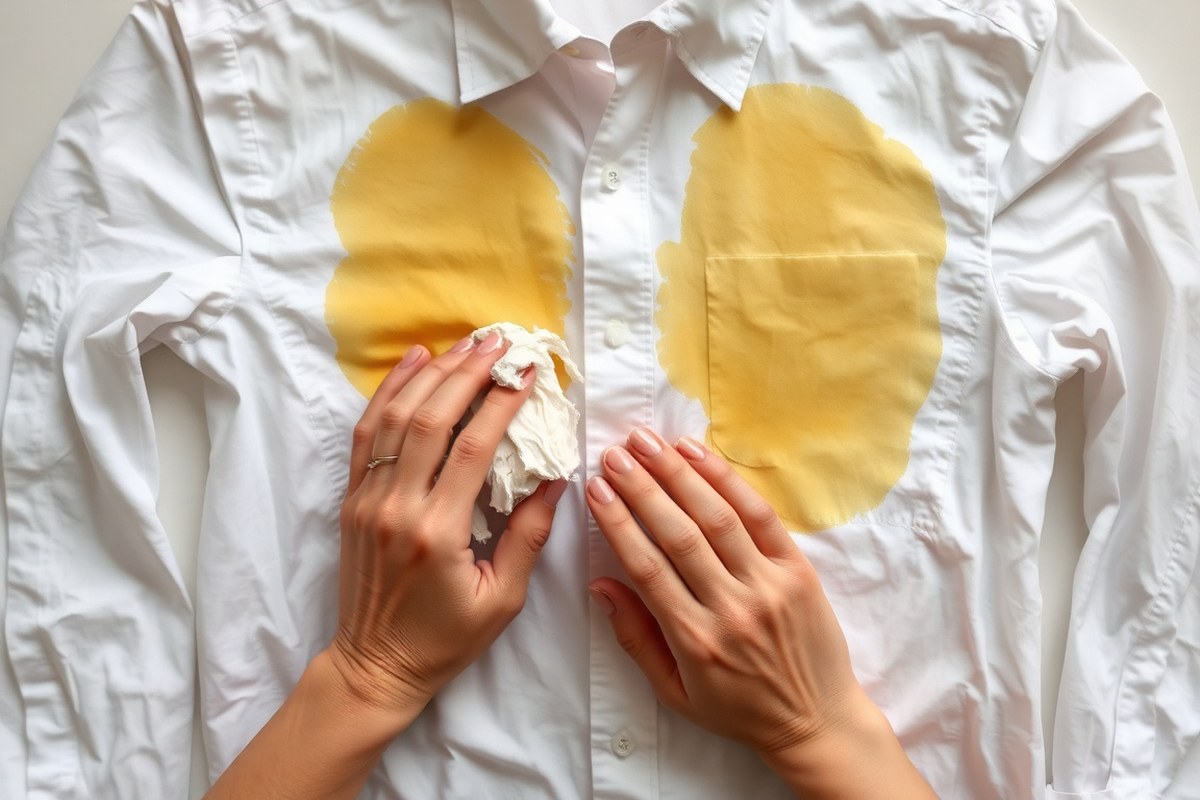
Removing yellow underarm stains from white shirts requires the right approach depending on how fresh or old the stains are. Fresh stains respond well to quick home treatments, while older, set-in stains often need stronger products and more time. It’s important to act before drying the shirt, as heat can make stains permanent. Using lemon juice, white vinegar, or commercial stain removers can target these stains effectively when applied correctly.
Here is a step-by-step method you can follow to tackle yellow stains on your white shirts. These steps include treatment time frames and rinsing tips to maximize removal without damaging the fabric.
- Check the fabric care label. Confirm the shirt is washable and suitable for stain treatments to avoid damage or color loss.
- Pre-treat with a lemon juice solution. Mix equal parts fresh lemon juice and warm water. Apply this 1:1 solution to the yellowed areas, scrubbing gently with a soft brush or cloth. Let it sit for 15 to 30 minutes in direct sunlight if possible, as sunlight improve lemon juice’s bleaching effect.
- Rinse thoroughly with cold water. Use cold water to flush out the lemon juice and loosened stains. Avoid hot water, which can set stains.
- For older stains, prepare an oxygen-based bleach soak. Dissolve the bleach according to product instructions (usually around 4 tablespoons per gallon of water) in lukewarm water. Soak the shirt for 4 to 6 hours or overnight if heavily stained.
- Wash normally in the warmest water safe for the fabric. Use a heavy-duty detergent and add a commercial stain remover if needed. Avoid using regular chlorine bleach unless the label allows, as it may yellow some fabrics further.
- Air dry the shirt and inspect the stains. Never use a dryer until stains are fully gone. Heat can set any residual marks.
- Repeat the treatment if necessary. Older or stubborn stains may require multiple cycles of soaking and washing. Persistent stains might need a commercial enzymatic stain remover specifically for sweat and deodorant.
For fresh stains, applying the lemon juice solution and washing soon after can often clear the marks within an hour or two. For older stains, soaking and multiple washes over several hours or overnight offers the best chance of removal. Avoid drying the shirt before stains completely disappear, or you’ll risk permanent discoloration. The cost can be minimal using household items like lemon and vinegar or retail stain removers priced from $5 to $15, affordable compared to replacing a shirt. Careful pre-treatment, appropriate soaking, and patience with drying can restore your white shirts without damage or residual yellowing.
2. Why Do White Shirts Get Yellow Underarm Stains?

Yellow stains under the arms of white shirts happen because of a chemical reaction between your sweat, deodorant, and the fabric. Sweat contains proteins and salts that interact with ingredients in many deodorants, especially those with aluminum zirconium compounds used in antiperspirants. When these components combine, they form yellowish residues that get trapped in the shirt’s fibers. Heat from your body or a dryer helps “set” these stains, making them harder to remove over time.
Deodorants with aluminum are a major contributor to yellow underarm stains. Aluminum compounds in these products react with the proteins in your sweat, creating a buildup that clings tightly to fabric. Body oils add to the problem by causing additional discoloration as they mix with sweat and deodorant. This means that even if your sweat alone might not stain much, the deodorant chemicals amplify the effect. For white shirts, this contrast with the bright fabric makes the yellowing very noticeable.
Fabric type also affects how prone your shirt is to yellow stains. Natural fibers like cotton absorb sweat and oils more easily than synthetic fabrics, which can make yellowing more obvious and persistent on cotton shirts. White and light-colored materials do not hide stains well, so any buildup shows clearly. Synthetic fibers may resist stain absorption but often trap deodorant residues on the surface, which can appear discolored as well. The longevity of the stain depends on whether you wash your shirts promptly and how hot the water or dryer temperatures are, as heat causes these stains to set deeper into the fabric.
Wash white shirts soon after wearing, as the longer sweat and deodorant sit on fabric, the harder the yellow stains become to remove.
Understanding that yellow underarm stains are not just sweat but a mix of sweat, deodorant chemicals, and oils helps you see why simple washing sometimes fails. Heat encourages a chemical reaction that bonds the stain to the shirt fibers, so cold water washing and choosing deodorants without aluminum can reduce staining. Wearing fabrics less prone to absorb or trap these compounds can also keep your white shirts looking cleaner for longer.
3. Choosing the Right Stain Removal Method by Fabric Type
Choosing the right stain removal method for your white shirt’s fabric helps avoid damage and improves stain removal success. Certain fabrics like cotton, synthetics, silk, and linen react differently to treatments. Adjust the cleaning technique based on fabric type, stain age, and sensitivity to keep your shirt intact and looking bright.
Cotton and Cotton Blends
Cotton shirts, common for their breathability and comfort, absorb sweat and oils easily, making yellow underarm stains frequent. Treat fresh stains immediately to prevent them from setting deeply. For best results, use enzyme-based stain removers or a solution of liquid detergent mixed with water.
Avoid drying cotton until stains are completely removed, as heat can fix stains permanently. Wash in warm water, between 90°F and 110°F (32°C to 43°C), which balances effective stain breakdown without shrinking the fabric. Skip fabric softeners since they trap oils and worsen stains over time. Instead, air dry shirts and check stains before repeating treatment if needed.
Synthetic and Polyester Fabrics
Synthetic blends, including polyester, hold onto oils and sweat more stubbornly than natural fabrics. This makes yellow stains harder to treat after they set in. Begin with a pre-treatment using a gentle liquid detergent or an enzyme-based stain remover designed for synthetic fabrics.
Launder in warm water (up to 110°F; 43°C) to avoid weakening synthetic fibers, and avoid bleach as it can cause discoloration. Multiple treatments might be necessary due to how deeply sweat and oils bind to these fabrics. Gentle agitation helps the cleaner reach stains without damaging synthetic fabric stretches or finishes.
Delicate Fabrics Like Silk and Linen
Silk and linen require extra care because they are sensitive to harsh chemicals, heat, and vigorous washing. Use only mild detergents or special silk-safe stain removers applied gently by hand and cold water rinses around 70°F (21°C). Never soak or rub aggressively.
For yellow stains on silk, dilute a gentle detergent in water and dab lightly with a clean cloth instead of soaking. Avoid bleach, oxygen-based products, and enzymatic cleaners that may damage delicate fibers. Always air dry and keep away from direct sunlight to prevent additional yellowing or weakening of the fabric.
Using Fabric Care Labels Effectively
Fabric care labels provide important clues about the safest wash methods and stain treatments for each shirt. Always read instructions before applying any stain remover or choosing water temperature. Common labels include:
| Fabric Type | Recommended Water Temperature | Safe Stain Removal Options | Warnings |
|---|---|---|---|
| Cotton | Warm (90°F, 110°F / 32°C, 43°C) | Enzyme cleaners, liquid detergents, oxygen bleach | Avoid heat drying until stain is gone; no fabric softener |
| Polyester/Synthetic blends | Warm to cool (up to 110°F / 43°C) | Enzyme-based stain removers, gentle detergent | No bleach or high heat; may need repeated treatments |
| Silk | Cold (around 70°F / 21°C) | Mild detergent, silk-safe stain removers | No bleach, no soaking, no rubbing; air dry only |
| Linen | Cold to warm (60°F, 85°F / 16°C, 29°C) | Gentle detergent, careful hand wash | Avoid harsh chemicals, bleach, and harsh scrub |
Follow label instructions closely to protect fabric integrity and appearance. Test any stain remover on a small hidden area first to avoid color loss or damage. Knowing your shirt’s specific fabric and recommended treatments helps prevent costly mistakes and preserves your white shirt’s look.
4. Natural Remedies and How to Use Them Safely
Natural remedies like baking soda, lemon juice, and vinegar can help remove yellow stains from white shirt underarms without harsh chemicals. These options are eco-friendly and inexpensive but require correct application and some patience. Some fabrics, especially delicate ones like silk or wool, may not tolerate these treatments well and should be handled more gently or taken to a professional cleaner.
Baking Soda and Water Paste
Baking soda is a popular natural stain remover because it gently lifts and absorbs oils and sweat residues that cause yellow stains. When combined with water, it forms a paste that can be directly applied to the stain for targeted treatment. Here’s how to use baking soda paste effectively:
- Mix 4 tablespoons of baking soda with 1/4 cup of water to form a thick paste.
- Turn the shirt inside out and rinse the stained underarm area with cool water.
- Spread the paste over the yellow stain using a spoon or your fingers.
- Gently rub the paste into the fabric with a soft toothbrush or cloth to help it penetrate.
- Let the paste sit for 30 minutes to one hour, but no longer to avoid drying out the fabric.
- Rinse the area thoroughly with cool water to remove all residue.
- Wash the shirt as usual in cold or warm water.
- Air dry the shirt and check if the stain is gone; repeat if necessary.
This paste works well on cotton and durable fabrics but can be too abrasive for delicate fibers like silk and wool. Test a small hidden area first, and avoid long paste exposure on sensitive materials to prevent fabric damage.
Lemon Juice with Sunlight Exposure
Lemon juice contains natural bleaching agents that can lighten yellow stains. Sunlight improve lemon juice’s effectiveness because ultraviolet rays boost its bleaching power. This combination works best on strong fabrics such as cotton but can weaken and discolor delicate fabrics. Use these steps for lemon juice and sunlight treatment:
- Pour fresh lemon juice directly on the dry stained area or soak a cotton ball and dab the stain.
- Lay the shirt flat in a sunny spot, exposing the treated stain to direct sunlight.
- Leave the shirt in sunlight for 1 to 2 hours, checking periodically to avoid fabric damage.
- Rinse the shirt with cool water once the stain has lightened to your satisfaction.
- Wash the shirt as usual and air dry away from direct sun to prevent new yellowing.
Avoid lemon juice on wool, silk, rayon, or any fabric prone to fading. Always do a spot test before use. For tough stains, lemon juice alone may not fully remove yellowing and might need to be combined with other methods.
Vinegar Soak Techniques
White vinegar helps dissolve the aluminum compounds in antiperspirants that bind sweat to fabrics causing yellow stains. Soaking in a vinegar solution softens the stain for easier removal with baking soda or detergent. Follow these instructions for a vinegar soak:
- Mix 1 cup of white vinegar with 2 cups of cool water in a basin or sink.
- Submerge the stained underarm area of the shirt in the solution.
- Soak the shirt for 30 minutes to loosen built-up residues.
- Remove the shirt and gently squeeze out excess liquid without wringing.
- Apply a baking soda paste to the stain, rub lightly, and let sit for 15 to 30 minutes.
- Rinse thoroughly with cool water.
- Wash the shirt as usual in cold or warm water and air dry.
This method is safe for cotton and polyester blends but may harm delicate fibers like wool and silk. Avoid extended vinegar soaks on fragile fabrics and test on an inconspicuous area first. Vinegar’s acidity can weaken some dyes or fibers if misused.
5. Effective Commercial Products for Set-In Yellow Stains
Oxygen bleach products are often the most effective choice for removing set-in yellow underarm stains on white shirts. Using them properly involves soaking the fabric in a warm water solution for several hours, which breaks down the stain without harming the fabric. Other options include sprays with hydrogen peroxide and enzyme-based detergents, each with specific uses and safety steps.
Oxygen Bleach Powders and Liquids
Oxygen bleach, known as sodium percarbonate, breaks down in water to release oxygen that removes organic stains such as yellow sweat marks. It is safer for colors and fabrics compared to chlorine bleach, which may actually cause sweat stains to darken. Achieving good results requires soaking the white shirt in a warm water mix for 4 to 6 hours or longer, up to overnight for stubborn stains.
To use, dissolve the recommended amount of oxygen bleach powder (usually about one scoop per gallon of water) in warm water between 110°F to 120°F. Fully submerge the armpit-stained sections of the shirt and soak, agitating gently once or twice during soaking. After soaking, wash the garment as usual. Avoid chlorine bleach, as it can worsen yellowing.
Hydrogen Peroxide-Based Sprays
Hydrogen peroxide sprays can treat yellow stains quickly but are less effective on deeply set stains compared to oxygen bleach soaks. They work by breaking down organic residues when sprayed directly on the stain, then left to sit for 15 to 30 minutes before laundering.
Apply the spray generously to the underarm stain. Let it work in at room temperature, then rinse or wash following label instructions. These sprays offer a faster option for mild to moderate staining but may require repeated treatments for older stains.
Specialty Stain Removers for Whites
Some commercial stain removers are formulated specifically for whiteness and grease-based stains, including yellow underarm discoloration. Look for those labeled fabric-safe and compatible with your shirt’s material. These products often combine surfactants, oxygen bleach, and enzymes to break down stains.
Apply these removers as sprays, gels, or pre-soak solutions by following the package directions carefully. Soaking times vary but are generally between 30 minutes and 2 hours. Always test on an inconspicuous area first to avoid fabric damage.
Detergents with Stain-Fighting Enzymes
Choosing a laundry detergent with enzymes targeting organic stains can improve yellow stain removal during your regular wash. Enzymes help break down protein and oil residues, making it easier to rinse them away.
Use these detergents according to label instructions, adding the appropriate amount for your load size. For stubborn yellow underarm stains, pre-treat the area with a small amount of detergent or oxygen bleach product before laundering. Multiple wash cycles may be needed if the stain is deep-set. Here is a comparison of common commercial stain removers suited for yellow underarm stains on white shirts:
| Product Type | Active Ingredient | Recommended Soak Time | Water Temperature | Fabric Safety | Typical Cost (Approx.) |
|---|---|---|---|---|---|
| Oxygen Bleach Powder (e.g., OxiClean) | Sodium Percarbonate | 4 to 6 hours, or overnight | 110°F to 120°F | Safe on most whites | $10, $15 for 2 lb |
| Hydrogen Peroxide Spray | Hydrogen Peroxide (3%-6%) | 15 to 30 minutes | Room temperature | Safe on most fabrics, test first | $6, $12 per bottle |
| Specialty White Stain Remover (sprays/gels) | Surfactants + Oxygen Bleach + Enzymes | 30 minutes to 2 hours | Room temperature to warm | Label dependent, test recommended | $8, $15 per bottle |
| Enzyme Laundry Detergent | Protease + Lipase Enzymes | Regular wash cycle time | Varies 30°F to 120°F | Safe for most fabrics | $10, $20 per bottle |
Using these products in combination can also improve results. For example, soak in oxygen bleach overnight, then wash with an enzyme detergent. Repeated treatments and attention to water temperature will help maximize stain removal.
Tip: Always check the fabric care label before applying any chemical stain remover and perform a patch test on an inside seam to prevent damage or discoloration.
6. How to Prevent Yellow Underarm Stains on White Shirts
Deodorants that contain aluminum compounds can react with your sweat, leading to yellow stains on the underarm area of white shirts. Choosing a gentle antiperspirant or switching to an aluminum-free deodorant reduces this chemical reaction. Applying deodorant sparingly and allowing it to dry completely before putting on your shirt also helps prevent stains.
Proper washing habits play a key role in preventing yellowing. Wash shirts promptly after wearing to avoid sweat and bacteria buildup. Use gentle detergents designed for whites and fabrics, and avoid overloading your washing machine to ensure thorough cleaning. Washing at temperatures of 104 to 140°F (40 to 60°C) helps remove oils and sweat without causing excessive heat damage.
- Apply aluminum-free or gentle antiperspirants to reduce stain-causing reactions.
- Allow deodorant to dry fully before dressing to minimize transfer onto fabric.
- Wash white shirts shortly after wearing to prevent sweat set-in.
- Use a mild detergent that targets stains but is safe on fabrics.
- Wash in warm water between 104, 140°F (40, 60°C) for effective cleaning without excessive heat.
- Avoid machine overloading to ensure shirts are thoroughly rinsed and cleaned.
- Air-dry shirts, preferably in open air or shaded areas, to avoid heat-setting stains during drying.
Storage and drying also affect stain prevention. Avoid leaving white shirts damp in a pile or inside the washer after cleaning, as this allows residues to linger and stains to set. Air-drying instead of using a dryer reduces heat exposure that can cause yellowing, especially underarm stains. Sunlight can help naturally bleach whites but direct harsh sun over long periods may damage fabric fibers, so a shaded drying spot is preferable. Checking shirts for early signs of staining before washing gives you the chance to treat them quickly and avoid permanent marks.
7. Common Stain Removal Mistakes and How to Fix Them
Applying heat before removing yellow stains on white shirt underarms is one of the biggest mistakes and can make the stains permanent. The heat from a dryer or hot water causes proteins and oils in sweat to bond tightly to fabric fibers. Avoid putting a stained shirt in the dryer until after the stain disappears completely. Instead, let the shirt air dry once cleaned to prevent setting the stain further.
Washing stained shirts in hot water or using hot water to soak the stain also intensifies the discoloration. Heat can especially damage synthetic fabrics like polyester or performance blends by embedding oily sweat stains permanently. Select cold water for all wash and soak steps to protect your fabric and keep stains removable.
Applying fabric softener on stained areas can also worsen underarm stains. Softening agents can coat fibers and trap oils, making stains more stubborn over time. Skip fabric softeners on affected shirts and focus on thorough pre-treatment and washing.
If yellow stains get worse after repeated washing, act quickly to rescue the fabric. Re-soak the shirt in a mixture of cold water and a gentle stain remover or oxygen-based bleach product designed for whites. Use a soft brush or cloth to gently agitate the stain and then rinse well in cold water. Avoid scrubbing too hard to prevent fabric damage.
- Never dry a shirt with underarm stains in the dryer until stain-free
- Use cold water for soaking and washing stained shirts, especially synthetics
- Avoid fabric softeners on stained areas to prevent trapping oils
- Pre-treat stains promptly with enzyme-based or oxygen bleach stain removers
- Gently re-soak and brush if stains worsen after initial cleaning attempts
- Air dry shirts instead of machine drying to protect fabric and color
Fixing yellow stains often requires repeated steps, so patience and proper techniques matter. Avoiding heat upfront saves a shirt from permanent discoloration. Prompt action with cold water and the right stain removers can often reverse deepening stains. For delicate or synthetic fabrics, sticking to low-temperature treatments protects the fabric’s appearance while fighting stains.
8. When to Get Professional Help for Yellow Shirt Stains
Yellow stains in white shirt underarms that resist home treatment may benefit from professional care. Persistent discoloration, especially after repeated attempts with vinegar, detergent, or commercial stain removers, signals a buildup that often requires stronger solvents or specialized processes available to professionals. If you’ve done multiple pretreatments and laundry cycles without significant improvement, or if the fabric is delicate and you worry about damage, it’s time to consider professional cleaning.
Professionals handle tough, set-in yellow stains that come from years of sweat and deodorant residue. These stains may have chemically bonded with fabric fibers, making them stubborn against common household agents. Experts use industrial-grade solvents and equipment that can safely break down these residues without weakening the fabric. They might employ spot cleaning with stronger formulas, enzymatic treatments, or steam cleaning, sometimes combined with hand laundering under controlled conditions.
Professional cleaning options include local dry cleaners and specialized stain removal services. Dry cleaners typically charge between $5 and $15 per shirt, depending on the stain severity and fabric. Some providers offer specific stain treatments as an add-on for $10 to $20. Most cleaners can return garments within 24 to 72 hours, but express services for rush jobs may cost more. It’s wise to ask about the treatments they plan to use and confirm they have experience with underarm stains on white shirts before handing over your garment.
Assessing whether to seek professional help also involves balancing cost, time, and fabric value. For expensive or sentimental items, paying for professional stain removal can preserve the shirt’s look and lifespan. For lower-cost shirts, consider the price of professional cleaning against replacement. A professional’s work often results in a much brighter underarm area without fabric thinning or color damage.
Occasionally, professional cleaning attempts may not completely erase all discoloration if the stains are very old or the fabric has yellowed permanently. Professionals might advise on additional measures like fabric rejuvenation or recommend replacement if discoloration remains severe. Clear communication with the cleaner about your expectations helps avoid surprises.
Always check care labels and disclose stain history when dropping off shirts for professional cleaning to ensure the safest and most effective treatment.
Step-by-Step Action Plan to Remove Yellow Stains from White Shirt Underarms
Follow these steps carefully to restore your white shirts and reduce future yellowing in the underarm area.
- Before washing: Pre-treat the stains with a mixture of water and oxygen-based bleach or a commercial stain remover designed for yellow stains. Let it sit for 30 minutes. You’ll see the stain lightening before washing.
- Wash day: Use the hottest water safe for your shirt’s fabric and a heavy-duty detergent. Check the fabric label to avoid damage. Stains should appear less visible after washing.
- After washing: Inspect the shirt before drying. If stains remain, repeat the pre-treatment. Do not put the shirt in the dryer until the stain is completely gone, as heat can set it permanently.
- Drying: Air dry the shirt in sunlight when possible; sunlight naturally helps break down stains and brighten fabric without damage.
- Weekly maintenance: Wash white shirts promptly after use to avoid sweat and deodorant buildup. Use deodorants free from aluminum compounds to prevent new stains.
- Monthly deep treatment: Soak white shirts in a solution of oxygen-based bleach and water for 1-2 hours to remove light buildup and maintain brightness.
Frequently Asked Questions
Can I Use Bleach to Remove Yellow Stains from White Shirt Underarms?
Bleach can remove yellow stains, but it may damage some fabrics. Always check the care label and use oxygen bleach for a gentler option than chlorine bleach.
How Often Should I Check My White Shirts for Underarm Stains?
Check the underarms every time you do laundry before drying. Stains set by heat become much harder to remove once dried.
Will Vinegar Help Get Rid of Yellow Underarm Stains?
Yes, white vinegar can break down sweat and deodorant buildup gently. Soak the stained area before washing for better results.
Are Yellow Underarm Stains Permanent If Not Treated Quickly?
Yellow stains can become permanent if left untreated and exposed to heat. Removing them promptly increases your chances of success.
Can I Remove Yellow Stains from White Silk Shirts?
Removing stains from silk is tricky; use mild soap and cold water only. Consult a professional cleaner to avoid fabric damage.
Does Deodorant Cause Yellow Stains on White Shirts?
Deodorant combined with sweat and body oils causes those yellow stains. Using clear or natural deodorants may reduce staining.
Key Points to Remember
Yellow underarm stains on white shirts don’t have to be permanent. Using targeted stain removers and proper washing techniques lets you restore your shirts safely and effectively. Start by applying a pre-treatment before your next wash to see immediate improvements and keep your whites looking fresh longer.