How to Get Rid of Sweat Stains in Shirts: 8 Proven Methods for Effective Removal
To get rid of sweat stains in shirts effectively, soak the garment in a suitable cleaning solution for at least 20 minutes before washing. Use targeted treatments like baking soda paste or bleach carefully, depending on whether the shirt is white or colored. These methods loosen and break down sweat marks, making them easier to wash out and restore your shirt’s appearance.
This advice works well for anyone dealing with yellow or fresh sweat stains on everyday shirts, from casual tees to dress shirts. Following the recommended steps will help you remove stains safely and maintain your shirts’ fabric and color quality over time.
Key Takeaways
- Soak sweat-stained shirts for 20 to 30 minutes before washing to loosen the stains.
- Use a baking soda paste on stains, let it soak for 5, 20 minutes, then scrub gently with a toothbrush.
- Apply bleach only to white or cream shirts to avoid damaging colored fabrics.
- Pre-treat stains by soaking before machine washing to improve removal effectiveness.
- Scrub sweat stains gently after soaking to break up residues without harming fabric.
- Allow lighter or fresher stains to soak for 15 to 30 minutes for better cleaning results.
1. Effective Methods to Remove Sweat Stains from Shirts
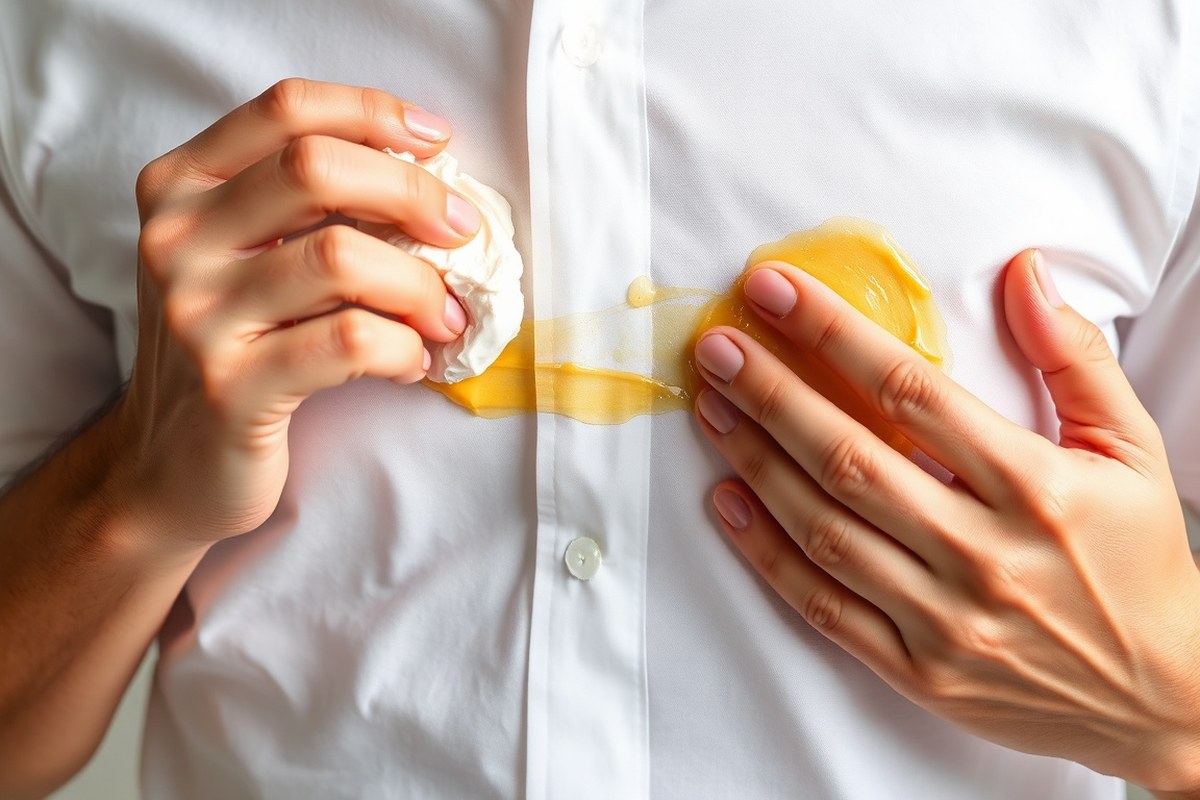
To quickly and effectively remove sweat stains from shirts, use common household products like baking soda, white vinegar, and hydrogen peroxide. These agents break down the stain and neutralize odor without harsh chemicals. Soaking typically takes 20 to 30 minutes, while applying a paste may require up to an hour. Old stains can often be removed completely if treated early and correctly, though some yellowing may be more stubborn on certain fabrics.
Using Baking Soda Paste
Baking soda acts as a mild abrasive and natural deodorizer. Mixing it with water creates a paste that lifts sweat stains when applied directly. This method works well on fresh and light stains and is safe for most cotton and synthetic shirts. Follow these steps to apply the baking soda paste:
- Mix equal parts baking soda and water to form a thick paste.
- Scoop the paste onto the sweat-stained areas using a spoon or your fingers.
- Let the paste sit for about 60 minutes to allow it to penetrate the fabric.
- Use a soft toothbrush to gently scrub the paste into the stains for 2 to 3 minutes.
- Rinse the treated area with cool water.
- Wash the shirt according to its care label instructions using regular laundry detergent.
- Check if the stain is gone before drying, as heat can set the stain.
Vinegar Soak Method
White vinegar is a natural acid that breaks down sweat stain residues and deodorizes shirts. It’s especially useful for older or yellowed stains and works well on both white and colored garments when diluted properly. Use this method by soaking the stained shirts in a vinegar solution:
- Mix equal parts white vinegar and cold water in a basin (for example, 1/4 cup vinegar and 1/4 cup water for a small load).
- Submerge the shirt completely, focusing on the sweat-stained areas.
- Let it soak for 30 minutes or longer for stubborn stains.
- Optional: For extra cleansing, sponge the stained area with vinegar before soaking.
- After soaking, wash the shirt using your usual laundry detergent following care label instructions.
- Inspect the stain before drying, and repeat the soak if necessary.
Hydrogen Peroxide and Detergent Mix
This approach targets tough stains by combining the whitening power of hydrogen peroxide with baking soda’s lift and a small amount of liquid dish soap or detergent to break down oils. It works best on white cotton shirts and should be tested on colored shirts in an inconspicuous spot first. Follow these instructions for a hydrogen peroxide paste:
- Combine 1 tablespoon of hydrogen peroxide, 1 tablespoon of salt, and 1/2 cup of baking soda in a bowl, or mix 1 part hydrogen peroxide with 2 parts baking soda plus 1 teaspoon of liquid detergent as another option.
- Apply the paste directly to the sweat stains using a toothbrush or a small brush.
- Let the paste soak into the fabric for 20 to 60 minutes for best results.
- Gently scrub the area as it soaks to loosen the stain further.
- Rinse the shirt with cold water before laundering as normal.
- Air dry the shirt and verify that the stains are removed before using heat.
2. Removing Sweat Stains from White and Colored Shirts Safely
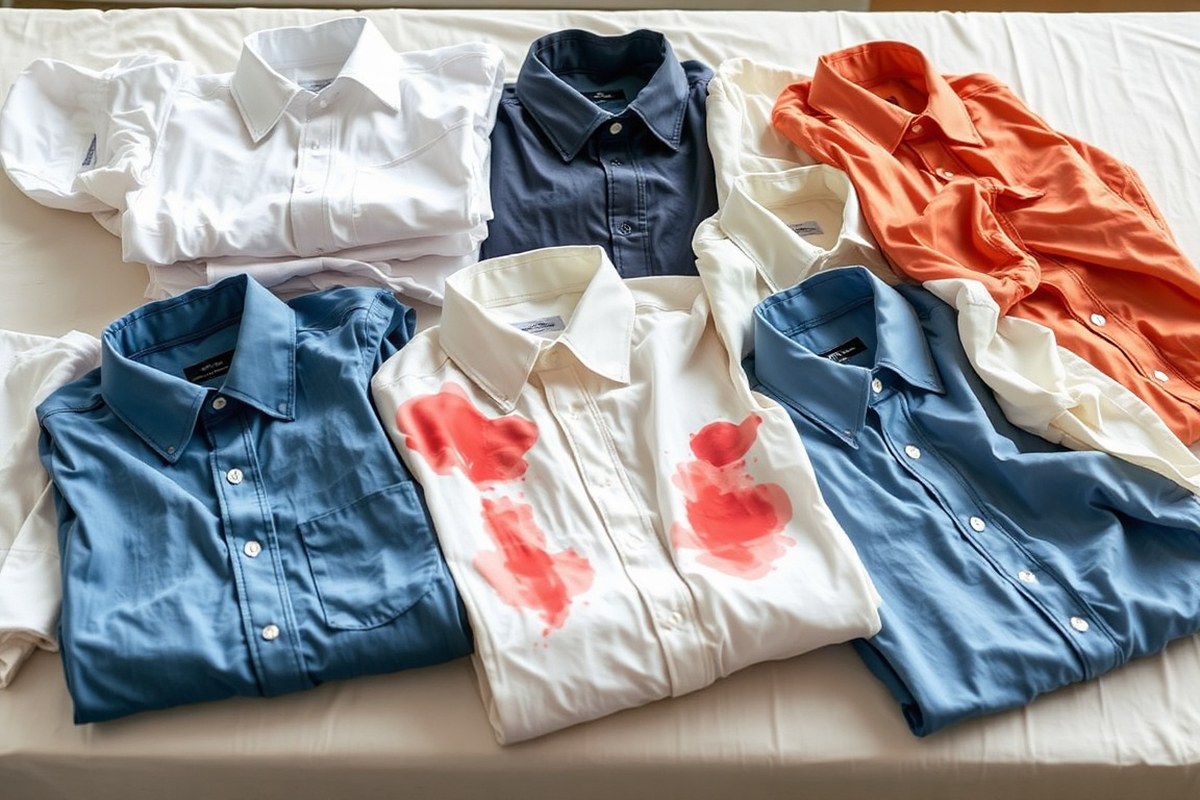
White and colored shirts require different sweat stain removal methods to avoid damage and discoloration. White fabrics can tolerate certain bleaching agents that are unsafe for colors, while colored shirts need gentler treatments to preserve their hue and prevent fading. Avoid using chlorine bleach on both types, as it can worsen yellowing on white shirts and strip dye from colored fabrics.
Best Practices for White Shirts
Using oxygen-based bleach alternatives is safer for white shirts stained by sweat. Unlike chlorine bleach, oxygen bleach helps remove stains without intensifying yellowing. Sunlight can act as a natural bleach, so drying white shirts in the sun after cleaning can brighten them further. Avoid chlorine bleach since it reacts badly with sweat proteins and may make stains more visible.
For white shirts, pre-soak in a solution of equal parts cold water and distilled white vinegar for 30 minutes before washing. Another option is dissolving two crushed aspirin in ½ cup of hot water and applying it to stains. These mild acidic treatments help break down perspiration residues without harsh chemical reactions.
Treating Colored Shirts Without Fading
Cold water is essential when treating sweat stains on colored shirts to avoid dye bleeding and fading. Avoid hot water as it can set stains and weaken colorfastness. Instead of bleach, apply a paste of baking soda and water directly to the stain or soak the shirt in a cold water and vinegar solution.
Natural cleaners like distilled white vinegar break down stain compounds gently, preserving fabric color. Limit agitation and soak times to reduce risk of dye loss. Testing on an inconspicuous spot before full treatment can help determine how the fabric will react.
When and How to Use Bleach Safely
Bleach should be used with caution on sweat stains, mostly on white fabrics and only using oxygen-based bleach. Before applying any bleach, perform a patch test by dabbing diluted bleach on a hidden area. Wait 5 minutes to check for discoloration or fabric damage.
For white shirts, dilute oxygen bleach according to the product’s instructions, typically about ¼ cup of bleach per gallon of cold water. Never use chlorine bleach directly on sweat stains, especially yellowed areas, because it can worsen the problem. After treatment, rinse thoroughly and air-dry in sunlight to improve whitening safely. Below is a comparison of stain removal methods for white and colored shirts, including bleach safety guidelines:
| Method | White Shirts | Colored Shirts | Bleach Use |
|---|---|---|---|
| Pre-soak | Cold water + distilled white vinegar for 30 min | Cold water + distilled white vinegar or baking soda paste | Oxygen-based bleach safe if diluted; patch test required |
| Cleaning agent | Oxygen bleach alternatives or aspirin solution | Mild natural cleaners, avoid harsh chemicals | Chlorine bleach avoided; may worsen yellow stains |
| Water temperature | Cold to warm water rinse | Strictly cold water only | Follow product instructions, never hot water |
| Drying | Air-dry in sunlight to bleach naturally | Air-dry away from direct sunlight to avoid fading | Sunlight improve whitening on whites |
Never apply chlorine bleach directly on sweat stains, doing so can make yellow marks worse instead of removing them.
3. Why Sweat Stains Appear and What Causes Yellowing
The yellow stains that appear on shirts, especially under the arms, result mainly from a chemical reaction between your sweat and the ingredients in many deodorants and antiperspirants. Sweat itself is mostly water but contains salts, proteins, and oils. When the aluminum-based compounds found in many antiperspirants mix with these sweat minerals, they create a yellow residue that can bind tightly to fabric fibers. This reaction is the primary cause of yellowing, particularly on white cotton shirts.
Deodorant and antiperspirant products are designed to reduce or mask sweat, but they play a significant role in stain formation. Aluminum salts in these products clog sweat glands to reduce moisture but also react with sweat chemicals, resulting in that characteristic yellow stain. The stain often takes time to develop and becomes more visible after repeated use and washing. This buildup can become stubborn because the aluminum compounds bind chemically with proteins from sweat, making removal more challenging.
There’s a common misconception that sweat itself causes dark or yellow stains, but sweat’s color is usually clear. The actual stubborn yellowing comes from the mix of aluminum compounds, sweat proteins, and fabric fibers undergoing oxidation over time. This process is accelerated by body temperature, which influences how much you sweat and how these chemicals react. Fabric type also matters; natural fibers like cotton absorb sweat and deodorant compounds differently than synthetic fabrics, sometimes trapping stains more easily.
White shirts show these yellow stains more clearly because the discoloration contrasts sharply with the fabric’s bright color. Colored shirts might not show yellowing as obviously but can still have sweat stain buildup. Regular deodorants without aluminum might reduce yellow stain formation since aluminum plays a key role, but they often offer less sweat control. Choosing aluminum-free formulas could be a way to manage stain risks, though effectiveness varies by brand and individual sweating levels.
Understanding this chemical and biological background matters because it helps you target sweat stains with the right cleaning methods. The problem isn’t just visible dirt or grime; the stains result from a chemical change within the fabric structure. That’s why typical washing alone sometimes doesn’t fully remove these stains, they require specific treatments that break down the proteins and aluminum residues. Knowing the role of antiperspirants, sweat composition, and fabric interaction guides you on selecting proper pre-treatments and washing techniques to restore your shirts effectively.
4. Pre-Treatment Steps Before Washing Shirts
Pre-treating sweat-stained shirts before washing is essential for improving stain removal results. Ideally, you should pre-treat the garment as soon as possible after noticing the sweat stain, because fresh stains respond better to treatment than old, set-in stains. For regular wear, pre-treating each shirt with visible sweat marks before washing helps maintain the fabric’s appearance and reduces discoloration over time.
At home, you need only a few basic tools to effectively pre-treat sweat stains. These include a gentle detergent or a stain remover specifically designed for proteins and oils, a soft-bristled brush or clean cloth for working the product into the fabric, and access to cold or lukewarm water. You might also use household ingredients like baking soda or white vinegar as alternatives. These tools are inexpensive, usually under $10 for specialized stain removers, and often found in most kitchens or laundry rooms.
- Identify the sweat stain and avoid rubbing it in deeper.
- Check the shirt’s care label for water temperature limits and fabric type.
- Apply a small amount of stain remover or a baking soda paste (3 parts baking soda to 1 part water) directly onto the stain.
- Let it sit for 30 minutes to an hour to break down oils and proteins.
- Use a soft brush or cloth to gently work the solution into the fabric fibers.
- Rinse with cold water to remove excess treatment before laundering.
- Always wash according to the garment’s care instructions to avoid damage.
Testing your chosen cleaning method on an inconspicuous fabric area is important. Apply a small amount of the stain remover or homemade solution to a hidden spot such as inside a hem or seam. Wait about 10 to 15 minutes and check for any color fading, fabric distortion, or residue. When the fabric isn’t damaged, go ahead and start treating the sweat stain. This simple test prevents accidental harm, especially on colored or delicate shirts.
Good pre-treatment results look like a noticeable lightening or disappearance of the sweat stain after washing, with the shirt’s color and texture unaffected. Harsh or incorrect products can cause fabric weakening, yellowing, or color loss. Using products designed for protein-based stains, acting quickly, and following fabric care guidelines help ensure the best outcome. Should a stain remain after pre-treatment and washing, professional cleaners have specialized methods to safely remove tough sweat stains.
5. Removing Sweat Stains from Dress Shirts and Delicate Fabrics
Removing sweat stains from dress shirts and delicate fabrics requires special care to avoid damage. Use gentle, targeted treatments and avoid harsh scrubbing or strong chemicals. Hand washing with mild detergents after pretreatment helps preserve fabric integrity while effectively removing stains. Consider professional cleaning for delicate or tough stains that refuse to disappear with home methods.
Spot Cleaning Collars and Cuffs
Collars and cuffs often show sweat stains first and need delicate handling. Apply gentle stain removers with a cotton swab or soft cloth to avoid spreading the stain or damaging fabric fibers. Avoid heavy scrubbing, which can weaken threads or cause color fading, especially on dress shirts made of cotton blends, silk, or delicate synthetics.
- Dab a mild stain remover (enzyme-based or oxygen-based) onto the sweat stain using a cotton swab.
- Gently blot the area with a clean white cloth to lift the stain without rubbing.
- Let the remover sit for 5 to 10 minutes at room temperature.
- Rinse the spot with cool water to flush out residue.
- Repeat if necessary but limit to two applications to protect fabric.
Do not rub collars and cuffs vigorously; it can cause fabric pilling or distortion.
Hand-Washing Delicate Shirts
After pretreating sweat stains on delicate fabrics, hand washing is the safest option. Use mild detergents formulated for delicate materials or wool blends. Avoid hot water, which can set stains and shrink fabrics; instead, use cool to lukewarm water under 85°F (30°C). Gently agitate the shirt and rinse thoroughly without wringing.
- Fill a basin with cool or lukewarm water and add 1 teaspoon of mild detergent per gallon of water.
- Submerge the shirt and gently swish it around for 3 to 5 minutes.
- Focus on areas treated for sweat stains by lightly pressing fabric but not twisting or scrubbing.
- Drain the soapy water and rinse the shirt with fresh cool water until all detergent is removed.
- Press out excess water by laying the shirt flat between clean towels and gently pressing.
- Air dry the shirt on a flat surface or hang it on a padded hanger away from direct sunlight.
Do not machine dry delicate shirts after washing; heat can cause shrinkage and set stains.
Professional Cleaning Considerations
Call a professional cleaner if sweat stains persist after home treatment or if the shirt is made of very delicate fibers like silk or finely woven cotton. Experts use specialized solvents and deep cleaning methods tailored to fabric type. Professional services typically cost between $5 and $15 per shirt but can be worth it to avoid damage or permanent staining. Professional cleaning is recommended when: stains are yellow and old, home treatments risk fading delicate colors, the fabric label advises dry cleaning only, or the garment is part of an expensive wardrobe requiring cautious care.
Before sending a shirt to the cleaners, point out the sweat stains and any home treatments you applied. This helps the technicians choose the best method for stain removal without harming the fabric.
Avoid repeated home treatments on delicate fabrics that can weaken fibers; trust professionals for stubborn stains instead.
6. How to Prevent Sweat Stains in Shirts
Sweat stains form mainly because of a reaction between sweat and certain ingredients in deodorants, especially those containing aluminum. Choosing natural deodorants without aluminum can help reduce yellowing underarm stains over time. These deodorants typically contain ingredients like baking soda, arrowroot powder, or magnesium, which neutralize odor but don’t cause fabric discoloration like aluminum-based products do.
Selecting the right fabric also plays a big role in preventing sweat stains. Breathable materials like cotton, linen, or moisture-wicking synthetic blends allow sweat to evaporate quickly instead of sitting on the fabric, which reduces the chance of staining. Avoid tightly woven or synthetic fabrics that trap moisture and encourage staining. For dress shirts or delicate fabrics, underarm pads or sweat guards provide an extra barrier to protect the shirt from direct contact with sweat and deodorant residue.
- Wear shirts made from breathable fabrics such as cotton or linen
- Use aluminum-free natural deodorants to reduce fabric yellowing
- Apply deodorant sparingly and allow it to dry completely before dressing
- Use stain-free or “clear” antiperspirants instead of thick white sticks
- Consider disposable or washable underarm sweat pads for heavy sweating
- Wash shirts regularly to avoid buildup of sweat and deodorant residues
A key habit to prevent stains is applying deodorant in moderation. Using too much deodorant or antiperspirant causes excess product to soak into your shirt’s sleeves, creating visible stains and buildup. After applying, wait at least two minutes before putting on your shirt so the product can dry and form a protective layer. When you wash shirts frequently and treat them promptly, you avoid the accumulation of sweat components that turn yellow over time.
Keep in mind natural deodorants can sometimes require a short adjustment period to control odor effectively, especially if you switch from conventional antiperspirants. Underarm pads range from about $1 to $3 each and can be worn discreetly until you find the fabric and deodorant combination that works best for you. Following these strategies can significantly reduce sweat stains and extend your shirts’ freshness and appearance.
7. Common Mistakes and How to Fix Them When Removing Sweat Stains
One of the most common mistakes when removing sweat stains is using bleach on all fabrics. Bleach may break down yellow stains on white cotton shirts, but it can make stains worse on colored fabrics or delicate materials. Applying bleach directly can lead to fabric damage, including holes or discoloration, which is costly to fix and sometimes irreversible.
Over-treating stains by scrubbing too hard or soaking shirts for too long can also damage fabric fibers. This often results in thinning, fraying, or stretching, which ruins the look and feel of the shirt. Instead, gently apply your stain remover and follow the recommended soaking time, usually around 15 to 30 minutes, to minimize wear.
Using high water temperatures is another mistake. For most shirts, especially those made of cotton blends or synthetics, washing with hot water can set sweat stains permanently. Stick to cold or warm water, usually between 60°F and 80°F, to avoid this problem.
Sometimes people forget to test stain removers on a hidden spot. This step helps avoid color fading or damage to delicate fabrics. Always do a patch test before treating the stain directly to see how the fabric reacts.
- Avoid applying undiluted bleach on colored or delicate shirts
- Limit scrubbing intensity and soaking time to protect fibers
- Use cold or warm water for washing to prevent stain setting
- Test stain removers on a small hidden area first
- Follow product instructions carefully and avoid combining harsh chemicals
- Rinse thoroughly to remove residual cleaner that can cause future problems
If your shirt shows damage from bleach or harsh treatment, rinse it immediately with cold water to stop the chemical reaction. For fabric thinning or holes, patching or professional mending might be the only fix, but try not to use harsh chemicals again on that garment.
Using gentle detergent with oxygen-based stain removers is a safer alternative for most fabrics. These products don’t contain chlorine bleach and are less likely to cause damage or worsen stains. They work well when used promptly and under correct washing conditions.
8. When to Seek Professional Help for Sweat Stain Removal
Call a professional cleaner when you notice that a sweat stain is deeply set, has been on your shirt for several weeks or months, or if your shirt is made from delicate materials such as silk or wool. Stains that resist multiple home cleaning attempts often need expert treatment. Professional cleaners have access to specialized solvents and equipment that can break down tough sweat stains without damaging the fabric.
Expert treatment is especially important for fabrics that react poorly to common household cleaners. Silk, wool, and other delicate fibers require gentle but effective cleaning methods that professionals can provide. Also, if your shirt is a valuable or sentimental piece, leaving the stain untreated could cause permanent damage. Professionals use targeted stain removers and controlled heat and moisture to safely remove stains where DIY products might bleach or weaken the fabric.
To decide if you need professional help, check how old and stubborn the stain is. If the sweat stain has yellowed, hardened, or spread, or if your attempts at home with detergents, vinegar, or baking soda fail to lighten it after several washes, a cleaner can help. Certain professional services include spotting the stain with precise chemicals and using dry cleaning machines that eliminate residues and odors deeply embedded in the fibers.
Professional dry cleaning typically costs between $5 and $15 per shirt, depending on the fabric and location. This cost covers the use of solvents safe for delicate materials, thorough stain removal, and fabric protection during cleaning. Expect faster and more reliable stain removal from pros, especially for dress shirts and cherished garments you don’t want to risk ruining.
Although professional stain removers are generally safe for most fabrics, some damage risks exist, especially if the cleaner uses harsh solvents or incorrect techniques. Always inform the cleaner about the shirt’s material and any previous cleaning attempts. A reputable cleaner will test a hidden area first and explain the methods used to avoid damage.
Do not attempt multiple home treatments on stubborn stains; repeated scrubbing or applying harsh chemicals can permanently damage the fabric and set the stain further.
Step-by-Step Action Plan to Remove Sweat Stains from Shirts
Follow these practical steps to effectively treat sweat stains and keep your shirts looking fresh.
- Before Washing: Apply a pre-treatment solution like a mixture of baking soda and water directly on the stain. Let it sit for 15 minutes to loosen the stain fibers.
- Wash Day: Use a detergent designed for stain removal. Wash the shirt in the warmest water safe for the fabric to target oils and proteins in sweat.
- After Washing: Inspect the shirt before drying. If the stain remains visible, repeat the pre-treatment and wash again. Avoid drying until the stain is gone to prevent setting.
- For Delicates: Use gentle pre-treatment solutions and opt for hand washing or delicate machine cycles. Check for stain removal before air drying.
- Weekly Prevention: Treat shirts with an antiperspirant and allow it to dry fully before dressing to reduce sweat deposits.
- Monthly Maintenance: Use a fabric-safe whitening agent or oxygen-based bleach for white shirts to prevent yellowing.
- When Unsure: For persistent or delicate stains, consider a professional cleaner who can safely handle special fabrics.
Frequently Asked Questions
Can Sweat Stains Be Removed Without Using Harsh Chemicals?
Yes, using natural ingredients like baking soda and white vinegar can effectively remove sweat stains without damaging fabric or causing harsh chemical exposure. Mixing these with water and soaking the shirt for 20 minutes can lift stains gently.
Are Sweat Stains More Difficult to Remove on Synthetic Fabrics?
Sweat stains tend to be more stubborn on synthetic fabrics because they trap oils and bacteria. Pre-treating stains right away and avoiding high heat drying helps prevent setting the stain permanently.
Can Regular Detergent Remove Yellow Sweat Stains Completely?
Regular detergent alone usually doesn’t remove yellow sweat stains fully since they are often caused by body oils. Pre-treatment with a stain remover or natural soaking solution is needed before washing.
Does Washing Sweat-Stained Shirts with Hot Water Help or Hurt?
Hot water can help dissolve sweat stain oils but may damage some delicate fabrics or set stains if combined with heat drying. Use warm water for cotton and cold for delicate fabrics for best results.
Will Using Chlorine Bleach on White Shirts Always Remove Sweat Stains?
Using chlorine bleach on white shirts with sweat stains can actually make yellowing worse, as bleach reacts with body salts. Oxygen-based bleach or sunlight exposure is safer.
How Long Should You Soak a Shirt to Remove Sweat Stains Effectively?
Soaking a sweat-stained shirt for at least 20 minutes in a mixture like water and baking soda helps break down the stain before washing. Longer soaking can improve results on tough stains.
The Bottom Line
Getting rid of sweat stains relies on acting quickly and following the right steps for your shirt’s fabric. Protect your clothes by treating sweat deposits early and adjusting your laundry routine to the fabric type. Start today by spotting treating that visible stain before your next wash to keep your shirts looking their best.