Can Dry Cleaning Shrink Clothes? What Actually Causes Shrinkage and How to Prevent It
Can dry cleaning shrink clothes? Yes, it can cause slight shrinkage, usually around 1%, which most people don’t notice. Shrinkage depends on the fabric, the cleaning process, and how the garment was treated before cleaning.
This information is for anyone who wants to protect their clothes while using dry cleaning services. You will learn what causes shrinkage, which fabrics are affected most, and how to prevent or handle any unwanted changes from dry cleaning.
Key Takeaways
- Most clothes shrink about 1% or more during dry cleaning, but shrinkage below 2% usually goes unnoticed.
- Fabrics like wool and cotton are more prone to shrinkage than synthetics during dry cleaning.
- Dry cleaning machines limit moisture to about 75% humidity and use tumble drying up to 160°F to minimize shrinkage.
- Proper preshrinking of fabric before making a garment helps reduce shrinkage risk during dry cleaning.
- Gently reshape clothes immediately after dry cleaning to help maintain original size and fit.
- Only around 10% of garments actually require dry cleaning; others may be safely washed to avoid shrinkage.
Does Dry Cleaning Shrink Clothes? The Real Answer
Yes, dry cleaning can cause clothes to shrink, but this happens infrequently and usually only by about 1% or slightly more. According to American Drycleaner, a trade publication for the industry, most garments experience shrinkage around this small amount during the cleaning process. This degree of shrinkage is typically so minor that it goes unnoticed to most people, needing to reach approximately 2% before becoming noticeable.
The reason dry cleaning rarely causes significant shrinkage lies in the way the process works. Dry cleaning uses chemical solvents instead of water, which are gentler on fabrics than traditional machine washing with detergent and water. This means fibers don’t swell or tighten as much, so the shrinking that often occurs in water-based cleaning methods is minimized. Under typical, controlled conditions, dry cleaning should not shrink your clothes in any visible or problematic way.
Still, shrinkage can happen if heat or moisture levels in the solvent become excessive, or if the garment’s fabric or construction is especially sensitive. Wool garments, for example, are more vulnerable because they may felt and shrink if exposed to too much heat or agitation. Skilled dry cleaners carefully manage temperatures and solvent exposure to prevent this kind of damage.
Using a reputable cleaner helps ensure your clothes are handled properly, keeping any size changes below noticeable levels when you are worried about shrinkage. Most professional dry cleaning services charge between $3 and $15 per item, reflecting the care and expertise needed to maintain garment quality without shrinking. Having your clothes pressed after cleaning is common and doesn’t typically affect size, since pressing lifts the fabric rather than stretching or compressing it.
In cases where you notice shrinkage, consider whether the garment might have reacted to heat or moisture during or after the dry cleaning. Although rare, some shrinkage occurs more from post-cleaning processes like pressing or incorrect storage than the dry cleaning chemicals themselves. Shrinkage that does occur might be partially reversed by a skilled tailor or dry cleaner, restoring some of the lost dimensions.
What Causes Shrinkage During Dry Cleaning?

Shrinkage during dry cleaning happens when a few key factors combine in ways that affect your clothes’ fibers. Heat, moisture in the solvent, machine agitation, and fabric type all influence whether a garment will shrink. Dry cleaning, by definition, uses a liquid solvent instead of water, but this solvent does contain some moisture, up to 75% relative humidity allowed by federal rules, to help detergents work effectively. That moisture plus gentle heat and tumbling can change fabric dimensions if not carefully controlled.
The dry cleaning machine has components like a water separator to keep moisture in the solvent below damaging levels and a chiller to keep solvent temperatures safely low. Operating within these limits reduces shrinkage risk. However, if equipment malfunctions or the machine overheats above about 160°F, fabrics can swell or contract. Solvent moisture combined with heat makes fibers more flexible but also vulnerable to rearranging improperly, which is how shrinkage occurs.
- Excess moisture in the solvent causes some fibers to swell, potentially shrinking the fabric as it dries.
- Temperatures above 160°F in the machine raise the chance of heat-induced shrinking or warping of fibers.
- Agitation or tumbling moves the clothes through solvent but excessive friction can distort fabric shape and size.
- Fabric properties matter: natural fibers like wool and cotton are more likely to shrink from moisture and heat than synthetics.
- Repeated dry cleanings can cumulatively weaken fabric structure, making shrinkage more likely over time.
Without enough moisture or heat, clothes won’t shrink because the fibers stay stable. Too much heat or water, though, can cause irreversible size changes. The dry cleaning process tries to balance these factors carefully, using controlled tumbles and precise temperature limits. Malfunctions in the water separator, chiller, or temperature controls can upset this balance, allowing moisture to rise or temperature to climb and cause shrinkage.
Always check that your dry cleaner maintains and calibrates their equipment regularly to avoid unexpected heat or moisture increases that lead to shrinkage.
Understanding these causes helps you identify which garments could be at risk and what you should watch for in your dry cleaner’s process. Though dry cleaning is designed to protect clothes better than traditional washing, no process is completely risk-free when heat, moisture, and agitation interact with sensitive fabrics.
Which Fabrics Are Most and Least Likely to Shrink?
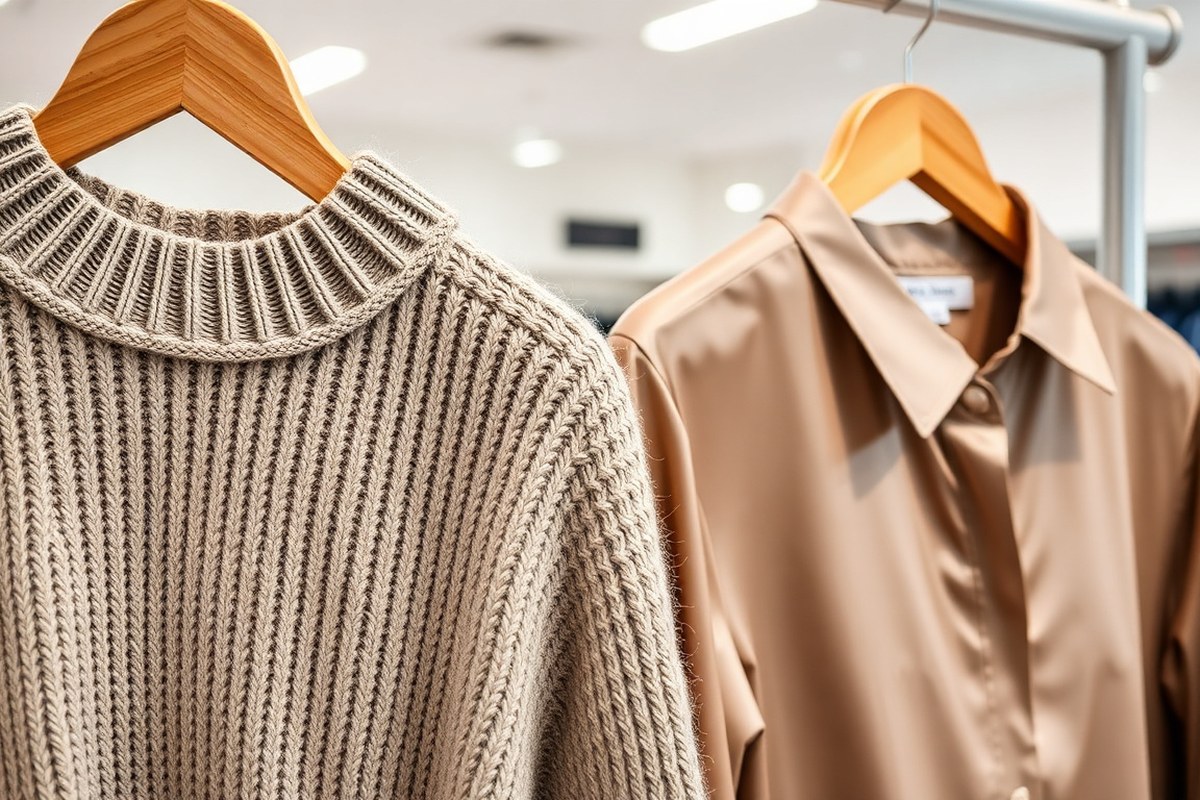
Natural fibers like wool, cotton, and linen are the most susceptible to shrinking during dry cleaning. Synthetic fabrics and blends typically resist shrinkage better. Suits and wool coats usually tolerate dry cleaning, but heat and steam during pressing can cause some issues. Cotton and linen generally handle dry cleaning without much shrinking, especially since no water is involved, but they are more sensitive when wet or exposed to heat.
Fabrics Prone to Shrinking
Wool is one of the most vulnerable fabrics when it comes to shrinkage. Shrinkage occurs because its fibers can felt and tighten under heat, moisture, or agitation. Cotton and linen also tend to shrink because they absorb moisture quickly, causing the fibers to contract. These natural fibers often react to heat or moisture, making shrinkage more likely during cleaning processes that involve water or steam.
Structured wool garments like suits and coats can shrink or change shape, especially if they face heavy steam pressing after dry cleaning. Wool blends that contain a significant percentage of natural fiber are also prone to light shrinkage or distortion, while fully synthetic blends shrink less. Silk, though delicate, usually doesn’t shrink much with dry cleaning as long as the process is gentle and avoids water exposure.
Fabrics More Resistant to Shrinkage
Synthetic fabrics such as polyester, nylon, and acetate tolerate dry cleaning well and are rarely subject to shrinkage. They are designed to resist moisture absorption and heat damage, which protects them from the fiber contraction seen in natural fabrics. These fabrics maintain shape more reliably during dry cleaning and pressing.
Blends of synthetic and natural fibers usually perform better than pure natural fibers, with less shrinkage and fewer shape distortions. Items like cotton-polyester blends or wool blends with synthetic fibers often show improved recovery from minor tightening and maintain a softer texture after dry cleaning.
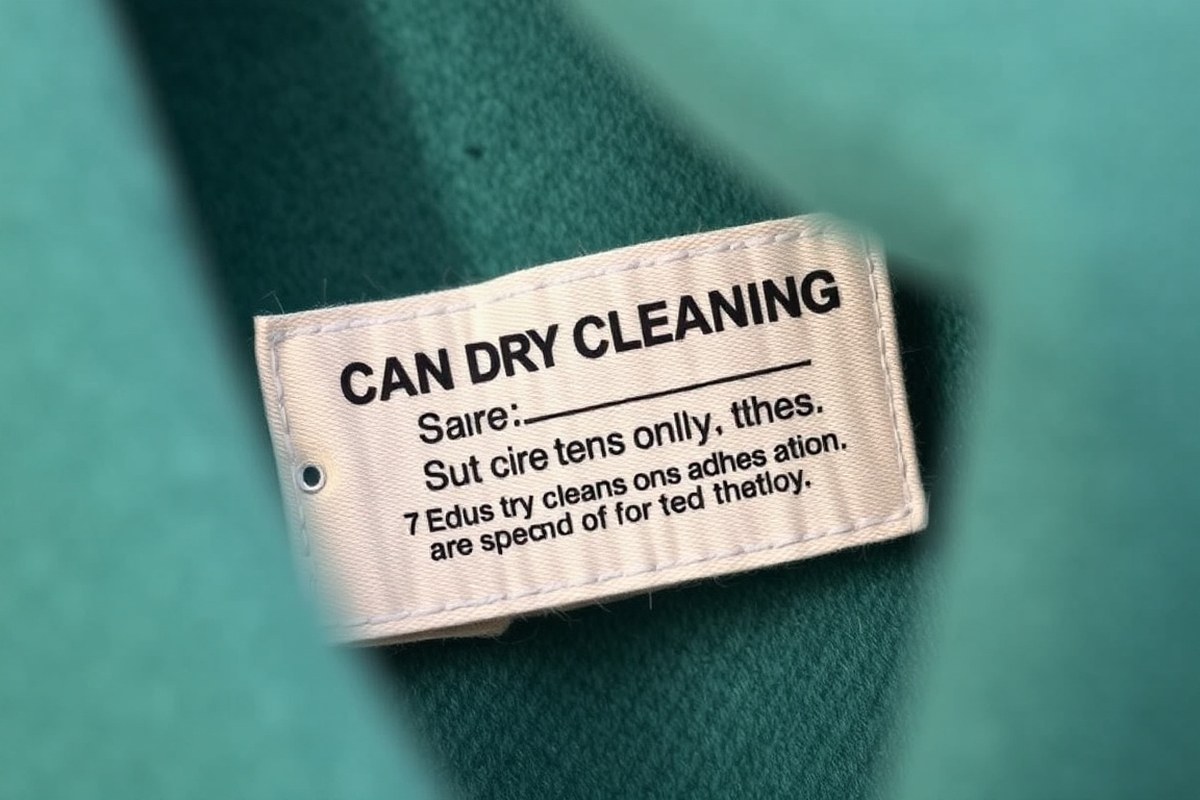
Fabrics labeled “Dry Clean Only” are generally selected due to their sensitivity. While dry cleaning supports these fabrics’ longevity, any shrinkage risk mostly comes from secondary factors like heat press rather than the cleaning solvent itself.
Factors Affecting Fabric Stability
The temperature used in the dry cleaning process and the application of steam during pressing greatly impact fabric stability. Even if the solvent is gentle, heat can cause shrinkage in natural fibers by shrinking or felting the wool, and tightening cotton and linen fibers. Careful control of pressing temperature and steam application is essential.
Garment construction matters; structured clothing like suits or coats is more prone to shape distortion after cleaning. Seams may relax or fabric layers may bubble or separate due to heat or chemicals. The finishing process after cleaning can lead to puckering or stiffened areas if not done cautiously.
Light shrinkage in wool or cotton may improve during professional restoration, but severe felting or heat damage may become permanent. The fabric’s previous wear and fiber condition also influence shrinkage risk. Here is a summary table comparing fabric behaviors seen in dry cleaning:
| Fabric Behavior | More Likely to Improve | Less Likely to Fully Recover |
|---|---|---|
| Shrinkage Level | Light shrinkage in wool or cotton | Severe wool felting |
| Texture Change | Knits that tightened but stayed soft | Fabric that became stiff and dense |
| Size Change | Sleeves or hems that lost a small amount | Garments that shrank several sizes |
| Shape and Finish | Shape distortion from finishing | Heat-damaged or scorched fibers |
| Seams and Layers | Relaxed seams or puckering | Fused layers that bubbled or separated |
The table illustrates that minor fabric changes like small shrinkage or soft tightening can often improve with professional care. Severe shrinkage or heat damage tends to be irreversible. Understanding these factors can help you identify which garments might require special attention during dry cleaning.
How the Dry Cleaning Process Works to Protect Your Clothes
Dry cleaning protects your clothes from shrinking mainly by avoiding water and high heat, which cause fibers to swell and tighten. Instead, solvents clean fabrics gently, and professionals carefully control drying and pressing to keep garments their original size and shape.
Cleaning with Solvents Instead of Water
Dry cleaning uses specific chemical solvents, such as perchloroethylene or alternative fluids, to clean garments instead of water. Water makes fibers swell, leading to shrinkage, but solvents dissolve oils and dirt without this effect. The process minimizes agitation, unlike washing machines that spin and rub fabric harshly, reducing stress on fibers and maintaining garment shape.
Solvents penetrate fabrics to remove stains and oils, then evaporate quickly without saturating fibers. This limited moisture is important for delicate fabrics like wool or silk, which shrink easily if exposed to water. Dry cleaners match cleaning methods to garment labels and fabric types, choosing dry cleaning when water or heat risks damage.
Controlled Drying and Moisture Limits
After solvent cleaning, drying is critical to prevent shrinkage. Dry cleaning machines control temperature and time carefully to remove solvent vapors without overheating fabrics. Moisture content remains low, maintaining fiber stability and preventing the tight shrinking that happens when water evaporates too fast or unevenly.
Professional machines use a closed-loop system that recovers solvents and limits fabric exposure to heat. The process typically avoids high temperatures above about 130°F, protecting delicate materials. Properly maintained equipment ensures consistent drying; machines that overheat or malfunction risk causing shrinkage or warping of garments.
Professional Pressing and Finishing Techniques
Pressing after drying helps restore garments to their correct shape and size. Skilled technicians use controlled steam and low heat pressing equipment designed to relax fabric fibers without stretching or compressing them. Pressing removes wrinkles gently rather than forcing fabric into a new shape, which can occur with careless ironing.
Garments with trims, buttons, or zippers require special attention during finishing to avoid damage that could distort their fit. Pressing machines often have adjustable temperature settings and padded surfaces tailored to different fabric types, reducing the risk of pressing-induced shrinkage or misshaping. Here are the key steps professional dry cleaners follow to protect your clothes from shrinkage:
- Inspect the garment and label for fabric type and cleaning instructions to decide on dry cleaning or alternative methods.
- Pre-treat stains with appropriate solvents specific to the stain type and fabric sensitivity.
- Place garments in the dry cleaning machine, which uses solvents instead of water, avoiding fiber swelling.
- Control solvent temperature and agitation within the machine to gently remove soils without stressing fibers.
- Dry garments by carefully evaporating solvents at controlled low temperatures, avoiding heat damage.
- Remove garments and assess moisture content to verify drying completeness and fabric condition.
- Press and finish garments with professional equipment using steam and low heat to shape them back to original form.
- Inspect the final product for fit, shape, and any damage to trims or fabric, adjusting finishing as needed.
How to Spot True Shrinkage Versus Other Changes
True shrinkage means the fabric fibers have contracted permanently, resulting in smaller dimensions of the garment. Other factors like pressing, lining stress, or temporary fiber tightening can change how your clothes fit or look without actual size loss. Knowing the difference helps you decide if your garment needs adjustment or if the change is reversible.
To tell if true shrinkage happened, take precise measurements of key areas like the chest, waist, sleeves, and length before and after dry cleaning. Use a fabric measuring tape and measure flat on a table. A difference of more than 1 inch in any dimension likely indicates real shrinkage. Temporary changes usually do not cause measurable size drops but affect the garment’s drape or shape.
Pressing machines used in dry cleaning can reshape fabric fibers and apply heat unevenly, causing fits to appear tighter or baggier without fiber contraction. Lining stress occurs if the garment’s inner layer becomes pulled or stretched during cleaning, giving a distorted silhouette that usually relaxes over time or with gentle wear.
- Measure flat-to-flat across the chest, waist, hips, and length before and after cleaning
- Look for puckering or stretched seams that suggest lining stress rather than fabric shrinkage
- Check fabric texture for stiffness, which can indicate temporary fiber tightening from heat
- Assess if the garment regains shape after hanging or gentle steaming
- Compare fit changes after the first wear post-cleaning to spot lasting shrinkage
- Inspect for uneven shapes caused by pressing, especially on collars, cuffs, and pleats
Visual signs of true shrinkage include wrinkling or tightness concentrated in the body areas measured, not just along seams or edges. Fabric that felt loose before but now pulls or bunches likely shrank. Temporary tightening often eases within a week of normal wear as fibers relax. Pressed garments may look crisp but feel rigid, so feeling the fabric helps distinguish pressing effects from shrinkage.
Keep garment measurements handy, so you can compare them after dry cleaning and identify real shrinkage instead of shape changes caused by pressing or lining pull.
Steps You Can Take to Prevent Shrinkage Before Cleaning
Before sending clothes to the dry cleaner, checking the care label is essential. Look for “dry clean only” instructions or fabric types that usually require special handling, such as wool, silk, or acetate. These labels give direct guidance to both you and the cleaner, reducing the risk of shrinkage by ensuring the appropriate cleaning method is chosen.
Flagging particularly delicate pieces or garments with known sensitivity helps the cleaner take extra precautions. You can attach a note or point out specific fabrics when you drop off the clothes. This communication allows your cleaner to use the correct solvent type or select wet cleaning over dry cleaning when suitable. Good communication also includes describing any stains or previous fabric issues, which shapes the choice of treatment and prevents surprises.
- Examine each garment’s care label carefully for drying and cleaning instructions.
- Mark any delicate or specialty fabrics, such as silk or wool, to alert the cleaner.
- Note existing stains or water damage to guide solvent selection.
- Ask your cleaner about their experience with the specific fabric or garment type.
- Request that garments not be over-dried as this can cause shrinkage.
- Discuss possible alternatives like wet cleaning if the label permits.
Some garments should avoid dry cleaning to minimize shrink risk, especially those made from delicate natural fibers without a strict “dry clean only” label. While dry cleaning is designed to protect delicate fabrics, it cannot guarantee zero shrinkage because solvents and process variables still involve risks. If you notice changes in fit or fabric feel post-cleaning, take the clothing back and ask if the care instructions were fully followed. Professional cleaners often can adjust their process in response to your input, reducing shrinkage chances in future cleanings.
When Dry Cleaners Can Fix Shrunk Garments
Dry cleaners can sometimes restore garments that appear shrunk, but the success depends on the fabric type, degree of shrinkage, and treatment methods used. Professional cleaners have special equipment to carefully relax fibers and reshape clothing. They use steam pressing and controlled moisture treatments to gently stretch fibers back toward their original size.
If your clothes feel tighter or shorter after dry cleaning, first contact the cleaner and describe the issue. Many reputable services offer a satisfaction guarantee or will attempt a fix at no extra charge. Trained staff may reprocess the item using steaming and blocking, a technique where the garment is stretched over a form or mannequin and allowed to dry, holding the new shape. This process can recover some size lost, especially with natural fibers like wool or cotton blends.
For delicate or costly garments, always inform your dry cleaner of any pre-existing shrinkage or fit concerns before cleaning. Dry cleaners are not automatically responsible for shrinkage, since some fabrics shrink due to heat or agitation during manufacturing or prior wash cycles. However, if the shrinkage occurs after their process, a professional cleaner should evaluate the garment and provide options for restoration or repair.
Simple home remedies to stretch out clothes yourself, such as gently wetting and pulling fibers, risk damaging the garment or setting the shrinkage further. Professionals use controlled steam and pressure at temperatures typically below 212°F to avoid damaging fabric finishes. For substantial shrinkage or synthetic blends, full restoration may be impossible without altering the garment significantly.
Cost for professional restoration varies but expect $20 to $50 or more per item, depending on complexity and the need for reshaping tools. Best results occur when treatment starts immediately after noticing shrinkage. Waiting too long may cause fibers to settle, making stretching less effective. A dry cleaner’s skill is important; certified professionals with experience in fabric behavior provide the highest chance of success.
In cases where reshaping doesn’t work, some cleaners offer alteration services to adjust seams and hems to compensate for size loss. They may recommend these options to save the garment when fiber recovery is not feasible. Avoid dry cleaning items that are already tightly fitted or known to shrink easily, unless you trust your cleaner to handle delicate restoration expertly.
Choosing When to Dry Clean vs. Wash to Avoid Shrinkage
You should select dry cleaning or washing based on your fabric type, care label, shrinkage risk, and how much you want to spend. Dry cleaning suits delicate, expensive, or structured garments marked “Dry Clean Only” since home washing could cause damage. Washing works for many everyday fabrics, often at lower cost and with less shrinkage risk when done using gentle cycles or hand washing.
Laundry vs Dry Cleaning Comparison
Washing clothes at home using a machine or hand method costs much less than dry cleaning. However, dry cleaning specialists look closely at fabric types, construction, and care labels to choose the safest cleaning approach for your garment.
For garments with labels saying “Dry Clean Only,” dry cleaning is generally recommended because the fabric or construction might be harmed by water or agitation. Your dry cleaner will carefully apply solvents that protect the colour, shape, and softness of these textiles.
Still, some expensive, delicate fabrics labeled “Dry Clean Only” can be washed at home on wool or delicate cycles. This can extend the fabric’s life and reduce costs, but it requires care by you to avoid damage.
Shrinkage Risk by Method
Shrinkage during cleaning depends on fabric type and technique. Manufacturers control fabric shrinkage before cutting, aiming for less than 2% shrinkage in dry cleaning. Washing at home, especially with hot water or harsh drying, risks more shrinkage than dry cleaning.
Dry cleaning eliminates much of the water exposure that causes fibers to contract and shrink. Yet, even dry cleaning can shrink certain fabrics if the process isn’t matched to the material correctly.
The best practice is to follow the garment’s care label. For washable fabrics, use cold water, gentle cycle, or hand wash to keep shrinkage minimal. For “Dry Clean Only” fabrics, professional dry cleaning is safer to avoid deformation beyond shrinkage.
Cost and Care Trade-Offs
Cleaning costs vary widely with the method and garment value. Dry cleaning typically costs more, sometimes double or more per item compared to home washing, but it reduces damage risk on delicate or structured clothes.
Washing at home is far cheaper but can lead to fading, shape loss, or shrinkage if done improperly on delicate fabrics. It’s a good choice only for fabrics that the care label confirms as safe for home laundering.
Paying for professional dry cleaning is justified for garments that are costly, have complicated embellishments, or require color protection difficult to achieve with home methods. Otherwise, conscientious washing can save money and preserve fabric integrity.
| Garment Type | Recommended Cleaning | Shrinkage Risk | Average Cost per Item |
|---|---|---|---|
| Silk or Delicate “Dry Clean Only” | Professional Dry Cleaning | Low if properly cleaned | $10 – $20 |
| Wool (Label Allows Home Wash) | Gentle Machine or Hand Wash | Medium, avoid heat | $0.10 – $0.50 (home cost) |
| Polyester or Cotton (Label Allows Wash) | Machine Wash Cold | Low to medium | $0.10 – $0.50 (home cost) |
| Structured Suits or Embellished Fabrics | Professional Dry Cleaning | Low | $15 – $30 |
| Everyday Cotton T-Shirts or Jeans | Machine Wash | Low (if air dried) | $0.10 – $0.50 (home cost) |
Choosing how to clean your garment depends on balancing shrinkage risk, fabric care, and your budget. The table demonstrates typical choices based on fabric and garment type.
Always follow the care label instructions and dry cleaner guidelines to avoid unexpected shrinkage or damage from mismatched cleaning methods.
Step-by-Step Action Plan to Prevent Shrinkage from Dry Cleaning
Follow these steps to protect your clothes and avoid shrinkage when using dry cleaning services.
- Before you drop off: Check your garment’s care label for dry cleaning instructions and fabric type to assess shrinkage risk.
- Before cleaning: Point out any previous damage or changes to the dry cleaner and ask if they use solvent-based cleaners that minimize shrinkage.
- Day of cleaning: Choose a reputable cleaner who understands fabric care and offers gentle processing tailored to delicate materials.
- After cleaning: Inspect your item promptly to identify any signs of shrinkage or distortion before leaving the store.
- Within a week: If you notice shrinkage, return to the cleaner to discuss possible repairs or alterations.
- Ongoing: Store dry-clean-only garments properly, away from heat and humidity that can worsen fibre contraction.
- Next wear: Avoid washing dry-clean-only items at home, as improper laundering can cause more shrinkage than dry cleaning.
Frequently Asked Questions
Do Clothes Feel Tighter After Dry Cleaning?
Clothes might feel tighter after dry cleaning, but this is usually due to pressing or finishing rather than shrinkage from the cleaning itself. Professional dry cleaners press garments carefully to restore shape without shrinking the fabric.
What Are the Disadvantages of Dry Cleaning?
Dry cleaning uses chemical solvents that can be harsh on some fabrics and the environment. It’s more expensive than washing and might cause shrinkage or damage if not done properly.
Do Clothes Shrink After Being Dry Cleaned?
Most clothes do not significantly shrink after dry cleaning, with typical shrinkage around 1% or less, which often goes unnoticed. Fabrics like wool may shrink if exposed to heat and agitation.
How Do I Shrink Clothes That Are Too Big?
To shrink clothes deliberately, use hot water washing and machine drying rather than dry cleaning. Heat and water cause most shrinkage, which dry cleaning avoids.
Can Dry Cleaning Remove All Stains?
Dry cleaning removes many but not all stains; some water-based stains may need special treatments.
Is Dry Cleaning Safe for Delicate Fabrics?
Dry cleaning is safer than washing for delicate fabrics like silk and wool since it avoids water and harsh agitation.
Wrapping Up
Dry cleaning rarely causes significant shrinkage if done properly, but certain fabrics and improper care increase the risk. Take time to check care labels and choose a cleaner who uses gentle processes to protect your garments. Start protecting your clothes today by knowing their fabric and care needs before you send them to the dry cleaner.