How to Prevent Clothes from Shrinking: 8 Essential Tips That Really Work
The best way to prevent clothes from shrinking is to understand your fabric types and wash them with cold water on gentle cycles. Avoid heat in the dryer by air drying or removing items while still damp. These simple steps will keep your clothes fitting well longer and protect your investment in your wardrobe.
These tips are ideal for anyone who does laundry at home and wants to maintain the shape and size of their clothes. You’ll learn how to read care labels, use the right settings, and choose the proper drying methods to avoid unwanted shrinkage.
Key Takeaways
- Focus laundry efforts on clothes made from 100% cotton, linen, and wool, as they shrink the most.
- Always follow care labels carefully to avoid damaging fabrics during washing and drying.
- Wash clothes in cold water, around 60°F, using gentle or delicate wash settings.
- Skip the high heat dryer setting; remove clothes while damp or air dry them completely.
- Limit washing frequency and use minimal agitation to prevent fabric stress and shrinkage.
- Use modern detergents active at low temperatures to protect fibers during cold water washes.
1. Check Fabric Types Most Prone to Shrinkage

Shrinkage happens mostly because heat, water, and agitation cause natural fibers to contract or mat tighter together. Natural fabrics like cotton, wool, and linen are more vulnerable because their fibers swell and tighten when exposed to moisture and heat. Synthetic fibers such as polyester and nylon hold their shape better since they are made from plastic-based materials less sensitive to water and heat changes.
Fabric blends combine the characteristics of natural and synthetic fibers, which can affect shrinkage risk. For example, a cotton-polyester blend shrinks less than 100% cotton because the polyester limits how much the cotton fibers can tighten. Knowing the main fabric type and blend percentage helps you decide how gentle or cold to wash and dry your clothes.
Table below shows the typical shrinkage risk for common fabrics and the main factors causing that shrinkage. This info helps you target your laundry routine to what your clothes really need.
| Fabric | Shrinkage Risk | Worst Offender |
|---|---|---|
| Cotton | High (3-5%) | Hot water washing |
| Wool | Very High (5-10%) | Agitation + heat |
| Linen | Medium (3-4%) | Tumble drying |
| Polyester | Low (1-2%) | High heat ironing |
Cotton garments need cold water washing with gentle cycles and air drying to avoid 3 to 5 percent shrinkage. Wool demands even more care. Avoid any agitation and high temperatures, including the dryer. Washing wool by hand or selecting a wool-specific cycle with a mild detergent can prevent 5 to 10 percent shrinkage. Linen shrinks mainly in the dryer, so air drying is a safer choice. Polyester and other synthetics shrink very little but high heat from irons can affect their shape, so iron on low settings or with a cloth between.
Checking your fabric content starts every effort to manage shrinkage. Clothes labelled 100% cotton or wool require slow, cold washing and minimal machine drying. Blends with polyester or nylon tolerate more washing action and heat, but still benefit from careful temperature control. Always match your washing and drying to the most sensitive fiber in the blend to keep your clothes fitting as expected after many laundry cycles.
2. How to Read and Follow Care Labels Correctly

Care labels on clothing are your best guide to preventing shrinkage. They use symbols and instructions to tell you exactly how to wash, dry, and iron each item safely. Common symbols include a bucket of water for washing, a square for drying, and an iron for ironing. For example, a bucket with a number inside indicates the maximum temperature in degrees Fahrenheit or Celsius you should use. A circle inside a square shows drying instructions; a single dot means low heat, two dots medium, and three dots high heat. Ignoring these signals often leads to using water or dryer temperatures that cause fibers to contract and shrink.
Focus on key care label instructions to avoid shrinkage. Always wash with cold or lukewarm water if the label specifies a maximum temperature. Avoid hot water, as it causes natural fibers like cotton and wool to tighten and shrink. For drying, air-drying or using the lowest heat setting prevents damage to the fabric structure. When the label says “do not tumble dry,” use a drying rack or hang the clothes to dry. Ironing instructions also matter, high heat can shrink certain fabrics if they’re damp. Instead, iron at the recommended temperature and ideally on the reverse side to protect the fibers.
Following care labels exactly most of the time is the safest bet to keep your clothes from shrinking. Some fabrics handle a bit of deviation, but low tolerance items like wool or rayon shrink easily when exposed to heat or agitation beyond what the label allows. Your decision rule should be: treat any warning symbols, such as hand wash only or low dryer heat, as non-negotiable. When the label says “dry clean only,” consider dry cleaning to avoid severe shrinking or loss of shape from home washing and drying.
Reading care labels takes a bit of time upfront but can save you money and preserve your clothes’ fit and feel. A simple checklist before laundering can help: check the washing temperature symbol, look for drying method suggestions, and verify ironing temperatures. Adhering to these instructions ensures your clothes hold their size longer and avoid common shrinkage mistakes. Mistakes like ignoring “do not tumble dry” or washing at high temperatures often cause irreversible shrinkage that air drying alone can’t fix.
Always check the washing temperature and drying symbols on your care label before laundering to avoid shrinking your clothes.
3. Use Cold Water and Gentle Wash Settings
Washing clothes in cold water on a gentle cycle significantly reduces the chance of shrinkage by keeping fabric fibers stable and limiting agitation. Choosing the correct machine settings and detergents designed for cold water cleaning helps maintain your clothes’ original size and shape while ensuring they come out clean. Adjusting how often you wash certain garments also lowers the risk of shrinking over time.
Why Cold Water Protects Fibers
Cold water is gentler on fabric fibers than warm or hot water because it doesn’t cause the fibers to contract due to heat. Heat from hot water causes many natural and synthetic materials to shrink by tightening the fibers, especially cotton, wool, and silk. Washing in water under 80°F (27°C) keeps fibers relaxed, preventing them from losing their original shape or size.
Cold water also reduces the stress on fabrics caused by temperature changes. A gradual and cool wash cycle stops fibers from weakening or shrinking unexpectedly. Some people take it further by using ice-cold water or even adding ice cubes to the wash to keep water temperature extremely low, offering extra protection against shrinkage in delicate fabrics.
Best Washing Machine Cycles to Use
Selecting a gentle or delicate cycle minimizes agitation, the mechanical action in washers that can cause fibers to compress or mat together, which often leads to shrinkage. These settings move clothes more slowly and with less force than regular or heavy cycles, reducing wear and the risk of shrinking.
Hand-wash cycles mimic washing by hand and are ideal for delicate materials like silk, linen, and fine cotton where shrinkage risk is highest. Choosing cycles labeled “delicate,” “hand wash,” or “wool” often offers the best balance between cleaning and fiber protection. Tips for selecting settings:
- Set your machine to the cold or cool water option, usually indicated by a blue icon or “Cold.”
- Pick the delicate, hand-wash, or wool cycle depending on fabric type.
- Use the shortest cycle time that still fully cleans your clothes to reduce fabric stress.
- Avoid heavy agitation or long wash cycles for shrink-prone fabrics.
Choosing Detergents Compatible with Cold Water
Modern detergents are formulated to clean effectively in cold water, so you don’t need to switch to warm or hot water for cleanliness. Enzyme-based detergents designed for cold water remove stains and dirt without requiring heat, which helps protect fabric integrity.
Look for liquid detergents labeled specifically for cold water use or those that mention “low temperature” or “energy-saving” cleaning. These detergents often require smaller amounts and work quickly to clean without heating the water. Avoid powdered detergents that may not dissolve well in cold water, leading to residue buildup or incomplete cleaning, which could stress your clothes if you need to repeat the wash.
Reducing Frequency of Washing Clothes
Overwashing can cause fibers to stress and shrink over time, even in cold water. To minimize shrinkage, limit washing to when clothes are visibly dirty or start to smell rather than after every single wear. This is especially true for delicate garments and items made of natural fibers.
Spot cleaning stains or airing out clothes between uses can extend the time between washes. For items like sweaters, jeans, and cotton shirts, washing every 3 to 5 wears on cold and delicate cycles balances cleanliness with fabric care.
- Wear clothes multiple times if they aren’t visibly soiled or odorous.
- Use a fabric refresher spray or air clothes outside to reduce odors.
- Spot clean visible stains with cold water and detergent instead of washing the entire garment.
- Wash full loads on delicate cycles to save water and reduce wash frequency.
- Separate delicate and sturdy items to tailor wash cycles appropriately and avoid unnecessary agitation.
4. Avoid Dryer Heat: Best Drying Practices
Dryer heat causes clothes to shrink by making the fibers contract. Air drying avoids this risk by letting clothes dry naturally without heat. When using a dryer, choose low heat and shorter cycles to reduce shrinkage and prevent damage from over-drying.
Why Heat Causes Fibers to Contract
Heat affects the fibers in your clothes by causing them to contract and tighten. High-temperature drying shrinks natural fibers like cotton and wool because their structure changes when exposed to heat. This fiber contraction reduces the size of the fabric, which is why your clothes feel smaller or tighter after drying on high heat.
The tumbling action in the dryer also contributes by rubbing the fibers together, which can lead to additional tightening and misshaping. Avoiding heat or minimizing exposure to it helps preserve the natural flexibility and length of the fibers, keeping your clothes closer to their original size.
How to Air Dry Clothes Correctly
Air drying is the safest method to prevent shrinkage because it uses no heat. To air dry properly, hang your clothes on a drying rack or clothesline in a well-ventilated area. Indoors or outdoors, avoid exposing delicate fabrics like wool to direct sunlight, which can cause color fading and shrinkage.
Windy or stormy weather outdoors may stretch or damage fabrics, so choose calm, shaded spots for drying. For heavier items, reshape them before hanging to maintain their original form.
- Wring out excess water gently to reduce drying time.
- Reshape clothes, especially sweaters or heavy cotton, before hanging.
- Hang clothes on a line or drying rack in a well-ventilated space, away from direct sun if possible.
- Allow clothes to dry until fully dry but avoid leaving damp items for too long to prevent mildew.
- Bring clothes inside promptly if weather conditions change.
Low-Heat and Short Cycle Dryer Settings
Using the dryer on low heat settings is key to minimizing shrinkage during drying. Most dryers have a “tumble dry low” or “air dry” setting that avoids damaging the fabric fibers. Setting the dryer to these options protects natural fibers from excessive heat and contraction.
Using shorter drying times helps prevent damage from too much heat. Start by running your dryer for 10 to 15 minutes, then pause to check if your clothes are still damp. Take them out while still a bit wet and let them air dry on a rack or hangers away from direct dryer warmth.
- Sort clothes by fabric type and dryness preference.
- Select the lowest heat or air dry setting on the dryer.
- Set a short initial drying time, around 10-15 minutes.
- Check clothes for dampness after the cycle finishes.
- Remove clothes from the dryer when slightly damp.
- Allow clothes to air dry completely on a rack or hanger.
- Repeat short cycle drying only if needed.
Signs Your Clothes Are Over-Dried
Over-drying happens when clothes stay in the dryer after they’ve fully dried. It causes fabrics to feel stiff, rough, or tighter than usual. Over-dried clothes may also develop wrinkles that are hard to remove or have a worn look due to fiber damage.
To avoid this, watch for clothes that are dry to the touch before the cycle ends, remove them promptly, and avoid using long drying cycles out of habit. Pay attention to warnings on care labels that specify “do not tumble dry,” which means air drying is the safer option for those items.
5. Minimize Agitation and Overwashing Risks
Agitation is the movement and rubbing that happens inside your washing machine when it cleans clothes. This constant motion stresses fabric fibers, especially natural ones like cotton or wool, causing them to contract and shrink over time. The rougher or longer the agitation, the more likely the fibers will shorten and damage your garments. Overwashing also wears down fabric, gradually weakening fibers and increasing the chance that clothes will lose their original size and shape.
To minimize shrinkage from agitation and overwashing, adopt gentle laundry practices. Use the delicate or gentle cycle on your machine, which slows the drum speed and reduces the amount of tumbling and twisting to protect fibers. Washing smaller loads can also limit friction between garments. Skip extra rinse or spin cycles unless necessary, as these add more agitation. Use cold water to avoid the heat factor that makes fibers shrink, as warm or hot water can make this process worse.
Hand washing delicate fabrics is often even better than machine washing. It allows you to control how vigorously you clean the garment and reduce the stretching and rubbing that cause shrinkage. Use lukewarm or cool water with a mild detergent and gently swish the garment around for just a few minutes. Avoid wringing or twisting the fabric; instead, press water out gently before laying it flat to dry. This method takes a bit more time and care, but it preserves the size and integrity of delicate clothes, such as wool sweaters, silk blouses, or lace items. Follow this checklist to keep agitation and overwashing from shrinking your clothes:
Wash clothes only when needed to avoid unnecessary wear; frequent washing wears down fibers. Select the gentle or delicate cycle on your machine. Wash smaller loads to reduce friction between garments. Use cold water temperature settings. Skip heavy spin cycles or extra rinses. When possible, hand wash delicate fabrics using mild detergent and cool water. Gently press out water without twisting before drying flat.
These simple measures add only a little time and effort to your laundry routine but greatly reduce fabric stress and shrinkage risk. Clothes will hold their size longer and look newer through many washes. Skipping these steps may cause garments to shrink repeatedly, lose softness, and eventually become too small to wear comfortably.
Avoid tossing a full load into your washer on a normal cycle if you’re washing delicate fabrics; a gentler approach preserves clothes and prevents shrinkage.
6. How to Fix Shrunken Clothes at Home
Some clothes can regain size after shrinking, especially cotton and synthetic blends. Soaking garments in lukewarm water with hair conditioner or baby shampoo helps relax the fibers, allowing you to gently stretch them back toward their original dimensions. However, delicate fabrics like cashmere or wool rarely respond well to this approach and can suffer damage instead.
Soaking Shrunken Clothes with Conditioner or Baby Shampoo
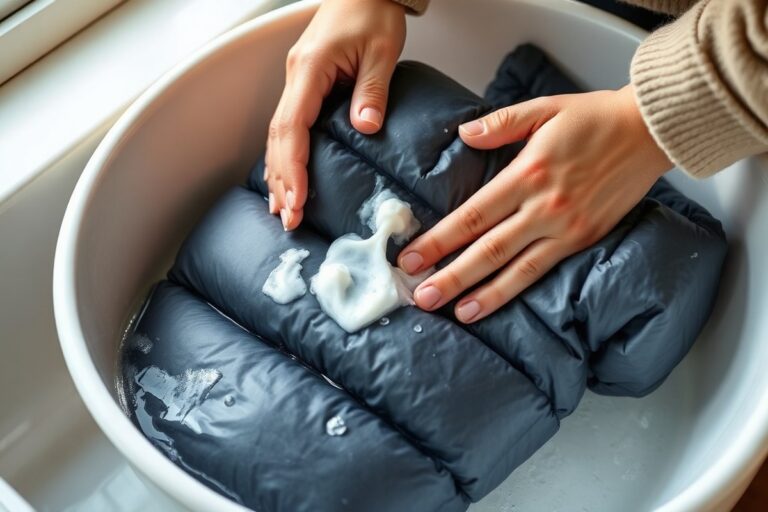
Relaxing the fibers in shrunken clothes starts with a soak that softens the material. Lukewarm water combined with small amounts of conditioner or shampoo helps loosen the fibers without harsh chemicals. This process targets mostly cotton and synthetic fabrics, which respond better than natural wools or cashmere.
- Fill a clean sink or basin with lukewarm water, around 80 to 90°F (27 to 32°C).
- Add 1 to 2 tablespoons (15 to 30 mL) of hair conditioner or baby shampoo and stir to mix thoroughly.
- Submerge the shrunken garment fully in the water, making sure it’s soaked evenly.
- Let the item soak for approximately 30 minutes to allow the fibers to relax.
- Gently press the garment under water occasionally to encourage saturation without wringing or twisting.
This soaking method loosens the tension in the fabric’s fibers, which is necessary before attempting to reshape shrunken clothes. Avoid hot water to prevent further shrinkage or fiber damage.
Gently Stretching and Reshaping Garments
After soaking, carefully stretching the garment helps re-expand the fabric closer to its original size. Stretching must be slow and controlled to avoid tearing or distorting the fabric’s shape. The best results often come from cotton blends and some synthetic fibers.
- Remove the garment from the soaking water and gently squeeze out excess moisture without wringing.
- Lay the garment flat on a clean, dry towel.
- Fold the towel over the item and press lightly to absorb additional water.
- Place the damp garment on another dry towel or a flat surface where it can be stretched.
- Gently pull the fabric in areas where it has shrunk, such as sleeves or torso, stretching evenly and slowly.
- Check dimensions frequently by comparing to a similar garment or pre-shrink size reference.
Stretching works best on moderately shrunken clothes and garments without intricate structure or embellishments. Avoid forceful pulls that might snap fibers or cause misshaped spots.
Drying Clothes After Reshaping
Proper drying supports maintaining the new stretched shape. Air drying flat helps the fabric set without returning to its shrunken form or developing unwanted creases. Avoid heat, which reverses your work and can increase shrinkage.
- Keep the reshaped garment flat on a dry towel or drying rack to retain stretched dimensions.
- Allow the clothing to air dry completely away from direct sunlight or heat sources.
- If needed, reshape gently during drying as fabric continues to set.
Patience during air drying is critical, since premature wringing or heat drying can undo progress made from soaking and stretching.
Limitations of Unshrinking Methods
The soaking and stretching approach cannot fully restore all shrunken clothes. Some fabrics, like wool, cashmere, or heavily felted items, resist fiber relaxation and can become damaged if handled incorrectly. These types may require professional cleaning or replacement.
Repeated soaking and stretching risks weakening fabric integrity, potentially causing wear or holes over time. Therefore, prevention through proper washing and drying remains the most reliable way to avoid shrinkage issues.
Good results usually mean regaining most, but not all, of the lost size on cotton or synthetic blends. Expect only partial recovery and exercise caution to protect the garment’s lifespan.
7. Ironing, Storing, and Handling Clothes to Maintain Size
Ironing itself does not cause clothes to shrink if done properly. The key factor is controlling the heat. Using the iron’s low to medium heat setting tailored to the fabric type helps smooth wrinkles and preserve the garment’s shape without shrinking it. High heat can tighten fibers, especially on natural fabrics like cotton, leading to unwanted shrinkage. Always check the garment label for recommended ironing temperatures and use the steam function cautiously, as excessive moisture combined with high heat can also contribute to shrinking.
Proper storage plays an important role in maintaining your clothes’ size and shape. Hanging clothes on wide, padded hangers supports the garment evenly and prevents stretching or deformation that might seem like shrinking over time. For knitwear or delicate fabrics prone to shape loss, folding and storing them flat in a drawer avoids stretching from gravity. Avoid stuffing clothes tightly in a closet since compressed fabrics can develop creases and compress fibers, which reduces the fabric’s loft and makes it appear smaller.
Handling clothes gently during laundry and daily use helps preserve their size. Avoid wringing or twisting wet clothes, as this can distort fibers. Instead, gently press excess water out or roll garments in a clean towel to absorb moisture without aggressive force. When putting on or removing clothes, pulling slowly and evenly helps maintain the fibers’ alignment and elasticity. These steps prevent fabric contraction that often results from stress and pressure on the fibers.
Using heat from ironing can be safe if you follow a few guidelines. Set the iron temperature appropriate for the fabric: about 300°F (149°C) for cotton and linen, and lower for synthetic blends. Allow the iron plate enough time to heat thoroughly so it presses smoothly without needing repeated passes that increase heat exposure. Use a pressing cloth between the iron and garment to prevent direct contact, especially with delicate materials, which helps protect the fabric while still ironing out wrinkles. Checklist for maintaining size with ironing, storage, and handling:
1. Always check the fabric care label for ironing temperature and follow those recommendations.
2. Use a low to medium heat setting on the iron and apply steam sparingly.
3. Use a pressing cloth for sensitive fabrics to avoid direct heat damage.
4. Hang clothes on wide, padded hangers or fold flat as appropriate for the fabric type.
5. Avoid overcrowding clothes in your closet to prevent compression.
6. Handle wet clothes gently, no wringing or twisting; press or roll instead.
7. Pull clothes on and off carefully to maintain fiber integrity.
Following these steps takes only a few extra minutes but pays off by keeping your garments closer to their original size and shape. Skipping them risks fabric distortion, shrinking, or irreversible damage that shrinks your favorite clothes without the need for water or washers. This approach helps your wardrobe hold up well over months and years with minimal size loss.
8. Choosing Clothing and Laundry Products to Reduce Shrinkage
Pre-shrunk garments reduce the chance of shrinking but aren’t fully shrink-proof. These clothes undergo treatments to limit fabric contraction, yet some minor size changes can still happen after washing. Look for “pre-shrunk” labels when buying cotton or blended fabrics if you want less risk of size loss, but always follow washing instructions carefully to maintain the fit.
Fabrics less prone to shrinking include polyester, nylon, and other synthetic fibers because they resist water absorption and heat-driven contraction. Cotton, wool, and rayon tend to shrink more due to their natural fibers’ reaction to moisture and heat. Choosing garments made from shrink-resistant synthetic blends or pre-treated fabrics helps keep your clothes the size you expect.
Choosing detergents also matters. Use mild, liquid detergents formulated for delicate fabrics or labeled as color-safe. Harsh detergents or powder formulas can roughen fibers and increase shrinkage risk. Some detergents include fabric softeners or conditioners that help fibers stay flexible and resist shrinking during washing and drying.
Dry cleaning can effectively prevent shrinkage because it uses chemicals instead of water, avoiding fabric swelling and contraction. While dry cleaning costs more, often $5 to $20 per item, it’s a good choice for delicate or high-value clothing that shrinks easily. However, not all clothes require dry cleaning, so verify garment care tags. Use the following table as a decision guide to picking clothes and laundry products that reduce shrinking:
| Item | Best Choice to Prevent Shrinkage | Reason | Typical Cost |
|---|---|---|---|
| Garment fabric | Pre-shrunk cotton or synthetic blends | Pre-shrunk reduces unseen shrinking; synthetic fibers resist water-driven shrink | Varies; often slight premium ($2-$5 more per item) |
| Fabric type | Polyester, nylon, acrylic | Low water absorption and heat contraction | Comparable to normal fabric costs |
| Laundry detergent | Mild, liquid, fabric conditioner included | Prevents fiber damage which leads to shrinkage | $10-$15 per bottle (32 oz) |
| Laundry method | Dry cleaning for delicate or special fabrics | No water exposure; prevents fabric swelling | $5-$20 per item |
To select pre-shrunk clothing, check the label carefully and prefer brands that specify pre-shrunk or “shrink-resist” finishes. Opt for blends with at least 30% synthetic fibers for better size stability. When buying detergents, pick those designed for sensitive fabrics or woolens, and add a fabric softener if possible.
Always verify garment care instructions before dry cleaning; some items are not suitable and require special handling.
Step-by-Step Action Plan to Prevent Clothes from Shrinking
Follow these steps each time you do laundry to keep your clothes fitting like new and protect the fabric from shrinking.
- Before You Start: Sort clothes by fabric type, focusing on those prone to shrinkage like cotton and wool. This helps you choose the right temperature and wash cycle.
- Day of Laundry: Read and follow the care labels on each garment carefully. Confirm the recommended water temperature, wash setting, and drying instructions before washing.
- During Washing: Select cold water and a gentle wash cycle to reduce heat and friction, which cause shrinking. Check clothes midway if your washer allows to prevent overwashing.
- After Washing: Avoid the dryer heat by opting for air-drying or drying flat, especially for delicate and shrink-prone fabrics. Clothes should feel dry or slightly damp before removing from the drying area.
- After Drying: Gently reshape clothes while damp if they look misshapen or stiff to maintain original size and fit.
- Weekly: Iron clothes on a low heat setting when needed, following fabric guidelines. This can help relax fibers and prevent further shrinkage.
- Monthly Check: Review your laundry product choices and replace harsh detergents with mild options designed for delicate fabrics. This reduces fiber damage over time.
Frequently Asked Questions
Can Fabric Shrinkage Be Reversed Once It Happens?
Some shrinkage can be reversed by gently stretching damp clothes back into shape during air drying, though results vary by fabric type. Acting quickly after washing helps improve chances of restoring size.
Is It Better to Wash Clothes Inside Out to Prevent Shrinking?
Washing clothes inside out doesn’t prevent shrinking but can reduce wear on fabrics, helping maintain overall garment condition. The main factor remains water temperature and drying method.
How Does Soaking Clothes Before Washing Affect Shrinkage?
Soaking clothes before washing doesn’t significantly prevent shrinkage but can help loosen dirt and reduce wash time, potentially minimizing agitation. Cold water soaking is safer for shrink-prone fabrics.
Can Using Fabric Softener Reduce Clothes Shrinking?
Fabric softeners do not prevent shrinking but can make fibers feel softer and reduce static cling. Shrinkage depends more on temperature and drying conditions than on fabric softener use.
Is Line Drying Better Than Using a Drying Rack Indoors for Preventing Shrinkage?
Both line drying outdoors and using an indoor drying rack avoid heat that causes shrinking. Choose based on space and weather; air flow helps clothes dry evenly in either setup.
Does Washing Clothes More Frequently Increase Shrinkage Risk?
Frequent washing can increase wear and stress on fibers, raising shrinkage risk over time. Using gentle cycles, cold water, and proper drying slows this process.
The Bottom Line
Preventing clothes from shrinking means treating fabrics with care during washing and drying. Pay attention to fabric types, stay within recommended temperatures, and handle garments gently after washing. Start with following care labels closely on your next laundry day to protect your clothes’ size and quality.