How to Make White Clothes Whiter: 8 Effective Methods That Really Work
To make white clothes whiter, soak them in a whitening solution like diluted bleach or hydrogen peroxide, then wash with detergent in cool water. Choose the right method for your fabric type and pre-treat stubborn stains to brighten whites safely and effectively.
This advice is for anyone wanting brighter white clothing without damaging fabric. You’ll learn practical ways to remove yellowing, prevent discoloration, and maintain whiteness through safe soaking, washing, and drying techniques.
Key Takeaways
- Soak yellowed whites for at least 30 minutes or overnight for tough stains to restore brightness effectively.
- Add 3/4 cup of chlorine bleach only to 100% cotton whites during the wash cycle for the best whitening results.
- Use 1/2 cup baking soda per normal white load as a safe, household whitener to boost brightness.
- Hydrogen peroxide works well on dark stains like blood or ink and is safe for most white fabrics.
- Avoid washing whites with colored clothes, red garments especially cause dulling over time.
- For stubborn dullness, soak whites for 3, 4 hours or overnight in warm water and whitening agents.
1. Best Ways to Make White Clothes Whiter Safely

The most effective and safe way to make white clothes whiter starts with understanding the fabric type and following the care label instructions closely. Chlorine bleach is powerful for cotton and durable white fabrics, but it must be used carefully and only on whites to avoid damage or discoloration. Add about 3/4 cup of chlorine bleach to the wash water after the detergent has dissolved, then add the clothes. Avoid pouring bleach directly on fabric and never mix it with ammonia or other cleaners. Bleach tackles tough stains by breaking down colored compounds, making whites visibly brighter in one wash. However, repeated use can weaken fibers, so limit bleach use to heavily soiled items and fabrics that can withstand it.
Oxygen-based bleach or whitening boosters offer a gentler option, working well on most washable whites. These contain hydrogen peroxide compounds that remove stains by releasing oxygen molecules, which safely lift discoloration without harming most fabrics. Add 1 to 2 scoops of oxygen bleach or boosters directly with your laundry. They are effective in warm water and can be used regularly for everyday whitening without the fabric damage risks posed by chlorine bleach. This method suits synthetic blends, delicate cottons, and even polyester blends.
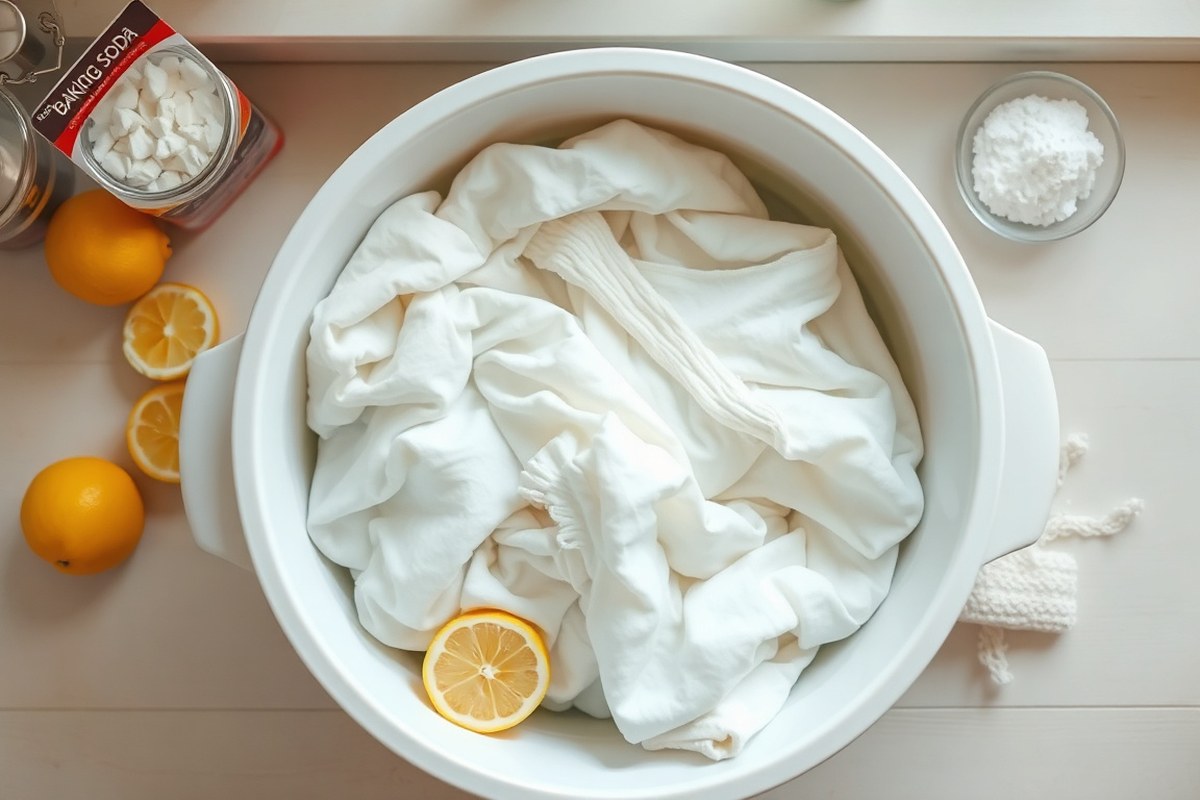
Natural whitening agents like baking soda, lemon juice, and distilled white vinegar provide a safe and inexpensive way to brighten white clothes without harsh chemicals. Baking soda can be added at 1 cup per load to neutralize odors and gently lift dirt. Lemon juice or 1 cup of vinegar added during the wash cycle act as natural bleaches due to their mild acidity and can help remove yellowing or dinginess. These ingredients shine best when used on moderately soiled clothes and combined with enzyme-based detergents designed for stain removal. Soaking white garments in 1/2 to 1 cup of baking soda dissolved in a gallon of warm water for 30 minutes before washing helps tackle yellowed or dull fabrics.
Each whitening method works best under certain conditions. Chlorine bleach is suited for durable cottons and whites needing strong stain removal. Oxygen-based boosters suit regular loads and mixed fabric types, offering routine whitening and stain lifting. Natural agents are excellent for regular maintenance, protecting fabric longevity and avoiding chemical wear. Always match the method to the fabric type and staining level by checking the care label for compatible water temperatures and wash cycles. Start with gentler options to protect your clothes and reach for chlorine bleach only when fabric durability allows and stains demand stronger treatment.
2. Choosing the Right Whitening Method for Fabric Types
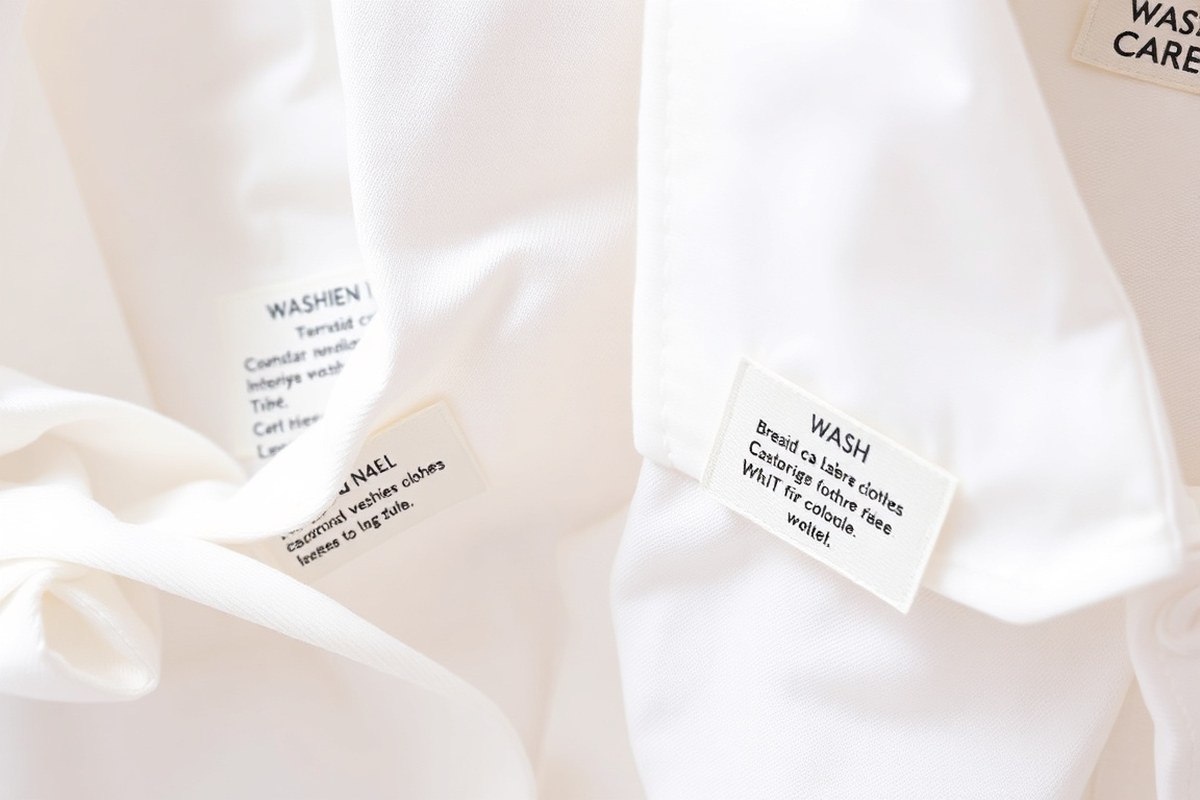
Choosing the right whitening method depends on your fabric type to avoid damage and get the best results. Cotton fabrics can usually handle more aggressive treatments like chlorine bleach, but synthetic and delicate blends need gentler options to maintain their integrity. Using chlorine bleach on fabrics like silk, wool, or spandex can weaken fibers, cause yellowing, or create holes. Instead, oxygen-based whiteners are safer alternatives for these materials, and lukewarm or cold water prevents shrinking in sensitive fabrics such as linen.
Knowing the water temperature to use is also important. Hot water improve whitening on cotton but can harm delicate fibers, making cooler water the safer choice for synthetics and blends. For stubborn stains on pure cotton, soaking overnight in hot water with oxygen bleach often restores brightness without harsh chemicals. Delicate fabrics benefit from milder treatments like lemon juice, baking soda, or specialized color-safe stain removers.
| Fabric Type | Compatible Whitening Agents | Recommended Water Temperature | Notes |
|---|---|---|---|
| 100% Cotton | Chlorine bleach, oxygen-based whitener | Hot (120, 140°F) | Chlorine bleach safely restores white; hot water improves effectiveness |
| Synthetics (polyester, nylon) | Oxygen-based whitener, baking soda | Lukewarm or cold (below 100°F) | Chlorine bleach risks damage and discoloration |
| Delicates (silk, wool, spandex) | Oxygen-based whitener, lemon juice, color-safe removers | Cold (below 80°F) | Avoid chlorine bleach; use mild agents and gentle cycles |
| Linen | Oxygen-based whitener | Cold | Hot water can cause shrinkage; soak in cold water instead |
| Blends (cotton/polyester, cotton/spandex) | Oxygen-based whitener, baking soda | Lukewarm | Chlorine bleach may harm spandex parts; safer to avoid |
Follow a simple checklist to choose your whitening method:
- Identify the fabric: Check the garment label for fiber content.
- Decide on bleach use: Use chlorine bleach only on 100% cotton.
- For mixed or delicate fabrics, select oxygen-based whiteners or gentle natural options like lemon juice.
- Adjust water temperature accordingly, hot for cotton, colder for synthetics and delicates.
- Avoid harsh chemicals on silk, wool, or spandex to prevent damage.
- Always test a small hidden area when trying new whitening methods.
Never apply chlorine bleach directly to delicates or fabrics with spandex, as it can cause permanent damage and discoloration.
Costs vary between products. Chlorine bleach is inexpensive but risky on certain fabrics. Oxygen-based whiteners, often priced from $10 to $20 for a box or bottle, protect fabric while being effective. Natural agents like baking soda and lemon juice cost just a few dollars but may need longer soaking or repeated treatments. Expect good results when following fabric-specific guidelines: whites should brighten without weakening fibers or shrinking garments.
3. Preparing and Pre-Treating White Clothes Effectively
Preparing and pre-treating white clothes properly is key to achieving brighter whites without damaging fabrics. Treat stains before washing, soak clothes long enough to loosen stubborn discolorations, and choose the right water temperature based on the type of stain and fabric. Taking these steps improves whitening outcomes and protects your clothes.
Effective Stain Pre-Treatment Options
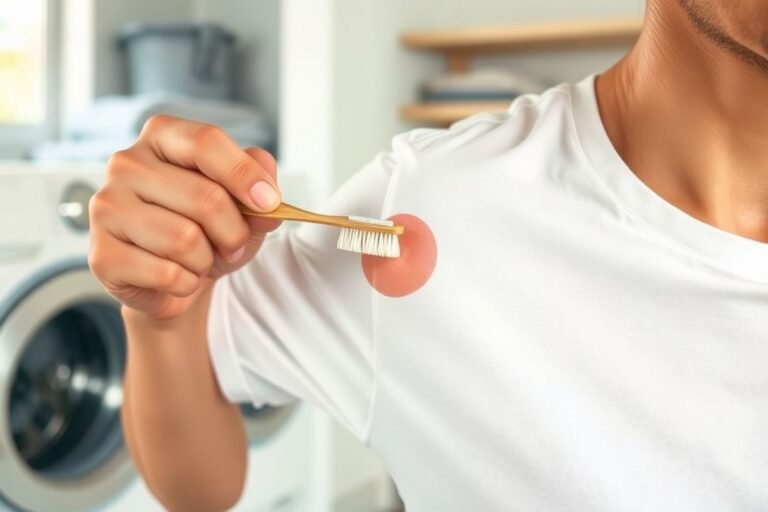
Addressing stains before washing prevents them from setting and reduces the need for harsh chemicals later. Different stains require targeted treatments to lift discoloration effectively. For example, blood or ink stains respond well to hydrogen peroxide, while baking soda works as a gentle abrasive for grime or sweat marks. Here are steps to pre-treat stains on white clothes:
- Identify the stain type to select the appropriate agent (e.g., baking soda paste for general stains, hydrogen peroxide for blood or ink, vinegar solution for sweat).
- Create a baking soda paste by mixing 3 tablespoons of baking soda with one tablespoon of water until thick.
- Apply the paste directly onto the stain and let it sit for 30 minutes to break down grime and discoloration.
- For stubborn stains, spray a 1:1 solution of vinegar and water lightly over the affected area and allow it to rest for 30 minutes.
- Use a small amount of non-chlorine bleach or peroxide to soak fresh stains completely, then let the item sit in a solution overnight if severe.
- Rinse treated areas with cool water before proceeding to wash.
Pre-treating with these methods costs only a few cents per use and takes under an hour but greatly improves stain removal and fabric preservation.
Optimal Soaking Durations for Whitening
Soaking white clothes softens stains and opens fabric fibers to allow whitening agents to work better. The soaking duration should match the stain severity to maximize brightness without damaging fabric. Use these soaking time guidelines:
- Light stains or general brightening: soak for 1 hour in a solution of water mixed with oxygen-based bleach or detergent.
- Moderate stains or yellowing: soak for 2 to 4 hours using the same solution.
- Persistent sweat or yellow stains: soak overnight (8 hours) for best results, especially when using chlorine bleach diluted properly (e.g., 2 tablespoons bleach per gallon of water).
After soaking, discard the soaking solution and wash the clothes using detergent and a recommended water temperature. Avoid over-soaking delicate fabrics to prevent weakening the fibers.
Selecting Water Temperature for Best Results
Choosing the right water temperature helps remove stains and preserve fabric. Hot water effectively dissolves oils and removes sweat stains, but it may shrink or fade some materials. Cold water prevents stains from setting and is safer for fragile clothes. Follow these tips for temperature selection:
- Use hot water (130°F to 140°F) for cotton whites stained with sweat or dirt, as it dissolves these residues well.
- Wash delicate whites or synthetic blends in cold water (below 80°F) to avoid damage or shrinking.
- If bleaching, prefer cool or cold water when using oxygen-based bleaches to avoid degrading the active ingredients.
- Always check clothing care labels for temperature recommendations and follow local guidelines.
4. Using Common Household Ingredients to Brighten Whites
Natural household ingredients like lemon juice, vinegar, baking soda, and hydrogen peroxide can brighten white clothes safely and effectively. These items work mainly through mild acids, gentle bleaching agents, or fabric-softening properties, making them solid alternatives to harsh chemical bleaches. Using precise amounts and following application tips ensures you avoid fabric damage while boosting whiteness.
Lemon Juice’s Mild Acid Boosts Brightness
Lemon juice contains citric acid, which helps break down dulling residues and mineral deposits on fabrics. Adding about 1/4 to 1/2 cup of lemon juice to your wash can lighten mildly discolored whites. For tougher areas, create a paste mixing lemon juice with salt and rub it onto stains before washing. Do not expect lemon juice to remove heavy stains but it brightens whites by reducing yellowing and grime buildup.
Use cold water washes when applying lemon juice to preserve fabric quality. Avoid soaking for too long as excess acidity might weaken delicate fibers. Lemon juice works best combined with your regular detergent to maintain fabric softness and whiteness without bleaching risks.
Vinegar Softens Fabric and Removes Yellowing
White vinegar’s acetic acid brightens clothes by breaking down detergent residues and mineral deposits, which cause dullness or yellowing. Add 1 cup of white vinegar to the final rinse cycle after washing whites as usual with detergent. This technique also helps neutralize odors safely.
Avoid mixing vinegar directly with baking soda during the wash cycle since they neutralize each other, reducing effectiveness. Vinegar does not bleach fabric but removes yellow tints caused by overexposure to sunlight or sweat buildup. Use vinegar for a natural brightness boost and fabric softening.
Baking Soda Lifts Dirt and Brightens Whites
Baking soda is a gentle alkali that softens water and helps lift stains and odors from fabric. Adding 1/2 cup of baking soda to a regular load of whites along with detergent boosts cleaning power and restores brightness. It is especially effective on dull clothes suffering from sweat, deodorant stains, or light surface discoloration.
For pre-treatment, make a paste of baking soda and water, apply it directly onto stains, let sit 15 to 30 minutes, then wash as usual. Baking soda is safe on most fabric types but avoid overuse on delicate fabrics to prevent weakening fibers. It works well combined with hydrogen peroxide for an extra whitening effect.
Hydrogen Peroxide Offers Safe Oxygen Bleaching
Hydrogen peroxide at a 3% concentration acts as a mild, oxygen-based bleach that brightens white fabrics without the harsh effects of chlorine bleach. Adding 1 cup of hydrogen peroxide to your wash alongside detergent can whiten yellowed or dingy clothes safely. It breaks down stains and prevents dullness from building up.
This method suits many cotton, polyester, and synthetic blends. Do not use higher concentrations or mix hydrogen peroxide with vinegar directly, as it can create harmful byproducts. Hydrogen peroxide is a good choice for those seeking bleach alternatives but want stronger whitening power than acidic household items.
Combining and Applying Natural Whiteners Safely
Choose one natural whitener per wash cycle to avoid neutralizing effects, never mix baking soda and vinegar directly in the wash. For routine brightening, add baking soda with detergent during the wash cycle and vinegar in the rinse cycle for softened, bright whites. Lemon juice or hydrogen peroxide can replace vinegar in the rinse or be added during the wash depending on fabric tolerance.
Use cold water for washing to protect fabric fibers and maximise the effectiveness of these natural whiteners. Pre-treat stubborn stains with a lemon juice and salt paste or baking soda paste before washing. The cost of these natural ingredients is minimal, making them affordable options to maintain and brighten white clothes regularly without fabric damage or chemical exposure.
5. How to Use Bleach and Oxygen-Based Boosters Correctly
Chlorine bleach and oxygen-based whiteners serve different purposes and have unique care requirements. Chlorine bleach contains sodium hypochlorite, a strong whitening and disinfecting agent commonly found in powdered dishwasher detergents. It can quickly remove tough stains and brighten white natural fibers but is harsh and can damage some fabrics or trims. Oxygen-based boosters, like OxiClean or borax, use hydrogen peroxide derivatives to lift stains gently without weakening fabric fibers. They are safer for a broader range of whites and colored stitching but may take longer to show results.
Choosing between these products depends on your clothing’s material, care instructions, and presence of colored trims. Chlorine bleach is only suitable for whites that explicitly allow it on the care tag. It should never be applied to garments with colored stitching, embroidery, or synthetic fabrics that can yellow or weaken.
| Bleach Type | Active Ingredient | Whitening Strength | Suitable Fabrics | Use Frequency | Typical Cost | Special Precautions |
|---|---|---|---|---|---|---|
| Chlorine Bleach | Sodium Hypochlorite | High | White cotton, linen (check label) | Once a month for routine brightening | $1 – $3 per quart | Do not use on colored trims; avoid mixing with ammonia |
| Oxygen-Based Boosters | Hydrogen Peroxide Compounds | Moderate | White and colored whites, delicate fabrics | Every wash or as needed | $5 – $10 per 2 lb container | Follow package dosages; requires warm water for best results |
To use chlorine bleach correctly, dilute 3/4 cup bleach for a typical full washer load of whites in a gallon of water. Always pre-dilute bleach before adding clothes, never pour bleach directly onto fabric. Use bleach only on whites without colored designs or delicate trim. Oxygen-based boosters mix directly with detergent according to the directions, usually 1 scoop per load, and work best with warm water between 90°F and 140°F. Both products should be used with gloves and in a well-ventilated area.
Never mix chlorine bleach with ammonia or vinegar; dangerous gases can form instantly.
Apply chlorine bleach no more than once a month on regularly washed whites to restore brightness without overusing it. For routine freshness, oxygen-based boosters are safer and can be used more often. Watch for faded or yellowing areas, which indicate overbleaching or unsafe fabric treatment. Proper use preserves fabric strength and colour, keeping your whites bright without damage.
6. Drying and Post-Wash Tips to Maintain Whiteness
Drying white clothes in natural sunlight can gently brighten the fabric by breaking down residual stains and dullness left after washing. Ultraviolet rays act as a mild natural whitener without the harshness of chemical bleaches. However, direct sun exposure should be balanced, as prolonged drying can weaken fibers and cause yellowing, especially in thin or delicate fabrics.
Maintaining the whiteness of your clothing after each wash depends heavily on proper drying techniques and careful handling. If outdoors drying is not an option due to weather or location, using a dryer on a low heat setting can preserve brightness while preventing damage. Avoid mixing white laundry with colored items during the drying process to keep whites from dulling.
- Hang white clothes outside on a dry, sunny day for 2 to 4 hours to benefit from natural brightening
- Turn garments inside out to protect fabric from overexposure and fading
- Use a clothesline or drying rack that supports airflow to help clothes dry evenly and reduce mildew risk
- Choose low heat or air-dry settings on your dryer if sun drying isn’t possible
- Remove clothes promptly once dry to prevent wrinkles and fabric strain
- Store white garments in a cool, dark place to avoid yellowing over time
- Add ½ cup distilled white vinegar to the rinse cycle during washing to help maintain brightness before drying
Preventing yellowing after washing involves avoiding fabric softeners, which can leave residues that dull whites, and regularly cleaning your washing machine to remove detergent buildup. Pay attention to water temperature; warm or cold water washes are generally safer for preserving fabric fibers and colors than hot water, which can accelerate fabric aging. Keep white pieces out of plastic bags or tightly sealed containers to allow the fabric to breathe and reduce moisture buildup that contributes to discoloration.
7. Common Whitening Mistakes and How to Fix Them
Common mistakes often reduce the whiteness of your clothes, but you can fix most of them with simple adjustments. One frequent error is overusing bleach. Repeated exposure breaks down fabric fibers, leading to yellowing and weakening. To avoid this, limit bleach use to once every few washes and dilute it according to the label, typically ¾ cup per gallon of water. This helps maintain brightness without damaging the fabric.
Mixing whitening agents without care also causes problems. Never combine chlorine bleach with ammonia or vinegar, as this releases harmful fumes. Instead, use one whitening agent at a time and rinse thoroughly before switching products. Oxygen-based boosters work well alongside detergent but should not be used with chlorine bleach directly.
Other common whitening mistakes include washing whites with colored items, using water that is too cold or too hot, and neglecting to treat stains promptly. Whites wash best in warm water, between 90°F and 110°F, which helps dissolve detergent better and remove soil without setting stains. Washing in cold water may save energy but can leave whites dingy if detergent doesn’t fully activate.
- Don’t wash whites and colors together, always separate loads.
- Use warm water for washing whites rather than cold or hot water.
- Apply stain removers or pre-treat spots before washing.
- Limit bleach use to avoid fabric damage and yellowing.
- Use oxygen-based boosters with detergent, not together with chlorine bleach.
- Rinse thoroughly between different whitening treatments.
- Avoid combining bleach with vinegar or ammonia due to toxic fumes.
When you spot dullness or yellowing, soaking whites in an oxygen bleach solution for several hours can restore brightness safely. Follow package instructions for the soak duration, usually 1 to 6 hours. Drying whites in direct sunlight also naturally whitens and breaks down residues. Avoid fabric softeners that may leave a film, dulling whites over time.
Fixing whitening mistakes involves careful laundry habits and respecting fabric care instructions. Cost-wise, limiting bleach use and relying on oxygen boosters or household alternatives like baking soda can save money and extend clothing life. White clothes that stay vibrant show a crisp, bright appearance without gray or yellow tint and feel sturdy rather than worn out or thin.
8. Spot Treatments and When to Seek Professional Help
Effective spot treatments remove stains before washing, preventing them from setting and dulling your white clothes. Quick brightening methods can restore dingy fabric without extra effort. Professional laundry care suits persistent stains, delicate fabrics, or when consistent whiteness matters most.
Spot Treatment Techniques for Common Stains
Treating stains promptly is essential to keep white clothes bright. Different stains need tailored approaches, always aligned with the garment’s care label to avoid damage. Follow these steps for common stain types:
- Identify the stain type to select the right treatment, protein-based stains (blood, sweat), oil-based (grease, makeup), or tannin (coffee, tea).
- Blot fresh stains gently with a clean, damp cloth to lift excess material without spreading it further.
- Pre-treat with detergent powders containing optical brighteners directly on the stain, rubbing gently to penetrate fabric fibers.
- Apply spot treatment solution, such as a mixture of water and oxygen-based bleach or a paste of baking soda and water for protein stains, leaving it on for 10 to 15 minutes.
- Rinse the treated area with cold water before washing to remove residue and loosened stain particles.
- Check the stain before drying, as heat can set it; repeat spot treatment if necessary.
Always test any spot treatment on a hidden fabric section to verify colourfastness before applying it to visible areas.
Quick Home Remedies for Yellowed White Clothes
Yellowing often results from body oils, sweat, or aging of fabric. You can brighten whites between washes without bleach using simple household ingredients. Try these quick fixes:
- Mix ½ cup baking soda with your regular detergent to boost cleaning power and deodorize fabrics.
- Soak yellowed whites for 30 minutes in a warm water solution with ½ cup Borax added directly to the water, not the detergent dispenser.
- Use lemon juice diluted with water as a natural brightener during the rinse cycle or as a spot treatment on yellow stains.
Avoid overcrowding the washing machine to allow these remedies to work effectively and ensure thorough rinsing.
When to Consult a Laundry Professional
Professional laundry services are advisable in certain situations where home care might not deliver the best results or risks damaging fabric. Consider professional care if:
- The stains persist after multiple home treatments or involve grease, ink, or dye transfer.
- Your white clothes are made from delicate or expensive fabrics requiring special handling beyond standard washing.
- You need consistent, high-quality whitening easily, such as for uniforms or frequent wear items.
- You prefer the convenience of expert care with doorstep pick-up and drop-off, saving time and effort.
Professional cleaners use fabric-friendly processes and advanced techniques that can restore whiteness without risking damage from harsh chemicals or incorrect methods.
Do not attempt aggressive stain removal on delicate fabrics yourself; a licensed professional’s expertise can prevent costly damage.
Step-by-Step Action Plan for Brighter Whites
Follow these clear steps to boost the whiteness of your clothes safely and see results quickly.
- Before You Start: Sort your whites from colors and check fabric care labels to avoid damage. This ensures you use the right whitening method for each item.
- Day 1: Pre-treat stains using a paste of baking soda and water or a commercial stain remover. You’ll know it worked if stains look lighter before washing.
- Day 1, Wash Cycle: Add oxygen-based bleach to your regular detergent and wash in warm water if fabric allows. Whites will appear noticeably brighter after drying.
- After Washing: Dry whites in natural sunlight when possible. Sunlight helps naturally bleach fabrics, making them look cleaner and brighter.
- Week 1: For stubborn yellowing, soak clothes in a solution of water and oxygen bleach for several hours. The fabric should regain a whiter tone after this treatment.
- After Multiple Washes: Avoid chlorine bleach on delicate fabrics to prevent damage. Use oxygen-based boosters regularly for maintenance.
- Spot Check Weekly: Inspect white clothes for new stains early and treat promptly to keep them bright continuously.
Frequently Asked Questions
What Is the Safest Way to Whiten Clothes Without Using Bleach?
You can whiten clothes safely by soaking them in a solution of baking soda or lemon juice. Baking soda brightens and deodorizes, while lemon juice acts as a natural bleach alternative. Both are mild and work well for most fabric types without risk of damage.
How Long Should I Soak Yellowed White Clothes to Brighten Them?
Soak yellowed white clothes for at least 30 minutes to help lift stains. Longer soaking times improve whitening, especially when combined with natural agents like lemon juice or baking soda for better results.
Can Optical Brighteners in Detergent Keep Whites Looking Whiter?
Yes, detergents with optical brighteners help make white clothes appear whiter by reflecting blue light. Using the right powder with these brighteners during regular washing maintains a crisp look over time.
Why Should I Avoid Mixing White and Red Clothes When Washing?
Red clothes can discolor white garments, leading to buildup and dullness over time. Washing whites separately helps prevent minor color transfer and keeps your whites brighter longer.
How Much Vinegar or Lemon Juice Should I Add to the Rinse Cycle for Whitening?
Add 1/4 cup of vinegar or strained lemon juice in the final rinse cycle to brighten white clothes naturally. This approach gently lifts minor stains without using strong chemicals.
When Is It Better to Choose Professional Cleaning for Whitening Clothes?
Professional cleaning is best for stubborn stains or delicate fabrics that home whitening methods might damage. They use specialized treatments that can restore whiteness without harming the material.
Before You Go
Making your white clothes whiter relies on careful pretreating, choosing the right whitening agent, and proper drying. Acting on small stains quickly and using oxygen-based products helps maintain brightness without harming fabrics. Start today by sorting your whites and trying a pre-treatment on your most stained items. This simple step begins the process of keeping your whites looking fresh and clean for longer.