Can You Dry Whites with Colors? What Actually Works to Prevent Bleeding
You generally should not dry whites with colors together because colors can bleed and transfer in the dryer, staining your white clothes. Keeping whites and colors separate during drying helps preserve fabric brightness and prevents discoloration. This advice is for homeowners and renters who want to protect their laundry while saving time.
Knowing how heat and fabric types affect color transfer will help you choose the best drying methods. You’ll learn effective dryer settings, preparation steps, and how to handle accidental color transfer, so your whites stay bright and your colors stay true.
Key Takeaways
- Dry whites and colors separately to avoid bleeding and color transfer in the dryer.
- Set the dryer to low heat (around 125°F) on a gentle cycle for whites to prevent discoloration.
- Use medium heat (around 135°F) on a regular cycle for light-colored clothes to balance drying and color safety.
- Avoid mixing fabric types when drying, as delicate fibers and towels dry differently and risk damage or lint transfer.
- Prepare laundry by removing excess water with towels to speed drying and reduce heat exposure on clothes. Color bleeding requires soaking stained whites in a stain-removal solution for at least eight hours before rewashing.
- Using wool dryer balls can reduce drying time by up to 50% and help keep fabrics fluffy without chemicals.
- Using wool dryer balls can reduce drying time by up to 50% and help keep fabrics fluffy without chemicals.
Can You Safely Dry Whites with Colors Together?

Yes, you can dry whites and colors together in the dryer, but it depends on certain factors to avoid damaging your clothes. Unlike washing, drying uses heat and air instead of water, which means the risk of color transfer is much lower. However, heat can still reactivate dyes and cause some color bleeding, especially from new or non-colorfast garments. The key to safely drying whites with colors is ensuring that all items are thoroughly washed and colorfast before combining them in a drying load.
Start by assessing whether your colored clothes are pre-washed and have held their color well in previous laundry cycles. Washing colors several times without any fading or bleeding suggests the dye is set and you can dry them with whites safely. Avoid drying new colored clothes with whites until you have washed them separately at least three or four times, which helps remove excess dye that could stain lighter fabrics when heated.
Choosing the right dryer settings also plays a role. Using a medium heat setting rather than high heat reduces the chance that dyes will reactivate and transfer. Most modern dryers have a permanent press or cotton setting that balances effective drying with moderate temperatures. Avoid over-drying or very high heat cycles, especially with mixed colors and whites in the same load.
Another factor is fabric type and condition. Older, worn clothes may release small amounts of dye under heat, so separate any article that shows fading or color loss. Keep in mind that certain colors, like red or navy, are notorious for bleeding and should never be dried with whites. When you notice any dye bleeding during the wash, drying that item separately is the safest choice. By following these guidelines, you protect your white clothes from discoloration while saving time and energy by drying mixed loads.
Drying whites and colors together works best when you consider the history of the garments, their condition, and your dryer’s temperature controls. Brands like Whirlpool advise separating whites and colors during drying because heat can increase dye transfer risk, but with well-washed and colorfast items, drying them together can be a practical choice. This approach helps streamline laundry without ruining your whites or causing faded colors.
Why Colors Bleed or Transfer in the Dryer

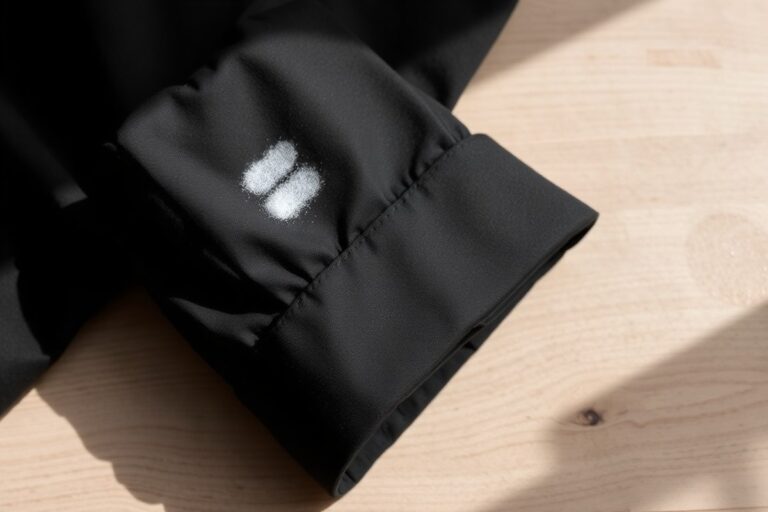
Color bleeding or transfer in the dryer happens mainly because some dyes in fabric are unstable or not fully fixed. When exposed to the heat of a dryer, these dyes can release pigment, which then sticks to nearby fabrics. Unlike washing, where water allows loose dyes to move freely, drying relies on heat to potentially activate residual or unstable dyes. This process is more about releasing color through heat than dissolving dyes, so it creates solid patches, streaks, or even a dull tint on whites.
Heat plays a critical role in causing color transfer during drying. Most dryers operate at temperatures from around 125°F up to 160°F or higher. High heat can break down the bond between dye molecules and fabric fibers, especially in new clothes or those with poor dye fixatives. As a result, unstable dyes release more easily, leading to direct bleeding that appears as solid color patches or faint tints on white garments. Using low or medium heat settings (around 125°F) reduces this risk because it limits the heat energy that can destabilize dyes.
Dye migration can also occur when damp colored fabrics rub against whites inside the dryer drum. The tumbling action causes these damp fabrics to press and move, transferring small amounts of dye to adjacent items. This type of transfer usually shows as blurred lines or streaks, different from the solid spots caused by direct bleeding. Residual tinting happens when dyes that were not fully rinsed out remain on clothing, and heat then causes them to leave a dull gray or yellowish cast on whites.
Different dyes react differently under dryer heat. Reacted or poorly fixed dyes from cotton or synthetic blends are more likely to bleed, especially if the clothing is new or hasn’t been washed several times. Natural dyes sometimes hold better but can still react under high heat if not properly fixed during manufacturing. Fabrics with heat-sensitive dyes may fade or lose color if dried on high heat, which damages the garment’s appearance and increases the chance of transfer to other items.
Color transfer in the dryer differs from washing because water dissolves and spreads dye, while dryer heat mobilizes dyes by breaking bonds within the fabric. Washing in cold water helps prevent dye release, but dry heat can still cause dye molecules to move or deposit on other fabrics, particularly if colors are new or dark. Removing color stains from whites after drying is tougher, so preventing transfer by controlling temperature and sorting often matters most.
Run your dryer on a low heat setting (about 125°F) when mixing fabrics to lower the chance of color bleeding and reduce the risk of heat damage to clothing.
Fabric Types and Colors Most at Risk When Mixed
Fabrics and colors that tend to bleed or pick up lint during drying usually belong to specific categories influenced by fabric weight, dye type, and wear stage. New colored clothes have a higher chance of releasing dye because they haven’t been washed enough to remove excess color. This risk is especially significant with bright, vibrant colors that can stain white fabrics while both are still damp in the dryer. Cotton garments are more prone to bleeding compared to some synthetics, so they require careful sorting.
Fabric weight and texture play a key role in drying compatibility. Heavier fabrics like denim and towels create more friction, which can cause lint shedding and increase the likelihood of dye transfer. Light fabrics, such as silk or thin synthetics, absorb colors and lint easily from heavier items, making them vulnerable to staining. Medium-weight fabrics like T-shirts and linens have moderate dye stability and wear characteristics, so grouping by these categories helps minimize issues. Here’s a table summarizing fabric weight groups, common examples, and why sorting by these categories matters:
| Fabric Weight | Examples | Why Sort This Way? |
|---|---|---|
| Heavy | Denim, towels, hoodies | High friction; prone to shedding lint and dye. |
| Medium | T-shirts, chinos, linens | Standard wear; moderate dye stability. |
| Light | Silk, lingerie, thin synthetics | Highly absorbent; easily stained by heavier items. |
Heavy lint shedders like towels and fleece should be dried separately from smooth white fabrics to prevent lint transfer and discoloration. Cleaning the lint trap between loads further reduces cross-contamination. Towels and activewear often carry this risk, so drying them apart from whites and delicate fabrics is best. Baby clothes, even whites, can be dried with adult items if fabric types and heat settings match, helping avoid unnecessary wear without compromising color safety.
To reduce bleeding risks, wash new colored fabrics several times before including them with whites in the dryer. Testing colorfastness with the soapy water blot test, a white paper towel pressed on wet fabric to check for dye transfer, helps identify risky items. Use the lowest heat setting possible for delicate or bleeding-prone clothes to minimize dye transfer and fabric damage during drying. If your colors have been washed repeatedly and show no bleeding, mixing them cautiously with whites by fabric type is safer but still demands vigilance.
Best Dryer Settings to Prevent Color Transfer
To reduce the risk of color transfer when drying whites with colors, use medium heat around 135°F and select a gentle or regular drying cycle. Avoid high heat and over-drying, which can set dye transfer and damage fabrics. Keep loads moderate in size to allow proper tumbling and airflow for even drying.
Optimal Temperature Settings for Mixed Loads
Medium heat, approximately 135°F, is the safest setting for drying mixed loads with whites and colors. This temperature is warm enough to dry clothes efficiently but low enough to prevent dyes from bleeding or transferring onto lighter fabrics. High heat can cause colors to fade faster and increase the likelihood of dye transfer, especially for newer or deeply saturated garments, so avoid using the high or maximum heat settings.
For lightly worn or faded clothes, medium heat is usually safe, but for brand-new or vividly colored items, consider drying them separately on low heat or air-dry options. Staying below 140°F minimizes fabric damage and color issues, which also helps extend garment life.
Choosing the Right Drying Cycle
Select a drying cycle that balances gentle handling and adequate drying time. Regular or mixed-load cycles often include programmed pauses and tumbles to reduce friction, a factor that can cause color crocking or bleeding. Gentle cycles further reduce agitation, protecting delicate fabrics and colors but might leave clothes slightly damp.
Some modern dryers feature a “mix” cycle designed specifically for loads containing both whites and colors. These cycles use controlled tumbling and lower heat levels to prevent excess dye transfer and pilling. Using this cycle, when available, is a useful option especially if you must dry mixed loads.
Load Size and Dryer Efficiency Tips
Limiting the load size helps clothes tumble freely and dry evenly, which reduces overheating localized on certain areas that can prompt color bleeding or fabric damage. Overcrowded dryers increase drying times and the risk of wrinkling and dye transfer.
- Use medium-sized loads to ensure enough space for tumbling
- Add dryer balls to improve airflow and decrease drying time by up to 50%
- Avoid mixing brand-new or deeply saturated colors with whites
- Consider adding color-catcher sheets to absorb loose dyes in the dryer
- Check garment care tags and follow dryer instructions specific to fabric types
Drying efficiency improves if you separate heavily soiled or thick items like towels from lighter fabrics. This not only protects colors but also prevents overdrying lightweight clothes.
Partial Drying and Air-Drying Options
Stopping your dryer before clothes are completely dry can reduce heat exposure time. Partial drying followed by air-drying allows sensitive whites and colors to finish drying without risking dye transfer or fabric shrinkage. This method is particularly useful for mixed loads with delicate or high-risk items.
Air-drying items that are prone to color bleeding or shrinkage after a partial dry cycle also helps maintain fabric integrity and brightness. Use a drying rack or hang clothes in a well-ventilated area indoors or outside in indirect sunlight.
How to Prepare Whites and Colors for Mixed Drying
You need to prepare whites and colors carefully before drying them together to avoid damage and color transfer. Checking colorfastness, using protective products, sorting by fabric type, and maintaining your dryer help lower risks. Taking these steps makes mixed drying safer and can save time.
Testing Colorfastness Before Drying
Check if colored clothes bleed by testing colorfastness before drying with whites. Take a damp white cloth and press it onto a hidden part of the colored fabric. If the cloth shows color after a few seconds, the item is not colorfast and shouldn’t be dried together with whites.
Another method is to run colored items through a short wash cycle by themselves and inspect them for loose dye. Avoid drying any garment that loses color when wet or recently dyed. This step matters because dye can transfer in the dryer, especially when heat activates loose pigments.
Using Color Catchers and Protective Products
Color catcher sheets are available at many stores and help trap loose dyes in the wash and during drying. Adding one to your dryer helps reduce color transfer risks when drying whites with colors.
Also, washing clothes with a laundry detergent designed to lock in colors minimizes bleeding in both wash and dry cycles. Fabric softeners or dryer balls won’t prevent color transfer but can improve overall drying by reducing static. A simple checklist for preparation includes:
- Use color catcher sheets in the dryer
- Wash clothes in cold water with color-protecting detergent
- Avoid drying new colored clothes with whites until tested
- Turn items inside out to protect surfaces
- Separate heavily dyed fabrics or items labeled “bleed”
- Avoid drying large loads that overcrowd the dryer
Following these tips helps maintain whites’ brightness while allowing some mixed drying convenience.
Sorting by Fabric Weight and Texture
Group clothes by similar fabric weights and textures before mixing whites and colors in the dryer. Heavy cotton towels or denim take longer to dry and can over-dry or damage delicate whites if dried together. Lighter fabrics like thin cotton shirts and synthetic blends work better together.
Drying a load made up of comparable material types means the dryer can use uniform heat and tumbling patterns, reducing friction that causes wear and potential bleeding. For example, drying all cotton t-shirts together is safer than mixing cotton, nylon, and terry cloth in one load. This extra step avoids shrinking or damage to delicate whites and reduces color fading caused by uneven drying temperatures.
Shaking and Cleaning Lint Traps
Shake out your clothes before putting them in the dryer. This separates fabrics and reduces bunching, allowing warm air to circulate evenly. Thinking of lint, clean your dryer’s lint trap before each use to improve airflow and drying efficiency. Lint buildup can trap dye particles and transfer them to other clothes.
Maintaining a clean lint trap also prevents longer drying times, which can increase the risk of colors bleeding onto whites due to prolonged heat exposure. After removing lint, wipe the trap slot with a damp cloth to remove fine particles that contribute to dye transfer.
Always clean your dryer’s lint trap before every load to reduce dye transfer and keep your clothes safe.
Steps to Take If Color Transfer Happens in the Dryer
When you see color transfer on your whites after drying, act quickly to prevent permanent stains. Stains that set in the dryer can be much harder to remove, so stopping the process and treating the items properly increases your chances of restoring whites to their original brightness.
Immediate Actions to Stop Setting the Stain
Once you spot color transfer, avoid putting the affected clothing into the dryer again until treatment is complete. Heat from the dryer sets dye stains, making them nearly impossible to remove with standard washing. Instead, remove the garments and rinse them under cold running water to flush out as much dye as possible.
Next, air dry the clothes if you need to store them before treatment. Avoid using hot water or heat sources at this stage, since heat can fix the dye into the fabric permanently. Prompt action is critical to ensure the stain doesn’t worsen.
Pre-Soaking and Suitable Stain Removers
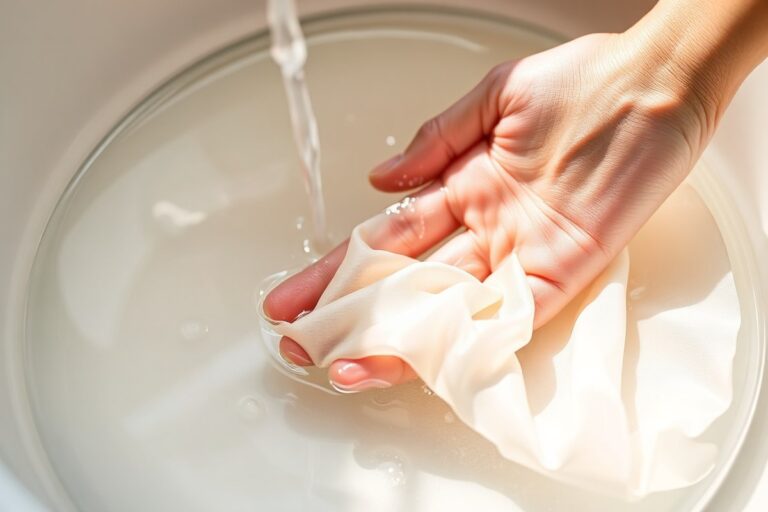
Pre-soaking your stained whites helps loosen and lift the migrated color molecules before washing. Fill a basin with cool water and add a color-safe stain remover or a specialized color remover product designed to extract dye without damaging fabric. Avoid using bleach on whites with dye transfer because bleach can yellow some fabrics and weaken fibers.
Soak the garments for at least 30 minutes, but not more than a few hours to prevent fabric wear. After soaking, gently rub the stained areas to work the remover deeper into the fibers. When stubborn lint or dye deposits cling to the fabric, a soft brush helps loosen particles without damaging clothes.
Proper Rewashing Techniques
Do not put the stained whites back into the dryer until you’re confident the stain is gone. Wash the items separately or with other whites using the hottest water temperature safe for the fabric, as indicated on care labels. Higher temperatures can help remove dye residues more effectively.
Use a heavy-duty detergent and consider adding a color-safe brightener or booster to help restore whiteness. After washing, inspect the items before drying. When a stain remains, repeat the pre-soak and wash steps. Only air dry until completely confident the stain is removed; drying in the machine at this stage can permanently set any residual dye.
- Remove the stained garment from the dryer immediately.
- Rinse under cold water to flush out loose dye molecules.
- Soak in cool water with a color remover or stain treatment product for 30 minutes to a few hours.
- Gently rub the stained areas and use a soft brush if needed to remove lint or color deposits.
- Wash on the hottest safe temperature for the fabric, separately from other clothing.
- Check for stains before drying; repeat treatment if necessary.
- Air dry until the stain is fully removed.
- Only machine dry once no dye transfer remains.
When to Seek Professional Help
Persistent dye stains that do not respond to home treatment may require professional cleaning. Dry cleaners have specialized solvents and techniques to remove dye stains without damaging fabric. Discuss the type of fabric and the stain specifics with the cleaner before handing over your garment.
Professional help is especially recommended for delicate fabrics, high-value items, or when you’re unsure about using stronger non-bleach chemicals safely at home. This step can save a favorite or expensive white garment from permanent damage.
Sorting Laundry by Fabric and Color for Better Drying
Sorting laundry by both fabric type and color before drying plays a key role in keeping your clothes safe and looking their best. Old and well-washed clothes tend to release fewer dyes than new garments. New clothes, especially those with strong or dark dyes, can still bleed color during drying and risk tinting lighter fabrics. Keeping new items separate from older ones reduces this risk. Fabric weight and texture also affect drying times and temperature tolerance. Heavy fabrics like denim or towels take longer to dry and need higher heat, while lightweight or synthetic fabrics dry faster and can be damaged by high temperatures.
When you mix fabrics with different drying needs in the same load, some items may be overdried while others remain damp. Overdried delicate fabrics can shrink or lose shape, and heavier fabrics might not dry completely, leading to mildew or odors. Sorting by both color and fabric type lets you choose the right dryer settings for each group, which protects your clothes and boosts drying efficiency.
- Separate laundry into whites and lights, brights, and darks for color safety.
- Group fabrics by weight and texture, keeping heavy, medium, and lightweight items apart.
- Set dryer temperatures based on the most delicate fabric in each load to avoid damage.
- Keep new clothes in a separate load until you confirm they don’t bleed color.
- Follow garment label instructions for proper drying temperature and cycle.
- Remove clothes promptly after drying to reduce wrinkling and prevent color transfer.
Streamlining your laundry routine can be as simple as sorting laundry into a few clearly marked hampers labeled for whites, colors, and fabrics like delicates or heavy duty. This upfront effort saves time during wash and dry cycles and lowers the chance of color mixing or fabric damage. Pay attention to labels on each garment and toss in only compatible clothes for each dryer load. This practice cuts down on re-washing or spot treatments that cost time and energy. You’ll see your whites stay bright, colors stay true, and fabrics maintain their shape and softness longer by following this double sorting system.
Special Laundry Cases: Delicates, Towels, and Activewear
Drying towels, activewear, and baby clothes with whites and colors involves careful choices because these fabrics have different needs. Towels are typically thick and heavy, so they take longer to dry than light clothing like t-shirts or dress shirts. Mixing heavy towels with lighter whites or colored clothes can lead to uneven drying, where some items stay damp while others overdry and shrink or wear out faster.
For towels, it’s best to dry them separately from delicate whites and colors. Towels can handle a higher heat setting, usually medium to high on most dryers, which helps reduce drying time and keeps them fluffy. Whites and more delicate fabrics like baby clothes or thin activewear should use a lower heat setting or an air-dry cycle. Drying all these together can cause damage, such as shrinking delicate items or causing baby clothes and activewear colors to fade or transfer.
Baby clothes often need extra caution because their fabrics are softer and can be prone to damage or shrinkage from heat. Washing and drying them on gentle cycles with mild detergents is common advice. For drying, use a low heat or a no-heat air-fluff cycle to protect fabric integrity. You should use partial drying when drying towels with whites or colors to reduce the risk of damage. Put the entire load in the dryer on low heat for about 10 to 15 minutes, enough to remove excess moisture but not to fully dry. Then remove baby clothes or delicates and hang them up to air-dry fully. This method avoids heat damage and potential color transfer.
Activewear is often made with moisture-wicking or synthetic fabrics that don’t tolerate high dryer heat well. High temperatures may degrade the elastic fibers, affecting fit and performance. It’s better to dry activewear on low heat or no heat settings, and not mixed in loads with heavy towels or rough fabrics that could cause pilling or wear. Mixing activewear with whites or colored items also risks dye transfer if any colored item releases pigment.
Delicate fabrics such as lace, silk blends, or fine cottons are safest when air-dried or dried separately on a low heat and short cycle. Putting delicate whites and colors in a mixed heavy load exposes them to more abrasion and heat stress, increasing the risk of damage, shrinking, and color bleeding.
Partial drying on low heat for about 10 minutes, then air-drying delicates or baby clothes separately, helps avoid shrinkage and color transfer when drying mixed loads.
Drying towels, activewear, and baby clothes alongside white or colored garments usually isn’t a good idea. Towels need higher heat and dry slower, while baby clothes and activewear require gentler handling to avoid shrinkage and fading. Separating loads by fabric type and drying method often takes only a few extra minutes but protects your clothes and extends their lifespan.
Step-by-Step Action Plan for Drying Whites with Colors Safely
Follow these steps to reduce the risk of color transfer and protect your clothes when drying whites with colors together.
- Before You Start: Separate your laundry by fabric type and colorfastness. Test colors for bleeding by dampening a corner and blotting with a white cloth; no color transfer means safer drying together.
- During Washing: Use cold water and a gentle detergent designed to prevent color fading. Check that whites and colors come out clean and free of excess dye.
- Before Drying: Shake out garments to reduce clumping, then set the dryer to a low or medium heat with a short cycle to minimize tumbling and friction.
- Right Away: Add a color catcher sheet to the dryer to trap any loose dyes that might transfer.
- During Drying: Remove clothes promptly as soon as the cycle is done to avoid over-drying and reduce static that can attract color particles.
- After Drying: Inspect whites for any signs of color transfer. If you see discoloration, treat immediately with a color-safe stain remover before rewashing.
- Every Week: Clean your dryer lint trap and wipe the drum to remove any residual dyes that could transfer to future loads.
Frequently Asked Questions
What Clothes Not to Put in the Dryer?
Avoid drying delicate fabrics, items with embellishments, and anything labeled “air dry” to prevent damage or shrinkage. These materials can weaken or shrink under high heat.
What Color Do Clothes Turn When Bleached?
Clothes usually turn yellow or have a rusty tint when bleached because bleach can weaken fibers and cause discoloration. Test a small hidden area before using bleach on whites.
How Do You Get Dye Transfer Out of White Clothes?
Treat dye transfer promptly by soaking whites in oxygen-based bleach or a color remover designed for laundry. Avoid putting them in the dryer until the stain is gone to prevent heat setting.
Do You Really Need to Separate Colors When Doing Laundry?
Separating colors reduces the risk of dye bleeding onto lighter clothes, especially with new, dark, or red items. Proper sorting helps maintain the brightness and longevity of fabrics.
Can Drying Whites with Colors Cause Fading?
Yes, drying whites with unwashed or new colors may cause fading or color transfer, damaging the brightness of whites. Always check the colorfastness of clothes before mixing them.
Is It Safe to Mix Towels with Colored Clothes in the Dryer?
It’s better to dry towels separately because their heavy fabric and lint can stick to colored clothes and increase drying time. Separate loads keep clothes cleaner and dry more evenly.
Before You Go
Drying whites with colors can be done safely by taking precautions to limit dye transfer and protect fabric types. Start by sorting carefully, choosing appropriate dryer settings, and using products like color catchers. Test your procedures on a small load to feel confident before drying larger mixed loads.