Can You Put on Clouds in the Washing Machine? Complete Care & Washing Guide
On Clouds may be machine washed carefully to prevent harm. Select a cold, gentle cycle with a water temperature no higher than 86°F. Use a mild liquid detergent and take out the laces and insoles beforehand. Put the shoes inside a dual-compartment mesh laundry bag, and toss in several light-colored towels to provide padding during the wash.
This advice is for On Cloud shoe owners seeking a safe cleaning method without risking their footwear’s material or shape. Following these steps helps you maintain your shoes’ performance and look while minimizing the chances of adhesive melting or fabric distortion.
Key Takeaways
- Remove laces and insoles before machine washing your On Clouds to ensure a thorough, safe clean.
- Use a cold, delicate cycle with water temperatures not exceeding 86°F to protect shoe adhesives.
- Place your shoes in a mesh laundry bag to reduce friction and potential damage inside the washing machine.
- Add 2 to 3 clean, light-colored towels in the drum to balance the load and prevent bouncing.
- Use mild liquid detergent specifically designed for delicate fabrics to avoid harsh chemicals on your shoes.
- Allow 24 to 48 hours for your shoes to air dry fully, depending on humidity levels.
Can You Safely Put on Cloud Shoes in the Washing Machine?
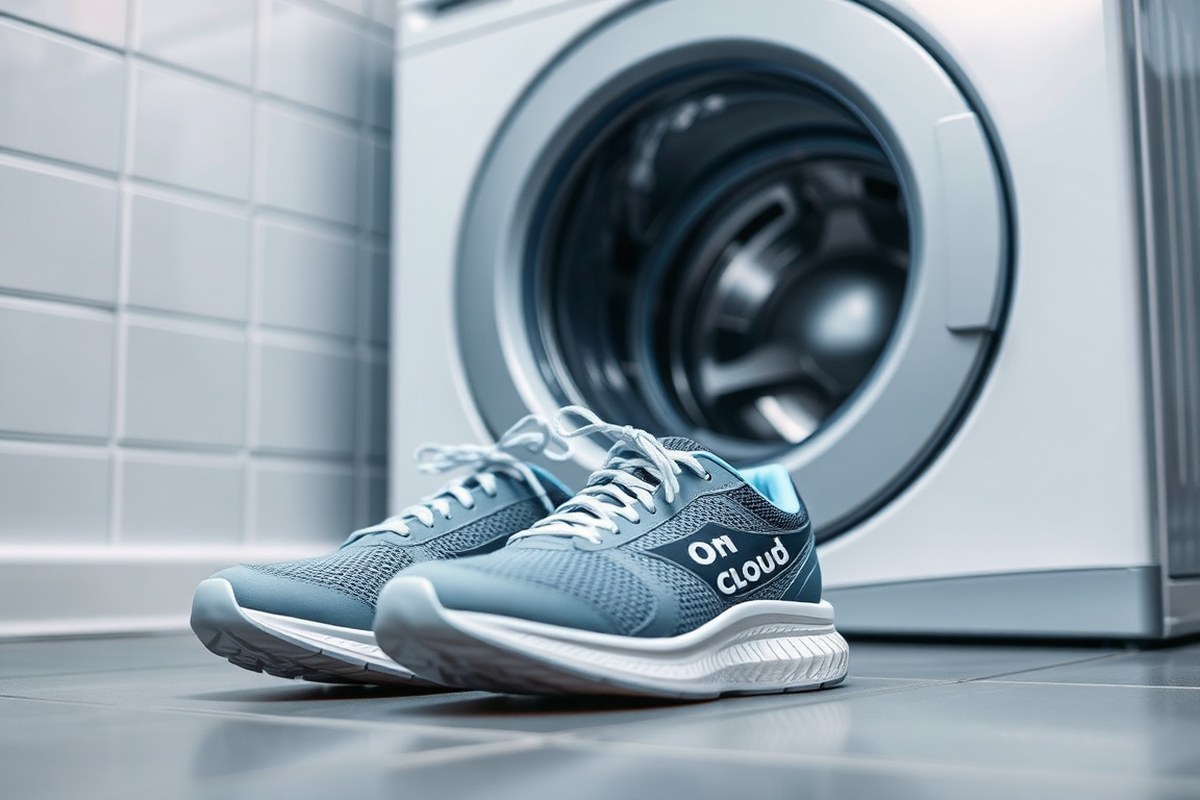
Your On Cloud shoes can be machine washed, but you need to be cautious to avoid damage. The delicate fabric and inner padding can be affected by strong wash cycles and high temperatures, potentially reducing their durability and performance. First, check the care instructions on the label inside the shoes, as some models advise against machine washing.
Machine washing On Clouds can pose risks such as deforming the shoe structure, weakening glue bonds, and wearing down the sole’s cushioning. The agitation in the drum combined with harsh detergent and water heat may cause these issues. Also, repeated machine washing can shorten the shoe’s durability and cushioning response, limiting the shoe’s effectiveness over time.
To safely machine wash your On Clouds, avoid aggressive wash cycles and never use hot water. Opt for a gentle or delicate cycle with cold water to minimize mechanical and thermal stress. Remove excess dirt before washing to lessen wear and tear. Place the shoes inside a mesh laundry bag to protect them and balance the load by washing with lightweight clothing like socks or workout gear. Use a mild detergent free of bleach or fabric softeners, which can harm materials.
Do not machine wash your shoes if they have significant damage, heavy mud buildup, or delicate materials that the care label warns against washing in the machine. In those cases, hand washing is a safer alternative. Frequent machine washing is also not recommended as a routine cleaning method; occasional use is acceptable but regular reliance on washing machines will degrade the shoes faster.
Your washing machine must be clean and free of residual grime or odors before washing the shoes to avoid clogging the drainage pump. After washing, avoid using a dryer; let the shoes air dry naturally at room temperature, away from heat sources to prevent warping or gluing failures. Following these precautions allows you to machine wash your On Clouds without severely compromising their performance and longevity.
How on Cloud Shoes’ Materials React to Machine Washing
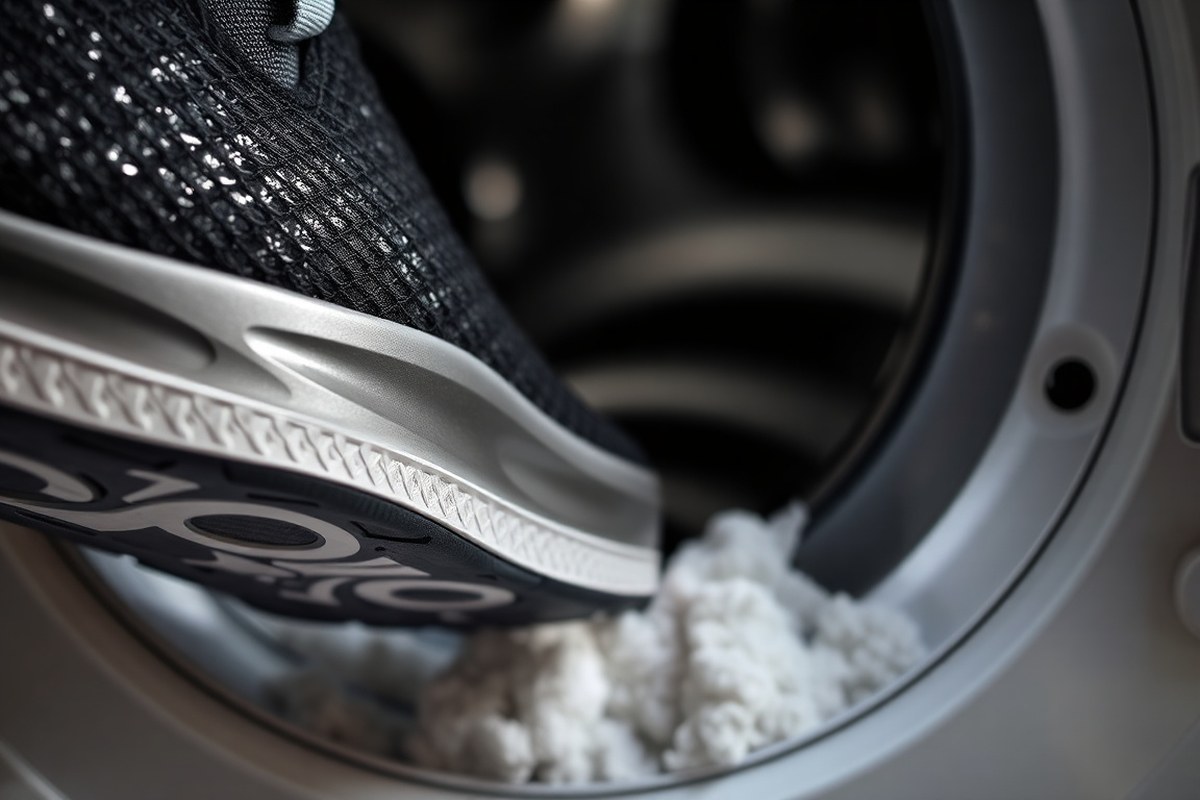
On Cloud shoes feature advanced materials like proprietary foam midsoles, breathable mesh uppers, and specialized adhesives that require careful handling during washing. The midsoles are designed for cushioning and responsiveness but are vulnerable to the harsh agitation typically found in washing machines. Excessive mechanical stress can cause these foam components to break down or compress, reducing their support and longevity. The adhesives that bond different parts of the shoe may also weaken when exposed to high temperatures or strong detergents, potentially leading to delamination or parts coming loose.
The mesh material on On Cloud shoes is lightweight and breathable, which helps keep your feet cool and dry during runs. However, this mesh can deform or tear under aggressive washing machine cycles. Using a cold wash cycle set no higher than 30 degrees Celsius (86 degrees Fahrenheit) minimizes the risk of heat damage to the fabric and adhesives. High temperatures accelerate material degradation, so keeping the laundry cycle cool is essential for maintaining the shoe’s shape and structural integrity.
The type and amount of detergent used also play a critical role in how well the shoes survive machine washing. Mild liquid detergents without bleach or optical brighteners are best suited to protect the mesh and foam. Strong detergents or bleach-based products can strip the foam midsoles and degrade adhesives faster, shortening the overall lifespan of your shoes. Using the minimum effective detergent dose reduces residue buildup inside the shoe materials, which can affect breathability and cause stiffness.
Putting your On Clouds in a dedicated mesh laundry bag before running them through a gentle wash cycle protects them from direct contact with the drum, reducing mechanical stress. Avoid using fabric softeners or dryer sheets as they leave residues harmful to foam and mesh. After washing, always air dry your shoes at room temperature, away from direct sunlight or heat sources, to prevent warping of midsoles and weakening of glue bonds.
Use cold water and a mild liquid detergent in a mesh laundry bag to minimize damage to the foam midsoles and adhesives when machine washing your On Cloud shoes.
Preparing Your on Clouds for Machine Washing
Preparing your On Cloud shoes for machine washing involves removing certain parts, treating dirty spots, and protecting the shoes during the wash cycle. These steps keep your shoes from damage and help achieve a thorough cleaning.
Remove Insoles and Laces
Always take the insoles and laces out before placing your On Clouds in the washing machine. Removing them prevents these components from getting twisted, stretched, or damaged during the wash. It also allows you to clean the insoles and laces separately, ensuring better overall hygiene.
Take time to inspect the insoles for any wear or damage. If they are heavily soiled or causing odor, consider hand washing them with a mild detergent or replacing them.
Pre-Treat Stubborn Stains
Before washing, it’s important to address any dirt or stains on your shoes. Pretreating spots loosens dirt and increases the effectiveness of the washing cycle. Use a gentle stain remover or mild soap applied directly to the stains. Avoid harsh chemicals to protect the shoe’s materials.
Let the pretreatment sit for about 10 to 15 minutes, then lightly scrub the stained areas with a soft brush or cloth. This step helps lift grime without damaging the fabric.
Use Mesh Laundry Bags and Towels
Using a mesh laundry bag is recommended to shield your On Clouds from getting scratched or tangled with other laundry items. A bag also prevents the shoes from banging inside the washer, which might harm both the shoes and your machine.
Adding a few towels into the washing machine with your shoes provides cushioning. Use 2 to 3 bath towels to balance the load and reduce impact noise, especially if your washer lacks a gentle cycle.
- Remove the insoles from each shoe and set them aside for separate cleaning.
- Untie and remove the laces to wash them on their own or by hand.
- Brush off loose dirt and debris from the surface of the shoes with a soft shoe brush or cloth.
- Apply a mild soap or stain remover to any visible dirt or stains on the shoes.
- Wait 10 to 15 minutes for the pretreatment to work into the material.
- Lightly scrub stained areas using a soft-bristled brush or damp cloth.
- Place the shoes in a mesh laundry bag to protect them during the wash.
- Add 2 to 3 bath towels to the washing machine to cushion the load.
Selecting the Best Washing Machine Cycle and Detergent
Choose a gentle or delicate wash cycle with cold water to clean your On Cloud shoes safely. Use a mild liquid detergent to avoid damaging materials. Load your washing machine with a few items around the shoes to cushion the cycle and reduce impact.
Recommended Machine Cycles
Choose the gentle or delicate cycle on your washing machine because it runs slower agitation and shorter wash times, protecting the engineered mesh and Helion™ foam. High-speed spins might bend the internal TPU plates or harm the shoe’s CloudTec pods. Regular or heavy-duty cycles apply too much force, which can cause tears and misshape your shoes.
Using a mesh laundry bag adds protection by minimizing friction and preventing the shoes from banging against the washer drum. Activate the extra rinse feature on your machine to wash away detergent fully while avoiding rough agitation.
Safe Water Temperatures
Cold water, generally below 86°F (30°C), is ideal for washing On Cloud shoes. Heat can cause the EVA and Helion™ foam midsoles to break down through hydrolysis, weakening their cushioning. Washing with hot or warm water risks shrinking or warping these sensitive components. Cold water also helps maintain the shape and adhesion of the upper mesh materials.
Use cold water throughout the entire cycle, including rinsing, to prevent material stress. Machine presets labeled “cold wash” or manual temperature settings let you ensure this. Avoid water temperatures above 86°F since even slight increases can degrade synthetic fibers and adhesives in these shoes.
Detergents to Use and Avoid
Choose a mild, liquid surfactant detergent designed for delicate fabrics or activewear. These formulas clean effectively without harsh chemicals. Avoid bleach, as chlorine compounds can break down synthetic fibers and cause yellowing. Powder detergents may leave residue in mesh uppers, so liquid types are preferable.
Detergents free from optical brighteners and enzymes further reduce risk of material degradation. Use only the recommended amount on your detergent packaging or less, since overuse can leave buildup that damages cushioning foam and adhesives.
| Shoe Component | Dominant Material | Machine Safe? | Preferred Cleaning Agent | Drying Protocol |
|---|---|---|---|---|
| Engineered Mesh Upper | Recycled Polyester (rPET) | Yes (in mesh bag) | Mild liquid surfactant detergent | Air-dry away from direct UV |
| CloudTec® Midsole | EVA or Helion™ Foam | Yes (delicate cycle) | Dilute soapy water | Air-dry; absolutely no heat |
| Speedboard® | TPU / Pebax® Polymer | Risk of warping | Sponge wipe-down only | Air-dry |
| Sockliner / Insole | PU Foam + Polyester | No (delaminates) | Hand wash only | Air-dry |
This table highlights which parts of your On Cloud shoes can withstand a washing machine cycle and the types of cleaning agents to use. Following these recommendations helps keep your shoes functional and looking good longer. Avoid washing components like the Speedboard® and sockliner in the machine to prevent damage.
Common Washing Mistakes and How to Avoid Them
Using hot water or harsh detergents on your On Cloud shoes can cause serious damage. High temperatures soften adhesives and can warp the shoe’s structure, while strong detergents or bleach strip the materials, leading to discoloration and weakened fabric. To keep the shoe’s integrity, choose mild detergent and cold water when cleaning.
High spin speeds in the washing machine can also harm your shoes by squeezing and compressing the cushioning, which reduces comfort and performance. Spinning too fast stresses the delicate materials and can cause seams to come apart. Sticking to low or no spin settings is safer to prevent this damage.
Many people make the mistake of putting their On Clouds in the dryer after washing. Machine dryers expose shoes to heat and tumbling action that break down foam and synthetic materials. The dryer’s heat can cause shrinking, warping, or stiffening, ruining the shoe’s fit and feel. Air drying at room temperature is a better choice.
- Always use cold water and mild detergent without bleach or strong chemicals.
- Select the gentle cycle to minimize agitation and physical stress on your shoes.
- Use the lowest spin speed available or skip spinning altogether to protect cushioning and fabric.
- Remove insoles and laces before washing to prevent additional wear.
- Dry your shoes naturally by stuffing them with paper towels and leaving them in a ventilated area.
- Do not put your On Clouds in the dryer or near direct heat sources like radiators or heaters.
- Check the manufacturer’s cleaning recommendations, as some models may require hand washing.
Harsh chemicals and heat cause irreversible damage; always clean your clouds gently and dry them naturally to extend their life.
Following these precautions helps maintain the appearance, comfort, and performance of your On Cloud shoes. Attempting quick or intensive cleaning methods might save a bit of time but risks costly repairs or replacements. Taking a careful, mild approach preserves your investment and keeps your shoes working as intended for longer.
Hand Washing vs. Machine Washing on Cloud Shoes: What You Need to Know
Hand washing and machine washing On Cloud shoes offer different benefits and drawbacks, making each more suitable under certain conditions. Hand washing uses mild soap and water, which is gentler on materials and helps preserve the shoe’s shape and lifespan. Machine washing, typically done on a gentle or delicate cycle, provides more thorough cleaning but increases the risk of damaging the shoe’s structure or materials over time. Choose hand washing for regular maintenance or light dirt, and reserve machine washing for heavily soiled shoes that need a deeper clean.
The cleaning effectiveness of hand washing compares well with machine washing when done carefully. Hand washing allows you to target specific spots, use homemade cleaning solutions, and treat laces or insoles separately. This selective approach avoids unnecessary agitation and preserves the shoe’s look. Machine washing, while more convenient for overall grime, can lead to faster wear due to mechanical stress and exposure to water and detergent.
Knowing when to choose hand washing involves assessing how dirty your shoes are and how much time you have. For slight mud or surface dirt, hand washing with a soft brush or cloth will clean your shoes without risking damage. Machine washing suits cases where you need to clean deeply embedded dirt, but you should follow recommended machine settings carefully. Avoid machine drying, as air drying is essential to prevent weakening the shoes’ material.
| Aspect | Hand Washing | Machine Washing |
|---|---|---|
| Cleaning Method | Mild soap, water, soft brush or cloth | Gentle/delicate cycle, mild detergent |
| Time Required | 15-30 minutes per cleaning | 1-2 hours including cycle and handling |
| Drying Time | 24-48 hours air drying | 24-48 hours air drying recommended |
| Effect on Lifespan | Better preserves shoe materials and shape | Potential for faster material wear and shape loss |
| Cleaning Thoroughness | Good for targeted cleaning and light dirt | Better for deep cleaning heavily soiled shoes |
| Risk of Damage | Low when done gently | Higher due to agitation and water exposure |
| Cost | Minimal. Uses household soap, water, no electric cost | Electricity cost, possible wear on washing machine |
To get the best results, follow certain steps for each cleaning method. When washing by hand, use a soft brush or cloth with diluted mild soap in lukewarm water and gently scrub away dirt. Rinse them carefully without fully soaking the shoes. For machine washing, put shoes in a mesh laundry bag, run a gentle cold water cycle, and use a mild detergent or a homemade cleaner. Avoid using bleach or fabric softeners in both methods. After cleaning, let your shoes air dry in a ventilated spot, away from direct sunlight or heat, to keep their shape and materials intact.
Proper Drying Techniques and Timelines for on Cloud Shoes
Air drying your On Cloud shoes is the safest way to ensure they keep their shape and performance. Typically, it takes about 24 to 36 hours for them to dry completely at room temperature under normal humidity conditions. If you’re drying them in a humid environment or after washing them on a rainy day, expect drying times to extend to around 48 hours. High humidity slows down evaporation, which means your shoes will stay damp longer and risk developing unpleasant odors or mildew if not dried properly.
Avoid using machine dryers or applying direct heat sources like radiators or hair dryers. Heat can warp the foam soles, damage the fabric, and degrade adhesives, reducing your shoes’ lifespan and comfort. Instead, place your On Clouds in a well-ventilated area away from direct sunlight. Removing the insoles and loosening the laces can help air circulate more freely inside the shoe, speeding up drying. Stuffing the shoes lightly with dry paper towels or clean cloths can absorb excess moisture without putting pressure on the shape.
In drier climates, you may find your shoes ready to wear again in just one day. In contrast, if you live in a place with high humidity or limited airflow, plan for a two-day drying period. Indoor drying during winter may also take longer, so you can try positioning your shoes near a fan or an open window to increase airflow. Avoid enclosed spaces where moisture can build up, such as closets or sealed containers, since trapped humidity prolongs drying and may cause mold.
Proper drying is essential to maintain your On Clouds’ cushioning and fabric integrity. Shoes that are still damp can feel heavy and uncomfortable, and repeated exposure to moisture without adequate drying can lead to the breakdown of materials. Setting aside enough time and following these air-drying techniques will preserve the performance and extend the life of your running shoes without risking damage from heat or poor drying conditions.
Maintaining and Caring for Your on Clouds After Washing
Maintaining your On Cloud shoes after washing involves careful attention to cleaning insoles, managing how often you wash them, using alternatives to frequent washing, and storing them correctly to prevent wear and odor. Taking these steps helps extend your shoes’ life while keeping them fresh and comfortable.
Cleaning and Refreshing Insoles
Insoles should be removed and cleaned separately from the shoe to maintain freshness and hygiene. Roughly 30% of users find that separate insole cleaning significantly improves odor control and comfort. Hand wash insoles with mild soap and warm water (about 90°F or 32°C), scrubbing gently with a soft brush or cloth. Avoid soaking them for more than 10 minutes to prevent material damage or distortion. Allow insoles to air dry fully, ideally in a shaded, well-ventilated area, before placing them back in your shoes.
Cleaning insoles regularly, at least once every 2 to 3 washes of the shoes themselves, can reduce the buildup of sweat and bacteria, minimizing unpleasant odors and wear. For deeper refreshment, insoles that are particularly thin or worn out might need replacing rather than just cleaning.
Recommended Washing Frequency
Washing your On Clouds too often can weaken the shoe’s materials, especially the mesh upper and bonded cushioning. A practical recommendation is to machine wash them no more than every 4 to 6 weeks, depending on use and how dirty they get. Use gentle cycles and mild detergent, but saving washing for when shoes are clearly soiled helps maintain their structure and cushioning.
Between washes, spot-clean dirt or stains with a damp cloth and mild soap to reduce the need for full machine cycles. Avoid washing after every run or outing unless shoes have been heavily exposed to mud or odors. Keeping the washing frequency moderate also protects your washer from accumulating shoe debris and prolongs your machine’s life.
Alternatives to Frequent Washing
Cleaning sprays designed specifically for athletic shoes can serve as a convenient alternative when full washing isn’t necessary. These sprays usually contain disinfectants and odor neutralizers that help maintain freshness between washes. Apply sprays evenly over the interior and exterior surfaces and allow them to dry thoroughly before wearing.
Regularly wiping shoes with a microfiber cloth or using a soft brush to remove loose dirt can further extend time between washes. Using sneaker deodorizers, such as activated charcoal inserts or baking soda sachets, also controls moisture and odor without any risk to shoe materials.
Use cleaning sprays only as a supplement, not a replacement, for washing; they address surface odors but don’t remove embedded grime.
Proper Storage Tips
Storing your On Clouds in a cool, dry place with good airflow prevents moisture buildup and odor development. Avoid leaving them in damp, dark areas like gym bags or closets for long periods. Stuffing the shoes with clean, dry paper towels after use helps absorb residual moisture and retain their shape.
Rotate among multiple pairs of shoes when possible. This practice allows thorough drying time between wears, reducing stress on shoe materials and limiting odor growth. Avoid direct sunlight or heat sources like radiators during drying or storage, as high temperatures can warp soles and weaken adhesives.
Step-by-Step Action Plan for Washing Your on Cloud Shoes
Use this guide to carefully wash your On Cloud shoes in the washing machine while avoiding any harm.
- Before you start: Remove the insoles and laces from your shoes. Check for any loose dirt and brush it off gently to prevent clogging your machine.
- Prepare the shoes: Place your On Clouds in a mesh laundry bag to protect the materials and structure during the wash cycle.
- Choose the right detergent: Use a mild, liquid detergent without bleach or fabric softeners to avoid breaking down the shoe’s fabric and foam.
- Set the washing machine: Select a gentle cycle with cold water, ideally the delicate or hand-wash option, to minimize wear and shrinkage.
- After the cycle ends: Remove your shoes promptly and reshape them if needed. Avoid wringing or twisting the shoes.
- Dry properly: Stuff your shoes with clean, dry paper towels and let them air dry away from direct sunlight or heat sources for 24 to 48 hours.
- Reassemble: Once completely dry, put the insoles and laces back in. Wear your On Clouds and check they fit comfortably and look intact.
Frequently Asked Questions
Can You Put on Cloud Shoes in the Washing Machine?
Yes, you can put On Cloud shoes in the washing machine, but only on a gentle cycle with cold water and mild detergent to avoid damage. Avoid using bleach or fabric softeners as they can degrade the materials.
Will Machine Washing Damage the Cushioning of on Cloud Shoes?
Machine washing can weaken the cushioning over time if done frequently, so limit washing to when necessary and always use gentle cycles. Hand washing is safer for preserving the shoe’s cushioning.
Do I Need to Remove the Insoles Before Washing on Cloud Shoes?
It’s best to remove the insoles before washing to allow better cleaning and faster drying; this also helps maintain the shape and integrity of both the shoes and insoles.
Can I Use Regular Laundry Detergent on on Cloud Shoes in the Washing Machine?
Use a mild, liquid detergent free of bleach or additives. Harsh detergents can damage the shoe materials or cause colors to fade.
Is It Safe to Wash on Cloud Shoes in a Front-Load or Top-Load Washing Machine?
Both types can be used if you select a gentle cycle with cold water, but front-load machines tend to be gentler and cause less abrasion to the shoes.
How Often Can I Machine Wash My on Cloud Shoes Without Risking Damage?
Limit machine washing to when the shoes are heavily soiled. Frequent washing risks degrading the material and cushioning faster. Spot cleaning can reduce the need for full washes.
Before You Go
Putting On Cloud shoes in the washing machine can be safe if you follow careful preparation, washing, and drying instructions. Using a gentle cycle with cold water and proper drying prevents damage and helps your shoes stay comfortable and supportive. The best next step is to try this plan with your current pair and watch for any changes in shape or performance after washing.