Can You Put Tennis Shoes in the Washing Machine? A Complete Guide That Works
You can put many tennis shoes safely in the washing machine using a delicate cycle, but not all types. Canvas and mesh tennis shoes usually handle machine washing well, while leather or suede should never go in a washer. This advice is for anyone wanting a practical way to clean their tennis shoes without damaging them.
This guide explains which tennis shoes are safe for machine washing and how to prepare and wash them carefully. You will learn to avoid common mistakes and find alternatives for sensitive shoes that won’t do well in the machine.
Key Takeaways
- Use a delicate wash cycle lasting 45 to 60 minutes for machine-washing tennis shoes.
- Avoid machine washing leather and suede tennis shoes to prevent damage.
- Remove laces and inserts and secure shoes in a pillowcase or laundry bag before washing.
- Add extra padding like towels around shoes in the washer to reduce impact during the cycle.
- Air dry tennis shoes for 24 to 48 hours after washing without using a dryer.
- Soak sensitive tennis shoes in soapy water and clean by hand to avoid machine damage.
Can You Put Tennis Shoes in the Washing Machine Safely?
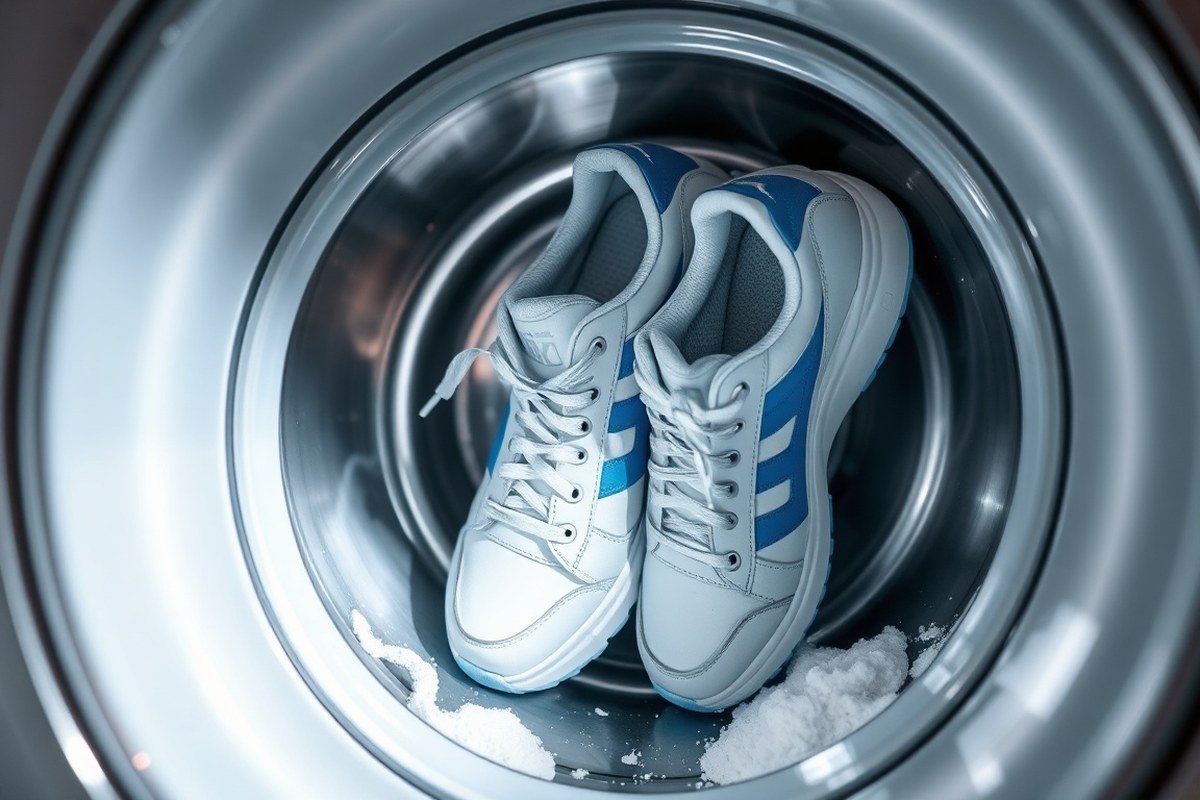
Yes, you can put many tennis shoes in the washing machine safely, but not all of them are suitable for machine washing. Tennis shoes made from materials like cotton, nylon, canvas, and polyester generally handle machine washing well. These fabrics tolerate water and agitation without losing shape or integrity, making them the best candidates for cleaning in a washing machine. Modern tennis shoes often come with design features that allow occasional machine washing, which can help maintain their appearance and hygiene.
On the other hand, tennis shoes constructed with leather or suede should never go in the washing machine. These materials can warp, crack, or discolor when exposed to water and detergent. Washing machines subject these shoes to harsher conditions that might cause permanent damage, so it’s better to avoid machine washing for them.
Washing tennis shoes in a machine presents risks, including potential damage from excessive agitation, shrinkage, color fading, and loss of shape. The tumbling action can also weaken glue or seams, especially after repeated washes. You might notice the soles separating or the fabric fraying if the shoes aren’t designed for machine washing. Also, combining shoes directly with other clothes can cause wear both to the shoes and to the clothes.
To minimize these risks, only machine wash tennis shoes that are confirmed to be machine washable by their material or manufacturer instructions. Place them in a laundry or pillowcase bag, securely sealed to reduce impact and abrasion inside the machine. Wash on a delicate or gentle cycle using cold water to protect the fabric and glue. Avoid using harsh detergents or bleach. Cleaning a pair usually takes about 45 minutes to an hour on such a cycle. Avoid high spin speeds that could distort the shoes.
Taking these precautions ensures you clean your tennis shoes effectively while limiting damage. Washing the shoes when lightly soiled rather than waiting for heavy dirt can reduce the number of wash cycles needed and extend their lifespan. Machine washing is convenient but not without tradeoffs, so weigh the benefits against potential wear on your specific shoes.
Which Tennis Shoes Are Safe to Machine Wash?

Machine washing tennis shoes depends largely on the materials used in their construction. Shoes made from fabric materials like canvas, nylon, cotton, and polyester typically tolerate machine washing well. They can withstand the agitation of the wash cycle and detergents without significant damage. These shoes are also often designed with removable insoles, which helps prevent odor buildup and allows thorough cleaning.
On the other hand, tennis shoes made from leather, suede, or any delicate materials should not go in the washing machine. Those materials can warp, shrink, or peel under the heat and movement of a wash cycle. Shoes with decorative embellishments or glued components are also risky to wash in a machine, as the parts may come loose or detach. For these, hand washing with gentle cleaners is safer. Knowing which tennis shoes are safe to wash and which are not is important to avoid costly damage. The table below summarizes the material types and their compatibility with machine washing, along with basic care recommendations:
| Material | Machine Wash Safe? | Recommended Care |
|---|---|---|
| Canvas | Yes | Remove insoles and laces; use gentle cycle in mesh bag |
| Nylon | Yes | Use gentle or regular cycle; place in mesh bag |
| Cotton | Yes | Remove insoles; gentle wash cycle with mild detergent |
| Polyester | Yes | Gentle wash cycle; use mesh bag to protect shoes |
| Leather | No | Hand clean with leather cleaner; avoid water saturation |
| Suede | No | Brush dirt off; avoid water; consider professional cleaning |
| Embellished or glued shoes | No | Spot clean only; avoid machine washing to prevent damage |
Always remove insoles and laces before machine washing to prevent damage and ensure better cleaning results.
The durability of fabric tennis shoes makes them good candidates for machine washing, but only if you use a gentle wash cycle and protect them inside a mesh bag. This reduces wear from agitation and prevents loose parts inside the machine. In contrast, leather and suede shoes tend to absorb water, which can cause staining, shrinking, or permanent damage. These materials require careful hand cleaning with specialty products.
Even for shoes that can go in the machine, avoid high temperatures and harsh detergents. Cold or warm water with mild detergent helps preserve the shoe structure. Using the wrong cycle or washing shoes made of delicate materials can lead to deformation or the sole detaching from the upper. Choosing the right cleaning method up front saves time and money in the long run.
Preparing Your Tennis Shoes for the Washing Machine
Preparing your tennis shoes for the washing machine involves removing loose parts, cleaning off excess dirt, protecting the shoes during the wash, and selecting the right detergent. These steps help achieve better cleaning results and prevent damage to both your shoes and the washing machine.
Remove Laces and Insoles
Always take out the laces and insoles before washing your tennis shoes. Removing laces stops them from tangling with other items or the machine’s agitator. Taking out the insoles allows both the shoes and the insoles to get cleaned more effectively and prevents moisture buildup, which can cause odor or damage.
You can wash laces and insoles separately. Place laces in a mesh laundry bag to prevent tangling. Insoles can be hand washed with mild soap and water if they’re delicate, or placed loosely in the machine if they’re durable.
Pre-Clean Dirt and Mud
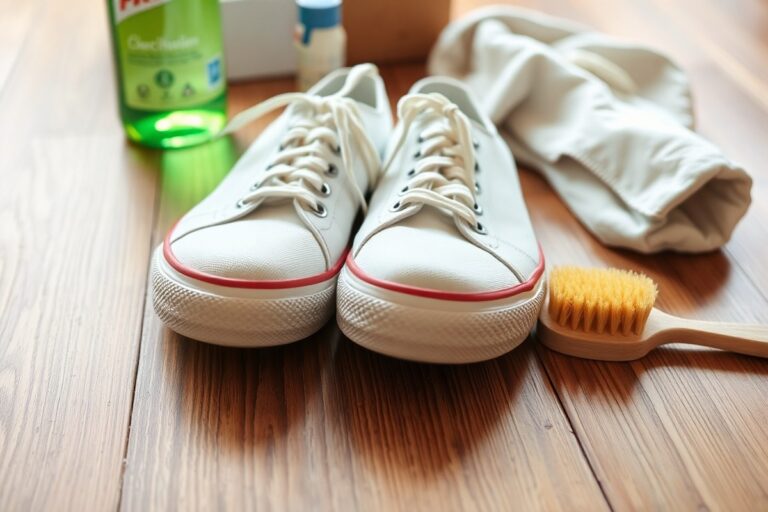
Before placing your shoes in the washer, brush off excess dirt, mud, or debris. This prevents grime from clogging your machine and improves washing effectiveness. Use a dry brush or a damp cloth to wipe the shoes inside and out.
Spot clean stubborn stains with a mild detergent or soap before the wash cycle. Removing heavy dirt beforehand avoids overloading the machine and preserves the shoes’ materials.
Use Laundry Bags for Protection
Use a mesh laundry bag or pillowcase to shield your shoes and your washing machine during the wash. This prevents scuffing, scratching, and other damage from the shoes banging against the drum or other clothes. It also keeps the laces together if you wash them with the shoes.
Adding a few towels to the load cushions the impact during the spin cycle, further protecting shoes and the machine’s tub. Skip laundry bags only if your shoes are highly durable and the washer’s manual permits it.
Choose Proper Detergents
Use a mild detergent designed for delicate fabrics or sportswear to wash your tennis shoes. Avoid bleach or harsh chemicals as these can weaken shoe adhesives, fade colors, or degrade fabric. Cold water washes help preserve shoe shape and color while preventing glue breakdown.
Consider detergents free of strong fragrances and brighteners to minimize residue. An extra rinse cycle can help remove leftover detergent, preventing stiffness or irritation from soap residue.
- Remove laces and insoles from the tennis shoes.
- Brush off any dirt or mud from the shoes’ surfaces.
- Put your shoes inside a mesh laundry bag or pillowcase before washing.
- Put laces inside a separate mesh bag or the same laundry bag if washing together.
- Add a few bath towels to help cushion the load inside the washer.
- Select a gentle or delicate cycle with cold water on your machine.
- Use a mild detergent suitable for delicate fabrics.
- Choose an extra rinse cycle to ensure all soap is removed.
How to Wash Tennis Shoes in the Machine Without Damage
To wash tennis shoes safely in a machine, select a gentle setting with cold water and use a mild detergent. Add soft items such as old towels to maintain balance during the wash. Opt for a cycle that includes a minimum of one rinse to clear out any soap. Following these instructions reduces the risk of harming your shoes or overloading the washer.
Select Delicate or Gentle Cycle
Choose the most gentle cycle available on your washing machine, often labeled as “delicate” or “gentle.” This cycle reduces agitation speed and tumbler action, lowering the risk of damaging the shoe’s materials and glued parts. Strong agitation can loosen stitching or break down adhesives, so keeping it minimal is essential.
For both front load and top load machines, the delicate cycle slows down spinning and shaking. Top load washers typically agitate more vigorously than front load washers, making the gentle cycle particularly important for top loaders. Using a no-spin or low-spin option helps protect the shoe structure and prevents water damage inside the shoe.
Use Cold Water and Mild Detergent
Set the washing machine to use cold water, typically below 80°F (27°C), which prevents colors from fading and materials from warping. Cold water is best for preserving the shoe fabric and adhesives, which can weaken with heat. Hot water might shrink fabric or dissolve glues holding the shoe together.
Opt for a mild liquid detergent that is free from bleach, brighteners, or heavy chemicals. Harsh detergents can degrade fabrics and causes discoloration. Put the detergent into the machine’s dispenser rather than directly on the shoes to ensure even cleaning and avoid spots.
Add Padding to Balance Load
Place several towels or old clothes along with your tennis shoes in the washer drum. This padding helps balance the load so the machine doesn’t become unstable or shake excessively, which can damage both your shoes and the washer. An unbalanced wash cycle might stop mid-cycle or cause hardware stress.
Distributing the weight evenly allows the machine to operate smoothly and ensures the shoes get gently tumbled. Make sure these added items are similar in weight to your shoes, which helps maintain consistent motion during the cycle.
Recommended Cycle Duration and Rinse
Choose a cycle that lasts about 30 to 40 minutes, enough time to clean the shoes without overexposure to water and agitation. Avoid extended cycles that could soak the shoes for too long, increasing the chance of damage or weakening shoe glues.
Ensure the cycle includes at least one rinse to remove detergent residue, which can attract dirt if left behind. A final gentle spin can be used but avoid high-speed spins that can deform the shoes or cause them to knock hard against the washer drum.
- Remove shoelaces and insoles to prevent tangling and damage inside the washing machine.
- Place tennis shoes inside a mesh laundry bag if available to limit excessive tumbling.
- Load the drum with your shoes and an adequate number of towels or old clothes for padding.
- Pour mild liquid detergent into the detergent dispenser.
- Select the delicate or gentle cycle on your washer, and set the water temperature to cold.
- Ensure the cycle has a rinse step and select a low or no-spin option if possible.
- Start the washing machine and allow the cycle to complete, observing the load balance.
- Remove the shoes immediately after the cycle to prepare for air drying.
Effective Hand Washing Methods for Sensitive Tennis Shoes
Hand washing is a reliable method for cleaning sensitive tennis shoes that can’t go in the washing machine. This approach helps protect delicate materials like leather, high-grade mesh, or glue-bound soles. Careful scrubbing combined with rinsing and proper drying restores shoes without risking damage.
Pre-Soak in Warm Soapy Water
Start by soaking the tennis shoes in warm, soapy water to loosen dirt and stains before scrubbing. Use mild detergent to avoid damaging materials or fading colors. The warm water will help dissolve grime and make it easier to clean hard-to-reach areas.
Soak the shoes for 10 to 15 minutes, which degrades the dirt without harming the fabric or adhesives. This step is especially important if your shoes have mud or tough stains that a quick surface clean won’t remove.
- Fill a basin with warm water (between 90°F and 110°F).
- Add a small amount of mild liquid detergent and mix until sudsy.
- Submerge the shoes entirely, letting them soak for 10 to 15 minutes.
- Check the soles and inside carefully before moving to scrubbing.
Never use hot water above 120°F as it can weaken glues and damage sensitive fabrics.
Use Soft Brushes or Cloths
After soaking, gently scrub the tennis shoes to lift dirt without harming the material. Avoid stiff brushes that can scratch or wear down delicate surfaces. A toothbrush or soft-bristle cleaning brush is ideal for soles and tight spots.
For high-grade mesh or leather, use a soft cloth and light circular motions instead of scrubbing aggressively. Focus on stained areas and the soles, taking care around seams and stitching that could loosen under harsh scrubbing.
- Dip a soft brush or cloth into the soapy water solution.
- Gently scrub the outsole and tread to remove mud and trapped debris.
- Use a cloth to clean the upper fabric or leather with light pressure.
- Address stubborn spots by repeating the scrubbing briefly.
- Wipe excess suds off with a damp cloth before rinsing.
Avoid harsh chemicals or bleach-based cleaners that can discolor or weaken shoe materials.
Rinse and Wipe Off Residue
After scrubbing, thoroughly rinse off all soap from the tennis shoes to prevent stiffening or residue buildup that affects comfort and breathability. Use cool or lukewarm clean water to avoid heat damage. Be sure to rinse inside and out.
Use a damp cloth to gently remove all detergent from the shoe surfaces when rinsing under running water isn’t possible. Residual soap can attract more dirt and degrade materials if not fully removed.
- Hold the shoe under cool running water or use a wet cloth to remove soap.
- Check all surfaces, especially around seams and insoles, for soap residue.
- Repeat rinsing or wiping until no suds remain.
- Gently shake off excess water to speed drying.
- Pat shoes dry with a towel to absorb moisture on the surface.
Leaving soap residue in shoes can cause stiffening and skin irritation during wear.
Dry by Air in Shade
Allow tennis shoes to air dry naturally in a well-ventilated spot away from direct sunlight or heat sources. Sun or heaters can cause fading, warping, or glue failure. The drying process usually takes 24 to 48 hours depending on humidity and shoe thickness.
To keep your shoes’ shape and soak up moisture, fill them with paper towels or newspaper. Change the paper as soon as it feels too wet. Do not use clothes dryers or hair dryers, as they produce heat that could harm your shoes.
- Place shoes in an open, shaded area with good airflow.
- Stuff the interiors with absorbent paper to hold shape and draw out moisture.
- Replace paper every few hours until shoes feel dry inside.
- Check exterior dryness by touch after 24 hours; repeat paper stuffing if needed.
- Allow full drying before wearing or storing to prevent odor and mildew.
Direct heat accelerates drying but can cause permanent damage; patience is key for delicate shoes.
Drying Tennis Shoes Safely and Quickly After Washing
After washing your tennis shoes, air drying is the safest approach to protect their shape and materials. Using a dryer is not recommended because the heat and tumbling can cause the shoes to warp, shrink, or degrade the glue holding them together. Typically, tennis shoes take two to three days to air dry completely depending on the humidity and airflow in your drying area.
Speeding up the drying process without damaging your shoes requires attention to their positioning, environment, and preparation steps. Removing the insoles and laces before drying helps the shoes dry more evenly and reduces moisture trapped inside. You can also stuff the shoes with dry paper towels or newspaper to absorb moisture and maintain their shape as they dry.
- Let your shoes air dry in a place with good airflow and avoid exposing them to direct sunlight to protect their color and material.
- Place shoes on a rack or hang them by their laces to allow air circulation around all sides.
- Rotate the shoes every 12 hours to expose different sides to airflow.
- Remove insoles and laces; dry these separately to speed overall drying time.
- Fill shoes with dry newspaper or paper towels to wick moisture and keep their shape.
- Avoid placing tennis shoes near direct heat sources like radiators or space heaters, which can cause warping.
Using a fan to blow air directly at your tennis shoes can reduce drying time by increasing airflow, often cutting the drying period by half. However, avoid using high heat or direct sunlight during this process to preserve the materials. In homes with high humidity, place the shoes close to a dehumidifier or inside a room that has less moisture to help them dry more effectively.
Allowing enough time for thorough drying is essential to prevent unpleasant odors and bacterial growth inside your shoes. You’ll know the shoes are dry when there’s no damp smell or visible moisture inside, and the materials feel completely dry to the touch. Following these steps helps your tennis shoes last longer and keeps them comfortable for your next wear.
Common Mistakes When Washing Tennis Shoes in Machines
Machine washing tennis shoes can cause several common problems if not done correctly. The agitation inside the machine can damage the shoe’s structure, especially shoes with lateral support systems designed to stabilize your feet. Ignoring this aspect can make your shoes lose shape or break down faster. Improper loading may also throw off your washing machine’s balance, possibly leading to mechanical issues or poor washing results.
Another frequent mistake is washing the shoes with their laces still tied or inside the shoes. This can cause the laces to tangle, stretch, or even damage the drum of the washing machine. Shoes washed without any protection can bang directly against the machine’s drum, leading to scuffs or tears on the shoes and potential damage inside the washer. Using a pillowcase or a mesh laundry bag protects both your shoes and the washing machine.
- Not removing loose dirt or debris, which can clog the machine.
- Washing shoes at high temperatures above 40°F (about 104°F) that weaken adhesives and materials.
- Failing to balance the load by washing one shoe or washing shoes without towels or other items.
- Putting shoes with delicate materials such as suede or leather in the machine.
- Using harsh detergents or bleach that discolor or degrade the fabric and rubber.
- Skipping separate washing of laces and insoles.
- Not allowing shoes to air dry completely, which leads to mildew or warped shape.
Machine washing can harm your shoes if these mistakes happen. For example, failing to balance the load risks shaking the washer excessively, stressing both the machine and your shoes. High water temperatures break down glue that holds the sole, causing parts to separate. Using the wrong soap might leave residue buildup inside the fabric, making shoes look worn prematurely. Preparing shoes by removing laces and insoles, cleaning off surface grime, and protecting shoes in bags reduces damage risk.
The washing machine itself can also get damaged. Shoes knocking against the drum without a buffer can scratch or dent the metal surface. Tangled laces or hard shoe parts may catch on internal components, causing mechanical failure over time. Following manufacturer guidelines on load size, cycle type (gentle or delicate), and water temperature helps keep your washer safe.
Taking the time to prepare your tennis shoes, balance the load, use the right cycle and water temperature, and drying the shoes correctly afterward ensures better outcomes. Proper care avoids costly shoe replacements and prevents expensive repairs on your washing machine.
When to Seek Professional Tennis Shoe Cleaning Services
Professional shoe cleaning services are worth considering when your tennis shoes have delicate materials, heavy damage, or severe stains that home methods can’t safely handle. Shoes made from leather or suede often require expert care because machine washing can crack, warp, or discolor these materials. Experts use specialized cleaning solutions and techniques that protect the shoe’s structure and finish, which is especially important for expensive footwear where preservation matters most.
Look for signs such as stubborn stains that remain despite multiple cleanings, significant wear like torn seams or broken soles, and strong, persistent odors that don’t go away after washing. These clues indicate your shoes may need professional treatment to restore them properly. When damage is possible or stains are deeply set, professional services offer restoration options, including gentle hand-cleaning, conditioning, and odor treatment that household machines and detergents can’t provide.
To decide if professional cleaning is necessary, use a simple rule: if the shoe material is fragile (like leather or suede), the stain does not respond to a careful spot-clean or machine wash, or the shoe has structural damage, professional service is a safer choice. This approach reduces the risk of further damage or incomplete cleaning. Costs vary by provider but expect to pay between $25 and $60 per pair for cleaning and conditioning, significantly more than a laundry machine cycle but less than replacing the shoes themselves.
Good professional results include restored appearance without damage, a clean, fresh smell, and preservation of the shoe’s fit and comfort. Poor outcomes often happen when shoes are sent for cleaning too late, after damage is irreversible, or when improper cleaning methods are used. It’s important to research and choose reputable cleaners specializing in athletic or leather shoes. Some shops also offer pick-up and delivery service, which saves time if convenience is a priority.
In cases where your tennis shoes carry sentimental value, have limited editions, or cost over $100, erring on the side of professional care will likely extend their life and maintain their appearance. For everyday or cheaper shoes with washable fabric, home cleaning saves money and provides effective hygiene benefits, including odor and bacteria removal. The decision depends on balancing cost, shoe value, material type, stain severity, and damage risk to avoid costly mistakes.
Spot-test any cleaning product on a small, inconspicuous area before sending shoes for professional care or washing to avoid unexpected damage.
Step-by-Step Action Plan for Washing Your Tennis Shoes
Follow these steps to clean your tennis shoes safely using a washing machine or alternative methods if needed.
- Before you start: Check your tennis shoes’ material and care label to confirm they’re machine washable; look for canvas, nylon, or synthetic fabrics that tolerate machine cleaning well.
- Preparation phase: Remove laces and insoles, then brush off dirt and debris; this prevents damage during washing and helps the shoes get cleaner.
- Wash day: Place your tennis shoes in a mesh laundry bag or pillowcase and load them with towels to balance the machine; use cold water and gentle cycle with mild detergent for minimal damage.
- Immediately after wash: Take shoes out promptly to avoid odor buildup and reshape them by stuffing with paper towels; this helps maintain their form as they dry.
- Drying phase: Let your shoes dry naturally in a room with good airflow, keeping them out of direct sunlight and away from heaters or radiators. Do not use a dryer, as it can cause damage to the shape and materials.
- For sensitive shoes: Use hand washing with a soft brush and mild soap if your shoes feature leather, suede, or glued components that washing machines can damage.
- After cleaning: Inspect shoes for any wear or damage and replace the laces and insoles only after they are fully dry to maintain hygiene and comfort.
Frequently Asked Questions
Can You Put White Tennis Shoes in the Washing Machine?
Yes, you can put white tennis shoes in the washing machine if they’re made of fabric or mesh. Use a gentle cycle and avoid bleach to keep them bright without damage.
Will Washing Tennis Shoes Shrink Them?
Washing tennis shoes on a gentle cycle usually won’t shrink them, but high heat in the dryer might. Air dry to prevent any shrinkage or warping.
How Often Should I Wash My Tennis Shoes in the Machine?
Wash tennis shoes only when visibly dirty or smelly to avoid wear and tear. Frequent machine washing can degrade materials over time.
Can Washing Machine Vibrations Damage Tennis Shoes?
Machine vibrations can loosen glue or damage weak parts. Use a laundry bag and a delicate cycle to minimize this risk.
Is It Safe to Wash Shoe Laces with Tennis Shoes?
Yes, washing shoe laces alongside tennis shoes in a laundry bag prevents tangling and keeps the laces clean without extra effort.
Can You Put Tennis Shoe Insoles in the Washing Machine?
Insoles are best washed by hand to prevent damage; machine washing may reduce their cushion and support.
Before You Go
You can safely wash many tennis shoes in your washing machine by checking their material, preparing them properly, and controlling the wash settings. Shoes made of delicate materials need gentle hand cleaning instead. Start by removing loose dirt and then follow with a tailored washing method for your type of tennis shoe to keep them looking good and lasting longer.