How to Clean White Clothes: 8 Proven Steps for Bright, Stain-Free Laundry
To clean white clothes effectively, separate them from colored garments and wash with warm water using an appropriate detergent. Pre-treat any stains promptly with hydrogen peroxide or a baking soda paste for best results. Air drying in sunlight helps maintain brightness and freshness while avoiding heat that sets stains.
This advice fits homeowners and individuals aiming to keep white clothes looking bright and stain-free. You will learn simple steps to tackle stains, choose safe whitening agents, and maintain your whites over time without damaging the fabric.
Key Takeaways
- Always sort white clothes separately to prevent color transfer and dulling.
- Pre-treat stains on whites immediately with 3% hydrogen peroxide or a baking soda paste.
- To brighten white clothes, mix ½ cup baking soda and ½ cup vinegar in warm water and let them soak for 30 minutes.
- Use chlorine bleach only on 100% white cotton fabrics and with caution to avoid damage.
- Dry whites in the sun to improve brightness and freshen while avoiding heated dryers to prevent setting stains.
- Check clothes for stains before drying to avoid fixing them permanently with heat.
1. How to Wash White Clothes for Best Results

Using the right washing process for white clothes helps keep them bright and free from dinginess or yellowing. White fabrics should be washed separately from colored and even lightly tinted clothes to avoid color transfer. Check each item’s care label to determine the safest water temperature and specific instructions. Warm or hot water, within the safe range, generally works best to remove dirt and maintain whiteness. Avoid overusing detergent, as residue can dull whites and attract soil during future wears. Thorough rinsing and proper drying help maintain fabric brightness and freshness. Follow these steps to wash your white clothes correctly:
- Sort whites separately. Never mix white garments with colored or beige clothes to prevent discoloration. Only wash whites and very pale colors together if the garment labels allow.
- Pre-treat stains. Spot clean any visible stains first using a gentle stain remover or hydrogen peroxide on small marks, dabbing with a white cloth.
- Check garment labels. Look for the recommended water temperature and wash cycle. Use the warmest water safe for each fabric to improve cleaning and brightness.
- Add the right detergent amount. Use about one teaspoon of detergent per hand wash basin or follow manufacturer instructions for machine loads. Choose a detergent designed for whites or one with bleach alternatives to help maintain brightness.
- Set the water temperature. Use warm or hot water for cottons and linens if safe, cooler water for delicate fabrics. Warm water ranges from about 90°F to 110°F, hot water is around 130°F.
- Wash for 20 to 30 minutes. Machine cycles should match the fabric type, but whites can handle a normal or heavy-duty cycle. For hand washing, gently agitate for 10 to 15 minutes, then soak for up to an hour when possible.
- Rinse thoroughly. Use clean, softened water to remove all detergent traces. Insufficient rinsing can leave residue that dulls fabrics and causes irritation.
- Dry carefully. Dry whites on low or medium heat or hang them outside in sunlight, which can naturally brighten fabrics without damage.
2. How to Pre-Treat Stains on White Clothes Effectively
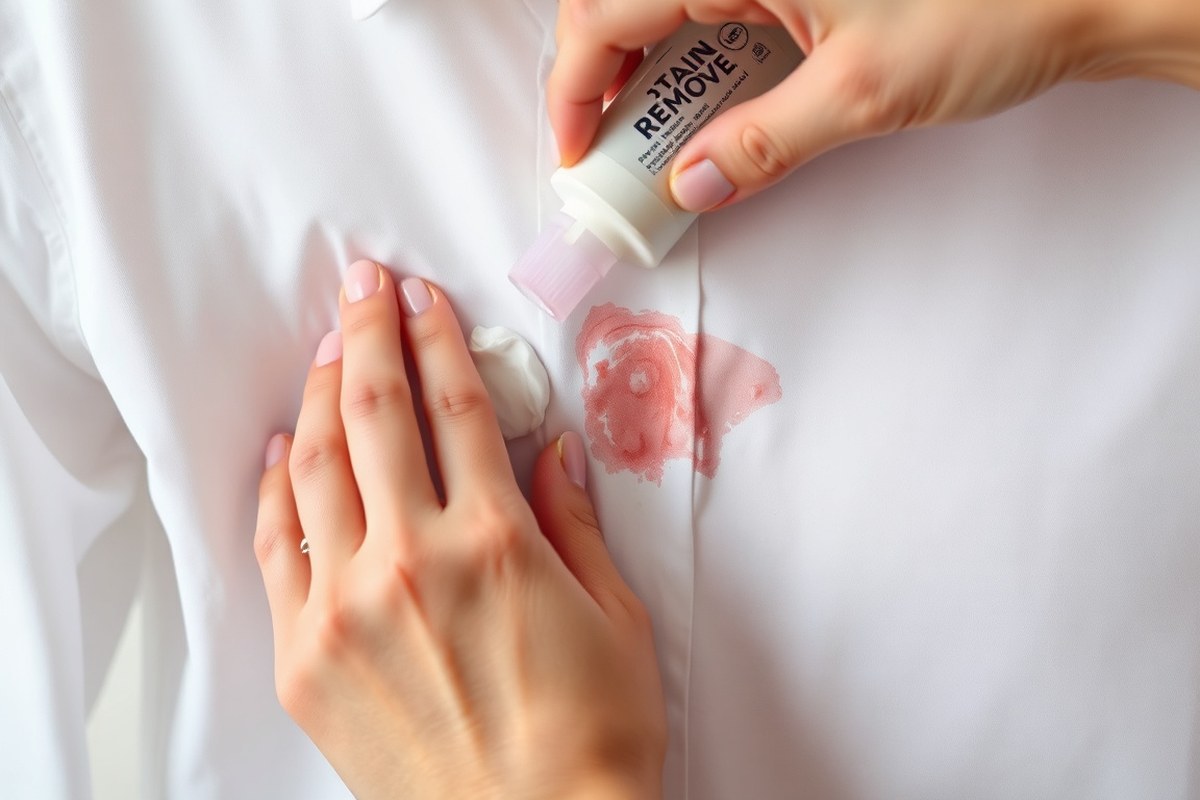
Common stains on white clothes include sweat, rust, food, and mud, each needing specific treatment before washing. Proper pre-treatment breaks down stains, improving their removal and preventing yellowing or dullness. Use targeted homemade or commercial remedies, apply them promptly, and allow adequate time, typically 15 to 30 minutes, before laundering.
Treating Sweat and Underarm Stains
Sweat stains appear as yellowish marks, especially on underarms and collars. A simple and effective method is making a paste from baking soda and water. Apply this paste directly onto the stain and let it sit for 30 minutes before washing. For a stronger approach, mix equal parts of hydrogen peroxide and water, apply this mixture to the stain, and leave it for 15 minutes; then wash as usual. These treatments help to break down proteins and oils responsible for yellowing.
To boost results, you can soak the white garment in warm water mixed with ½ cup of baking soda and ½ cup of white vinegar for 30 minutes. After soaking, wash the clothing and air dry it in sunlight to take advantage of natural bleaching effects.
- Make a baking soda paste: 4 tablespoons baking soda + 1 tablespoon water
- Apply paste to sweat stains, wait 30 minutes
- Alternatively, use equal parts hydrogen peroxide and water, sit 15 minutes
- Soak the clothes in warm water mixed with ½ cup of baking soda and ½ cup of white vinegar for 30 minutes
- Wash in warm or hot water, if fabric care label allows
- Air dry in direct sunlight for extra whitening
Act on sweat stains as soon as possible; older stains are harder to remove and may set permanently.
Removing Rust and Food Stains
Rust stains look like reddish-brown spots and need acidic treatments to break down metal deposits. Applying lemon juice or white vinegar directly onto rust stains softens the stain for removal. For tougher rust, soak the affected area in hydrogen peroxide, which is a mild bleaching agent and rust remover, before washing. Food stains can vary but many respond well to the same acidic treatments or mild bleaching.
Lemon juice works well due to its natural acidity and slight bleaching ability, while white vinegar is widely available and safe for most whites. Treating fresh food stains quickly prevents deep-set marks. Avoid rubbing, which can spread the stain or embed it deeper into fibers.
- Apply lemon juice or white vinegar straight onto rust stains
- Let it sit for 10, 15 minutes before rinsing
- Soak stubborn rust stains in 3% hydrogen peroxide for 30 minutes
- For food stains, apply stain remover or baking soda paste
- Blot stains gently; do not rub harshly
- Wash promptly using warm water and detergent
Do not use bleach directly on rust stains; it can reactivate iron and worsen the stain.
Dealing with Mud and Dirt Stains
Mud and dirt stains should dry completely before treating; wet mud can smear and enlarge the stain area. After the mud dries, gently brush off loose dirt without pushing it further into the fabric. Following this, soak the garment in a solution of detergent and cool water for 30 minutes to loosen embedded dirt particles.
Use a quality liquid laundry detergent or a commercial stain remover applied directly on the stains. Allow the pre-treatment to sit for 15 to 30 minutes before washing in warm water according to the care label. This method helps lift stubborn dirt and prevents discoloration that dulls white fabrics.
- Allow mud to dry fully before treatment
- Brush off loose dirt using a soft brush or cloth
- Soak garment in detergent solution for 30 minutes
- Apply liquid detergent or stain remover directly on stains
- Let stand 15, 30 minutes prior to washing
- Wash in warm water per fabric instructions
Avoid hot water on unknown stains; it can set dirt and protein-based stains permanently.
3. Which Whitening Agents Are Safe and Effective for White Clothes?
Several whitening agents can brighten your white clothes safely and effectively, but choosing the right one depends on your fabric type and stain severity. Chlorine bleach works best only on 100% cotton whites and severe stains, while hydrogen peroxide suits most white fabrics including synthetics and delicates. Natural options like lemon juice and baking soda offer gentle whitening without harsh chemicals but have specific uses and limitations.
Chlorine Bleach: Pros and Cons
Chlorine bleach is a powerful whitening agent but only safe for pure white cotton fabrics. It removes stubborn stains effectively and can restore brightness to dingy cotton whites. However, chlorine bleach can damage or yellow other fabrics such as silk, wool, or synthetic blends, causing permanent discoloration.
Using chlorine bleach requires caution: wear gloves and a mask to protect your skin and lungs from strong fumes. Use sparingly, too much bleach leads to yellowing. Always check the garment care label beforehand. Avoid chlorine bleach on any fabric besides 100% cotton and reserve it for severe stains only.
Hydrogen Peroxide as a Gentle Whitener
Hydrogen peroxide (3% solution) is a natural bleach alternative that brightens whites safely and targets stains like yellowing, sweat, blood, and ink. It works well on cotton and synthetic fabrics without causing damage often associated with chlorine bleach.
Mix 120 ml of hydrogen peroxide and 60 g of baking soda into 1 liter of warm water to treat yellow or stubborn sweat stains. Soak or wash your white clothes in this solution for about 30 minutes. This approach helps whiten fabrics and removes odors. Hydrogen peroxide works gently, making it a good choice for delicate materials and regular brightening.
Natural Whiteners: Lemon Juice and Baking Soda
Lemon juice contains citric acid that naturally whitens and brightens white clothes when added to the wash. It can also act as a mild bleach but should only be used on whites, as it may discolor colored fabrics. A fresh lemon juice rinse or adding ½ cup (120 ml) to wash cycles can lift dinginess.
Baking soda whitens by neutralizing odors and gently loosening dirt. Adding ½ cup (120 g) of baking soda to detergent improves brightness and freshens clothes. It is effective on mild dinginess but not as potent on deep stains. Baking soda and distilled white vinegar together also soften fabrics and help maintain whiteness without harsh chemicals. Here is a comparison table summarizing the uses and precautions of these whitening agents:
| Whitening Agent | Fabric Suitability | Best For | Precautions |
|---|---|---|---|
| Chlorine bleach | 100% cotton whites only | Severe stains, stubborn yellowing | Use gloves, mask; avoid other fabrics; avoid overuse |
| Hydrogen peroxide (3%) | Cotton, synthetics, delicates | Yellowing, sweat, blood, ink stains | Use with baking soda for best results; test delicate fabrics |
| Lemon juice | White clothes only | Brightening, mild bleaching | Do not use on colored fabrics |
| Baking soda | All white fabrics | Mild whitening, deodorizing | Combine with detergent; gentle on fabric |
| White vinegar | All white fabrics | Softening, deodorizing, brightening booster | Add 1 cup (237 ml) per wash; avoid fabric softener together |
Choosing the right whitening agent depends on your fabric’s composition and the kind of stain. Reserve chlorine bleach for pure cotton and tough stains. Use hydrogen peroxide or natural substances like lemon juice and baking soda as safer, gentler options for routine whitening and fabric care.
4. How Long to Soak White Clothes and When to Use Soaking
Soaking white clothes before washing can help remove stains and brighten dingy fabrics effectively. Most stains need a short soak of up to 30 minutes, while yellowing or stubborn dullness often requires 1 to 3 hours of soaking with specific solutions like hydrogen peroxide or baking soda. Avoid soaking delicate fabrics with harsh chemicals to protect their fibers.
Short Soak for Fresh Stains
Fresh stains respond best to a quick soak of 15 to 30 minutes in a gentle detergent solution or a vinegar-and-water mix. Use cold water at about 30°C (86°F) for synthetics and delicate whites to avoid heat damage. Vinegar helps break down mild stains and prevents color graying without harsh chemicals.
To prepare, mix one part distilled white vinegar with three parts cold water, or dissolve detergent as per the label in cool water. Submerge stained areas fully and gently agitate the fabric to loosen dirt. Avoid exceeding 30 minutes to prevent weakening of fabric and color loss.
Deep Soak for Yellowing or Dingy Clothes
For white clothes showing yellowing or overall dullness, a longer soak of one to three hours in warm water (around 40°C or 104°F) with hydrogen peroxide or baking soda works well. Hydrogen peroxide acts as a mild bleach and brightener without the harshness of chlorine bleach.
Baking soda can lift odors and loosen mineral deposits from hard water that cause dullness. Use about 1 cup of hydrogen peroxide per basin or a quarter cup of baking soda dissolved in enough warm water to cover the clothes. Avoid soaking beyond three hours to prevent fabric wear and weaken fibers.
Precautions to Prevent Fabric Damage
Soaking clothes in chlorine bleach solutions for longer than 15 to 30 minutes risks weakening fibers, especially on delicate or synthetic fabrics. Always use diluted bleach properly, about a quarter cup per gallon of water, and limit soak times accordingly.
Avoid combining chlorine bleach with vinegar, ammonia, or hydrogen peroxide because this can produce hazardous chemical reactions. For delicate white fabrics, choose oxygen-based bleach or detergents with enzymes rather than chlorine-based bleach. After soaking, rinse the clothes well to clear any leftover chemicals that might lead to yellowing or harm the fabric. Follow these steps to soak your white clothes safely and effectively:
- Choose the soaking solution based on fabric type and stain severity: detergent or vinegar for fresh stains, hydrogen peroxide or baking soda for yellowing.
- Fill a basin or tub with water at the appropriate temperature: cold for synthetics/delicates, warm for cotton and heavier fabrics.
- Add the soaking agent: 1 cup hydrogen peroxide, 1 cup baking soda, or the correct proportion of detergent or vinegar solution.
- Submerge the white clothes fully, making sure stained or dingy areas are completely covered.
- Gently agitate or stir the water occasionally to help loosen dirt and stains during soaking.
- Limit soaking time based on solution type: 15-30 minutes for bleach, up to 3 hours for hydrogen peroxide or baking soda, up to 30 minutes for vinegar or detergent.
- Remove clothes promptly after soaking and wash using the “white” cycle on your washing machine.
- Rinse thoroughly after washing to ensure no soaking agent remains that might cause fabric damage.
5. How to Dry White Clothes to Keep Them Bright and Fresh
Air drying white clothes outside in sunlight is often the best option to keep them bright and fresh. Sunlight acts as a natural whitener because its ultraviolet (UV) rays gently bleach the fabric and help kill bacteria that cause odors. A breeze adds a fresh scent and improves drying speed. Avoid drying clothes in direct sunlight for many hours if the fabric is delicate, as prolonged exposure can weaken fibers.
Machine drying is convenient but should be done with caution. Use a low or medium heat setting to prevent heat damage or yellowing. Excessive heat can cause fibers to yellow and reduce fabric life. Overdrying also leads to stiff fabrics and sets stains or odors that were not fully removed during washing. To reduce yellowing risks, remove clothes from the dryer while slightly damp and air dry the rest.
Indoor drying racks work well when outdoor drying is not possible. Place the rack in a well-ventilated area with good air circulation to avoid mildew or musty smells. Avoid leaving white clothes on racks too long after they are dry, as overdrying in a humid environment can encourage yellowing. Proper ironing also helps maintain brightness. Iron inside out on a low heat setting using a pressing cloth to prevent scorching or yellow spots.
Yellowing during drying happens mainly from heat damage, residue buildup, or improper storage after drying. Residues like sweat, body oils, or detergent can oxidize when heated, causing yellow stains. Drying white clothes with stains still present also sets those marks permanently. Always check for and treat stains before drying.
- Air dry white clothes outside in direct sunlight for 2 to 4 hours when weather allows
- Use low to medium heat settings if using a dryer and remove clothes while damp
- Dry indoor in a room with good ventilation on racks only when sunlight is unavailable
- Iron white clothes inside out with a pressing cloth at low heat to avoid discoloration
- Check and treat stains before drying to prevent permanent marks
- Store white clothes in a cool, dry, and well-ventilated place to avoid yellowing or mildew
Never dry white clothes with stains or heavy detergent buildup, as heat can set discoloration permanently.
For items labeled “air dry only,” hanging outside on a sunny day is best. This method costs nothing and gives white clothing a fresh, bright look naturally. Machine drying is suitable for sturdier whites but always choose gentle heat and monitor drying time. Proper drying steps improve the lifespan of white clothes, keeping them crisp and odor-free longer.
6. How to Maintain White Clothes Brightness Long-Term
Wash white clothes after every 1 to 3 wears, depending on use and exposure to sweat or dirt. Frequent washing prevents buildup of oils and grime that dull fabric brightness. Avoid over-washing, though, as excessive cycles can wear down fibers and cause yellowing. Check each garment for stains before storing so you can treat them promptly and avoid permanent marks.
Store white clothes in a dry, well-ventilated area away from direct sunlight to prevent discoloration. Use breathable cotton bags or open shelving instead of plastic bags, which trap moisture and cause odors or mildew. Separate white clothes from colored items during storage to avoid dye transfer. Rotating whites seasonally also helps reduce prolonged fabric fatigue and fading.
Create routines that help keep your white clothes bright by selecting detergents made especially for white fabrics. Adding 1/2 cup of white vinegar during the rinse helps get rid of soap buildup and odors, making whites look fresher. Including baking soda in your wash improve whitening naturally. To maintain extra brightness, use a stain-resistant spray such as Scotchgard following the wash.
- Wash whites every 1, 3 wears, prompt stain treatment before storage
- Store in dry, ventilated spaces using cotton bags, avoid plastic
- Keep whites separate from colors to prevent dye transfer
- Rotate white clothes seasonally to minimize fading
- Use detergents for white fabrics, add ½ cup white vinegar to rinse
- Add 1 cup baking soda to the wash for extra brightness
- Apply stain repellent sprays on prized white garments
Maintaining these practices costs little beyond time and choosing the right detergent and storage methods. The best results show white clothes staying crisp, bright, and free of odors. Neglecting these steps can lead to dingy, yellowed fabrics that look worn out prematurely. Adjust frequency and care depending on your environment and how heavily you wear each piece, keeping your white wardrobe fresh and vibrant for the long term.
7. How to Avoid and Fix Common Mistakes That Dull White Clothes
Many people wash white clothes incorrectly, causing dullness or yellowing over time. One frequent error is mixing white garments with colored laundry. Even a small amount of dye transfer can cloud their brightness. To avoid this, always wash whites separately to prevent any color bleeding or transfer that leads to dingy fabric.
Using the wrong amount or type of detergent also harms the look of white clothes. Excess detergent can leave residue that attracts dirt, making whites look gray or soapy. Choose a detergent designed for white fabrics or one with optical brighteners, and carefully follow the package dosage instructions. For most machines, around 1 to 2 tablespoons of detergent per load is sufficient, depending on water hardness and load size.
Improper drying contributes to dull whites as well. High heat can cause fabrics to yellow or weaken fibers. Instead, air-dry whites away from direct sunlight or use a low-heat setting when using a dryer. Proper drying preserves brightness and prevents fabric damage.
- Mixing whites with colors: separates whites to avoid dye transfer and dulling
- Using too much detergent: use recommended amounts of detergent with optical brighteners
- Choosing the wrong detergent: pick one specifically for white clothes
- Poor sorting: separate heavy soil from lightly soiled whites for even cleaning
- Washing cycle mismatch: select a cycle suitable to fabric type and soil level
- Improper drying: air-dry or use low heat to avoid yellowing and damage
Dingy or yellowed whites can often improve with targeted treatment. Soaking in a solution of oxygen bleach (not chlorine bleach, which can weaken fibers) helps lift stains and restores brightness. Use about half a cup of oxygen bleach per gallon of warm water, soak for 30 minutes to an hour, then wash as usual. Repeated treatments may be needed for stubborn discoloration. Avoid harsh scrubbing that can damage fabric and cause yellowing over time.
Fixing soap residue buildup also restores whiteness. Running an extra rinse cycle or using a mixture of white vinegar and water (about 1 cup per load) during rinsing helps break down detergent residues that dull fabric. Make sure the washer is not overloaded, as this affects rinsing effectiveness and leaves detergent behind.
8. What to Do When White Clothes Won’t Get Clean or Stay Stained
Stubborn stains on white clothes that resist home treatments require a careful approach. Start by reapplying a stain remover or a mixture of dish soap and white vinegar, gently dabbing the affected area before rewashing. Avoid rubbing, which can set the stain further. For fabric-safe bleach, follow label instructions closely and test on a hidden area first. When the stain persists after two or three treatment attempts and your fabric can’t handle stronger bleaches, think about professional cleaning.
Professional laundering is recommended when home methods fail or if the garment has delicate fabric that can bleach easily. Dry cleaners use solvents and specialized techniques that can lift stains without damaging fibers. The cost for professional stain removal typically ranges from $10 to $25 per garment but varies by location and fabric type. You should also turn to professionals for stains like ink, oil, or dye transfer that are tricky to remove at home.
Determining if a stain is permanent often depends on its age, type, and fabric. Older stains that have been washed without removal efforts are often more permanent because heat from washing can set them. Protein-based stains such as sweat or blood become nearly impossible to remove if they dry and then get heat-treated. To decide, examine the stain closely after drying; if it looks faded but not gone, it could be salvageable with repeated treatments. When the stain stays dark, textured, or damages the fabric, it usually means it’s permanent. Persistent discoloration despite careful treatment signals that further home attempts may cause wear or damage rather than benefit.
For white clothes with sweat stains, washing after every wear helps prevent them from becoming permanent. When yellowing or tough underarm stains show up, try soaking clothes in an enzyme-based cleaner before washing again. However, do not soak for more than 30 minutes on delicate fabrics to avoid weakening fibers. Combining these steps with professional help is the best course when home remedies do not remove the stain within a couple of washes.
Repeated attempts to bleach a stain can weaken fabric fibers; limit bleaching to avoid damage or yellowing over time.
Step-by-Step Action Plan for Cleaner, Brighter White Clothes
Follow this plan to get the best results cleaning your white clothes and keeping them bright over time.
- Before washing: Sort white clothes separately and check labels for care instructions.
- Pre-treat stains immediately: Apply a stain remover or a paste of baking soda and water, letting it sit 10 to 15 minutes before washing for better stain removal.
- Wash with the right detergent and whitening agent: Use a detergent formulated for white clothes and add oxygen-based bleach according to product instructions; watch for no lingering stains after the cycle.
- Use soaking when needed: Soak heavily stained whites in a solution of water and oxygen bleach for 30 minutes up to 2 hours; ensure clothes look visibly brighter and free of stains after soaking.
- Dry properly: Dry white clothes in bright sunlight when possible to naturally boost whiteness and prevent yellowing; avoid over-drying to keep fabric strong and prevent dullness.
- Maintain brightness over time: Add a whitening booster or a half cup of white vinegar in the rinse cycle every few washes to prevent residue buildup and yellowing.
- Address dullness quickly: Rinse white clothes thoroughly to remove detergent residues and avoid overusing fabric softeners, which can make whites look gray.
- Seek professional help for tough stains: Bring garments to a dry cleaner if stains persist after multiple treatments or if the fabric is delicate or labeled dry clean only.
Frequently Asked Questions
Can I Clean White Clothes Naturally Without Commercial Products?
Yes, natural options like lemon juice and hydrogen peroxide can brighten white clothes safely. Use lemon juice only for whites and soak for about an hour before washing.
What Happens If I Never Properly Clean My White Clothes?
Your white clothes will become dingy, yellow, and stained over time, losing brightness and freshness. Proper cleaning prevents buildup and preserves fabric quality.
How Does Water Temperature Affect Washing White Clothes?
Hot water usually cleans whites better by removing dirt and stains effectively, but check care labels to avoid fabric damage.
Can I Dry Clean White Clothes Instead of Washing Them?
Yes, dry cleaning is an option, especially for delicate white fabrics, but it’s recommended after one use to maintain brightness.
Should I Always Rinse White Clothes in Softened Water?
Rinsing white clothes in softened water helps remove all detergent traces, preventing residue that can dull fabrics.
Are There Risks to Using Lemon Juice to Brighten White Clothes?
Lemon juice can bleach and weaken colored fabrics, so only use it to brighten white items and dilute properly before soaking.
Key Points to Remember
Keeping white clothes bright takes the right care steps after ironing out stain troubles and washing correctly. Paying attention to how you pre-treat stains and use whitening agents can make a big difference. Start by pre-treating the toughest stains on your next load to see an immediate improvement in whiteness.