How to Take Armpit Stains Out
You can take armpit stains out quickly by treating them with common household ingredients like white vinegar, baking soda, hydrogen peroxide, or detergent solutions. For best results, soak or apply paste directly to the stain and allow adequate time for the stain to break down before washing. Avoid machine drying clothes until stains are fully removed to prevent them from setting permanently.
This advice is for anyone looking to remove or prevent armpit stains on clothing. You will learn how to handle fresh or old stains, choose the right treatment for different fabrics, and safely use cleaning agents to refresh your clothes effectively.
Key Takeaways
- Apply a paste of baking soda and water to armpit stains and let sit for 20-30 minutes before washing.
- Soak garments in a mixture of 2 cups water and 1 cup white vinegar for 30 minutes to loosen sweat stains.
- Use 3% hydrogen peroxide only on white fabrics to effectively remove stains without discoloring.
- For dark-colored shirts, soak stains in warm water with ½ cup of Tide with Ultra Oxi Powder for 2, 8 hours.
- Let stain removal solutions remain on fabric for 2, 8 hours depending on how set the stain is, or overnight for very stubborn stains.
- Avoid using machine heat on stained areas until the stain is completely gone to prevent permanent setting.
“Niche”: “Laundry and Garment Care”,

Armpit stains often appear as yellowish discolorations caused by a mixture of sweat, body oils, deodorants, and sometimes hard water. These stains matter because they not only affect how your shirt looks but also how comfortable you feel wearing it, especially if spots become set and odor lingers. Proper fabric care starts with recognizing what causes these stains and adopting good laundry habits to prevent them from setting or worsening.
To properly care for garments prone to armpit stains, read the fabric care label before cleaning. Labels provide washing temperature limits and advice on bleaching or drying, which help protect the fabric’s integrity. The key to stopping stains from settling is washing shirts soon after wearing, routine washing with regular detergent removes sweat, deodorant, and bacteria before they bind to the fibers. Noticing stains before washing suggests pre-treating to improve removal chances, though it may not be required with prompt washing.
Time constraints call for adding a laundry booster like an oxygen-based powder detergent during the wash. These boosters improve cleaning power and tackle deodorant residues more effectively than detergent alone. Avoid placing shirts in the dryer until stains are fully gone since heat can fix stains permanently. For white cottons, using mild bleach alternatives or targeted stain removers safe for white fabrics can help clear yellow armpit stains.
Handling older or more stubborn stains requires a stronger approach. Pre-treatment with a paste of baking soda and water left on the stain for around 15 to 30 minutes before laundering can break down proteins causing discoloration. A mild bleaching agent such as hydrogen peroxide also works well; apply it with care to a small area first to check fabric reaction, especially if the shirt is colored or delicate. Dish soap combined with baking soda may be rubbed gently onto the stain to lift oils and deodorant buildup.
Regular inspection of shirts under the arms for fresh stains helps prevent accumulation and makes cleaning easier. The overall cost of these laundry care steps is minimal, mostly involving everyday household ingredients and common detergents, so maintaining the appearance of your clothes doesn’t require expensive products. Good results show as visible fading or removal of stains after wash cycles and no residual discolorations on fabric. Problems usually arise from ignoring stains too long, using harsh cleaners on delicate fabrics, or overheating garments during drying, which can set stains irreversibly.
“Audience”: “General Consumers Looking to Remove and Prevent Armpit Stains on Clothing”,

Removing and preventing armpit stains requires regular care and the right products before and after wearing your clothes. Treat stains promptly, wash shirts often, and choose suitable deodorants to keep your garments fresh and stain-free.
Why Prompt Treatment Matters
Armpit stains develop from sweat mixing with deodorant ingredients, especially those containing aluminum compounds. These stains become much harder to remove once heat from a dryer sets them permanently into the fabric. Treating stains as soon as possible after wearing the clothing prevents deeper embedding and reduces discoloration. Washing shirts regularly also cuts down on stain build-up, making removal easier and helping your clothes last longer.
Effective Pre-Wash Steps
Start by soaking the stained underarm area in cool or warm water for about 15 to 30 minutes to loosen sweat and deodorant residue. Next, apply a liquid detergent or a specialized stain remover directly onto the stain, gently rubbing it in. Let the solution sit for at least 30 minutes before washing. Avoid using hot water during this step because it can set protein-based stains. Wash the garment according to its fabric care instructions, using the hottest water safe for the fabric.
Choosing Deodorants to Prevent Stains
Switching to aluminum-free deodorants can significantly reduce yellowish stains caused by aluminum salts reacting with sweat. These deodorants tend to be less harsh on fabric while still controlling odor. Frequent washing and airing out clothes after wearing lowers the chance of buildup. Taking these precautions helps you avoid the time and effort needed for tough stain removal later.
Clothing Care Habits That Help
After treatment, never use dryer heat until the stain is fully removed, as heat can cause stains to become permanent. Air drying and checking for residual marks before repeating treatment is safer. Washing armpit areas separately or using extra rinse cycles can help remove leftover residues. Maintaining these habits supports fabric longevity and decreases visible wear over time.
Always skip the dryer until stains are fully gone, as heat permanently sets armpit stains into fabric fibers.
“How Do You Take Armpit Stains Out Quickly and Effectively?”,
To take armpit stains out quickly and effectively, pretreat the stain with a homemade or commercial solution, gently scrub the area, and let the treatment sit for 20 to 30 minutes before washing normally. Using ingredients like baking soda, hydrogen peroxide, or white vinegar targets the mix of perspiration, body oils, and deodorants that cause these stains, breaking them down so they wash away. Acting promptly and following the right steps ensures better results and helps preserve your clothing.
Choosing the Right Cleaning Solution
Armpit stains develop from sweat reacting with aluminum in deodorants, along with body oils, creating a protein-based discoloration. Baking soda mixed with water forms a paste that neutralizes odors and gently lifts stains. Hydrogen peroxide, especially in a 3% solution, works as an oxygen bleach to break down the stain, making it ideal for whites or colorfast fabrics. White vinegar’s acidity helps dissolve residue and brighten fabric, suitable for most colors. Pick a solution based on the fabric type and stain severity to get the best effect quickly.
Step-by-Step Pretreatment Process
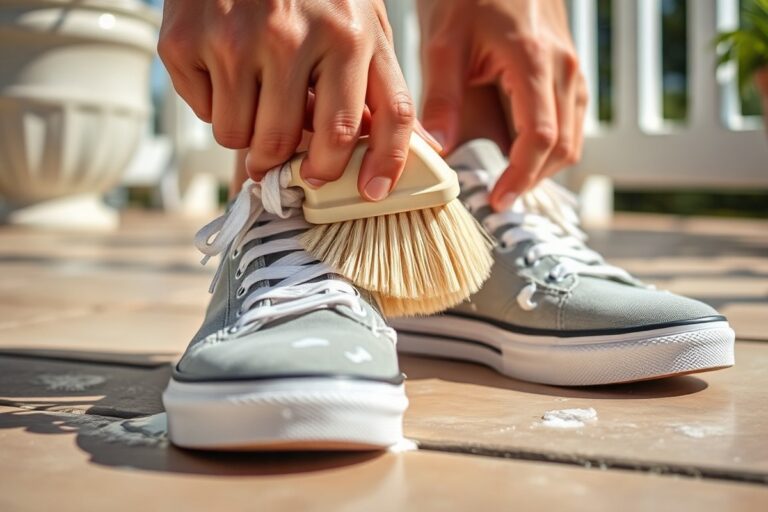
Start by mixing a paste of 4 tablespoons of baking soda with 1/4 cup of water for a thick consistency. Apply this directly on the armpit stains. For hydrogen peroxide, mix a 1:1 ratio with water, and for white vinegar, use it undiluted or slightly diluted with water. Using a soft-bristled toothbrush or an old brush, scrub the stain gently to loosen buildup without damaging fibers. Let the solution sit on the fabric for 20 to 30 minutes. This period allows the paste or liquid to penetrate the stain, breaking down sweat and deodorant compounds before washing.
Washing and Drying Tips
After pretreating, wash the garment in the warmest water safe for the fabric, checking care labels. This helps dissolve and remove loosened stain particles. Avoid drying the shirt in a dryer before confirming the stain is gone, as heat can set the stain permanently. Air drying is safer until you’re sure the stain has lifted. For stubborn stains, soaking the shirt in the chosen cleaning solution for 2 to 8 hours can improve removal before rewashing.
Adjusting for Fabric and Stain Age
Delicate or colored fabrics may require milder treatments, such as diluted white vinegar or commercial stain removers made for sensitive textiles. Using hydrogen peroxide on such fabrics risks discoloration. For older or set-in stains, allowing the paste or solution to soak overnight increases effectiveness but takes longer. Oxygen bleach products designed for whites can provide a stronger treatment, but avoid them on colors or delicate fabrics to prevent damage. Testing a small hidden area first helps avoid fabric harm.
“What Are the Best Household Ingredients for Removing Sweat Stains?”,
Household ingredients like baking soda, white vinegar, lemon juice, and hydrogen peroxide are effective for removing sweat stains from clothing. These items work by breaking down the sweat, deodorant residues, and fabric reactions that cause yellowing and discoloration. You can mix or apply them in simple steps, often requiring just 15 to 30 minutes of treatment before washing.
Baking Soda Paste for Gentle Stain Removal
Baking soda neutralizes acids from sweat and softens fabric residues, helping lift stains. To use, mix four tablespoons of baking soda with a quarter cup of warm water to form a thick paste. Apply the paste directly onto the armpit stains, rubbing it gently into the fabric with your fingers or a soft brush. Leave it on for 30 minutes before rinsing and laundering as usual. Baking soda is safe on most fabrics and also helps reduce odor, making it a good first step for light or fresh stains.
Using White Vinegar to Break Down Stains
White vinegar’s acetic acid dissolves the minerals and deodorant buildup that cause tough yellow stains. Apply one part white vinegar mixed with two parts water onto the stained area using a spray bottle or cloth. Let the solution sit for 15 to 30 minutes to penetrate the fibers. After the soak, scrub lightly and wash the garment normally. Vinegar works well for both white and colored fabrics but test a small area first, as the acid can sometimes affect delicate materials or colors.
Lemon Juice and Salt for Natural Whitening
Fresh lemon juice contains natural bleaching agents that lighten sweat stains without harsh chemicals. Mix equal parts lemon juice and water and apply it to the stained area. Then sprinkle a thin layer of table salt over the lemon juice. The salt acts as a mild abrasive while the lemon juice breaks down the stain molecules. Leave this mixture on your garment for 20 to 30 minutes in sunlight if possible, as UV rays improve the bleaching effect. This method is best suited for white or light fabrics since lemon juice can slightly lighten colors.
Hydrogen Peroxide for Stronger Stain Treatment
Use 3% hydrogen peroxide on white fabrics to target deep-set sweat stains. It acts as a mild bleach and oxidizer, effectively breaking down proteins and oils in the stain. Pour a small amount of hydrogen peroxide directly on the stain and let it sit for 10 to 15 minutes before rinsing and washing. Avoid using hydrogen peroxide on colored or delicate fabrics, as it can cause fading or damage.
Choosing the Right Ingredient for Your Fabric and Stain
Selecting the best household ingredient depends on your fabric type, stain severity, and color. Baking soda and vinegar are safe for most fabrics and colors, making them suitable for initial stain treatment. Lemon juice suits whites and light colors but may alter darker dyes. Hydrogen peroxide is strong but reserved for whites only. For dark or delicate fabrics, milder options or commercial laundry boosters designed for those materials are safer. Always pretest an inconspicuous area to avoid damage.
“Can Old or Set-In Armpit Stains Be Completely Removed?”,
Old or set-in armpit stains can be very stubborn, but they are not impossible to remove completely. These stains typically form from sweat, body oils, and antiperspirant residue that have built up and bonded with fabric over time. Because repeated washing and drying, especially with heat, can make them worse by setting the stain further, treating them requires patience and the right approach.
Start by avoiding the dryer until the stains are fully removed, since high heat can permanently set any residue. The first step for old yellow armpit stains on white or light-colored fabrics is applying an oxygen-based bleach solution or an enzyme detergent. These products break down the proteins and oils that cause stains. Soak the stained area in a mixture of oxygen bleach and water, following package instructions for concentration, for at least 30 minutes, or longer if the fabric allows. Check after soaking and lightly scrub with a soft brush if needed before rinsing thoroughly.
For clothes with colors or dark fabric, choose a stain remover designed to protect color while breaking down body oils and residues. Apply it straight to the stain and let it work for 20 to 30 minutes before laundering with cool or warm water. Select the warmest water temperature that the fabric can handle, as it aids in dissolving oils, but always check care labels to prevent damage.
Persistent stains after washing call for repeating the soaking and treatment process, rather than putting the garment in the dryer. Multiple treatments may be necessary for old, set-in stains that have hardened. Consistent patience and repeated treatments, rather than more aggressive or faster methods, yield the best results. Stiff underarm patches might soften and fade significantly but could remain slightly visible on some fabrics, especially synthetic blends that trap residue more.
After treating and rinsing, air-dry the clothing. Monitor underarm areas to avoid going into the dryer too soon. Removing these stains can take several cycles depending on the severity and fabric type, but valuable or favorite shirts will often benefit from the effort and proper care.
Never put clothes with stubborn armpit stains in the dryer until the stain is completely gone, because heat can make the marks permanent.
“How Long Should I Let Cleaning Solutions Sit on Stains?”,
To get the best results when using cleaning solutions on armpit stains, the key is to let the solution sit long enough to break down the stain but not so long that it damages the fabric or sets the stain further. Cleaning times generally range from 5 minutes to overnight, depending on the severity of the stain and the product used.
For fresh or light armpit stains, letting the solution sit for about 5 to 15 minutes usually works well. This allows the active ingredients enough time to penetrate the fabric and start dissolving the buildup without causing harm. You can gently agitate the fabric with a soft brush or cloth after this period to help lift the stain.
More stubborn or older stains often require longer treatment times. In these cases, leaving the cleaning solution on the stain for 30 minutes up to overnight can improve effectiveness. For example, applying a paste made with baking soda and letting it sit for 30 minutes gives sufficient time for the baking soda to break down sweat and deodorant residue. Overnight soaking in a solution specifically designed for tough stains can help release deep-set discoloration.
Always check the instructions on the cleaning product label if available. Many stain removers specify an ideal sitting time, often between 10 and 30 minutes. Follow these guidelines to avoid fabric damage or fading. Testing a small, hidden area before applying the solution for extended periods is a good practice, especially with delicate fabrics.
Washing freshly treated clothes in cold water immediately after the sitting time can prevent stains from setting. Cold water avoids heat that might “cook” the stain further into the fabric. Air drying is also recommended because heat from a dryer can permanently set any stains that remain after washing.
In summary, a general approach is to start with a 5 to 15-minute soak for light stains and increase up to 30 minutes or an overnight soak for stubborn or older stains. Adjust timing based on fabric type and stain severity, and always follow product instructions and test on small areas first to protect your clothing.
“Are Hydrogen Peroxide and Baking Soda Safe for All Fabrics?”,
Hydrogen peroxide and baking soda are common household ingredients used to treat armpit stains, but they are not safe for all fabrics. Hydrogen peroxide in a 3% solution is often praised for its ability to brighten white fabrics and remove sweat and odor stains. Baking soda can lift stains and deodorize fabrics like cotton and linen. However, both ingredients have limitations depending on the fabric type and color.
Hydrogen peroxide works well on whites because it acts as a mild oxygen bleach, which breaks down the compounds causing yellowing. On colored fabrics, though, hydrogen peroxide carries a risk of causing yellowing or fading, so it should be tested in an inconspicuous area first. Avoid using it on dark or brightly colored clothing, especially delicate synthetics, since it can alter the dye.
Baking soda works well on sturdy cotton fabrics, especially when combined with hydrogen peroxide and water to form a paste for removing stubborn yellow stains in the armpit area. Mix 2 parts baking soda, 1 part hydrogen peroxide, and 1 part water at room temperature to make the paste. Spread it over the stain and leave it for 45 to 60 minutes. Using a soft toothbrush to gently rub the paste in can improve results. Afterward, wash the clothing in cold water to avoid setting the stain deeper.
On delicate fabrics such as silk and wool, baking soda should be avoided because its abrasive nature can damage fibers. Hydrogen peroxide is also not recommended for these materials due to its bleaching effect and potential to weaken the fabric. For these cases, opting for professional cleaning or using milder stain removers designed specifically for delicate fabrics is safer.
Costs are reasonable: a 16-ounce bottle of 3% hydrogen peroxide costs around $3.00, while baking soda is about $2.25 for the same amount. Mixing small amounts for the paste keeps expenses low and limits waste. Results with these homemade treatments are best on fresh or lightly set-in stains; old or stubborn stains might require repeat applications or professional cleaning products.
Before using these ingredients, check the garment care label. Patch testing is important to avoid unwanted fabric damage or color changes. Apply a small amount of the mixture on a hidden area and wait 10 to 15 minutes to observe any adverse effects. Ensure the fabric doesn’t show any signs of fading or damage before applying a full stain removal treatment.
Hydrogen peroxide and baking soda provide a budget-friendly and effective way to get rid of armpit stains on many white fabrics and thick cottons. They should be used cautiously or avoided altogether on colored, delicate, or sensitive fabrics to preserve appearance and integrity. When unsure, choosing professional cleaning or specialized stain removers is a safer choice.
“How Do Stain Removal Methods Differ for White, Colored, and Delicate Fabrics?”,
Armpit stain removal varies significantly depending on the fabric type, so knowing whether your garment is white, colored, or delicate is key to protecting it while effectively removing stains. White fabrics, such as cotton T-shirts, generally tolerate stronger stain removal agents like oxygen bleach or enzyme detergents. These help break down the protein and oils in sweat stains without damaging the fabric fibers. For example, soaking a white cotton shirt in a mixture of oxygen bleach and water for 30 minutes before washing can lift even stubborn yellow stains. Avoid chlorine bleach unless you are sure the fabric is bleach-safe, as it can weaken fibers and cause yellowing in some cases.
Colored fabrics require more caution to prevent fading or discoloration. Products labeled as color-safe stain removers are your best bet, as they are formulated to treat sweat stains without stripping dye. Mild dish soaps or enzyme detergents also work well on darker or colored garments. Before applying any stain remover containing peroxide or bleach alternatives, conduct a spot test on a hidden area to check for colorfastness. Using aggressive chemicals like lemon juice or strong bleach can fade colors or leave uneven marks, so those should be avoided on dark or richly dyed fabrics.
Delicate fabrics, such as silk, wool, or lace, need a gentler approach. Woolite and other detergents made for delicates are recommended because they clean while preserving the fabric’s softness and structure. Avoid soaking delicate items in harsh solutions or scrubbing vigorously, as this can damage fibers. Instead, apply a small amount of a gentle stain remover directly on the armpit stain and blot carefully. Hand washing in cold water minimizes stress on the fabric. Always follow the garment’s care label instructions, and if the stain persists after a careful pre-treatment, it may be best to consult a professional cleaner to avoid permanent damage.
For all fabric types, pre-treating the stain before washing improves results. Fresh stains respond best to enzyme detergents applied shortly after wearing the garment, while older or set-in stains often require soaking or repeated treatment. Washing in the warmest water safe for the fabric, based on the care label, also helps remove residues. Avoid dryer heat until the stain is fully gone, as heat can set sweat stains permanently. Letting pretreatment sit for 15 to 30 minutes before laundering can improve stain lift without overexposure to chemicals.
Test any stain remover on a hidden spot first, especially on colored or delicate fabrics, to prevent unexpected damage or fading.
Step-by-Step Action Plan for Removing Armpit Stains
Follow this plan to tackle armpit stains efficiently and see clearer results in your clothes.
- Before washing: Pre-treat fresh or set-in stains with a paste made from equal parts hydrogen peroxide and baking soda. Let it sit for 15 minutes to allow the ingredients to break down the stain.
- During washing: Use a detergent that targets protein-based stains and wash the garment in cold or warm water depending on the fabric care label. Check if the stain has visibly faded after the wash cycle.
- After washing: If stains persist, soak the item in a mixture of equal parts white vinegar and water for 30 minutes. Rinse thoroughly before drying to avoid any vinegar smell.
- Drying stage: Air dry the garment rather than using a dryer. Heat can set stains that are not fully removed, so confirm the stain is gone before drying completely.
- For delicate fabrics: Use a gentle enzyme-based stain remover instead of harsh ingredients. Test the remover on a small hidden area first to ensure fabric safety.
- Regular maintenance: Apply an antiperspirant 15 minutes before dressing to reduce sweat buildup and prevent new stains. Observe if this reduces staining over time.
Frequently Asked Questions
Will Hydrogen Peroxide Remove Stains?
Yes, hydrogen peroxide can effectively remove armpit stains, especially on white fabrics. It acts as a mild bleach that breaks down the discoloration caused by sweat and deodorant. Use 3% hydrogen peroxide and test a small area first to avoid damage.
Can Dry Cleaning Remove Stains?
Dry cleaning can remove some armpit stains, but it’s less effective on heavy sweat and deodorant buildup. Inform the cleaner about the specific stains for better treatment. Some set-in stains may still require pre-treatment at home.
Can You Remove Old Set-In Stains?
Old, set-in armpit stains are harder to remove but not impossible. Treatments like baking soda paste or hydrogen peroxide mixed with detergent can help fade them, especially if you avoid drying the garment before the stain is gone.
What Are the Hardest Stains to Remove?
Stains that combine sweat, body oils, and deodorant buildup are the toughest, especially when heat from washing and drying sets them in. Yellow armpit stains on light fabrics prove challenging due to chemical reactions over time.
How Long Should I Let Cleaning Solutions Sit on Armpit Stains?
Let cleaning solutions sit between 15 to 30 minutes before washing for best results. Longer soaking can help with stubborn stains but avoid excessive time on delicate fabrics to prevent damage.
Are Enzymatic Detergents Helpful for Sweat Stains?
Yes, enzymatic detergents break down sweat proteins and oils, improving stain removal. Use them in warm water for clothes that can tolerate heat, and pre-soak stained areas for better effectiveness.
The Bottom Line
Removing armpit stains requires prompt and targeted steps using safe household products. Acting quickly and treating the fabric appropriately can greatly improve your chances of restoring your clothing. Try the hydrogen peroxide and baking soda paste today on a fresh stain to see how much you can lift and keep your garments looking their best longer.