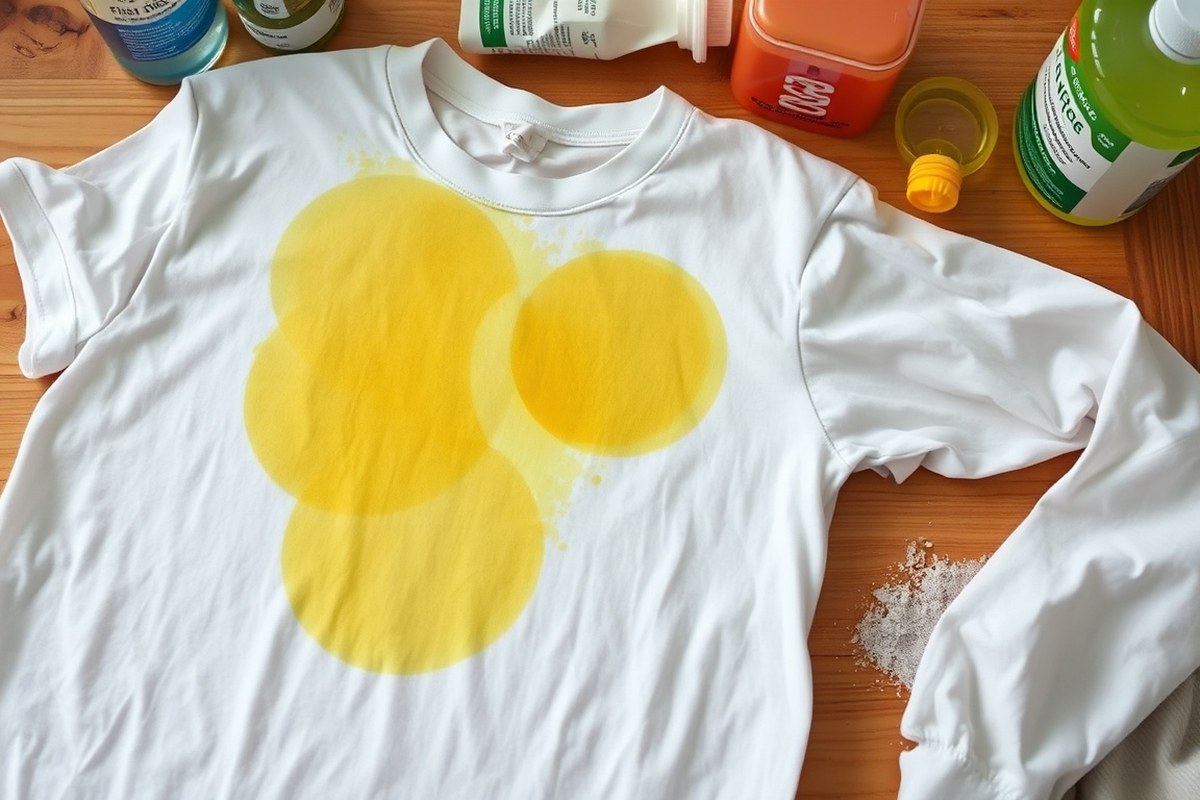
How to Take Armpit Stains Out of Clothes: 8 Effective Methods That Work
How to take armpit stains out of clothes starts with pre-treating the stained areas using oxygen-based brighteners, baking soda paste, or white vinegar solution for 15 to 60 minutes. Avoid heat until the stain is fully removed, as body temperature or dryers over 104°F can set the stain permanently. This approach works well on both fresh and set-in stains.
This advice is designed for anyone dealing with tough yellow or dark armpit stains on shirts. You’ll learn safe, effective methods for different fabrics and stain ages, along with prevention and proper washing tips to keep your clothes looking clean.
Key Takeaways
- Pre-treat armpit stains with a baking soda paste or oxygen-based brightener for 15 to 60 minutes before washing.
- Use a white vinegar soak to break down sweat and deodorant buildup by soaking clothes for 20 to 30 minutes.
- Apply 3% hydrogen peroxide only on white clothing to remove protein-based stains safely.
- Never expose stained clothes to heat above 104°F before fully removing the stain to avoid setting it.
- Older stains benefit from longer pre-treatment, up to two hours or overnight for stubborn cases.
- Choose enzyme cleaners for protein stain removal and apply directly to armpit stains before laundering.
1. How to Remove Armpit Stains Quickly and Effectively

Removing armpit stains quickly starts with treating the area before you wash. Sweat and deodorant combine to form stubborn marks, so breaking them down right away helps stop permanent damage. Household items like baking soda, white vinegar, and lemon juice contain natural acids and enzymes that lift and dissolve these stains effectively without harsh chemicals.
Timing is key. Apply your chosen treatment immediately after noticing sweat or deodorant build-up, or as soon as possible, especially before stains set in. Letting a paste or solution sit for 15 to 30 minutes allows it to penetrate and loosen the stain. Avoid letting treated fabrics dry out completely to keep the stain remover active.
- Make a paste. Stir 4 tablespoons of baking soda with a little water until it forms a thick, spreadable paste. Baking soda helps eliminate odors and lightly scrubs away residue.
- Apply to the stain. Spread the paste evenly over the armpit area, ensuring full coverage. For dark clothes, a diluted white vinegar spray works well to remove deodorant marks.
- Let it sit. Allow the paste or vinegar solution to rest for 20 to 30 minutes. This gives the natural acids and enzymes time to break down sweat proteins and deodorant compounds.
- Gently scrub the stain. Use a soft brush or clean toothbrush to rub the paste into the fabric in circular motions, loosening ingrained residues without damaging fibers.
- Rinse thoroughly. Flush the treated area with cold water to wash away loosened stain particles and excess paste.
- Lemon juice option. For white shirts, mix equal parts lemon juice and warm water, apply to the stain, and let sit for 15 minutes before rinsing. Lemon’s natural bleaching effect helps brighten fabric.
- Follow with laundry detergent. Wash the garment promptly in the warmest water safe for the fabric, using your regular detergent and adding a commercial stain remover if preferred.
Using this method costs mostly the price of common kitchen staples, often under a dollar per treatment. This approach avoids harsh chemicals, making it safe for most fabrics if you test a small area first. Quick pre-treatment prevents stains from setting deeper, which would require more intensive methods later. Taking these steps soon after wearing keeps your clothes fresh and extends their life.
2. What Causes Yellow and Dark Armpit Stains on Shirts
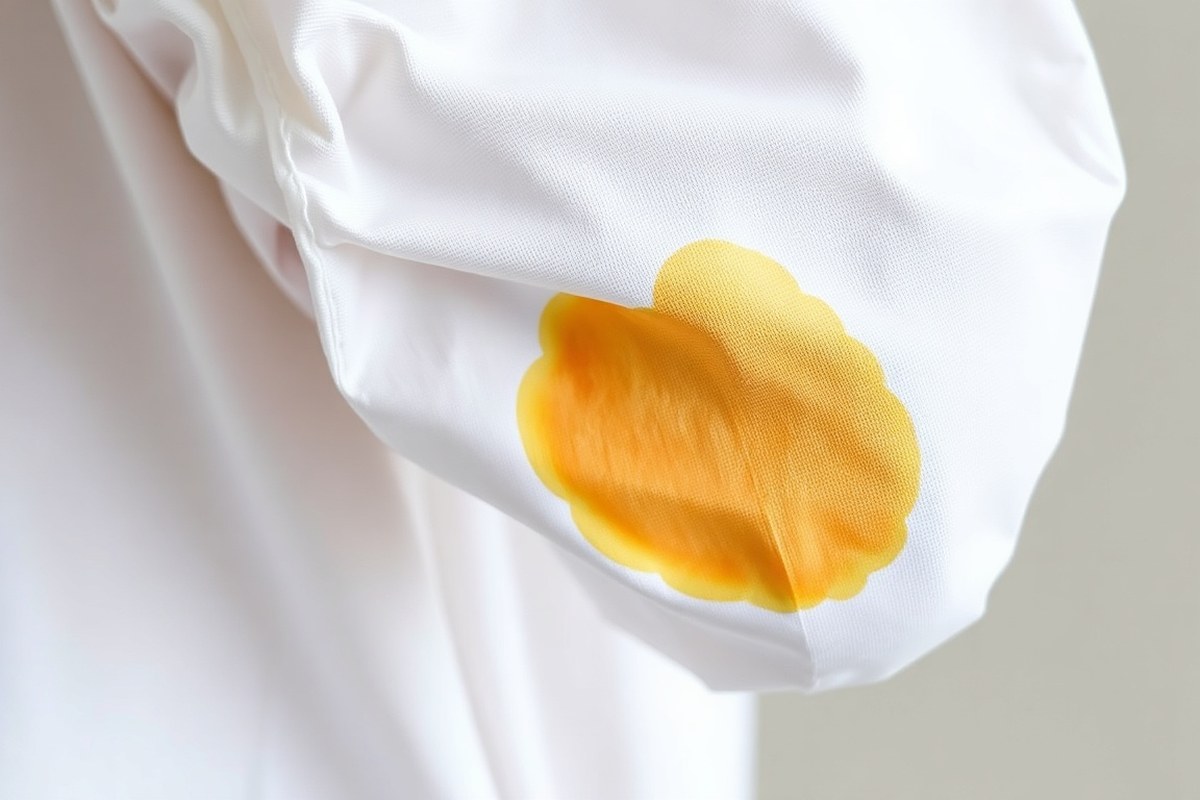
Yellow armpit stains on shirts result from a chemical reaction between your natural sweat and the ingredients in many deodorants, especially those containing aluminum compounds. Sweat itself is mostly water but contains proteins and salts that, when combined with aluminum-based compounds in antiperspirants, cause the fabric to yellow. This chemical bond is tough to break, which is why these stains often persist even after regular washing.
The type of deodorant you use strongly affects armpit staining. Antiperspirants usually include aluminum salts designed to block sweat glands, but these salts react with sweat to form yellow or dark stains on light-colored fabrics. Deodorants without aluminum tend to leave less staining, but they may not control sweating as effectively. Also, white, creamy deodorants can leave behind stiff white crusts on clothes, particularly dark shirts, which are deodorant residue rather than sweat stains. This residue can contribute to discoloration and fabric stiffness if not washed out properly.
Darkening or setting of stains occurs when the yellow marks go untreated and sweat, deodorant residue, and body oils combine over time. Heat from washing or drying can make these stains permanent by setting the proteins and compounds deeper into the fibers. Also, if you use hot water or high heat to dry stained shirts before removing the mark, the stain may oxidize and darken further. This darkening makes removal much harder and less likely to succeed without strong pre-treatment.
Understanding this chemistry matters for treating stains effectively. Pre-treating armpit stains promptly with oxygen-based brighteners, baking soda pastes, or white vinegar solutions for 15 to 60 minutes helps break down the chemical bonds between sweat and aluminum compounds. Soaking garments in cool or warm water before washing also avoids setting stains with heat. Attempting to remove sweat and deodorant stains requires attention to fabric type and stain age to avoid damage while targeting these stubborn compounds.
Always avoid using hot water or putting stained shirts in the dryer before treating the stain, as heat can set armpit marks permanently.
3. Choosing the Best Method for Different Fabrics and Stain Ages
Choosing the right stain removal method depends on your fabric’s type and how old the stain is. White or light-colored cotton and linen respond well to vinegar and baking soda treatments, while delicate or synthetic fabrics require gentler or enzyme-based cleaners. Old or set-in stains often need longer treatments and oxidizing agents that work deeper into the fibers without damaging them.
White and Light-Colored Fabrics
For white and light fabrics like cotton or linen, a white vinegar soak works efficiently on fresh sweat stains. Soak the armpit area in a solution of equal parts distilled white vinegar and water for 30 minutes. After soaking, gently scrub the area with a baking soda paste made from equal parts baking soda and water, or a mixture that includes 3% hydrogen peroxide for stubborn yellowing. Avoid using chlorine bleach on colored versions of these fabrics as it can damage the color. Hot water should also be avoided before treatment since it can set stains.
After treating, wash the fabric in cool to warm water with an enzyme detergent to break down sweat proteins and deodorant residues. This method balances efficacy with fabric care, keeping your clothing fresh without weakening fibers.
Colored and Synthetic Materials
Colored fabrics, especially synthetics like polyester and rayon, require gentler stain removers to prevent dye fading and fiber damage. The safest approach is a vinegar soak with one part vinegar to two parts water for 30 minutes. Avoid hydrogen peroxide and chlorine bleach on these fabrics as they can cause discoloration.
Enzyme-based detergents targeting protein stains work well during the wash cycle. For delicate fabrics such as wool or silk, cold water hand soaking followed by gentle washing with Woolite or a comparable detergent is best. Do not soak delicate fibers for long periods, as it may weaken threads.
| Fabric | Recommended Remedy | What to Avoid |
|---|---|---|
| Cotton | Use a 30-minute soak in white vinegar, follow with a paste made from baking soda, and apply an enzyme cleaner to tackle stains effectively. | Chlorine bleach on colored cotton; hot water before stain treatment |
| Linen | Soak the fabric in a mixture of two parts water to one part white vinegar for cleaning. | Chlorine bleach; prolonged soaking (weakens fiber); hot water |
| Polyester and synthetics | White vinegar soak; enzyme-based cleaner; diluted dish soap | Hydrogen peroxide on colored fabrics (can fade dye); chlorine bleach |
| Wool | Cold-water hand soak with enzyme detergent or Woolite | Hot water; prolonged soaking |
Understanding these fabric-specific instructions prevents damage and maintains your clothing’s appearance. The table above summarizes which remedies work best and which should be avoided.
Set-In and Older Stains
Old or set-in armpit stains require more intensive treatment to break down the hardened sweat, deodorant, and body oils. Create a paste combining equal parts baking soda and 3% hydrogen peroxide with water and apply it to the stained area. Let it sit for up to 2 hours to penetrate deeply before washing.
Oxygen-based brighteners mixed into a paste with liquid hand soap can also help lift older stains but should not be used on wool or silk. Professional washing services may be a safer option if unsure, costing between $5.25 and $22.50 USD depending on fabric type and location, especially for delicate items that risk weakening.
Avoid hot water early in the process to prevent setting the stain. Test treatments on a small hidden area before full application to avoid unexpected fabric damage or colour loss.
4. Using Baking Soda, Vinegar, and Hydrogen Peroxide Safely and Effectively
Baking soda, white vinegar, and hydrogen peroxide are effective and safe options for treating armpit stains when used correctly. Baking soda helps lift stains and deodorizes, vinegar breaks down buildup from sweat and deodorants, and hydrogen peroxide brightens fabrics, especially whites. Letting these remedies sit on the fabric long enough, typically between 15 and 60 minutes, maximizes their stain-fighting ability without causing damage.
Baking Soda Paste Preparation and Use
Baking soda works well to remove sweat stains by lifting and neutralizing odor. Mixing baking soda into a paste using water creates a thick solution that sticks to the fabric to break down the stain. It’s safe for all colors and fabrics when used in moderation and rinsed thoroughly.
Apply the paste carefully onto the stain, massaging it gently so the baking soda can break down sweat proteins. Allow it to sit for a while, and for tougher stains, leaving it on longer or overnight can improve results.
- Mix 2 tablespoons of baking soda with 1 tablespoon of room-temperature water to form a paste.
- Apply the paste directly onto the armpit stain using a soft brush or your fingers gently.
- Let the paste sit on the fabric for 15 to 30 minutes; for heavier stains, leave it up to overnight.
- Rinse the treated area with cold water to remove all paste residue.
- Launder the garment as usual, using cold water to avoid setting the stain.
- Repeat the process if the stain remains visible before drying.
White Vinegar Soak and Application
White vinegar helps break down the buildup of deodorant and sweat residue that can cause yellow and dark stains. Its mild acidity makes it a safe and natural option for treating armpit stains on most fabrics, including colors.
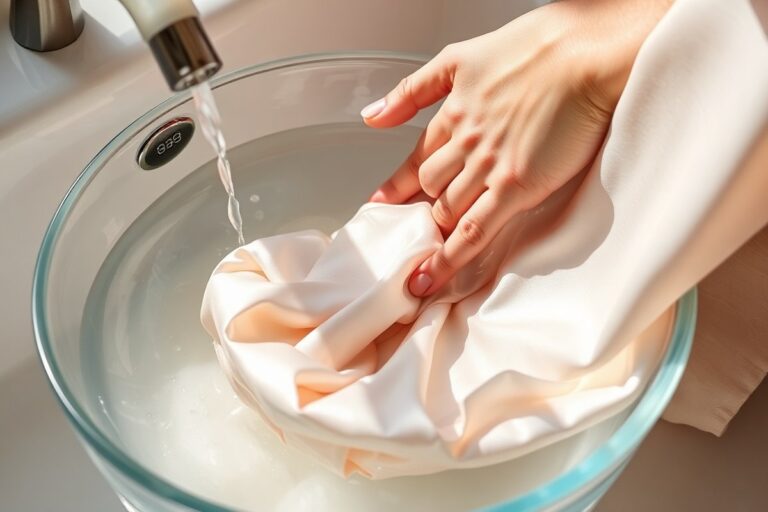
Soaking the stained part of the garment in a vinegar solution loosens the stain and deodorizes the cloth. Use a diluted solution to avoid any potential fabric damage and limit soaking time to 20-30 minutes for best results.
- Fill a basin or your washing machine tub with lukewarm water.
- Add one-third cup of distilled white vinegar for each gallon of water used.
- Submerge the stained clothing, especially the armpit area, fully in the vinegar solution.
- Let the garment soak for 20 to 30 minutes without agitation.
- Remove the clothing and gently rub the stained area if needed.
- Rinse thoroughly with cold water to remove vinegar smell and residue.
- Launder as usual, avoiding hot water to prevent setting stains.
Hydrogen Peroxide Mixture for Whites
Hydrogen peroxide brightens fabric by breaking down tough stains and is effective on white clothing. Use 3% hydrogen peroxide for stain removal, which is common in drugstores and safe when applied carefully. Mixing it with baking soda forms a powerful paste that targets both stains and residue from antiperspirants.
It’s essential to test on an inconspicuous spot first, since hydrogen peroxide can mildly bleach some fabrics. Apply the paste and let it sit for 45 to 60 minutes to break down the hard-to-remove protein-aluminum compound found in armpit stains.
- Mix together two measurements of baking soda, one measurement of 3% hydrogen peroxide, and an equal amount of water at room temperature until a paste forms.
- Apply the paste generously to the armpit stain using a soft brush or cloth.
- Allow the mixture to sit for 45 to 60 minutes for best stain removal results.
- Rinse the area thoroughly with cold water after treatment.
- Launder the garment in cold water to avoid setting any residual stain.
- Repeat if the stain persists, but avoid prolonged exposure to protect fabric integrity.
5. Natural and Alternative Remedies for Stubborn Armpit Stains
Natural remedies can be effective on stubborn armpit stains by targeting the organic compounds in sweat and deodorant buildup. Lemon juice contains citric acid, which acts as a mild bleach and helps dissolve yellow stains. Apply fresh lemon juice directly to the stain, then let it sit in the sun for 30 to 60 minutes before washing. This exposure improve the bleaching effect but is best for white or light-colored fabrics to avoid fading. Rinse thoroughly to prevent fabric damage and test on an inconspicuous area first.
Salt works as a gentle abrasive and moisture absorber, helping to lift fresh stains. Make a paste using 2 tablespoons of salt and enough lemon juice or cold water to form a thick consistency. Rub this onto the stain gently and let it rest for 30 minutes before laundering. Salt is inexpensive and safe for most cotton and polyester blends but avoid on delicate fabrics like silk or wool to prevent damage.
Aspirin can also break down stain components through its acetylsalicylic acid content. Crush three uncoated aspirin tablets and mix them with half a cup of warm water to dissolve. Soak the stained area for 2 to 3 hours, then wash normally. This method can brighten discoloration without harsh chemicals but may take longer to see results and should be used sparingly due to aspirin’s acidity.
Enzyme cleaners are designed to target protein-based stains such as sweat and body oils. These cleaners contain biological enzymes that digest stain molecules, making them easier to remove. Apply an enzyme-based detergent or pre-treatment directly to the dry stain and let it sit for at least 30 minutes at room temperature before washing with warm water. Enzymatic treatments tend to be more effective where mineral content in water reduces the action of regular detergents. They work well on both fresh and aged stains but are not suitable for all fabric types, so always check the product label and garment care instructions.
- For lemon juice use, avoid colored fabrics to prevent bleaching.
- Salt paste works best on fresh stains and more durable cotton or blends.
- Aspirin soaking is good for older stains but takes several hours.
- Enzyme cleaners require room temperature and time to work properly.
- Always rinse thoroughly after natural treatments to protect fabric.
- Test any remedy on a hidden spot before treatment.
Allow treated stains to air dry before washing to avoid setting them further with heat.
6. Washing and Drying Tips to Prevent Setting Stains Permanently
Cold water washing is key to preventing armpit stains from setting permanently in your clothes. Hot water and heat can cause the proteins and deodorant residues in the stain to bond tightly to fabric fibers, making the stain much harder to remove. Using cold water during the wash cycle halts this chemical reaction and keeps stains more treatable.
Choose a gentle or normal wash cycle depending on the garment’s fabric. Aggressive cycles can damage delicate shirts and also embed dirt further. Stick to the washing machine’s recommended amounts of detergent for stained loads, as excess soap residue may worsen staining or leave buildup.
The drying method plays as important a role as washing. Avoid running garments with armpit stains in the dryer or using any heat source until you are sure the stain is gone. High heat permanently sets stains by baking them into the fabric. Instead, air dry shirts by hanging or laying flat in a well-ventilated area. This keeps the fabric in better condition and preserves stain removability.
- Wash stained clothes in cold water (less than 80°F or 27°C).
- Select gentle or normal wash cycles based on fabric care labels.
- Use the recommended detergent amount for the load size.
- Test stain removers on a small, hidden area first.
- Repeat stain treatment steps before drying if stains remain.
- Air dry shirts by hanging or flat drying only, no dryers or heat.
- Follow fabric care labels to maintain garment quality.
Taking these steps costs nothing extra except patience and attention to detail. In the best case, stains come out easily without damage. If clothes go through a dryer or hot washing, you risk stains becoming permanent and more visible. Protect your shirts by treating stains promptly and avoiding any heat until completely removed.
7. Preventing Armpit Stains: Clothing Care and Lifestyle Habits
Choosing the right deodorant plays a key role in preventing armpit stains from coming back. Many stains form because of aluminum compounds in antiperspirants reacting with sweat. Switching to an aluminum-free deodorant can reduce this reaction and help keep your shirts looking clean. You can find aluminum-free options for about $5 to $15 per stick or spray at most drugstores. Apply deodorant only after your skin is completely dry to avoid trapping moisture that may encourage bacterial growth or staining.
Fabric choice matters when trying to prevent stains. Natural fibers like cotton and linen breathe better and have moderate to high resistance to stains, making them ideal for everyday wear and hot weather. Synthetic materials such as polyester tend to trap sweat and odors more, so avoiding polyester for shirts worn during long or active days can help reduce staining. Linen offers very high breathability and stain resistance, which makes it a great option if you live in a warmer climate and sweat more.
Drying time after washing also affects stain prevention. Always check the underarm area for any remaining discoloration before placing your clothes in the dryer. Heat can set stains permanently, so allowing your shirts to air dry or using a low-heat setting can save you from stubborn marks. If you notice stains still there after washing, retreat the area and wash again before drying. This habit requires just a few extra minutes but can extend your clothing’s life significantly.
Maintaining good personal hygiene works hand in hand with proper laundry care. Showering regularly and allowing your underarms to dry fully before dressing helps reduce sweat buildup that causes stains. Applying antiperspirant or deodorant consistently, but avoiding overapplication, prevents excess product residue. During hot or active days, consider bringing an extra shirt or using sweat pads to protect your clothing and reduce the need for frequent deep cleaning.
For laundry, treating the armpit area every wash makes a difference. Rub a bit of liquid detergent directly into the fabric before washing or soak the shirts in a mixture of water and a targeted stain remover for 15 to 30 minutes. This routine costs just a few minutes and a small amount of detergent but cuts down on build-up over time. Regularly inspecting clothes right after washing lets you act quickly before stains set in, keeping your wardrobe fresh without harsh chemicals or complicated steps.
8. How to Know If Stains Are Fully Removed Before Drying
Check your clothes carefully before you dry them to avoid setting armpit stains permanently. Look closely for any discoloration or residue by using natural light or a bright lamp. Stains that remain require another round of treatment before drying, since heat sets stains and makes them harder to remove.
Visual Inspection Techniques
Start by holding the garment up in direct sunlight or under a strong white light to spot any lingering marks. Stains often look lighter when wet but become obvious as the fabric dries or when viewed against bright light. Pay extra attention to the fabric’s texture around the stain, it may feel slightly rough or stiff if residue remains.
White or light-colored shirts make spotting residual stains easier, but darker clothes need close scrutiny since stains can blend in. Look for subtle shadows or differences in fabric sheen, which can indicate remaining soil or deodorant buildup.
Testing Fabric for Residual Stain
After visual checks, perform a simple test by patting the area with a clean, dry white cloth or paper towel. Any color that transfers onto the towel means the stain hasn’t been completely removed. Another method involves dampening a small cotton swab with cold water and rubbing it gently on the suspected area; visible discoloration on the swab signals residual stain. Check any cure attempts using these steps:
- Use strong natural light or a flashlight to illuminate the stain area
- Feel the fabric for texture changes that suggest buildup
- Dab the stain with a white cloth to detect color transfer
- Use a damp cotton swab to test for residual residue
- Compare the opposite armpit side if unstained as a baseline
- Note stains that fade when wet but reappear when dry
- Consider a 12-hour soak in oxygen bleach for tough fabric-safe stains
Following these tests helps you avoid drying a garment with stains that will be more difficult or sometimes impossible to remove afterward.
Deciding When to Retry or Call Professionals
Try retreating stains on cotton or blends with a soak in cold water and oxygen-based bleach before rewriting your laundry steps. Avoid harsh chemicals or repeated scrubbing on silk, wool, or structured clothes, as these fabrics need special care.
Visible stains that persist on delicate fabrics such as silk or garments with linings after gentle cleaning call for professional dry cleaning. Sometimes stubborn armpit stains can damage or discolor fine materials when home methods fail.
Never put stained clothes directly into the dryer; the heat will set stains permanently, making them nearly impossible to remove.
Step-by-Step Action Plan
Follow this plan to remove armpit stains effectively and protect your clothes from future damage.
- Before Washing: Pre-treat the stained area with a paste of baking soda and water or a vinegar spray. Wait 15 to 30 minutes to let it break down the stain.
- Wash Day: Wash the garment in cold water using a detergent formulated for stain removal. Check the stain before drying.
- After Washing: If any stain remains, apply hydrogen peroxide carefully to the affected area and let it sit for 10 minutes. Test on a hidden area first to prevent fabric damage.
- Drying Phase: Air dry the garment rather than using a dryer. Heat can set stains permanently if not fully removed.
- Weekly Maintenance: Use deodorants without aluminum and wash clothes soon after wearing them to prevent buildup.
- Monthly Deep Care: Soak clothes prone to staining in a solution of warm water and vinegar for 30 minutes before the regular wash.
Frequently Asked Questions
How to Get Rid of Ring Around the Collar?
Treat the collar with a baking soda paste or enzyme detergent before washing. These help break down sweat and oil that cause the stain, making it easier to wash out completely.
Can Dry Cleaning Remove Sweat Stains?
Dry cleaning can remove some sweat stains but may not fully eliminate odor or yellowing. Pre-treating stains at home often works better for tough armpit marks before dry cleaning.
Does Baking Soda Remove Sweat Stains?
Baking soda helps remove sweat stains by breaking down acids and deodorant buildup. Use it as a paste with hydrogen peroxide for yellow stains or with dish soap to lift stubborn marks.
How to Remove Collar Stains?
Pre-treat collar stains with a stain remover or baking soda paste, then wash promptly. Regular cleaning prevents buildup that turns stains tougher to remove.
Can I Use Lemon Juice to Remove Armpit Stains?
Lemon juice can lighten armpit stains due to its natural bleaching properties but should be tested on colored fabrics first. It works best on fresh stains in sunlight.
Does Deodorant Cause Armpit Stains on Clothes?
Yes, some deodorants react with sweat to cause yellow or dark stains. Choosing formulas without aluminum and washing clothes soon after wearing reduces this risk.
The Bottom Line
Removing armpit stains requires prompt and careful treatment tailored to your clothing’s fabric. Using safe, proven methods like baking soda, vinegar, and hydrogen peroxide helps protect your clothes while tackling tough stains. Start by pre-treating stains you spot today, and adjust your laundry routine to keep your garments fresh and stain-free longer.