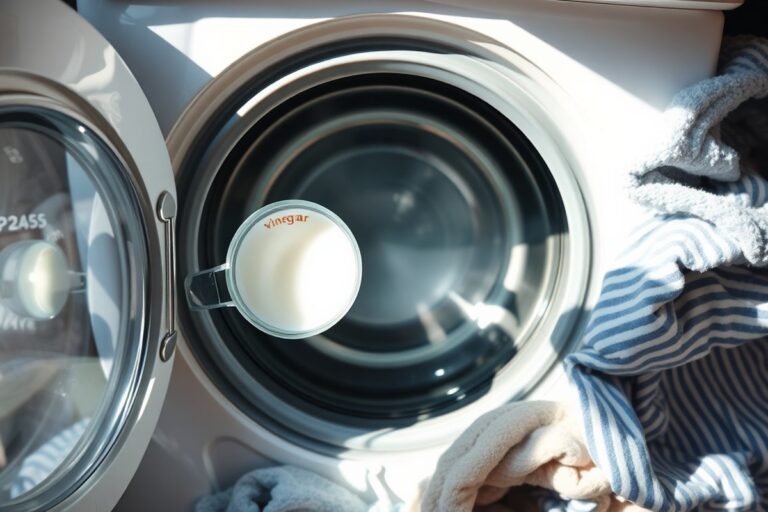
How to Remove Spots from White Clothes: 8 Expert-Backed Methods That Work
To remove spots from white clothes effectively, treat stains as soon as possible with appropriate solutions like white vinegar, hydrogen peroxide, or salt water soaks. Always check the fabric care label and test treatments on a small area first to avoid damage. Air dry the garment after washing to ensure the stain is fully gone. This approach works well for a range of stains including sweat, blood, and food spills.
This advice is tailored for everyday consumers seeking practical methods to keep white clothes spotless. You’ll get clear steps for treating common stains, choosing the right products, handling delicate fabrics, and preventing future marks to maintain your whites’ brightness.
Key Takeaways
- Soak white clothes stained with organic spots in 3% hydrogen peroxide for mild bleaching effects before washing.
- Use a 50/50 mix of white vinegar and room-temperature water to treat yellow stains effectively.
- For fresh blood stains, soak the garment in cool water for about one hour before washing.
- Dissolve salt in cold water and soak tougher stains for 20-30 minutes to help lift them from fabric.
- Always launder white clothes separately on the warmest safe setting recommended by the care label.
- Air dry the garment after stain treatment to confirm the spot is removed before using heat from a dryer.
How to Remove Spots from White Clothes Effectively

Removing spots from white clothes starts with quick action and proper preparation. The fastest way is to treat the stain as soon as you notice it. This prevents the stain from setting into the fabric, making it harder to remove later. Always check the garment’s care label to avoid damaging the fabric by using too hot water or harsh chemicals. Separating white clothes from colored laundry before washing helps keep whites bright and avoids discoloration.
Basic tools and products you’ll need include a clean cloth or paper towel, a gentle detergent suitable for whites, and access to warm water. Having a stain remover spray or stick on hand can speed up the process. Also, some common household items like baking soda, white vinegar, or hydrogen peroxide may be useful, depending on the stain type. Hand rinsing or soaking spots before washing can significantly improve stain removal results. Follow these exact steps to prepare and treat the stained white garment effectively:
- Inspect and identify the stain. Determine what caused the spot to select the right treatment method. For example, grease and oil need a different approach than ink or rust.
- Blot excess residue gently. Use a clean cloth or paper towel to blot the fresh stain carefully. Avoid rubbing, which can spread or embed the spot deeper into the fabric.
- Pre-treat the stain. Apply a commercial stain remover or a small amount of liquid detergent directly to the spot. For stubborn stains like sweat or oil, let it sit for 5 to 10 minutes but don’t let it dry out.
- Rinse with warm water. Use warm water on the stained area to loosen the spot before washing. The water temperature should follow the garment care label guidelines, usually between 104°F and 140°F (40°C to 60°C) for whites.
- Soak if needed. For older or set-in stains, soak the garment in warm water mixed with oxygen-based bleach or a small amount of detergent for 30 minutes. Avoid chlorine bleach unless the fabric label specifically allows it, as it can weaken fibers.
- Wash separately on warmest safe setting. Wash the white clothes on the hottest water setting recommended by the care label. Use a detergent designed for whitening if possible. Avoid overloading the washer to ensure thorough cleaning.
- Check before drying. After washing, check if the stain has disappeared. Drying can set stains permanently, so repeat pre-treatment and washing if necessary before drying.
Choosing the Right Products for White Fabric Spot Removal

Several household products work well to remove spots from white clothes, each with specific uses and precautions. For light stains and odors, baking soda is a gentle option. Making a paste with baking soda and water can lift surface stains without harsh chemicals. White vinegar mixed with baking soda and warm water creates a useful cleaning solution but should not be combined directly with bleach or hydrogen peroxide to avoid dangerous reactions.
Hydrogen peroxide at a 3% concentration acts as a mild bleach and is effective against organic stains on compatible white fabrics. Mixing hydrogen peroxide with a small amount of dish soap and baking soda creates a powerful stain remover that can brighten white clothes while tackling tougher spots. Oxygen bleach is a safer alternative to chlorine bleach for most fabrics, working well for stubborn stains without the risk of damaging fabric color.
Chlorine bleach should be reserved for durable white cotton clothing that is labeled as bleach-safe. Wearing rubber gloves and doing a spot test before use is important to prevent permanent fabric damage. Avoid mixing chlorine bleach with vinegar, ammonia, or hydrogen peroxide since this can produce toxic fumes. For white pieces containing spandex or other delicate fibers, oxygen-based bleach products made for colors offer better protection.
| Product | Best Use | How to Use | Precautions |
|---|---|---|---|
| Baking Soda | Light surface stains, odor removal | Make a paste with water, gently rub onto stain | Safe for all fabrics, avoid mixing with bleach or peroxide directly |
| White Vinegar | General stain removal when mixed with baking soda | Mix 1 tbsp vinegar, 1 tsp baking soda, 1 cup warm water; apply to stain | Never combine with chlorine bleach or hydrogen peroxide |
| Hydrogen Peroxide (3%) | Organic stains, mild bleaching | Use with dish soap and baking soda for spot treatment | Test on fabric first; do not mix with vinegar or bleach |
| Oxygen Bleach | Tough stains, safe on most fabrics | Follow package instructions for soaking or pretreating | Generally safe but check fabric care labels |
| Chlorine Bleach | Bleach-safe durable cotton whites | Dilute as per label; soak and wash promptly | Wear gloves; test fabric; avoid on spandex; never mix with vinegar or peroxide |
This checklist helps you choose products safely and effectively:
- Identify fabric type and check care labels before treatment.
- Start with gentler methods like baking soda paste or vinegar solution.
- Use hydrogen peroxide mixtures for organic stains, but test first.
- Reserve chlorine bleach for sturdy cotton only, with protective gear and testing.
- Avoid mixing bleach with vinegar, ammonia, or peroxide to prevent harmful fumes.
Always perform a spot test on an inconspicuous area before applying bleach or hydrogen peroxide to avoid permanent damage.
Use an even mix of dish soap, hydrogen peroxide, and baking soda to create an effective stain remover at home. Dab this solution onto the stained areas, then lightly scrub using a soft toothbrush or cloth. Rinse thoroughly before washing your clothes as usual. This blend provides gentle bleaching and cleaning effects without damaging the fabric.
Treating Common Stain Types on White Clothes
Different types of stains call for specific treatments on white clothes to avoid setting the stain further or damaging the fabric. Acting quickly and choosing the right method can make all the difference in restoring your whites. Below are step-by-step instructions tailored to common stain types you might encounter.
Removing Blood Stains Safely
Blood stains are protein-based and can set permanently if treated with heat, so always use cold water. Prompt action makes removal much easier since dried blood is tougher to get out. Pretreating with detergent helps break down the stain without harming the fabric.
- Rinse the stained area with cold water from the back of the fabric to push the blood out.
- Apply a liquid laundry detergent directly onto the stain and gently rub it in.
- Let the detergent sit for 5 to 10 minutes but don’t let it dry on the fabric.
- Rinse the area with cold water again to remove loosened blood and detergent.
- When the stain doesn’t come out, soak the garment in cold water with an oxygen-based stain remover for 30 minutes, making sure the product is safe for your fabric.
- Wash the item as usual using cold water; avoid hot water until the stain is completely gone.
- Air dry the garment to avoid heat setting any residual stain.
Handling Grease and Oil Spots
Grease and oil stains are especially common on white clothes and need degreasing before washing. Using a liquid detergent directly targets oily residues before a full wash removes the rest. Prompt treatment prevents the oil from settling and spreading.
- Blot the stain gently with a clean cloth to remove excess grease without rubbing it deeper.
- Apply a small amount of liquid laundry detergent right on the greasy spot and work it in gently with your fingers.
- Let the detergent sit for 10 to 15 minutes to break down the oil.
- Rinse the area thoroughly with warm water to flush away the detergent and loosened grease.
- Apply the detergent again before washing, as necessary.
- Wash the garment on the warmest water safe for the fabric according to the care label.
- Check the stain before drying; drying can set any remaining grease.
Erasing Ink and Pen Marks
Ink and pen stains vary depending on the type of ink, but many respond well to solvent-based or detergent treatments. Act quickly, as dried ink can be quite tough to remove. Avoid rubbing, which risks spreading the ink further.
- Place a paper towel or cloth under the stained area to prevent ink transfer to the rest of the garment.
- Dab small amounts of rubbing alcohol or a solvent-based stain remover onto the stain using a cotton swab or clean cloth.
- Blot gently from the outside toward the center to lift the ink without spreading it.
- Rinse the treated area with cold water to remove loosened ink and solvent.
- Apply liquid laundry detergent to the stain and rub gently.
- Let the detergent sit for 5 to 10 minutes before washing.
- Wash in cold water following care instructions and air dry to avoid heat setting.
Cleaning Food and Beverage Stains
Food stains such as coffee and ketchup can become permanent if dried. Quick rinsing and pretreatment with detergent improve the chances of complete removal. Avoid drying the article until you confirm the stain is gone.
- Immediately rinse the stained area under cold running water to flush out as much residue as possible.
- Apply a liquid laundry detergent directly to the stain and work it in gently using your fingers or a soft brush.
- Allow the detergent to sit for 10 to 15 minutes to penetrate the stain.
- Rinse the fabric again with cold water to extract loosened stain particles.
- For persistent stains, apply an oxygen-based stain remover according to the product directions, ensuring fabric safety.
- Wash the garment in the warmest water allowed by the care label.
- Check for stain removal before using heat to dry; repeat steps if needed.
Dealing with Sweat and Deodorant
Sweat and deodorant marks often cause yellowing on white fabrics. Oxygen-based stain removers and natural solutions like lemon juice help break down these stains without bleach. Testing a small area first will ensure no fabric damage.
- Mix equal parts lemon juice and warm water for a natural treatment or use an oxygen-based stain remover following instructions.
- Apply the solution directly to the stained areas, especially the underarm sections.
- Gently rub the fabric together or use a soft brush to work the solution into the stain.
- Allow it to sit for 20 to 30 minutes to break down sweat and deodorant buildup.
- Rinse thoroughly with warm water to remove residue and loosened stains.
- Wash the garment normally in warm water if fabric care labels permit.
- Air dry and inspect; repeat treatment for stubborn or yellowed stains before using heat dryers.
Fabric-Specific Tips and Precautions for White Clothes
Stain removal methods vary widely in their effects depending on the fabric type of your white clothes. Certain treatments, like bleach, work well on sturdy fabrics such as cotton but can damage delicate materials like silk or wool. Using a gentler approach tailored to the fabric ensures effective spot removal without harming your garment. Here’s how to adjust your stain removal routine based on the fabric involved.
Understanding Fabric Types and Their Treatment Needs
White clothes come in many fabric types, from heavy cotton and linen to delicate silk and wool. Stain removers that are harsh on some materials might be safe for others. For example, regular bleach brightens cotton but can weaken or yellow silk and wool fibers over time. Delicate fabrics are prone to damage like shrinkage, color loss, or fiber weakening if treated aggressively. Always check the garment’s care label before applying any treatment. Identifying the fabric helps you choose the safest stain removal method and avoid costly damage.
For sturdy fabrics such as cotton and linen, you can use oxygen-based bleach or hydrogen peroxide solutions for effective stain removal. These options typically work safely when used according to instructions. Delicate fibers, however, benefit from milder care. Avoid bleach and harsh chemical stain removers on delicate materials to prevent fabric weakening or discoloration.
Treating Delicate Fabrics Like Silk and Wool
Silk and wool need special attention when removing spots. Use cold water mixed with a gentle detergent designed specifically for delicate garments. Pour this solution directly over the stain and carefully squeeze the fabric to work the cleaner through the fibers without rubbing or wringing, which risks damage. This method softly lifts the spot while maintaining fabric integrity.
Always avoid bleach, hot water, or aggressive stain removers on silk, wool, or similar delicate fabrics. If the stain persists after gentle treatment, consider professional cleaning to prevent accidental harm. For home care, selecting products labeled for delicate fabrics and cold water use will minimize risks.
Bleach Safety and Fabric Compatibility
Bleach is effective at whitening and removing many stains but is not safe for all white fabric types. Chlorine bleach works well on cotton, polyester blends, and some synthetic fibers but can cause yellowing or fiber breakdown in silk, wool, and other natural delicate materials. Oxygen-based bleach (like hydrogen peroxide) offers a safer alternative for many washable white fabrics but still must be tested on an inconspicuous spot first.
Always read product labels carefully; if bleach usage is contraindicated for your garment’s fabric, skip it entirely. Use the gentlest effective option available. Misusing bleach can lead to permanent fabric damage that no stain removal method can reverse, which adds cost and frustration.
Vinegar and Other Mild Stain Removers on Different Fabrics
Certain household stain removers, such as white vinegar, are not universally safe for all white fabrics. Vinegar is generally safe on cotton but can weaken or discolor delicate fibers like silk and wool unless the manufacturer’s care instructions specifically allow it. Always test on a hidden area before treating the stained spot, especially with delicate fabrics.
For tough stains on delicate materials, specialized stain removers designed to be fabric safe are a good investment. These products avoid harsh chemicals and provide effective cleaning without risking fiber damage. Using mild, fabric-appropriate cleaners helps preserve your garment’s feel and appearance over time.
Checklist for Safe Stain Removal by Fabric Type
Use this quick checklist to match your stain removal method to your garment fabric: Cotton and linen: Safe to use oxygen-based bleach or hydrogen peroxide stain removers. Apply at room temperature and rinse promptly.
Polyester and synthetic blends: Usually bleach-compatible but verify care labels. Use oxygen bleach over chlorine bleach where possible.
Silk and wool: Use cold water and gentle, specialty detergents only. Avoid bleach and vinegar unless care label permits. Delicate blends and specialty fabrics: Test stain remover on an inside seam; if uncertain, seek professional cleaning assistance.
Following these fabric-specific guidelines keeps your white clothes looking their best and prevents accidental damage during stain removal. Taking time to identify fabric and select an appropriate method saves effort, expense, and frustration.
How Long to Let Stain Treatments Sit Before Washing
Let stain treatments sit anywhere from 5 minutes to several hours depending on the product and stain severity. Hydrogen peroxide mixed with dish soap typically needs about 30 minutes, while soaking white clothes in warm water with detergent or vinegar may take 30 minutes to overnight for tough stains. Bleach treatments usually require no more than 30 minutes to avoid damaging fabric. Leaving stain removers on too briefly limits their effectiveness, while letting them sit too long can weaken fabric or cause discoloration.
Timing for Common Stain Removers
Hydrogen peroxide combined with dish soap is a popular spot treatment for white clothes. After mixing one part dish soap to two parts regular (not 3%) hydrogen peroxide, apply it to the stain thoroughly. Let it sit for about 30 minutes before washing. This timeframe provides enough time for the peroxide to break down stain molecules without harming the fabric.
Vinegar or white wine soak times range around 30 minutes for most stains. Soaking white clothes in these acidic solutions loosens stains, helping improve removal in the wash. For mild marks, 15 to 30 minutes is often enough.
Bleach should be handled carefully. Direct bleach application or a bleach soak generally requires only about 10 to 30 minutes depending on the fabric and concentration, as overexposure risks yellowing or weakening the fibers.
Soaking White Clothes for Heavy Stains
For heavily stained whites, longer soaks can be beneficial. Dissolve detergent in warm water and soak the clothing for several hours or overnight to soften stubborn marks. A hydrogen peroxide soak for 5 to 10 minutes is effective on targeted stains before washing.
Keep in mind that prolonged soaking in harsh chemicals like bleach isn’t recommended, especially beyond 30 minutes. Instead, rinse thoroughly and repeat treatment if needed.
What Happens If Treatment Time Is Wrong
Leaving a treatment on too briefly means it might not fully break down the stain, so the stain may remain after washing. For example, applying hydrogen peroxide and rinsing too soon will not allow oxidation to fade the spot effectively.
Conversely, over-soaking in bleach or peroxide can cause fabric damage or yellowing, reducing garment lifespan. Vinegar or soap-based treatments left too long generally pose less risk but may still affect fabric dyes or textures if soaked for days.
Practical Timing Tips per Stain Type
- For fresh protein stains like blood or sweat: treat immediately for 5 to 10 minutes with peroxide or enzymatic detergent.
- For oily or greasy stains: allow spot cleaners with soap to sit 30 minutes for best lifting.
- For wine, coffee, or food stains: soak in vinegar solution for 30 minutes before laundering.
- For stubborn or set-in stains: consider multiple soak-and-wash cycles, but do not exceed overnight soaking in gentle solutions.
- Always follow product instructions and test in a hidden area for colorfastness if unsure.
Waiting the right amount of time lets the treatment penetrate fibers and loosen stains, maximizing your chances for complete removal.
Adjusting Times for Fabric and Load Size
Thinner or delicate whites like silk or lace require shorter treatment times, often no more than 10 to 15 minutes, to prevent weakening. Heavier fabrics like cotton can handle longer soaks safely. Larger laundry loads may dilute stain treatments, so consider pre-treating spots with concentrated mixtures before washing.
Never leave bleach on white fabrics longer than 30 minutes without rinsing to avoid fabric damage or color shifts.
Avoiding and Fixing Common Stain Removal Mistakes
White clothes can turn yellow after bleaching if oily residues remain on the fabric. These oils might not wash out completely before storing the clothes, and over time, they oxidize, causing a yellow tint. Using bleach on whites with any leftover oils can worsen staining or create uneven discoloration.
One common mistake that leads to permanent stains is drying white clothes with the stain still wet or untreated. High dryer heat sets stains into fabric fibers, especially grease and oil marks, making them nearly impossible to remove afterward. Dry the fabric only when completely free of visible stains.
Fixing stains that got worse after treatment requires patience and careful retreatment. Start by soaking the garment in cold water mixed with a gentle stain remover or oxygen-based bleach for 30 minutes to an hour. Avoid hot water, which can set the stain further. Then, gently scrub with a soft brush or cloth before washing again according to the care label.
- Check stains while fabric is damp; retreat as needed before drying
- Use oxygen-based bleach for yellowing caused by oily residues
- Pre-treat stains with a liquid detergent or stain remover before washing
- Avoid using chlorine bleach on protein-based stains; it can yellow fabric
- Air-dry clothes under indirect sunlight to help lift some stains naturally
- If stains persist after washing, repeat treatment before drying
- Store whites only when completely clean and dry to prevent future yellowing
Restoring white clothes starts by preventing stain setting through cool water pre-treatment and avoiding heat until the fabric is stain-free. Oxygen bleach is generally safer for white fabrics and addressing yellowing. Persistent yellow stains may require soaking in a mixture of water and oxygen bleach for at least 30 minutes before rewashing. Avoid drying clothes with stains or yellowing, since dryer heat permanently locks in marks.
Preventing Stains and Maintaining White Clothes Brightness
Protecting white garments from stains during wear starts with mindful habits. Avoid eating or drinking items that commonly cause stains, like coffee or red wine, while wearing your whites. If you need to handle such items, use a napkin or apron to shield your clothes. Prompt attention to spills by blotting with a clean cloth can prevent stains from setting in. Sunscreen and deodorants may yellow white fabric over time, so choose clear formulations and allow them to dry fully before dressing.
Washing methods are key to maintaining whiteness over time. Wash whites separately from colored laundry to prevent dye transfer. Use hot water if the fabric care label allows, as higher temperatures help break down oils and soils. Adding a whitening booster, such as oxygen bleach, to your wash can refresh brightness without the harshness of chlorine bleach. For best results, follow product instructions for amounts, usually about half a cup per load, and avoid overuse, which can damage fibers.
Several cleaning additives help keep your whites bright. Natural options like lemon juice contain citric acid, which can remove dullness and light discoloration when added to the wash or applied directly before laundering. Some commercial detergents include optical brighteners that absorb UV light and reflect blue light, improving whiteness. Avoid using fabric softener on white clothes frequently, as residue can dull fabric over time.
- Wear protective layers like aprons around messy tasks
- Blot spills immediately with a clean white cloth
- Choose clear or gel deodorants to avoid yellowing
- Wash whites separately in hot water when possible
- Add oxygen bleach or lemon juice to washes periodically
- Store clothes fully dry to prevent mildew and odors
- Avoid overusing fabric softeners on white fabrics
Regular washing prevents buildup of dirt and body oils that cause fabrics to look dull. Avoid letting white clothes sit long with stains, dirt, or sweat, as this can lead to permanent discoloration. After washing, check for any lingering spots before drying; heat from the dryer can set stains permanently. Dry white clothes indoors away from direct sunlight to prevent yellowing, or use a low-heat setting if machine drying is needed. Proper storage in a cool, dry place free from humidity and dust also preserves whiteness and freshness over time.
When to Call a Professional Laundry Service for White Clothes
Stains that prove too difficult to remove at home often involve substances like red wine, set-in blood, rust, or strong dyes. These stains tend to become permanent if you delay treatment or use heat, such as placing the garment in the dryer before the stain is fully gone. When you notice a stain has not faded after a couple of home treatments and washing cycles, especially if the fabric shows discoloration or the mark appears more ingrained, it’s a signal the stain is setting in permanently.
To decide whether to call a professional laundry service, consider this rule: if a stain remains visible after 2 to 3 attempts of pretreating and washing with cool water and oxygen-based boosters, resist further home attempts. Continuing to use heat or harsh methods can worsen the damage. Professional cleaners have access to industrial-grade solvents and machines designed to dissolve tough stains that household products can’t fully handle. Their treatment may include specialized chemical soaking, ozone cleaning, or low-heat pressing and drying that protect the fabric while lifting stains.
Turning to a professional is especially useful when the stained item is valuable or delicate white clothing that could lose its texture or brightness from repeated home cleaning attempts. The cost for such services varies by location and garment size but typically starts around $10 to $20 per article. Many find paying for stain removal worthwhile compared to discarding an expensive or sentimental piece of clothing affected by a stubborn stain.
Good results from professional cleaning include the return of fabric brightness and near-total stain removal without damage to the garment’s fibers. If a stain remains visible after professional treatment, it may be truly permanent due to chemical changes in the fabric or dye. In that case, further attempts should be avoided to prevent harm.
Apply this approach especially for synthetic fibers, silks, or garments with embellishments, as home stain removal can sometimes make stains worse or damage the fabric. In contrast, cotton or polyester blends might tolerate more rigorous home treatment before professional help becomes necessary.
Avoid putting stained whites into the dryer until you’re sure the stain is gone; heat can set stains permanently and make professional removal much harder.
Step-by-Step Action Plan for Removing Spots from White Clothes
Follow these steps to tackle spots on your white clothes efficiently and safely. Make sure to check the stain after each step before moving on.
- Immediately: Blot the spot gently with a clean paper towel or cloth to absorb excess liquid or residue without rubbing it deeper into the fabric.
- Within 30 minutes: Apply a pre-treatment stain remover suitable for white fabrics, following the product instructions. Look for visible lightening of the stain before washing.
- Before washing: Soak the garment in cool water with an oxygen-based bleach for 15 to 30 minutes if the fabric allows. The spot should appear less noticeable after soaking.
- During washing: Use the hottest water safe for the fabric along with a detergent designed for whites, adding a whitening booster if available. Check if the spot has faded significantly after the cycle.
- After washing: Inspect the garment while still wet. If the spot remains, repeat the treatment steps before drying to avoid setting the stain.
- Before drying: Air dry white clothes to prevent heat from setting any lingering stains. Confirm the stain is gone; drying can make it permanent.
- After drying: If stains persist and are stubborn, consider professional cleaning for delicate fabrics or older spots to avoid damage.
Frequently Asked Questions
What Is the Best Method to Remove Fresh Spots on White Clothes?
The best method is to act quickly by blotting the stain gently, then applying a suitable stain remover or a mix of detergent and water before washing. Acting fast prevents the stain from setting and improves the chances of complete removal.
How Do I Remove Old, Set-In Stains from White Clothes?
Old stains often need repeated treatment with stronger stain removers or soaking in a mixture of water and oxygen bleach. Persistent stains may require gentle scrubbing with a soft brush before laundering.
Can I Use Bleach on All White Fabrics to Remove Spots?
Not all white fabrics tolerate bleach, especially delicate or synthetic fibers like wool or polyester. Always check the fabric label and test a small hidden area first to avoid damage.
How Do I Remove Ink Stains from White Clothes?
Ink stains are tough because they contain dyes and solvents; use rubbing alcohol or a commercial ink remover applied carefully before washing. Avoid rubbing, which can spread the ink.
Are Homemade Stain Removers Effective on White Clothes?
Homemade solutions like baking soda, vinegar, or lemon juice often work for common stains but may not be as strong as commercial products. They’re good for gentle, quick treatments or as a first attempt.
How Can I Protect White Clothes from Getting Stains in the Future?
Treat whites with a protective spray, avoid eating or drinking risky substances near them, and wash regularly to prevent buildup. Prompt stain treatment also helps keep whites bright over time.
Wrapping Up
Removing spots from white clothes requires prompt action, careful product choice, and patience to avoid setting stains. Start by treating spots as soon as you notice them and using proper methods for your fabric type. Take one white item today, check its care label, and perform a spot treatment to keep your whites bright and fresh longer.