How to Get Musty Smell Out of Clothes: 8 Proven Methods That Work
To get musty smell out of clothes quickly, soak them for at least 30 minutes in a mixture of one part white vinegar to two parts water. Adding baking soda to warm water and vinegar can help remove odors from frequently used cotton clothes before washing. These methods break down mildew and bacteria that cause the bad smell, even when clothes smell musty after washing.
Homeowners and renters who deal with lingering odors in laundry will find practical solutions here. You’ll learn to freshen clothes fast, prevent future musty smells, and maintain your washing machine for odor-free laundry every time.
Key Takeaways
- Soak musty clothes in a vinegar and water mix for 30 minutes to neutralize odors effectively.
- Add baking soda to the soak for cotton garments to boost mildew removal before washing.
- Keep damp laundry from sitting over 24 hours to prevent mildew growth and musty smells.
- Use normal or default wash cycles instead of express cycles for better odor removal.
- Clean your washing machine regularly to stop musty smells from transferring to clothes.
- Dry clothes thoroughly and store them in dry, well-ventilated spaces to avoid mildew.
1. How to Remove Musty Smell from Clothes Quickly
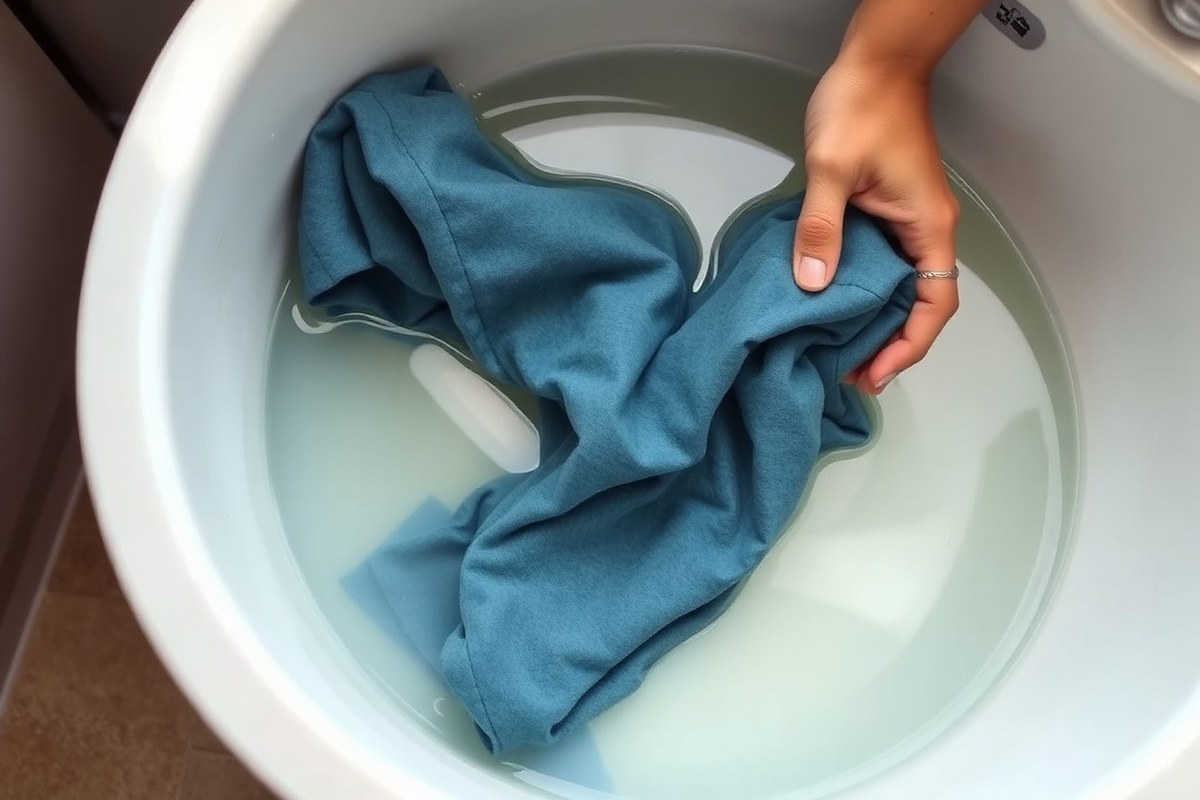
Removing musty smells from clothes quickly involves soaking and washing with common household ingredients that target odor-causing bacteria. Mustiness often comes from mildew or bacteria that grow when clothes stay damp too long. Using a soak before washing helps break down these odors more effectively than washing alone. A proven soak mixture contains white vinegar and baking soda, which deodorize while being gentle on most fabrics.
Soaking clothes for about 30 minutes in warm water, vinegar, and baking soda gives the best balance between efficiency and odor removal. Vinegar acts as a deodorizer, and baking soda neutralizes odors to ensure the smell doesn’t return after laundry. After soaking, wash clothes with your regular detergent and an added half cup of baking soda to continue fighting any lingering smells. Avoid long delays in drying since moisture encourages mildew growth.
- Sort your clothes. Separate musty-smelling cotton clothes or items that can withstand soaking from delicates. This prevents damage and allows you to treat the most affected items effectively.
- Mix your soak solution. In a clean basin or sink, combine 1 part white vinegar to 2 parts warm water. Add 1/4 cup of baking soda. The solution should be large enough to fully cover the clothes.
- Soak the clothes. Submerge your garments completely in the solution and let them soak for 30 minutes at room temperature. Stir occasionally if possible to distribute the mixture evenly over the fabric.
- Drain and rinse. After soaking, rinse the clothes thoroughly under running water to remove vinegar and baking soda residues, reducing any risk of fabric irritation or lingering smell.
- Wash as usual. Place the clothes in your washing machine. Add your regular detergent and an additional half cup of baking soda to the wash cycle to boost odor removal further.
- Dry thoroughly. Immediately dry the clothes fully after washing. Prefer air drying outside in sunlight as UV rays help kill bacteria and freshen fabrics. If using a dryer, use the appropriate heat setting for the fabric to avoid mildew return.
These steps generally take about one to two hours, depending on drying time. Vinegar and baking soda cost cents per use and are safe for most washable fabrics but avoid vinegar on delicate items like silk or rayon. For heavily mildewed clothes, adding an oxygen-based bleach during soaking or washing can help. Always check care labels before treatment and test a small area if unsure about fabric reaction.
2. Why Clothes Smell Musty Even After Washing

Musty odors in clothes after washing happen because wet fabric holds moisture that promotes bacteria, mold, and mildew growth. When clothes stay wet inside the washer, hamper, or laundry pile longer than 24 to 48 hours, mildew can form and produce sour smells. Even just-washed items may keep water deep in the fibers if they’re not dried quickly or completely.
Detergent residue is another major contributor to persistent musty smells. When too much detergent is used, or if it doesn’t fully rinse out, leftover soap scum and organic debris can build up inside the fabric weave. This residue not only holds moisture longer but also feeds microbes such as bacteria and mold that cause odors. Harsh detergents or using the wrong detergent type on certain fabrics can increase residue buildup.
In addition to detergent and moisture, microbes play a key role by breaking down organic matter left on clothes, including sweat, skin cells, and body oils. These microbes thrive in damp, warm environments, which is common inside washing machines or fabric fibers that haven’t dried properly. A dirty washing machine with grime and biofilm in the drum or rubber seals can also harbor these odor-causing microbes, allowing them to transfer onto clothes during the wash cycle.
Hard water is another factor that can amplify the problem. Its mineral content makes it harder for detergent to dissolve and rinse away, increasing the likelihood of residue remaining on clothes. Overloading the washing machine also prevents clothes from rinsing and spinning thoroughly, so moisture and soap residue stay trapped inside fabrics, encouraging mildew growth.
Addressing the musty smell means understanding how these issues interact. Trapped moisture feeds mildew growth, detergent residue acts as a breeding ground for microbes, and microbes generate the foul odor. Cleaning your washing machine regularly, avoiding detergent overdosing, ensuring full drying, and removing clothes promptly after washing all help prevent this cycle.
Leaving wet clothes in the washer for more than a few hours can create a perfect spot for mildew growth, try to transfer laundry to the dryer or hang it up within 2 hours of finishing the wash.
3. How to Clean Your Washing Machine to Prevent Musty Smells
Cleaning your washing machine regularly prevents mildew buildup that causes musty smells in your laundry. Aim to clean your washer about once every 30 days using high-temperature cycles and appropriate cleaners. Focus on removing mold and grime in seals, dispensers, and hard-to-reach areas to keep clothes fresh.
Run a High-Temperature Cleaning Cycle
Running a cleaning cycle at a high water temperature helps kill mold and mildew inside your machine. Most washers have a “clean washer” cycle designed to reach temperatures around 140°F or higher, effectively breaking down grime and bacteria. Use this cycle once a month or more often if you notice persistent odors.
For machines without a dedicated cleaning cycle, run a normal wash on the hottest setting without any clothes. Add a cleaning agent such as bleach or a machine cleaner tablet to boost effectiveness. Hot water combined with detergent eliminates residues that cause musty smells.
Use Specialized Washing Machine Cleaners
Washing machine cleaner tablets or powders target buildup in your machine’s tub, valves, and drainage system better than household bleach alone. They contain ingredients that cut through residues and mildew deep inside the washer. Products like Affresh® washing machine cleaner tablets are designed for this purpose and usually cost between $5 and $10 for a pack of several tablets.
Follow the product’s instructions closely, usually placing one tablet in the drum or dispenser and running a cleaning cycle. Avoid mixing cleaners, use either bleach or a specialized product at one time for best results.
Clean Seals and Dispensers Manually
Even with cleaning cycles, mold often grows in the rubber door seals, dispensers, and crevices where moisture lingers. Wiping these areas regularly with a cloth dampened with a diluted bleach solution (about 1/4 cup bleach per gallon of water) or white vinegar removes stubborn mildew.
Keep the door and detergent dispenser open after use to let these areas dry completely. Clean these parts weekly if you wash often or notice smell. Neglecting seals and dispensers can cause mildew to return quickly, undoing your cleaning efforts.
- Remove all clothes from the washer.
- Choose the cleaning or hottest wash cycle available on your machine.
- Add one washing machine cleaner tablet or 1 cup of liquid bleach to the detergent dispenser.
- Start the cleaning cycle; do not add detergent or fabric softener during this cycle.
- Once the cycle finishes, wipe down the door seal, dispenser drawers, and drum with a clean cloth dipped in a bleach solution or white vinegar.
- Leave the washer door and detergent dispenser open to air dry completely.
- Repeat this process every 30 days or sooner if you notice musty smells returning.
4. Which Wash Cycles, Water Temperatures, and Detergents Work Best
Use the hottest water temperature allowed by the garment’s care label to help remove musty odors effectively. Longer wash cycles are often necessary to ensure mildew spores break down completely, especially on heavily soiled or damp clothes. Detergents designed to fight mildew, especially those with oxygen bleach or enzyme-based formulas, deliver better results than standard detergents.
Comparison of Wash Cycles for Odor Removal
Wash cycles vary in length and agitation, both of which affect odor removal. Longer cycles provide more time for detergents to penetrate and neutralize mildew. High-efficiency machines may use longer cycles, typically 45 to 90 minutes, to handle odor removal better.
In some cases, a pre-soak step adds 30 to 60 minutes of active time to loosen spores before washing. Overloading the machine reduces water movement and detergent effectiveness, so avoid stuffing the washer.
Water Temperature Impact by Fabric Type
Hot water kills mildew and removes odors but can damage some fabrics. Follow garment labels carefully to select the highest safe temperature. Cotton towels and linens benefit from hot water washes combined with oxygen bleach boosters for mildew odors.
Synthetic activewear should be washed in warm water with enzyme detergents, as hot water can degrade technical fabrics. Wool and animal fibers require cold water and special detergents to protect their structure and avoid alkaline damage. Delicates and silk are best cleaned with cool hand washing or professional methods.
| Fabric Type | Suitable Starting Approach | Precautions |
|---|---|---|
| Cotton Towels & Linens | Hot water wash with oxygen bleach booster | Avoid high-heat drying until spores are fully eradicated |
| Synthetic Activewear | Warm water wash with enzyme-based detergent | Avoid fabric softeners that trap hydrophobic residues |
| Wool & Animal Fibers | Cold water wash with specialized wool detergent | Avoid alkaline sodium percarbonate which damages fibers |
| Delicates & Silk | Cool hand wash or professional wet cleaning | Use gentle cycles and avoid bleach or harsh detergents |
This temperature guidance ensures you remove odors without harming your clothes, balancing mildew control with fabric care.
Recommended Detergents and Boosters
Heavy-duty detergents that include odor-active ingredients work best against mildew smells. Oxygen-based bleaches or boosters help neutralize spores and their gases. Baking soda, at about a half cup per load, is another practical additive to reduce musty odors.
For synthetic and activewear, enzyme-based detergents break down sweat and mildew residues better than regular detergents. Avoid fabric softeners which can trap odor-causing residues. Use measured amounts of high-efficiency detergent to ensure thorough cleaning without residue buildup.
5. Removing Musty Smell from Clothes That Can’t Be Machine Washed
Clothes that cannot be machine washed need gentle but effective ways to remove musty odors without damage. Musty smells often come from mildew in damp fibers, so drying and freshening are key. These fabrics require alternative methods such as airing, steaming, or using odor-neutralizing sprays formulated for delicate textiles.
Airing clothes outdoors helps reduce mildew odor by exposing fabrics to fresh air and sunlight, both of which inhibit mold growth. Hang items in a shaded but breezy spot for at least 2 to 4 hours. Direct sunlight can fade colors, so avoid leaving delicate garments in the sun too long. Repeated airing on dry days will gradually reduce the musty smell.
Using a handheld steamer is another safe option. The steam kills some odor-causing microbes and loosens trapped smells. Hold the steamer about 6 to 8 inches from the fabric and steam for 3 to 5 minutes per area, moving steadily. To avoid water spots, steam from the inside out if possible, and let clothes air dry fully afterward. Steamers generally cost between $30 and $70, depending on features.
Odor-neutralizing sprays designed specifically for clothing can refresh non-washable fabrics quickly. Look for products free of harsh chemicals and suitable for delicate materials. Lightly mist the garment from 8 to 10 inches away, then let it air dry completely. Test the spray on a hidden spot first to check for colorfastness. Sprays do not remove mildew but can mask odors temporarily, requiring repeated applications for lasting effect.
- Air clothes outdoors on a breezy day for 2 to 4 hours away from direct sunlight.
- Use a handheld steamer to treat affected areas for 3 to 5 minutes per section.
- Apply fabric-safe odor-neutralizing spray from 8 to 10 inches and let dry fully.
- Place garments in a dry, well-ventilated room overnight to dissipate smells.
- Use a clean, soft brush to lightly shake out dust or mildew particles before airing.
- Store delicate clothes with moisture absorbers like silica gel packets to prevent return of odors.
These methods cost little beyond the initial purchase of a steamer or spray and require no special skills. Results vary by how entrenched the odors are and the fabric type. Persistent mildew smells might need professional textile cleaning. Avoid heavy spraying or direct steam on finishes, beads, or leather patches.
Remember that musty odors come from moisture; thorough drying after airing or steaming is essential to prevent mildew from returning.
6. How to Dry and Store Clothes to Prevent Musty Odors
Drying clothes thoroughly and storing them properly are key to preventing musty odors caused by mildew. Mildew grows when moisture lingers in fabric, and even slight dampness can be enough if clothes stay confined in areas with poor air circulation, like tightly packed closets or plastic storage bags. High humidity in closet spaces encourages fungal spores to develop on your clothes, turning them musty.
To avoid mildew, make sure clothes are completely dry before putting them away. Ideally, dry clothes in a well-ventilated area or outside in the sun, where UV rays help kill spores. Dryers or drying racks in rooms with a ceiling fan or dehumidifier can also speed drying and prevent moisture buildup. Avoid leaving damp clothes in the washing machine or laundry basket for more than a few hours, as this stagnant moisture helps mildew form quickly.
Proper storage plays an equally important role. Using plastic vacuum storage bags or sealed containers with any dampness trapped inside can trap moisture and encourage mildew growth, especially for seasonal clothing or bedding. Instead, opt for breathable fabric bags, mesh bins, or drawer organizers that allow air to move freely around the clothes. Also, avoid cramming your closet so tightly that air cannot circulate. Using moisture absorbers or silica gel packets can help control humidity in enclosed storage spaces.
- Dry clothes fully, ideally in sunlight, before storing.
- Use well-ventilated drying areas or a dehumidifier.
- Don’t store clothes in plastic bags or airtight containers if they’re not 100% dry.
- Keep closets loosely packed to improve airflow and reduce humidity.
- Use moisture absorbers or silica packets in closets and drawers.
- Remove clothes from the washer promptly to avoid dampness buildup.
Maintaining a closet humidity level below 60% helps prevent mold and mildew, according to recommendations for controlling fungal growth in textiles. If your closet consistently feels damp, a small dehumidifier or air purifier with a HEPA filter can reduce moisture and airborne spores. Avoid storing clothes in basements or other high-humidity locations without proper climate control, as this environment promotes musty smells.
Creating a drying and storage routine that prioritizes dryness and airflow is simple and costs little but avoids the more difficult and unpleasant task of removing mildew smells later. Good results mean clothes stay fresh-smelling day after day without stale or moldy odors returning, even after extended storage.
7. Sorting Odor Removal Methods by Fabric Type
Different fabrics need tailored methods to remove musty odors without damage. Cotton can handle hotter water and stronger treatments like chlorine bleach, while synthetics and delicates require gentler care with milder products, lower temperatures, and short soak times. Adjusting your approach by fabric type helps protect your clothes while effectively getting rid of odors.
Cotton and Towels Treatment
100% cotton garments and towels tolerate washing at higher temperatures, up to 140°F (60°C). This heat helps kill odor-causing spores and bacteria. You can add chlorine bleach safely to white cotton loads for disinfecting, but avoid it on colors or blends to prevent fading and fiber weakening. Oxygen bleach works well for colored cotton and is effective at stain and odor removal during soak or wash cycles.
Use a heavy-duty detergent and consider a two-hour oxygen bleach pre-soak to break down mildew. Follow with a hot wash cycle and finish with a vinegar rinse to neutralize smells. Dry cotton items thoroughly indoors on racks or in a dryer to prevent moisture buildup, which invites more musty growth.
Synthetic and Activewear Care
Activewear and synthetic fabrics require low-temperature washing, typically under 104°F (40°C), to avoid fiber degradation. Chlorine bleach is too harsh for these fabrics and can cause damage or discoloration. Instead, use oxygen bleach as a safer alternative for soaking or adding to the wash. Specialized detergents formulated for synthetics help break down oils that trap odor molecules.
Soak the garments for no longer than two hours in a solution with oxygen bleach before washing. Avoid heat drying; air-dry activewear indoors or on low heat to preserve elasticity and fit. A vinegar rinse can be used carefully to reduce odor without affecting fabric integrity, but test a small area first.
Delicate and Specialty Fabrics
Delicates like silk, wool, and other specialty textiles require the gentlest care. Cold or cool water washes protect their fragile fibers. Avoid chlorine bleach entirely. Oxygen bleach is generally not recommended unless specifically labeled safe for the fabric. Vinegar rinses can help reduce odors if diluted (1 cup per gallon) and used sparingly.
Hand wash sensitive fabrics with mild detergent, followed by a brief soak in a vinegar solution if needed. Do not soak for more than 30 minutes to prevent damage. Dry these garments flat or hang in a well-ventilated area, away from direct heat, to maintain shape and avoid musty moisture buildup. Use the table below to match odor removal methods to fabric types safely and effectively.
| Fabric Type | Water Temperature | Odor Removal Method | Bleach Allowed | Soaking Duration | Drying Recommendation |
|---|---|---|---|---|---|
| Cotton (100%) and Towels | Up to 140°F (60°C) | Hot wash with heavy-duty detergent; oxygen bleach pre-soak; vinegar rinse | Chlorine bleach for whites; oxygen bleach for colors | Up to 2 hours (oxygen bleach soak) | Indoor rack or dryer on medium heat |
| Synthetic Fabrics and Activewear | Below 104°F (40°C) | Oxygen bleach soak; specialized detergent; vinegar rinse (test area first) | Oxygen bleach only, no chlorine bleach | Up to 2 hours (oxygen bleach soak) | Air-dry indoors or tumble dry low |
| Delicates (Silk, Wool, Specialty) | Cold or cool water only | Mild detergent; diluted vinegar rinse; no bleach unless specified safe | None (avoid both chlorine and oxygen bleach unless fabric-safe) | Hand soak max 30 minutes (if vinegar rinse used) | Lay flat to dry or hang in ventilated area |
The key to avoiding damage is respecting each fabric’s tolerance for temperature, chemicals, and soaking time. Hot water and chlorine bleach quickly kill odor-causing microbes in cotton, but synthetics and delicates need lower temperatures and gentler products to prevent wear and colour loss. Vinegar rinses help neutralize remaining odors safely across many fabric types when used appropriately.
8. Preventing Musty Smells with Laundry and Household Habits
Preventing musty smells in clothes starts with controlling moisture from the moment laundry becomes damp. Clothes left wet in hampers, washing machines, or laundry baskets create an environment where mildew thrives. To avoid this, never leave damp garments sitting for more than a few hours. Aim to transfer them from washer to dryer or drying space within an hour of the wash cycle finishing. Fully drying clothes before storing them also stops moisture buildup that leads to musty odors.
Another important factor is managing indoor humidity, especially where clothes dry or store. The EPA advises keeping indoor humidity levels below 60%, with an ideal range between 30% and 50%, to reduce mold risk. Use dehumidifiers or air conditioners in damp areas, especially during humid seasons, to keep moisture low. Good ventilation prevents stale air and helps clothes dry faster, reducing the chance of mildew forming.
Upgrading laundry habits can also reduce mildew risk. Wash clothes using the proper settings and detergent amounts to avoid residues that trap moisture. Avoid overloading the washer to make sure garments rinse properly. For clothes that sit in the hamper, change the laundry schedule to wash more frequently or allow airflow around the hamper to reduce dampness.
- Empty the washing machine immediately after the cycle ends.
- Dry clothes completely before folding and storing.
- Keep indoor humidity between 30% and 50% using a hygrometer to monitor.
- Use well-ventilated drying areas or fans to speed drying times.
- Wash laundry regularly to prevent sweat and moisture build-up.
- Choose hampers with ventilation holes or mesh bags for damp clothes.
- Store clothes in cool, dry places away from basements or garages.
Do not put wet clothes directly into sealed plastic bags or airtight containers, as trapping moisture encourages mildew growth.
Following these steps costs little to no extra money beyond possibly buying a humidity gauge or a dehumidifier if needed. They take mostly habit changes and consistent effort. Successfully preventing musty smells means your clothes stay fresh longer, saving time and expense on deep cleaning or re-washing to remove odors. It also helps keep your living space healthier by reducing mold spores in the air.
Step-by-Step Action Plan to Remove Musty Smell from Clothes
Follow this plan to get rid of musty odors quickly and keep your clothes fresh over time.
- Day 1: Wash all affected clothes using the hottest safe water setting and a detergent with odor-fighting enzymes. Check for smell after drying, if gone, move to next step.
- Day 2: Clean your washing machine inside and out. Run a cleaning cycle with a washing machine cleaner or vinegar and baking soda to remove mold and residue causing odors.
- Day 3: Air dry clothes completely in direct sunlight where possible. Sunlight kills odor-causing bacteria and prevents dampness that leads to musty smells.
- Day 4: Apply fabric-safe odor neutralizers or soak delicate clothes in a water-vinegar solution, then air dry to tackle lingering smells on non-machine washable fabrics.
- Week 1: Store clothes in a dry, well-ventilated area with moisture absorbers like silica gel packets or baking soda to prevent odor return.
- Week 2: Monitor clothes for any return of musty smell. Repeat washing or odor treatments on any items that still smell musty.
- Ongoing: Use the right detergent, wash cycles, and water temperature for each fabric type to prevent odors. Dry clothes thoroughly before storing to keep fresh.
Frequently Asked Questions
How Long Does It Take to Get Mildew Smell Out of Clothes?
It usually takes one or two thorough washes to remove mildew smell from clothes. Using additives like baking soda can speed up the process by helping neutralize odors more effectively.
Does OxiClean Get Mildew Smell Out of Clothes?
OxiClean can help remove mildew smell by breaking down stains and odor-causing substances. However, for strong mildew odors, using it alongside a thorough wash cycle and proper drying is best.
Why Do My Clothes Still Smell Musty Even After I Wash Them?
Clothes may still smell musty if washed improperly or left damp too long after washing. Mildew odor forms when odor-causing bacteria aren’t fully eliminated or clothes don’t dry quickly enough.
Why Do Old Clothes Smell Musty?
Old clothes smell musty because mildew and bacteria grow over time, especially if stored damp or in poorly ventilated spaces. Mold spores can linger long after washing unless treated properly.
Can Vinegar Help Remove Mildew Smell from Clothes?
Yes, adding vinegar to the wash can help neutralize mildew odors due to its natural deodorizing properties. Use about half a cup in the rinse cycle for best results.
Is It Safe to Use Bleach to Get Rid of Mildew Smell on Colored Clothes?
Bleach can remove mildew smell but may fade colors or damage fabrics. Use color-safe bleach or test on a small area first to avoid discoloration.
Wrapping Up
Getting musty smells out of clothes depends on thorough cleaning, proper drying, and good storage habits. You can start by washing your musty clothes with the right temperature and detergent today. Maintaining your washing machine and drying space will keep clothes smelling clean and fresh for the long term.