How to Get Deodorant Stains Out of Shirts: 8 Proven Methods That Work
To get deodorant stains out of shirts, pre-treat the area with a stain remover, soak if needed, then wash as usual using cold water. For white shirts, applying hydrogen peroxide directly to the stain before washing can be especially effective. This approach works well on both new and set-in stains, helping restore your shirt’s appearance.
This advice suits anyone tackling deodorant stains on casual or work shirts, including white and colored fabrics. You’ll find proven methods to handle tough marks and protect your clothes from future buildup, saving money and extending the life of your shirts.
Key Takeaways
- Soak white antiperspirant stains for at least 12 hours to loosen stubborn residue before washing.
- Apply hydrogen peroxide directly on white fabric stains and let it sit 30 minutes for best results.
- Use a paste of baking soda and water on sweat stains and leave it for 20 minutes before laundering.
- To treat set-in yellow stains, submerge the fabric in a solution made from warm water, white vinegar, and hydrogen peroxide. Let it sit for 30 minutes to work on the discoloration.
- Cold water washes prevent deodorant stains from setting further, especially on delicate fabrics.
- Apply deodorant 5 minutes before dressing to let it dry fully and reduce transfer onto shirts.
1. How to Remove Deodorant Stains from Shirts Effectively

Dealing with deodorant stains on shirts requires timely action and the right cleaning method. For fresh stains, quick rinsing with cold water followed by gentle detergent application works best. Set-in marks respond well to a baking soda paste or vinegar soak, and yellowish stains caused by antiperspirants often need a hydrogen peroxide and vinegar solution. On-the-go fixes include deodorant wipes or gentle scrubbing with a damp cloth.
Treating Fresh Deodorant Stains
Fresh deodorant stains often show as damp, white residue on shirts. Treating them quickly prevents the residue from developing into lasting marks. Start by rinsing the stained area under cold water to loosen the deodorant crystals. Next, gently rub the fabric with a small amount of liquid laundry detergent to break down the residue before laundering.
- Turn the stained area inside out and hold it under cold running water for about 30 seconds.
- Apply a small drop of liquid detergent directly to the stain.
- Gently rub the fabric together or use a soft-bristled toothbrush for about 1 minute.
- Let it sit for 5 minutes to allow the detergent to penetrate.
- Rinse again with cold water to remove soap and loosened residue.
- Launder the shirt according to the care label, using cold water to avoid setting stain.
Washing promptly after treatment offers the best chance of full stain removal. Avoid using warm or hot water at this stage, since heat can set the deodorant residue into the fabric.
Handling Set-In White Deodorant Marks
Deodorant stains that have dried or been washed but remain visible often appear as white powder or faint silhouettes on shirts. A paste made with baking soda and water is effective for these stains. Baking soda gently lifts both fresh and set-in deodorant without harming fabrics. Alternatively, soaking the shirt in a vinegar solution helps dissolve residue.
- Combine three measures of baking soda with one measure of water until you get a thick, spreadable paste.
- Apply the paste directly to the stained area using a soft toothbrush or clean finger.
- Gently rub the paste into the fabric for up to 2 minutes to help lift the stain.
- Let the paste sit on the stain for 20 to 30 minutes.
- Rinse the shirt thoroughly under cold running water to remove all residue.
- Soak the stain in a mixture made from two parts water and one part white vinegar for 20-30 minutes before washing, which can help break down odor and stains.
- Wash the shirt in cold water using your regular detergent.
This method suits cottons and many synthetic fabrics but test on delicate items first. The baking soda paste also acts as a mild deodorizer.
Removing Yellowish Antiperspirant Stains
Yellow stains under the arms usually come from antiperspirant ingredients reacting with sweat. These set-in stains require stronger treatment with an oxidizing solution. A soak in a balanced mixture of hydrogen peroxide, white vinegar, and water softens the yellowing so laundry detergent can remove it effectively.
- Combine equal parts (for example, 1 cup each) of 3% hydrogen peroxide, white distilled vinegar, and cool water in a container large enough to submerge the stained area.
- Place the stained section of the shirt into the mixture, ensuring it is fully soaked.
- Allow it to soak for 30 minutes at room temperature. Avoid soaking longer to protect fabric colors.
- Remove the shirt and rinse thoroughly with cold water.
- Launder as usual in cold water with an enzymatic detergent, skipping fabric softener.
This soak is most effective on white or colorfast shirts. Always check care labels and test dye stability if unsure. Avoid using this method on dark or delicate fabrics, as hydrogen peroxide can cause color fading.
Quick Fixes Without a Wash
A quick deodorant stain removal option when washing isn’t possible involves using deodorant wipes or a gently damp cloth. These options help reduce visible residue and prevent stains from setting further. Choose wipes made for clothes or use a soft cloth slightly moistened with water to gently rub the stain.
- Select a deodorant wipe designed for fabric or dampen a clean, soft cloth with cold water.
- Lightly blot the stained area to moisten the deodorant residue without spreading it.
- Gently rub the stained spot in circular motions to lift the residue.
- Use a dry section of the cloth to absorb excess moisture.
- Allow the shirt to air dry before wearing.
These quick fixes won’t remove deep or set-in stains but help minimize fresh, visible marks after dressing. They work well when you’re away from laundry facilities and can prevent stains from worsening until you can treat them fully.
2. Why and How Do Deodorant Stains Form on Shirts?

Deodorant stains on shirts happen mainly because of a chemical reaction between your sweat and certain ingredients in your deodorant or antiperspirant, especially aluminum salts. When sweat mixes with aluminum compounds, it can interact with the fabric fibers over time, causing yellow discoloration commonly seen on light-colored shirts. This effect is most noticeable in the underarm area where sweat accumulates and deodorant is applied. The aluminum reacts with proteins in sweat, resulting in stubborn yellow patches that penetrate fabric fibers, making them harder to remove.
White deodorant marks often seen on dark or black shirts come from residue left behind when the product dries and flakes off. This physical buildup happens if you put on your shirt before the deodorant fully dries, causing it to rub off on the fabric. Stickier deodorants or antiperspirants tend to transfer more residue, creating visible white or grayish smudges. This is why rubbing or scrubbing the stains immediately after washing is necessary to fully remove them. In contrast, yellow stains on white shirts result mostly from that chemical interaction rather than surface residue.
The difference between deodorant stains and sweat stains is important. Sweat stains can appear yellow due to the breakdown of sweat components like urea and salts, mixed with body oils. Sweat stains alone do not usually involve aluminum, but deodorant stains often include aluminum salts that interact with sweat and fabric fibers. This combination can make the stains more persistent and harder to remove. Both types of stains require different approaches for cleaning because the chemical makeup varies.
Different deodorant formulations impact what kind of stains show up on your clothes. Antiperspirants containing aluminum zirconium or aluminum chloride salts are more likely to cause yellow staining because these minerals bind with sweat components and fabric. On the other hand, deodorants without aluminum, often labelled as “natural” or “aluminum-free,” tend to leave less residue and rarely cause yellow stains but might still leave white marks if the product flakes off. Choosing a deodorant without aluminum is one way to reduce permanent discoloration on shirts, especially whites and light colors.
Fabric type also influences how deodorant stains show up. Natural fibers like cotton absorb sweat and deodorant residues more than synthetic fabrics, making stains more visible. Cotton and other porous fabrics are more prone to yellowing as the minerals bind tightly to fibers. Synthetic blends can show more white residue since the product sits on the surface rather than soaking in deeply. Washing shirts inside out helps detergent reach the stubborn buildup in the armpit area, targeting both deodorant and sweat components together.
Allow deodorant or antiperspirant to dry fully before dressing to prevent residue transfer and stubborn white stains on shirts.
3. Removing Deodorant Stains from Black and Dark-Colored Shirts
Removing deodorant stains from black or dark-colored shirts requires gentle treatment to avoid fading or damage. Using harsh bleach or scrubbing can weaken fibers and cause discoloration. Instead, opt for mild products and controlled methods to break down the stains safely.
Choosing Gentle Stain Removers for Dark Fabrics
Pick a mild detergent specifically designed for dark clothing, one that avoids harsh chemicals or bleaching agents. Chlorine bleach or abrasive scrubbing can cause fading, especially on stretch or athletic wear. Look for stain removers labeled safe for colored fabrics or opt for organic laundry detergents that rinse clean without leaving residues harmful to dark dyes. Maintaining the fabric’s integrity while loosening stain residue is the priority. Stay away from fabric softeners before treating deodorant stains, as they can trap residues and make the stain harder to remove.
Step-By-Step Cleaning Process
Follow this careful approach to remove deodorant stains without washing the entire shirt or risking color loss. Pre-treating with a vinegar solution helps dissolve residue safely. Then, apply a small amount of mild detergent directly to the stain, gently dabbing without rubbing. Afterward, rinse thoroughly with cold water and air dry away from direct sunlight to prevent fading.
- Mix one part white vinegar with two parts cold water in a small bowl.
- Soak a clean cloth in the vinegar solution and gently blot the stained area for 10 minutes.
- Apply a drop of mild detergent (preferably one for dark clothes) to the deodorant stain.
- Using a soft-bristled toothbrush, gently dab around the stain to loosen residue, avoiding scrubbing.
- Rinse the area carefully with cold water to remove detergent and loosened stains.
- Pat the fabric gently with a clean towel to remove excess moisture.
- Hang the shirt to air dry in a shaded area away from direct sunlight.
Repeat the steps if the stain remains visible before a full wash. This method helps protect fabric color while effectively tackling the stain.
On-The-Go Stain Fading Techniques
When washing is not immediately possible, mild spot treatments can reduce deodorant marks from black or dark shirts. Using a damp white cloth to gently rub the stain can lift some residue. Specialty deodorant wipes designed for clothing also provide a quick way to fade visible marks without washing, though they won’t replace laundering completely.
To avoid spreading or setting the stain further, gently blot rather than rub aggressively. These quick fixes can extend wear time between washes while keeping the shirt looking cleaner.
4. Best Natural and Household Ingredients for Stain Removal
Using natural and household ingredients can be effective for removing deodorant stains from shirts without harsh chemicals. Vinegar, lemon juice, baking soda, and hydrogen peroxide each offer different benefits depending on the fabric and stain severity. Choosing the right one depends on factors like stain color, fabric type, and whether the stain is fresh or old.
| Ingredient | What It Is | How It Works | How to Use | Best For | Notes |
|---|---|---|---|---|---|
| Baking Soda | Alkaline powder common in baking | Neutralizes odor and loosens stains mechanically | Make a paste with water (about 3 tbsp baking soda to 1 tbsp water), apply to stain, let sit 15-30 minutes, then wash | Dark-colored shirts, fresh and mild stains | Gentle; unlikely to fade colors |
| White Vinegar | Acidic household liquid | Breaks down deodorant residue by acid action | Dab directly or soak stain for 10-15 minutes, then launder as usual | Fresh stains on light and dark shirts | May leave smell; rinse thoroughly |
| Lemon Juice | Acidic juice with natural bleaching agents | Acid lifts stains; sunlight improve fading effect | Apply lemon juice on stain, then dry in sunlight for 30-60 minutes before washing | White and light-colored shirts | Can bleach; avoid on dark fabrics |
| Hydrogen Peroxide | Mild bleaching agent (3% solution commonly used) | Breaks down proteins and aluminum compounds in stains | Mix 1:1 with baking soda to form a paste, apply 15-30 minutes, then wash | Yellowish, stubborn stains on white shirts | Can bleach colors; test first on hidden area |
| Baking Soda & Hydrogen Peroxide | Combination paste | Mechanical and chemical stain breakdown | Mix equal parts baking soda and hydrogen peroxide, apply paste, wait 15-30 minutes, then launder | Old, tough yellow stains on whites | Use sparingly; can cause slight bleaching |
Baking soda stands out as a go-to for dark fabrics since it doesn’t strip color and gently lifts deodorant residue. White vinegar and lemon juice serve as acidic pretreatments that break down fresh stains quickly; lemon juice also naturally fades stains under sunlight, making it ideal for light clothing. For yellowing caused by sweat and older deodorant buildup, hydrogen peroxide works well by breaking down stain proteins and aluminum compounds. Mixing it with baking soda boosts cleaning power but risks lightening fabric colors.
To apply these remedies, always test a small hidden area first to avoid accidental fading. After treatment, wash the shirt using your regular detergent at the warmest safe temperature recommended on the garment tag. Avoid overusing hydrogen peroxide or lemon juice on dark or delicate fabrics. Using these household ingredients correctly can save you from stubborn deodorant marks without resorting to commercial stain removers.
5. How Fabric Type Influences Deodorant Stain Removal
Fabric type plays a key role in how you remove deodorant stains from shirts. Natural fibers like cotton and linen tend to be more absorbent, so they often hold onto sweat and deodorant residues more deeply. This makes stains easier to spot but sometimes tougher to remove without aggressive treatment. Use warm water, ideally between 100 to 110 °F (38 to 43 °C), and a standard laundry detergent for cotton shirts, letting the stain soak for 10 to 15 minutes before washing. Avoid hot water that exceeds the care label instructions, as it can set the stain or shrink the fabric.
Synthetic fabrics like polyester and nylon generally resist staining because they are less absorbent, but deodorant stains can appear chalky and sit right on the surface. These fibers require gentler cleaning to avoid damage or melting from heat. Use cool to warm water around 85 to 95 °F (29 to 35 °C) with a mild detergent. A quick pretreatment with a gentle stain remover or diluted white vinegar can break down residue without harsh scrubbing. Avoid bleach as it can discolor synthetics.
Delicate fabrics such as silk, wool, cashmere, or satin demand the most caution. Their sensitive fibers can be damaged by typical stain removers, heat, or rough agitation. Spot test any cleaning method on an unseen area before full treatment. Hand wash these garments in cool water with a detergent formulated for delicates. You may also use an old pair of pantyhose or a soft cloth to gently rub out deodorant marks, since coarse fabrics or brushes might weaken the fibers. For persistent stains, dry cleaning is often safer and more effective, especially for wool and silk.
To protect fabrics, always check the garment’s care label before treatment. Over-aggressive techniques can cause discoloration, fabric weakening, or shrinkage, turning a stain issue into fabric damage. Stain removal success depends on treating stains quickly. The longer deodorant residues stay on fabric, the more they bond and become tougher to remove, particularly on natural fibers.
Perform a spot test on delicate fabrics before applying any stain remover to avoid irreversible damage.
Natural and synthetic fabrics each respond differently to stain removal methods, making fabric awareness essential. With natural fibers, longer soaking and warm water work well, but synthetics need cooler washing and gentle handling. Delicate fabrics require hand care or professional dry cleaning to safely remove deodorant stains. Taking these fabric needs into account will improve your chances of restoring shirts without harm.
6. Preventing Deodorant Stains on Shirts Before They Happen
Deodorant stains on shirts often come from excess product rubbing off during dressing or reacting with sweat. To minimize these stains, you can adopt practical habits and make smart product choices. Choosing deodorants without heavy minerals like aluminum can reduce white residue. Look for clear or gel formulations instead of solid sticks, which tend to leave less visible marks on fabric.
Applying the right amount of deodorant is key. Using too many swipes can increase residue buildup, while too little might not control odor effectively. Experts suggest 2 to 3 swipes per underarm, allowing time for the product to dry completely before putting on your shirt. This drying step is important because wet deodorant transfers more easily onto fabric, causing stains.
Shirt fit also plays a role. Shirts that fit properly reduce friction and movement, which helps keep deodorant in place and limits the product mixing with sweat on the fabric. Loose or tight shirts cause more rubbing, increasing stain risk and residue buildup. Choosing breathable, moisture-wicking fabrics can further reduce sweat accumulation under your arms.
- Pick deodorants labeled “clear” or “gel” to avoid white streaks.
- Apply 2 to 3 swipes per underarm, then wait at least 1 minute before dressing.
- Opt for shirts that fit well, neither too loose nor too tight, to minimize friction.
- Wear moisture-wicking or breathable fabrics to reduce sweat-related stains.
- Avoid applying deodorant immediately after a warm shower, since moist skin retains more product.
Following these habits limits the chances of deodorant residue building up on your shirts. It will also keep your clothes looking cleaner longer and reduce the need for frequent stain treatments. While some deodorants work better for preventing stains, your application routine and clothing choices make a significant difference. With a little care, you can keep deodorant stains to a minimum before they start.
7. Common Mistakes When Treating Deodorant Stains and How to Fix Them
You might still see deodorant stains on your shirts after washing because of some common mistakes during stain removal. Using hot water rather than cold can set the stain, making it harder to remove later. Avoid putting the shirt in the dryer before treating the stain, since heat can fix the deodorant residue into the fabric permanently. Applying bleach or harsh chemicals blindly can damage shirt fibers or cause discoloration, especially on delicate or colored fabrics.
Ignoring the fabric type can also lead to poor results. For example, cotton can usually handle more vigorous stain treatments, while synthetic fabrics require gentler approaches. Sometimes, people try scrubbing the stain too hard, which can wear out the fabric or cause spreading rather than removal. Another frequent error is not pretreating the stain promptly, letting it sit through multiple washes, which makes it tougher to get out. Here’s a checklist to avoid these mistakes and improve your success when treating deodorant stains:
- Use cold water for washing stained areas to prevent setting the stain.
- Always pretreat stains as soon as possible with a suitable remover or common household ingredient.
- Avoid the dryer until the stain is completely gone to stop heat from setting residues.
- Choose stain removers compatible with your shirt’s fabric type and color.
- Try switching to aluminum-free deodorants to reduce future staining.
- Gently blot or rub the stain instead of scrubbing aggressively.
- Check the treated area before drying and repeat if any stain remains.
Following these steps matters because deodorant stains consist of substances like aluminum compounds mixed with sweat and body oils. Cold water helps dissolve and flush them out without embedding them deeper. Aluminum-free products typically cause less buildup, lowering the risk of tough stains. Prompt and careful treatment preserves your shirts’ appearance and extends their lifespan. Otherwise, stains can become permanent, and fabric damage may occur, forcing you to replace worn-out garments prematurely.
8. How to Remove Buildup from Frequent Deodorant Use on Shirts
Removing buildup from frequent deodorant use takes patience and the right approach. Deep-cleaning shirts involves soaking them in a specialized solution that loosens deodorant residue without damaging the fabric. This process may need to be repeated for the toughest cases to fully erase yellowing and stiffness.
Preparing a Soak Solution
A well-prepared soaking solution helps break the aluminum and oil bonds typical of deodorant buildup. Combining white vinegar, hydrogen peroxide, and water follows safe and effective ratios suitable for most fabrics that tolerate these ingredients.
Begin with mixing two tablespoons of white vinegar into one cup of water to create a safe soaking solution for both colored and white shirts. For shirts that tolerate peroxide, blend half a cup of hydrogen peroxide with two cups of cool water. This mixture targets tough stains and revitalizes white or colorfast fabrics without the harsh effects of bleach.
Soaking Duration and Frequency
Soak time depends on how heavily the deodorant has built up. Start by soaking the stained area for 30 minutes if using the hydrogen peroxide mixture. For white vinegar, an hour or two is typical to loosen moderate buildup. Extremely stubborn yellowed areas, especially on white shirts, benefit from soaking up to 12 hours or overnight in an oxygen-based bleach solution.
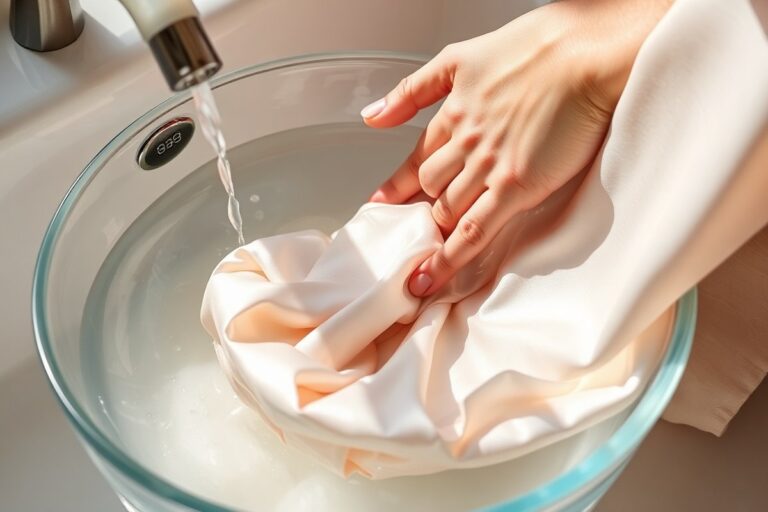
- Fill a basin or bucket with the prepared soak solution.
- Submerge the stained area fully and allow it to soak for the needed time.
- Remove the shirt and gently brush the deodorant area with a soft toothbrush to loosen residue.
- Rinse the shirt in cool water to wash out the dissolved buildup.
- Apply stain removal liquid or an oxygen bleach on any spots still visible and let sit for 20 minutes.
- Repeat soaking and brushing if yellowing or residue remains, avoiding heat from dryers until the stains are gone.
- Wash the shirt as usual using the warmest safe setting recommended on the care label.
- Air dry the shirt to prevent setting any remaining traces of deodorant.
Never dry a shirt in a dryer until deodorant buildup is fully removed; heat sets stains permanently.
When to Seek Professional Cleaning
Some fabrics or stubborn buildup may require professional intervention. Delicate or specialty fabrics like silk, wool, or those labeled “dry clean only” risk damage with home soaking and should be taken to a dry cleaner.
Persistent yellowing or residue that doesn’t improve after multiple deep-soak treatments also signals a time to consider professional cleaning. Experts have access to stronger or specialized chemicals and techniques designed for tough deodorant stains without harming your garment.
Step-by-Step Action Plan for Removing Deodorant Stains from Shirts
Follow this straightforward plan to tackle deodorant stains effectively and keep your shirts looking fresh.
- Before Washing: Gently rub a mixture of liquid laundry detergent and a small amount of water into the stain. Look for the stain to start loosening.
- Immediately Before Washing: Apply a stain remover or a paste made from baking soda and water to the affected area. Let it sit for 10 to 15 minutes to break down the buildup.
- During Washing: Wash the shirt in the warmest water safe for the fabric, checking the care label. Confirm the stain has faded when you check the shirt after washing but before drying.
- After Washing: Inspect the shirt for any remaining stain. Repeat the pre-washing steps if any stain remains; avoid drying the shirt until the stain is gone, since heat can set it.
- For Dark-Colored Shirts: Choose a mild detergent with cold water to prevent fading, and test any stain remover on a hidden area first. The stain should lighten without discoloration.
- Once the Stain is Gone: Dry the shirt as usual according to the care instructions to preserve fabric quality.
- For Frequent Buildup: Soak shirts periodically in a mixture of vinegar and water before washing to prevent stain accumulation. Shirts should appear brighter and fresher.
- Ongoing Prevention: Wait for deodorant to dry completely before dressing and choose spray formulas over sticks to reduce stains.
Frequently Asked Questions
How Do You Remove Deodorant Residue Buildup from Clothes?
Use a baking soda paste made with three parts baking soda to one part water to gently scrub the buildup. This method works well to remove residue without harsh chemicals and can be done before laundering the shirt.
How Do You Get Armpit Stains Out of Shirts?
Apply a stain remover or a paste of baking soda and water directly to the armpit area, let it sit, then wash as usual. Turning the shirt inside out helps the detergent reach sweat and deodorant residues trapped in the fabric.
Why Do My Shirts Still Have Deodorant Stains After Washing?
Deodorant stains remain when the product isn’t fully dissolved or if the shirt wasn’t treated before washing. Applying stain treatments before laundering and avoiding immediate wear after deodorant application can prevent stains from setting.
How Can I Remove Deodorant Stains from Black Shirts?
Follow the same deodorant stain removal methods but scrub gently to avoid fading the fabric’s color. Dark clothes can show white residue easily, so be extra careful during treatment to protect the dye.
Tired of Those Stubborn Deodorant Marks Ruining Your Clothes?
Use a gentle scrub with baking soda paste or a stain remover before washing, and avoid putting clothes on when deodorant is still wet to minimize stains. These steps help you maintain your shirts’ appearance over time.
Can Deodorant Stains Damage Fabric over Time?
Yes, residue buildup and frequent stain treatment can weaken fabric fibers and dull colors, so treat stains promptly and avoid harsh scrubbing.
Before You Go
Removing deodorant stains requires targeted action based on fabric type and stain color, using proven household ingredients whenever possible. Taking care soon after noticing a stain improves your chances of complete removal and preserves the shirt’s look. Start with a simple detergent treatment and adjust based on fabric or stain severity. The next step is to test these methods on a small hidden area if you’re treating delicate or dark-colored shirts to make sure of the best outcome.