How to Clean Fabric Couch: 8 Easy Steps for Deep Cleaning & Stain Removal
How to clean fabric couch starts with knowing the safest methods for your fabric type and choosing gentle cleaning agents to avoid damage. Using spot-cleaning techniques and regular maintenance can keep your couch looking fresh without harsh chemicals or over-wetting the fabric. This advice suits homeowners and renters with fabric sofas who want easy, effective cleaning tips to maintain and restore their upholstery.
This article covers how to safely identify your couch fabric and cleaning codes, select the best tools and supplies, follow a step-by-step deep cleaning routine, remove common stains, eliminate odors, and recognize when professional help is needed. Each step focuses on practical measures that fit typical fabric couches like those made of polyester or blended materials popular in many homes.
Key Takeaways
- Check fabric cleaning codes on your couch’s tag to guide safe cleaning methods.
- Use baking soda to absorb odors by sprinkling, waiting 15-20 minutes, then vacuuming.
- Spot clean stains with a paste of baking soda and water, then wipe after 15 minutes.
- Avoid soaking the fabric; use minimal water to prevent mold and fabric damage.
- Use a soft-bristle brush or microfiber cloth to gently lift dirt from upholstery.
- Schedule deep cleaning every 6 to 12 months to maintain fabric health and appearance.
1. How to Clean a Fabric Couch Safely at Home

The safest and most effective way to clean a fabric couch at home involves identifying the fabric’s cleaning code, using appropriate cleaning agents, and applying them with care to avoid damage or water marks. Light cleaning with minimal moisture and gentle blotting techniques help preserve the fabric’s appearance and texture.
Check the Fabric Cleaning Code First
Finding the upholstery cleaning code on the couch tag is essential for safe cleaning. The codes guide which cleaning agents are safe to use and which to avoid, helping prevent damage or discoloration. The most common codes are:
- W: Clean water-soluble fabrics with a fabric-safe water cleaner or a cloth dampened slightly with water.
- S: Solvent-only cleaning; water should not be used.
- WS: Either water or solvent-based cleaning is safe.
- X: Only vacuuming is recommended; avoid any liquid cleaners.
Following the code keeps the fabric intact and avoids common mistakes like water stains or fabric stiffening.
Gather Safe Cleaning Supplies
Choose your cleaning product based on your couch’s care label. Fabrics marked “W” or “WS” respond well to mild water-based cleaners. Mix 2 cups of warm water with 1 tablespoon of dish soap and 1 tablespoon of white vinegar for a homemade solution that works well. For tougher spots, use a combination of 1/2 cup hydrogen peroxide and 1 teaspoon dish soap, but be sure to spot-test before applying widely.
Use microfiber cloths for applying and blotting. Avoid harsh solvents on “W” fabrics, and don’t use water on “S” fabrics to protect the couch’s material.
Vacuum and Prep the Couch Before Cleaning
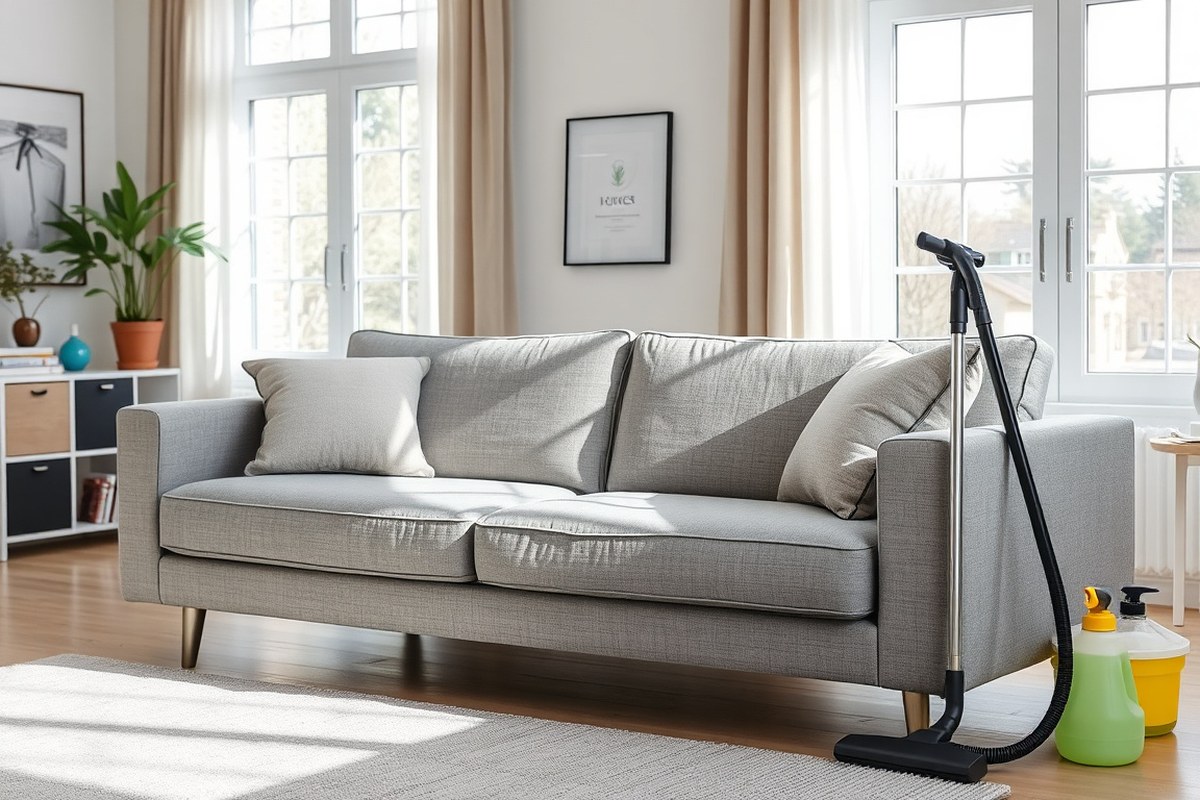
Start by thoroughly vacuuming the entire couch to remove surface dirt, pet hair, and crumbs that can interfere with cleaning. Use the brush attachment to reach seams and crevices. This ensures that dirt doesn’t get pushed deeper into the fabric during cleaning.
Remove removable cushions and spot test your cleaning solution on a hidden area to check for colourfastness or fabric reaction. Let the test area dry fully before proceeding.
Apply Cleaning Solution Lightly and Blot, Don’t Rub
Lightly spray or apply the cleaning solution to the fabric, avoiding soaking the material. Excess moisture can cause water stains and may weaken the adhesive underneath.
Blot the stained or dirty areas gently with a clean microfiber cloth, moving from the outside of the stain inward. Avoid scrubbing, which can damage fibers and spread the stain. Repeat blotting with clean cloths until the stain lightens or disappears.
Dry Thoroughly to Prevent Water Marks
After cleaning, use a dry towel to blot excess moisture immediately. Air dry the couch completely before sitting on it or replacing cushions. Using a fan or opening windows speeds drying.
Failing to dry quickly can lead to water marks or mildew growth. Avoid direct heat sources like hairdryers, which can shrink or damage the fabric.
- Locate the fabric’s cleaning code on the couch tag.
- Assemble appropriate cleaners based on the code.
- Vacuum the couch thoroughly to remove loose dirt.
- Spot test any cleaner on a hidden section and wait for it to dry.
- Apply cleaning solution lightly to the couch fabric.
- Blot stains gently using a microfiber cloth without rubbing.
- Use a dry towel to absorb moisture after cleaning.
- Allow the couch to air dry completely before use.
2. How to Identify Your Couch Fabric and Cleaning Codes
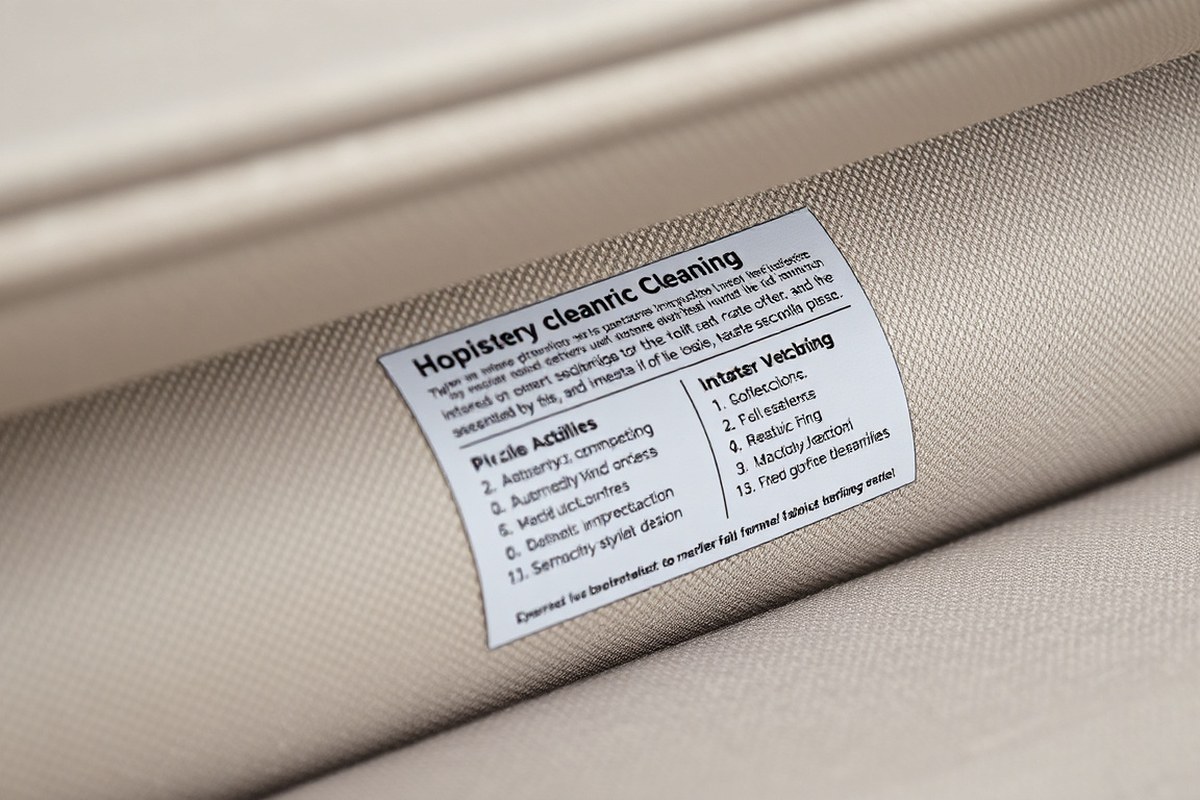
Finding and understanding your fabric couch’s cleaning code is the first step to choosing the right cleaning method. Most fabric couches have a tag sewn under the cushions or on the frame that lists the cleaning code. Look closely for a letter or combination of letters such as W, S, WS, or X. These codes tell you which cleaning solutions and techniques are safe to use on your couch without risking damage.
The four common codes stand for specific cleaning instructions. A W means the fabric can be cleaned with water-based cleaners like mild soap and water or a homemade solution using vinegar and baking soda. Fabrics marked S require solvent-based cleaners, which are typically dry-cleaning products or alcohol-based solutions. The WS label indicates you can use either water-based or solvent-based cleaners safely, offering more flexibility. If your tag says X, it means no liquids or solvents should be used; instead, you should rely on vacuuming or professional cleaning only. Using the wrong cleaner can cause stains to set or the fabric to fade or shrink.
Knowing your couch’s fabric type further helps you decide on the cleaning method. Natural fibers like cotton and linen usually match W or WS codes, allowing water-based cleaning. Synthetic fabrics such as polyester and nylon often fall under WS or S codes, so solvent cleaners or mild detergents are better. Delicate or specialty fabrics like silk or suede often have the X code or specific instructions and may require professional attention. Reading the manufacturer’s label along with the care tag gives the full picture of how to maintain your couch’s appearance and durability over time.
Here’s a simple rule to follow: start by locating the cleaning code on the tag. Then pick your cleaner based on this: if it says W, use water-based cleaners; S, turn to solvent-based or dry-clean only products; WS gives you the option of either; and X means no liquids, just vacuum or professionals. Always test your chosen cleaner on a hidden area 24 hours before the full cleaning to check for colourfastness or texture changes. This small step helps avoid costly mistakes.
Never skip the cleaning code check before using any cleaner on your fabric couch to prevent irreversible damage.
3. Best Tools and Cleaning Supplies for Fabric Upholstery
For cleaning a fabric couch effectively, the right tools and cleaning agents are essential for both everyday upkeep and deep cleaning sessions. A vacuum cleaner with specific attachments designed for upholstery is your first line of defense. Use a crevice tool to reach between cushions and an upholstery brush attachment to gently but thoroughly lift dust and crumbs from the fabric without causing damage.
Homemade cleaners offer a safe and low-cost way to tackle light stains and deodorize. A popular homemade cleaner includes a solution of equal parts white vinegar and water, which serves as a gentle disinfectant and deodorizer. Another option is sprinkling baking soda powder on the fabric, letting it sit for 15 to 20 minutes, and then gently working it into the fabric with a soft-bristled brush. This helps absorb odors and dirt before vacuuming it away. These DIY methods can be repeated weekly or as needed between deeper cleans.
Commercial upholstery cleaners offer advantages for stubborn or deep-seated stains. These products are specifically formulated to clean tough spots without harming the fabric, although some formulas might be too harsh for delicate materials. When choosing a commercial cleaner, select one that matches your couch’s cleaning code on its tag, water-based cleaners for codes W or WS, solvent-based for S, and only vacuum for X. Expect to pay around $10 to $20 for a bottle, but the investment can save fabric from damage and extend the sofa’s life.
- Vacuum with crevice and upholstery brush attachments for regular dust removal
- Baking soda and a soft brush for deodorizing and light cleaning
- Diluted white vinegar spray for mild disinfecting and odor control
- Microfiber cloth to wipe down couch frames without scratching
- Commercial upholstery cleaners tailored to your fabric code for deep stain removal
- Steam cleaner with upholstery attachment for thorough deep cleaning when available
No steam cleaner? A thorough spot clean using the above homemade or commercial options with a soft brush can still maintain your couch well. Always test any cleaner on an inconspicuous spot first to ensure it doesn’t fade or damage the fabric. Deep cleaning with steam helps loosen dirt and kills bacteria but requires an upholstery-specific attachment and moderate steaming to avoid soaking the fabric. Using these tools and cleaners consistently, vacuum weekly, deodorize monthly, and deep clean seasonally, can keep your fabric couch looking fresh and prolong its lifespan while preventing fabric wear and color fading from improper cleaning methods.
4. Step-by-Step Guide to Deep Cleaning a Fabric Couch
Deep cleaning a fabric couch involves thorough vacuuming, precise spot treatment, overall fabric cleaning, and ensuring proper drying to avoid damage and mildew. Each step helps lift dirt and stains without saturating the fabric, promoting a fresh, clean, and healthy couch.
Remove Loose Dirt and Vacuum All Surfaces
Start by removing any loose dirt, dust, pet hair, and debris from every part of your fabric couch. Thorough vacuuming prevents dirt from embedding deeper during wet cleaning.
Use a vacuum cleaner with a brush or upholstery attachment to thoroughly clean the entire surface. Pay special attention under cushions, along seams, and between folds where debris tends to accumulate.
Treat Stains with Spot Cleaner Solutions
Spot cleaning targets stubborn stains without soaking the fabric, helping to avoid oversaturation. Select a fabric-safe cleaner or a mild detergent mixed with warm water for delicate fabrics.
Apply the solution sparingly directly onto the stain using a spray bottle or a clean cloth, then gently blot without rubbing. Let the area dry before checking if additional treatment is needed.
Apply a Full Cleaning Solution to Upholstery
For an even deep clean, apply a diluted, mild cleaning solution evenly across the fabric. Avoid saturating the couch; use just enough to moisten the surface lightly.
When the fabric code permits, a blend of water, a few drops of dish soap, and a little white vinegar cleans effectively. Use a spray bottle for an even, controlled application. For tougher fabrics, a steam cleaner can be an option but only if the couch’s care instructions permit.
Blot and Brush Surface Gently as Needed
After applying the cleaner, gently blot the fabric with a clean microfiber cloth to lift dirt away. Avoid vigorous rubbing, which can damage fibers or spread stains.
When the fabric texture allows, gently use a soft-bristle brush to brighten the couch and remove embedded dirt. Proceed slowly and carefully to avoid unnecessary wear.
Use Fans or Dehumidifiers for Quick Drying
Proper drying is important to prevent mold and mildew growth. After cleaning, use fans or a dehumidifier in the room to speed up the drying process. Open windows for fresh air circulation when weather permits.
A fabric couch usually takes 4 to 6 hours to dry fully depending on airflow and humidity. Avoid sitting on the couch or replacing cushions until completely dry to maintain fabric integrity and cleanliness.
- Lift and remove all cushions to access underside and crevices.
- Vacuum the entire couch surface with upholstery attachment, including arms, back, cushions, and under cushions.
- Identify stains and apply a small amount of spot cleaner or mild detergent solution, then blot gently.
- Allow spots to dry before repeating if necessary for tough stains.
- Lightly mist the entire upholstery surface with a diluted cleaning solution using a spray bottle.
- Blot and softly brush the fabric to remove lifted dirt without saturating.
- Set cushions back in place and turn on fans or run a dehumidifier to dry the couch.
- Wait 4 to 6 hours or until fully dry before using the couch again.
5. How to Remove Common Fabric Couch Stains Effectively
Removing stains from fabric couches requires using specific solutions and methods tailored to the stain type. This approach reduces the risk of damage and increases cleaning effectiveness. Homemade enzyme-based mixes and gentle spot treatments address the most common stains like pet accidents, wine, blood, grease, and oil safely while preserving your fabric.
Pet Stains and Odors
Pet urine and vomit stains can leave lasting odors and discolor fabric if not treated promptly. Use an enzyme-based cleaner, which breaks down the proteins causing odors and stains. Mix one teaspoon of enzyme detergent (such as Dawn or Tide) with 16 ounces of warm water in a spray bottle. Blot the stain gently with a clean cloth, then spray the solution onto the area and let it sit for 10 to 15 minutes before blotting dry with a fresh cloth. Avoid rubbing, as this can push the stain deeper.
For dried or set-in stains, repeat the treatment twice with a longer soaking time but do not saturate the fabric excessively. After the stain and odor diminish, wipe the area with a damp cloth to remove any soap residue. Allow the fabric to air dry completely. Using a fan or opening windows speeds drying and reduces mold risk.
Food and Drink Spills
Blood and wine are acidic stains that need quick attention to prevent permanent fabric damage. Dab fresh blood immediately with a cold, damp cloth; never use warm water as it can set the stain. For wine, pour a small amount of cold water on the stain to dilute it, then blot gently. After initial blotting, apply the enzyme detergent mix mentioned above, letting it sit 10 minutes before blotting dry.
If the stain persists, a paste made from baking soda and water applied directly can absorb excess color. Leave the paste on until dry and vacuum it off. Avoid over-wetting the couch fabric during cleaning, which can cause water rings or promote mold growth.
Grease, Oil, and Ink
Grease and oil marks repel water, so spray water-based solutions alone won’t work. Use a gentle solvent-based cleaner specifically made for upholstery, or try a diluted dish soap solution that targets grease. Mix one teaspoon of dish soap with 16 ounces of warm water, apply with a cloth, and blot the stain; avoid rubbing. For ink stains, alcohol-based removers like isopropyl alcohol applied carefully with a cotton swab can work.
After treating, always rinse the area with a clean damp cloth to remove soap or solvent residues. Let the spot dry fully with air circulation. Grease stains often require repeated treatment, but avoid harsh scrubbing to protect fibers from damage. In case of persistent grease stains on delicate fabrics, professional cleaning is safer.
| Stain Type | Recommended Solution | Application Method | Drying |
|---|---|---|---|
| Pet urine or vomit | 1 tsp enzyme detergent + 16 oz warm water | Spray, sit 10, 15 min, blot dry; repeat if needed | Air dry completely |
| Blood | Cold water + enzyme detergent | Dab blood with cold cloth, spray enzyme mix, blot | Air dry, avoid heat |
| Wine | Cold water + enzyme detergent + baking soda paste | Dilute stain with water, spray enzyme mix, apply baking soda paste if persistent | Air dry |
| Grease/oil | Dish soap solution or upholstery solvent cleaner | Apply solution with cloth, blot gently; rinse with water | Air dry fully |
| Ink | Isopropyl alcohol | Apply sparingly with cotton swab, blot | Air dry |
Worked example: Suppose your dog had an accident on your fabric couch. Quickly remove solids with a paper towel. Spray the enzyme cleaner solution generously on the stain, let it soak for 15 minutes, then blot it dry with a microfiber cloth. Repeat twice if odor or discoloration lingers. Finally, wipe the spot with a damp cloth to remove residue and let it air dry thoroughly. Using too much water or skipping enzyme treatment can leave lingering smells and deeper stains.
Always test cleaning solutions on a hidden fabric area to check for colorfastness before treating visible stains.
6. Tips to Eliminate Odors from a Fabric Couch
To remove odors trapped in your fabric couch, start by sprinkling baking soda evenly over the entire surface, paying close attention to areas that get the most use, like the arms and cushions. Baking soda works by absorbing odor molecules embedded in the fabric, effectively freshening your couch without harsh chemicals. Leave the baking soda on for at least 15 to 30 minutes. For stronger smells, let it sit for up to a few hours or even overnight to increase its absorption power.
After the baking soda has had time to work, vacuum it thoroughly using your upholstery attachment or a clean upholstery brush. This step removes the baking soda along with trapped dirt, dust, and pet dander, all of which contribute to lingering smells. Make sure to vacuum every corner to avoid leaving any residue that might cause a gritty texture.
Vinegar is another natural option that helps neutralize odors without damaging your couch fabric. Mix equal parts white vinegar and water in a spray bottle, lightly mist the sofa, then let it air dry. The vinegar smell will dissipate quickly, carrying away unpleasant odors. Avoid soaking the fabric, as excess moisture can lead to stains or mildew. Adding a few drops of essential oils such as lavender or eucalyptus to the vinegar mixture can provide a fresh scent, but test a small, hidden area first to ensure the oils don’t affect the fabric color or texture.
Many commercial odor removers and cleaning products leave behind strong chemical smells, which can be unpleasant and irritating. To avoid this, opt for gentle, water-based solutions or natural deodorizers like baking soda and vinegar. After cleaning, increase air circulation in the room by opening windows or using fans. Allow the couch to dry completely before use to prevent trapping moisture or smells inside the fabric.
Routine maintenance helps prevent odors from settling deeply into the fabric. Vacuum your couch weekly to remove dust and particles, and treat spills promptly. If a stubborn odor persists after trying these natural deodorizers, professional cleaning can target deep-set smells without risking damage to your fabric.
7. Dos and Don’ts for Cleaning Fabric Sofas Without Damage
Cleaning fabric couches requires careful attention to avoid irreversible damage like fading, warping, or mold growth. One common mistake that harms fabric is using water on materials labeled for solvent cleaning only, such as those marked with an “S” code. Water can cause colors to run, fabric to shrink, or the inner padding to become damp, which encourages mold. Always check the manufacturer’s cleaning code before using any liquid cleaner.
Before applying any cleaner, test it on a small, hidden area of the couch. Spray or dab the cleaner lightly and wait 10 to 15 minutes to see if there is any discoloration, fabric distortion, or residue left behind. This test helps you avoid larger damage and ensures the product is safe for your upholstery. Avoid heavy rubbing during testing to prevent altering the fabric’s texture.
Use water carefully. Dry cleaning methods or solvent-based cleaners are typically safer for fabric sofas. Water can be used on some materials marked with “W” codes, but then in moderate amounts only. Overwetting the fabric can cause prolonged drying times, leading to mildew. To clean without damaging the fabric, use a slightly damp microfiber cloth with a gentle cleaner rather than saturating the material.
- Do vacuum regularly to remove dirt and dust that can wear fabric fibers.
- Don’t use bleach or harsh chemicals that can weaken or discolor fabric.
- Always spot test cleaners on an inconspicuous area.
- Avoid soaking fabric; use minimal water if “W” cleaning code applies.
- Refrain from scrubbing aggressively to prevent fabric distortion.
- Keep couch cushions dry and airy to avoid mold growth.
- Consider professional cleaning if unsure about fabric type or cleaning method.
Regular maintenance every six months can preserve your couch’s appearance and fabric life. Use only recommended cleaning products and tools for your couch’s specific fabric type to prevent damage. Dry cleaning methods often involve powders or foams that absorb dirt without water, making them safer choices for sensitive fabrics. For couches made with wood or metal frames, protect these areas from cleaners that can cause corrosion or peeling finishes.
8. When to Call Professional Cleaners for Your Couch
Professional cleaning for your fabric couch becomes necessary when stains are deeply embedded, odors persist after home treatments, or the fabric is marked with an “X” cleaning code, indicating vacuum-only or specialist care. Your decision should start with the upholstery care label. If it shows “S,” which calls for solvent-based cleaning, or “X,” steer clear of water-based DIY methods to avoid damage. Similarly, large areas with discoloration or signs of wear beyond surface dirt are prime candidates for expert attention.
Recognize the need for professional cleaning by using this quick checklist: persistent stains that won’t lift with spot cleaning, fabric labelled “X” or delicate fibers like silk, odors that linger after ventilation and basic cleaning, and general grime spreading beyond cushions to the couch frame. Also, if time, tools, or confidence to clean thoroughly on your own are missing, it’s safer to book professional help. Professionals bring specialized equipment and solutions, such as steam cleaners that work only within label guidelines, reaching deep layers without damaging upholstery.
Costs for expert sofa cleaning vary, often ranging from $100 to $300 depending on couch size, fabric type, and local rates. Though more expensive than DIY methods, professional services often deliver longer-lasting cleanliness and reduce the risk of fabric damage. Hiring a pro saves time and effort while preserving your couch’s appearance. It also reduces the chance of setting stains permanently or shrinking fabric, which sometimes happens with incorrect home use of water or cleaning solvents.
A good professional cleaning results in an upholstery surface that looks uniformly fresh without residue and feels softer to touch. Watch for services that offer a satisfaction guarantee and clarify if steam cleaning or dry solvent methods will be used based on fabric. Avoid companies that apply aggressive chemicals without adherence to upholstery codes, which can weaken or discolor fabric fibers over time.
Use the upholstery care tag as your decision guide, never try water-based cleaning on “S” or “X” coded fabrics to avoid irreversible damage.
Step-by-Step Action Plan for Cleaning Your Fabric Couch
Follow these simple steps to clean your fabric couch effectively and keep it looking fresh. Each phase helps you check results before moving forward.
- Before You Start: Identify your couch fabric and cleaning codes to choose the right products. Confirm the labels or test a hidden area to avoid damage.
- Day 1: Vacuum your entire couch thoroughly to remove dust and loose debris. You’ll know it’s done when no dirt comes out on the vacuum brush.
- Day 2: Use the recommended cleaning solution for your fabric type on small spots or stains. Check for colorfastness after 10 minutes to ensure no fading.
- Day 3: Perform a deep clean by applying your cleaning solution evenly and gently scrubbing. Let the couch dry completely, then inspect for lingering dirt or stains.
- Day 4: Sprinkle baking soda or use an upholstery deodorizer to absorb odors. After 15-30 minutes, vacuum again to remove the powder and smell.
- Weekly: Vacuum the couch or brush lightly to maintain cleanliness and prevent buildup. A clean couch feels not only fresher but lasts longer.
- Monthly: Check for new stains or smells and spot clean immediately to prevent permanent marks. Acting fast keeps your couch looking its best.
- When Needed: If stains, odors, or wear don’t improve, contact a professional upholstery cleaner with experience in fabric couches to avoid accidental damage.
Frequently Asked Questions
Can I Use Dawn Dish Soap to Clean My Couch?
Yes, you can use Dawn dish soap diluted with warm water as a gentle cleaner for fabric couches. Use it lightly with a spray bottle and a soft cloth to refresh fabric without causing damage.
What Do Professional Cleaners Use to Clean Couches?
Professional cleaners often use specialized upholstery cleaners and steam cleaners tailored to fabric types. They select products based on the cleaning code to avoid damaging the fabric.
What Is a Good Homemade Cleaner for a Fabric Couch?
A common homemade cleaner combines warm water, dish soap, and white vinegar. This mix cleans and deodorizes fabric safely when used sparingly.
How Can I Clean My Couch Without Washing It?
Vacuum regularly, spot clean stains with mild detergent, and use fabric fresheners or baking soda to eliminate odors without wet washing.
Can I Clean My Fabric Couch with Vinegar?
Vinegar diluted with water works well for spot cleaning and deodorizing if your couch fabric allows water-based cleaners.
How Often Should I Clean My Fabric Couch?
Cleaning every six months is recommended to maintain fabric condition and remove dust and stains.
Final Thoughts
Cleaning a fabric couch safely and effectively starts with knowing your fabric and using the right supplies. Taking small steps like vacuuming regularly and treating stains promptly makes a big difference. Start by identifying your couch’s cleaning code today, and you’ll be ready to keep your couch fresh and comfortable for years to come.