How to Launder Polyester: Simple Steps and Expert Tips for Long-Lasting Clothes
Washing polyester is straightforward when you follow proper steps to protect the fabric’s durability and appearance. Use cold or warm water with a gentle cycle, avoid high heat drying, and treat stains promptly to keep your clothes looking sharp. This advice applies whether you have 100% polyester garments or blends with other fibers.
This article suits anyone who owns polyester clothing and wants to maintain its freshness and longevity. You’ll learn how to wash, dry, and care for polyester the right way, including tips on stain removal and handling mixed fabrics.
Key Takeaways
- Use cold or warm water and select a gentle cycle on the washing machine to avoid harming polyester fabric.
- Avoid chlorine bleach except on 100% polyester to protect blended fibers.
- Treat stains before washing to improve removal without harming fabric quality.
- Air dry polyester clothes to reduce shrinking and maintain shape.
- Use a low heat iron setting between 250-275°F (120-135°C) when needed.
- Handwash delicate polyester items to extend their lifespan and prevent wear.
How to Wash Polyester Clothes Safely in the Machine

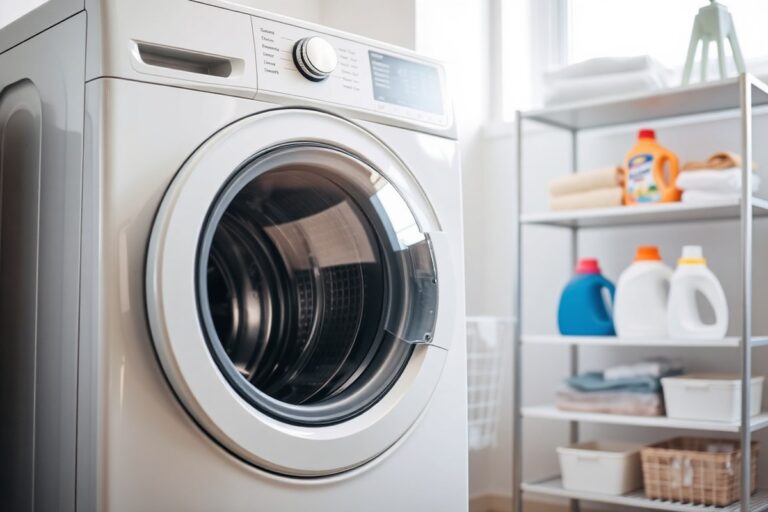
You can safely wash 100% polyester clothes in a washing machine by following specific settings for temperature, cycle, and detergent. Polyester is a durable synthetic fabric that handles machine washing well but requires care to avoid damage and maintain its appearance. Using the right water temperature and detergent keeps polyester looking good, prevents shrinking, and removes dirt and odors effectively.
Select a cold or warm water setting for washing polyester garments. Cold water, typically 60 to 80°F, helps keep colors vibrant and avoids shrinking while using less energy. Warm water, around 90 to 110°F, removes light stains more effectively but may cause minor shrinking. Steer clear of hot water over 130°F, as it can damage polyester fibers by melting or shrinking them significantly.
Choose a gentle or mild detergent formulated for synthetic fabrics to protect the polyester fibers. Harsh detergents or bleach can wear down the material or cause color fading, unless the label states chlorine bleach is safe for 100% polyester. A gentle detergent helps remove oils that polyester tends to hold onto without damaging the garment.
Use your washing machine’s gentle, delicate, or permanent press cycle. These cycles reduce agitation and help preserve the clothing’s shape and finish. Avoid heavy-duty or normal cycles with aggressive spinning, which can cause pilling or stretching.
- Check the care label on each polyester garment to confirm it allows machine washing and notes specific temperature or cycle instructions.
- Sort laundry by color and soil level, washing bright colors separately in cold water and lightly soiled polyester in warm water.
- Measure out a mild detergent designed for synthetics according to the package directions, usually about 1 to 2 tablespoons for a regular load.
- Select the washing cycle set to gentle, delicate, or permanent press with cold or warm water depending on soil and label instructions.
- Load the washer loosely without overfilling it to allow polyester clothes to move freely and clean properly.
- Start the machine and complete the full cycle using the selected settings.
- Remove clothes promptly after washing to prevent wrinkles and odor buildup, then prepare for drying as advised by the care label.
Following these steps keeps polyester garments clean and extends their lifespan while preventing common issues like shrinking, pilling, or lingering odors. Using the wrong temperature or detergent can damage polyester by melting fibers or failing to remove oils clinging to the fabric’s plastic-like weave.
Pretreating Stains on Polyester Before Washing
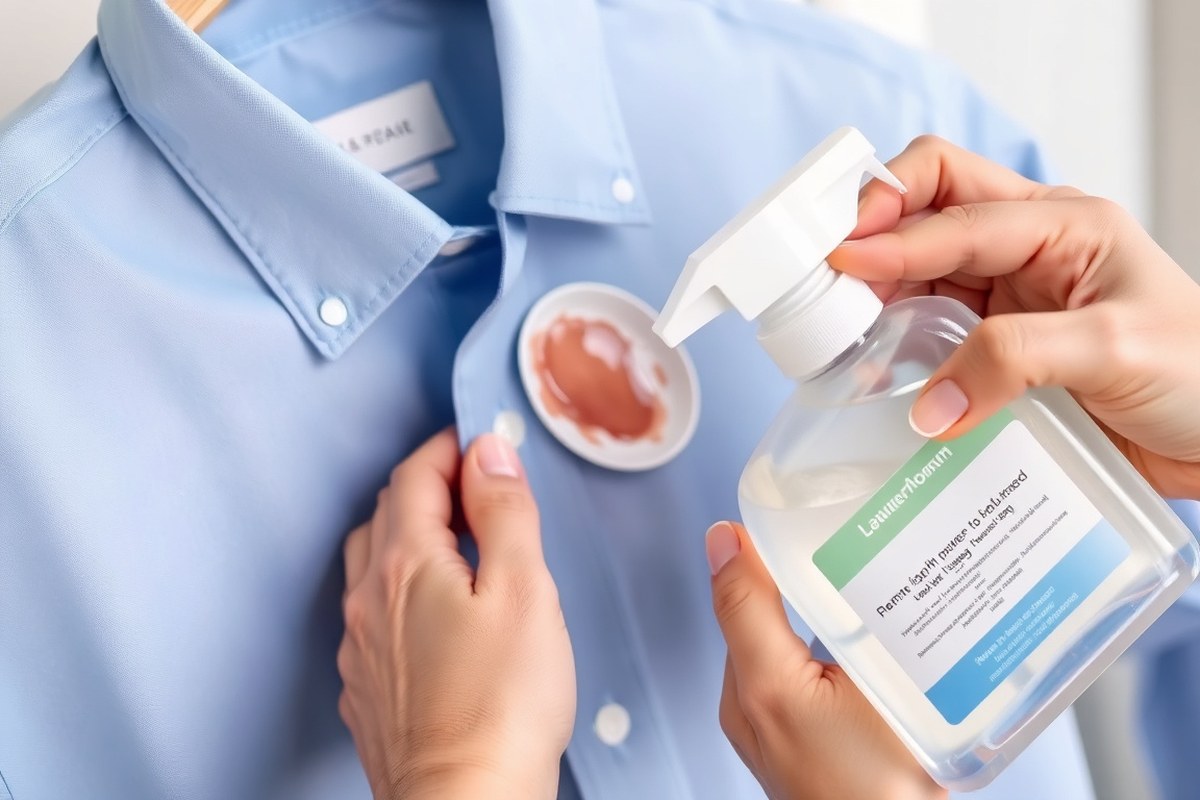
Pretreating stains on polyester before washing helps prevent permanent marks and keeps your clothes looking fresh. Identifying the type of stain and choosing the right treatment ensures better removal while protecting the fabric’s durability. Soaking stained polyester for the right amount of time, with safe stain removers, further improves cleaning results.
Identifying Common Polyester Stains
Polyester is resistant to many stains, but grease, food, and deodorant marks still pose a challenge. Grease and oil leave dark, shiny spots, while food stains can appear as colored smudges or dried residue. Deodorant stains may look white or chalky, especially around the underarm area. Blood and ink stains are less common but require prompt action to avoid setting.
Knowing the stain type lets you select an effective treatment without damaging the fabric. Treat fresh stains quickly for the best outcome, while older stains might need longer soaking or repeated pretreatment.
Using Stain Removers and Vinegar Safely
Use a mild detergent or a commercial stain remover designed for synthetic fabrics to pretreat polyester. White vinegar is a natural alternative that works well against deodorant and sweat stains without harming the fibers. Avoid chlorine bleach, which damages polyester and can cause permanent holes.
Apply the stain remover directly on the spot, gently rubbing it with your fingers or a soft brush. Let it sit for 5 to 10 minutes before washing to break down the stain. For delicate polyester items, test the product on a small hidden area first to check for colorfastness.
Never rub polyester fabric harshly, as this can cause pilling or distort the weave.
- Use liquid detergent or a spray stain remover safe for synthetics
- Apply white vinegar for deodorant stains and some food marks
- Test stain remover on a hidden spot when in doubt
- Avoid chlorine bleach and harsh chemicals
- Use a soft cloth or soft-bristle brush to gently treat the stain
- Do not apply heat before the stain is removed
- Wear gloves if the product cautions skin irritation
Soaking Times for Heavy or Light Stains
Soaking polyester in warm water with detergent loosens old or heavy stains. Light stains often only need a quick pretreatment followed by a normal wash cycle. For stubborn, older stains, soak polyester garments in a basin of warm water (about 90°F) mixed with a few drops of detergent for 30 minutes to an hour.
Over-soaking polyester is unnecessary and can sometimes weaken the fibers or cause color fading. Always check the garment’s label before soaking and avoid hot water, which is better suited for cotton but can harm polyester over time.
Washing Polyester Blends vs. 100% Polyester
Polyester blends require more careful attention during washing and drying than pure 100% polyester. When polyester is mixed with fibers like cotton or spandex, the care instructions change to protect the sensitive fibers. Spandex, even in small amounts, cannot tolerate chlorine bleach because it breaks down the elastic fibers, causing garment damage. In contrast, bleach can be used cautiously on plain white 100% polyester. Cotton-polyester blends often need cooler water washes and gentler machine cycles due to the cotton content’s tendency to shrink or fade.
| Property | 100% Polyester | Polyester Blends (Cotton/Spandex) |
|---|---|---|
| Water Temperature | Cool to warm (up to 110°F) | Usually cool (below 90°F) to protect natural fibers and elastane |
| Machine Cycle | Gentle or normal cycle | Gentle cycle to reduce wear on cotton and spandex |
| Bleach Usage | Chlorine bleach safe for white garments | No chlorine bleach; use oxygen-based bleach if allowed |
| Drying Method | Air dry preferred; low heat tumble dry possible | Air dry recommended; high heat can damage spandex or cause shrinkage |
| Shrinkage Risk | Very low | Higher due to natural fibers or spandex in blend |
Always check the care label first because polyester blends can vary widely in their fiber content. Use cool water and the gentlest washing cycle recommended for cotton or spandex garments. Avoid chlorine bleach on blends that include stretch fibers; instead, oxygen-based bleach may be safer but confirm with the label. For drying, air drying is safest for polyester blends to prevent elastic breakdown or shrinkage. When drying pure polyester, you can use a low-heat tumble dry cycle, but avoid high temperatures which may cause damage or misshaping.
How to Dry Polyester Without Causing Damage
Most polyester clothes are safe in the dryer when you select a low or gentle heat setting. Avoid high temperatures since they can cause polyester fibers to shrink or melt. Dry cycles usually last around 45 minutes, but check the garment’s care label and watch your clothing to prevent over-drying.
Air drying is often the safest method for polyester, especially if you’re concerned about shrinking or damaging delicate items. Hanging your clothes on a drying rack or clothesline allows them to dry naturally without heat stress. You can also lay pieces flat to prevent stretching, which is helpful for garments with embellishments or special finishes. Air drying avoids the risk of heat damage and is gentler on polyester fabric overall.
Static cling is a common issue when drying polyester because the synthetic fibers tend to build up static electricity. Using a dryer sheet with fabric softener can reduce static, but fabric softeners may sometimes affect the fabric’s finish or performance, so test on less visible items first. Wool dryer balls are an excellent alternative that cuts down static without adding chemicals. Placing a couple of these balls in the dryer helps keep polyester clothes separated and soft.
For best results with tumble drying, remove polyester items from the dryer while they are still slightly damp and let them finish air drying. This approach helps reduce wrinkles and static cling and prevents over-drying, which can make fabric feel harsh. In situations where you don’t have time to air dry for long periods, set your dryer to low heat and use shorter cycles to protect your clothes. Avoid using high heat settings even if the drying takes longer, since polyester fibers tolerate cooler temperatures better.
Air drying polyester is the safest way to maintain the fabric’s shape and finish without risking heat damage. Use low heat when drying polyester and include dryer sheets or wool dryer balls to reduce static cling. Monitor drying time carefully and remove clothes while damp to avoid heat damage. These steps will keep your polyester garments looking good and lasting longer.
Removing Odors and Maintaining Freshness in Polyester Clothes
Removing odors from polyester clothes requires specific care because this synthetic fabric tends to hold onto smells even after washing. Using additives like vinegar or baking soda during cleaning and allowing the clothes to air thoroughly can keep your polyester garments smelling fresh and clean.
Why Polyester Retains Odors
Polyester is a synthetic fabric that does not absorb moisture like natural fibers. This characteristic means sweat and body oils tend to stay on the surface rather than being absorbed. These residues can trap bacteria and odors, making polyester clothes smell even after washing.
Also, polyester’s tight fibers hold onto sweat and deodorant residues more than cotton or wool, which causes lingering odors. Quick drying also stops odors from rinsing out fully when washed at low temperatures or with mild detergent alone.
Using Vinegar and Baking Soda Safely
Adding distilled white vinegar to your wash water neutralizes bacteria that cause odors. Use about half a cup of vinegar diluted with water to soak polyester clothes before washing. This method helps kill odor-causing bacteria without damaging the fabric.
Baking soda also works well as a natural deodorizer. Sprinkle about one-quarter cup of baking soda directly into the washing drum with your detergent for an extra cleaning boost. Avoid combining vinegar and baking soda at the same time in the wash cycle because their reaction reduces effectiveness. Safe use of these additives includes:
- Soak polyester garments in a solution of one part vinegar to four parts water for 30 minutes before washing
- Use half a cup of vinegar during the rinse cycle to help soften and deodorize fabrics
- Add one-quarter cup baking soda at the start of the wash cycle to break down odors and residues
- Wash polyester on a normal or delicate cycle using warm water (about 90°F or 30°C) to support odor removal
- Turn polyester clothes inside out before washing to expose sweat-prone areas directly to the cleaning agents
- Promptly remove clothes from the washer after the cycle ends to prevent mildew smells
Do not mix vinegar and baking soda directly in the washing machine, as their chemical reaction creates water and carbon dioxide, reducing their effectiveness against odors.
Tips to Prevent Future Odors
To keep polyester clothes fresh, air them out well between wears, especially after sweating. Hanging polyester items in a well-ventilated area allows moisture to evaporate, reducing bacteria growth and smell buildup.
Washing polyester regularly with the proper cycle and additives minimizes residue buildup, which is a common cause of lingering odors. Avoid drying polyester in damp or sealed environments that trap moisture. Simple steps to limit odor recurrence include:
- Turn polyester garments inside out before washing
- Wash activewear or sweaty clothes promptly rather than letting them sit
- Avoid fabric softeners, which can leave residues that trap odors on polyester
- Use fragrance-free or sports detergent designed for synthetic fabrics
- Hang dry polyester outside or in a room with good air circulation
Ironing, Steaming, and Removing Wrinkles from Polyester
You can safely iron or steam polyester by using low to medium heat settings, ideally between 250°F and 275°F (120°C to 135°C). Steaming is generally safer because it applies indirect heat and reduces the risk of melting. Careful temperature control and protective measures help preserve your polyester clothing’s shape and texture without damage.
Ideal Temperature Settings for Ironing
Polyester can handle temperatures between 250°F and 275°F (120°C to 135°C) when ironing. Always use a low heat setting to protect delicate polyester fabrics. Avoid medium or high heat settings, which can reach 300°F (150°C) or more, as this risks burning or melting the fibers.
Check the garment’s care label for an iron symbol to confirm if ironing is safe. Use the silk/synthetic setting if your iron has one, as this temperature range suits most polyester items.
When and How to Use a Steamer
Steaming polyester is often safer than ironing because the steam does not come in direct contact with the fabric, reducing the risk of heat damage. Use a steamer on a medium steam setting and keep it moving continuously over the garment to avoid overheating any one spot.
Steaming is especially helpful for items that are hard to iron, such as clothing with prints or embellishments that could melt under an iron. It also works well for polyester blends and more delicate pieces.
Techniques to Prevent Heat Damage
Using the right steps prevents burning, melting, or shrinking your polyester clothing while ironing or steaming. Always protect your fabric by placing a pressing cloth, the simplest option is a clean cotton towel or a thin cotton cloth, between the iron and your polyester to act as a heat shield. Here is a step-by-step process to safely remove wrinkles from polyester:
- Set your iron or steamer to low heat or the silk/synthetic setting, aiming for 250°F to 275°F.
- Place a pressing cloth over the polyester garment if ironing.
- Test the iron or steamer on a hidden seam or inside hem before treating the visible area.
- Use slow, gentle motions when ironing or keep the steamer continuously moving to avoid heat buildup.
- Do not iron directly over prints, logos, or embellishments, steam those areas carefully.
- Hang polyester garments immediately after steaming or ironing to let wrinkles relax naturally.
- Use wrinkle releaser sprays as a backup to reduce the need for heat treatments.
Common Polyester Laundering Mistakes and How to Fix Them
One common mistake that damages polyester fabric during laundry is mixing it with heavy or rough-textured items, such as denim or towels. These fabrics create friction that causes polyester to pill and snag, reducing its life and appearance. To fix this, always sort your laundry by fabric type and wash polyester separately or only with other polyester items. This prevents unnecessary wear and tear caused by uneven textures rubbing together.
Washing polyester in water that is too hot or drying it at high temperatures can shrink or warp the fabric. Polyester generally tolerates warm water, but avoid exceeding 104°F (40°C) during washing to prevent damage. When drying, use a low heat or permanent press setting and check on the garment frequently, shaking it out at least every 15 minutes if tumble drying. Correcting polyester that has shrunk may require gentle reshaping while damp, but irreversible shrinkage often means replacement is necessary.
Static electricity builds up more easily in polyester if it’s overdried or washed without proper care, making clothes cling uncomfortably. Avoid overdrying by removing garments from the dryer when slightly damp, and skip fabric softeners or dryer sheets that can harm moisture-wicking qualities. Instead, use a spray bottle with water or a small amount of white vinegar in the rinse cycle to reduce static and maintain softness.
- Wash polyester separately or with like fabrics only
- Use warm water below 104°F (40°C) to prevent shrinking
- Dry on low or permanent press heat; check and shake every 15 minutes
- Skip fabric softener and dryer sheets to protect fabric integrity
- Use mild, fragrance-free detergent for polyester and avoid bleach
- Do not wash polyester with items that have zippers or buttons that can snag
- Remove static by lightly dampening fabric or adding white vinegar to rinse
Pilling occurs when polyester fibers break and tangle into small balls on the fabric surface, which happens due to abrasion in the washer or dryer or being washed with rough fabrics. You can remove existing pills gently by using a fabric shaver or a fine blade razor held at a 45-degree angle, carefully shaving pills off the garment without cutting the fabric below. Prevent this by following washing tips that reduce friction and sorting properly.
Static and pilling issues increase if polyester is dried completely dry or with excessive heat. Polyester’s synthetic fibers hold static charges more strongly when moisture is low, so aim to remove items while slightly damp for ironing or air drying. Preserving polyester’s smooth texture and lifespan depends mostly on gentle treatment, paying attention to fabric combinations in your laundry, and selecting the right water temperature and drying method.
Special Care Tips for Activewear and Performance Polyester
Activewear and performance polyester require special care to maintain their moisture-wicking properties and stretch. These fabrics often include blends such as poly-spandex, which need cold water washing and low heat drying or air drying to preserve elasticity and avoid damage. Avoid fabric softeners on these garments since softener residue can coat fibers, trapping odors and reducing the fabric’s ability to wick moisture away from your skin. Using a mild detergent designed for sportswear or synthetic fabrics is best because heavy detergents may leave residues that impair performance.
When laundering activewear, always check the care label first. For pure polyester or poly-spandex blends common in yoga pants, sports bras, and moisture-wicking jerseys, wash in cold water on a gentle cycle. Skip bleach and fabric softeners, as these can break down the stretchy fibers and moisture-wicking finishes. A detergent formulated for synthetics usually costs about $0.20 to $0.50 per load and is formulated to clean without leaving residues.
After washing, air drying is ideal to maintain fabric integrity, but if you use a dryer, keep it on low heat to prevent shrinking or loss of stretch. High heat can degrade elasticity and cause synthetic fibers to lose shape. For dyed polyester activewear, avoid prolonged sun exposure while drying to prevent fading. These care methods preserve fabric performance, keeping your gear breathable, flexible, and odor-free longer.
Performance gear often relies on chemical finishes that give it water resistance and stretch. Using harsh chemicals, hot water, or fabric softeners can wear these finishes down. Over time, this leads to loss of moisture-wicking ability and reduces comfort during workouts. Sticking to cold water with a gentle, sports-specific detergent and air drying extends the life of expensive or sentimental activewear.
Never use fabric softener on stretchy or moisture-wicking polyester; it can clog the fabric and reduce its performance.
Step-by-Step Action Plan for Caring for Your Polyester Clothes
Follow these practical steps to keep your polyester garments clean, fresh, and looking their best after every wash.
- Before you start: Sort your polyester items by color and blend type to prevent color transfer and ensure correct wash settings. Check stains and pretreat as needed with a mild stain remover.
- Wash day: Choose a gentle cycle with cold or warm water and a mild detergent made for synthetic fabrics. Load the washer without overcrowding to allow proper cleaning.
- After washing: Remove clothes promptly to reduce wrinkles and prevent odor build-up. If needed, gently reshape garments while damp.
- Drying time: Air-dry polyester clothes flat or hang them up, avoiding direct sunlight to protect colors. Use a dryer on the lowest heat setting if you prefer, but check for any dry-clean labels first.
- Post-drying: If you see wrinkles, use a cool iron or a steamer. Test a small area first to avoid melting the fabric.
- Weekly care: For activewear polyester, wash soon after use to prevent odor buildup and avoid fabric softeners that reduce moisture-wicking abilities.
- After frequent use: Refresh your polyester garments by soaking them in a mix of water and white vinegar to remove stubborn odors without damaging fibers.
Frequently Asked Questions
Can You Machine Wash Polyester with Hot Water?
Machine washing polyester in hot water is not recommended; use warm or cold water to prevent damage and maintain fabric integrity. Hot water can cause color fading and may shorten the lifespan of the garment.
Does Polyester Shrink in the Dryer?
Polyester is designed to resist shrinking and generally does not shrink in the dryer, especially if dried on low heat. However, blends with natural fibers may shrink, so always check the care label and use gentle drying settings.
Is It Safe to Use Bleach on Polyester?
Bleach is safe only on 100% polyester fabrics, not on polyester blends. Using chlorine bleach on blends can damage the natural fibers in the mix and ruin the garment. Always follow label instructions for best results.
Can You Handwash Polyester Clothes?
Yes, handwashing polyester is a gentle way to preserve its quality and longevity. Use mild detergent and lukewarm water, then air dry to avoid heat damage. This is especially beneficial for delicate or mixed-fiber garments.
How Do You Remove Wrinkles from Polyester Without Ironing?
Use a steamer or hang your polyester garment in a steamy bathroom to relax wrinkles. This method avoids direct heat and reduces the risk of fabric damage, especially for delicate items or blends.
What Causes Polyester to Retain Odors, and How Can You Prevent It?
Polyester retains odors because of its synthetic fibers trapping sweat and oils. Wash regularly with a detergent designed for synthetic fabrics, and avoid fabric softeners that can build up and hold onto smells.
Key Points to Remember
Caring for your polyester clothes doesn’t have to be complicated. Stick to gentle washing, careful drying, and gentle wrinkle removal to keep them performing and looking good. Start today by sorting your laundry properly before washing to extend the life of your favorite polyester pieces.