How to Wash 100 Polyester: Simple Steps for Safe, Effective Cleaning
You can machine wash 100% polyester safely by using cold water and a gentle cycle, avoiding high temperatures that may damage the fabric. Hand washing is also an option, especially for delicate polyester items or those with stains that need pre-treatment. Washing polyester properly keeps it looking fresh, prevents shrinkage, and extends its lifespan.
Anyone caring for polyester clothing, blankets, or home textiles will find straightforward steps here to protect their items. The advice covers cleaning, stain removal, drying, wrinkle management, and avoiding common polyester washing mistakes to maintain fabric quality over time.
Key Takeaways
- Always wash 100% polyester in cold water with a mild detergent to prevent shrinkage and preserve colors.
- Use the gentle cycle on your washing machine or hand wash delicate polyester items to avoid fabric stress.
- Treat polyester stains by soaking them in cold water mixed with a gentle detergent for ten minutes prior to washing to achieve optimal cleaning results.
- Dry polyester fabrics promptly and avoid high heat to keep fibers strong and prevent damage.
- Iron polyester only on a low “Silk” setting, using a damp cloth between the iron and fabric.
- Vacuum polyester upholstery regularly to remove dust and dirt without aggressive cleaning methods.
Can You Machine Wash 100% Polyester Safely?
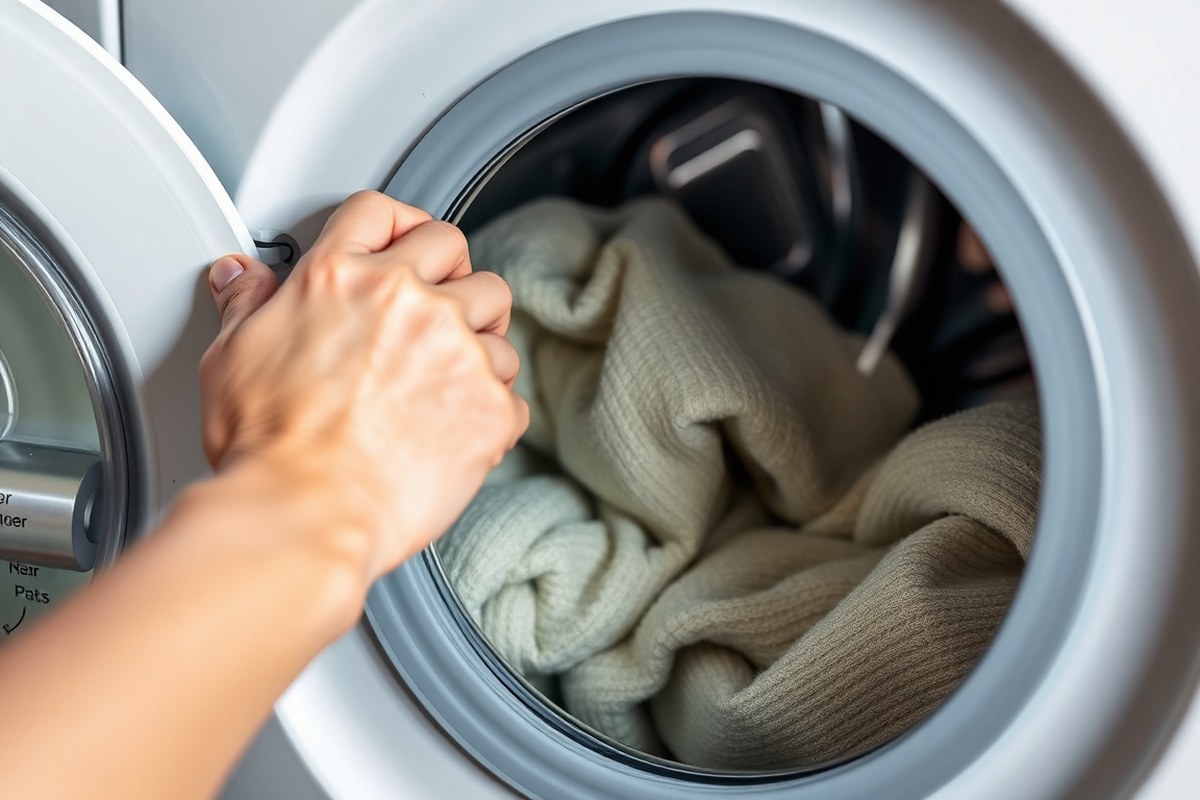
You can safely machine wash 100% polyester, but following the right settings and precautions is key to keeping the fabric looking its best. Polyester is durable and resistant to shrinking and stretching, so a washing machine works well, especially for everyday garments. Using cold water prevents heat damage that causes shrinkage or deformation.
The best machine settings include a gentle or delicate cycle, cold water temperature (around 30 to 40 degrees Celsius or 85 to 105 degrees Fahrenheit), and a low spin speed to reduce friction and wrinkles. Selecting the gentle cycle limits agitation, reducing the risk of pilling and fabric wear. If your garment is particularly delicate or heavily embellished, hand washing might be safer to avoid damage.
Separating colors is important when washing polyester. Dark or heavily printed polyester pieces can bleed dye, so washing them with like colors helps prevent color transfer to lighter fabrics. Sorting your laundry by color reduces the chance of staining and maintains the brightness of your clothes.
- Set the machine to cold water, maximum 40°C (105°F)
- Choose a gentle or delicate cycle
- Use low spin speed to minimize friction
- Separate dark and light-colored polyester items
- Use mild detergent suitable for synthetic fabrics
- Remove items promptly after washing to prevent wrinkles
- Shake garments gently to remove excess water before drying
Machine washing polyester typically takes less effort and time compared to hand washing, making it suitable for regular clothing care. However, if your polyester item has special trims, printed designs that might fade, or if it’s a larger textile like a flag or blanket, hand washing or gentle machine cycles with extra care will help maintain its look. Following these steps avoids common problems like static cling, pilling, or shrinkage while preserving fabric quality.
Hand Washing 100% Polyester: When and How

Hand washing 100% polyester is best when the care label requires it or when dealing with delicate or intricately designed garments. This method helps prevent damage that could come from machine agitation or heat. You’ll use mild detergent, gentle motions, and cool water to clean your polyester while preserving its shape and texture.
When to Choose Hand Washing
Hand washing is preferable for polyester items with delicate features such as lace, pleats, or embellishments. Garments that have “hand wash only” on their care labels also demand this gentler approach to avoid stretching or pilling. Choosing hand washing can extend the life of special polyester clothing, especially those made from finer yarns or blended with other delicate fabrics.
This method is also useful if you want to treat small stains personally or maintain the garment’s crisp appearance. Avoid hand washing if the label explicitly permits machine washing on a gentle cycle and the item is sturdy, as machine washing can save time and water in those cases.
Preparing the Garment for Hand Wash
Use cool or lukewarm water between 75°F and 85°F (24°C to 29°C), never hot, to protect the polyester fibers from heat damage. Select a mild detergent designed for delicate fabrics. Avoid bleach, fabric softeners, or harsh chemicals, as they can break down polyester and cause discoloration.
Before washing, turn the garment inside out to protect the surface from friction. If your polyester is heavily soiled or white, soaking it in mild detergent dissolved in water for 15 to 30 minutes can help loosen dirt without rubbing the fabric harshly.
Hand Washing Process and Rinsing
Follow these steps to hand wash polyester carefully:
- Fill a clean basin with cool or lukewarm water and add a small amount of mild detergent, mixing it with your hand until dissolved.
- Submerge the polyester garment and gently swirl it around to distribute the detergent without scrubbing.
- Let it soak for 5 to 10 minutes, especially if lightly soiled, to loosen dirt without aggressive agitation.
- Lift the garment and gently press the fabric to allow water to pass through. Do not twist, wring, or rub, as this can stretch or damage fibers.
- Empty the soapy water and refill the basin with clean cool water to rinse the garment thoroughly.
- Swirl the garment gently in clean water, then lift and press out the water again, repeating rinsing until soap is fully removed.
- Remove excess water by pressing the fabric between your hands or against the side of the basin.
Avoid wringing polyester; twisting can distort the shape and stress the fibers.
Drying After Hand Washing
After hand washing, lay the garment flat on a clean towel and roll it up gently to absorb more water. Avoid direct sunlight exposure, which can shrink or fade polyester. Instead, air dry polyester inside or in a shaded area at room temperature for best results.
You can speed drying by placing the garment on a flat, breathable surface and pointing a fan toward it. Avoid hanging wet polyester by the shoulders to prevent stretching. Once dry to the touch, fold and store the polyester garment to avoid wrinkles and maintain its shape.
Pre-Treating and Removing Stains from Polyester
Pre-treat stains on your polyester garments promptly using mild detergent or specific stain removers before washing. Different stains need tailored treatments like soaking or applying homemade remedies to break down residue without damaging the fabric. Pre-treating improves stain removal success and keeps polyester looking fresh.
Common Polyester Stains and Causes
Polyester often traps stains from everyday activities. Common stains include oil and grease, food and drink spills, rust from metal contact, and mildew in damp environments. Identifying the type of stain can help you pick the right treatment, as polyester’s synthetic fibers respond best to specific cleaning methods.
Oily stains from cooking or body oils resist cold water alone, needing stronger breakdown agents. Rust appears as orange or brown spots from outdoor exposure or metal hardware. Mildew shows up as musty, dark patches mainly when polyester stays damp too long without drying. Food stains might range from sauce to beverages and often require quick action before washing.
Effective Pre-Treatment Methods by Stain Type
Use the table below to match common stain types with recommended pre-treatment methods, ensuring you apply the right approach at home before laundering polyester.
| Stain Type | Pre-Treatment Method | Duration |
|---|---|---|
| Oily and Grease | Apply mild detergent directly; rub gently | 10-15 minutes |
| Food and Drink (non-oily) | Apply mild soap or stain remover | 15 minutes |
| Mildew | Soak in equal parts white vinegar and cold water | 30 minutes |
| Rust | Apply lemon juice and salt paste | 1-2 hours |
| Printed Polyester Stains | Pre-treat carefully with mild detergent to avoid print damage | 15 minutes |
Test any homemade mixtures, such as lemon juice with salt or commercial stain removers, on a hidden spot first to avoid damage. One common DIY stain remover includes mixing one cup of white vinegar, one tablespoon of baking soda, and a few drops of mild detergent with water. Apply this solution to the stain and leave it for roughly 15 minutes before laundering.
Soaking and Washing Timing Tips
Soaking stained polyester helps loosen residue but should be timed carefully to avoid fabric issues. Cold water soaks work well for most stain types, with ideal soak times from 10 to 30 minutes depending on the stain. For mildew, a 30-minute soak in vinegar and water is most effective. Rust stains need longer contact time, up to two hours with lemon juice and salt.
After pre-treating and soaking, wash polyester in cold water to prevent shrinkage or damage. Avoid hot water on oily stains without proper pre-treatment because heat can set the stain permanently. For tough stains, repeat the pre-treatment and soak steps rather than increasing water temperature to protect fabric integrity.
Best Drying Methods to Preserve Polyester Fabric
Choosing the right drying method for 100% polyester helps keep the fabric’s shape, prevents shrinkage, and limits wrinkles. Polyester dries relatively quickly, so you don’t need long drying times. Air drying works well to preserve its elasticity and avoid heat damage like melting or shrinking, which can happen with high dryer temperatures.
Using a dryer on polyester is possible, but you should select the lowest heat setting available. This means using options like “low heat,” “air dry,” or “tumble dry low.” High heat risks melting fibers and permanently setting wrinkles. Moving the garments into the dryer as soon as the wash cycle ends also helps reduce wrinkles. Adding a dryer sheet prevents static cling and wrinkles, unless you already used fabric softener in the wash.
Air drying tends to take longer, but there are ways to speed up the process. Lay polyester items flat on a clean towel and roll them up tightly to squeeze out excess water before hanging. This reduces drying time and decreases wrinkle formation. Hanging polyester garments usually avoids creases and maintains shape better than folding them while damp.
| Drying Method | Pros | Cons | Tips |
|---|---|---|---|
| Air Drying | Preserves fabric elasticity and shape, prevents shrinking, no heat damage | Slower drying time | Roll garment in a towel to remove water; hang promptly; use a well-ventilated area |
| Dryer on Low Heat | Faster drying, reduces wrinkles if removed immediately | Risk of heat damage if temperature is too high; possible shrinkage | Use “low heat,” “air dry,” or “tumble dry” setting; add dryer sheet unless fabric softener used; remove clothes promptly |
| Dryer on High Heat | Very fast drying | Might melt fibers, cause shrinkage, permanently set wrinkles | Not recommended |
Always avoid using high heat settings in the dryer to keep polyester garments intact. Removing polyester items from the dryer immediately after the cycle completes prevents wrinkles from forming. With air drying, placing the fabric in a dry, ventilated spot accelerates drying. Hanging items rather than laying them on a surface preserves their shape and avoids unwanted creases. Taking these steps helps polyester maintain its appearance, fit, and lifespan.
How to Remove Wrinkles from Polyester Effectively
Wrinkles can be removed from 100% polyester using steaming, ironing, or proper drying techniques. Steaming is often the safest and simplest method, while ironing requires care to avoid heat damage. Applying these methods the right way helps keep polyester looking smooth without harming the fabric.
Using a Clothes Steamer Safely
Steaming polyester is effective because it relaxes the fabric fibers without direct contact or high heat. Hold the steamer about 6 to 8 inches away from the fabric and move it slowly up and down over the wrinkles. This usually takes one to two minutes per garment area. Keep the polyester hanging while steaming to allow wrinkles to release naturally.
Steaming is preferred when avoiding shiny marks or melting that can happen with an iron’s hot surface. Portable steamers range from $20 to $50, making them a low-cost investment for wrinkle care. Steamers also work well for delicate polyester items and quick freshening without washing.
- Hang polyester garment on a hanger or clothesline
- Fill steamer with water and allow it to heat up fully
- Hold steamer head 6 to 8 inches from fabric surface
- Slowly pass steamer over wrinkled areas without pressing
- Allow fabric to dry fully after steaming before wearing or storing
Don’t use a steamer on polyester that is heavily soiled or stained; clean it first to avoid setting stains.
Ironing Polyester Properly
Polyester can be ironed safely if you use low heat and protective layers. Set your iron to the “synthetic” or “polyester” setting, usually between 230ºF and 275ºF. Avoid any heat higher than 300ºF to prevent melting the fibers. Place a thin cotton cloth (pressing cloth) between the iron and polyester to shield the fabric.
Iron on the inside of the garment to reduce shiny spots. Use a light, quick pressing motion rather than holding the iron still. If your iron has a steam function, it can help ease wrinkles, but testing on a small area first is worthwhile.
- Check and set iron temperature to synthetic/polyester setting
- Turn polyester garment inside out to iron
- Place a cotton cloth between iron and fabric
- Use steam sparingly and keep iron moving
- Avoid using spray starch on polyester fibers
Ironing polyester at too high a temperature can cause shiny marks or permanent damage, always test a small hidden area first.
Avoiding Wrinkles During Drying and Storage
Proper drying and storage can prevent wrinkles from forming in polyester. Remove clothes from the washing machine as soon as the cycle ends to avoid setting in wrinkles. Hang polyester garments promptly on padded hangers, or lay them flat to dry on a clean drying rack with plenty of airflow.
Using a drying rack with ample space, such as one offering around 29 square feet of drying area, helps items dry evenly and reduces wrinkle buildup. Avoid overloading the rack or clothesline so garments don’t get pressed tightly. After drying, store polyester clothes with enough room to hang freely, which limits creasing.
Choosing Detergents and Avoiding Damage to Polyester
Choose a detergent designed for synthetic fabrics or one labeled as gentle or mild to protect your 100% polyester items. These detergents avoid harsh chemicals that can degrade the fibers. A liquid detergent is often better since powdered detergents may leave residue on polyester. You want a detergent that rinses out easily, preserving the fabric’s smooth feel and preventing buildup that leads to dullness or stiffness.
Avoid bleach at all costs. Chlorine-based bleach can weaken polyester fibers and damage any printed designs. It also breaks down the fabric over time, causing thinning and holes. If you must use a whitening agent, opt for oxygen-based, color-safe bleach, but only in very small amounts and carefully following the product instructions to minimize risk. Even then, test on a hidden area first.
Fabric softeners can harm polyester fabrics by coating the fibers and reducing their moisture-wicking and breathability properties. This coating also accelerates wear, leading to pilling or loss of shape. Instead of softeners, add half a cup of white vinegar to the rinse cycle to keep polyester feeling soft without residue.
Check the detergent label for harsh additives like optical brighteners, chlorine, or enzymes that can be too aggressive on synthetic fibers. These additives might break down the polymer structure, causing the fabric to lose strength and color vibrancy. Mild detergents without these chemicals typically cost between $8 and $15 per medium-sized bottle in most stores. This slight extra cost pays off by extending the life of your polyester garments.
For heavy soil or stains, pre-treat separately with a gentle stain remover formulated for synthetics, not with bleach or strong alkalis. Wash polyester items in cool or warm water, generally, not hotter than 104°F (40°C), to prevent damage and color fading. Cold water detergents may also be effective and help reduce energy use.
Sticking to these guidelines on detergent choice and additive avoidance helps maintain the integrity, color, and texture of 100% polyester fabric. Using the wrong chemicals risks costly replacements down the line due to fiber weakening or visible damage. By treating polyester gently with a mild, bleach-free detergent and skipping fabric softeners, you ensure your garments look and feel their best for longer.
Preventing Common Polyester Washing Mistakes
One of the most frequent errors when washing 100% polyester is using high heat. Polyester fibers break down quickly under hot conditions, which leads to pilling, shrinkage, and damage to any prints or coatings on the fabric. To protect your polyester garments, always choose a cold water wash and avoid boiling water or hot drying environments.
Over-washing polyester can also wear down fibers over time. Washing your polyester clothes more often than necessary wastes energy and can cause fibers to weaken, making garments look worn out sooner. Unless the clothing is visibly soiled or smells, consider wiping down or spot treating minor stains instead of running a full wash cycle each time.
Improper sorting causes another common problem. Mixing polyester with rougher fabrics like denim or items with zippers can cause friction that promotes pilling and snags. Keep polyester garments separated from coarse textiles and fasten zippers or hooks before washing.
- Use cold or lukewarm water, never hotter than 86°F (30°C).
- Wash polyester separately or with similar lightweight fabrics to reduce friction.
- Select a gentle wash cycle to minimize agitation and fiber stress.
- Turn garments inside out to protect the surface texture and prints.
- Avoid harsh detergents; use mild, liquid detergents suited for synthetics.
- Air dry polyester by laying it flat or hanging it away from direct sunlight or heat sources.
- Use a fabric softener or anti-static spray to reduce static cling and maintain fabric softness.
Ignoring these care points can lead to pilling, a fuzzy buildup of fibers on the fabric surface, and static cling, which creates discomfort and attracts lint. Static is more common in dry conditions and synthetic fabrics like polyester, so using fabric softeners or a humidifier in dry seasons helps keep static under control.
By following a maintenance checklist, washing in cold water, avoiding rough contact, drying naturally, and applying anti-static treatments, you can keep your polyester garments looking smooth and feeling comfortable much longer. Recovery from damage like pilling is difficult, so prevention by gentle handling and proper washing is the best investment for preserving this fabric’s lifespan.
Special Care Tips for Polyester Blankets, Flags, and Large Items
Washing large polyester items like blankets, comforters, and flags requires specific care to prevent damage and preserve their appearance. Large polyester blankets or comforters can usually be machine washed if your washer is big enough to allow gentle tumbling without cramming. Use cold water and a mild detergent on a gentle cycle to avoid shrinking or color fading. Avoid fabric softeners, which can coat polyester fibers and reduce softness. For outdoor flags, machine washing is the most practical method, but wash them separately to keep zippers or hooks from snagging the fabric.
Outdoor polyester items should be cleaned regularly since dirt, pollution, and weather exposure degrade the fabric and colors over time. Flags displayed continuously outdoors benefit from washing every 2 to 3 months during active seasons to maintain brightness and fabric integrity. Heavily soiled blankets or comforters used outdoors should be washed as needed, but generally every season is recommended unless visibly dirty.
Pre-treating stains on outdoor polyester items is essential to protect the fabric. Use a gentle stain remover or mild detergent and apply it directly to the spot. Let it sit for 10 to 15 minutes before washing. Avoid harsh bleaches or ammonia-based cleaners, which can weaken fibers or change colors. The following table provides a clear guide for deciding the washing method based on item type and practical tips for dye longevity and fabric longevity:
| Polyester Item | Recommended Washing Method | Washing Frequency | Special Considerations |
|---|---|---|---|
| Polyester Blanket or Comforter | Machine wash cold, gentle cycle; mild detergent | Seasonally or when visibly dirty | Large capacity washer needed; avoid fabric softener |
| Outdoor Polyester Flags | Machine wash cold, gentle cycle; wash separately | Every 2 to 3 months when in continuous use | Wash alone to protect fabric and hardware; no dryer |
| Polyester Items with Embellishments | Hand wash or machine wash in mesh laundry bag | As needed; spot clean stains promptly | Prevent snagging or damage to decorations |
Always air dry large polyester flags instead of machine drying to avoid melting fibers and damaging grommets.
Drying large polyester items requires extra care. Avoid the machine dryer for flags because tumbling heat can cause permanent damage. Instead, hang flags flat or allowed to drip-dry out of direct sunlight to slow fading. Blankets and comforters may be tumble dried on low heat if the care label permits, but air drying is gentler and slows wear. Proper washing and drying, combined with regular cleaning, help these large polyester items last longer and retain color.
Step-by-Step Action Plan for Washing 100% Polyester
Follow these steps to care for your polyester fabrics efficiently and keep them looking their best.
- Before washing: Check the care label for any specific instructions and sort your polyester garments by color to avoid bleeding.
- Pre-treat stains: Apply a small amount of gentle detergent or stain remover directly on stains, letting it sit for 10 to 15 minutes before washing. The stain should begin to lift.
- Machine wash phase: Use cold or warm water on a gentle cycle with a mild detergent. After washing, check that fabrics feel clean and no stains remain.
- Hand wash option: For delicate or heavily embellished polyester, hand wash in cool water with mild detergent, then rinse thoroughly. The fabric should look fresh without residue.
- Drying: Air-dry polyester items by laying them flat or hanging them up. Make sure the fabric dries completely to maintain shape and avoid mildew.
- Wrinkle removal: Use a low-heat iron or a garment steamer. Test a hidden area first to ensure no damage; wrinkles should smooth out easily.
- Storage: Store polyester garments in a cool, dry place away from direct sunlight to prevent fading and damage from heat.
Frequently Asked Questions
Can I Tumble Dry 100% Polyester?
You can tumble dry 100% polyester on a low heat setting to avoid damage. High heat causes shrinkage and wrinkles, so air drying is safer for longevity.
How Do You Get Wrinkles Out of Polyester?
Use a low-heat iron on the “Silk” setting through a damp gauze or steam the fabric to remove wrinkles without damage.
How to Wash a Polyester Comforter?
Wash a polyester comforter in cold water on a gentle cycle using mild detergent to preserve its shape and fabric integrity.
Does Polyester Shrink in the Wash?
Polyester can shrink if exposed to high heat during washing or drying, so always use cold water and air dry.
Can I Use Bleach on 100% Polyester?
Avoid bleach on polyester as it can weaken fibers and cause discoloration. Use a color-safe detergent instead.
Is Polyester Fabric Prone to Static Cling?
Yes, due to low humidity and friction, polyester often develops static; dryer sheets or anti-static sprays help reduce it.
Final Thoughts
Keeping your 100% polyester garments clean and wrinkle-free is simple when you follow safe washing and drying methods. Start by identifying any tricky stains and pre-treating those first. Then, choose gentle wash cycles and air-dry to extend the life of your polyester items. Taking this approach protects your fabrics and keeps them looking their best.