How to Get Yellow Sweat Stains Out of White Shirts: 8 Proven Methods That Work
To remove yellow sweat stains from white shirts, mix hydrogen peroxide with mild dish soap and spread it over the stained areas. Allow the mixture to work for 20 minutes, then launder in warm water. For more persistent stains, soak the garment in a solution made of equal parts water and white vinegar for at least 30 minutes before washing. These treatments help dissolve sweat, body oils, and leftover deodorant that cause discoloration.
This advice is for anyone facing stubborn yellow stains on white clothing who wants effective and safe cleaning solutions. You’ll find proven techniques to restore your shirts while protecting fabric quality and avoiding product damage.
Key Takeaways
- Pre-soak yellow sweat stains in laundry detergent powder for 30 minutes before washing to loosen stubborn discoloration.
- Use a white vinegar soak (one part vinegar to three parts water) to help dissolve yellow stains without harsh chemicals.
- Apply equal parts hydrogen peroxide and mild dish soap on sweat stains, wait 20 minutes, then wash with warm water.
- Avoid mixing bleach with other cleaning products unless confirmed safe, to prevent fabric damage and harmful fumes.
- For small spots, gently rub white toothpaste on the stain, let sit 1-2 hours, then rinse and check for removal.
- Consider deodorants without aluminum compounds to reduce yellow staining caused by ingredient buildup and sweat reactions.
1. How to Remove Yellow Sweat Stains from White Shirts Effectively
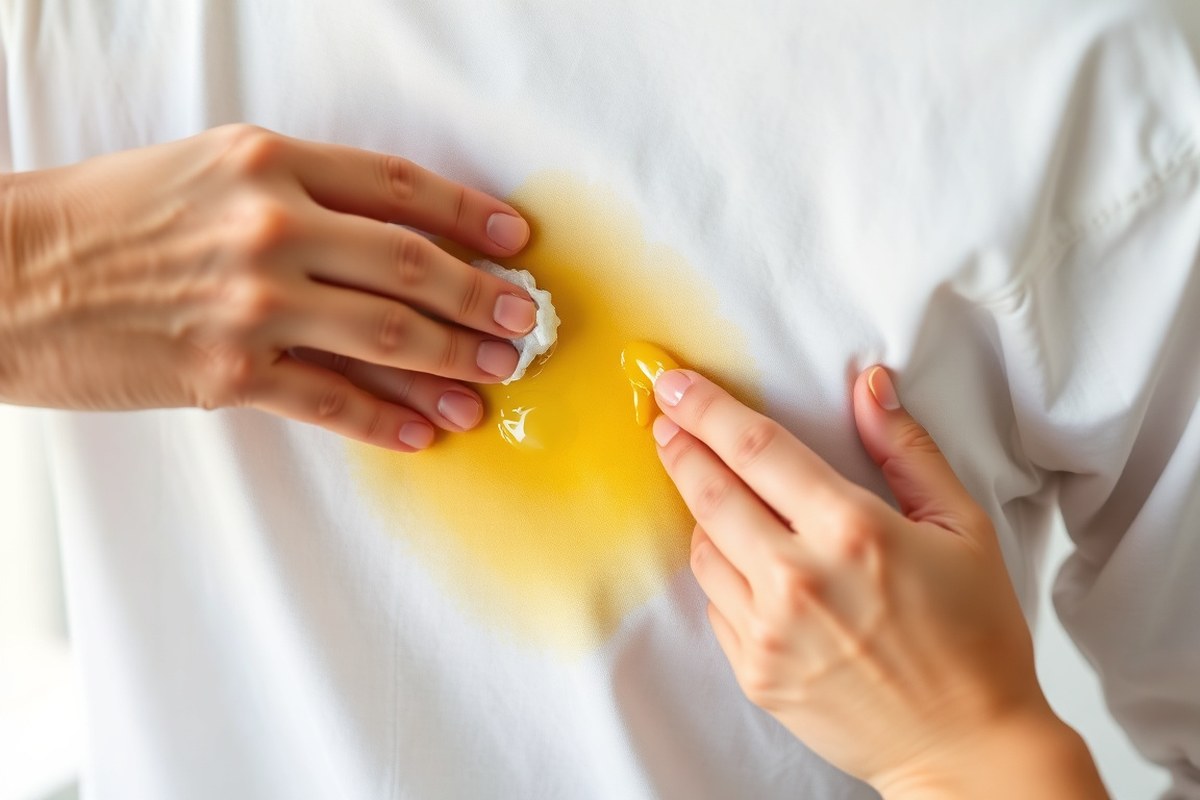
Yellow sweat stains on white shirts can be effectively removed using simple household ingredients like vinegar, hydrogen peroxide, dish soap, and baking soda, or with commercial stain removers. The key is to treat the stains promptly and follow specific steps that suit the stain’s intensity and age. For fresh, small stains, quick spot treatments work well, while more stubborn yellowing calls for longer soaks or paste applications.
White Vinegar and Water Soak
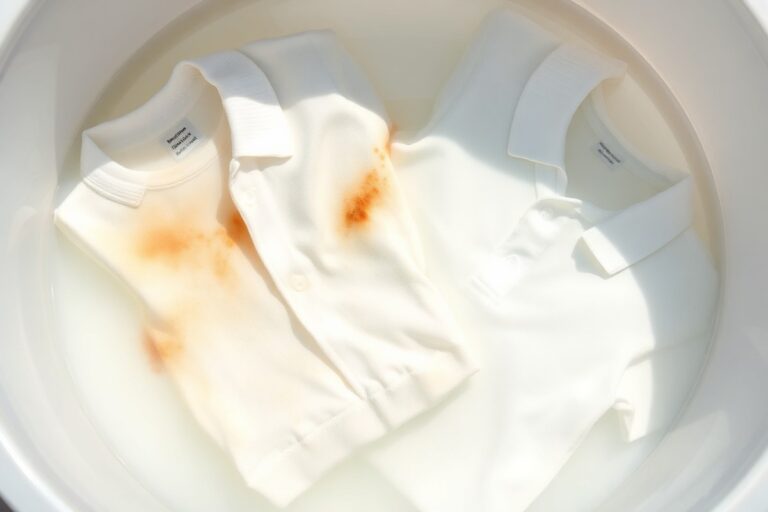
White vinegar is a mild acid that can break down the residues causing yellow stains and deodorant build-up. It works well on mild sweat stains and is gentle on most fabrics. Mixing vinegar with water helps protect the fabric while still loosening the stain for easier removal during washing. Soaking the stained areas in a vinegar solution before washing helps lift the stain and prevents it from setting further.
- Mix one part white vinegar with three parts water in a container large enough to submerge the stained shirt.
- Place the yellow-stained areas of the shirt into the solution, ensuring the spots are fully soaked.
- Let the shirt soak for about 30 minutes at room temperature.
- Remove the shirt and gently rub the stained fabric with your fingers or a soft brush to help loosen the stain.
- Rinse the shirt with cold water to remove the vinegar solution.
- Wash the shirt as usual with your regular detergent.
- Air dry or machine dry once the stain is no longer visible. Avoid heat if stains remain to prevent setting.
Hydrogen Peroxide and Dish Soap Paste
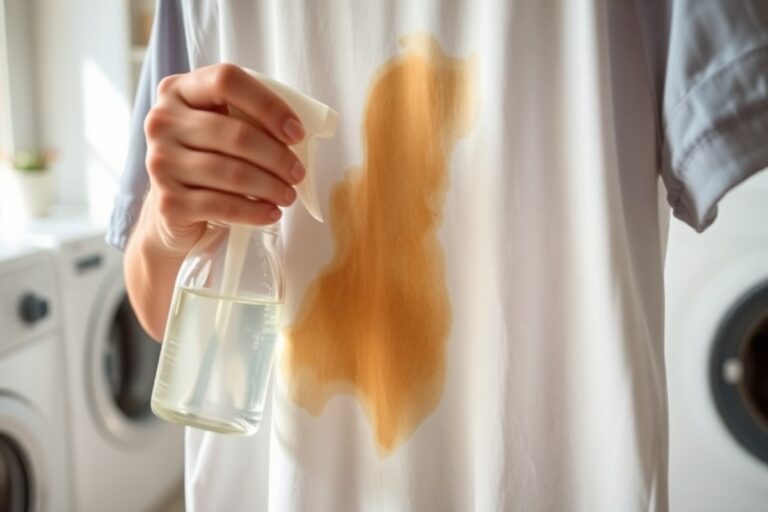
Hydrogen peroxide acts as a mild bleach, making it effective on tougher and set-in yellow sweat stains. When combined with dish soap, the mixture not only breaks down stains but also combats odors and lifts oils trapped in fabric fibers. Applying this paste directly to the stain and allowing it to sit lets the ingredients work on breaking down and whitening the affected areas without harsh chemicals.
- Mix equal parts of 3% hydrogen peroxide and mild dish soap in a small bowl to form a liquid mixture.
- Use an old toothbrush or cotton swab to apply the mixture generously onto the yellow stains.
- Let the treated area sit for 20 minutes at room temperature without drying out.
- Rinse the shirt with cold water to remove the paste completely.
- Wash the shirt as usual in your washing machine.
- Check the shirt before drying to ensure stains are gone, repeating the treatment if necessary.
Baking Soda Paste Application
Baking soda is a gentle abrasive and deodorizer. Its ability to absorb oils and lift light stains makes it a useful home remedy, especially for fresh or mildly yellowed sweat stains. Creating a paste with water allows for controlled application and helps prevent the stain from spreading. For better results, let the paste sit long enough to penetrate the fabric’s fibers before washing.
- Mix baking soda and water in equal parts to form a paste with a spreadable consistency.
- Apply the paste directly to the yellow-stained parts of the shirt, covering the entire affected area.
- Let the shirt sit for 30 minutes, allowing the baking soda to absorb oils and break down the stain.
- Gently scrub the paste into the fabric using a soft brush or cloth.
- Rinse thoroughly with cold water to remove all baking soda residue.
- Launder the shirt as usual.
- Avoid using hot water or drying the shirt until you’re confident the stain is removed.
Commercial Stain Removers
Enzyme-based and oxygen bleach commercial stain removers are designed to tackle protein-based stains like sweat. These products often contain ingredients that break down sweat proteins and oils more efficiently than household remedies and can be used directly on white fabrics.
Follow the label directions for best results. Pre-treatment before washing often improves stain removal, especially for set-in yellow marks.
- Select a commercial stain remover that specifies effectiveness on protein or sweat stains suitable for white fabrics.
- Apply the stain remover directly to the yellowed areas, using enough product to saturate the fabric.
- Allow the stain remover to soak or sit on the fabric for the recommended time, typically 5 to 15 minutes.
- Wash the shirt in the warmest water safe for the fabric, following garment care instructions.
- Inspect the shirt after washing; repeat treatment or try an alternative method if stains persist.
- Dry the shirt only when stains are fully removed to prevent them from setting permanently.
2. Why Do White Shirts Get Yellow Sweat Stains?
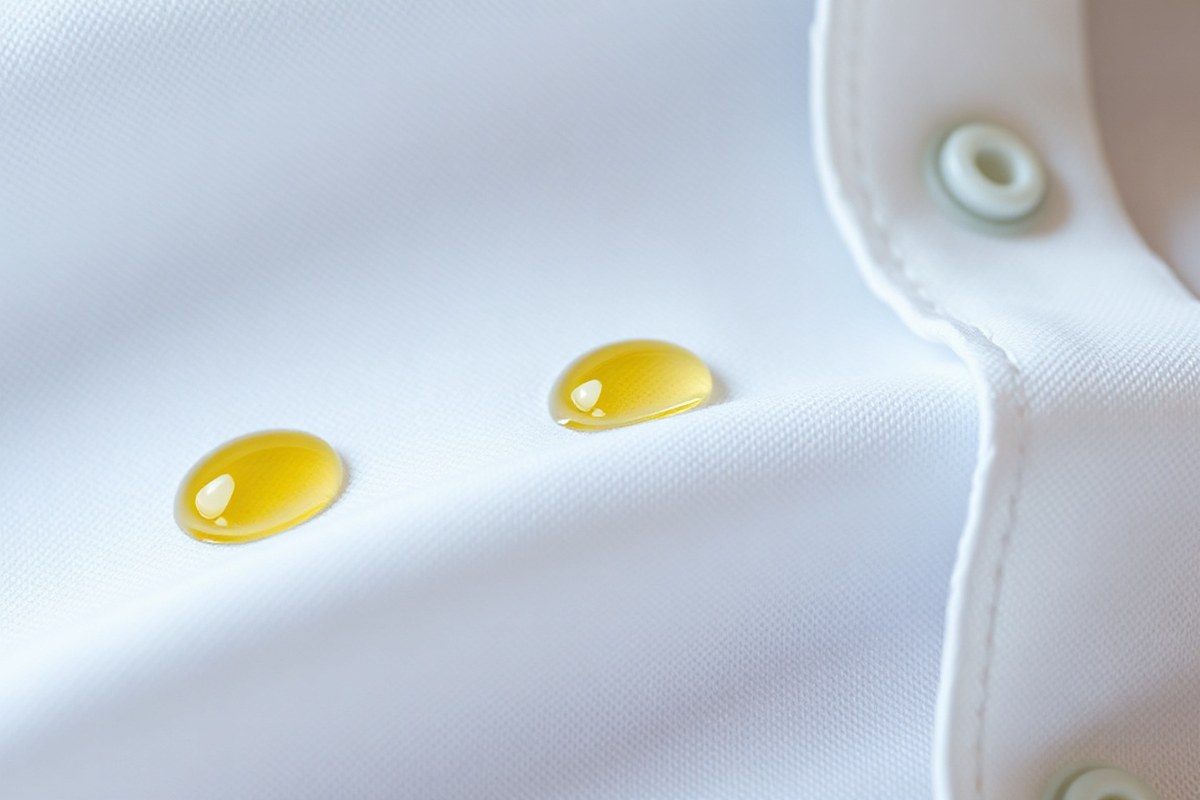
White shirts get yellow sweat stains because of a mix of your sweat, body oils, and chemicals in deodorants, especially those containing aluminum compounds. Sweat alone doesn’t usually cause yellowing, but when it combines with aluminum in many antiperspirants, a chemical reaction happens that produces those stubborn yellow patches around the underarms. The natural oils your skin produces can hold onto sweat and deodorant residue, making the stains harder to remove.
Deodorants with aluminum are common culprits because aluminum interacts with proteins in your sweat. This interaction creates a yellow iron-based compound that deposits on fabric fibers and resists washing out easily. If you use deodorants without aluminum, you might still get stains, but they tend to be less vivid and easier to clean. Switching to aluminum-free deodorants can reduce the chance of those yellow stains appearing in the first place.
Fabric type also matters when it comes to staining. Natural fibers like cotton tend to absorb sweat and oils more deeply than synthetic fibers. For example, 100% cotton shirts can trap yellow stains faster and hold them longer compared to polyester blends. Delicate fabrics may suffer damage if aggressive stain removal methods are used, so always check the care label before treating any yellow stain. Shirts made from lighter materials like linen or rayon might stain differently and need gentler cleaning approaches.
Environmental factors such as heat and prolonged storage can worsen yellow stains. Sweat stains set into shirts that sit unwashed for weeks become much harder to remove because the chemicals and oils bond with the fabric over time. High heat from body temperature or drying can also intensify the staining process, making early treatment critical. Washing white shirts soon after wearing can prevent sweat and deodorant buildup.
Always read the fabric care label before using strong stain removers on white shirts to avoid damage or discoloration.
3. Pretreatment and Soaking Strategies Before Washing
Pretreating yellow sweat stains before washing is essential to stop them from setting and to boost the chances of full removal. Using targeted solutions like enzyme detergents or white vinegar loosens and breaks down the proteins and oils found in sweat stains. Soaking shirts properly in these solutions, followed by cold water washing, improves stain removal without damaging the fabric or causing further yellowing.
Choosing the Right Pretreatment Solution
For yellow sweat stains, enzyme-based detergents or prewash stain removers offer effective treatment because they target the organic compounds causing the discoloration. Options such as Tide liquid enzyme detergent or Carbona enzyme prewash remover work well on fresh and stubborn stains alike. White vinegar diluted with water is another accessible pretreatment. It breaks down sweat residues and lifts yellowing but should be used carefully to avoid any strong odors or damage to delicate fabrics.
Oxygen-based bleach products are a safer alternative to chlorine bleach and are sometimes included in stain removers. However, chlorine bleach is not recommended since it can worsen sweat stain yellowing. For a quick, natural solution, soak the stained area in equal parts water and white vinegar for at least 30 minutes before washing.
Soaking Time and Temperature Guidelines
Allowing the garment to soak in a pretreatment solution helps dissolve and loosen the sweat stain particles. A minimum soak time of 30 minutes is recommended for both enzyme detergent mixtures and vinegar solutions. In cases of older or stubborn stains, soaking can extend up to several hours but usually no longer than overnight. Avoid soaking longer than 24 hours to prevent fabric damage or odor issues.
Use cold water during soaking and washing to prevent the stain from setting. Hot or warm water causes sweat proteins to bond permanently to fabric fibers, making them harder to remove. Cold water also helps reduce fabric fading and shrinkage. After soaking, rinse the shirt gently before washing to remove loosened residues.
Application Methods for Pretreatment
Pretreat sweat stains by either spot-treating the affected areas or soaking the entire garment, depending on the extent of staining. For small, localized stains, directly apply the enzyme detergent or stain remover by sponging or gently rubbing it into the fabric. Let it sit for 10 to 15 minutes before soaking or washing. This approach prevents overuse of chemicals on undamaged areas.
When yellowing is widespread or the shirt has multiple stain spots, soaking the whole garment in the pretreatment solution ensures even exposure. Mix the enzyme detergent or white vinegar solution in a basin or sink with enough cold water to fully submerge the shirt. Here is a step-by-step process for pretreating and soaking yellow sweat stains:
- Mix an enzyme detergent or prewash stain remover with cold water according to product instructions.
- Alternatively, prepare a soak with equal parts white vinegar and cold water for a natural option.
- Apply the solution directly to sweat stains with a sponge for spot treatment or submerge the entire shirt if stains cover large areas.
- Let the shirt soak for at least 30 minutes; extend soaking to 2, 4 hours for older stains.
- Rinse the garment with cold water to remove loosened residues if necessary.
- Wash the shirt separately in cold water using a mild detergent.
- Avoid chlorine bleach, but add ¼ cup of white vinegar during the rinse cycle to brighten fabrics and reduce odor.
- Dry the shirt in fresh air or tumble dry on a low setting to prevent heat setting any residual stains.
4. Mixing Cleaning Products Safely to Avoid Damage
Mixing cleaning products requires caution to avoid harmful chemical reactions and damage to your white shirts. Avoid combining bleach with vinegar, ammonia, or any acidic cleaner. Mixing bleach with these substances produces toxic gases that can cause respiratory problems and irritation. For example, mixing bleach and vinegar releases chlorine gas, which is dangerous to inhale.
Bleach is effective at removing yellow sweat stains but must be used carefully. Use only chlorine bleach on 100% cotton white shirts that do not have any special finishes or delicate fabric blends. Dilute bleach by adding no more than 3/4 cup of regular liquid laundry bleach to a gallon of cool water. Soak the stained shirt up to 5 minutes, then rinse thoroughly before washing. Never soak for longer or use hot water, as this can weaken the fabric or cause yellowing.
When using bleach, wear gloves and work in a well-ventilated area to prevent skin irritation and inhalation of fumes. After treatment, wash your white shirts separately from colored clothing to avoid color transfer. Using bleach-based stain removers following the manufacturer’s instructions is safer for tough stains, but avoid mixing products during treatment.
Hydrogen peroxide offers a gentler option than bleach for removing yellow sweat stains on white shirts. It works by softly bleaching and reaching deep into fabric fibers to lift stains. Use 3% hydrogen peroxide on the stain, allow it to sit for 10 to 15 minutes, then rinse and wash. This approach reduces the chance of harming fabric and avoids harmful fumes, making it ideal for delicate white clothes.
Other products like RIT White Wash offer a gentler bleaching option for white clothing. While less potent than chlorine bleach, it safely brightens yellowed whites without harming fabric fibers or colors in light-dyed garments. Use according to package directions for the best results without risking over-bleaching.
Combining household products like lemon juice and sunlight is a natural whitening option without the risks of chemical mixing. Lemon juice’s acidity helps break down sweat stains, and sun exposure boosts whitening. However, avoid mixing lemon juice with bleach or other cleaners to prevent unexpected chemical reactions or fabric damage.
Common but unsafe combinations to avoid include bleach with ammonia, vinegar, or rubbing alcohol. These mixes can cause toxic gases or reduce cleaning effectiveness. Always read product labels for warnings about combining ingredients. When uncertain, treat with one product at a time, rinse, and then apply another if needed. This careful approach prevents fabric damage and health hazards while improving stain removal success.
5. Best Washing Techniques to Prevent Yellowing
Choose warm water for washing white shirts with sweat stains. Hot water can set protein-based stains like sweat, making yellow marks more difficult to remove. Washing in water around 90°F to 110°F helps break down oils and sweat without baking stains into the fabric. Lower temperatures also reduce fabric wear and fading. Avoid cold water here since it’s less effective at cleaning sweat residues.
Use a liquid detergent formulated for whites or one containing enzymes that target sweat and body oils. These detergents work better in warm water and prevent residue buildup that can cause yellowing. Powder detergents can sometimes leave deposits, especially if they don’t dissolve fully. Shake or agitate the shirt well in the wash to allow the detergent to penetrate stains.
Delicate fabrics like silk or fine cotton require gentler care to avoid damage. Select the machine’s delicate or hand-wash cycle, which uses slower agitation and a shorter cycle time. Wash with cold or cool water to protect fabric fibers but pre-treat any sweat stains beforehand. Avoid strong bleach or harsh chemicals; instead, use mild detergent and air dry delicates to maintain brightness without stress on the fabric.
- Wash white shirts in warm water (90°F to 110°F) to prevent sweat stains from setting
- Choose liquid detergents with enzymes designed to break down proteins and oils
- Avoid hot water to reduce risk of yellowing and fabric damage
- Use the gentle or hand-wash cycle for delicates and wash in cool water
- Pre-treat stains before washing for best results on delicate fabrics
- Skip bleach except oxygen-based products safe for whites, and avoid fabric softeners that can trap residues
- Dry shirts in natural air or on low heat to avoid heat setting any remaining stains
Machine drying at high heat risks fixing any lingering sweat stains, making them nearly impossible to remove later. Instead, air dry white shirts or use the low-heat setting on your dryer. This helps preserve brightness and fabric integrity. You can also lay shirts flat to dry, especially those that are more fragile, to prevent stretching or damage.
Always check that sweat stains have disappeared before drying; heat can permanently set yellow marks.
6. Choosing the Right Deodorant to Avoid Future Stains
Deodorant ingredients play a major role in yellow sweat stain formation on white shirts. Many yellow stains happen when sweat combines with aluminum compounds found in antiperspirants. These aluminum salts block sweat glands to reduce sweating but can react with sweat and fabric proteins, causing a yellow discoloration especially on cotton shirts. To reduce yellow stains, switching to a deodorant that does not contain aluminum is effective. Deodorants labeled “aluminum-free” or “natural” typically avoid these chemical reactions, helping keep your white shirts looking clean longer.
Using an aluminum-free deodorant helps prevent new yellow stains but it also requires a bit of adjustment. These deodorants mainly mask odor without stopping sweat, so you may sweat more than before. Testing a few brands that suit your body chemistry can help you find one that controls odor to your satisfaction without promoting staining. Some commonly recommended brands cost between $5 and $10 per stick or spray and are widely available at drugstores or online.
A good way to prevent future yellow stains is to reduce how much deodorant you apply. Over-application increases the amount of residue left on fabric, making it more likely to react with sweat. Applying a thin, even layer about 15 minutes before dressing helps the deodorant dry and absorb better, minimizing transfer onto your shirt. Using about half the usual amount can be enough to control odor while cutting down stain risks. If you notice any stained areas developing despite these steps, pre-treat the spots promptly with a stain remover before washing to keep stains from setting in permanently.
When choosing a deodorant, look for formulas specifically designed for sensitive skin or those labeled as non-staining. Avoid sprays and gels that may contain dyes or perfumes, which can sometimes worsen yellowing or fabric damage. Cream or roll-on deodorants with fewer additives tend to be safer for white cotton shirts. Checking the ingredient list for “aluminum zirconium tetrachlorohydrex gly” or similar names can help you avoid traditional antiperspirant chemicals.
In some cases, natural deodorants containing baking soda, arrowroot powder, or activated charcoal do not cause yellow stains and may also improve underarm freshness. Keep in mind that switching deodorants can cause temporary skin irritation, so test new products on a small skin area first. Your goal is to find a balance between underarm protection and keeping your white shirts clean.
By selecting the right deodorant and adjusting how you apply it, you reduce the chemical reactions responsible for those stubborn yellow sweat stains. This simple change, combined with prompt stain treatment and proper washing, helps preserve the bright look of your white shirts over time.
7. Comparing Home Remedies and Commercial Products
You can use both DIY methods and commercial stain removers to tackle yellow sweat stains on white shirts, but their effectiveness depends on the type of stain and the fabric. Store-bought products often offer faster results and require less effort. They usually contain specialized enzymes or brighteners designed for tough stains and keep fabric integrity intact. However, they tend to cost more and involve chemicals some prefer to avoid.
DIY methods rely on common household ingredients like baking soda, hydrogen peroxide, or vinegar. These can brighten and break down stains but usually take longer and may need repeated applications. They are inexpensive, often costing less than a dollar per treatment, and generally safe when used properly. You should test these solutions on a small area first to ensure they don’t damage delicate fabrics.
The best option depends on your shirt’s fabric type and how heavy the stain is. For light yellowing on cotton or polycotton, DIY treatments can be effective and budget-friendly. For more set-in, older stains or delicate materials, a commercial product designed specifically for whitening might be more dependable.
| Method | Effectiveness | Cost per Treatment | Ease of Use | Safety |
|---|---|---|---|---|
| Baking Soda & Hydrogen Peroxide (DIY) | Good for fresh to moderate stains; requires 15-30 minutes soaking | Under $1 (common pantry items) | Mix 1 tbsp baking soda with 2 tbsp hydrogen peroxide and a splash of water; apply to stain; wait 15-30 minutes; wash normally | Generally safe on cotton and cotton blends; avoid on silk or wool; test first |
| White Vinegar Soak (DIY) | Moderate; useful for light stains and deodorizing | Less than $0.50 per soak | Soak shirt in 1 part vinegar to 4 parts cold water for 30 minutes; rinse and wash | Safe for most fabrics; may irritate sensitive skin; test on small area |
| Commercial Oxygen-Based Stain Removers | Highly effective; fast acting (usually 5-10 minutes) | $1 to $2 per application | Apply directly to stain following label; wait 5-10 minutes; launder as usual | Formulated for safe use on whites; follow label instructions; avoid overuse |
| Commercial Enzyme-Based Removers | Very effective on protein stains like sweat; usually 10-15 minutes | $1.50 to $3 per use | Apply to stain; wait 10-15 minutes; wash according to fabric care | Safe on most fabrics; may cause irritation if misused; follow label |
Choosing the best stain removal method starts by assessing the fabric and stain severity. Use the least aggressive option first to minimize potential fabric damage. For cotton shirts with minor yellowing, the DIY baking soda and hydrogen peroxide mix can clear stains effectively with minimal cost. White vinegar is a weaker alternative for light discolorations or odor neutralization. For deep-set yellow stains, commercial stain removers with oxygen or enzyme formulas provide stronger, faster action without frequent reapplications.
Applying a commercial product requires following the instructions precisely. Over-soaking or leaving products on too long can weaken fibers or cause uneven whitening. DIY treatments generally take more time and multiple treatments for stubborn stains, but they let you manage cost and use familiar ingredients. Testing any method on a small hidden area protects against unintended fabric damage or color loss, especially for non-cotton shirts.
8. Troubleshooting Stubborn Yellow Stains and When to Seek Help
Yellow stains on white shirts can become very hard to remove if treated incorrectly or ignored for a long time. Addressing these stains early and using the right techniques can prevent permanent damage, but some stubborn stains require careful retreatment or professional help.
Common Mistakes That Worsen Stains
One of the biggest errors is using hot water when washing stained shirts. Warm or hot water can set sweat stains permanently by causing the proteins and oils to bind tightly to the fabric fibers. Another mistake is drying the shirt before fully removing the stain. Heat from dryers locks in yellow marks, making them nearly impossible to lift afterward.
Mistakes with cleaning chemicals also cause problems. Mixing products like bleach and ammonia can harm fabric fibers or accidentally create new stains. Overuse of bleach is another cause of yellowing because it weakens the fabric and damages the shirt’s natural whiteness.
- Washing stained shirts in water hotter than 104°F (40°C)
- Putting damp, stained fabric in the dryer without stain removal
- Using bleach excessively or frequently on white shirts
- Mixing cleaning agents that react poorly together
- Delaying stain treatment for several days or more
Do not dry your shirt until you are sure the stain is completely gone to avoid permanent marks.
Steps to Fix Stubborn Stains at Home
For yellow stains that have set into the fabric, applying a strong stain remover can be effective. Combine 1/4 cup of hydrogen peroxide, 1/4 cup of baking soda, and a few drops of liquid dish soap to create a paste. Spread this mixture over the stain and allow it to sit for 30 minutes up to an hour before rinsing thoroughly with cold water.
Soaking the shirt in cold water mixed with an oxygen-based bleach booster for several hours also loosens persistent yellowing. Gently rubbing the stained area with a soft brush during soaking can improve results.
This retreatment approach is more time-consuming but can salvage stains neglected for days. Avoid hot water or dryers during this process. When home methods fail to make a noticeable difference, the stain is likely permanently embedded and might not come out without harming the fabric.
Indicators You Need Professional Cleaning
Seek professional cleaning if the yellow stains remain after multiple home treatments or if the fabric shows signs of weakening. Experts use specialized solvents and equipment that can safely treat deep-set stains without harming the shirt’s fibers.
For shirts made of delicate fabric, expensive brands, or those with bleach damage, professional cleaners can prevent further wear. Also, if the yellowing is accompanied by fabric discoloration, thinning, or holes, a licensed cleaner’s expertise is advisable.
Professional cleaning costs vary but typically range from $10 to $25 per garment depending on location and service type. Consider this option when preserving shirt quality matters more than cost or home attempts have failed.
Step-by-Step Action Plan to Remove Yellow Sweat Stains from White Shirts
Follow these steps to tackle yellow sweat stains effectively and keep your white shirts looking fresh.
- Before Washing: Pretreat stains with a paste of baking soda and water or a commercial stain remover. Let it sit for 30 minutes to break down stain proteins.
- Soaking Phase: Soak the shirt in cool water mixed with oxygen-based bleach for at least 1 hour to lift discoloration without damage.
- Washing: Use a warm water wash cycle with a detergent formulated for whites. Avoid chlorine bleach unless label permits it.
- Deodorant Check: Switch to an aluminum-free deodorant to reduce future yellowing caused by sweat and antiperspirant chemicals.
- After Washing: Air-dry shirts in sunlight when possible, using the sun’s natural bleaching effect to further reduce stains.
- If Stains Persist: Repeat pretreatment and soaking or treat with a commercial enzymatic cleaner before rewashing.
- Ongoing Care: Wash white shirts soon after wearing to prevent sweat and body oils from setting in.
Frequently Asked Questions
Can I Use Bleach to Remove Yellow Sweat Stains from White Shirts?
Bleach can remove yellow sweat stains, but use it cautiously to avoid fabric damage. Always dilute properly and follow garment care labels to prevent weakening fibers or yellowing from overuse.
How Often Should I Pretreat White Shirts with Sweat Stains?
Pretreat white shirts as soon as you notice sweat stains for best results. Prompt action prevents stains from setting and makes removal easier during washing.
Will Washing White Shirts in Hot Water Remove Yellow Sweat Stains?
Hot water alone may not remove yellow sweat stains and can set them further. Use warm water with appropriate stain removers and follow pretreatment steps for better results.
Are Sweat Stains More Difficult to Remove on Synthetic Fabrics?
Synthetic fabrics can hold sweat stains tighter than cotton, making removal tougher. Use enzymatic cleaners and avoid high heat drying to preserve fabric and reduce stains.
Does Switching to Aluminum-Free Deodorant Help Reduce Yellow Sweat Stains?
Yes, aluminum-free deodorants reduce yellow sweat stains because they lack compounds that react with sweat to cause discoloration. Switching helps prevent new stain formation on white shirts.
Can I Use Aspirin to Treat Yellow Sweat Stains on White Shirts?
Aspirin can help remove yellow sweat stains when crushed and mixed with water as a paste. Apply it to stains, let it sit, then wash as usual for better stain removal.
Wrapping Up
Tackling yellow sweat stains requires consistent pretreatment, proper washing, and deodorant choices. You can restore and maintain your white shirts by acting quickly and following safe cleaning steps. Start by pretreating your next stained shirt right away to see clear improvement.