Can You Dry Clean at Home? A Complete Guide with Proven Methods
You can dry clean at home safely if you choose the right garments, use proper methods, and follow care instructions closely. Home dry cleaning works best for lightly soiled clothes, routine maintenance, and costumes or blouses with low value. Avoid risky attempts on expensive tailored suits or heavy coats without professional help.
This guide targets anyone wanting to cut dry cleaning costs or refresh “dry clean only” clothes between professional visits. You’ll find clear advice on which fabrics suit home cleaning, stain treatment, comparing available home methods, and avoiding common mistakes to keep clothes looking their best.
Key Takeaways
- Check clothing labels carefully to confirm if home dry cleaning is recommended or safe to attempt.
- Use home dry cleaning kits on small loads of 3-5 lightly soiled items for best results.
- Treat visible stains before cleaning by spot-cleaning or soaking gently for 5-10 minutes.
- Refresh “dry clean only” garments with a clothing steamer instead of full wet cleaning.
- Avoid overcrowding garment bags or dryers to prevent damage or poor cleaning outcomes.
- For suits and coats with high value, limit home dry cleaning to steaming and spot care between professional cleanings.
Is It Actually Possible and Safe to Dry Clean at Home?

Yes, you can dry clean clothes at home, but it comes with some important limitations and care. The label “dry clean only” means the fabric or construction could be damaged by water, traditional washing, or heat. This label doesn’t always mean you must take the item to a professional cleaner. For fabrics like cotton, linen, polyester, or sturdy wool blends labeled “dry clean only,” home cleaning is often safe when done correctly.
Dry cleaning at home usually involves methods like using special home dry cleaning kits, steaming, or spot cleaning. These approaches won’t perfectly replicate professional dry cleaning machines that use chemical solvents, but they can freshen clothes, remove light odors, and deal with minor stains. Home kits typically cost around $10 to $20 and include a reusable bag and cleaning cloths that release a gentle solvent safely inside your dryer. You load 3, 5 garments into the bag without overcrowding, which allows heat and vapor to circulate evenly.
“Dry clean only” garments must be handled carefully. For example, delicate items such as fur, leather, or heavily structured suits still require professional cleaning. Attempting home dry cleaning on these can cause shrinkage, color loss, or fabric distortion. If your clothes have complex construction, linings, or embellishments, professional services remain the safest choice. However, for everyday wear with simpler fabrics, home methods can save time and money, often costing less than $5 per cleaning compared to $10 to $20 or more at a cleaner.
It’s best to set realistic expectations about home dry cleaning. You want to freshen clothes and manage light soils, not remove deep stains or refresh heavily soiled garments. Good results look like wrinkle reduction, less odor, and an overall cleaner feel without damage. Problems like incomplete stain removal, lingering smells, or fabric stiffness mean that professional cleaning is necessary.
You should never overload your garment bag or dryer when using home kits; spacing allows clothes to dry evenly and prevents damage. Also, closely follow kit instructions regarding drying time and temperature, usually around 20 to 30 minutes at low heat. For small or oil-based stains, spot cleaning with solvent pads can be effective before using a home cleaning kit.
The key to safely dry cleaning at home is understanding your clothes and the cleaning method. Many garments labeled “dry clean only” tolerate gentle home cleaning, especially if you treat stains first and avoid soaking or harsh agitation. When in doubt, test a small hidden area or consult garment care guidelines. Clothing that requires frequent professional care, like suits worn regularly, should still be cleaned professionally every 1, 2 months to maintain appearance and fit. Steaming and spot treatments at home help extend this period between cleanings.
Which Garments and Fabrics Are Suitable for Home Dry Cleaning?

Many “dry clean only” clothes can be cleaned safely at home when you use the right methods. Fabrics like polyester, nylon, and some wool blends often work well with home dry cleaning kits or gentle steam. These materials can handle mild solvents and minimal moisture without losing their shape or feel. Avoid cleaning leather, suede, fur, and heavily decorated clothes at home because they need professional care to prevent damage.
Before proceeding, carefully read each garment’s care label. Look for symbols indicating dry cleaning instructions, water temperature limits, and fabric content. Labels that say “dry clean only” often mean the fabric is delicate or structured, but some can be gently cleaned at home if handled right. Clothes with a hand wash icon or a water temperature limit under 30°C (86°F) may tolerate gentle home cleaning, but you should still proceed carefully. Avoid any home cleaning for garments that contain leather patches, sequins, padding, or complex linings. Use the following checklist to decide if a garment is suitable for home dry cleaning:
- Check the care label for “dry clean only” or equivalent symbols
- Identify fabric types: safe fabrics include polyester, nylon, rayon, acrylic, some cotton blends, and washable wool blends
- Avoid home cleaning for leather, suede, fur, silk, velvet, and embellished or heavily structured clothes
- Consider the garment’s construction; delicate linings or stiff interfacings suggest professional care
- Assess the level of soiling; heavy stains or intense wear need a professional dry cleaner
- Test a small, hidden spot first using the home dry cleaning product following the manufacturer’s instructions
Never attempt to home dry clean a leather or fur item, as improper methods can cause irreversible damage.
For lightly soiled garments made from suitable fabrics, home dry cleaning kits costing around $10 to $20 can freshen your clothes effectively. The process involves placing clothes in a specialized bag with a damp cleaning cloth and running them in a standard dryer on a low-heat setting. This method uses a gentle solvent within the kit to remove odors and freshen fabric fibers without water. Good results show clothes looking refreshed, softer, and free of minor odors or light stains.
Garments that are heavily soiled, have set-in stains, or are made from delicate materials are best handled by professional dry cleaners to avoid shrinkage, color loss, or structural damage. Proper reading of fabric and care labels combined with a cautious approach to home methods ensures your wardrobe stays in great condition while saving on cleaning costs.
Preparing Clothes: How to Check and Treat Stains Before Cleaning
Identifying and treating stains before dry cleaning at home helps prevent permanent damage and improves the final result. Knowing how to test for colorfastness also protects your clothes from unwanted fading or bleeding. A careful approach to stain removal and fabric testing prepares your garments for successful home cleaning.
Performing a Color-Bleed Test
Testing a fabric’s colorfastness confirms if the dye will hold up during cleaning without running or fading. This test matters especially for vibrant colors and delicate fabrics that may bleed when exposed to moisture or cleaning agents. To perform the test, use a clean, white cloth dampened with cold water on a hidden seam or interior area. Gently press and rub the cloth against the fabric for 30 seconds.
If color transfers onto the white cloth, the fabric is not colorfast and may require professional cleaning or very gentle treatments. No color transfer means you can proceed with your home cleaning method confidently. Testing costs nothing except a bit of time and helps avoid ruining your garment with color bleeding or stains spreading.
Spot-Treating Common Stains
Pre-treating stains helps improve their removal during dry cleaning. Consider the type of stain and fabric when choosing a treatment to avoid damage. For grease, sweat, or odor stains, certain common household items can work well before starting the dry cleaning process. Follow these steps for spot-treating stains on dry clean only clothes:
- Identify the stain type (grease feels slick, sweat appears yellowish, odors may not have visible marks).
- Dab grease stains lightly with a paper towel to absorb excess oil, do not rub.
- Apply a small amount of dish soap mixed with water onto the grease using a cotton swab, then blot gently.
- For sweat stains, make a paste of baking soda and water and apply it to the affected areas, letting it sit for 20 minutes.
- Spray vodka lightly on odor-prone areas and let air dry; vodka kills odor-causing bacteria without water damage.
- Blot all treated areas with a clean, damp cloth to remove residue, avoiding saturation.
- Allow stains to dry before proceeding with your chosen home dry cleaning method.
Proper pre-treatment costs low to no money beyond common household items and takes around 30 minutes. Avoid aggressive scrubbing or soaking, which can ruin delicate fabrics or spread stains.
Preparing Delicate Fabrics Safely
Delicate fabrics like silk, wool, and rayon require careful handling during stain treatment and cleaning preparation. Harsh chemicals, abrasions, or excessive moisture may cause shrinking, color loss, or texture changes. Testing on inconspicuous areas ensures any treatment won’t damage the material.
Use mild detergents or specialty fabric cleaners designed for delicate fabrics and always apply them sparingly. Avoid heat and heavy friction when blotting stains or moisture. Gently pressing rather than rubbing helps protect fabric fibers. Also, using a clean white cloth or cotton swabs for application reduces the risk of color transfer and fiber damage.
The goal is to make the stain less visible and reduce odor without compromising the garment’s fabric integrity. Spending 10 to 15 minutes on careful preparation makes a significant difference in preserving your clothes during home dry cleaning.
Home Dry Cleaning Methods Compared: Kits, Steamers, and DIY Techniques
You have multiple ways to dry clean at home, each with its own costs, equipment needs, and effectiveness. Home dry cleaning kits offer a simple machine-based option. Clothing steamers refresh garments without water or chemicals. DIY methods rely on household items but often lack the gentle cleaning required. Choosing the right approach depends on your garment type, stain level, and available tools.
At-Home Dry Cleaning Kits Explained
At-home dry cleaning kits include cloths or sheets that emit cleaning solutions while tumbling in your dryer. You put your clothes inside a supplied bag or put the cleaning cloth with the garment directly in the dryer. Running the dryer on medium heat for 20 to 30 minutes activates the cleaning process. These kits generally cost $10 to $20 each time, which is less expensive than taking clothes to a professional cleaner, where charges can be about $2 to $5 per shirt based on gender and how detailed the garment is.
The pros include convenience and mild cleaning that can remove odors and light stains, especially for lightly soiled garments. The bags help protect the fabric from direct heat and agitation. However, these kits cannot replace professional cleanings for heavy stains or structured clothing, and users must carefully follow instructions to avoid shrinking or damaging delicate fabrics.
Using a Clothing Steamer for Refreshing
Using a clothing steamer can help refresh “dry clean only” clothes by loosening wrinkles, reducing odors, and killing some bacteria without water or chemicals. Steamers are best for items that don’t have visible stains but need a quick freshening up. A typical handheld steamer costs between $30 and $60, while larger standing steamers can be $100 or more.
To use, hang the garment and run the steamer nozzle about 6 to 8 inches from the fabric, moving steadily to avoid damp spots. Steam for 10 to 15 minutes until wrinkles relax. Steam alone won’t remove grease or tough dirt, so spot cleaning or a kit might be needed for stains. Steaming is safe for most fabrics but avoid prolonged exposure to delicate items like silk, which can water spot.
DIY Dry Cleaning Without Special Products
Homemade dry cleaning attempts often include spot cleaning with mild detergent, using baking soda or cornstarch to absorb oils, or airing clothes out. These methods can help maintain clothes between professional cleanings but rarely substitute for proper dry cleaning because they lack solvents that dissolve grease and dirt on delicate fibers.
The main risks in DIY cleaning without kits or machines are fabric damage and incomplete stain removal. For example, washing “dry clean only” wool or silk in water or using harsh soaps can cause shrinkage or color loss. Spot cleaning works best with gentle blotting and test patches first. You can use a dryer with low heat and a clean damp cloth to lightly steam clothes inside, but this mimics kits only partially and can overheat fabrics if not carefully timed.
| Method | Equipment Needed | Approximate Cost Per Use | Effectiveness | Best For | Limitations |
|---|---|---|---|---|---|
| At-Home Dry Cleaning Kits | Dryer, kit with bag or sheet | $10-$20 | Light stains, odors | Lightly soiled garments | Not for heavy stains, delicate or structured clothes |
| Clothing Steamer | Handheld or standing steamer | $0.50-$1 per use (electricity cost) | Wrinkle removal, freshening | Unstained, “dry clean only” items | No stain removal, risk of water spots |
| DIY Spot Cleaning | Mild detergent, baking soda, water | Low (household products) | Minor spot stains | Small stains, between professional cleanings | May damage delicate fabrics, inconsistent results |
| Drying with Damp Cloth in Dryer | Dryer, clean damp cloth | Minimal (electricity cost) | Light refresh, gentle steaming | Low-stain garments needing quick freshening | Risk of overheating, no stain removal |
Selecting at-home dry cleaning methods depends heavily on garment condition and your willingness to invest time and money. Kits provide the closest experience to professional dry cleaning but still have limits. Steamers work best for wrinkle and odor reduction, while DIY techniques suit minor maintenance on less delicate items.
Step-by-Step Guide to Dry Cleaning Clothes at Home Successfully
Cleaning your dry clean only clothes at home can be done using a dry cleaning kit with a dryer bag, or by steaming and air-drying. Both methods require careful treatment before cleaning, gentle handling during the process, and proper finishing afterward to keep garments looking their best.
Using a Garment Bag in the Dryer
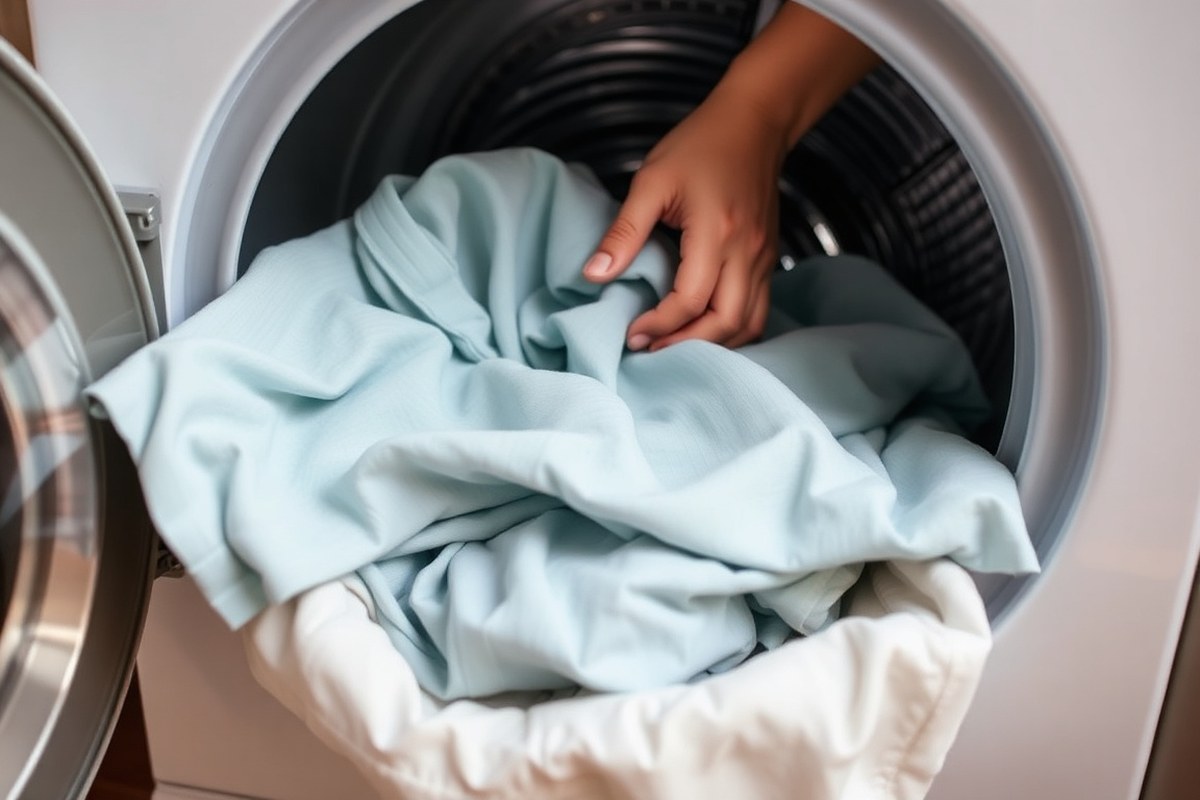
A home dry cleaning kit usually includes a specially designed dryer bag and cleaning cloths that release solvents to refresh garments without harsh washing. This method works well for multiple items at once and uses the heat of your dryer to activate the cleaning process safely.
- Turn the garment inside out to protect the outer fabric from abrasion.
- Place the garment inside the mesh bag provided with the dry cleaning kit.
- Apply the spot treatment included in the kit to any visible stains before starting.
- Insert the cleaning cloth into the dryer bag along with the garment.
- Seal the bag securely to trap the cleaning vapors.
- Place the sealed bag in the dryer and run on a medium heat setting for about 30 minutes.
- Remove the bag promptly to avoid wrinkles and hang your clothes immediately.
Do not use high heat settings or extend the drying time beyond what the kit instructions recommend, or you risk damaging your clothes.
Steaming and Air-Drying Clothes
Steaming is a gentle alternative that refreshes clothes and helps remove wrinkles without direct contact with water or harsh chemicals. It’s especially helpful for delicate fabrics that react poorly to dry cleaning solvents or machine heat.
- Hang the garment on a sturdy hanger in an open space.
- Fill a handheld clothes steamer with water and heat it to produce continuous steam.
- Hold the steamer a few inches away from the fabric to avoid soaking it.
- Slowly run the steamer over the entire garment focusing on areas with wrinkles or odors.
- Allow the garment to air dry completely in a well-ventilated area, away from direct sunlight.
Steam for only a few minutes per section to prevent over-saturating the fabric, which can lead to water spots or shrinking.
Post-Cleaning Pressing and Storage Tips
After cleaning, pressing and proper storage preserve your garment’s condition and extend its wear life. Iron or press only on the fabric’s recommended heat setting to avoid damage.
Use a pressing cloth as a barrier between the iron and the fabric, especially for delicate or synthetic materials. Store your dry cleaned clothes in breathable garment bags to prevent moisture buildup and fabric yellowing.
Common Mistakes and How to Fix Them When Dry Cleaning at Home
One of the most common mistakes when dry cleaning at home is overheating clothes. Many fabric care labels require low temperatures because heat can cause shrinking or damage delicate fibers. Using a home dry cleaning kit or steamer, keep the temperature below 120°F (49°C) to protect your garments. Select the lowest heat or air-dry option on your washing machine’s dry cleaning cycle to prevent shrinking or melting synthetic fibers.
Overcrowding the dryer or cleaning bag is another typical error. Stuffing too many clothes together limits movement and airflow, leading to uneven cleaning and wrinkles. Follow the kit instructions carefully and only dry clean a few pieces at a time. Proper spacing allows the cleaning solution to work effectively and clothes to dry evenly without extra wear.
Color fading and bleeding can happen when dry cleaning dark or brightly colored clothes at home. To prevent this, always use dry cleaning kits designed for dark fabrics on jeans or similar garments. Avoid mixing dark clothes with light ones during the process. Rinse the garment gently under cold water to prevent color fading or bleeding, then lay it flat to air dry. Avoid heat until you’re sure the color is stable.
- Use low heat settings on home tools or machines to prevent shrinking.
- Limit the number of items cleaned at once to avoid overcrowding.
- Choose dry cleaning kits suitable for the garment’s color and fabric type.
- Check for and treat stains before dry cleaning to avoid setting them in.
- Air dry clothes completely before storing to prevent mildew or odor.
- Follow kit instructions precisely, including recommended cleaning times.
- Test the cleaning method on a hidden part of the garment to ensure it won’t cause damage.
Stop the cleaning process immediately if you see any damage or shrinkage developing. For minor shrinkage, gently stretch the item into shape while it is damp. Use cool water to rinse any areas that show color bleeding, then reshape and air dry. Avoid repeated dry cleaning, as it can weaken fabrics over time. When results are unsatisfactory or the garment is valuable, consider professional cleaning to reduce further risk.
When to Choose Professional Dry Cleaning Instead of Doing It Yourself
Expensive garments and those made from delicate fabrics such as viscose, rayon, leather, suede, taffeta, or fur generally require professional dry cleaning. These items are often structured or heavily embellished, making home dry cleaning risky. Professional cleaners use specialized solvents and equipment designed to remove stains and clean without causing damage. Investing in professional care preserves the garment’s texture, color, and shape, extending its lifespan. Attempting home dry cleaning on these sensitive fabrics or valuable pieces can lead to irreversible damage like color bleeding, shrinking, or fabric distortion.
Suits are a good example of structured clothing that benefits from professional dry cleaning. For suits, it is recommended to have them professionally cleaned two to four times per year depending on how often you wear them. Over-cleaning can also degrade the fabric and fit, so spacing out visits offers the best balance between cleanliness and durability. Professional cleaning restores the suit’s crispness and maintains the tailored structure that home methods may not preserve.
Home dry cleaning kits can be useful for occasional refreshment of less fragile clothes, but for costly or heavily stained items, professional services are safer. The risk of uneven cleaning, missed stains, or damage to delicate materials is higher with at-home methods. Professionals have access to powerful solvents and precise temperature and humidity controls to ensure thorough, gentle cleaning. Prices for professional dry cleaning vary but typically range from $10 to $25 per item depending on fabric and complexity. This cost reflects the expertise and equipment needed to protect your investment.
Signs that a garment should go to professional cleaners include labels stating “dry clean only,” heavily soiled or oil-based stains, presence of embellishments, or if the fabric’s texture seems fragile or prone to damage. If you care about extending the life of important garments, professional dry cleaning a few times each year maintains their appearance and prevents wear from improper at-home care. Using a professional also reduces the likelihood of costly repairs or replacement down the line.
Maintaining and Storing ‘Dry Clean Only’ Clothes After Home Cleaning
After you’ve cleaned your ‘dry clean only’ clothes at home, it’s essential to handle them carefully to keep them fresh, wrinkle-free, and in good condition. Proper airing and storage can significantly extend the life of your garments and reduce the need for frequent cleaning, which can wear fabrics out over time.
Start by letting your clothes air out on a wide hanger in a well-ventilated area, away from direct sunlight, for at least 30 minutes. This helps evaporate any residual moisture and prevents musty odors. Avoid using plastic bags, which trap humidity and can cause mildew or odor buildup.
To keep your clothes wrinkle-free and maintain their shape, use padded or wooden hangers instead of wire ones. When storing items like suits or silk blouses, avoid overcrowding your closet. Crowded spaces cause creases and fabric damage because clothes rub against each other.
- Use breathable garment bags made from cotton or linen for long-term storage.
- Store wool and heavier fabrics in a cool, dry place to prevent moth damage.
- Insert cedar blocks or lavender sachets in your closet to deter insects naturally.
- Fold delicate fabrics with acid-free tissue paper to avoid creases.
- Check stored garments every few months for signs of damage or odor.
- For seasonal storage, dry clean clothes before packing to eliminate stains and odors that attract pests.
Between cleanings, use a handheld steamer or lightly mist water on the fabric and smooth wrinkles with your hands. Avoid heavy sprays or deodorizers that could leave residues or stain the material. For odor control, airing the clothes regularly and ensuring your closet is dry with some airflow will keep smells at bay without harsh chemicals.
Store garments in breathable bags and never seal damp clothes to prevent mildew and foul smells.
Following these steps requires minimal cost, basic breathable bags range from $5 to $15, and cedar blocks are about $3 each, but they preserve your investment in quality clothes. Skipping proper storage risks wrinkles that are hard to remove and fabric damage that shortens garment life. Taking the time to store clothes properly after dry cleaning at home keeps them looking fresh and ready to wear.
Step-by-Step Action Plan for Dry Cleaning Clothes at Home
Start with a simple routine to safely dry clean your garments at home and assess how the results meet your expectations.
- Before you start: Read the care labels on your clothes and identify any stains that need spot treatment. This ensures you choose the right cleaning method and avoid damage.
- Day 1: Use a home dry cleaning kit according to the instructions, focusing on one garment to test results. Check for any changes in texture or color after cleaning.
- Day 2: Air out the cleaned garment properly and inspect it for any leftover spots or odors. Proper ventilation helps the fabric restore its feel and ensures no moisture remains.
- Week 1: Try gentle steaming on a garment that tolerates moisture better to remove wrinkles and refresh fabric fibers. Notice improvements in appearance without shrinking.
- Week 2: Practice spot cleaning small stains using fabric-safe stain removers before home dry cleaning. Effectiveness here lets you reduce damage from treated spots during overall cleaning.
- After 2 weeks: Evaluate which garments respond well to home dry cleaning and which may require professional service. Track any fabric changes or persistent odors to decide when to stop DIY cleanings.
- Ongoing: Store your ‘dry clean only’ clothes in breathable garment bags and avoid plastic covers to maintain their condition between cleans.
Frequently Asked Questions
Can You Dry Clean a Suit at Home?
Yes, you can dry clean a suit at home using a home dry cleaning kit or a steamer, but avoid heavily soiled suits and always follow the garment’s care label instructions.
How Should You Handle Heavily Stained “Dry Clean Only” Clothes at Home?
Heavily stained clothes usually require professional cleaning as home methods may not fully remove tough stains. Treat small stains with spot cleaners before home dry cleaning.
Is It Okay to Dry Clean Clothes at Home in the Dryer?
You can use the dryer with a home dry cleaning kit designed for that purpose, but avoid overcrowding to allow proper air circulation and effective cleaning.
How Many Garments Should Be Cleaned at Once Using a Home Dry Cleaning Kit?
Typically, clean 3, 5 items at a time in a single load to ensure they have enough room for proper cleaning and drying.
Can You Use a Regular Steamer for Home Dry Cleaning?
Yes, a regular clothes steamer can freshen and remove wrinkles from dry clean only garments but may not replace professional cleaning for heavily soiled clothes.
Is It Safe to Dry Clean Cotton or Polyester Clothes at Home?
Clothes marked “dry clean only” with fabrics like cotton, linen, polyester, or a durable wool blend can usually be cleaned at home safely, as long as you handle them carefully.
Before You Go
You can dry clean many clothes at home safely with proper preparation and methods, but not all fabrics respond well to DIY techniques. Take time to test your garments carefully and check results before proceeding regularly. When unsure, consulting a professional cleaner protects your investment in delicate or valuable pieces.