How to Wash Canvas Shoes Safely with 8 Essential Cleaning Tips
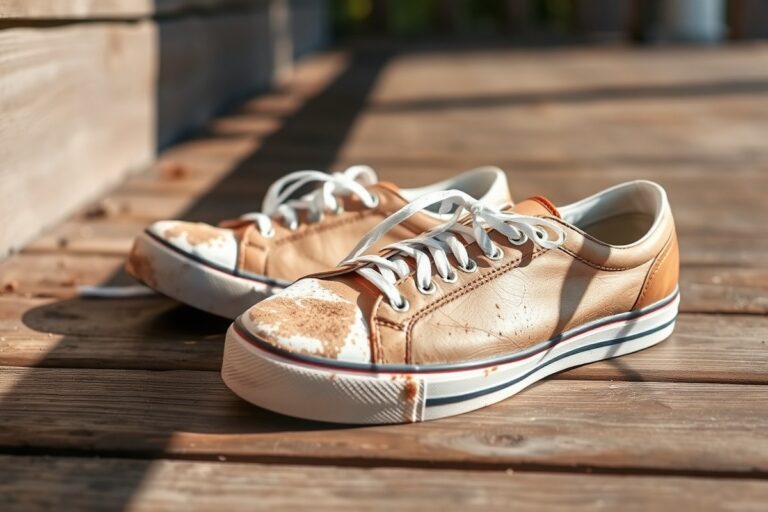
To wash canvas shoes safely, start by removing loose dirt and laces, then hand wash with mild soap and cool water. Avoid harsh scrubbing or bleach to prevent damage. This approach works well for most 100% canvas shoes and keeps them looking fresh without risking wear.
This advice suits anyone who wants to clean their canvas shoes effectively while protecting their material and colors. You’ll find practical steps and clear tips for hand washing, handling stains, and deciding when machine washing is appropriate.
Key Takeaways
- Remove laces and brush off dirt before washing canvas shoes to avoid embedding grime.
- Use mild detergent and cool water for hand washing to prevent fabric damage.
- Soak shoes 30 minutes to two hours depending on soil level to loosen dirt.
- Avoid bleach or harsh chemicals that can weaken canvas fibers or fade colors.
- If using a washing machine, choose a gentle cycle and check shoes after 15, 20 minutes.
- Air dry shoes in a well-ventilated area for at least 24 hours to maintain shape.
1. How to Wash Canvas Shoes Step-by-Step Safely

Washing canvas shoes safely requires removing laces and insoles first, using cool water and gentle detergent, and following a careful washing and rinsing routine. Avoid soaking the shoes extensively before washing to prevent damage. Taking these steps helps preserve the canvas material and keeps your shoes looking fresh without warping or fading.
Removing Laces and Insoles Correctly
Take out the laces and insoles before washing. This prevents tangling and damage during cleaning, and allows you to clean these parts separately for better results. Insoles can hold dirt and odor, so removing them allows you to wash them more thoroughly, either by hand or in a mesh bag in the machine.
Cleaning the laces separately makes it easier to scrub away stains or replace them if worn. Keep all removable parts separate during washing to protect the canvas and to ensure each piece gets cleaned properly.
Choosing Water Temperature and Detergent
Use cold water for washing canvas shoes, as hot water can shrink or distort the fabric. Cold water also helps preserve the color and prevents adhesive weakening. Select a mild detergent without bleach or harsh chemicals, which can damage the canvas and cause discoloration.
A gentle, liquid detergent designed for delicate fabrics works best. Avoid powders as they might not dissolve well and leave residue on your shoes. Using the right detergent and temperature combination keeps the canvas intact while effectively removing dirt and grime.
Washing and Rinsing Procedure
Follow a detailed washing sequence for best results. Avoid soaking the shoes for long periods, as excessive water exposure can degrade the canvas and adhesives. Instead, opt for a gentle wash cycle or hand clean method.
Rinse thoroughly to remove all soap and dirt residues, which prevents stiffening or unpleasant odors. To help your shoes maintain shape, gently squeeze out excess water after rinsing but do not wring or twist the canvas.
- Remove laces and insoles from your canvas shoes.
- Brush off loose dirt and debris using a soft brush or cloth.
- Mix a mild detergent with cold water in a basin or bucket.
- Use a soft brush or cloth to carefully scrub the canvas, applying the detergent solution mainly on dirty spots.
- Rinse the canvas thoroughly with cold, clean water until no soap remains.
- Press gently to remove excess water without twisting or wringing the shoes.
- Clean the laces and insoles separately by soaking briefly and scrubbing if needed, then rinse well.
- Allow your shoes, laces, and insoles to air dry away from direct sunlight or heat sources.
2. Should You Wash Canvas Shoes in a Washing Machine?

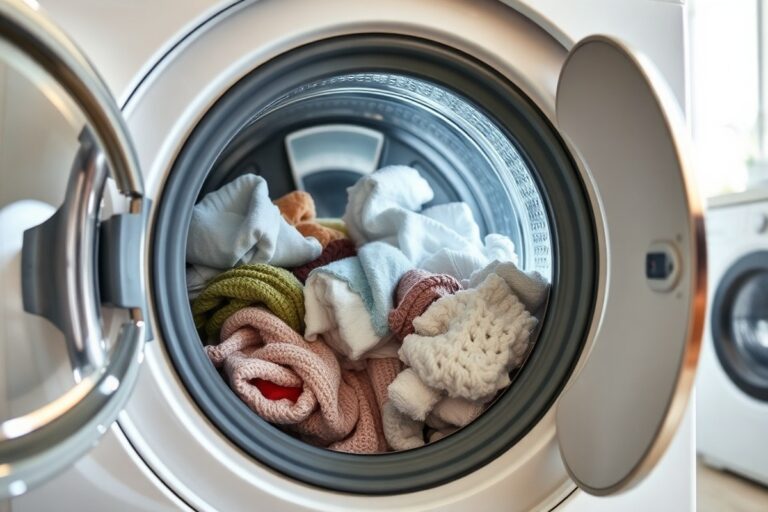
Yes, many canvas shoes can be machine washed, but it requires careful preparation and the right settings to avoid damage. Machine washing is convenient for removing dirt and odors, but it can affect the shoe’s shape, glue, or embellishments if done incorrectly.
When Machine Washing Is Safe
Canvas shoes with rubber or synthetic soles generally tolerate machine washing well. Inspect the soles and glue for signs of weakness before washing, since some adhesives may loosen. Avoid machine washing if your shoes have decorative elements like glitter, rhinestones, or delicate fabrics, as these can be damaged.
Check the care label on your shoes before proceeding. Shoes labeled “hand wash only” or those made with mixed materials should be cleaned by hand to preserve their structure and appearance.
Settings and Detergents to Use
Use a gentle or delicate cycle with cold water, keeping the total washing time between 30 minutes and 1 hour based on your machine’s options. Avoid hot water to prevent weakening glue and seams. Use a mild liquid detergent without bleach to protect the canvas fabric and color.
Placing your shoes inside a mesh laundry bag or pillowcase helps reduce abrasion and protects other laundry items. Wash canvas shoes with only a few similar items to avoid overloading the machine and ensure they get cleaned properly.
| Aspect | Recommended Practice |
|---|---|
| Cycle type | Gentle or delicate |
| Water temperature | Cold water |
| Duration | 30 to 60 minutes |
| Detergent | Mild, liquid, no bleach |
| Protection | Mesh bag or pillowcase |
| Load size | Minimal; avoid crowded loads |
| Check mid-cycle | Pause after 15, 20 mins to inspect shoes |
During the cycle, pause after about 15 to 20 minutes to check if the shoes are still secure and not suffering from any damage or imbalance inside the drum. This helps catch potential problems early before they worsen.
Avoiding Damage in the Washing Machine
Avoid washing canvas shoes with heavy items like jeans or towels, which can cause excessive rubbing and wear. Secure loose laces or remove them completely to prevent tangling. Air dry your shoes after washing instead of using a dryer, as heat can warp soles or shrink fabric.
Machine washing risks include the canvas losing shape, glue weakening between fabrics and soles, and embellishments falling off. To minimize these risks, only machine wash shoes that meet the safety criteria and follow all recommended settings carefully.
Tip: Always place canvas shoes in a mesh bag to shield them from direct contact with the washing machine drum and other garments.
3. Essential Tips for Hand Washing Canvas Shoes
Hand washing canvas shoes lets you clean them gently while targeting dirt and stains. Using the right solutions and brushing carefully avoids damage and keeps your shoes looking fresh. Focus on both the fabric and rubber parts for the best results.
Mixing and Testing Cleaning Solutions
Use mild and simple solutions to protect your canvas while breaking down dirt. Start with warm water around 90°F to 100°F to avoid shrinking or warping. A gentle detergent or a paste made from equal parts baking soda and water works well for most stains.
Before applying any cleaner all over your shoes, test it on a small hidden area like inside the tongue or near the heel. Wait 5 to 10 minutes to check for discoloration or fabric weakening. If the spot looks normal, proceed with cleaning the entire shoe.
Brushing Techniques for Canvas and Soles
A soft-bristled brush or an old toothbrush is ideal for cleaning canvas. Brush lightly in circular motions to lift dirt without roughing up the fabric. Avoid harsh scrubbing, which can cause fraying or fading. For rubber soles and toe caps, use a firmer brush or a damp Magic Eraser to scrub away scuffs and grime without scratching the surface.
Cleaning soles separately helps avoid transferring dirt back onto the canvas while you work. Pay close attention to grooves and textured areas where debris often hides.
Spot Cleaning Stains and Grime
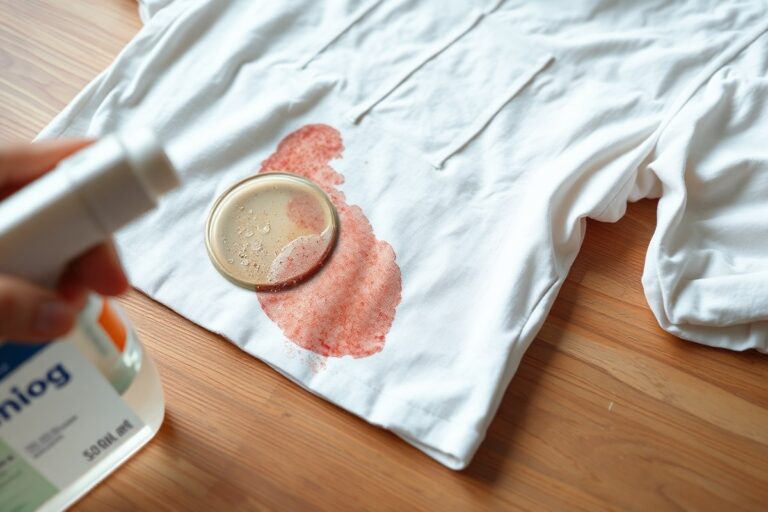
Target tougher spots with spot cleaning to save time and reduce wear on overall fabric. Apply a small amount of cleaning solution directly to stains or dirty areas. Let it sit for 5 to 10 minutes to loosen grime.
Gently scrub the targeted spots with a soft brush or cloth. For stains like grease or ink, a dab of rubbing alcohol on a cotton swab can break down residue without harming the canvas. For oil or sweat stains, sprinkle baby powder or baking soda before brushing it off to lift odor and residue.
- Remove the laces and shake out loose dirt from shoes.
- Mix warm water with a small amount of mild detergent or baking soda paste.
- Test the cleaning solution on a hidden area for 5-10 minutes.
- Dip a soft brush into the solution and scrub canvas in gentle, circular motions.
- Use a firmer brush or Magic Eraser on rubber soles and toe caps.
- Spot clean stains by applying cleaner directly, letting it sit 5-10 minutes, then scrubbing gently.
- Wipe away excess cleaner with a damp cloth without soaking the shoes.
4. How to Remove Common Stains from Canvas Shoes
Mud stains on canvas shoes can be removed effectively by allowing the mud to dry completely before scraping off any excess dirt with a blunt tool or an old toothbrush. After that, mix a paste using 2 tablespoons of baking soda and enough water to create a thick consistency. Apply this paste directly onto the stained area and let it sit for about 30 minutes. Once the paste has dried, gently scrub with a soft brush to lift the stain away, then rinse the shoes with cool water. This process breaks down the dried mud and lifts it without damaging the canvas fabric.
Grass stains need a unique technique because they come from chlorophyll, which binds tightly to fabric fibers. Create the same baking soda paste but include a few drops of white vinegar to improve stain removal. Spread this on the grass stain and let it rest for 30 minutes. Afterward, softly scrub with a toothbrush and rinse well. Vinegar’s acidity helps break down the grass pigments, while baking soda works to lift the stain and gently abrade the fabric.
Ink stains are tougher because many inks are oil-based or permanent. Start by placing a clean cloth or paper towel underneath the stained canvas inside the shoe to avoid ink transfer. Dab the stain carefully with rubbing alcohol using a cotton ball or swab, avoiding spreading the ink further. Let the rubbing alcohol sit on the stain for about 5 to 10 minutes, then apply a baking soda and water paste on top. Wait another 30 minutes before scrubbing with a soft brush and rinsing. Testing the rubbing alcohol on a small hidden area first is important, especially if your shoes have colored canvas or prints.
Oil stains need immediate attention to prevent deep fabric penetration. Sprinkle a generous amount of baby powder or talcum powder on the oil spot and leave it overnight to absorb the grease. The next day, brush the powder off carefully. Apply the baking soda paste again to any remaining stain, allow it to rest for 30 minutes, then scrub lightly and rinse thoroughly as before. Using baking soda alone for grease works well since it draws out oil without harsh chemicals. Avoid using bleach for oil stains, as it won’t remove grease and might damage the canvas.
Bleach should generally be avoided unless your canvas shoes are white and the care label allows it. Even then, use diluted bleach carefully to prevent weakening the fabric or causing yellowing. For white canvas, a paste combining baking soda with a small amount of hydrogen peroxide provides a safer whitening and stain removal alternative. Let this paste work on the stains for 30 minutes before scrubbing and rinsing.
Start by lightly scraping off any loose dirt. Combine 2 tablespoons of baking soda with enough water to form a thick paste. Spread the paste on the stain and let it rest for 30 minutes. Gently scrub in circular motions with a soft brush, rinse with cool water, and let air dry. For stubborn grass stains, add a teaspoon of white vinegar to the paste. Ink stains respond better to a pre-treatment with rubbing alcohol before using the paste. Use baby powder overnight on oil stains before applying the baking soda treatment.
5. Correct Drying Methods to Protect Canvas Shoes
Drying canvas shoes properly is key to maintaining their shape and avoiding damage. The safest and most effective method is to air dry them naturally. Avoid using a machine dryer, as the heat can cause the canvas to shrink and the glue holding the sole to weaken, which shortens the life of your shoes. Air drying also allows your shoes to dry evenly, preventing warping or stiff areas that can occur from uneven heat exposure.
Start by removing excess moisture after washing. Gently press the shoes with a clean towel to soak up water without wringing or twisting, which can distort the shape. Next, stuff the shoes loosely with crumpled paper towels, newspaper, or a clean cloth. This supports the shoe structure, preventing collapse or misshaping during drying. Replace the stuffing if it becomes saturated before the shoes fully dry.
Set your shoes in a space with good airflow and a room temperature from 60 to 75 degrees Fahrenheit. Steer clear of placing them under direct sunlight or near heat sources such as radiators, since these can lead to fading or make the materials stiff. Allow your shoes to dry for roughly 24 hours. Drying might take longer in areas with high humidity or poor ventilation.
Once dry, check the shoes inside and out for any residual moisture. Continue letting the shoes air dry until completely dry to prevent mold growth and unpleasant smells. Proper storage after drying also protects the shoes. Store them in a dry, cool place with good airflow, such as a closet or on a shoe rack away from sunlight and moisture.
In cases where you’d like to speed up drying, a fan can help increase airflow and reduce drying time slightly. However, avoid high heat sources and strong direct airflow blowing continuously on the shoes, which can cause uneven drying or damage. Never use a machine dryer, as this risks permanent damage regardless of setting.
Following a checklist helps ensure your shoes dry correctly: remove excess water, stuff the shoes for shape, place them in a ventilated area, keep them away from heat or direct sun, and allow at least 24 hours. These steps help preserve the canvas material and maintain the shoe’s original fit and appearance.
Never put canvas shoes in a machine dryer; the heat can shrink the fabric and ruin your favorite pair.
6. How Often Should Canvas Shoes Be Cleaned for Best Results?
Cleaning your canvas shoes about every few weeks usually keeps them looking sharp, though the frequency should match how often you use them and the environment they’re in. Wearing them a few times a week calls for washing roughly once a month. For daily use under ordinary conditions, a cleaning every two to three weeks helps manage dirt and stain buildup before it sets.
Frequent exposure to harsh conditions, such as mud, dust, or rain, calls for more regular cleaning. Avoid wearing canvas shoes in heavy rain or muddy areas, as these environments cause stains and buildup that are harder to remove. When shoes get visibly dirty sooner, clean them within a week rather than waiting for the typical three-week cycle. This proactive approach prevents stains from becoming permanent and helps you avoid mold or mildew growth, especially if shoes get damp. Submerging your shoes in a cleaning solution for 30 minutes to two hours based on dirt severity helps remove debris effectively.
Washing canvas shoes too often can wear down the fabric and fade colors prematurely. Excessive washing, especially with harsh soaps or frequent machine cycles, can weaken the fibers and reduce the shoe’s lifespan. Reserve intensive cleaning for when the shoes actually need it rather than on a fixed schedule. Lightly brushing off dust or spot-cleaning stains between full washes can help maintain appearance without causing extra wear.
Before cleaning, decide if a full wash is necessary by checking for dirt, stains, odor, or moisture. When your shoes appear clean, simply airing them out instead of washing can help them last longer. Keeping a small brush or damp cloth handy lets you quickly remove dirt before it settles in. The timeline for cleaning should balance keeping the shoes fresh with preserving the material; a simple rule is to wash when the shoes start to look or smell dirty, rather than sticking strictly to a set number of days.
Regular care includes rinsing and scrubbing shoes gently with mild soap or sneaker cleaner. Each wash can last 30 minutes to two hours soaking time. Cleaning at room temperature avoids heat damage. Frequent wear requires a cleaning routine adjusted to dirt levels, with more time spent on deeper cleaning if they get heavily stained. Over time, a well-maintained pair of canvas shoes will keep their shape and color better, lasting longer both in function and style.
7. Avoid These Common Mistakes When Cleaning Canvas Shoes
Using hot water is a common mistake when washing canvas shoes. Hot water can cause the canvas fabric to shrink and weaken the glue that holds the shoe parts together, leading to premature wear or peeling soles. Stick to cold water to clean your canvas shoes safely. Cold water also helps avoid setting stains into the fabric, which can happen if you use hot water in hopes of removing tough spots.
Bleach and harsh chemicals damage the canvas fabric and discolor it. Avoid these agents entirely. Instead, use mild detergent or soap designed for delicate fabrics. Harsh cleaners break down the fibers and fade colors, reducing your shoes’ lifespan and appearance.
Shoe deformation is another problem caused by improper washing or drying. Putting heavy pressure on the shoe when wet or stuffing them unevenly leads to misshapen shoes. Avoid these mistakes by washing gently and letting your shoes air dry naturally on a flat surface. Using shoe trees or stuffing them with clean paper towels helps maintain their shape while drying.
- Do not use hot water; wash canvas shoes in cold water only
- Avoid bleach and harsh chemicals; opt for mild detergent
- Do not machine dry; air dry shoes on a flat surface away from direct heat
- Support shoe shape by stuffing with paper towels or using shoe trees while drying
- Clean gently by hand instead of using aggressive scrubbing or washing machines
- Use fabric protector sprays after cleaning to prevent water stains and ease future cleaning
Cleaning canvas shoes in a washing machine can cause discoloration and weaken the glue bonding, especially with normal or hot water settings. Hand washing avoids this damage and gives you control over how much pressure and heat the shoes receive. Drying canvas shoes incorrectly leads to shrinkage and unpleasant odors if moisture is trapped. Always air dry, avoid direct sunlight or heaters, and allow at least 24 hours for complete drying to maintain the fabric and shoe structure.
8. Tips to Keep Canvas Shoes Cleaner Longer Between Washes
Extending the time between washes starts with preventing dirt and odors from settling into canvas shoes. Applying a fabric protector spray with a clear water- and dirt-repellent coating creates a barrier that helps maintain the shoe’s appearance. You can find these sprays for around $10 to $20 at most shoe or outdoor stores. Spray an even layer on clean, dry shoes and allow them to cure for at least 24 hours before wearing. This treatment reduces the need for frequent washing by repelling stains and dry dirt.
Daily upkeep plays a key role in maintaining cleanliness. After each wear, wipe down your shoes with a damp cloth or a soft brush to remove surface dirt and dust. This quick step prevents grime buildup that leads to stubborn stains and odors. Also, allow your shoes to air out by removing insoles when possible. Shoes that stay damp or confined trap moisture, promoting unpleasant smells and potential material damage. A well-ventilated area at room temperature is best for drying and storage.
Proper storage impacts both cleanliness and odor control. Avoid leaving canvas shoes in closed, dark spaces or plastic bags that retain humidity. Instead, store them in a breathable fabric shoe bag or on an open shelf. Stuffing shoes loosely with acid-free tissue paper helps maintain their shape and absorb residual moisture, which contributes to freshness.
Between wears, rotating your canvas shoes with others reduces repeated stress and limits exposure to dirt and sweat buildup. Giving your shoes at least 24 hours to rest lets any absorbed moisture evaporate fully, preventing cracks and odors. In warmer months or if you sweat heavily during use, placing moisture-absorbing sachets like silica gel inside your shoes overnight can boost freshness.
When odors are noticeable despite these efforts, sprinkle a small amount of baking soda inside your shoes and let it sit overnight, then shake it out in the morning. Baking soda is an inexpensive deodorizer that absorbs moisture and neutralizes smells. Avoid using strong chemicals or sprays routinely, as they can damage canvas fibers over time.
Do not store canvas shoes while they are still damp; moisture encourages odors and material breakdown.
Step-by-Step Action Plan for Cleaning Canvas Shoes
Follow this plan to safely clean your canvas shoes and keep them looking fresh without damage.
- Before you start: Remove the laces and insoles if possible. Check for loose dirt by brushing the shoes gently with a soft brush.
- First wash: Hand wash your shoes using a mild detergent mixed with lukewarm water. Gently scrub areas with stains and check if the stains fade.
- Drying phase: Air dry your shoes away from direct sunlight or heat sources. Confirm shoes feel dry to the touch and show no odors after at least 12 hours.
- After 1 week: Treat any stubborn stains with a spot cleaner and a soft cloth. Verify the stain lifts without damaging the fabric.
- Every 2 weeks: Lightly brush your shoes to remove surface dust and prevent dirt buildup.
- Monthly check: Inspect the soles and canvas for wear or damage. Replace laces or add protectant sprays if the fabric looks dull.
- Ongoing: Use a fabric protector spray designed for canvas to help repel dirt and water. Test on a small area first to ensure color stays intact.
Frequently Asked Questions
How Do I Wash My Vans Shoes?
Clean your Vans by hand washing with mild soap and water to avoid damaging their glue and materials. Use a soft brush to gently scrub dirt and air dry away from direct heat or sunlight.
How to Clean White Hey Dudes?
Use a gentle soap mixed with water and a soft brush to clean white Hey Dudes. Avoid harsh chemicals or machine washing to maintain their shape and appearance.
Can I Use Dawn Dish Soap to Clean My White Shoes?
Yes, Dawn dish soap works well for cleaning white canvas shoes when diluted with water. It effectively cuts grease and dirt without damaging the fabric.
What Is the Best Cleaner for Canvas Shoes?
A mild soap mixed with water, such as dish soap or a gentle laundry detergent, is the best cleaner. It removes dirt while protecting the canvas material.
How Can I Prevent My Canvas Shoes from Smelling?
To prevent odors, let your canvas shoes air out completely after wearing. Using baking soda inside overnight can also absorb moisture and smells.
Can I Use Bleach on Canvas Shoes?
Avoid bleach as it can weaken and discolor canvas fabric. Instead, use mild soap and water for stain removal.
Key Points to Remember
Keeping your canvas shoes clean takes regular care but is straightforward with the right steps. Starting with gentle hand washing and careful drying helps preserve their look and lifespan. Next, try treating stains as soon as you notice them to avoid permanent marks.