How to Wash Dry Clean Only Clothes at Home: 8 Safe Methods That Work
You can wash many dry clean only clothes at home safely by using gentle hand washing techniques, cold water, and proper fabric testing. These methods work well for polyester, washable silk, cotton, and linen, while avoiding damage to delicate or structured pieces like tailored jackets and beaded items.
This information is designed for anyone who wants to extend the life of their wardrobe and save money by caring for dry clean only clothes at home. You’ll learn which fabrics can be washed, how to test for colorfastness, and safe washing methods that reduce the risk of damage.
Key Takeaways
- Test dry clean only fabrics for colorfastness with a damp white cloth before washing.
- Hand wash delicate fabrics in cool water around 15-30°C to prevent shrinking and color bleeding.
- Avoid washing structured or embellished garments at home, as they require professional care.
- Use gentle, wool-friendly detergents to protect protein fibers like wool and cashmere.
- Dry clean only at-home kits freshen clothes quickly but usually don’t replace full washing.
- Air dry washed items flat or on hangers away from direct sunlight to maintain fabric shape and color.
1. Can You Wash Dry Clean Only Clothes at Home Safely?
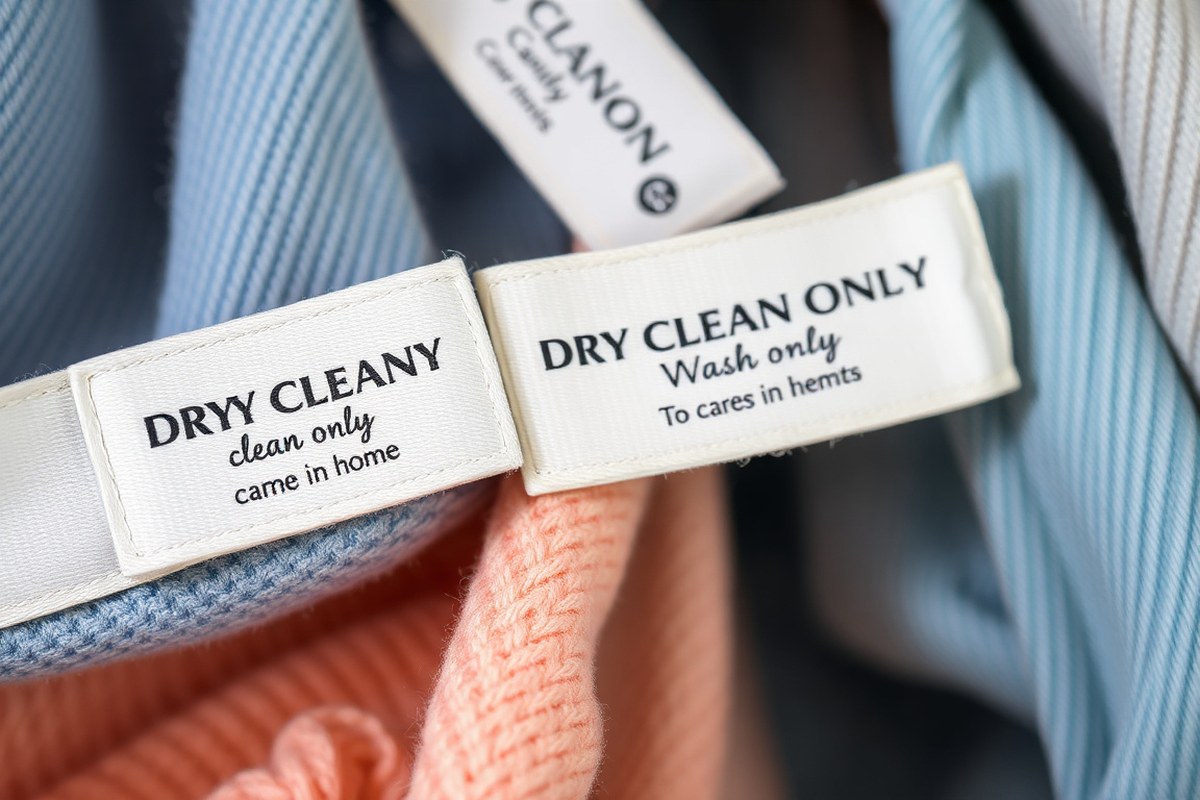
It is often possible to wash dry clean only clothes at home safely, provided you choose the right items and handle them carefully. The label “dry clean only” means the manufacturer recommends professional dry cleaning because traditional washing with water and detergent could damage the fabric, cause shrinking, bleeding, or distortions. However, many dry clean only garments, especially those made from cotton, polyester, silk, and wool, can be gently washed at home if you take the time to understand the fabric and use very gentle techniques.
The key to deciding whether you can safely wash a dry clean only item at home lies in the fabric type and the garment’s construction. Pieces made from sturdy natural fibers like cotton or linen, or synthetic blends such as polyester, often tolerate hand washing or delicate machine cycles with cold water. Soft silks and washable wool can sometimes be cleaned this way too, but tailored clothing like structured jackets, items with beading, or those lined heavily usually require professional care to avoid damage. For example, a silk blouse may be hand washed gently but a wool blazer with lining and shoulder pads might lose shape or texture in water.
You should always test a small, hidden area of the garment for colorfastness and fabric reaction to water before you wash the entire piece. Use cool water and a mild detergent designed for delicate fabrics. Hand washing is generally safer than machine washing since you control agitation and temperature directly. When hand washing, immerse the garment briefly, move it slowly and carefully, then rinse well with cool water. Avoid twisting or wringing out fabric to prevent stretching and damage.
Practicing this approach reduces the risk of shrinkage, color loss, and warping. Most commonly, shoppers find they can safely hand wash up to 90% of their dry clean only items this way without major issues, including many cotton and polyester pieces. The process takes about 15 to 30 minutes per item, depending on fabric thickness and soiling, plus air drying spread flat or hanging in a way that preserves the item’s shape. While professional dry cleaning remains the safest and most thorough option, washing select dry clean only clothes at home is a cost-effective and practical alternative when you follow these guidelines carefully.
2. How to Test Dry Clean Only Fabrics for Colorfastness

Testing fabric for colorfastness before washing is essential to prevent color bleeding or fading. Use a cotton swab with water to spot-check hidden areas of the garment. The test shows whether any dye transfers off the fabric, which signals the need for professional dry cleaning instead of home washing.
Choosing the Right Spot to Test
Pick inconspicuous areas to test, such as inside seams, under collars, or along hems. These places are less visible if discoloration or damage occurs during the test. Avoid obvious outer surfaces or decorative parts.
Testing multiple areas helps confirm consistent colorfastness since dyes can react differently across a garment. Focus on any parts that look darker or more heavily dyed, as these are more prone to bleeding.
Performing the Cotton Swab Test
This test uses items you likely have at home: cotton swabs and plain water. The goal is to check if any dye washes off the fabric onto the swab.
- Moisten a clean cotton swab with cool water. Avoid hot water as it can alter dye behavior.
- Gently rub the cotton swab on your chosen test spot with light pressure for about 10 seconds.
- Remove the swab and observe its tip carefully for any color transfer.
- Repeat on 2 to 3 different spots, using a fresh swab each time.
- Allow the tested areas on the garment to dry, checking if water causes any noticeable color changes or watermarks.
The entire test takes about 5 to 10 minutes and requires nothing beyond common household items.
Tip: Always test with cool water as warm or hot water can cause dyes to bleed even if they are usually stable at lower temperatures.
Interpreting and Acting on Test Results
When the cotton swab shows no visible color or dye residue, your garment’s dyes are stable enough to safely try hand washing or a gentle machine cycle. However, factor in the fabric type and garment construction before proceeding.
Visible dye on the swab means the fabric is likely to bleed during washing. Avoid any water-based cleaning at home and take the garment to a professional dry cleaner instead.
Watch for water stains or color changes on the fabric where tested. Even if the swab appears clean, discoloration on the cloth suggests the color is not truly stable with wetting.
Testing multiple spots ensures reliable results. A single clean swab doesn’t guarantee no bleeding elsewhere. When results vary, choose the safest method by default.
3. Which Fabrics Can You Hand Wash at Home?
Several dry clean only fabrics can be hand washed safely if handled with care and the right products. Wool, silk, cashmere, polyester, and linen often tolerate gentle hand washing, which helps maintain their appearance while extending garment lifespan. Always start by using cold or warm water, depending on the fabric, and choose a mild, pH-neutral detergent specifically designed for delicate fibers. Avoid harsh detergents or bleach. The table below outlines common dry clean only fabrics, their suitability for hand washing, and key precautions to ensure your clothes stay in good shape.
| Fabric | Hand Wash Feasibility | Water Temperature | Soaking Time | Precautions |
|---|---|---|---|---|
| Wool | Yes | Cold to lukewarm (around 80°F/27°C) | 5-10 minutes | Use wool-specific detergent; avoid agitation; rinse gently |
| Silk | Yes, if colorfast | Cold (below 70°F/21°C) | 3-5 minutes | Use enzyme-free delicate wash; do not soak longer; avoid wringing |
| Cashmere | Yes | Warm (up to 100°F/38°C) | 5-10 minutes | Use gentle cashmere shampoo; soak briefly; reshape when drying |
| Polyester | Generally yes | Cold (below 70°F/21°C) | 5-10 minutes | Suitable for unlined garments; mild detergent; gentle rinsing |
| Linen | Yes | Cold to lukewarm (70-90°F/21-32°C) | 5-10 minutes | Handle gently to avoid wrinkles; reshape promptly |
For wool and cashmere, use a specialized shampoo designed for these proteins, such as Wool & Cashmere Shampoo, to clean without damaging the fibers. Hand wash in cold to lukewarm water, soaking these items no longer than 10 minutes to prevent shrinking or felting.
Silk requires colder water and milder detergents. Keep soaking time short to avoid weakening fabric and hold back from twisting or wringing. Polyester usually withstands cold water hand washes well since it’s synthetic. Avoid hot water that may deform the fabric or cause color loss.
After washing, never leave delicate garments soaking for extended periods. Drain and rinse carefully with cool water; gently press out excess water without wringing. Lay clothes on a flat surface or drying rack, reshaping as needed according to the care label instructions. Taking these steps lowers the risk of damage and helps keep your dry clean only clothes in good condition.
4. How to Use a Washing Machine Safely for Dry Clean Only Clothes
You can wash some dry clean only clothes in a washing machine if you proceed carefully. Use the gentlest settings, cold water, and mild detergents to avoid damage. Proper preparation and post-wash care are essential to protect your garments’ shape, color, and texture during machine washing.
Preparing Your Garments
Start by checking the care label to confirm the fabric type and any warnings. Turn garments inside out to protect the outer surface and fasten buttons or zippers to prevent snagging. Avoid washing clothes with heavy or abrasive items that could cause friction damage. Using a mesh laundry bag adds a layer of protection by restricting movement and reducing stress on the fibers.
Remove any stains gently with a mild stain remover suitable for delicate fabrics before washing. Avoid soaking garments for long periods, as this increases the risk of color bleeding or distortion. Always test for colorfastness in an inconspicuous area first to avoid surprise fading.
Selecting the Machine Settings
Choose the most delicate cycle your washing machine offers, often labelled as “delicate,” “hand wash,” or “wool.” These cycles use slow agitation and shorter wash times to minimize fabric stress and prevent stretching. Set the water temperature to cold (around 60°F or 15°C) because warmer water may shrink or fade delicate fabrics.
Select a gentle liquid detergent that specifies it is safe for delicates or silk and wool. Avoid regular detergents with enzymes or bleach, which can be harsh on sensitive fibers. Using too much detergent can leave residue, so stick to the manufacturer’s recommended amount, typically 1-2 tablespoons for a delicate cycle.
Post-Wash Handling
Remove garments from the machine immediately after the cycle ends to reduce wrinkles and avoid mildew. Gently reshape items while still damp and lay them flat on a clean towel or drying rack to air dry. Avoid using the dryer, as heat and tumbling can cause shrinking, distortion, or fabric damage.
If necessary, iron on the lowest heat setting recommended for that fabric, using a pressing cloth between the iron and the garment. Store your dry clean only clothes properly to maintain their shape and appearance after cleaning. Follow these steps to safely machine wash dry clean only garments:
- Check the care label and perform a colorfastness test on a hidden part of the garment.
- Pre-treat minor stains with a mild stain remover suitable for delicates.
- Turn the garment inside out and fasten any buttons or zippers.
- Place the garment inside a mesh laundry bag to protect it during washing.
- Select the washing machine’s gentle or delicate cycle with cold water.
- Use a mild liquid detergent formulated for delicate fabrics, following the recommended dosage.
- Start the wash and avoid overloading the washing machine.
- After washing, promptly remove the item, reshape it gently, and lay it flat to air dry.
5. How Do At-Home Dry Cleaning Kits Work and Are They Effective?
Home dry cleaning kits provide a convenient way to freshen up dry clean only clothes without making a trip to the cleaners. These kits usually include a stain remover pen, a moist cleaning cloth infused with a cleaning solution, and a reusable dryer bag. You put the clothes and the moist cloth inside the bag and tumble them in your dryer for around 20 minutes. The heat and steam activate the cleaning solution, loosening dirt and odors while gently refreshing the fabric.
Here’s a comparison of a few popular kits, based on their average price, drying time, and special features. This can help you pick one that fits your needs and budget. Prices vary but typically range from $10 to $25 per kit.
| Kit | Price | Dry Time | Includes Stain Remover | Reusable Dryer Bag |
|---|---|---|---|---|
| Dryel | $15 | 20 minutes | Yes | Yes |
| Woolite At-Home | $20 | 25 minutes | Yes | Yes |
| Leap | $10 | 15-20 minutes | Yes | No |
To use a dry cleaning kit, start by lightly treating any visible stains with the stain remover pen provided. Put your dry clean only item into the dryer bag, add the moist cleaning cloth, seal the bag, and place it in the dryer set to medium heat. Dry for at least 20 minutes. The heat activates the cleaning agent, and the tumbling helps the cloth distribute moisture and lift dirt. Once done, take the garment out immediately to avoid wrinkles.
These kits are best for light cleaning, freshening up garments, or removing odors between professional cleanings. They won’t remove stubborn stains or deep dirt. For items with heavy soiling, hand washing using mild detergent or professional dry cleaning remains a better choice. Finer fabrics like silk or structured pieces such as suits may benefit less from these kits, as they don’t substitute the solvent-based cleaning done by pros.
Do not overfill the dryer bag, crowding garments can reduce cleaning effectiveness and increase wrinkles.
You can consider hand washing a dry clean only item before using the kit to get a more thorough clean without risking damage from harsh chemicals or machine cycles. The kits usually cost less and take less time than professional dry cleaning but come with limits on what stains and fabrics they can safely handle. Knowing when to choose a dryer kit over washing depends on the garment’s fabric, stains, and how fresh it needs to be.
6. Step-by-Step Guide to Hand Washing Dry Clean Only Clothes
Hand washing dry clean only clothes protects delicate fabrics by controlling water temperature, detergent use, and handling. Use cool water and a mild detergent, soak the garment briefly, rinse carefully, and dry flat or on a padded hanger to prevent damage. This simple process keeps your clothes in good condition without the need for professional dry cleaning.
Filling and Preparing the Wash Basin
Start with a clean basin or sink to avoid transferring dirt or residues. Fill it with cool water, ideally around 30°C (86°F) or below, to protect fibers from shrinking or losing shape. Add a small amount of gentle detergent designed for delicates, about one teaspoon per gallon of water.
Avoid hot water and harsh detergents; both can damage sensitive fabrics. Swirl the water gently to dissolve the detergent completely before adding your garment. Make sure to check fabric care labels to confirm water temperature limits.
Washing and Soaking Technique
Submerge the garment fully and gently press it under the water without wringing or stretching. Soak it for about four minutes, allowing the detergent to loosen dirt while minimizing fabric stress.
Handle stains by applying a small amount of mild detergent directly to the area and gently rubbing with your fingers or a soft cloth. Avoid scrubbing hard or using bleach, which could discolor or damage the fabric.
Less agitation is better than more because it reduces the chance of fabric distortion or pilling. If your garment is very delicate, just move it gently through the water instead of rubbing.
Rinsing and Gentle Water Removal
Drain the soapy water and refill the basin with fresh, cool water for rinsing. Submerge the garment and very gently move it around to remove detergent. Repeat this rinsing process twice to ensure no soap remains, which can stiffen the fabric or cause discoloration over time.
To remove excess water, never wring the garment. Instead, lay it flat on a clean, absorbent towel, roll the towel with the garment inside, and press gently to soak up moisture. Unroll and check; repeat if the fabric still feels very wet.
Drying and Reshaping Instructions
Immediately reshape the garment while damp to maintain its fit. Use a padded hanger to hang the item in a well-ventilated area away from direct sunlight or heat sources, which can fade colors and weaken fibers.
For very delicate items or fabrics prone to stretching, dry flat on a clean towel or mesh drying rack. Make sure the area is low humidity to speed drying and prevent mildew.
Allow sufficient time for drying; this can take from several hours to a day depending on fabric thickness and room conditions. Never put dry clean only clothes in a dryer or iron them until fully dry.
- Fill a basin with cool water around 30°C and add a teaspoon of gentle detergent.
- Submerge the garment and soak for about four minutes without rubbing hard.
- Spot treat stains gently with detergent and soft rubbing.
- Drain and refill the basin with cool clean water for rinsing; rinse twice.
- Press out excess water by rolling in a towel, avoid wringing.
- Reshape the garment immediately.
- Dry on a padded hanger or flat surface away from heat and sunlight.
7. How to Refresh Dry Clean Only Clothes Without Washing
Refreshing dry clean only clothes without washing helps maintain their look and extends the time between full cleanings. Steaming, airing, and spot cleaning work well because they remove odors, reduce wrinkles, and address small stains without the risks of water damage or fabric distortion. Steaming especially revives fabric fibers gently, while airing lets odors dissipate naturally.
To steam dry clean only garments, use a handheld steamer or the steam function on an iron held a few inches away from the fabric. Steam the garment evenly for about 5 to 10 minutes, focusing on areas like collars, cuffs, and the front. This process relaxes wrinkles and kills bacteria that cause odors. Avoid pressing the iron directly on the fabric unless the label permits it, and never saturate the garment with water vapor.
Airing is simple and cost-free. Hang your garment on a padded hanger outdoors in a shaded spot with good airflow for 2 to 3 hours. This allows fresh air to circulate, removing musty smells. Avoid direct sunlight to prevent fading, especially on dark or bright fabrics.
For spot cleaning, apply a gentle stain remover suitable for the fabric type on the affected area without soaking the whole garment. Use a clean white cloth or cotton swab dipped lightly in a mix of cool water and mild detergent or a solution of one part white vinegar to three parts water. Blot the stain gently from the outside toward the center, then air dry thoroughly. Avoid rubbing or scrubbing vigorously to prevent fabric damage.
- Use a handheld steamer or iron steam function, keeping the tool 3, 4 inches away from the fabric for 5 to 10 minutes.
- Hang garments outside in a shaded, breezy area for 2 to 3 hours to air out odors.
- Spot clean stains with a mild detergent solution or white vinegar diluted 1:3 with water.
- Blot stains gently; avoid rubbing which can distort fibers.
- Use padded hangers to maintain garment shape while airing or steaming.
- Test spot cleaners on an inconspicuous area first to check for colorfastness.
These methods cost little and prevent over-washing, which can wear out delicate fabrics. Successful refreshing leaves clothes smelling clean, wrinkle-free, and visibly brighter without full wet cleaning. Steaming may not remove heavy or oily stains, and airing alone might not eliminate strong odors. Spot cleaning requires careful testing to avoid discoloration. Combining these steps creates a gentle routine to keep your dry clean only clothes looking their best between professional or home washes.
8. When to Avoid Washing and Always Choose Professional Dry Cleaning
Some fabrics and garment types should never be washed at home because the risk of damage is too high. Delicate materials such as silk, velvet, suede, and leather require professional dry cleaning. These fabrics are sensitive to water and even gentle cleaning attempts can cause shrinkage, color bleeding, or texture changes that are difficult to reverse. In particular, silk can lose its sheen or weaken, and leather and suede can become stiff or warped when exposed to moisture.
Garments with complex details like pleating, beading, embroidery, or sequins also call for professional care. Washing these at home, even by hand, might cause distortion, loosen embellishments, or lead to color bleeding that ruins the garment’s appearance. These delicate construction elements react poorly to agitation, water, and cleaning solutions, making an expert’s touch critical.
Choosing professional dry cleaning is especially necessary for structured clothes like tailored suits, wool coats, and lined jackets where water or excessive handling can cause permanent damage or loss of shape. These items often have internal linings and padding that do not tolerate water well and can become misshapen after at-home treatments. The costs of repairing damaged garments often exceed the price of professional cleaning, which typically ranges from $6 to $35 per item depending on the fabric and location.
Washing high-value or sentimental clothing at home carries a greater risk and should be avoided to protect your investment. Carefully examine garment labels; if they say “dry clean only,” it’s safer to trust the care instructions unless you have tested the fabric beforehand. Mixing these clothes with regular laundry can also cause problems, so store them separately in their own hamper to prevent accidental washing.
Look for warning signs before cleaning at home. Any item with visible damage, weak seams, or previous alterations should be sent to a professional to avoid worsening the condition. Home cleaning methods do not address deep stains, odors, or structural issues as effectively as professional services. Also, never use the tumble dryer on these clothes, as heat can cause shrinkage and destroy delicate fibers.
Always keep garments labeled “dry clean only” separate from regular laundry to avoid accidental home washing that can damage them.
Step-by-Step Action Plan for Washing Dry Clean Only Clothes at Home
Follow these clear steps to safely wash your dry clean only clothes at home without damaging them.
- Before You Start: Check the garment’s fabric type and label instructions, then test colorfastness on a hidden area with a damp white cloth to avoid color bleeding.
- Day 1: Select only sturdy fabrics like cotton or some synthetics to hand wash; avoid delicate wools or silks for home washing to prevent damage.
- Day 1: Use cold water and a gentle detergent formulated for delicate fabrics when hand washing, gently agitating to clean without stretching or twisting.
- Day 1: Rinse thoroughly with cold water and carefully press out water without wringing; lay flat on a clean towel to dry to maintain shape.
- After Washing: For fabrics you can machine wash on a delicate cycle, use mesh laundry bags and the shortest, cold cycle to reduce risk.
- Weekly: Refresh unworn dry clean only clothes by airing them out or using a fabric refresher spray designed for dry clean only garments.
- When Unsure: Always reserve sentimental, expensive, or complex-fabric clothes for professional dry cleaning to avoid irreversible damage.
Frequently Asked Questions
Can You Hand Wash Dry Clean Only?
Yes, many dry clean only clothes can be hand washed gently using cool water and mild detergent to avoid damage. Test a hidden area first for colorfastness to prevent fading or bleeding.
What Clothes Cannot Be Dry Cleaned?
Clothes with plastic embellishments, some leather or suede, and heavily beaded or sequined garments often cannot be dry cleaned safely. These items risk damage from the chemicals and processes used in professional cleaning.
Can You Wash a 100% Polyester Dress That Says Dry Clean Only?
Usually, yes. Polyester rarely shrinks and often tolerates gentle hand washing or a delicate machine cycle with cool water, especially if it’s colorfast and unlined.
How Can I Freshen Up a Dry Clean Only Garment?
You can freshen dry clean only clothes by airing them out or using a fabric refresher spray. Avoid washing; this helps remove odors without risking fabric damage or shrinkage.
Is It Safe to Use Home Dry Cleaning Kits on Silk Fabrics?
Home kits work for some washable silks but may not fully remove stains or odors; they refresh rather than deep clean. Test a small area first to avoid damage.
Can Dry Clean Only Clothes Go in the Washing Machine?
Some can, on a delicate or hand-wash cycle with cold water, but always test for colorfastness and check the garment’s fabric type first. Avoid machine washing structured or embellished items.
Wrapping Up
You can safely wash some dry clean only clothes at home by carefully selecting fabrics, testing colorfastness, and using gentle washing techniques. Take small steps and observe how your garments respond before proceeding. Start by hand washing a single item following the guidelines, then adjust based on results to protect your wardrobe long term.