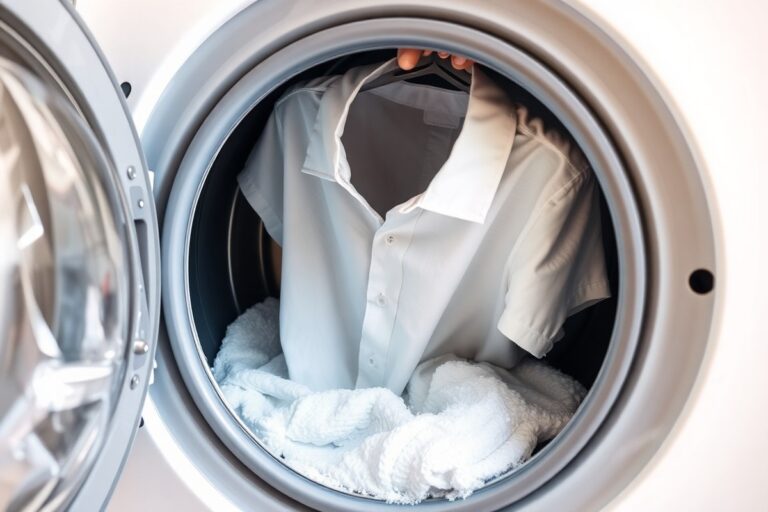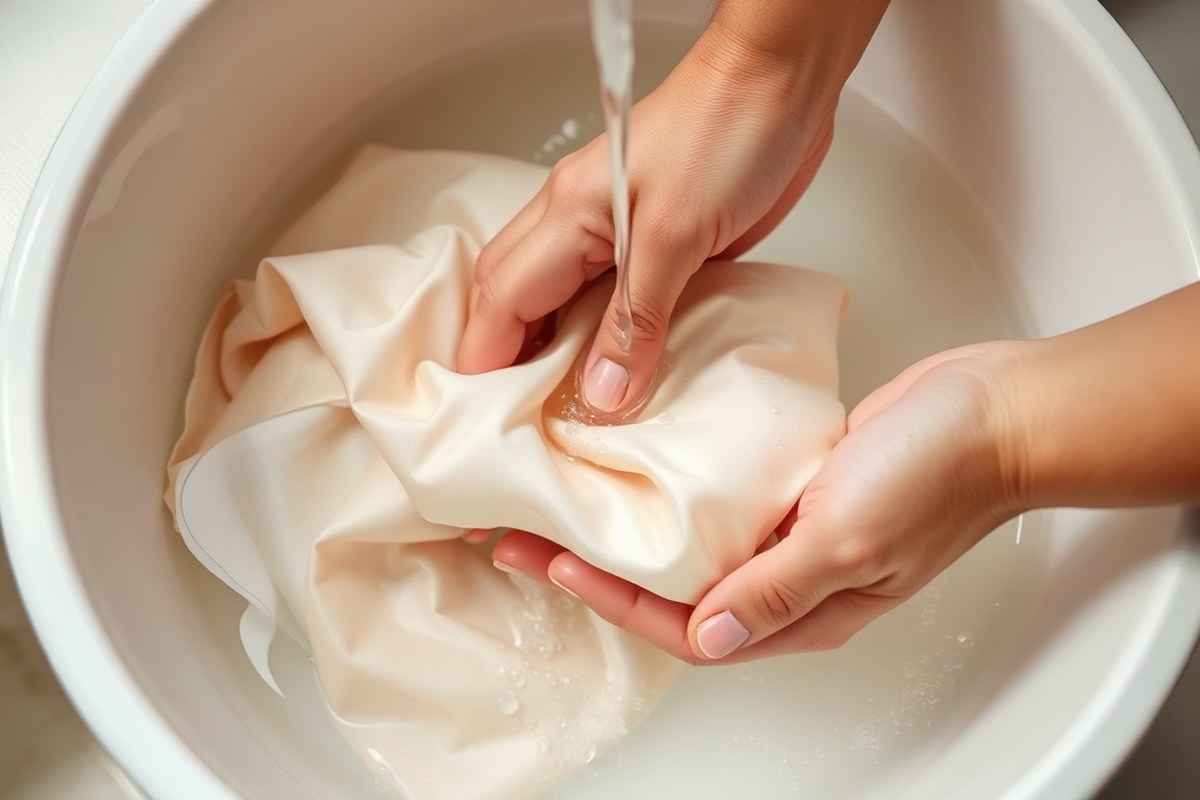
How to Wash Dry Clean Only at Home: A Complete Guide That Actually Works
You can wash many dry clean only clothes safely at home using gentle hand washing or special home dry cleaning kits. Some fabrics labeled dry clean only, like 100% polyester, handle cold water washing and air drying without issues. This guide helps you decide which garments tolerate at-home care and explains practical methods to clean delicate fabrics effectively.
Designed for anyone wanting to extend the life of their wardrobe and save on dry cleaning costs, you’ll find clear steps and tips for washing, stain treatment, and drying delicate items. Following these techniques reduces damage risk while keeping your clothes fresh without chemical solvents or expensive trips.
Key Takeaways
- About 10% of dry clean only garments truly require professional cleaning; many can be hand washed safely at home.
- Use cool water and a delicate detergent to soak dry clean only items for 15 to 30 minutes before rinsing.
- 100% polyester clothes labeled dry clean only can usually be washed on cold and hung to dry without damage.
- At-home dry cleaning kits refresh clothes using a dryer cycle with a specially treated cloth, saving time and cost.
- Machine washing risks vary by fabric; always check if your garment can tolerate gentle cycles before attempting.
- Treat stains gently using mild soap and cool water promptly to avoid setting them before washing.
Can You Wash Dry Clean Only Clothes at Home Safely?
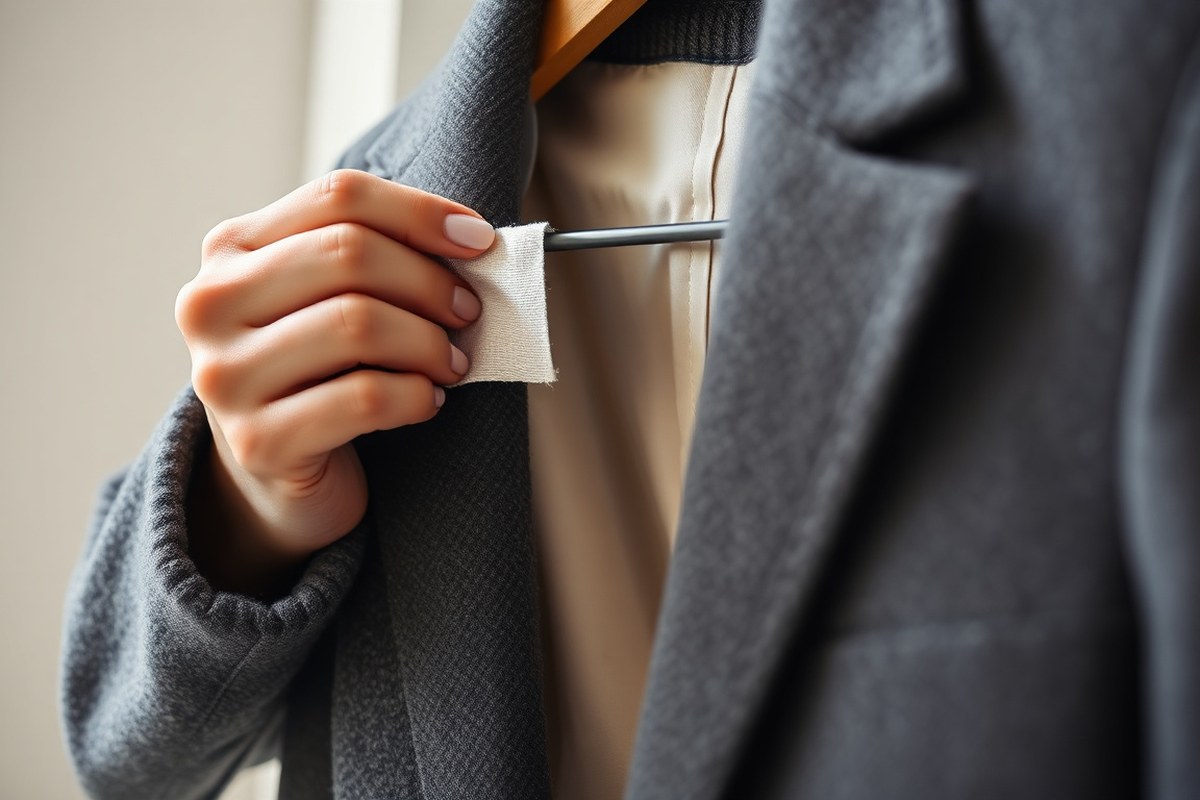
“Dry clean only” on a clothing label means the manufacturer recommends professional cleaning with solvents instead of water. This advice usually aims to protect delicate fabrics or complex garment constructions from water damage, shrinkage, color loss, or distortion. The label signals that water washing carries a higher risk of harm compared to dry cleaning methods using chemicals like tetrachloroethylene, which, while effective, can be harsh on fabrics and the environment.
You can wash many “dry clean only” clothes at home safely if you understand what the label means and follow careful steps. The label does not always mean water washing is absolutely off-limits; it often reflects a conservative caution. Some fabrics tagged “dry clean only,” such as 100% polyester, tolerate gentle home washing better than people expect. Leather without “do not wash” warnings and garments with leather trims can also sometimes be hand washed carefully at home.
Knowing when to wash “dry clean only” items at home starts with a decision rule checklist. First, examine the label’s exact wording: “dry clean only” indicates higher risk, so proceed with caution. “Dry clean recommended” or just “dry clean” labels usually signal lower risk and sometimes allow hand or gentle machine washing. Next, identify the fabric type; natural fibers like wool, silk, and some synthetics require more delicate handling. Check for special garment features like linings, interfacing, or trims that might react poorly to water or agitation.
Spot testing a small hidden area for colourfastness is an important step. If there’s no bleeding or distortion, mild hand washing with a gentle detergent may be possible. Otherwise, choose alternatives like at-home dry cleaning kits or steaming. When washing at home, use cool water (below 85°F), a mild detergent formulated for delicates, and minimal agitation. Avoid soaking garments for more than a few minutes. Rinse carefully and press out water without wringing. Dry flat or hang to dry, away from direct heat or sunlight.
Washing “dry clean only” clothes at home can save money and reduce exposure to dry cleaning chemicals. However, the risks include fabric shrinkage, loss of shape, piling, and colour bleeding, especially with high-risk fabrics. Professional dry cleaners use solvents and equipment designed to protect delicate garments, though those come with environmental and cost concerns. Your choice depends on your garment’s construction, fabric, time, and willingness to accept some risk.
On average, professional dry cleaning can cost $10 to $20 or more per garment, while home washing requires modest investment in gentle detergent and patience. Successful home washing yields clean, soft textiles without the chemical residue left by dry cleaning solvents. Damage results when garments are washed too roughly, dried improperly, or water-sensitive treatments like waterproof coatings are disturbed. Taking careful measures and running small tests improves your chance of preserving these clothes safely at home.
Which Fabrics and Garments Can You Wash at Home Despite the Label?

Numerous garments marked “dry clean only” can be safely washed at home by focusing on certain fabrics and types. Durable natural materials like cotton and linen respond well to gentle machine washing, as do tough synthetic fibers like polyester. These fabrics withstand water, mild detergents, and gentle agitation, making at-home washing an economical option. Often, hand washing provides sufficient cleaning without causing harm.
By contrast, some delicate or specially treated fabrics require professional care. Leather and suede typically need dry cleaning because water and detergent can ruin their texture and finish. Similarly, garments with heavy embellishments or structured designs are prone to losing shape or damage from washing machines despite label claims. Viscose and silk are other examples where professional dry cleaning preserves the fabric’s delicate integrity. Knowing which garments fit into each category lets you confidently decide when home washing is an option and when it’s best to pay for professional dry cleaning. The table below summarizes common fabrics and garment types that fall into these groups:
| Fabric or Garment Type | Home Washing Suitability | Reason |
|---|---|---|
| Cotton | Safe for gentle machine or hand washing | Durable, tolerates water and mild agitation |
| Linen | Safe for gentle machine or hand washing | Strong natural fiber, withstands washing |
| Polyester and durable synthetics | Safe for gentle machine washing | Resistant to water and mild detergents |
| Leather and suede | Not suitable for home washing | Water and detergent damage texture and finish |
| Silk and viscose/rayon | Require professional dry cleaning | Delicate, prone to shrinking and color loss |
| Heavily embellished garments | Require professional dry cleaning | Fragile decorations and structural elements |
| Structured outerwear (suits, blazers) | Best professional dry cleaning | Maintain shape and fabric integrity |
Always test a small, hidden area of any “dry clean only” garment with water before washing the entire item at home to check for colorfastness or fabric reaction.
Suede items that don’t have a “dry clean only” or “non-washable” label may allow for careful washing using appropriate products and methods, but this varies greatly by finish and manufacturer. Most cotton, linen, and polyester “dry clean only” clothes can be cleaned at home by hand washing or gentle machine cycles. Choosing hand washing reduces the risk of agitation damage and shape loss, particularly for medium-weight garments. Attempting to wash fragile or heavily embellished pieces at home raises the chance of irreversible damage, making professional dry cleaning the safer option to protect your investment.
How to Hand Wash Dry Clean Only Clothes Step-by-Step
Hand washing dry clean only clothes requires gentle care to avoid damaging delicate fabrics. Using the right detergent, soaking time, and handling techniques keeps your garments safe and clean without harsh machine agitation or chemicals. Follow these timed steps carefully to maintain the fabric’s softness and shape.
Choosing the Right Detergent
Select a mild detergent specifically designed for delicate fabrics, such as wool, silk, or synthetics that often come with dry clean only instructions. These detergents clean effectively without stripping natural oils or weakening fibers. Avoid regular detergents or bleach, as they can cause fading, shrinking, or damage.
Look for products labelled “delicate wash” or “wool and silk detergent.” A small amount, about one teaspoon per gallon of water, is enough to produce gentle suds. Cold water is best when hand washing to prevent fabric shrinkage and colour bleeding.
Soaking and Washing Technique
Soaking allows the detergent to lift dirt and oils without rubbing or twisting the fabric. Fill a clean sink or basin with cold water and add your gentle detergent. Stir by hand until suds form. Then, submerge the garment fully, ensuring it’s evenly soaked.
- Fill a clean sink or basin with cool to cold water (around 60, 75°F, 16, 24°C).
- Add a small amount of delicate detergent, about one teaspoon per gallon of water.
- Mix gently with your hand until the detergent dissolves and suds appear.
- Place the dry clean only garment in the water, fully immersing it without overcrowding the basin.
- Let the garment soak for 15 to 30 minutes, depending on how soiled it is.
- Gently swish the fabric once or twice during soaking to help loosen dirt, avoiding scrubbing or wringing.
Longer soaking beyond 30 minutes is not advised as it may weaken fibers or cause dye to bleed. Handle the garment gently to maintain shape and avoid stretching.
Rinsing and Removing Water Safely
Proper rinsing removes detergent residue, which can irritate skin or attract dirt if left behind. Drain the soapy water and refill your basin with cool, clean water. Submerge and gently agitate to rinse thoroughly, repeating if needed to remove all suds.
To remove excess water without damaging the fabric, avoid wringing or twisting. Instead, lay the garment flat on a clean, absorbent towel. Roll the towel with the garment inside, pressing lightly to soak up moisture. This method helps garments keep their shape and prevents stretching or distortion.
Using At-Home Dry Cleaning Kits: What to Expect and How They Work
At-home dry cleaning kits operate by using a mild solvent contained in a damp cloth, combined with heat and tumbling action from your dryer to refresh garments and remove light stains. These kits can work well on lightly soiled clothes labeled “dry clean recommended,” but they have limits with heavily stained or delicate fabrics. Properly following the steps can offer a cheaper way to extend the time between professional cleanings.
How At-Home Dry Cleaning Kits Work
These kits typically include a reusable or disposable bag and a specially treated cleaning cloth soaked in a gentle solvent. You place the garment and cloth inside the bag, seal it, then tumble it in your dryer for about 20 to 30 minutes. The dryer’s heat activates the solvent, loosening soil and absorbing odors while the tumbling helps distribute the cleaner evenly.
The process does not use water like traditional washing, which lowers the risk for shrinking or fabric distortion. The solvent mainly targets light spills, body oils, and mild perspiration smells, making the clothes appear fresher. Since it’s not a full cleaning like professional dry-cleaning machines, extremely dirty or stained clothes won’t get completely clean.
Contents and Steps for Using the Kits
Most home dry cleaning kits come with a bag, one or two cleaning cloths saturated with a mild solvent, and sometimes a stain remover pen or gel for spot treatment. Some kits cost between $10 and $20 and are designed for multiple uses or single-use applications. The instructions usually require you to first treat any visible stains by applying the included stain remover directly.
Next, you place the garment inside the provided bag along with the cleaning cloth. Seal it according to the kit’s instructions. Place the sealed bag in your dryer set to a medium heat or around 120°F (49°C), and run it for 20 to 30 minutes. After tumbling, remove the clothes promptly to avoid wrinkles and let them air out if any solvent smell remains.
Effectiveness and Fabric Limitations
These kits can prolong the life of dry clean only clothes by removing light odors and minor stains without harsh chemicals or water damage risks. They are best for wool, polyester blends, and other sturdy fabrics marked as “dry clean recommended,” but not ideal for silk, velvet, leather, or heavily stained garments. Clothes needing extensive cleaning might still require professional care.
It’s important not to use home dry cleaning kits on garments labeled “dry clean only,” as these fabrics often can’t tolerate any moisture or agitation, even from the mild solvent and gentle tumbling. Using a kit on such items risks shrinking, fading, or weakening fibers.
Comparing Home Kits to Professional Dry Cleaning
Home dry cleaning kits cost significantly less than professional services, sometimes under $20 per use instead of $10 to $20 per garment at a dry cleaner. They offer convenience by letting you freshen clothes anytime without trips or wait times. However, professional dry cleaning uses stronger solvents, controlled machines, and skilled handling, providing deeper cleaning and stain removal.
Home kits work well as a maintenance step between cleanings but won’t replace professional dry cleaning if your garment is heavily soiled or stained. The key tradeoff is saving money and time for light refreshes versus potentially inadequate cleaning results for tough dirt.
Is Machine Washing Safe for Some Dry Clean Only Items?
Using a washing machine for dry clean only clothes is generally not recommended due to the risk of damage. However, some durable fabrics like certain polyesters can tolerate a gentle machine wash if you proceed cautiously and test a small, hidden area first for colorfastness and fabric reaction. Proper cycle selection and precautions significantly reduce the risk of shrinkage, distortion, or color bleeding.
Choose the cold water, delicate or gentle cycle on your machine since it uses slower agitation and shorter wash times. Cold water helps prevent shrinking and fading. Always put your garment inside a mesh laundry bag to protect it from the machine’s mechanical action, reducing friction and snagging. Use a mild detergent designed for delicate fabrics and apply only the recommended amount based on the load size.
- Confirm fabric durability by spot testing in an inconspicuous area.
- Select cold water and the delicate or gentle cycle.
- Place the item inside a mesh laundry bag before washing.
- Use a mild detergent sparingly, tailored for delicate clothes.
- Never tumble dry dry clean only clothing; air dry flat or hang to dry.
- Avoid machine washing certain items like silk, wool, rayon, or leather.
Garments made from delicate fibers like silk, wool, rayon, or leather should never go into the washing machine. Their delicate fibers and finishes can be irreversibly damaged by even the gentlest machine settings. Machine drying is also off limits because it can cause shrinking or deformation regardless of fabric type. Instead, gently reshape and lay these items flat on a clean towel to air dry away from direct heat or sunlight.
Always air dry machine-washed dry clean items flat or hang them; never use the dryer as it risks permanent damage.
Machine washing dry clean only clothes requires patience and care. It costs no more than a regular wash cycle, but it demands attention to detail to avoid ruining expensive or cherished garments. Successful results mean the fabric retains its shape, color, and feel without shrinkage or pilling. Problems like distortion or color running typically stem from skipping the mesh bag or using incorrect cycle and temperature settings. Taking these steps offers a cautious way to extend the life of some dry clean only clothes at home when professional cleaning isn’t an option.
How to Treat Stains on Dry Clean Only Clothes at Home
Removing stains from dry clean only clothes at home requires special care to avoid damage. Many delicate fabrics, such as silk or wool, can lose texture, fade, or become misshapen when treated improperly. Using harsh chemicals or scrubbing vigorously can worsen stains or permanently harm the garment. Gentle spot treatment and pre-soaking with mild solutions are safer approaches that can improve stain removal while protecting the fabric.
Start by identifying the type of stain, as this determines the safest cleaning agent. For protein-based stains like blood, sweat, or dairy, soak the stained area in cold water for about 15 minutes to loosen the stain. Avoid hot water since it can set protein stains permanently. Afterwards, gently dab the spot with a cloth dipped in a mixture of water and a tiny amount of gentle liquid detergent, such as baby shampoo or laundry detergent formulated for delicates. Use a cotton swab or soft-bristled toothbrush to lightly work the solution into the fabric without rubbing too hard. Rinse the area with cool water to remove soap residue.
Oil-based stains, like makeup or cooking oil, respond better to a different approach. Blot the excess oil with a dry paper towel without rubbing. Then, sprinkle a small amount of cornstarch or baking soda on the stain and let it sit for 15 to 30 minutes to absorb the oil. After brushing off the powder, apply a few drops of a mild liquid detergent to the spot and gently work it in. Rinse with cool water and blot dry with a clean towel.
For dye stains such as ink or wine, avoid rubbing the area, which spreads the stain. Instead, blot the stain with a clean white cloth dampened with cold water or club soda, moving from the edges inward. Try applying a cotton swab dipped in rubbing alcohol to the stain’s edge and blot carefully if the stain does not come out initially. Test the alcohol on a hidden seam first to ensure it doesn’t damage the fabric’s color or finish. Limit application to short bursts and rinse promptly.
When treating stains on silk, wool, or other delicate fabrics, always perform a spot test in an inconspicuous area before applying any solution. Pre-soaking an entire garment is riskier because water exposure varies by fabric type; instead, limit treatment to the stained section only. Avoid laundry stain removers containing bleach or enzymes because these can degrade delicate fibers or alter colors.
Once pretreated, gently blot the stain with a soft towel to absorb excess moisture and allow it to air dry away from direct heat or sunlight. Avoid wringing or twisting the fabric. Continuing treatment at home may risk fabric damage, even though repeating the steps might help if the stain remains after initial care. In cases of stubborn or large stains, professional dry cleaning remains the safest choice.
Proper Drying Methods for Delicate Dry Clean Only Garments
Putting dry clean only clothes in a dryer is not safe. Most dryers operate at temperatures between 120°F and 140°F, which can cause delicate fabrics to shrink, warp, or lose their finish. Heat and tumbling action can damage fibers, leading to misshaping or deterioration of your garment. Avoid dryers entirely to preserve the fabric’s texture, fit, and colour.
The best way to dry dry clean only items is air drying. Air drying maintains the integrity of delicate fabrics by eliminating heat and abrasive movement. To do this correctly, lay the garment flat on a clean towel or drying rack. Gently reshape the item to its original dimensions, smoothing sleeves and body to prevent wrinkles or stretching. This method helps avoid distortion, especially with sweaters, silk blouses, or wool garments prone to misshaping.
Some pieces might be suitable for hanging to dry, but you must be careful which hangers you use. A padded hanger supports the shoulders without causing bumps or stretched seams. However, hanging heavier items while wet can cause them to stretch out of shape, so flat drying remains safer for thick or knitted fabrics. Always air dry indoors, away from direct sunlight or heat sources like radiators, since UV light and heat cause fading and shrinkage.
- After washing, press out excess water gently, do not wring or twist the fabric.
- Use a clean, dry towel to absorb moisture by rolling the garment inside it before laying flat.
- Choose a flat surface or drying rack with good air circulation to speed drying time.
- Reshape garment parts such as sleeves, collars, and hems while damp to maintain fit.
- Keep items away from sunlight and radiators to prevent shrinkage and colour fading.
- Use padded hangers only for lighter fabrics if you must hang dry.
Flat drying can take 12 to 24 hours depending on fabric thickness and room humidity. It requires patience but protects delicate fibres well. Avoid folding or storing garments before they are completely dry to prevent mildew or creases. Using a fan to circulate air gently around the drying zone helps speed up the process without adding heat. Taking these steps ensures your dry clean only clothes retain their shape and last longer after washing at home.
Common Mistakes and How to Avoid Damage When Washing Dry Clean Only Clothes
Common mistakes when washing dry clean only clothes at home often involve heat exposure, color bleeding, and fabric distortion. Spotting early signs like unexpected shrinking or color fading is essential to avoid permanent damage. Acting quickly with the right steps can sometimes restore the garment’s shape or colour without professional help.
Avoiding Heat Damage
One frequent error is using hot water or drying the garment at high temperatures. Heat can cause shrinking or warping, especially for delicate fibers like wool, silk, and some synthetic blends. To prevent this, wash dry clean only clothes in cold water, ideally below 75°F (24°C). Avoid the dryer altogether; instead, lay the garment flat on a clean towel to air dry naturally at room temperature. Using heat during washing or drying can permanently change the fabric’s texture and size.
Notice early signs of heat damage, like the fabric feeling stiffer or smaller? Stop washing right away. Gently reshape the garment while damp and dry flat. Avoid any ironing or steaming until you consult a professional cleaner because heat can worsen the damage.
Preventing Color Bleeding
Color bleeding is a common problem when washing heavily dyed or dark garments at home. Many dry clean only fabrics are not colorfast and will bleed or fade when wet. Perform a spot test by dabbing a hidden section with cold water before washing the entire item. Color comes off? Stop and take the garment to a professional dry cleaner.
When washing at home, use cold water with a mild detergent designed for delicate or color-sensitive fabrics. Avoid soaking clothes longer than 5 to 10 minutes, as prolonged wetting can increase bleeding risks. Rinse thoroughly with cold water to remove detergent without encouraging dye loss. Dry flat away from sunlight, which can fade colors further.
Always test a small, hidden area for colorfastness before washing the whole garment to prevent irreversible color damage.
Handling Fabric Stretching or Shrinking
Fabric stretching or shrinking happens when water weakens fibers or heat shrinks them. Garments made from natural fibers like wool or rayon are especially vulnerable. To minimize risk, do not wring or twist wet garments. Press gently between towels to remove excess water instead. Reshape the garment carefully while damp by smoothing and stretching it back to its original form.
A garment shrinks accidentally? Soak it in lukewarm water with hair conditioner or baby shampoo for about 15 minutes. This can relax the fibers enough to gently stretch the garment back to size. Lay it flat on a towel and reshape it as you let it dry. For extreme misshaping or shrinkage, professional fabric blocking by a tailor or cleaner may be necessary. Avoid repeated washing attempts once damage appears, as this worsens the problem.
Step-by-Step Action Plan for Washing Dry Clean Only Clothes at Home
Follow these steps to clean your delicate garments safely while minimizing the risk of damage. Each phase includes a clear check to confirm success before moving to the next.
- Before you start: Check the fabric type and garment care label to identify if the item is safe to hand wash or use an at-home kit. Confirm that the material is sturdy enough and free of delicate trims that may not tolerate home washing.
- Pre-treatment phase: Spot-treat any visible stains with a gentle stain remover suitable for delicate fabrics. Wait a few minutes and gently blot to see if the stain lifts without fabric damage.
- Washing phase: Hand wash your garment in cool water with a mild detergent made for delicates. After soaking and light agitation, rinse thoroughly. The fabric should feel clean but intact, without any stretching or pilling.
- Drying preparation: Lay the garment flat on a clean towel, roll the towel gently to remove excess water without wringing. The fabric should feel damp but not dripping.
- Drying phase: Reshape the garment and air dry flat away from direct sunlight or heat sources. The item should dry evenly while maintaining its original shape and texture.
- Post-dry inspection: Check for any remaining stains or damage. If the garment looks clean and undamaged, it is ready to wear or store.
- Storage phase: Store the garment on a padded hanger or folded in a breathable bag to maintain its shape and extend its life.
Frequently Asked Questions
Can You Wash Things That Are Dry Clean Only?
The label “Dry clean only” indicates that the garment should not be washed at home, hand washing included, to prevent harm. A few items labelled “dry clean recommended” could be gently washed at home with caution.
How to Wash Dry Clean Only at Home Without a Machine?
Hand wash using gentle detergent and cold water, then air dry flat. Avoid agitation to prevent fabric damage.
Can I Wash Dry Clean Clothes at Home?
Yes, some dry clean recommended clothes can be washed carefully by hand or machine on a gentle cycle. Check fabric type and label.
Can You Use a Washing Machine for Dry Clean Only?
Generally no, but some polyester “dry clean only” items can be machine washed cold on a gentle cycle. Always use a mesh bag.
What Detergent Should I Use for Dry Clean Only Clothes?
Use a mild, gentle detergent designed for delicate fabrics to protect fibers. Harsh detergents can cause fading or shrinkage.
How Often Should I Wash Dry Clean Only Clothes at Home?
Wash only when necessary to avoid wear, ideally after several wears. Spot clean stains promptly to reduce full washing.
Key Points to Remember
You can wash many dry clean only clothes at home if you pay close attention to fabric type, stain treatment, and drying methods. Testing a small hidden area before full washing helps prevent costly damage. Start with a less valuable garment to gain confidence in your technique before moving on to favorite pieces.