Can You Dry Clean Silk? What Actually Works for Safe Care
You can dry clean silk safely, especially when labeled “dry clean only.” Professional dry cleaning preserves silk’s delicate texture and vibrant colors better than most home methods. This advice suits owners of any silk garments, from pure silk to blends with nylon or viscose, aiming to maintain their garments’ appearance and durability. You’ll learn how to handle silk care correctly, including choosing between dry cleaning and washing options, preparing silk for cleaning, and storing it properly afterward.
This guidance helps you avoid common mistakes that damage silk, such as color bleeding or fabric weakening. Understanding label instructions and testing colorfastness are the first steps. With practical tips on handling sweat stains, optimal washing temperatures, and drying techniques, you will protect your silk clothes for long-term use.
Key Takeaways
- Follow silk garment labels carefully; “dry clean only” means professional cleaning is safest.
- Test colorfastness before any cleaning by dipping a hidden area in lukewarm water.
- Use lukewarm water at about 86°F (30°C) for gentle hand washing of silk.
- Soak underarm sweat stains in cool water with silk detergent for 15 minutes before washing.
- Choose a delicate or silk cycle on your machine at 30°C or below with low spin speed.
- Dry silk quickly within 30 to 60 minutes using air drying to maintain texture.
Can You Safely Dry Clean Silk Garments?

Silk can be safely dry cleaned, and it is often the best method to maintain the fabric’s delicate texture and vibrant color. Most silk garments are labeled “dry clean only” because water-based cleaning methods can cause shrinking, color bleeding, and loss of sheen. Dry cleaning uses solvents that do not penetrate the silk fibers the way water does, preserving the structure and appearance of the fabric.
Not all silk garments react the same to dry cleaning, though. Items with heavy beading, lace, or lining often require specialized handling, and even some dry cleaners may advise against cleaning these at all. For general pure silk clothes such as blouses, shirts, dresses, pants, or jackets, dry cleaning effectively removes stains and dirt while preventing issues like fraying, color fading, or shrinking. Wearing frequency determines dry cleaning intervals; often one to two times a year is sufficient.
Risks with dry cleaning silk include potential damage from chemicals if the process is rushed or handled improperly, but reputable dry cleaners experienced with silk minimize this risk. Unlike water washing, which can cause fabric distortion, the solvents used in dry cleaning keep silk’s natural sheen intact. However, if the garment was incorrectly cleaned before or the cleaner uses aggressive chemicals, shrinkage and color loss can still occur.
Some silk garments say “dry clean only” because their finish or construction is sensitive. Structured silks like Dupion, or bright and deep colors, run a greater risk of damage from water, so dry cleaning is safer. This label also appears on silks that lose texture or shape when wet. Choosing dry cleaning means preserving the original look and feel of your garment.
To ensure the best results, select a dry cleaner with experience in handling silk. Confirm they use gentle solvents and avoid harsh stain removers. Cost varies by location and garment size but expect about $10 to $20 for a silk blouse or shirt. After dry cleaning, air the garment away from direct sunlight to keep colors vibrant. Avoid over-cleaning; repeated dry cleaning can stress fibers, so clean only when necessary, based on usage and visible soiling.
Even if a silk garment doesn’t say “dry clean only,” dry cleaning remains an option, especially for heavily soiled pieces or those with oil-based stains. If stains are light or the fabric maintains its sheen, gentle hand washing may be considered as an alternative, yet dry cleaning offers superior protection against long-term damage.
How Professional Dry Cleaning Works for Silk

Dry cleaning silk involves using chemical solvents instead of water to clean the fabric gently and preserve its softness and shine. Professionals select solvents that effectively remove dirt and oils without damaging the delicate fibers. This process includes controlled heat levels and careful handling to avoid shrinking or weakening the silk.
Types of Dry Cleaning Solvents
The traditional solvent used in dry cleaning silk is perchloroethylene, which cleans effectively but is chemically harsh. Newer, greener options include liquid carbon dioxide (CO2) and silicone-based solvents, which are safer and less toxic. According to tests by the Consumers Union, these eco-friendlier solvents not only reduce environmental and personal health risks but also perform better at cleaning delicate fabrics like silk.
Liquid CO2 cleaning uses pressurized carbon dioxide to lift dirt without water or harmful chemicals. Silicone-based solvents dissolve oils gently and rinse clean, making them ideal for silk sleepwear and accessories. These alternatives cater to consumers who want effective cleaning with less environmental impact.
Steps in Professional Silk Dry Cleaning
Professional dry cleaning for silk starts with inspecting the garment to note fabric type, colors, and any damage. The cleaner selects the solvent suited for the particular silk and loads the garment into a dry cleaning machine. This machine agitates the silk gently while circulating the solvent to dissolve soil and oils.
After cleaning, the garment is rinsed with the solvent, then dried using controlled heat and air flow to avoid shrinking or damaging the fibers. Professionals often do a final inspection and may apply finishing treatments such as pressing or steaming to restore texture and shape. The entire process can take a few hours to a day, depending on the cleaner, with costs typically ranging from $10 to $30 per garment.
Avoid frequent dry cleaning of your silk; doing this about two to four times a year is enough unless the garment becomes heavily soiled.
Benefits of Organic and Green Dry Cleaning
Green or organic dry cleaning uses non-toxic solvents like liquid CO2 or silicone-based chemicals that reduce exposure to harmful fumes for both customers and staff. These methods also minimise environmental pollution by avoiding persistent chemical residues common in traditional dry cleaning.
Green dry cleaning tends to be gentler on silk fabrics, preserving their natural sheen and texture longer. This gentleness makes it a preferred choice if you need to dry clean your silk regularly. To find these services, resources such as the Green Earth Cleaning directory can help locate local providers.
While dry cleaning is helpful for maintaining silk garments, many silk items can be cared for at home by hand washing if the label allows. Choosing green dry cleaning or washing at home can both save money and offer better long-term fabric care depending on your silk piece’s needs.
Checking Silk Labels and Colorfastness Before Cleaning
Before cleaning silk, carefully checking the care label and testing for colorfastness are key steps. These precautions help you decide if you can clean the silk yourself or should opt for professional dry cleaning to avoid damage.
Reading and Understanding Silk Care Labels
Silk care labels provide specific instructions that guide how you should clean the garment. Look for phrases like “dry clean only,” which means the manufacturer recommends professional cleaning to maintain fabric quality.
Even if a label allows hand or machine washing, it often includes important temperature or detergent restrictions. Ignoring these can lead to shrinking, color loss, or texture changes. Always follow the label’s instructions closely to protect your garment. Here’s a checklist to interpret silk care labels:
- “Dry Clean Only” means avoid water-based cleaning methods.
- “Hand Wash Cold” indicates gentle, low-temperature washing is safe.
- A water temperature limit (e.g., 30°C or 86°F) guides safe washing.
- Warnings against bleach or tumble drying mean these can damage silk.
- Symbols showing iron temperature settings help prevent heat damage.
Use this checklist to decide if your silk garment needs professional care or can be safely cleaned at home.
How to Test Silk for Colorfastness
Testing for colorfastness means checking whether the dye in your silk will bleed during cleaning. This test prevents ruining the garment’s color and protects other clothes if you wash multiple items together.
To perform a simple colorfastness test, take a clean, white cotton cloth, dampen it with water, and gently dab it on an inconspicuous area of the dry silk garment. Press lightly and hold for about 30 seconds.
- If color transfers to the white cloth, the silk is not colorfast and requires professional dry cleaning.
- No color on the cloth suggests you can cautiously proceed with washing according to label instructions.
- Do not saturate the silk or rub, to avoid damaging the fabric during testing.
This quick test takes just a few minutes and helps prevent costly mistakes.
When to Choose Professional Care Based on Symptoms
Certain signs on your silk garment indicate that professional cleaning is the safest choice. Complex structural elements, delicate embroidery, or fragile trims risk damage from water or mechanical agitation. Follow these rules to decide when to opt for professional dry cleaning:
- The label says “dry clean only” without alternatives.
- The garment shows stubborn stains that do not respond to gentle spot cleaning.
- Silk has color bleeding in the colorfastness test.
- The fabric feels brittle, thin, or extremely delicate.
- The garment has intricate beading, pleating, or layering that could be ruined by water.
Choosing a trusted cleaner experienced with silk helps preserve your garment’s comfort, elegance, and durability without risk. Professional care may cost more, but it generally prevents irreversible damage and extends the life of your silk.
Prepping Silk Garments for Dry Cleaning or Washing
Before sending your silk garment to the dry cleaner or deciding to wash it yourself, proper preparation helps protect the fabric and improve cleaning results. Treating stains gently and removing items like jewelry or belts prevents damage during cleaning. Avoid using vinegar or DIY remedies directly on silk, as these can weaken the fibers or cause discoloration. Instead, rely on controlled stain treatments with silk-safe products. Follow these steps to prepare your silk garments effectively:
- Check for stains carefully. Examine the silk piece under good light. Identify any visible spots or marks that need attention before cleaning.
- Test a small hidden area. Apply a small amount of your chosen cleaning product or stain remover to a discreet spot. Wait 5 to 10 minutes to ensure there’s no color loss or fabric damage.
- Pre-treat stains gently. Mix a 50/50 solution of silk detergent and water. Using a white cotton cloth or cotton swab, dab the solution lightly onto the stain. Avoid rubbing, which can weaken silk fibers or spread the stain.
- Remove accessories and loose items. Take off any pins, jewelry, belts, or detachable trims before cleaning. These can snag or discolor silk during professional or home cleaning.
- Prepare the garment for transport. If dry cleaning, place the silk item in a breathable cotton bag or wrap it in tissue paper to avoid direct contact with rough surfaces or strong chemicals at the cleaners.
- Notify your cleaner about stains. Point out any problem spots so the professional can apply targeted treatments and avoid harsh chemicals that might harm silk.
- Confirm cleaning instructions on the label. Follow any warnings such as “do not dry clean” or temperature guidance to prevent unnecessary damage.
Preparing silk garments this way costs very little but saves potential repair or replacement expenses. Proper stain treatment improves cleaning success and keeps colours vibrant, while removing accessories prevents snags or chemical reactions on delicate silk surfaces. Skip vinegar or homemade treatments like lemon juice, which can degrade the fabric’s sheen and strength. Stick to silk-specific detergents and solvents verified safe by a patch test, especially before dry cleaning. You’ll get cleaner silk with preserved texture and colour when you prepare carefully and communicate clearly with your cleaner.
Hand Washing Silk: A Safe Alternative to Dry Cleaning
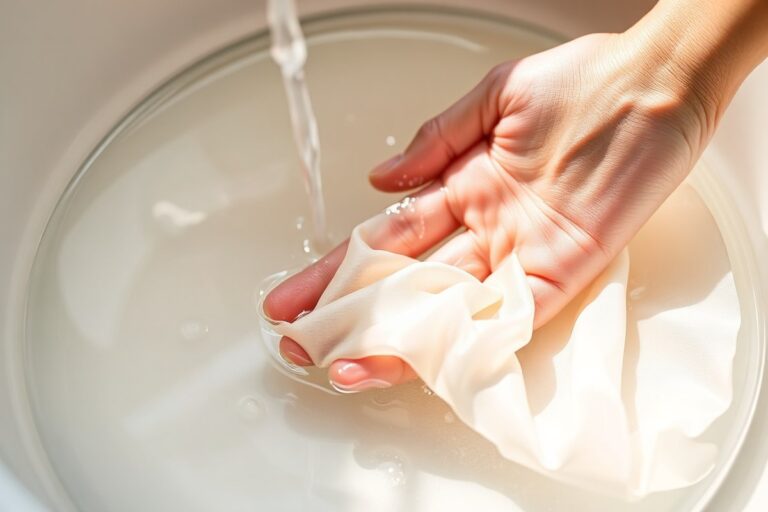
Hand washing silk is a safe alternative to dry cleaning when done carefully using cool water and a gentle detergent designed for delicate fabrics. Keeping the water temperature around 86°F (30°C) and limiting wash time prevents damage, while avoiding wringing preserves the fabric’s smooth texture. This method works well for light cleaning and spot treatments, helping you extend the life of your silk garments.
Choosing the Right Detergent
Select a detergent specifically formulated for silk or other delicate fabrics to ensure the material’s protein fibers remain intact. Avoid harsh detergents that contain enzymes or bleach, as they can weaken the silk and dull its natural sheen. Look for mild, pH-neutral detergents sold as “silk wash” or “delicate laundry detergent.” Using regular dish soap without additives can work for spot cleaning but is not recommended for full washes.
Gentle detergents also prevent residue buildup, which can attract dirt or irritate sensitive skin if left in the fabric. Using too much detergent is a common mistake; a small amount diluted in plenty of water is enough to clean silk thoroughly.
Ideal Water Temperature and Washing Duration
Using lukewarm water around 86°F (30°C) is key to maintaining silk’s strength and color. Hot water shrinks and weakens the fabric, while cold water may not clean sufficiently. The soaking and washing time should be brief to avoid damage.
The safest approach is to soak stained or sweaty areas for about 15 minutes before a gentle overall hand wash lasting no longer than 5 minutes. Avoid twisting, scrubbing, or wringing during these steps. After washing, rinse the garment in cool water until no detergent bubbles remain.
How to Handle Stubborn Stains by Hand
For tough spots like underarm sweat or deodorant stains, soak the affected area in cool water mixed with a small amount of silk detergent for 15 minutes before washing the entire garment. For lipstick stains, lightly dab the area with denatured alcohol on a soft white cloth, then rub gently with mild detergent before rinsing.
Always test stain treatments on an inconspicuous part of the fabric first to check for colourfastness. Avoid aggressive rubbing or harsh chemicals that could damage silk fibers.
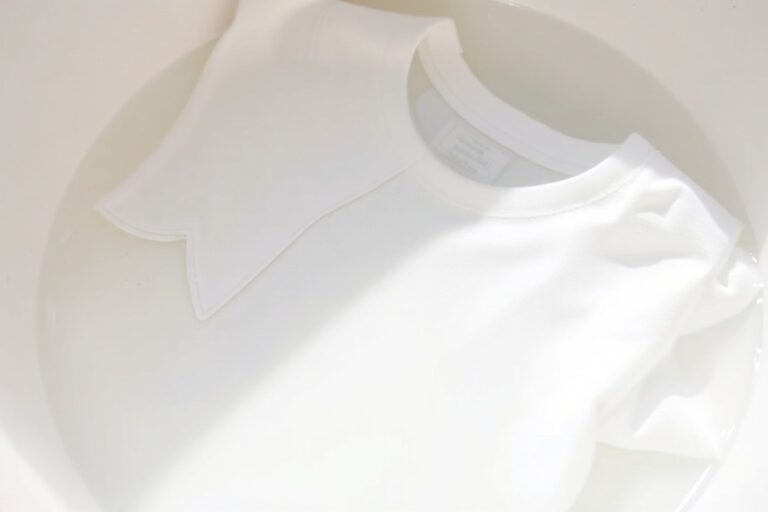
- Fill a basin with lukewarm water (around 86°F or 30°C).
- Add a small amount of silk or delicate fabric detergent and mix gently.
- Submerge the garment and soak stained areas for 15 minutes if needed.
- Gently move the fabric with your hands for 3-5 minutes to wash.
- Rinse thoroughly in cool, clean water until all detergent is gone.
- Carefully lift the garment without wringing and lay it flat on a dry towel.
- Roll the towel gently to remove excess water, then reshape and dry flat away from sunlight or heat sources.
Never wring or twist silk when wet; this can cause permanent creasing and fiber breakage.
Machine Washing Silk: When and How to Do It Safely
You can machine wash silk garments labeled as “washable” or those made from silk blends with mixed fibers, but you must use the right settings and precautions. Silk is a delicate fabric that can weaken with harsh treatment, so the washing machine should only be used on a very gentle cycle. This minimizes agitation and helps protect the fine fibers from damage or deformation. Using cold water and a detergent formulated specifically for delicate fabrics such as silk or cashmere further reduces the risk of shrinkage and texture loss.
The gentle cycle typically involves slower spin speeds and less vibration. Avoid using the dryer, as the heat and tumbling can cause silk to shrink or lose shape. Instead, lay your silk flat to dry away from direct sunlight. Compared to dry cleaning, machine washing has a higher chance of fiber damage or shrinking if the garment is sensitive or not firmly blended with other sturdier fibers. Dry cleaning typically preserves the original size more reliably because it avoids water and agitation that stretch or shrink silk. Follow this checklist to machine wash silk safely:
- Confirm the garment label clearly states “washable silk” or permits machine washing
- Use a mesh laundry bag to separate the silk item from other clothing
- Select the delicate or gentle cycle with cold water (below 86°F/30°C)
- Use a mild detergent formulated for silk or delicate fabrics, without bleach or enzymes
- Avoid fabric softeners as they can coat and weaken silk fibers
- Remove the garment promptly when the cycle ends to reduce prolonged moisture exposure
- Skip the dryer; instead, flat dry on a clean towel in a shaded area
If the silk garment is blended with synthetic fibers, it may tolerate machine washing better, depending on the fabric ratio. However, pure silk tends to be a riskier candidate for machine washing due to its sensitivity to moisture and friction. When washed incorrectly, silk can lose its smooth texture and become more fragile, which might require replacing the item sooner. Dry cleaning involves chemical solvents that reduce water exposure; it usually avoids visible shrinkage or deformation, but costs more and uses chemicals you may want to avoid.
Caring for machine-washable silk can save money and avoid professional cleaning fees ranging roughly from $8 to $15 per item. It requires careful handling but can keep your silk garments in good shape if you stick to gentle cycles and thorough drying. Monitor how the fabric responds over time and choose hand washing or dry cleaning for any silk pieces that look or feel easily damaged after machine washing.
Drying and Ironing Silk to Preserve Texture and Shape
Drying silk properly protects its soft texture and prevents shrinking or dulling. Avoid using a clothes dryer because high heat can dull silk’s natural sheen and shrink the fabric. The tumbling action also risks causing yarn breaks or white streaks, which damage the delicate fibers. Instead, air drying is best to preserve silk’s look and feel. Removing excess water gently after washing helps speed up drying without stressing the material.
Ironing silk requires attention to temperature and moisture to maintain its luxurious quality. Use a clean, dry iron and ironing board free of any liquids or residue, which can cause stains. Setting the iron to low heat, usually the silk or synthetic setting, prevents burns and loss of sheen. Iron silk on the reverse side or place a color-fast gauze between the iron and fabric to protect the surface. Avoid leaving the iron in one spot too long to prevent scorching.
- Blot excess water using a clean, dry towel. Do not wring or twist the fabric. Gently press the towel against the silk to absorb moisture, reducing drying time while protecting fibres.
- Lay the garment flat on a drying rack indoors. Avoid hanging, which can stretch silk out of shape. Ensure the area has good air circulation but is out of direct sunlight to prevent fading and fiber damage.
- Turn the silk garment occasionally. This promotes even drying and helps maintain fabric shape without distortion.
- Set your iron to the lowest heat suitable for silk, usually marked as “silk” or “synthetic.” Ensure the iron’s soleplate is clean to avoid stains or fabric spotting.
- Place silk inside out or use a color-fast gauze between iron and fabric. Ironing directly can damage the sheen. Keep the iron moving gently, never keeping it on one spot too long.
- Avoid using steam unless your iron has a delicate silk setting. Steam can water spot silk, so use it sparingly or test on a hidden area first.
- Hang or lay flat the silk garment after ironing to cool. This keeps the pressed smoothness intact and avoids new wrinkles.
Long-Term Storage and Care After Cleaning Silk
Storing silk correctly after cleaning is key to maintaining its smooth texture and radiant shine. Silk fibers are delicate and can easily be damaged by moisture, sunlight, and pests, which can lead to irreversible harm like weakened fabric or discoloration. To keep your silk garments looking their best, keep them away from damp areas to prevent mildew and avoid direct sunlight, which fades colors and weakens fibers. Use breathable garment bags made of cotton or muslin instead of plastic to allow air circulation and protect against dust.
Preventing wrinkles involves more than just folding. Silk should be hung on padded hangers that support the shoulders and avoid creases. For heavier silk pieces or those prone to wrinkling, fold them carefully with acid-free tissue paper placed between folds to cushion the fabric. Avoid overpacking your storage space, as this can crush the fibers and cause permanent creasing.
- Store silk in a cool, dry place with consistent temperature around 68, 72°F (20, 22°C).
- Use breathable garment bags or cotton sheets to cover silk garments.
- Keep silk away from direct sunlight and bright artificial light sources.
- Place cedar blocks or lavender sachets nearby to deter moths and other pests without harsh chemicals.
- Check your silk garments every 3 to 6 months for signs of pests or damage.
Ignoring these precautions can lead to permanent damage such as weakened thread strength, yellowing, or ugly stains. Silk’s natural protein structure is sensitive to rough handling and excessive moisture, so avoid storing silk in basements or attics where humidity and temperature fluctuate. If you notice stubborn wrinkles or fabric stress, it is best to consult a professional silk conservator or experienced dry cleaner who specializes in delicate textiles. They can safely steam or press the silk to restore its appearance without causing damage.
Always allow silk to dry completely before storing to prevent mold and fiber degradation.
Long-term care also involves pest control considerations. While mothballs provide effective protection, their strong odor and toxicity can damage silk and indoor air quality. Natural repellents like cedar or lavender are safer options but need to be refreshed regularly. Keep insect traps in storage areas to monitor activity, and avoid exposure to household chemicals like bleach or harsh detergents, as these substances break down silk fibers over time. Your investment in proper silk storage will pay off with garments that maintain their beauty and wearability for years.
Step-by-Step Action Plan for Caring for Your Silk Garments
Follow these steps to safely clean and maintain your silk clothes, whether you choose dry cleaning or at-home methods.
- Before Cleaning: Check the care label and test a hidden area with water to confirm colorfastness. Proceed only if the silk does not bleed or fade.
- Day of Cleaning: Decide on cleaning method. Use professional dry cleaning for delicate or heavily soiled silk, or hand wash gently with mild detergent if you prefer home care.
- Immediately After Cleaning: Air dry flat in shade, avoiding direct sunlight or heat. Check the fabric’s texture and shape as it dries to ensure no distortion.
- After Drying: If ironing is needed, set iron to low heat with no steam and iron inside out to prevent damage. Confirm smooth, wrinkle-free finish without shine.
- Weekly Maintenance: Store silk garments properly on padded hangers or folded with acid-free tissue paper to prevent creases and yellowing.
- Monthly Check: Inspect stored silk for signs of pests or moisture. Air out unused garments in dry shade to keep fabric fresh.
Frequently Asked Questions
Can You Dry Clean Silk?
Yes, professional dry cleaning is generally safe for silk and preserves its texture. Most silk garments have a “dry clean only” label, which helps prevent damage like shrinking or color fading during cleaning.
How to Wash and Dry Silk Clothes?
Hand wash silk in cool water with mild detergent and air dry on a clean towel. Avoid using a dryer because heat and friction can dull and shrink silk fabric.
Can Silk Shrink?
Yes, silk can shrink if exposed to high heat during washing or drying. Avoid tumble drying and hot water to keep your silk garments from shrinking or losing shape.
How to Get a Stain Out of 100% Silk?
Blot gently with a clean cloth and use a mild detergent for hand washing. For tough stains, professional dry cleaning is recommended to avoid damaging the delicate fibers.
Can I Clean Silk with Vinegar?
Vinegar can be used cautiously to remove odors or brighten silk by adding a small amount to the rinse water. Test on a hidden area first to avoid discoloration or damage.
Is It Safe to Machine Wash Silk Garments Sometimes?
Machine washing can be safe on a delicate cycle if the silk blend and label allow it, but hand washing is usually safer to avoid snags and shrinking.
Key Points to Remember
You can dry clean silk safely using professional services that specialize in delicate fabrics. Always test your garment’s colorfastness before any cleaning and handle silk with gentle care during drying and ironing. Start by reading your silk’s label carefully and deciding on the best cleaning method for your specific garment today.