How Long Does It Take Clothes to Dry? Expert Tips and Time Estimates
How long does it take clothes to dry? Most clothes will dry within 30 to 90 minutes using common home drying methods. On average, typical dryer cycles range from 30 to 45 minutes, but drying times can extend if you air dry or have heavier fabrics. This information helps homeowners and renters plan laundry time more effectively and avoid surprises in drying duration.
Understanding what influences drying times can save you effort and energy. Differences in fabric type, drying method, weather conditions, and machine settings all affect how long your clothes take to dry. This article shares clear estimates and tips to help you manage your laundry routine better and decide when air drying or machine drying works best.
Key Takeaways
- Standard dryer cycles usually take 30 to 45 minutes, depending on load size and fabric.
- Light fabrics on low heat can dry in as little as 15 to 30 minutes.
- Air drying outdoors on a sunny breezy day takes about 1 to 3 hours.
- Indoor air drying of heavy fabrics may require over 24 hours.
- Winter drying times can increase to 5 to 6 hours, even with occasional dryer use.
- Laundromat dryers typically run from 20 to 60 minutes per load depending on settings.
How Long Does It Take Clothes to Dry on Average?
Clothes drying times depend heavily on the drying method and the fabric type. Machine dryers usually take about 30 to 45 minutes for a typical cycle, but this varies based on the selected settings, load size, and fabric weight. For example, a small load of lightweight fabrics on a delicate or low heat setting can dry in as little as 15 to 30 minutes. Heavier items like towels or denim take longer, often requiring up to 45 minutes or more in the dryer.
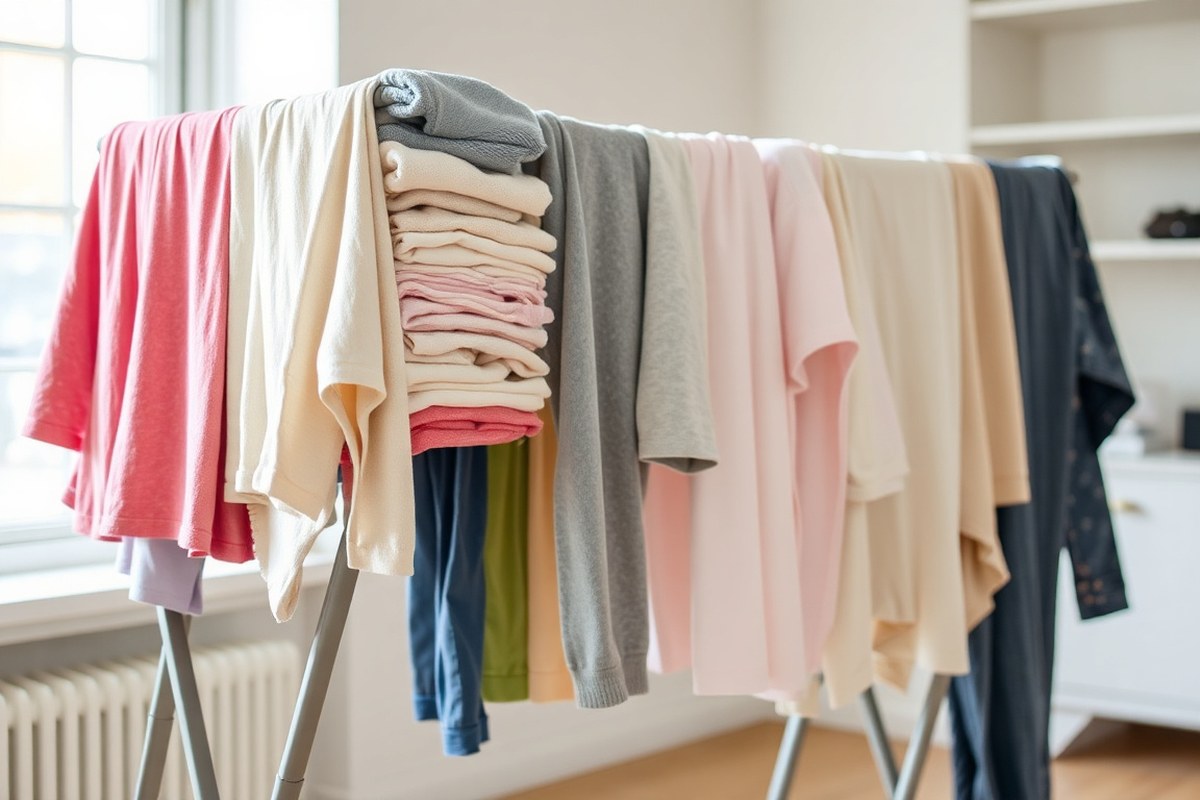
Air drying indoors typically requires much more time. Lightweight cotton T-shirts may take 4 to 8 hours, while jeans often need 12 to 24 hours. Thick towels and bedding can take anywhere from 12 to 48 hours to fully dry inside, especially if the air circulation is limited. Hanging clothes in a dry, breezy spot indoors shortens drying times but still demands patience with heavier fabrics.
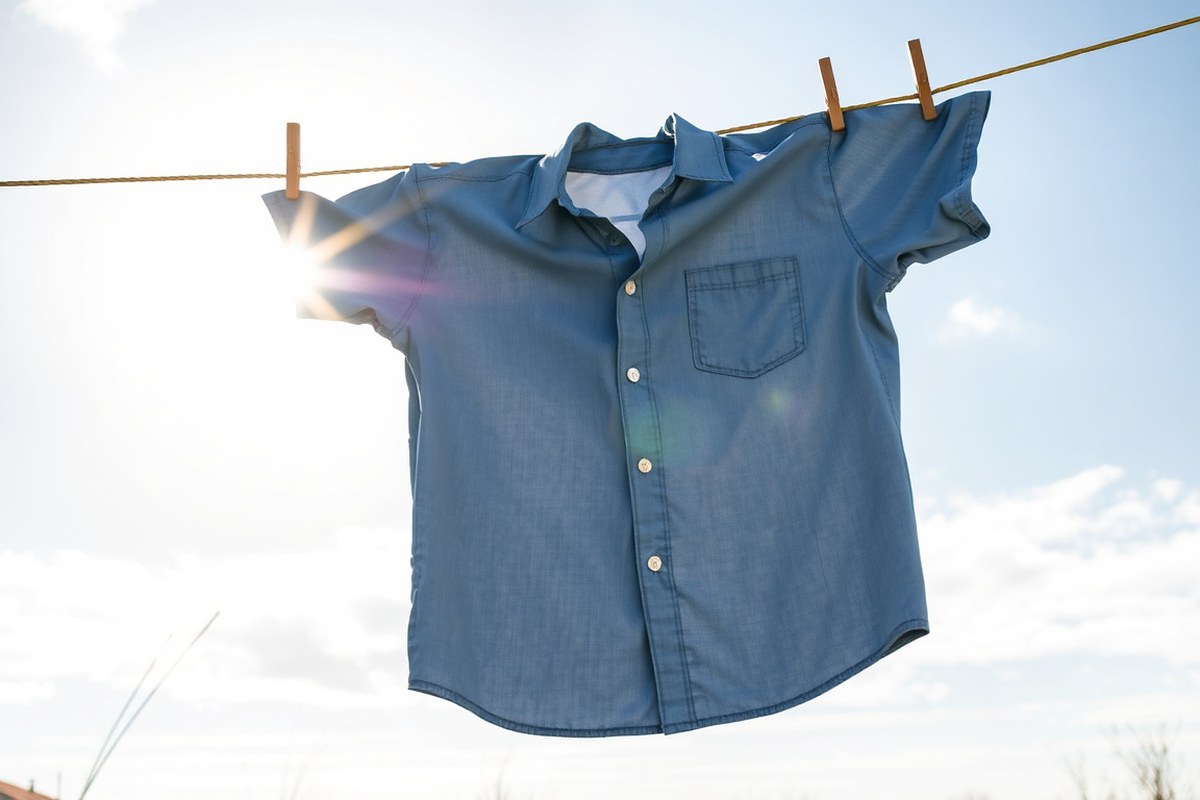
Outdoor drying times vary widely with weather and fabric type. On a sunny, breezy day, clothes can dry in 1 to 3 hours, sometimes even as fast as 30 minutes for lightweight cottons in summer climates like Western Australia. Cloudy or cooler days stretch drying to 3 to 6 hours, while cool but windy conditions might extend it from 6 to 12 hours. Seasonal shifts impact drying speeds: summer offers the shortest times, potentially under 2 hours, while winter drying may take all day or need a finishing cycle in the dryer to remove dampness.
Laundromat dryers also show variation, typically running cycles from 20 to 60 minutes depending on fabric type and load. High-heat commercial machines often dry clothes faster but be mindful lighter or delicate fabrics require gentler care to avoid damage. Using the dryer efficiently means sorting by fabric weight and moisture level, choosing appropriate heat settings, and not overloading the drum, which can increase drying time.
Thick fabrics like denim and towels take the longest, whether drying indoors or in machines. While towels indoors with heating can dry in roughly 8 to 16 hours, denim may require 8 to 12 hours. For those relying on air drying, planning ahead is essential to avoid staying damp for too long, which can lead to musty smells or mildew. Combining air drying on sunny days with a brief dryer finish cycle works well for heavier items.
What Factors Affect How Quickly Clothes Dry?
How quickly clothes dry depends mainly on environmental conditions like humidity, wind, and temperature, as well as the fabric type and how wet the clothes are. These factors control how fast moisture evaporates from your laundry, helping you predict drying times for different situations.
Environmental Conditions: Wind, Humidity, and Temperature
Wind circulation is one of the most important environmental factors for drying clothes. A steady breeze moves moisture away from the fabric, speeding up evaporation. Even on a cool day, clothes will dry faster if there is good airflow compared to warm air that is still and humid.
Humidity controls how much moisture the air can absorb. When humidity is high, the air holds more moisture and slows evaporation, causing clothes to dry slower. Low humidity helps water evaporate quickly. For example, on a clear, breezy day with 30% humidity, clothes can dry outdoors in 1 to 2 hours, whereas on a hot, humid day of 80% humidity, drying can easily take 4 hours or more.
Temperature matters less than wind and humidity but still plays a role. Higher temperatures speed evaporation, but warm, humid air can still slow drying. Direct sunlight can help heat the fabric, but it is airflow and low humidity that make the biggest difference in drying speed outdoors.
Fabric Type and Thickness
Fabric materials vary widely in how quickly they release moisture. Lightweight fabrics like cotton T-shirts or synthetic blends dry in about 1 to 2 hours under ideal conditions. Thick fabrics such as towels, denim, or heavy sweatshirts can take 4 to 6 hours or longer because they hold more water and dry from the outside inward more slowly.
Natural fibers like cotton absorb more water initially, so they may feel wetter going onto the line but often dry faster than heavier synthetics once moisture starts evaporating. Synthetics can dry quickly but tend to trap moisture if densely woven.
Level of Wetness Before Drying
The amount of water in clothes when you hang them greatly affects drying time. Clothes spun at higher washing machine speeds (1,200 to 1,500 rpm) come out less wet, cutting drying time by half compared to those spun at lower speeds (600 rpm). For example, a cotton shirt spun at high speed might take 1 to 2 hours to dry outdoors, but without sufficient spinning, it could require 3 to 4 hours. Less wet clothes also reduce the likelihood of musty smells developing during drying because moisture evaporates faster.
Practical Steps to Maximize Drying Speed
The following lists actions that help clothes dry faster by optimizing environmental and fabric-related factors:
- Dry clothes on a line or rack with good wind circulation
- Choose a sunny, low-humidity day, ideally with some breeze
- Use the highest spin speed your washer allows without risking fabric damage
- Hang lightweight fabrics separately from heavy or thick ones
- Avoid overcrowding your drying rack or line to improve airflow
- If drying indoors, position clothes near a fan or open window for airflow
- Remove clothes from the washer promptly to prevent excess moisture absorption
Monitor weather conditions before planning outdoor drying, aiming for breezy days with less than 60% humidity for the fastest results.
Indoor Drying Variables
When drying indoors, airflow and room humidity matter a lot. Without good ventilation, drying can take anywhere from 4 to 24 hours depending on fabric thickness. Using a fan or dehumidifier noticeably speeds this process by reducing indoor humidity and moving moist air away from the clothes. Thinner fabrics may dry overnight indoors if airflow is good, while heavy fabrics might remain damp for a day or longer.
Typical Drying Times for Different Methods and Fabrics
Drying times vary depending on whether you use a machine or air dry your clothes, the fabric type, and the environment. Machine drying generally takes between 30 minutes to 3 hours, while air drying indoors or outdoors can take several hours to more than a day. Knowing how these factors interact can help you plan laundry efficiently.
Dryer Cycle Times by Fabric Type
Different types of dryers and fabric materials affect drying times significantly. Heat pump dryers usually take between 60 and 120 minutes, condenser dryers run from 45 to 90 minutes, and vented dryers can dry clothes in 30 to 60 minutes. Washer dryer combos tend to take longer, around 90 to 180 minutes.
The exact time depends on the fabric too. Lightweight items like t-shirts or blouses dry faster, while heavy items such as comforters or denim can extend cycle times by 30 to 60 minutes or more. Machine settings like temperature and load size also influence drying duration.
| Dryer Type | Typical Drying Time |
|---|---|
| Heat Pump Dryer | 60 to 120 minutes |
| Condenser Dryer | 45 to 90 minutes |
| Vented Dryer | 30 to 60 minutes |
| Washer Dryer Combo | 90 to 180 minutes |
Selecting the right dryer and fabric care setting helps avoid over-drying or leaving clothes damp. Overloading the machine can also increase drying times and wear on fabrics.
Air Drying Durations Indoors vs Outdoors
Air drying clothes outdoors typically speeds up the drying process because sun, wind, and low humidity work together to evaporate moisture faster. On a sunny day, lightweight garments can dry in 2 to 4 hours outside. Heavier fabrics may take 6 to 12 hours, sometimes needing overnight drying.
Indoor air drying takes longer, often 12 to 24 hours or more, depending on room temperature and airflow. Using a rotary line dryer inside can help by making clothes easier to access and spread out more evenly. Lack of direct sunlight and limited ventilation slows evaporation indoors.
Choosing between indoor and outdoor drying depends on weather conditions and space. In humid or cold weather, indoor drying may be necessary but expect longer times. Outdoors in summer, drying is much quicker and reduces machine use.
Effects of Fabric Weight on Drying Speed
Fabric weight directly impacts how fast clothes dry by air or machine. Lightweight fabrics like polyester and cotton t-shirts shed moisture faster, cutting drying time in half compared to heavy fabrics. Heavy items such as denim jeans, thick towels, or comforters hold more water and take longer to dry.
For example, a cotton t-shirt may dry in 30 minutes in a vented dryer but a heavy comforter might need 90 minutes or more. Air drying a thin blouse could take around 4 hours outside, while a thick sweater might take 12 hours or longer.
To optimize drying times, separating loads by fabric weight helps. Drying heavy and light items separately prevents overdrying thin fabrics and underdrying thick items.
How Do Seasonal and Weather Changes Impact Drying Times?
Drying clothes takes longer during winter and on humid days largely because of lower temperatures and higher moisture levels in the air. Cold air holds less moisture, which slows evaporation from your fabric. Also, shorter daylight hours reduce how long your clothes get exposed to heat and low humidity. For example, summer drying in warm, dry weather can take as little as 30 minutes, while winter or humid days can stretch drying times into several hours or even a full day.
In practical terms, during colder months or on humid days, expect outdoor air-drying to require much more time. Clothes may remain damp overnight, so it’s wise to hang laundry early in the day to make the most of any sunlight or breezes available. Because winter sun is weaker and less consistent, letting laundry sit out for a few hours in the morning after overnight drying improves chances clothes will be fully dry.
When air drying indoors in cold weather, moisture doesn’t evaporate as quickly, which can lead to longer drying times and a damp indoor environment if ventilation is poor. To help clothes dry inside, place the drying rack in a warm room near a heat source or in direct sunlight from windows. Running a dehumidifier or opening windows periodically reduces indoor humidity, preventing musty smells and fabric stiffness, which is common when clothes dry slowly in cooler air.
Adapting your drying routine by season means planning for the weather conditions. In winter, reduce reliance on outdoor drying and use high-quality indoor drying racks that hold heavier loads securely, as windy or wet weather can damage laundry setups. Energy-efficient dryers or drying on racks near heaters can supplement air drying to avoid damp clothes. In humid climates, even summer air drying can take longer; using fans or placing clothes in areas with good airflow will speed drying without relying on more energy.
Be aware that cold-dried clothes often feel stiffer than those dried in warm sunshine. You can soften them by tossing damp clothes in the dryer for a few minutes or by using fabric softener in your wash cycle. Avoiding drying clothes outdoors on very humid or rainy days prevents long drying times and smell issues. Overall, knowing your local seasonal weather patterns and adjusting your drying methods accordingly helps you keep laundry dry on your schedule without extra costs or wasted effort.
How Long Do Laundromat Dryers Take Compared to Home Machines?
Laundromat dryers tend to dry clothes faster than home dryers thanks to their larger capacity and higher heat output. Most laundromat machines complete standard drying cycles within 30 to 45 minutes, whereas home dryers usually take 45 to 90 minutes for similar loads. This difference matters if you need quick turnaround times or have bulky bedding to dry.
At laundromats, you’ll find machines designed for heavier loads and commercial use. Large items like comforters can take around three hours to dry fully, even there. Many laundromats also offer various cycle options, including high-temperature and quick-dry cycles. These options provide flexibility depending on your laundry needs, but using higher heat settings may increase energy use and slightly wear out fabrics faster. To optimize drying times at the laundromat, consider these approaches:
- Separate heavy and light fabrics to avoid over-drying lightweight items.
- Add a dry towel to the load for the first 15 minutes to absorb extra moisture quickly.
- Choose the quick-dry cycle for small loads to save time.
- Clean the lint trap before starting to ensure maximum airflow and efficiency.
- Remove clothes promptly when the cycle ends to prevent wrinkles and damp spots.
Using these strategies helps get the most out of laundromat dryers and avoids longer waits. Laundromat machines generally use more energy than home dryers, but their efficiency on larger loads can offset this cost if you dry big items occasionally.
Keep in mind that temperature and humidity levels also affect drying speed at the laundromat just like at home. Dry heat areas will see better results than humid coastal or tropical climates. Also, if you use high-efficiency heat pump dryers at home, drying times might be closer to laundromat speeds, though typically slower due to lower heat output.
Adding a dry towel to your laundromat drying load can cut drying time by soaking up excess moisture early in the cycle.
Smart Steps to Speed Up Drying Time Effectively
Speeding up drying time comes down to preparing your clothes and using the right techniques and dryer settings. Start by removing as much moisture as possible before drying, space out items properly when air drying, and choose dryer settings that balance heat and time without damaging fabric.
Preparation Before Drying
Removing excess water from clothes before drying greatly reduces drying time. Adding a dry towel into the dryer with damp clothes helps absorb moisture and shortens the cycle. Cleaning your dryer’s lint trap and vents improves airflow, letting heat circulate efficiently. Here are steps to get your clothes ready for faster drying:
- Run an extra spin cycle in your washer to squeeze out more water, especially for heavier fabrics like towels or jeans.
- Remove clothes promptly from the washer to prevent reabsorption of moisture.
- Add a clean, dry bath towel to your dryer load to absorb excess moisture and speed drying.
- Check and clean your dryer’s lint trap to ensure proper airflow for efficient drying.
- Inspect and clean the dryer vent system regularly to avoid blockages that slow drying times.
- Separate heavy items from light fabrics to avoid overloading and uneven drying.
Hanging Techniques for Air Drying
Proper hanging boosts airflow and speeds drying significantly. Give each piece enough space to allow air to circulate. Avoid bunching or overlapping clothes, which trap moisture and extend drying time. Hanging clothes on hangers is fine, but using clothespins on a line or rack keeps them stretched out and exposed.
Position your clothesline or drying rack in a well-ventilated area, ideally near a fan or heating source. Using a heated towel rack or placing racks close to room heaters in cooler months helps finish drying indoors after outdoor drying.
Using Dryer Features Wisely
Choosing the right dryer settings cuts drying time without wearing out your clothes. Use medium to high heat for cottons but opt for lower heat settings on delicate fabrics to prevent damage. Sensor drying cycles detect moisture and stop the machine when clothes are dry, saving energy and reducing overdrying.
Some dryers offer “quick dry” or timed dry options that reduce drying time for smaller loads. Avoid overloading your dryer since clothes need room to tumble and expose all fabric surfaces to heat and air.
Common Reasons Clothes Take Longer to Dry and Fixes
A dryer taking longer than usual to dry clothes often points to a few common issues you can check and fix yourself. A clogged lint filter is one of the top reasons for extended drying times. When lint builds up, it restricts airflow, making your dryer work harder and longer. Make a habit of cleaning the lint filter before every load by removing lint with your hand or a vacuum. This simple step usually improves drying speed and heat efficiency at no cost.
Overloading the dryer also increases drying time significantly. Clothes packed tightly prevent air from circulating properly, so they stay damp longer. Try reducing the load size to about two-thirds of the drum capacity. A lighter load allows hot air to move around more freely, cutting drying times and energy usage.
Other common mistakes include mixing heavy and light fabrics in the same load. Thick items like towels or jeans take longer to dry than thinner clothes. Sorting loads by fabric type helps ensure all items dry evenly and prevents the dryer from running longer than necessary for delicate items. For example, dry towels separately and remove them as soon as they’re dry to avoid overdrying lighter pieces.
- Clean the lint filter thoroughly before every load
- Check and clean the dryer vent hose annually to ensure proper airflow
- Avoid overloading; fill the drum no more than two-thirds full
- Sort loads by fabric weight and thickness
- Use the appropriate heat setting for the fabric type
- Shake out clothes before drying to reduce clumping
- Consider drying heavier items separately
A clogged dryer vent outside the house also causes longer drying times and presents a fire hazard. Over months or years, lint can accumulate inside the vent pipe and restrict airflow. Inspect this vent yearly and clear any blockages by disconnecting the duct and using a vent cleaning brush or hiring a professional. This typically costs $100 to $150 if done by a service but can save energy and improve dryer performance.
Choosing the wrong drying cycle can also add to drying time. Using a lower heat setting often increases drying time while consuming more energy. Check the garment labels and select temperature settings that match their care instructions. High heat for heavy cottons and medium or low for synthetics and delicates helps balance drying speed with fabric care.
When to Choose Air Drying or Machine Drying
Choosing between air drying and machine drying depends mostly on what fabric you’re drying, how much time you have, and your preference on energy use and care. For delicate fabrics like silk or lace, air drying is usually better. These fabrics can dry in as little as 15 to 30 minutes when hung in a warm, dry spot, which helps prevent shrinkage and fabric damage caused by heat. Avoid machine drying delicate items to maintain their shape and texture.
Machine drying saves time and effort when you need clothes dried quickly. Heavier fabrics such as jeans, towels, or thick cotton shirts often take 1 to 2 hours in a dryer, while air drying may take up to four hours or more, depending on conditions. Using a dryer is helpful after a busy day or when weather conditions are unsuitable for air drying. However, machine drying uses electricity, which could add to your energy bills and wear down your clothes faster due to heat exposure.
Balancing drying speed with fabric care involves assessing your priorities. If you want to protect fabric quality and reduce energy use, air drying is the way to go, especially on a sunny or breezy day. You’ll avoid electricity costs entirely, although it takes longer, usually around four hours for most fabrics in a good environment. For cottons and heavier fabrics, expect that time to increase, particularly in humid or colder weather.
To decide which method to use, try this rule: for delicate items or lightly soiled garments, opt for air drying, especially if you can hang them outdoors in sunlight or near a fan indoors. For heavy or thick fabrics, or when you need clothes dry within a couple of hours, machine dry on a moderate heat setting. Always check fabric care labels, which often recommend drying methods.
Look out for signs that drying is not done correctly: clothes that feel damp after machine drying may mean the dryer is overloaded or settings aren’t right, and clothes air dried indoors in poor airflow can smell musty. Using dryer balls or clean towels in the dryer can speed up drying and reduce static. Good airflow and sunlight speed up air drying and keep clothes fresh.
Use your nose and sense of touch to check dryness; damp clothes left too long in a dryer or indoors can develop mold or fabric damage.
Step-by-Step Action Plan to Dry Clothes Faster
Follow these steps to reduce your drying time and keep your clothes fresh and ready to wear.
- Before you start: Sort clothes by fabric type and weight to optimize drying time and avoid overdrying delicate items.
- Right after washing: Use a high spin speed in your washing machine to remove as much water as possible, cutting drying time significantly.
- Within the first hour of drying: If air drying, hang clothes in a well-ventilated, sunny area to speed evaporation. For machine drying, clean the lint filter to maintain airflow efficiency.
- Mid-dry cycle check: For machine drying, pause to separate any items that clump together, then restart to ensure even drying.
- After drying: Remove clothes promptly to prevent wrinkles and use dryer balls or clean tennis balls in machine drying to improve air circulation.
- Weekly routine: Inspect and clean your dryer vent and ducts to prevent blockages that slow drying and can pose fire risks.
Frequently Asked Questions
Is 20 Minutes Enough to Dry Clothes?
Twenty minutes is usually not enough to dry most clothes, except very light or thin fabrics in a high-heat dryer setting. For typical loads, drying usually takes between 30 to 90 minutes depending on fabric and dryer efficiency.
How Long Does It Take to Dry Really Wet Clothes?
Really wet clothes can take between 60 and 120 minutes in a dryer or several hours if air drying indoors. Using a higher spin cycle in the washer before drying reduces overall drying time.
Can Clothes Air Dry in 2 Hours?
Clothes can air dry in 2 hours only if they are lightweight and conditions are warm and breezy. Heavy fabrics or humid weather usually require much longer, often 5 to 6 hours or more in winter.
Can a Dryer Dry Clothes in 30 Minutes?
Some condenser dryers can dry a load in 30 to 60 minutes, especially with light fabrics. Most traditional dryers need around 45 minutes or more depending on load size and fabric types.
Do Thicker Fabrics Like Towels Always Take Longer to Dry?
Yes, thick fabrics like towels retain more water and can take double the drying time compared to thin garments. Using a dryer with multiple cycles or additional drying time helps ensure they dry thoroughly.
Does Folding Clothes Immediately After Drying Reduce Wrinkles?
Folding clothes right after drying helps reduce wrinkles and makes ironing easier. Allowing them to cool briefly before folding improves the finish.
Final Thoughts
Knowing how long clothes take to dry depends on your chosen method, fabric, and environment. Control these factors wherever possible to save time and protect your clothing. Try adjusting your drying process today by using a higher spin speed during washing to see immediate improvement.