How Long Is a Normal Wash Cycle? Complete Guide with Timing and Tips
A normal wash cycle typically lasts between 45 and 90 minutes, depending on your machine and settings. This timing balances thorough cleaning with an efficient use of water and energy. Knowing how long is a normal wash cycle helps you plan your laundry and decide when to choose faster or heavier options.
This information is useful for anyone managing household laundry who wants to understand cycle durations and make informed choices. You’ll find practical details on cycle lengths, factors affecting time, and ways to optimize washing without shortening cleaning performance.
Key Takeaways
- Most normal wash cycles take between 45 and 90 minutes to complete.
- Quick wash cycles usually finish in 15 to 40 minutes, saving you 20 to 30 minutes.
- Pre-treat stains to avoid heavy-duty cycles and reduce total wash time by 30+ minutes.
- Bulky items like bedding can extend the normal cycle to 70, 120 minutes.
- Load balancing before spinning can add 10 to 15 minutes to a 30-minute cycle.
- Cold water washes with colors generally take 45 to 60 minutes on normal settings.
How Long Does a Normal Wash Cycle Typically Take?
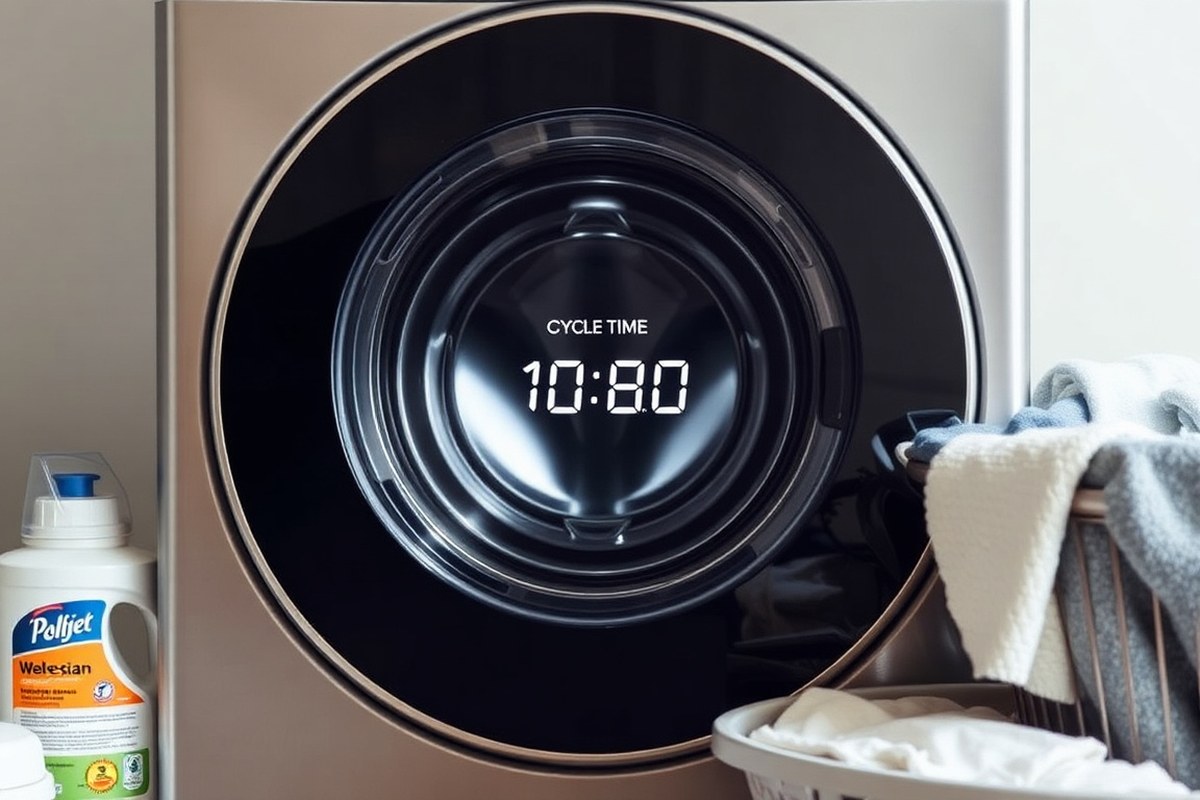
A normal wash cycle on most household washing machines generally lasts between 45 and 90 minutes. This range reflects the cycle’s balance of thorough cleaning with moderate water and energy use. Typical top-loading and front-loading machines from common brands like Whirlpool, LG, and Samsung often have their standard “normal” cycles fall within this timeframe. The exact duration depends on settings such as water temperature, soil level, and load size programmed by the machine or selected by you.
In many machines, the average normal cycle runs about 60 minutes. This includes time for washing, rinsing, and spinning. The wash portion itself usually takes 30 to 45 minutes and is designed to agitate clothes long enough to remove everyday dirt and stains without over-wearing fabrics. Following the wash phase, rinsing and spinning typically add another 15 to 30 minutes, depending on load balance and spin speed options you choose.
Some newer models with advanced sensors might adjust the cycle length automatically based on load weight and soil levels detected. This often means the cycle can be shorter or longer within the typical range. For example, a small, lightly soiled load may finish closer to 45 minutes, while a full, heavily soiled load could approach 90 minutes. Such adjustments optimize water and energy use while ensuring good cleaning results without unnecessary wear on clothes or the machine.
Temperature settings also affect duration. Warm or hot washes can take longer because the machine must fill and maintain higher water temperatures. Cold wash options may shorten cycle times slightly, but this varies by machine. Brands often list the expected cycle duration in the user manual or on the control panel, but it is common for the displayed time to change after the cycle starts due to sensor input and load balancing.
Understanding the typical length of a normal cycle helps with planning laundry tasks around your day. You’ll know approximately how long your washing machine will take and can decide if a quicker cycle might suffice for lightly soiled clothes. Normal cycles provide the best mix of cleaning effectiveness and fabric care without the extended run times of heavy-duty cycles or the reduced thoroughness of quick washes.
What Factors Affect Normal Wash Cycle Length?
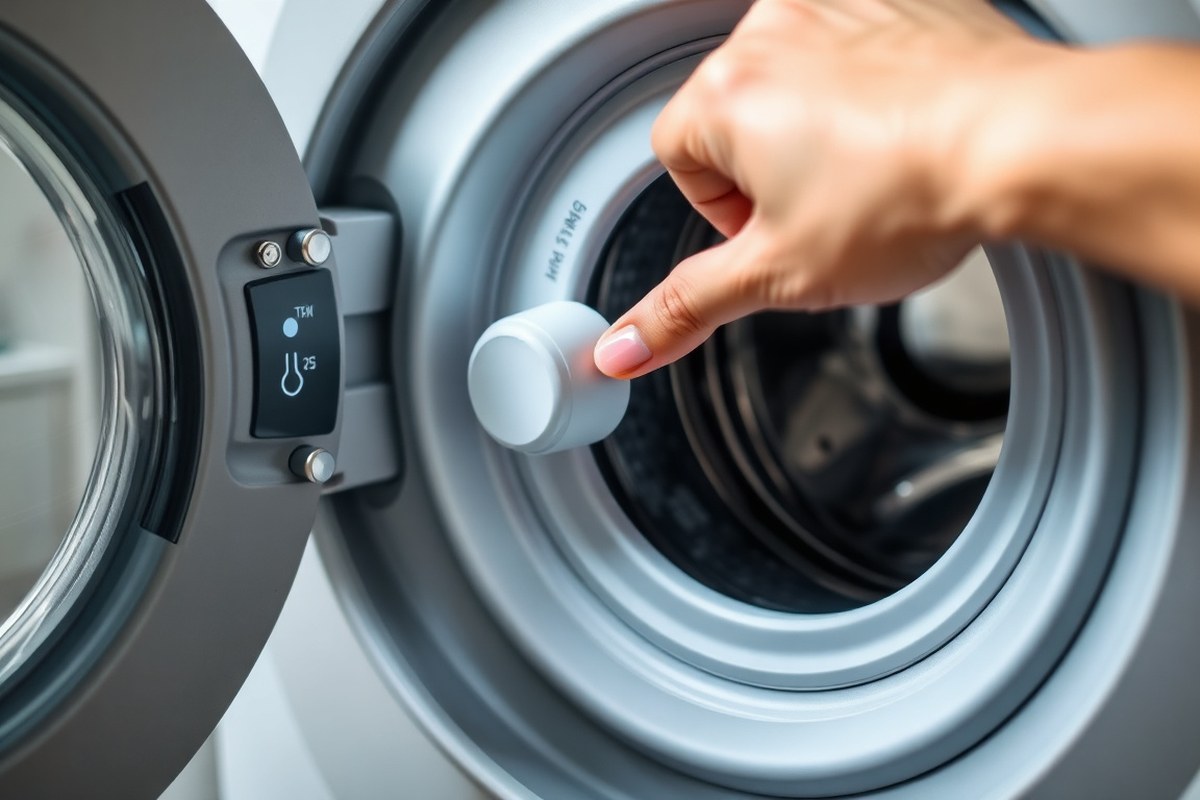
The length of a normal wash cycle depends on several factors, including load size, soil level sensors, water temperature, and the washing machine model. These elements determine how long the machine works to clean your laundry thoroughly while balancing water and energy use. Knowing how these factors affect cycle time can help you manage your laundry schedule more effectively.
Load Size and Its Impact on Cycle Duration
The size of the load plays a direct role in how long a normal wash cycle takes. Larger loads typically require more water and longer agitation to ensure detergent and water reach all fabric areas. Some modern washers sense the load size and adjust the cycle length accordingly to optimize cleaning without wasting resources. Loading the drum too full can cause the machine to add extra time to rebalance the load or lengthen the washing cycle to keep cleaning effective.
Overloading the washer can lower cleaning quality because tightly packed clothes prevent the wash action from reaching all fabric areas. For instance, a machine sensing an unbalanced or large load might lengthen agitation or spin stages, increasing the overall cycle time. Loading the drum with enough space for clothes to move improves washing results and helps keep cycle times stable.
Soil Level Sensors and Adaptive Timing
Many newer washing machines include soil level sensors that detect the amount of dirt and detergent residue in the wash water. These sensors let the machine adjust the cycle length dynamically, increasing wash or rinse time if the water remains dirty after initial cycles. This adaptive timing ensures clothes come out cleaner but can cause the cycle to run longer than the standard time.
For example, if you load heavily soiled work clothes, the machine might automatically add extra rinses or agitation to remove all dirt. In contrast, lightly worn or lightly soiled items could pass through a shorter wash phase. This automatic adjustment helps conserve water and energy when possible while providing a thorough clean when needed.
Water Temperature Effects on Cycle Length
Normal wash cycles typically use warm or cold water, which influences both cleaning effectiveness and cycle duration. Heating water takes extra time and energy, so cycles using warm or hot water usually run longer than cold water washes. Machines that rely on an internal heater might add several minutes for water to reach the desired temperature before agitation begins.
Cold water washes skip this heating step, reducing cycle times but potentially sacrificing removal of heavy soils or greasy stains. Warm water improves detergent activation and stain removal, especially for cotton or mixed fabric loads. When you choose a normal cycle with warm water, expect the machine to allocate additional time to reach and maintain that temperature, possibly lengthening the wash phase by 5 to 15 minutes compared to cold cycles.
Machine Technology and Cycle Adjustments
High-efficiency (HE) washers and models with smart sensors adjust wash cycle length based on multiple factors such as load balance, water level, and fabric type. HE machines use less water and energy, relying on precise sensor input to avoid unnecessary wash time. These washers often report a remaining cycle time that updates dynamically, accounting for real-time load conditions.
Smart sensors can shorten or extend agitation, rinsing, and spinning times automatically without user input. For instance, if a sensor detects that the load is balanced and clothes are already clean, it may reduce spin time to prevent fabric damage and save energy. Conversely, uneven loads or extra dirty clothing trigger longer cycles. This technology reduces guesswork and helps you get the optimal clean without excessive washing time.
Check your washing machine’s display regularly, as many models show updated remaining cycle times based on sensor adjustments, helping you plan your laundry more precisely.
Comparing Normal, Quick, and Heavy-Duty Wash Cycles
Normal, quick, and heavy-duty wash cycles each serve different laundry needs, primarily affecting the duration, energy use, and suitability for fabric types or soil levels. The normal cycle offers a balanced approach with moderate agitation and spin speeds to clean everyday heavily soiled clothes efficiently. In contrast, quick cycles prioritize speed, ideal for lightly soiled clothes you need quickly cleaned but typically use shorter agitation and spin time. Heavy-duty cycles extend both wash and rinse intervals and increase agitation to tackle tough stains on durable fabrics, resulting in much longer cycle times and higher energy use.
Choosing between these cycles depends on your laundry load and how soiled your clothes are. The normal cycle usually lasts between 35 to 45 minutes and is designed for mixed fabric types with typical soil levels. It uses moderate water temperatures around 40-60°F (warm) and balanced agitation and spin speeds to preserve fabric quality while ensuring good cleaning performance. Quick wash cycles can last as little as 15 minutes on some high-efficiency models but may compromise thoroughness on dirtier items. Heavy-duty cycles can run for an hour or more due to longer washing phases and stronger agitation.
| Cycle Type | Purpose | Typical Duration | Load Suitability | Agitation & Spin | Energy Use |
|---|---|---|---|---|---|
| Normal | Everyday laundry with moderate soil | 35, 45 minutes | Mixed fabrics, typical dirt | Moderate agitation and spin speed | Balanced energy consumption |
| Quick | Lightly soiled clothes needing fast cleaning | 15, 30 minutes | Light fabrics, gym wear, one-time wear | Lower agitation and shorter spin | Lower energy per cycle, but varies |
| Heavy-Duty | Heavily soiled, tough stains, durable fabrics | 60+ minutes | Work clothes, heavily stained cottons | Higher agitation and spin speeds | Higher energy consumption |
Using the normal cycle offers a good compromise for regular laundry loads, balancing cleaning effectiveness and energy use. Avoid quick cycles for bulky or heavily soiled fabrics to ensure proper cleaning. Heavy-duty cycles require more water and power, so save them for the dirtiest loads to avoid unnecessary energy waste. Adjust agitation and spin speeds in these cycles to protect fabric integrity or improve stain removal depending on your laundry’s specific needs.
How to Optimize Normal Cycle Time Without Sacrificing Cleanliness
Optimizing the normal wash cycle time without losing cleaning power is all about preparing your laundry well and adjusting settings carefully. Small steps before and during the wash can shave off minutes while keeping clothes fresh and clean.
Pre-Sorting and Stain Treatment
Sorting laundry by fabric type and soil level helps the machine work more efficiently. Washing similar fabrics together improves washing action and reduces the need for extra rinses or extended cycles. Treating visible stains before loading prevents repeated washing attempts.
Use a stain remover or gentle detergent on spots and let it sit for about 5 to 10 minutes before placing items in the washer. This preparation means the normal cycle can focus on overall washing instead of tackling tough stains, which otherwise may require longer or additional cycles.
Load Size and Distribution Management
Keep loads at a medium size, typically around 6 to 7 pounds of laundry per regular washer capacity, to balance thorough cleaning and speed. Overloading your machine results in longer cycle times as the washer struggles to clean and rinse clothing evenly. Underloading wastes water and energy but doesn’t affect cycle length as much.
Make sure to distribute the load evenly inside the drum. Uneven loads cause the washer to slow down agitation and spinning phases, extending the wash time.
Choosing the Right Settings
Select a normal cycle setting that matches your laundry type. For example, using cold water wash settings typically takes 45 to 60 minutes and saves energy, but it works best with lightly soiled clothes. For dirtier loads, warm water with a standard soak time will improve cleaning.
Reducing the cycle’s soil level or choosing shorter soak times and fewer rinse options can trim minutes without compromising cleanliness for many everyday loads. Avoid adding extra rinse cycles unless you have sensitive skin concerns or heavy detergent residues.
Checklist for Optimizing Normal Cycle Time
Follow this checklist before starting the normal wash to keep cycle times efficient:
- Sort clothes by fabric type and soil level
- Pre-treat stains and let them sit for 5, 10 minutes
- Load medium-sized loads (about 6, 7 pounds)
- Distribute laundry evenly inside the drum
- Choose cold or warm water based on soil level
- Adjust soil settings to match dirtiness
- Skip extra rinse cycles unless necessary
Following these steps typically keeps wash times within about 45 to 60 minutes while maintaining good cleaning quality.
Tips for Maintaining Washing Machine Efficiency
Regular washer maintenance also reduces cycle time over the long run. Clean detergent dispensers and run a monthly cleaning cycle to avoid buildup that can prolong rinsing and spinning phases. Using the recommended amount of detergent prevents excess suds that extend cycle duration.
Keep water temperature settings aligned with garment care labels and wash schedules. Using colder water settings reduces cycle length and energy cost but may require a bit more detergent or pre-treatment for heavier soils.
Common Causes for Extended or Unexpected Normal Cycle Times
A normal wash cycle may take longer than expected due to several common issues related to load size, water supply, and machine settings. Overloading the washer can cause the appliance to extend the cycle as it senses excessive soil or imbalance in the load, trying to compensate with longer wash or spin times. Clothes packed too tightly can also force the machine to slow down agitation or spinning to avoid damage.
Water pressure and temperature also influence cycle duration. If your water pressure is low, the washer may pause or extend the fill time before starting agitation. Hot water cycles tend to run longer because the machine either needs extra time heating water internally or waits for hot water to reach the machine from your home’s plumbing. Eco-friendly or energy-saving modes generally use lower temperatures and extend wash time to reduce energy use, which can cause longer cycle times even on normal settings.
Unexpected odors, detergent residue, or dirt on clothes after a normal cycle might prompt you to run longer cycles. Instead of simply adding more detergent, switching to a longer cycle can improve cleaning results while avoiding buildup that might harm the fabric or your machine.
- Check and reduce load size to prevent overload and balance issues.
- Ensure water supply pressure meets your washer’s requirements, usually above 20 psi.
- Avoid frequent use of hot water cycles unless necessary to reduce run time.
- Clean detergent dispensers and run maintenance cycles to prevent residue buildup.
- Review and adjust settings to disable energy-saving modes if quick wash times are preferred.
- Distribute clothes evenly in the drum to prevent slow spins and extended cycles.
Consistently long cycles might indicate an internal problem; consider contacting a licensed professional if adjustments don’t help.
Regularly monitoring these factors helps maintain expected wash times and prevents unexpected delays. Taking action on these points can reduce wear on your machine and improve the washing experience without sacrificing cleaning quality.
Load Size and Fabric Types Best Suited for Normal Cycles
The normal cycle works well for everyday clothing made of medium-weight fabrics like cotton, polyester blends, and casual wear. This cycle is designed to clean moderately soiled items by combining sufficient agitation with a standard wash time, typically around 30 to 40 minutes. Normal cycles use moderate water temperatures, often warm, which helps remove common dirt without damaging most fabrics.
Bulky items such as heavy winter coats, comforters, or large towels can increase normal cycle time or strain the washer’s performance. These thick or heavy items take longer to get fully clean and may absorb more water, making the machine work harder during the spin cycle. Overloading your washer with bulky items on a normal cycle can lead to uneven washing, longer drying times, and potential fabric wear from excessive tumbling. For large loads like bedding, turning to cycles specifically designed for bulky items often yields better results with less wear and tear.
Taking fabric care into account is important when choosing the normal cycle. Delicate fabrics, activewear with moisture-wicking fibers, or heavily stained work clothes may not respond well to a standard wash. Some fabrics require gentler agitation or cooler water to avoid shrinking, stretching, or color fading. Heavily soiled clothes, such as muddy workwear, benefit from the longer wash times and stronger action of the normal cycle, but delicate garments should be washed on a gentler cycle to protect their fibers.
- Use normal cycle for everyday clothes made of cotton, polyester blends, and moderately soiled items
- Avoid normal cycle for bulky items like comforters or winter coats to prevent extended wear and longer drying
- Select gentler cycles for delicates or moisture-wicking activewear to reduce fabric damage
- Heavily stained or muddy clothes clean best on normal cycle due to longer agitation and wash times
- Do not overload the washer on normal cycle; separate bulky items for balanced cleaning and spinning
For best results, separate your laundry into loads of similar fabric types and soil levels before selecting the normal cycle. If you wash mixed loads that include bulky towels alongside lighter garments, expect the cycle duration to increase and the wash quality to drop. Also, closely follow garment care labels to avoid shrinkage or damage, especially when washing items that require cooler water or delicate handling. Choosing the right cycle based on fabric and load size promotes longer clothing life and more efficient laundry.
How Washing Machine Features Impact Normal Cycle Duration
High-efficiency (HE) washing machines significantly alter the typical duration of a normal wash cycle by using less water and more advanced mechanical action. These machines rely on tumbling rather than a traditional agitator, which reduces water use by up to 50 percent compared to older models. Because they operate with less water, HE washers often run longer cycles to maintain proper soil removal; cycle durations of 45 to 75 minutes for a normal wash are common. This longer time compensates for the gentler washing action and lower water levels, ensuring a thorough clean without wasting resources.
Soil sensors are another feature that adjusts wash cycle time dynamically. These sensors monitor how dirty the wash water gets during the cycle and inform the machine to extend or shorten the wash time accordingly. For example, if the water becomes heavily soiled early in the cycle, the machine may increase agitation time or rinse cycles to improve cleanliness. This automatic adjustment helps save water and energy by avoiding unnecessary washing if clothes aren’t heavily soiled, while still delivering satisfactory results when dirt levels are higher.
Auto-sensing technology takes this a step further by detecting load size and fabric type to optimize water use and cycle length. By weighing the clothes and analyzing their absorbency, the washer chooses the most efficient cycle parameters. A smaller or lighter load could reduce a normal cycle by 10 to 20 minutes, while heavier loads receive longer wash and rinse times to achieve the same cleanliness. This precision reduces waste and wear on your laundry, saving you money on utility bills and garment replacement over time.
Smart washing machines use connectivity and sensors to monitor the entire wash process, adjusting the normal cycle in real time based on factors like detergent concentration, water temperature, and even fabric movement. These machines can suggest the best cycle settings via smartphone apps and automatically troubleshoot common problems. However, smart tech can add cost to the washer purchase, often $200 to $500 more than basic models, and still depends heavily on sensor accuracy and home Wi-Fi stability.
Despite the dynamic timing changes with these features, normal cycles on HE and sensor-equipped washers often use significantly less water than traditional cycles, sometimes cutting water usage nearly in half. This reduction does not compromise cleaning quality but rather depends on targeted water and energy input tailored to each load. Not running the right cycle or ignoring sensor feedback can lead to longer cycle times without better results or increased water use, negating these benefits.
Adjusting your washer settings or selecting features based on load type and soil level, then letting sensors guide the cycle, helps achieve the best balance of time, cleanliness, and resource use. If your washer consistently experiences very long normal cycles, frequent stops, or error codes, considering professional repair services can prevent waste of time and resources and extend your machine’s lifespan.
Understanding Rinse and Spin Times Within a Full Normal Cycle
Rinse and spin stages make up a significant portion of a normal wash cycle. The rinse cycle removes detergent and dirt residues, while the spin cycle extracts water to speed up drying. Together, they typically add between 20 and 45 minutes to the total washing time, depending on the machine and cycle settings.
Typical Rinse Cycle Durations
The rinse stage usually lasts between 5 to 15 minutes within a normal cycle. During this phase, clean water flushes through the clothes to remove any remaining detergent and loosened dirt. Some washers include multiple rinse steps, increasing the overall time but improving detergent removal and fabric freshness.
Rinse times vary depending on selected cycle options like extra rinses or water temperature. Longer rinse cycles are more common in homes with sensitive skin concerns or hard water, as more thorough rinsing reduces detergent residue and mineral buildup.
Spin Cycle Times by Machine Type
Spin cycles vary between 5 and 20 minutes, depending primarily on machine type and selected spin speed. Front-load washers typically have longer spin times but operate at higher speeds, extracting more water and reducing drying time. Top-load models may spin more quickly but less efficiently, requiring more drying effort afterward.
Choosing a higher spin speed shortens laundry drying time but can increase wear on delicate fabrics. Some machines offer adjustable spin durations and speeds to balance water extraction with fabric care.
How Rinse and Spin Affect Total Cycle Time
The rinse and spin phases together contribute an average of 20 to 45 minutes to the total duration of a normal cycle. This time can grow when additional rinse stages or slower spin speeds are chosen. On energy use, longer rinse times and multiple rinses increase electricity and water consumption, especially with hot water rinses. The table below summarizes typical rinse and spin cycle durations to help set expectations for total wash times.
| Cycle Phase | Typical Duration | Notes |
|---|---|---|
| Rinse | 5, 15 minutes | May include multiple rinses for better detergent removal |
| Spin | 5, 20 minutes | Longer in front-load washers, varies by spin speed |
| Rinse & Spin combined | 15, 25 minutes | Common for a quick rinse & spin-only cycle with no detergent |
While rinse and spin stages typically use less water and energy than the wash stage, their extended times, especially with multiple rinses or slower spins, can noticeably affect cycle length and utility costs.
Tips to Speed Up Rinse and Spin Phases
To reduce rinse and spin times without sacrificing cleaning quality, avoid selecting extra rinse cycles unless necessary. Using cold water for rinsing can save energy compared to hot water rinses.
Choose spin speeds appropriate for your fabric type; a higher spin extracts more water faster but may damage delicate items. Some washers also offer a “fast spin” option to shorten this phase.
Tip: Running a separate rinse and spin cycle without detergent typically takes 15 to 25 minutes and can freshen clothes without a full wash.
Step-by-Step Action Plan to Master Your Normal Wash Cycle
Follow these steps to optimize how you use the normal wash cycle and keep your laundry clean and fresh without wasting time or energy.
- Before you start: Check the washing machine manual to identify the default duration of the normal cycle; knowing this baseline helps spot when a cycle is unusually long.
- Load preparation: Sort your laundry by fabric type and load size, aiming for medium loads with mixed fabric; this matches the normal cycle’s design and avoids overloading.
- Cycle selection: Choose the normal cycle for everyday clothes and moderate soil levels; test cycle time once to confirm it matches your expectations based on the manual.
- During the wash: Monitor water temperature and detergent quality; use recommended amounts and temperatures to avoid prolonged rinse or spin phases.
- After the cycle ends: Check for any remaining wetness or detergent residue to ensure wash effectiveness; adjust detergent type or amount if needed for next loads.
- Weekly maintenance: Clean the washer drum and dispensers to prevent buildup that can extend cycle times; note if cycle duration decreases after cleaning.
- Monthly review: Time your normal cycle regularly and note any changes; contact a professional if cycles extend without reason, as this may indicate a machine issue.
Frequently Asked Questions
Is 20 Minutes Enough to Wash Clothes?
Twenty minutes can clean lightly soiled clothes using a quick wash, but normal cycles usually take longer for thorough cleaning. Use a quick wash only for small, less dirty loads to save time without sacrificing cleanliness.
What Is Quick Wash in a Washing Machine?
A quick wash is a shorter cycle combining faster agitation and spin speeds to clean clothes faster than a regular cycle. It generally lasts 15 to 40 minutes and works best for lightly soiled items.
Why Is My Washing Machine Cycle Taking so Long?
Extended cycle times often result from sensor delays, large loads, or extra rinses, and sometimes from mechanical or software issues. If quick or normal cycles take unusually long regularly, consider professional service.
How Long Does the Quick Wash Cycle Take on a Whirlpool Washing Machine?
Whirlpool’s quick wash cycles typically last between 15 and 40 minutes, depending on the model and load size. Check your machine’s manual or display, as cycle times can adjust after starting.
Can Running Multiple Quick Washes Waste More Energy Than One Normal Cycle?
Running several quick wash cycles for small loads can use more water and energy than one full normal cycle. For resource efficiency, do one properly sized load on a normal cycle when possible.
Does Pretreating Stains Reduce the Wash Cycle Time?
Pretreating stains allows you to use shorter cycles like the normal wash instead of heavy-duty ones, saving 30 or more minutes. This helps clean clothes effectively without long cycle times.
The Bottom Line
Knowing that a normal wash cycle typically runs between 45 minutes to an hour helps you plan laundry days efficiently. Adjusting load size and using the right detergent can keep your laundry clean without unnecessary time added. Start by timing your next normal cycle and note how it compares to the preset duration to better manage your laundry routine.