

What to Use to Clean Carpet: 8 Proven Methods for Best Results
Using the right products and methods is essential when deciding what to use to clean carpet. Safe and effective cleaning involves commercial cleaners, homemade solutions like baking soda or vinegar, and proper tools to avoid damage. Knowing how to treat different stains and when to deep clean prevents costly mistakes and extends your carpet’s life.
This information suits homeowners or renters aiming to clean carpets themselves with proven techniques. The article offers trusted products, step-by-step processes, tools needed, stain-removal tips, and advice on timing for regular and deep cleaning for the best results.
Key Takeaways
- Use commercial carpet cleaners under $20 or natural options like baking soda and vinegar for effective and affordable cleaning.
- Baking soda removes odors best when left on carpet for 15 minutes before vacuuming.
- Deep clean carpets every 3-18 months, depending on foot traffic in each room.
- Choose bleach mixtures only for 100% polypropylene carpets to avoid damage.
- Invest in basic tools like a vacuum, scrub brush, and carpet cleaner for thorough results.
- Stain treatments generally require about 15 minutes to fully work.
1. Best Cleaning Products for Carpets: What Works Safely

Safe and effective carpet cleaning typically involves using mild agents like dish soap, white vinegar, baking soda, and enzyme-based cleaners. These options work well on most carpet fibers because they break down common stains without harsh chemicals that could damage the carpet or pose health risks. For example, dish soap combined with warm water can lift greasy or soil stains, while diluted vinegar acts as a natural disinfectant and deodorizer by neutralizing odors and breaking down residues. Baking soda works best for deodorizing by absorbing smells and can be sprinkled onto the carpet before vacuuming to freshen it up.
Bleach is generally unsafe for most carpets because it can cause fading and weaken fibers, especially on natural materials like wool. Only carpets made entirely of polypropylene tolerate bleach safely, and even then, it should be applied cautiously and diluted. Hydrogen peroxide can be used on tougher stains such as red wine or blood, but it must be tested on an inconspicuous area first since it may bleach the carpet’s color. When using hydrogen peroxide or ammonia-based products, wear rubber gloves and ensure good ventilation to avoid skin or respiratory irritation.
Natural or organic cleaners, such as vinegar and enzyme-based formulas, are effective for many common stains including pet accidents, coffee, and food spills. Enzyme cleaners specifically target proteins in organic stains like urine, breaking them down to prevent lingering odors. These products typically require you to blot the stain, apply the cleaner directly, wait a few minutes to let it work, then rinse thoroughly with warm water. Drying quickly afterward by blotting with a clean towel helps avoid mildew or further damage.
When selecting a cleaning product for your carpet, test it first on a small hidden patch to check for colorfastness. For routine cleaning, a mix of mild dish soap and warm water can be applied with a spray bottle, then blotted gently. For odor control, sprinkle baking soda over the carpet, let it sit for 15 to 30 minutes, then vacuum thoroughly. Tough stains may call for specialized products like enzyme cleaners or diluted hydrogen peroxide, but always rinse the area well and dry it to avoid residue buildup or damage.
Regular use of safe cleaning agents combined with prompt stain removal will maintain your carpet’s look and longevity. Avoid harsh chemicals unless specified for your carpet type and consider natural options for a gentler approach. These methods are budget-friendly and accessible, with basic items like vinegar and baking soda costing only a few dollars and cleaning sessions typically taking 10 to 30 minutes to treat single stains effectively.
2. Tools and Equipment Needed for Effective Carpet Cleaning
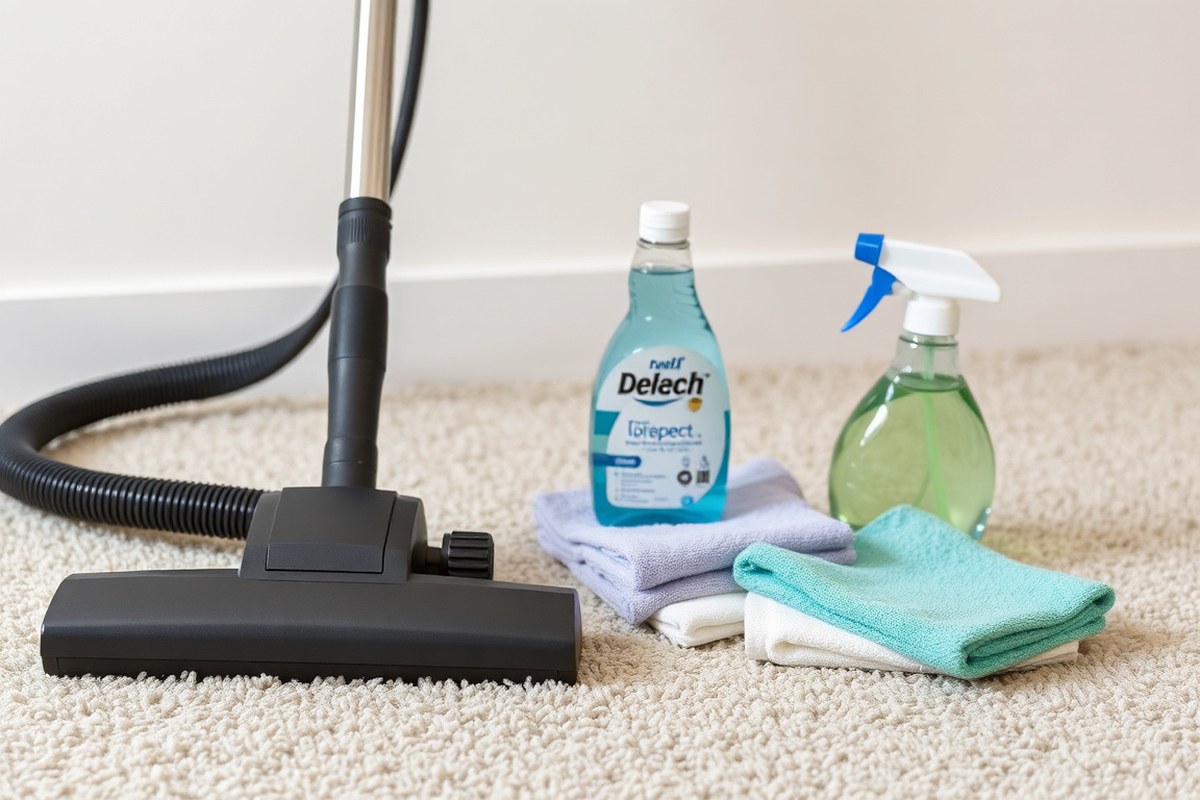
Cleaning carpet thoroughly requires the right tools and equipment to remove dirt, stains, and odors without damaging the fibers. The most essential tool is a vacuum cleaner with strong suction and a brush roll. This removes loose dirt and grit that can otherwise get ground in. Maintaining the vacuum ensures it cleans effectively. Empty or replace vacuum bags regularly, clear brushes and rollers of hair or string, and clean or replace filters with warm water after use to maintain suction power and prevent re-depositing dust into the carpet.
For deeper cleaning beyond vacuuming, a carpet shampoo machine is highly effective. These machines apply cleaning solution, agitate the carpet fibers with rotating brushes, and then extract dirt and excess moisture. Renting a machine like the Rug Doctor can cost around $30 to $50 per day. Use as directed by the manufacturer, covering about 300 square feet in 15 minutes on average. Avoid soaking carpets, as excess water takes too long to dry and risks mold growth. Use a dehumidifier or increase air circulation to speed drying after cleaning.
Cleaning carpeted stairs presents a challenge since machines may not reach every step, especially narrow or curved ones. Without a machine, clean stairs by hand using a stiff-bristled carpet brush or carpet rake to loosen dirt. Then vacuum with a handheld or hose attachment to pick up debris. For spot cleaning, apply a carpet stain remover with a cloth or brush before blotting and rinsing with warm water.
- Vacuum cleaner with brush roll and strong suction for daily dirt removal
- Carpet shampoo or steam cleaner for deep clean every 3-4 months
- Handheld vacuum or hose attachment for stairs and tight spots
- Stiff-bristled carpet brush or rake for manual dirt loosening
- Spot and stain removal kit with sprays, cloths, and scrub brushes
- Dehumidifier or fans to dry carpet thoroughly after wet cleaning
- Protective coverings for furniture and carpet padding during cleaning
Empty and rinse vacuum tanks and filters after each use to keep suction optimal and prevent dirt buildup inside the machine.
For hand cleaning without a machine, combine baking soda, white vinegar, dish soap, and warm water to scrub and deodorize carpets without soaking them. Shake or beat shag rugs outside to remove loose dirt before spot cleaning. Protecting the carpet padding and subfloor from moisture is key when using liquid products to prevent damage. Cleanings that leave carpets damp or with leftover soap residue can attract more dirt, making a thorough rinse and fast drying critical.
3. How to Treat Different Carpet Stains Effectively
Different carpet stains call for specific cleaning approaches to avoid damage and achieve the best results. Fresh stains require quick blotting, while set-in stains need stronger treatments and sometimes pre-treatment. Pet-related stains often need enzyme cleaners to break down proteins and eliminate odors. Sticky substances like gum need gentle removal methods to avoid pulling carpet fibers.
Treating Fresh and Wet Stains
Fresh spills are easier to clean because they haven’t had time to soak deep into the carpet fibers. Acting fast prevents stains from setting and stops them from spreading. Avoid rubbing as it can push stains deeper and damage fibers. Follow these steps for fresh or wet stains:
- Blot the stain immediately with a clean, white cloth or paper towel to absorb as much liquid as possible without rubbing.
- Apply a small amount of water or a mild cleaning solution designed for carpets, such as a mix of 1 part white vinegar to 2 parts water.
- Blot the stain again using a clean cloth, moving from the outer edges toward the center to prevent spreading.
- Repeat the application and blotting process as needed until the stain lifts.
- Rinse the area by blotting with a cloth dampened with clean water to remove any residue from the cleaning solution.
- Use dry towels or paper towels to blot the area dry.
- Allow the carpet to air dry completely, using a fan or opening windows to speed up drying and prevent mold.
Removing Set-In and Old Stains
Set-in stains usually require stronger efforts because they have bonded with carpet fibers over time. Pre-treatment with a stain remover or a homemade solution helps loosen the stain before deep cleaning. To treat set-in stains, try this approach:
- Vacuum the area to remove loose dirt and debris.
- Apply a pre-treatment stain remover or make a paste using baking soda and water, letting it sit on the stain for 15 to 30 minutes.
- Blot the stain with a damp cloth, working from outside in.
- Use a carpet cleaning brush or gentle scrubbing motion to work the cleaner into the fibers without damaging them.
- Rinse thoroughly with clean water to remove cleaning agents.
- Blot the area dry with towels and let air dry completely to prevent musty odors.
Strong stains like ink, red wine, or coffee may need repeated treatments or professional cleaning if they do not lift after a couple of attempts.
Special Methods for Pet Stains and Odors
Pet stains often carry odors that regular cleaning won’t remove. Enzyme-based cleaners work best by breaking down urine proteins and neutralizing smells. Avoid ammonia-based cleaners, which can make pets mark the same spot again. Use this process for pet stains:
- Blot fresh pet stains immediately with absorbent cloths.
- Apply an enzyme cleaner according to the product instructions. Allow it to soak in thoroughly, typically 10 to 15 minutes.
- Blot away excess liquid with dry towels.
- Sprinkle baking soda over the area to help absorb odors and moisture; let it sit for 15 minutes before vacuuming.
- Ensure the carpet dries completely by using fans or open windows.
Regularly treating pet stains promptly prevents permanent damage and lingering smells, which can be challenging to remove once set.
Dealing with Sticky or Unusual Stains
Sticky substances like gum or wax require careful removal to avoid hurting carpet fibers. Freezing the substance hardens it, making it easier to chip off. Steps to remove gum or sticky stains:
- Place ice cubes in a plastic bag and apply it to the gum for 10 to 15 minutes to harden it.
- Gently scrape off the hardened gum with a dull knife or spoon, avoiding aggressive scraping.
- If residue remains, apply a small amount of rubbing alcohol or carpet-safe stain remover to a cloth and blot the area.
- Blot with clean water to rinse and then dry with towels.
- Repeat the rinse and dry steps until no cleaner residue remains.
For unusual stains like paint or grease, use products specifically labelled for carpet use and test in an inconspicuous spot first to avoid discoloration.
4. Step-by-Step Guide to Deep Clean Carpets at Home
Deep cleaning your carpet restores its look and removes allergens, dirt, and bacteria embedded deep in the fibers. A careful process that includes preparation, vacuuming, pretreatment, cleaning, rinsing, and thorough drying helps avoid damage and keeps your carpet fresh without trapping moisture that can cause mold or odors.
Preparing the Room and Carpet
Clear the area you plan to clean to reach every part of the carpet. Remove furniture or place lightweight items on plastic sheets to protect them from moisture and cleaning agents. Close windows if using hot water extraction, but make sure you can ventilate properly after cleaning to speed drying.
Check your carpet for any manufacturer instructions or warnings about water or cleaning products. Testing a small, hidden spot with your chosen cleaner can help prevent color loss or fiber damage. Plan your cleaning on a dry day for faster drying times and less humidity indoors.
Vacuuming and Pretreating Stains
Begin by vacuuming the entire carpet to remove loose dirt and debris. Vacuuming before wet cleaning prevents dirt from being rubbed deeper into the carpet fibers. Pay special attention to high-traffic areas and corners.
Pretreat stubborn stains using a safe spot cleaner designed for your carpet’s material. Apply the product following the label instructions, usually letting it sit 5 to 10 minutes before blotting. Avoid scrubbing aggressively to prevent fabric damage or spreading the stain.
Choosing and Using Deep Cleaning Methods
Select a cleaning method suitable for your carpet type and the level of soiling. Hot water extraction (steam cleaning) is effective for removing deep grime and allergens. Dry powder and dry foam cleaners are good for quicker cleaning but may not reach deep dirt as well.
To steam clean using a rented or owned machine, mix the appropriate carpet cleaning solution with water according to package directions. Clean in sections by applying the cleaning solution, letting it soak briefly, then extracting water and dirt with the machine’s vacuum. Avoid over-wetting the carpet to reduce drying time and fiber damage.
- Mix carpet cleaning solution with warm water as directed.
- Apply cleaner evenly in small sections while avoiding saturation.
- Allow the solution to penetrate for 5 to 10 minutes.
- Use the machine’s suction to extract water along with dirt and cleaning residues.
- Repeat for all carpet areas until fully cleaned.
Rinsing and Drying the Carpet Effectively
Rinsing helps remove any remaining detergent, which can attract new dirt if left behind. Use the carpet cleaning machine with plain water for a final rinse pass if possible. Alternatively, lightly mist with water and blot excess moisture with clean towels.
Speed drying by opening windows and doors to increase airflow. Use fans directed at the carpet or run a dehumidifier in the room if available. Set fans to run for at least 4 to 6 hours after cleaning to minimize moisture.
Walk on the carpet only after it feels fully dry. This usually takes 6 to 12 hours, but high humidity or thick carpets may need longer. Avoid covering the carpet until it dries completely to prevent musty smells and mold growth.
5. How Often Should You Clean and Deep Clean Carpets?
Deep cleaning your carpet depends largely on how much traffic it gets and who’s living or working in the space. For most homes, cleaning once or twice a year is enough to keep carpets fresh and free from allergens. However, homes with pets, children, smokers, or allergy sensitivities usually require cleaning every 6 to 12 months to prevent dirt, odors, and bacteria buildup. High-traffic areas suffer more wear and dirt, so they might need cleaning more often than less-used rooms.
Rental properties and commercial offices face constant use, so it’s recommended to deep clean carpets every 3 months. This helps maintain hygiene, avoid unpleasant smells, and keeps the carpet looking good for the next tenant or client. You have kids or pets that often roll on the floor, so clean more often than every three months since they can leave extra stains and debris.
| Situation | Recommended Deep Cleaning Frequency |
|---|---|
| General home use | Once or twice a year |
| Homes with pets, kids, allergy concerns, or smokers | Every 6 to 12 months |
| High foot traffic areas (entryways, hallways) | Every 6 to 12 months |
| Rental properties and commercial offices | Every 3 months |
To deep clean effectively, lightly mist the carpet and scrub with a brush or sponge, then rinse with a clean, damp cloth to remove residue. This prevents damage and chemical buildup. Steaming carpets with a carpet steamer adds heat to sanitize fibers; using vinegar instead of harsh chemicals creates a natural alternative. Use store-bought products that are safe for your carpet type.
Maintaining a regular schedule prevents dirt from embedding deeply, which reduces how often you have to carry out intensive cleaning. Regular vacuuming also helps by capturing dirt on the surface before it gets ground in. Deep cleaning too often can wear out carpet fibers prematurely, so avoid cleaning more frequently than needed.
Tip: Test any cleaning product or homemade solution on a small, hidden area of your carpet before applying it to the entire floor to avoid damage or discoloration.
6. Common Mistakes in Carpet Cleaning and How to Fix Them
Many people make mistakes during carpet cleaning that end up harming the fibers or fading colors. One common error is applying a new cleaning solution directly to the carpet without testing it first. Always spray a small amount of your chosen cleaner on an inconspicuous spot, like a corner or under furniture, and wait 5 to 10 minutes to check for any color bleeding, fading, or fiber damage. This simple test avoids costly damage and lets you find the safest option for your carpet.
Another frequent misstep is over-wetting the carpet, which can lead to mold, mildew, or a lingering smell. Use cleaning products sparingly and dry the carpet thoroughly after cleaning. For area rugs, place a protective layer beneath to prevent moisture from damaging the floor underneath. In addition, some people don’t consider the effects of fumes or skin contact when using chemical cleaners. Wearing gloves and ensuring good ventilation will protect you and your family from irritation or respiratory issues.
- Test new cleaners on a hidden carpet area for 5, 10 minutes before full use
- Use cleaning solutions sparingly to avoid soaking the carpet fibers
- Protect floors under area rugs from moisture damage
- Wear gloves and ventilate the room during chemical cleanings
- Don’t clean carpet stairs with commercial machines meant for flat floors
- Vacuum thoroughly before deep cleaning to prepare fibers and remove loose dirt
- Address furniture indents by lightly steaming or rolling a cold spoon over affected areas
Skipping preparation steps like vacuuming or ignoring manufacturer’s instructions can reduce cleaning effectiveness and risk fiber damage. Proper preparation ensures a deeper clean and helps avoid problems like matting or dye loss. When buying commercial carpet cleaners, the cost typically falls under $20, making them affordable for regular use. Homemade solutions such as diluted carpet shampoo, baking soda, or vinegar offer lower-cost alternatives.
Caution is important with chemical cleaners, especially those containing bleach or strong solvents. If unsure about your carpet material, mix a tiny amount of bleach with water for a patch test, but use this method carefully as bleach can permanently damage many carpets. For safety, keep pets and children away from recently cleaned areas until fully dry, and never mix cleaning products together as this can cause harmful fumes.
7. Natural vs Commercial Carpet Cleaners: Pros and Cons
Natural cleaners like vinegar and baking soda offer a budget-friendly, accessible way to maintain carpets, but they usually don’t match the deep cleaning power of commercial products and machines. Commercial cleaners tend to remove more dirt and stains quickly, though they come with a higher cost and potential chemical exposure. Your choice should depend on stain type, carpet condition, budget, and safety preferences.
Effectiveness on Common Carpet Stains
Homemade solutions such as vinegar and baking soda are effective against everyday stains like pet odors, light spills, and general dirt. Baking soda works by absorbing odors and moisture, while vinegar breaks down certain stains through its mild acid content. However, these methods often require time to sit and may only provide a surface-level clean.
Commercial carpet cleaners, especially when used with machines, clean deeper by loosening dirt and extracting it from carpet fibers. They are more effective on tough stains like wine, blood, and grease. For example, hydrogen peroxide mixed with dish soap targets wine and blood stains better than vinegar or baking soda alone.
Cost Comparison and Availability
Natural ingredients for homemade carpet cleaners cost less upfront. For example, one cup of white vinegar (about $0.50) and 2 tablespoons of baking soda (around $0.10) can treat a small to medium area. Dish soap and hydrogen peroxide are also inexpensive and commonly found at home.
Commercial carpet cleaning solutions typically range from $10 to $30 per bottle, depending on the brand and size. Renting or buying a carpet cleaner machine adds $30 to $100 or more, though it provides a deeper clean. Homemade cleaners require no special tools beyond a spray bottle and vacuum, making them more accessible.
| DIY Cleaner | Ingredients | Best For |
|---|---|---|
| Vinegar + Baking Soda | 1 cup white vinegar + 2 tbsp baking soda | Pet stains, odors |
| Dish Soap + Warm Water | 1 tsp dish soap + 2 cups warm water | General stains |
| Hydrogen Peroxide + Dish Soap | 1 part peroxide + 1 part dish soap | Wine, blood stains |
| Cornstarch or Baking Soda | Sprinkle, let sit, vacuum | Grease, oil stains |
| Isopropyl Alcohol | Dab directly onto stain | Ink stains |
This table summarizes simple homemade solutions that target different stains effectively by using affordable and easy-to-find ingredients.
Safety and Environmental Impact
Natural cleaners tend to be safer for indoor air quality and less harsh on carpet fibers. Vinegar, baking soda, and dish soap are biodegradable and don’t leave harmful residues, making them a safer choice if you have kids, pets, or chemical sensitivities. Using these solutions avoids exposure to strong chemicals found in some commercial products.
Some commercial carpet cleaners contain synthetic chemicals that can irritate skin or respiratory systems. They may require proper ventilation and careful handling, especially in smaller spaces. However, many brands now offer “green” or non-toxic options that reduce environmental impact and safety risks.
Recommended Usage Situations
Homemade cleaners work well for routine spot cleaning, light stains, and odor control. For example, sprinkling baking soda over carpet and spritzing with water before vacuuming refreshes carpet fibers and neutralizes smells without extensive work. Use vinegar and baking soda for pet stains but allow time to soak before blotting.
Commercial cleaners and machines suit deep cleaning sessions where dirt and stains have built up over months or years. For heavy traffic areas, stubborn wine or grease stains, and routine maintenance every few months, commercial products and carpet cleaning machines provide the thorough results required. Use this decision rule to choose a method:
- For quick odor removal or light stains, use homemade cleaners like baking soda and vinegar.
- For tough stains or deep cleaning, invest in commercial solutions and a carpet cleaner machine.
- If you clean frequently and safely, homemade methods save money and reduce chemicals.
8. When to Call a Professional Carpet Cleaner
Hiring a professional carpet cleaner is a smart move when DIY methods no longer remove stubborn stains, or if your carpet requires dry cleaning that can’t be handled safely at home. Carpets made of delicate materials like wool or silk, and antiques, should be cleaned professionally to avoid irreversible damage. Homeowners should consider professional services if their carpet shows widespread discoloration, unpleasant odors that persist despite regular cleaning, or if the carpet fibers feel matted and do not recover after vacuuming.
Expect professional carpet cleaning to involve either steam cleaning or dry extraction methods. Steam cleaning uses hot water and specialized equipment to deeply extract dirt and allergens and typically takes 1 to 3 hours, including drying time that may require fans or open windows to speed evaporation. Dry extraction is faster, usually under an hour, and suitable for carpets needing quick turnaround or dry-cleaning. Costs vary by region and provider but generally range from $100 to $300 for an average-sized room, depending on carpet condition and cleaning method.
The decision to call a professional should follow a simple checklist: persistent stains that resist home treatments; carpet composed of natural or delicate fibers; presence of odors or allergens beyond standard vacuuming; and time constraints that prevent adequate dry time or thorough cleaning with rented machines. Professionals bring equipment that reaches high water temperatures and powerful suction, which removes deeply embedded dirt and bacteria more effectively than home units. They also have expertise in choosing cleaning agents that protect carpet dyes and avoid fabric damage.
Some issues are best left to professionals. For example, if your carpet has mold or mildew growth, professionals can safely treat and remove these hazards without spreading spores or causing damage. Large-area cleaning and restoration of heavily soiled carpets after floods or pet accidents also require professional tools and knowledge to return the carpet to good condition.
When scheduling, ask the cleaning company what preparation is needed, such as moving furniture or vacuuming beforehand. Make sure they provide a clear estimate and explain the process to set expectations on how long the carpet will take to dry and when it will be safe to use the room again.
Choose a professional service if your carpet needs dry cleaning or shows damage-prone fibers; using the wrong home cleaner risks permanent harm.
Step-by-Step Action Plan to Clean Your Carpets Effectively
Follow this plan to clean your carpets safely and maintain their appearance over time.
- Before you start: Gather all necessary cleaning products and tools, including a vacuum, spot cleaner, and either a natural or commercial carpet cleaner. Ensure you have tested products on a small carpet area for colorfastness.
- Day 1: Vacuum your carpet thoroughly to remove loose dirt and dust. You’ll know it worked when your carpet feels noticeably cleaner and looks less dusty.
- Day 2: Treat any visible stains using the appropriate method based on the stain type (e.g., blot with vinegar for coffee stains). Successful treatment means the stain lightens or disappears without damaging the carpet fibers.
- Week 1: Deep clean your carpet using a rented or owned carpet cleaner with a safe cleaning solution. The carpet should feel fresher and look evenly clean once dry.
- Biweekly: Vacuum high-traffic areas to prevent dirt buildup and reduce stains. Regular vacuuming keeps dirt from settling deep into fibers.
- Every 3-6 months: Perform a deep cleaning session at home or hire a professional, depending on carpet condition and household needs.
- After stain emergencies: Act quickly using recommended stain treatment methods to avoid permanent marks.
- Ongoing: Monitor your carpet’s condition and decide when professional cleaning is needed, such as persistent odors or deep dirt.
Frequently Asked Questions
What Cleaning Solution Is Best for Everyday Carpet Stains?
A mild carpet shampoo or a gentle dish soap diluted in water works well. These solutions clean effectively without damaging fibers or leaving strong residues, which helps keep your carpet in good condition longer.
Can I Use Vinegar to Clean My Carpet Safely?
Yes, diluted white vinegar can be used for spot cleaning. It works well on many stains but always test a small, hidden area first to avoid discoloration. Rinse thoroughly with water afterward.
What Should I Avoid When Choosing Carpet Cleaning Products?
Avoid harsh chemicals like bleach or products with strong ammonia that can damage carpet fibers. Use only carpet-safe cleaners to preserve carpet color and texture.
How Important Is Water Temperature in Carpet Cleaning?
Warm water helps to dissolve dirt and cleans better than cold water. Avoid hot water as it may set some stains or damage delicate carpet fibers.
Can I Use Steam Cleaners on All Types of Carpets?
Steam cleaners are generally suitable for most synthetic carpets but may harm delicate or natural fiber carpets like wool. Check the carpet label or manufacturer recommendations before use.
What Household Items Can I Use for Emergency Carpet Stains?
Blot stains gently with club soda or a mix of water and mild detergent on a clean cloth. Avoid rubbing to prevent spreading the stain or damaging the fibers.
Key Points to Remember
Choosing the right cleaning products and following proper techniques lets you maintain a safe, clean carpet that lasts longer. Begin with thorough vacuuming and targeted stain treatment to keep your carpet looking its best. Consider deep cleaning regularly to refresh your carpet’s appearance and call a professional if heavy soiling or stains become difficult to manage at home.


