How to Clean White Shoes at Home: 8 Effective Methods That Really Work
Cleaning white shoes at home is simple using household products like baking soda, dish soap, and gentle detergents that remove dirt and stains effectively. You can restore your shoes’ brightness by targeting specific materials and stains with these methods, saving time and money. This advice suits anyone looking to keep their white shoes fresh, from canvas to rubber soles.
You’ll learn practical steps to clean, whiten, and maintain your white shoes safely at home without causing damage. The following tips cover different shoe fabrics, stain removal, proper drying, and care to help your shoes stay white longer and look their best.
Key Takeaways
- Use a mixture of equal parts baking soda and dish soap to scrub white rubber soles gently.
- Spot clean canvas shoes with one teaspoon of laundry detergent mixed into one quart of warm water.
- Let cleaning pastes like baking soda or toothpaste dry on shoes for 3 to 4 hours before rinsing.
- Air-dry your shoes indoors for at least 5 to 6 hours to prevent damage and odor.
- Remove stains promptly using mild homemade mixtures to avoid permanent marks on white fabrics.
- Clean shoelaces separately using gentle detergents for effective whitening without harsh chemicals.
1. 8 Proven Methods to Clean White Shoes at Home
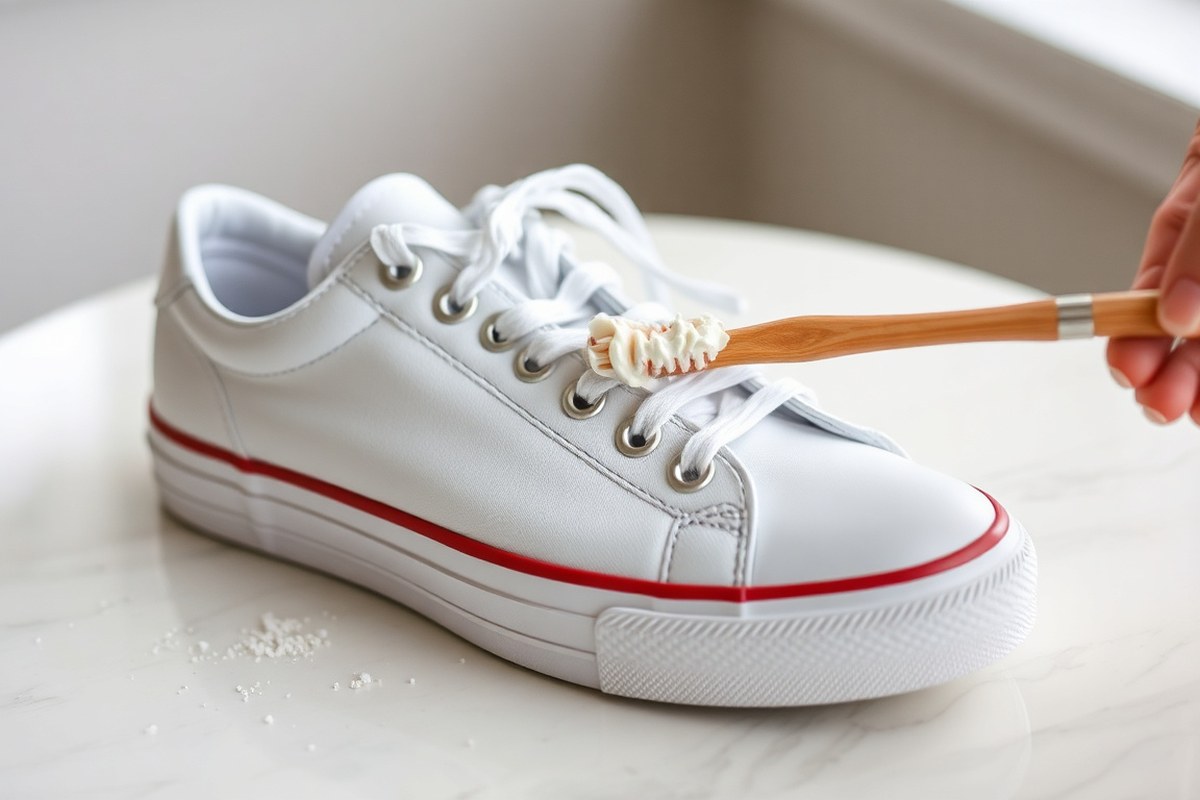
Cleaning white shoes at home can be done effectively with common household products that are safe and cost-efficient. Eight reliable methods, each suited to different levels of dirt and shoe materials, help you restore your shoes’ bright look without using harsh chemicals like bleach, which can damage fabric or rubber over time. Applying these methods requires simple steps and minimal supplies, so you can choose based on what you have and how dirty your shoes are. Below are detailed instructions for each cleaning technique along with a comparison to help you decide which one fits your needs best.
- Baking Soda and White Vinegar Paste: Mix 1 tablespoon of baking soda with 1/2 tablespoon of white vinegar and 1/2 tablespoon of warm water to make a paste. Apply this to canvas or fabric shoes with a soft brush, let it sit for 15 minutes, then rinse or wipe off with a damp cloth.
- Dish Soap and Warm Water: Combine a teaspoon of liquid dish soap with a cup of warm water. Use a clean cloth or brush to scrub the shoes gently, focusing on stained areas. Rinse with clean water and air dry. This method suits canvas and synthetic materials well.
- Hydrogen Peroxide and Baking Soda Mix: Mix 1 tablespoon of baking soda, 1/2 tablespoon of hydrogen peroxide, and 1/2 tablespoon of water. Apply the paste on white fabric shoes to tackle tough stains and whiten the surface. Let it sit 30 minutes before rinsing.
- Magic Eraser: Slightly dampen a magic eraser and rub the rubber soles or hard synthetic parts of your shoes. This removes scuffs and grime without damaging material. Avoid excessive moisture to prevent soaking.
- Laundry Detergent Spot Clean: Mix 1 teaspoon of laundry detergent into 1 quart of warm water to clean shoes without soaking them. Dab the solution with a soft cloth on stains, which works well for espadrilles and fragile fabrics.
- Toothpaste (Non-Gel, White): Apply a small amount of white toothpaste on a soft brush and scrub the whites, especially rubber soles. Wipe off with a damp cloth after a few minutes. Avoid colored or gel toothpaste to prevent staining.
- Baking Soda and Laundry Detergent Scrub: Combine equal parts baking soda and laundry detergent with a bit of warm water to make a thick paste. Use a soft brush to scrub shoes, focusing on dirt spots. Rinse thoroughly and air-dry.
- Soft-Bristle Brush and Warm Soapy Water: Dip a soft brush in warm, soapy water made from mild detergent. Gently scrub fabric and synthetic shoes, rinsing frequently to remove dirt. This gentle method prevents material wear.
| Method | Best For | Materials Needed | Time Required | Results and Considerations |
|---|---|---|---|---|
| Baking Soda & Vinegar Paste | Canvas, fabric shoes | Baking soda, vinegar, warm water, brush | ~20 minutes (includes drying) | Effectively removes dirt and brightens; watch for possible fabric stiffness |
| Dish Soap & Warm Water | Canvas, synthetic shoes | Dish soap, warm water, cloth/brush | ~10 minutes | Gentle cleaning, good for light dirt; may require repeat cleaning |
| Hydrogen Peroxide & Baking Soda Mix | White fabric shoes with tough stains | Baking soda, hydrogen peroxide, water, brush | ~30 minutes + drying | Whitens and removes stains; do a patch test first to avoid discoloration |
| Magic Eraser | Rubber soles, synthetic parts | Magic eraser, water | 5 minutes | Removes scuffs effectively; avoid excess water to prevent damage |
| Laundry Detergent Spot Clean | Delicate materials, espadrilles | Laundry detergent, warm water, cloth | 10-15 minutes | Gentle spot cleaning; no full soaking to protect fragile shoes |
| Toothpaste (White, Non-Gel) | Rubber soles and white synthetic | White toothpaste, soft brush, cloth | 5-10 minutes | Effective on scuffs and stains; avoid color to prevent stains |
| Baking Soda & Laundry Detergent Scrub | Stubborn stains on canvas, synthetic | Baking soda, laundry detergent, warm water, brush | 15-20 minutes | Strong cleaning power; rinse thoroughly to avoid residue |
| Soft-Bristle Brush & Soapy Water | All shoe materials needing gentle clean | Mild detergent, warm water, soft brush | 10-15 minutes | Lowers risk of damage; effective for light to moderate dirt |
2. Cleaning White Shoes by Material Type
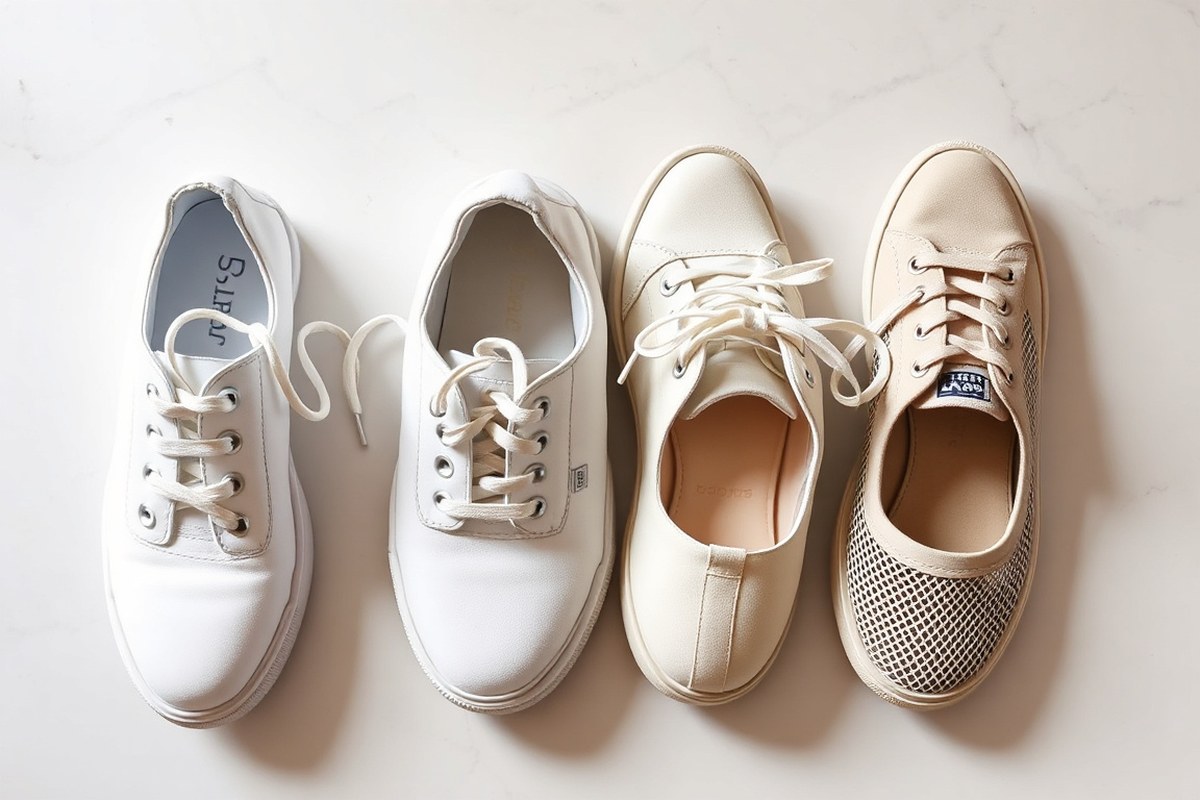
Cleaning white shoes safely means using the right approach for each material type. Leather, canvas, suede, and mesh all react differently to water, cleaning agents, and scrubbing. Using tailored methods helps avoid damage like discoloration, stains, or weakening of the fabric.
Leather Shoes: Soft Cleaning and Conditioning
Use mild dish soap and water to clean white leather shoes, scrubbing gently with a soft cloth or brush. Baking soda can also be used to tackle tougher stains by mixing it with water and lightly rubbing with a wet brush. Wipe off any residue with a damp cloth and air dry away from direct heat. Avoid soaking leather or using harsh chemicals since this can dry out and crack the material.
Conditioning after cleaning helps maintain leather’s softness and shine. Apply a leather conditioner sparingly with a soft cloth and let it absorb to prevent stiffness. Cleaning every two to four weeks keeps leather white shoes looking fresh without overworking the material.
Canvas Shoes: Paste and Spot Cleaning
White canvas shoes handle soap and water well and can also be cleaned with a paste made from baking soda and white vinegar. Create the paste and apply it using a soft brush, scrubbing in circular motions. Let it bubble and fizz for a couple of minutes to lift dirt, then rinse or wipe with a damp cloth. Spot clean stains as soon as you notice them to prevent setting.
You can wash canvas shoes in a washing machine on a gentle cycle, but it’s best to spot clean regularly about every two weeks to maintain brightness. Avoid bleach unless it’s diluted, as it may cause yellowing or fabric damage if used too frequently.
Suede Shoes: Gentle Brushing and Erasing
Suede requires extra care since water can easily stain or warp it. Use a soft suede brush to gently lift dirt and restore texture. For stains, a suede eraser or a clean pencil eraser rubbed lightly can remove spots without wetting the fabric. Avoid using water or liquid cleaners directly on suede.
After cleaning, brush the suede again once dry to keep it soft and even. Do not expose the shoes to direct heat or sunlight during drying, as this can harden the suede and cause color changes.
Mesh Shoes: Mild Detergent Soak
White mesh shoes require gentle cleaning using a mild detergent mixed with warm water. Dip a soft cloth or toothbrush into the solution and gently scrub the dirty spots. Avoid hard scrubbing to prevent damage to the fine mesh fabric.
Rinse with a damp cloth to remove soap residue and let air dry. Avoid soaking the entire shoe or putting mesh shoes in the washing machine, which can weaken the fabric and cause distortion. Below is a quick comparison of cleaning techniques and precautions for each material type to help you decide what applies to your shoes:
| Material | Cleaning Method | Key Precaution | Recommended Frequency |
|---|---|---|---|
| Leather | Soft cloth with mild soap, baking soda for stains, condition after cleaning | Avoid soaking or harsh chemicals | Every 2-4 weeks |
| Canvas | Spot clean with diluted detergent or baking soda-vinegar paste, gentle scrubbing | Use diluted bleach cautiously; avoid long soaking | Every 2 weeks or as needed |
| Suede | Soft brush and eraser, no water | No direct water or harsh scrubbing | Spot clean only when needed |
| Mesh | Mild detergent soak with soft brush, light scrubbing | Avoid machine wash and aggressive scrubbing | As needed based on use |
Choosing the right cleaning method protects the material’s look, durability, and white brightness for longer use.
Hard scrubbing and excessive water can damage suede and mesh shoes, so always use gentle tools and light motions.
3. Step-by-Step Guide to Removing Common Stains
Removing common stains like mud, yellowing, grease, and mold from white shoes requires targeted steps to avoid damaging the material while restoring their bright look. Each stain type calls for a specific approach, from gentle scrubbing for mud to a baking soda paste for yellowing and vinegar treatments for mold. Follow carefully measured actions to clean effectively without causing discoloration or fabric wear.
Removing Mud and Dirt
Dry mud is easier to remove than wet, so always allow mud on your white shoes to dry first. Loose dirt can stain fabric or mesh if rubbed in while wet. After drying, gently brushing away any large particles prevents grinding soil into the shoes during cleaning. Basic soap and water then handle residual grime without bleaching or harsh chemicals that risk yellowing.
- Let the mud dry completely on your shoes.
- Use a soft-bristled brush or an old toothbrush to gently brush off dried mud and dirt.
- Mix a mild detergent with warm water (about one teaspoon detergent per cup of water).
- Dip a clean cloth or sponge into the soapy solution; wring out excess water.
- Gently wipe or scrub the muddy areas in circular motions.
- Rinse the cloth with clean water and wipe the shoes to remove soap residue.
- Air dry the shoes fully away from direct sunlight to avoid yellowing.
Eliminating Yellow Stains
Yellowing often results from sweat, oils, or improper drying and tends to show on fabric or canvas white shoes. A baking soda paste helps lift these stains by breaking down the oils and dead skin cells that cause discoloration. Avoid excessive bleach use, as it can worsen yellowing. Doing this once or twice a month keeps white shoes looking fresh.
- Mix three tablespoons of baking soda with one tablespoon of warm water until you create a thick paste.
- Apply the paste evenly over yellowed fabric areas using a toothbrush.
- Let the paste sit on the shoes for at least 30 minutes to an hour.
- Rinse the paste off gently with warm water, avoiding over-soaking.
- Blot excess water with a dry towel and allow shoes to air dry completely in shade.
- Repeat treatment if yellowing persists, but limit to prevent fabric weakening.
Cleaning Grease and Oil Spots
Grease and oil can leave stubborn, dark stains on white shoes, especially on fabric or mesh. Baby wipes offer a quick initial removal for fresh spots without harsh chemicals. For persistent stains, a dedicated stain remover or diluted vinegar solution can break down grease safely. Avoid pouring bleach directly, as it can cause uneven discoloration or damage.
- Use a baby wipe to gently blot the grease stain; avoid rubbing to prevent spread.
- Mix one part white vinegar with two parts water in a spray bottle.
- Lightly spray the stained area and let it sit for 10 to 15 minutes.
- Blot the spot with a clean cloth to lift grease.
- Rinse the area with a damp cloth to remove vinegar residue.
- For tougher stains, apply a small amount of mild detergent and scrub gently with a toothbrush.
- Air dry fully away from sunlight to avoid yellowing or fabric damage.
Treating Mold and Mildew
Mold and mildew appear as dark spots with a musty smell, often after shoes stay damp for too long. Using a diluted vinegar solution kills mold spores safely without harsh chemicals. Avoid bleach directly on mold for fabric shoes, as it can cause yellowing. After treatment, thorough drying is critical to prevent regrowth.
- Mix equal parts white vinegar and water in a spray bottle.
- Spray the moldy areas thoroughly and let sit for 30 minutes.
- Gently scrub the spots with a soft brush or toothbrush.
- Wipe the shoes with a clean damp cloth to remove loosened mold and vinegar.
- Allow shoes to air dry completely in a well-ventilated area.
- Repeat the process if mold remains visible after drying.
- Store shoes in dry conditions and consider using silica packets to control moisture.
4. How to Clean and Brighten White Rubber Soles
White rubber soles tend to collect dirt, scuffs, and yellowing over time, which can dull their appearance and make your shoes look worn out. Removing these marks and brightening soles helps restore the crisp, clean look of your shoes without damaging the rubber or the shoe’s shape. The most effective way to start is by cleaning the soles with soap, water, and a damp cloth to remove surface dirt.
After the initial cleaning, use a melamine sponge, such as a Mr. Clean Magic Eraser. This product gently removes scuffs and stubborn dirt marks by lightly sanding the rubber surface without harsh chemicals. For yellowing or tough stains, apply a paste made from one tablespoon of baking soda mixed with two tablespoons of hydrogen peroxide and a little water to reach a creamy consistency. Spread the paste on the soles, let it sit for 10 to 15 minutes, then scrub lightly with an old toothbrush and rinse with water.
- Start with mild soap and warm water; wipe soles with a soft cloth.
- Use a Magic Eraser to scrub scuffs and dirt gently.
- Apply baking soda and hydrogen peroxide paste for whitening; let it sit 10-15 minutes.
- Use an old toothbrush to scrub the paste into the rubber.
- Rinse thoroughly with clean water and air dry.
- Repeat weekly or as needed to prevent buildup and maintain brightness.
Household items like baking soda and hydrogen peroxide whiten soles effectively without risking damage that stronger chemicals can cause. Avoid bleach or harsh solvents, which can degrade the rubber or cause discoloration. Magic Erasers offer a neat balance of powerful cleaning and gentle abrasion to maintain the rubber’s surface. Regular, light cleaning prevents thick grime buildup, reducing the need for intense scrubbing that could wear down soles.
Good results look like evenly bright white soles without residue or damaged surfaces. Avoid soaking shoes in water during this process to prevent shape loss or damage. Always let your shoes air dry fully after cleaning. For daily wear, a weekly quick check and clean of your soles keeps them looking fresh longer while saving the effort and materials of deep cleans.
5. Safely Cleaning and Whitening Shoelaces
Cleaning white shoelaces thoroughly at home improves the look of your shoes and prevents dirt buildup. Use a soaked method with gentle ingredients or a very diluted bleach solution to brighten the laces without causing yellowing or damage. Dry them carefully to maintain their crisp white appearance.
Removing Laces for Separate Cleaning
Start by taking out the shoelaces completely from your shoes. Cleaning laces separately helps avoid damage to the shoe fabric and ensures the laces get direct treatment. Untie and straighten the laces to expose all areas to the cleaning solution.
Keep in mind that dirt trapped inside the shoelace fibers needs soaking or scrubbing rather than quick rinsing. Handle laces gently to prevent fraying or breaking during cleaning.
Vinegar and Soap Soak Method
A safe and effective approach for lightly soiled white shoelaces uses white vinegar combined with mild detergent. This mixture loosens dirt and kills bacteria without harsh chemicals that cause yellowing. It also smells fresh.
- Fill a small bowl or sink with warm water (around 90°F or 32°C).
- Add 1 cup of white vinegar and 2 teaspoons of mild liquid soap or detergent.
- Immerse the shoelaces fully and swish gently to mix the solution.
- Let the laces soak for 30 to 60 minutes, depending on how dirty they are.
- After soaking, scrub the laces lightly with a soft brush or cloth.
- Rinse thoroughly under cool running water until no soap residue remains.
Never mix vinegar with bleach when cleaning, as this creates dangerous fumes.
This method suits most fabrics like cotton or polyester laces. Avoid using hot water, which can set stains or cause shrinking.
Using Bleach Safely on Shoelaces
Use bleach only when shoelaces are heavily stained or have yellowed despite other methods. Choose a diluted chlorine bleach solution with at most 3% bleach concentration to minimize fabric damage.
- Make a solution of 1 part bleach to 10 parts cold water in a well-ventilated area.
- Place the shoelaces in the solution, fully submerged but not tangled.
- Soak for 5 to 10 minutes. Do not exceed 10 minutes to prevent yellowing or weakening fibers.
- Remove laces and rinse under plenty of running cold water to wash out all bleach.
- Inspect for remaining stains and repeat with caution if necessary.
Always wear gloves when handling bleach and keep laces away from colored fabrics during soaking.
This method is not suitable for delicate or leather shoelaces, as bleach can cause irreversible damage.
Drying and Preventing Yellowing
After rinsing, lay shoelaces flat on a clean towel to air dry in a shaded, well-ventilated space. Avoid direct sunlight, which can dry laces too quickly and cause yellowing or brittleness.
Do not use a dryer or high heat, as this may shrink or warp the fibers. Fully dry laces before re-threading to prevent mildew growth.
Changing your shoelaces seasonally and cleaning regularly keeps white laces bright for longer.
6. Drying and Maintaining White Shoes After Cleaning
After cleaning white shoes, proper drying is essential to avoid warping, damage, or changes in shape. Avoid direct heat sources like radiators or sunlight, as they can cause materials to shrink, crack, or discolor. Instead, air-dry shoes indoors in a well-ventilated area with moderate temperature, around 65 to 75°F. This gentle drying environment prevents material distortion and helps maintain the shoe’s original form.
Start by blotting excess moisture with a clean, dry towel without rubbing to prevent spreading dirt or damaging fibers. Then, immediately stuff the shoes with white paper towels or plain dry newspaper. This absorbs remaining moisture while supporting the shoe’s shape to prevent collapse or creasing.
- Blot excess water with a clean towel, don’t rub
- Stuff shoes loosely with white paper towels or newspaper
- Place shoes in a shaded, ventilated indoor space
- Use a fan nearby to speed drying, if desired
- Never expose shoes to direct sunlight or heat sources
- Allow at least 6 to 8 hours to dry fully, preferably overnight
Using shoe trees instead of paper is an alternative that offers more consistent shape support, especially for leather or structured sneakers. Regular paper may need changing if it becomes too damp during drying. The drying timeline usually spans 6 to 8 hours; overnight drying ensures complete evaporation of moisture before wearing again. Wearing shoes before fully dry increases the risk of deformation, odor buildup, or mildew development.
Checking that shoes feel dry inside and out is a good practice before the next use. The costs involved are minimal: white paper towels cost about $0.01 to $0.05 each, and shoe trees range from $10 to $30, reusable for many drying sessions. Taking these steps protects your investment and helps your white shoes keep their fresh appearance longer without needing repairs or replacement.
7. Preventing Dirt and Stains on White Shoes Longer
Using protective products like water-repellent sprays designed for shoes can significantly slow down the buildup of dirt and stains on white shoes. These sprays create a barrier that causes liquids and dirt to bead up rather than soak into the material. You should apply the spray to clean, dry shoes outdoors or in a well-ventilated area. Spray evenly from about 6 to 8 inches away, covering the entire shoe surface. Allow 24 hours for the spray to fully set before wearing the shoes. Many retailers sell these sprays for around $10 to $20 per bottle, which typically covers multiple applications.
How often you clean white shoes depends on how frequently you wear them. For daily wear, wiping your shoes quickly after each use is important to prevent dirt buildup and stains from setting in. Use a damp microfiber cloth or a soft brush to remove surface dirt within 10 to 15 minutes of removing your shoes. This habit stops grime from becoming embedded, which usually happens if dirt dries and is left for days. For less frequent use, cleaning once every one to two weeks can keep the shoes looking fresh without extensive effort.
Small daily habits also make a difference. Avoid wearing white shoes in wet or muddy conditions whenever possible. You can keep a small shoe-cleaning kit near your door with a soft brush, magic eraser, and a damp cloth so you can quickly address any spots before they settle. Another strategy is rotating your shoes regularly to reduce wear and tear on a single pair. Rotating also gives shoes time to air out and dry between uses, which helps prevent odor and material degradation.
After applying a protective spray, reapply it every two to three weeks or after any deep clean to maintain the barrier effect. Some sprays are formulated for specific materials like leather or canvas, so select one matched to your shoe type to avoid damage. Using an incompatible spray can cause discoloration or stiffness. For example, suede white shoes benefit from special suede protectors rather than general water repellents to maintain texture and appearance.
Pay close attention to problem areas like the toe box and near the sole edges, which often attract more dirt. Wiping those spots daily can prevent heavy staining. You should clean stains as soon as you notice them to prevent them from setting and becoming harder to remove. Setting stains are harder to remove later and may require stronger cleaning methods, risking damage to delicate materials.
Maintaining the brightness of white shoes involves regular, brief care rather than long cleaning sessions. Spending about ten minutes wiping them down and applying protective sprays consistently keeps the shoes looking fresh and reduces the need for more intense cleaning. This method saves money and protects your shoes against wear and weather damage. Store your shoes in a cool, dry spot out of direct sunlight to prevent yellowing or fading that could make cleaning less effective.
8. Avoiding Damage and When to Seek Professional Help
Using harsh chemicals like bleach or abrasive brushes can damage the material and color of white shoes. Bleach might cause yellowing or weaken fabric fibers, especially on canvas or synthetic shoes. Scrubbing too hard with stiff brushes can wear down fabric or scratch rubber soles. Avoid tossing your shoes into the washing machine, as the agitation and heat can cause the shoe to warp, break down glue seams, or separate soles. These cleaning methods often do more harm than good, accelerating wear and discoloration.
Always test a cleaning solution on a small, hidden part of your shoe before applying it everywhere. Use a cotton swab or a soft cloth to apply the product gently, then wait 5 to 10 minutes to check for any color fading, fabric damage, or texture changes. When the material looks damaged or weaker, stop and choose a different cleaner or method. This test avoids ruining the shoe’s appearance and ensures the product is safe for the material.
Look out for signs that professional help is necessary instead of more DIY attempts. Shoes with tears, cracks, or loose seams require professional repair, as home cleaning cannot fix these issues. Persistent stains that remain after several appropriate cleaning methods may require specialized products or equipment only professionals use. Shoes made from delicate or expensive materials, like leather or suede, are often safer with pro cleaning to avoid accidental damage. Expect professional cleaning or repair costs to range from $20 to over $100 depending on the shoe type and the extent of work needed.
To prevent damage, use gentle cleansers like mild soap and water, soft brushes, or cloths suited for your shoe material. Limit how often you apply cleaning products, aiming for spot treatment rather than full-soak methods. For example, if your canvas shoes get a stubborn stain, dab lightly and rinse immediately instead of scrubbing vigorously. Also, avoid high temperatures during drying, since heat can warp shoes or cause glue failure.
Test every cleaning product on a hidden spot of your shoe first and avoid the washing machine to prevent permanent damage.
Step-by-Step Action Plan for Cleaning and Maintaining Your White Shoes
Follow these steps to get your white shoes clean, keep them bright, and protect them from future stains.
- Before you start: Identify the shoe material to choose the safest cleaning method that won’t cause damage.
- Day 1: Remove shoelaces and clean them separately by soaking in warm water with mild detergent until visibly cleaner.
- Day 1: Use the appropriate cleaning solution for your shoe material and gently scrub away stains, checking frequently to avoid over-brushing.
- Day 1: Clean the rubber soles with a soft brush and a paste made from baking soda and water until the surface looks brighter.
- After cleaning: Air-dry shoes and laces indoors away from direct sunlight; the surface should feel dry and look free of water spots.
- Week 1: Apply a protective spray suitable for your shoe type to repel dirt and slow staining, testing on a small area first.
- Ongoing: Wipe shoes with a damp cloth after wearing to remove surface dust and marks before they set in.
Frequently Asked Questions
What Household Items Work Best to Clean White Shoes at Home?
Baking soda, white vinegar, dish soap, and laundry detergent are the best household items you can use. They are cost-effective and safe for different materials.
How Can I Remove Deep Stains from White Sneakers Without Damaging Them?
Use a gentle mix of baking soda and white vinegar, applied with a soft brush. This method cleans well without harsh scrubbing that can damage fabric or leather.
Is It Safe to Clean White Shoes with Bleach at Home?
Bleach is generally not recommended as it can damage materials and cause yellowing. Stick to milder solutions like baking soda and dish soap for safer cleaning.
Can I Clean White Suede Shoes at Home Without Ruining Them?
Yes, but use a suede brush and cleaner specifically designed for suede. Avoid water-based cleaning methods, which can stain or warp suede.
How Often Should I Clean White Shoes to Keep Them Looking New?
Clean white shoes after every few wears or as soon as they get noticeably dirty. Regular maintenance prevents stubborn stains and keeps them bright longer.
What Is the Best Way to Store White Shoes to Prevent Yellowing?
Keep your shoes in a dry, cool spot without direct sun exposure. Protect them by placing them in shoe bags or boxes to prevent dust buildup and color fading.
Key Points to Remember
Keeping white shoes clean at home requires the right materials, gentle care, and regular maintenance. Start by identifying your shoe material and cleaning method today to avoid mistakes that can cause damage. Consistent care will help maintain their bright look and extend their wear. Try cleaning a pair now using the simple steps for your shoe type and see the difference in your shoes’ appearance.