How to Dry a Comforter Quickly and Safely: A Complete Step-by-Step Guide
To dry a comforter quickly and safely, use a large-capacity dryer on a low or no-heat setting and pause every 20 to 30 minutes to fluff it. Ensure the comforter is completely dry to avoid mold and mildew. This method works best for most household comforters, whether you have a down, synthetic, or cotton filling.
This advice is for homeowners and renters who want to care for their comforters effectively without risking damage or lengthy drying times. You’ll learn essential steps, timing, and accessories to make drying your comforter efficient and safe.
Key Takeaways
- Use a dryer with enough space to let the comforter tumble freely for even drying.
- Set the dryer to low or no-heat to protect the fabric and filling.
- Stop the dryer every 20 to 30 minutes to remove and fluff the comforter by hand.
- Dry the comforter for 60 to 90 minutes, adding time as needed based on thickness.
- Use dryer balls in the last 10 to 15 minutes to boost fluffiness without heat.
- Check for damp spots by feeling the thickest parts before ending the drying cycle.
How to Dry a Comforter Safely in a Dryer

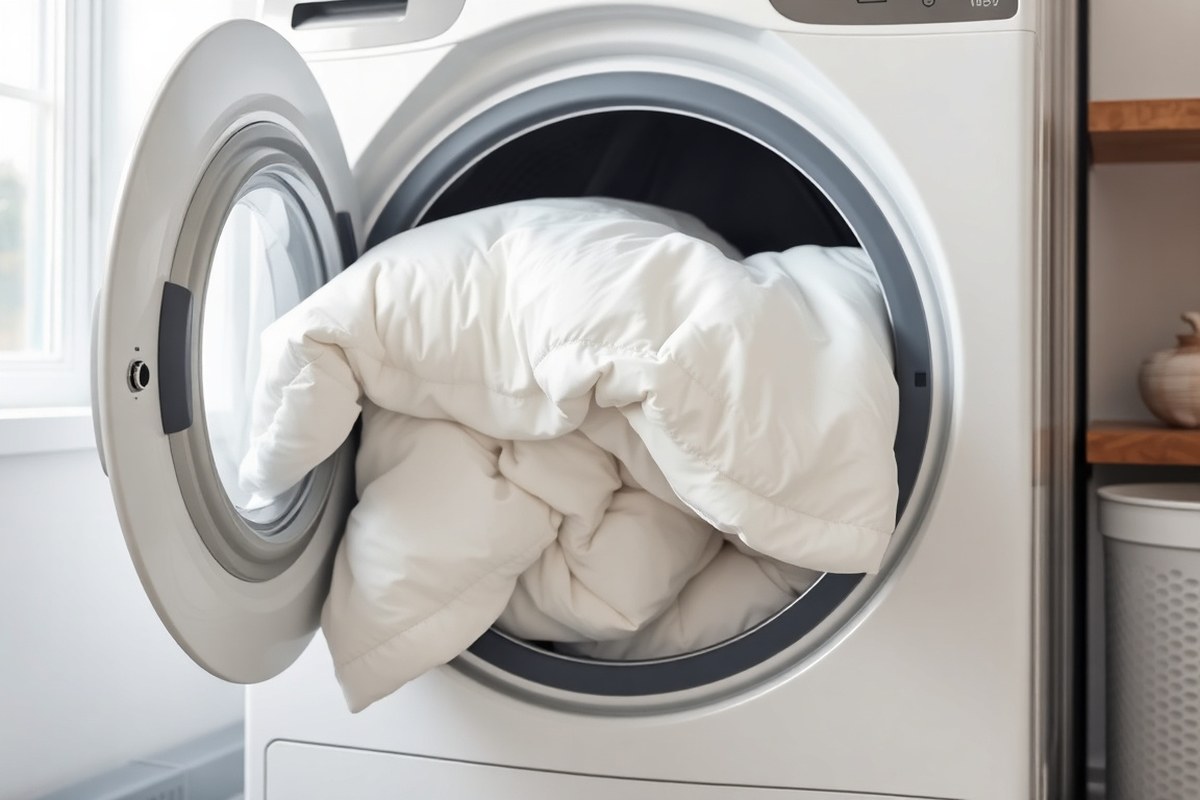
Drying a comforter in a home dryer requires careful attention to prevent damage and maintain its fluffiness. The key is to use the right dryer settings, allow enough space inside the dryer drum, and regularly fluff the comforter. Drying at a low heat setting helps protect the filling, whether it’s down, synthetic, or cotton. Adding dryer balls or dry towels also helps distribute moisture evenly and speed up drying.
Before starting, make sure the comforter is safe for tumble drying by checking its care label. Using a large-capacity dryer or the biggest available at home allows the comforter to move freely, reducing the risk of clumping. Interrupting the drying cycle every 20 to 30 minutes to fluff and reposition the comforter helps maintain even drying and softness. This process usually takes longer than a regular load, often around 1.5 to 2 hours, depending on your dryer and comforter thickness.
- Check the Care Label. Read the manufacturer’s instructions to confirm whether tumble drying is recommended and what heat settings to use. Follow any maximum temperature limits given.
- Prepare Your Comforter. Shake out the comforter to loosen the filling and remove any clumps. Also, make sure any tears or loose seams are mended to prevent damage during drying.
- Load the Dryer Correctly. Use a large-capacity dryer or the biggest household dryer you have. Place the comforter inside with 1 or 2 dry towels or dryer balls to help absorb moisture and maintain fluffiness.
- Set the Dryer to Low Heat. Use a low heat or air-fluff setting as recommended by the care label. High heat can damage the filling or fabric, especially with down or synthetic materials.
- Start the Drying Cycle. Turn on the dryer and monitor progress carefully. Avoid overloading by stopping if the comforter is restricted from tumbling freely.
- Pause Every 20 to 30 Minutes to Fluff. Open the dryer, shake and fluff the comforter to redistribute the filling evenly. Rearrange it to prevent damp spots and clumps.
- Repeat Fluffing as Needed. Continue the cycle with periodic fluffing until the comforter feels fully dry. This can take 90 minutes to 2 hours depending on your dryer and the comforter’s thickness.
- Finish with a Cool or No-Heat Toss. After drying completely, tumble the comforter on a no-heat or air-fluff cycle for 10-15 minutes with dryer balls to maximize loft and softness.
Using these steps helps avoid common problems like uneven drying, clumping, or heat damage. Always check that the comforter feels completely dry before removing to prevent mold or mildew growth. This method suits most home dryers, but if your dryer is small or the comforter is particularly thick, drying in batches or using an alternative drying method may be necessary.
How Long Does It Take to Dry a Comforter?

Expect your comforter to take about two to four hours to fully dry in a dryer, depending largely on its type, size, and thickness. Down comforters, with their fine feathers, usually need more time because they trap moisture more than synthetic fills. Synthetic comforters dry faster but still require a couple of hours on low heat to avoid damage. Large, thick comforters naturally take longer to dry than smaller, thinner ones. Adjusting dryer settings to the lowest heat avoids the risk of overheating, which could harm the fabric or filling.
To manage your drying time effectively, use timed drying cycles and check the comforter between cycles. Removing the comforter every 20 to 30 minutes to fluff it helps speed up drying and keeps the fill evenly distributed. If the comforter remains damp after several cycles, put it back in the dryer in 20-minute increments until fully dry. This approach extends drying time but prevents clumping or damage. When possible, finishing with air-drying in a warm, dry area can reduce moisture further without extra heat.
| Comforter Type | Estimated Drying Time | Recommended Dryer Setting | Notes |
|---|---|---|---|
| Down feather | 3 to 4 hours | Low heat | Slower due to moisture trapped in fine feathers |
| Synthetic fiber | 2 to 3 hours | Low to medium heat | Dries quicker than down but still needs time to prevent damage |
| Thin comforters (any type) | 1.5 to 2 hours | Low heat | Less mass allows faster drying |
| Large/thick comforters (any type) | 3 to 4+ hours | Low heat | May require multiple drying cycles and fluffing |
Speeding up drying by raising the heat may seem tempting, but it risks overheating the filling or fabric, causing shrinkage or damage. Using dryer balls, tennis balls, or clean sneakers inside the dryer can help break up clumps to maintain loft and encourage faster air flow without raising the temperature. These accessories improve efficiency without added risk.
Tip: Always stop the dryer periodically to fluff your comforter; it promotes even drying and protects the fill structure.
Setting realistic expectations about drying time helps you avoid rushing and risking damage. Down comforters need patience due to their delicate fill, while synthetic comforters offer a slightly faster turnaround. Thick or oversized comforters require extra cycles and monitoring. Planning for two to four hours of drying with occasional fluffing cycles provides the best results without risking harm.
Best Accessories to Use When Drying a Comforter
Using dryer balls or clean towels can significantly improve the way your comforter dries by speeding up drying time and keeping the filling fluffy. Dryer balls help separate the fabric and move air through the comforter more efficiently, while towels absorb excess moisture and reduce drying cycles. Both methods have benefits depending on your dryer type and the comforter material.
Wool Dryer Balls: Benefits and Use
Wool dryer balls are designed to bounce around inside the dryer, breaking up clumps in the comforter’s filling and promoting even air circulation. This action helps maintain the loft and softness of down or synthetic fills by preventing them from matting together. Using 2 or 3 wool dryer balls is ideal for a single comforter.
To use wool dryer balls, place them in the dryer alongside your comforter on a low heat or delicate setting. Their natural fibers are heat resistant and reusable for many loads, making them cost-effective. Wool dryer balls also reduce static and are quiet compared to plastic alternatives.
Dry Towels: When and How to Use
Adding a clean, dry bath towel to the dryer with your comforter can absorb some of the moisture, helping the comforter dry faster and more evenly. This reduces drying time and the risk of the filling clumping from prolonged dampness. One dry towel is enough; adding more may crowd the dryer and reduce airflow.
Use dry towels especially if you notice your comforter takes a very long time to dry or if you do not have dryer balls on hand. Remove the towel after about 30 to 40 minutes to prevent over-drying and to give your comforter room to continue tumbling freely.
Alternatives to Dryer Balls
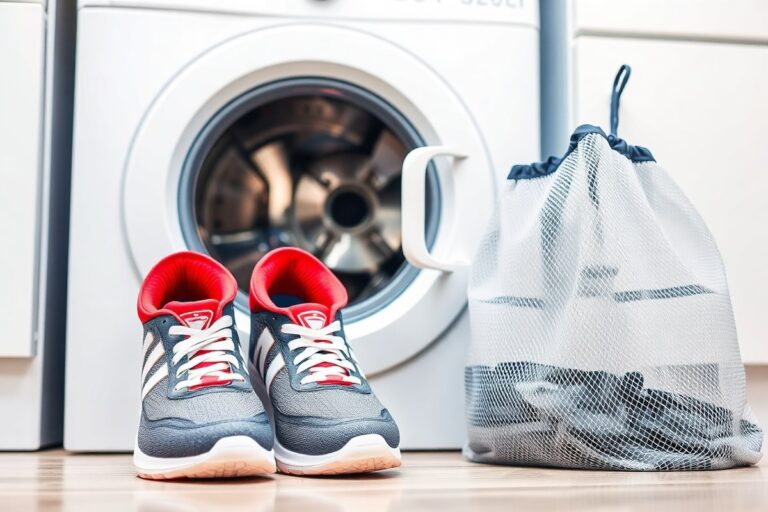
If wool dryer balls are not available, clean tennis balls or canvas shoes can serve a similar purpose in the dryer by helping to fluff the comforter and promote even heat distribution. Two or three clean tennis balls placed in the dryer with the comforter help move the filling around to avoid clumping.
Be cautious with canvas shoes since they add extra weight and might shift the load unevenly. Always use clean tennis balls free of dirt or grass to avoid transferring stains. Plastic dryer balls are another alternative but can be noisier and less effective at absorbing moisture compared to wool.
- Use 2 to 3 wool dryer balls or tennis balls per drying load
- Place one clean dry towel in with the comforter to absorb moisture and shorten drying time
- Run dryer on low or delicate heat to protect filling while drying efficiently
- Remove towels after 30-40 minutes to allow comforter room to dry fully
- Check comforter periodically to prevent overheating and clumping
Choosing the right accessory depends on what you have available and the comforter type. Dryer balls excel at preserving loft, while towels speed drying. Combining both methods judiciously can give the best results for a soft, fluffy comforter that dries thoroughly without damage.
How to Air Dry a Comforter Properly
Air drying a comforter is a safe option especially for delicate or non-dryer-safe types, but it requires proper conditions to avoid mold and odors. Ideal air drying takes longer than using a dryer, usually 24 to 48 hours, depending on humidity and airflow. The key to success lies in choosing the right place, managing moisture carefully, and using techniques to speed drying without trapping humidity.
Choosing the Right Spot for Air Drying
Select a well-ventilated, dry area with plenty of air circulation and sunlight when possible. An outdoor clothesline on a breezy, warm day is ideal, but if outdoor drying isn’t feasible, use an indoor drying rack in a room with a dehumidifier or fan. Avoid damp basements or humid bathrooms, which slow drying and increase the risk of mold.
Avoid laying the comforter flat on surfaces where moisture can collect. Instead, hang it over a sturdy clothesline, large drying rack, or even a shower rod to allow air to circulate around all sides. For bulky comforters, draping over multiple supports can prevent sagging and help even drying.
Techniques to Speed Up Air Drying
Speeding air drying depends on maximizing airflow and moisture removal while preventing uneven drying. You can gently shake or fluff the comforter periodically to redistribute the filling and expose damp areas to more air. Using a fan directed toward the comforter will speed drying indoors without heat, reducing time by several hours.
Sunlight not only speeds drying but also helps kill bacteria that cause odors. Rotate and flip the comforter every few hours for more even drying. In humid climates, adding a dehumidifier can reduce moisture in the air and significantly cut drying times.
- Wash the comforter according to care instructions to remove all detergent residue.
- Shake out as much excess water as possible after washing to reduce drying time.
- Hang the comforter on a clothesline, drying rack, or shower rod with good support.
- Place near a fan or in a breezy, sunny area to increase airflow and drying speed.
- Rotate and flip the comforter every 3 to 4 hours to expose different sides.
- Continue air drying until the comforter feels completely dry to the touch, this can take 24 to 48 hours depending on conditions.
- Before storing, let the comforter air out for an additional period to remove any hidden moisture.
Preventing Mold and Odors During Air Drying
Drying comforters too slowly or in poorly ventilated spaces risks mold growth and musty odors that damage the fabric and pose health concerns. Prevent this by always ensuring the comforter is completely dry before putting it away. Use fans or dehumidifiers to avoid trapped moisture.
Store the comforter in a breathable bag or cotton storage sack rather than plastic, which traps humidity. If you spot damp areas while air drying, spread or fluff those parts to encourage better airflow. Avoid air drying inside during rainy or very humid days unless you can control the room’s humidity effectively.
Common Mistakes to Avoid When Drying Comforters
Many people dry comforters incorrectly, causing uneven drying or clumping of the filling. Clumps block heat circulation, making some areas damp while others get dry and overheated. To fix this, stop and shake out the comforter every 15 to 30 minutes during drying. Redistributing the filling helps air flow better and prevents lumping.
Using high heat is a common mistake that damages comforter fillings. High temperatures can cause shrinkage, fabric fading, and irreversible damage to delicate down or synthetic fibers. Choose a low or medium heat setting instead. Low heat prevents shrinking and preserves fluffiness, but it takes longer to dry. Patience is key for maintaining your comforter’s softness and lifespan.
Incomplete drying is a risk often overlooked. Even if the outer fabric feels dry, moisture can remain trapped inside, promoting mold, mildew, and odors. This is especially dangerous for allergy sufferers, as damp comforters hold allergens. Avoid this by running multiple drying cycles with moderate heat and air circulation until the comforter is uniformly dry.
- Check the care label for any special drying instructions before starting.
- Use a dryer large enough to allow your comforter to tumble freely for even drying.
- Pause every 15 to 30 minutes to shake the comforter and break up clumps.
- Always select a low or medium heat setting instead of high.
- Do not hang dry in direct sunlight, especially for down comforters, to avoid heat damage.
- Allow extra drying time to ensure the inside filling is fully dry and safe.
High heat may seem faster but often causes more harm, so use low heat and patience for a safer, more effective dry.
People often try to rush drying by cranking up the heat or stuffing a comforter into a small dryer. This reduces airflow, stresses materials, and leads to clumping or fabric wear. For instance, large comforters need extra space and time, expect 30 to 60 minutes or more per drying cycle. Repeating cycles and fluffing between helps maintain even moisture levels and prevents heat damage.
How to Tell When Your Comforter Is Completely Dry
Knowing when your comforter is completely dry is key to avoiding mold growth and unpleasant odors. The outer fabric often feels dry while the interior filling remains damp, so it’s important to check thoroughly. After drying, feel the thickest sections by pressing lightly with your hands. These areas still feeling cool or slightly damp means the filling likely holds moisture.
Shake the comforter gently to fluff the filling and check for clumps. Clumping indicates wet spots inside, signaling that more drying is needed. A damp or musty smell after drying also points to incomplete drying.
- Press the thickest parts for coolness or dampness
- Gently shake the comforter to detect filling clumps
- Sniff for any damp or musty odor
- Look for any uneven dryness or wet spots
- When still damp, dry in 20-minute increments more or air dry.
- Remove promptly once fully dry to prevent wrinkles
Your comforter feeling damp after machine drying means continue drying for 20-minute increments until those signs disappear. For air drying, keep your comforter spread out in a dry, well-ventilated area and check daily. Avoid storing your comforter until every part feels dry and warm to prevent mold and mildew. Uncertain dryness or a dryer that’s too small indicates professional services with large machines at laundromats or dry cleaners might work better. Properly dried comforters can be folded and stored in a cool, dry place, helping maintain their loft and freshness for months.
Differences in Drying by Comforter Filling Type
Drying methods for comforters depend on the type of filling, down, synthetic, or cotton, since each reacts differently to heat and moisture. Down requires gentle care to preserve loft, synthetic needs moderate heat to dry thoroughly, and cotton can tolerate higher heat but still benefits from careful handling. Adjust heat settings and drying duration based on filling type to avoid damage and maintain comfort.
Drying Down Comforters
Down comforters contain natural feathers that trap air and provide insulation. They need low heat and longer drying cycles to avoid clumping and damage to delicate filling. Using the lowest heat setting available on your dryer helps maintain the softness and loft of the down. Frequent pauses to manually fluff the comforter during drying prevent uneven drying and lumps.
Air drying is an option for down comforters, especially for larger or more sensitive pieces. Lay the comforter flat in a well-ventilated area or use a drying rack to prevent strain on the fabric. Avoid direct sunlight, which can dry out and weaken the feathers.
Avoid dry cleaning since the chemicals used are not suited to down, plus dry cleaning doesn’t address moisture inside the filling. Washing and drying at home or at a laundromat with large-capacity dryers is safer for preserving down quality.
Drying Synthetic Comforters
Synthetic fillings require moderate heat and tend to dry faster than down due to their polyester composition. They tolerate regular machine drying cycles better but still benefit from low to medium heat to prevent melting or coating the fibers with static. Synthetic comforters usually dry in shorter cycles compared to down, often within 45 to 60 minutes on medium heat.
Using dryer balls or clean tennis balls with the comforter can help prevent clumping and keep filling evenly distributed during drying. If you live in a humid climate, an extra drying cycle or an air fluff setting for 15-20 minutes at the end helps ensure no moisture is trapped inside.
Larger synthetic comforters may require more time, so monitor drying progress frequently. Air drying is a good alternative when the care label recommends it or if your dryer is small.
Drying Cotton Comforters
Cotton comforters are more forgiving but still require cautious drying to maintain softness and durability. They tolerate higher heat than down or synthetic fillings but should still be dried on low to medium heat to avoid shrinkage and fabric damage. A cotton comforter may take 1 to 2 hours depending on the thickness and drying settings.
Gentle drying cycles help preserve the fabric’s texture, while frequent checks prevent overheating or excessive dryness that could cause stiffness. Softening cycles like air fluff for the last 15-20 minutes refresh the fabric and fluff the filling. Outdoor air drying works well for cotton comforters, but avoid direct sunlight to prevent fading. Always follow the care label instructions for cotton comforters, as some blends or weaves may require different handling. The following table summarizes drying recommendations based on filling type and other important care factors:
| Comforter Filling | Recommended Heat Setting | Typical Drying Time | Preferred Drying Method | Additional Tips |
|---|---|---|---|---|
| Down | Low heat | 1.5 to 3 hours | Low heat dryer or air drying | Use dryer balls; fluff periodically; avoid dry cleaning |
| Synthetic | Medium/low heat | 45 to 60 minutes | Machine drying with moderate heat | Add tennis balls; use air fluff at end; monitor humidity |
| Cotton | Low to medium heat | 1 to 2 hours | Machine or outdoor air drying | Check frequently; avoid direct sun; air fluff recommended |
Matching the drying method to the comforter filling protects your bedding from shrinkage, clumping, and loss of softness. Adjust heat settings and drying time according to the care label and your dryer’s capacity. Handling down with low heat and care preserves its loft, while synthetic comforters dry faster with moderate heat, and cotton benefits from careful drying to prevent damage.
When to Consider Professional Cleaning and Drying
Professional cleaning and drying make sense when your comforter is oversized, made of delicate materials like silk or wool, or has a high value that you want to protect. Those fabrics often cannot handle the heat or tumbling action of a home dryer without risking damage to the fibers or filling. Large comforters may also not dry evenly in a household machine, increasing the chance of mildew or a lumpy fill. Commercial laundry facilities use industrial machines designed to handle these bulky items safely, ensuring thorough drying and minimizing wear.
Look to professional services if the care label specifies dry cleaning, or if the comforter feels heavier than a standard duvet, such as weighted versions. Experts typically recommend dry cleaning for wool and silk because these fabrics can shrink, felt, or lose their softness under home laundering. Similarly, down comforters with high fill power benefit from professional cleaning and drying to maintain loft and avoid clumping. Having the right equipment and cleaning solvents allows professionals to protect the integrity of the comforter over time.
Costs for professional cleaning can vary widely based on location, comforter size, and material. Generally, expect to pay around $20 to $50 for cleaning and drying a standard comforter. Those with down fill or specialty fabrics may be at the higher end. If you clean the comforter professionally every one or two years while maintaining proper home care in between, the overall expense can help extend the life and look of your bedding significantly compared to repeated home machine washing that might degrade delicate fabrics.
Deciding when to use professional services often boils down to balancing convenience, care instructions, and comforter quality. You can keep a cotton or microfiber comforter safe with careful washing at home, paying close attention to water temperature and dryer settings. However, if the comforter looks worn, has stubborn stains, or the care label reads “dry clean only,” choosing professional care protects your investment. Many cleaning services use gentle detergents and air circulation controlled dryers designed specifically for bulky bedding, reducing the chance of damage or uneven drying compared to home methods.
Check the care label closely, and if you see “dry clean only” or the comforter is bulky and expensive, professional cleaning and drying are the safer options.
For those unsure about the best approach, calling a reputable local dry cleaner or commercial laundry that specializes in bedding can provide advice tailored to your comforter’s fabric and fill. Some places even offer pickup and delivery options, making the process easier. Professional cleaning ensures the comforter dries completely and evenly, avoiding damp spots that encourage mold or mildew. This thorough process may take a day or two, with drying temperatures carefully controlled to prevent overheating sensitive materials.
Step-by-Step Action Plan to Dry Your Comforter
Follow these clear steps to dry your comforter without damage while keeping it fluffy and fresh.
- Before drying: Check the care label for specific drying instructions to avoid ruining the comforter. Make sure the comforter is clean or recently washed.
- Initial drying phase: Choose a low or no-heat setting on your dryer, then toss in dryer balls or clean tennis balls to help loosen the filling. Run the cycle for 15 to 20 minutes.
- Mid-drying check: Stop the dryer and feel the comforter inside. Should the comforter still feel damp or heavy, spread it out evenly inside the dryer and keep drying.
- Final drying phase: Continue drying in 10 to 15-minute increments on low heat, checking each time to ensure even drying and prevent overheating.
- Post-dryer assessment: Lay the comforter flat or hang it in a well-ventilated area for about an hour to air out any remaining moisture.
- Complete dryness confirmation: Press the comforter in several areas to ensure it feels dry and fluffy throughout with no damp spots.
- For air drying: Spread the comforter flat on a dry, shaded spot and turn it over every few hours. Expect it to take between 24 and 48 hours to dry fully.
Frequently Asked Questions
Can I Dry a Comforter with a Zipper in the Dryer?
You can usually dry a comforter with a zipper safely by following the care instructions and choosing a low heat setting to avoid damaging the fabric or filling.
How Often Should I Wash and Dry My Comforter?
Clean your comforter by washing and drying it every 2 to 3 months, increasing the frequency if allergies or pets are a concern, to maintain freshness and hygiene.
Can I Dry a Comforter Without a Large Capacity Dryer?
Drying a comforter in a small dryer is possible but takes longer and risks uneven drying. Use dry towels inside to help absorb moisture.
What Is the Best Dryer Setting for Down-Filled Comforters?
Use a low heat setting for down-filled comforters to avoid damaging the delicate filling and maintain fluffiness during the drying process.
How Do I Fluff a Comforter After Drying?
After drying, give your comforter a vigorous shake or tumble it on no-heat for 10-15 minutes with dryer balls to restore loft and softness.
Why Should I Remove the Comforter Promptly After Drying?
Removing the comforter immediately prevents wrinkles and helps maintain its shape and fluffiness without encouraging damp spots.
Before You Go
Drying your comforter properly protects its filling and extends its life while keeping it soft and comfortable. Start by carefully following the care label and using low heat with dryer balls to maintain fluffiness. Your next step is to monitor the drying process closely, so moisture is fully removed without damage.