How to Dry a Down Comforter Safely: 8 Essential Steps for Fast, Fluffy Results
Drying a down comforter safely requires low heat, a large dryer, and regular fluffing to avoid clumping. Use dryer balls and stop the cycle to shake and redistribute the filling every 20 to 30 minutes for the best results. This method keeps your comforter fluffy and speeds drying without damaging the feathers.
Homeowners and renters with down comforters will find practical tips for proper drying that extend its life and maintain softness. These steps focus on safety, even drying, and preventing damage during the drying process.
Key Takeaways
- Use a large-capacity dryer on low heat to dry your down comforter safely and efficiently.
- Add 100% wool dryer balls to reduce wrinkles, static, and keep the fabric soft.
- Stop the dryer every 20 to 30 minutes to remove the comforter, then shake it thoroughly to restore its fluffiness.
- Check for damp spots and redistribute clumped down feathers during each break.
- Expect a complete drying time between 2 to 4 hours, depending on your comforter’s size.
- Rotate the comforter’s position in the dryer each time to ensure even drying.
1. How to Dry a Down Comforter Safely in a Dryer
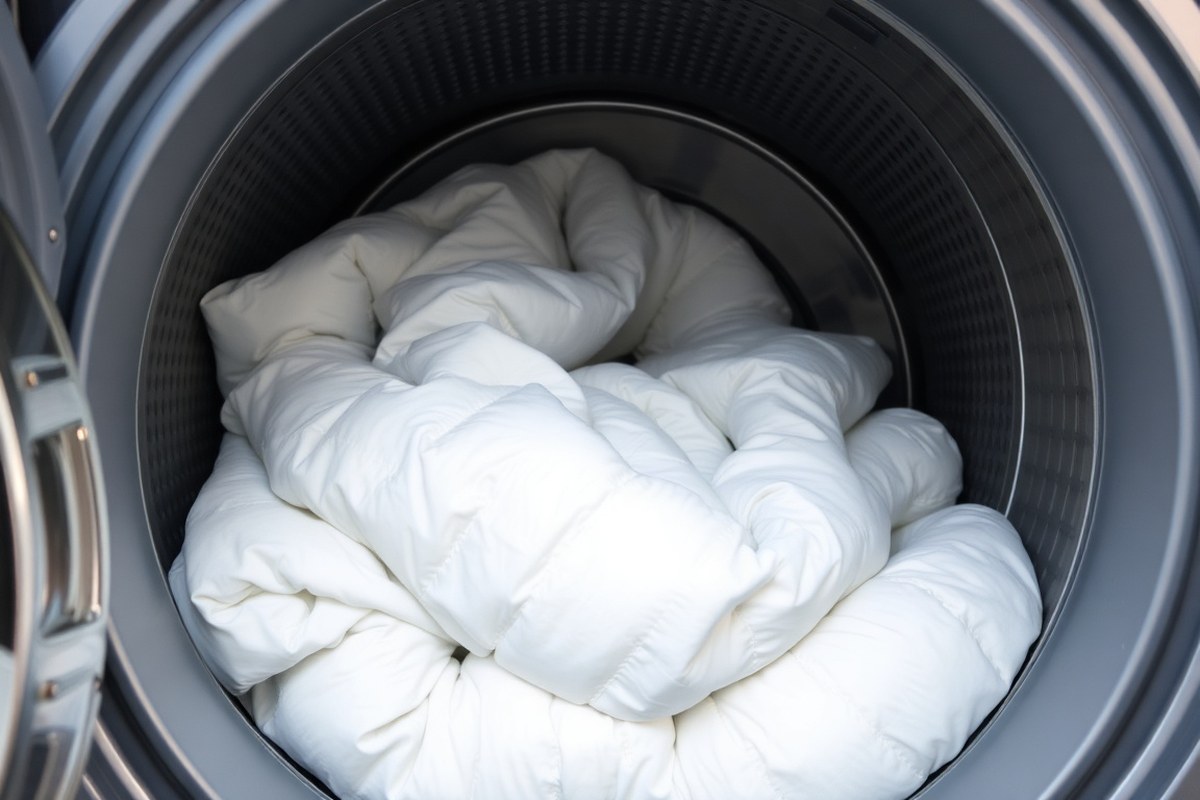
Drying a down comforter in a home dryer is the fastest and safest way to restore its loft and warmth after washing. The key is to use a large-capacity dryer on a low heat setting to prevent heat damage to the delicate down filling. Adding dryer balls during the cycle helps keep the down from clumping and allows air to circulate evenly. Periodically stopping the dryer to fluff and rearrange the comforter ensures thorough drying and avoids cold spots that can cause mold or mildew.
To dry your down comforter safely and efficiently, follow these steps carefully. Avoid any high heat settings since they can harm the down and cause the feathers to lose their insulating properties. Aim for low or no heat combined with consistent fluffing throughout the drying process. This method might take several hours but improves the comforter’s lifespan and performance.
- Check your dryer’s capacity. Ensure your down comforter fits loosely inside a large dryer. A too-small dryer will compress the comforter, hindering airflow and slowing drying.
- Set the dryer to low heat or air fluff. Select the lowest heat setting available or an air-only cycle to avoid overheating the down filling.
- Add 2 to 3 clean wool dryer balls or tennis balls. These will bounce around inside the drum, breaking up clumps in the down and speeding drying time by increasing air circulation.
- Start the drying cycle for 20 to 30 minutes. Let the comforter tumble gently for this period before checking progress.
- Pause the dryer and remove the comforter. Take it out and fluff it by hand to evenly redistribute the down and prevent cold spots.
- Return the comforter to the dryer and repeat the cycle. Continue this 20 to 30 minute drying and fluffing pattern until the comforter feels completely dry. This may take 2 to 3 hours total depending on your dryer and comforter thickness.
- Perform a final inspection. Check for any damp or cool areas inside the comforter. If found, repeat the drying with extra attention on those spots.
- Remove the comforter immediately and spread it out flat or hang briefly to air out. This prevents moisture buildup and helps restore maximum loft.
This process balances efficiency and care, helping keep your down comforter fluffy and dry without risking damage from high heat or insufficient airflow. It works well in any climate, especially where cold or damp weather makes air drying impractical. Remember to confirm complete dryness before using or storing the comforter to avoid musty odors or mildew growth.
2. How Long Does It Take to Fully Dry a Down Comforter?
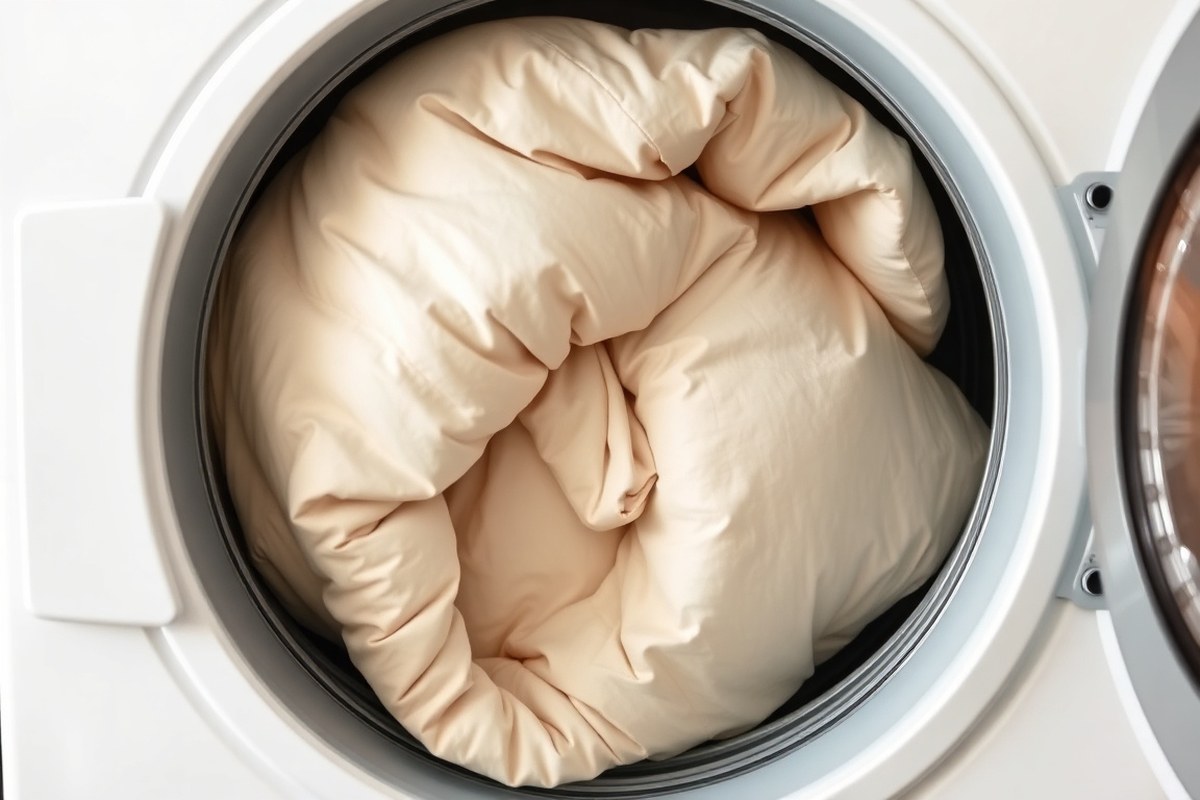
Drying a down comforter typically takes between 2 to 4 hours, but the exact time depends on several factors, especially the size and thickness of the comforter. Larger comforters such as queen or king sizes hold more down filling, which takes longer to dry compared to twin or full sizes. The efficiency of your dryer, the heat setting, and how wet the comforter is after washing also impact how long drying will take.
Choosing a low heat setting is important to protect the down feathers and fabric. High heat can damage the delicate fill and increase clumping, but low heat requires patience and a longer drying time. Checking the comforter every 30 minutes during drying helps ensure it dries evenly and lets you fluff the fill to prevent cold spots or clumps.
| Down Comforter Size | Estimated Drying Time | Recommended Settings |
|---|---|---|
| Twin/Full | 2-3 hours | Low Heat |
| Queen/King | 3-4 hours | Low Heat |
Other factors influencing drying time include the fill power of the down, the amount of water remaining after the washer spin cycle, and the dryer’s capacity to circulate air efficiently. For example, a comforter with higher fill power will trap more air and may dry slightly faster as the loft returns, but a bulky, very wet comforter will take longer. Your dryer’s small size might mean you need multiple cycles to fully dry your comforter.
Check your comforter every 30 minutes and fluff it by hand to prevent down clumping and ensure even drying throughout the cycle.
Air drying works when the care label says it’s okay, but it usually takes much longer and depends on indoor humidity. This method can also lead to mildew. Drying on low heat in the dryer dries your comforter more safely and quickly while keeping its loft and quality. Ensure the comforter is fully dry before use or storage to prevent smells or harm.
3. Can You Air Dry a Down Comforter Effectively?
Air drying a down comforter can be a reliable alternative to machine drying when done correctly, especially if you want to avoid heat damage or use a more eco-friendly method. The main benefit of air drying is that it does not risk overheating or shrinkage, preserving the loft and insulation of the down filling. However, the process takes significantly longer, typically 24 to 48 hours, and requires careful attention to prevent mildew and odors.
Dry your comforter fully before storing or using it, whether you dry it inside or outside; leftover moisture can cause mold. Outdoor air drying works best on warm, dry, and breezy days with temperatures above 70°F and low humidity. Avoid drying outdoors if rain or damp weather is forecasted. Indoors, air drying on a flat surface with good air circulation and a fan helps speed up the process without stressing the fabric. Before air drying, properly prepare your comforter to minimize drying time and maintain its quality. Here’s what you should do:
- Shake out excess water gently after washing to reduce drying time.
- Lay the comforter flat on a clean, dry surface indoors or hang it on a spacious clothesline outdoors.
- Use a fan indoors to circulate air evenly around the comforter.
- Turn or flip the comforter every few hours to ensure it dries evenly.
- Check for damp spots regularly, particularly near seams and stitching.
- Avoid direct sunlight for extended periods to prevent fabric fading or damage.
- Make sure ambient humidity is low to moderate to speed evaporation.
Although air drying doesn’t require electricity like a dryer, it demands time and effort to monitor the comforter. Low humidity and warm conditions produce the best results, while damp or cool environments can prolong the drying and increase the risk of mildew. For indoor air drying, ensuring consistent airflow is important; a stagnant room slows drying and causes musty smells.
Pay special attention to your comforter’s care label because some down fills and fabrics tolerate air drying better than others. Hypoallergenic or down alternative comforters may require different handling. Spot clumping or damp spots after air drying? Using a machine dryer on low heat can safely finish drying without damage.
4. How to Prevent Clumping and Damage During Drying
Down feathers clump during drying because moisture causes them to stick together, reducing airflow and preventing even drying. The heat can also trap moisture inside these clumps, which risks mildew and damage to the comforter’s loft. To keep the feathers evenly distributed, it’s essential to interrupt the drying process to fluff and shake the comforter regularly.
Your comforter should be removed from the dryer every 20 to 30 minutes. At this point, take it out and shake it vigorously to break up any clumps. This step re-fluffs the down, ensuring better air circulation inside and preventing moisture pockets. Adding wool or tennis dryer balls helps in fluffing the comforter during the drying cycle, as these balls bounce around and separate the feathers. Here are key tips to prevent clumping and damage:
- Remove and shake the comforter every 20 to 30 minutes during drying.
- Use wool or tennis balls in the dryer to help fluff up the feathers and keep them separated.
- Rotate and reposition the comforter inside the dryer each time you remove it.
- Check for any damp spots while fluffing to avoid moisture build-up.
- After the comforter feels mostly dry, run a no-heat or air-only cycle to loosen any remaining clumps and cool the down.
During each fluffing session, focus on shaking the comforter vigorously enough to spread the filling, but handle it gently to avoid stressing the fabric or seams. Look for cool or wet spots by touching several areas, concentrating on the thicker parts where moisture tends to hide. Any dampness means more drying time is needed to avoid mold or smell.
Perfect results come when the comforter has regained its full loft, feels evenly thick, and has no moist areas. Avoid drying on high heat, which can damage the feathers and shell fabric. Regular fluffing costs nothing but your time, plan on spending several minutes every half hour. This effort pays off with a loftier, softer comforter that lasts longer and stays comfortable.
5. Preparing Your Down Comforter for Drying
Before drying your down comforter, washing and stain treatment help maintain its fluffiness and longevity. Proper preparation includes using the right detergent, addressing spots carefully, and removing excess water to speed up drying and avoid damage.
Washing with Suitable Detergents
Washing your down comforter every 2 to 3 years keeps it fresh and clean. Use a warm water wash cycle with a detergent made for delicate fabrics or specifically for down. Avoid harsh detergents or bleach that can strip natural oils from the down feathers. Choose a front-loading washing machine if possible, as agitators in top-loaders can harm the comforter’s filling. Follow these steps for the washing process:
- Fill the washing machine with warm water.
- Add the recommended amount of a mild, gentle detergent.
- Place the comforter in the machine, distributing it evenly.
- Run a gentle or delicate wash cycle.
- Follow the wash with a spin cycle to remove excess water.
Always use a detergent without additives, which helps preserve the natural loft and softness of the down.
Treating Stains Before Drying
Stains should be treated before washing or drying to avoid setting them permanently. Use a spot cleaner or mild soap directly on spots. Let the treatment sit for 10 to 15 minutes, then blot with a clean cloth. Avoid rubbing vigorously, which can damage the fabric and spreading the stain further. For oil-based or stubborn stains, a gentle stain remover made for delicate fabrics can be used, but test a small hidden area first to check for colorfastness.
- Identify stains and apply a spot treatment or mild soap.
- Let it sit briefly without rubbing.
- Gently blot the area with a damp cloth to lift the stain.
- Repeat if necessary before washing the entire comforter.
Do not apply stain remover over large areas as it can leave watermarks or affect the fabric’s finish.
Removing Excess Water Before Drying
Removing as much water as possible from your comforter after washing cuts drying time and reduces uneven drying risks. Use your washing machine’s spin cycle, or gently press excess water out by hand without wringing or twisting. A large front-loading washer’s spin cycle is effective and safe. After spinning, lay the comforter flat on clean towels, roll it, and press to absorb any remaining moisture before moving it to the dryer or air drying.
- Run the comforter through an extra spin cycle in the washing machine.
- Remove it carefully from the machine without wringing.
- Place flat on large, dry towels.
- Roll towel and comforter together and press gently to soak up moisture.
- Unroll and transfer to the dryer or drying area.
Excess water in a comforter increases dryer time and risks clumping down feathers, so thorough water removal is essential.
6. Choosing the Best Dryer Settings and Tools
Use a low heat setting around 130°F (54°C) when drying your down comforter to avoid damaging the feathers. A delicate or gentle cycle works best. Adding dryer balls, like wool or clean tennis balls, during the drying cycle helps fluff the comforter and speeds up drying by preventing clumping.
Low Heat vs High Heat Risks
Low heat preserves the natural oils and loft of down feathers, preventing shrinkage and damage. High heat can cause the feathers to dry out, lose their insulating ability, and may damage the fabric shell. While low heat takes longer, typically 60 to 90 minutes, it significantly reduces the risk of harm to your comforter.
Using a large-capacity dryer on low heat ensures even airflow, which is key to thorough drying without overheating. Check your comforter every 20 minutes to redistribute it and avoid damp spots. If dampness remains after one cycle, run another low-heat session rather than increasing the temperature.
Types of Dryer Balls and Their Benefits
Dryer balls help break up clumps in the down, promoting better air circulation and speeding up drying time. Wool dryer balls are popular because they are soft and reusable, typically costing $10 to $20 for a set of six. They naturally absorb moisture and reduce static.
Clean tennis balls or canvas shoes also work well as dryer balls. Tennis balls efficiently fluff the comforter and cost just a few dollars each. Canvas shoes serve as a heavier alternative that adds extra agitation, helping further separate the down clusters during drying.
| Dryer Ball Type | Cost Range | Benefits |
|---|---|---|
| Wool Dryer Balls | $10, $20 (set of 6) | Soft, reusable, absorb moisture, reduce static |
| Tennis Balls | $2, $5 each | Inexpensive, effective fluffing, widely available |
| Canvas Shoes | Varies; use existing shoes | Heavier weight, adds agitation, separates down clusters |
Select the type that fits your budget and drying preferences. Avoid using dryer balls with harsh surfaces or materials that could snag your comforter’s fabric.
Using ‘Air-Only’ Cycles for Finishing Touches
After the main drying cycle on low heat, run an “air-only” or no-heat cycle for 10 to 15 minutes. This helps cool down the comforter and further fluffs the down without applying heat. It also removes any remaining moisture by circulating air.
Using an air-only cycle prevents overheating and helps maintain the comforter’s loft and softness. This finishing step can be especially useful if your dryer has a dedicated fluff or air cycle option. Check the comforter’s dampness before and after to ensure it is fully dry without having to increase heat.
7. Common Mistakes to Avoid When Drying Down Comforters
One common mistake when drying a down comforter is not checking it frequently. The feathers tend to clump together during the drying cycle. This leads to uneven drying and can leave lumps in the comforter. To avoid this, take the comforter out every 30 minutes and give it a good shake or fluff. This helps redistribute the down and encourages uniform drying.
Another error is using fabric softeners or bleach. These chemicals damage the delicate feathers and reduce the loft, which affects warmth and comfort. Skip these products entirely when washing or drying your comforter to keep it in good condition. Also, twisting or wringing the comforter is a mistake because it can tear the fabric or break the down clusters. Handle the comforter gently and avoid any harsh wringing motions.
- Do not hang the comforter on a clothesline or expose it to direct sunlight as this can cause heat damage to the down filling.
- Avoid dry cleaning unless the comforter specifically recommends it; frequent dry cleaning can reduce warmth.
- Make sure the comforter is completely dry before storing it to prevent mold or mildew.
- Do not rely on a single short drying cycle. Use multiple cycles if needed to ensure thorough drying.
- Check humidity levels; a sunny day with high humidity can slow drying substantially.
If lumps or damp spots remain after drying, place the comforter back in the dryer on a low heat setting. Add clean tennis balls or dryer balls to help break up clumps and fluff the down. Run multiple 20 to 30-minute cycles, shaking the comforter between cycles. This method works well to remove damp areas and restore loft. Keep monitoring the comforter because incomplete drying can cause odor, mildew, or damage over time.
8. When to Call a Professional for Drying or Cleaning
Call a professional for drying or cleaning your down comforter if your home dryer cannot handle its size, if the comforter has heavy stains, or if the care label recommends specialized cleaning. Professionals have the right equipment and expertise to prevent damage, restore loft, and maintain the down’s quality.
Identifying Issues Beyond Home Dryer Capacity
Standard home dryers typically have a capacity around 7 cubic feet. This size can hold lightweight queen-sized down comforters, but larger or heavier comforters often need more space to tumble freely. A compact dryer restricts movement, which risks uneven drying and clumps.
Commercial dryers with volumes of 10 cubic feet or more are better suited for bulky down comforters. They reduce drying time to 2-3 hours versus 3-4 hours in home machines. If you don’t have access to a large-capacity dryer at home, a laundromat’s commercial machines might work as an alternative.
Signs Your Comforter Needs Expert Care
Professional cleaning becomes necessary when your comforter shows signs of persistent stains, strong odors, or loss of loft that at-home methods can’t fix. Down comforters that specify dry cleaning or professional laundering on the care label also require expert attention to maintain their lifespan.
Comforters with mold, mildew, or water damage usually need professional services to clean and dry them safely. Attempting to dry such damage at home might worsen the problem or risk health issues.
How to Choose a Reliable Professional Cleaner
Select a cleaner experienced in down-filled items for best results. Look for services that offer wet cleaning or specific laundering for down to ensure gentle handling and proper drying techniques. Local dry cleaners or specialty laundries often provide these options.
Costs for professional down cleaning typically range from $20 to $50, depending on comforter size and service type. High-quality cleaning restores fluffiness and removes allergens without harming the filling. Use this checklist to find the right pro cleaner:
- Check that the cleaner advertises down comforter cleaning or down product services.
- Confirm their machines can handle large, bulky items.
- Verify the cleaning methods (wet cleaning or dry cleaning) fit your comforter’s care label.
- Ask about turnaround time, usually 1-3 days.
- Compare prices and inquire about any guarantees on results.
- Review customer feedback or ratings online for reliability and quality.
Do not trust cleaners who lack experience with down products, as improper treatment can damage the filling or cause shrinking.
Step-by-Step Action Plan for Drying Your Down Comforter
Follow these steps to dry your down comforter safely and maintain its softness and loft.
- Before You Start: Check the care label on your comforter to confirm dryer compatibility and recommended settings.
- Initial Drying Phase: Put your comforter in the dryer along with a few clean tennis balls or dryer balls to keep the filling from bunching up; choose a low heat or air fluff setting.
- Midway Check: Stop the dryer every 20-30 minutes to redistribute the down by hand; this helps keep the filling evenly spread.
- Continue Drying: Run the dryer in 30-minute increments over 1 to 2 hours total, depending on your dryer’s efficiency and comforter thickness.
- Final Check: Ensure the comforter feels completely dry inside and out, with no damp spots or cool areas.
- Air Out: After drying, lay the comforter flat or hang it in a well-ventilated area for a few hours to remove any remaining moisture.
- Storage: Store your comforter loosely in a breathable cotton bag or cover to maintain loft before use.
Frequently Asked Questions
How Do I Know If My Down Comforter Is Completely Dry?
Your down comforter is fully dry when it has no cool spots, the filling is evenly spread, and it regains its original loft and softness. Checking thoroughly prevents mold and mildew growth.
Can I Use Fabric Softener When Washing a Down Comforter Before Drying It?
Using fabric softener is not recommended, as it can coat the down feathers and reduce their fluffiness and insulating ability. Stick to gentle detergents designed for down or delicate fabrics.
Is It Okay to Dry a Down Comforter with Other Laundry Items?
It’s best to dry your down comforter alone to allow it enough room to fluff and dry evenly. Other items can slow the drying process and cause clumping.
How Often Should I Dry My Down Comforter to Keep It Fresh?
Dry your down comforter after every wash or spot clean, ideally at least once or twice a year. Regular airing out can help maintain freshness between washes.
What Temperature Setting Is Safest for Drying a Down Comforter?
Use a low heat or air-only setting to protect the down feathers from heat damage. High heat can cause the down to clump or the shell fabric to shrink.
Can Dryer Balls Replace Tennis Balls When Drying Down Comforters?
Yes, wool dryer balls are effective at breaking up clumps and speeding drying just like tennis balls, but they won’t leave dye or marks on your comforter.
Final Thoughts
A properly dried down comforter stays fluffy and comfortable without damage. Keep close watch during drying and avoid high heat to protect the delicate feathers. Your next step is to prepare your comforter for drying by checking its label and gathering dryer balls to prevent clumping throughout the process.