Can You Wash a Down Comforter? A Complete Guide for Safe, Effective Cleaning
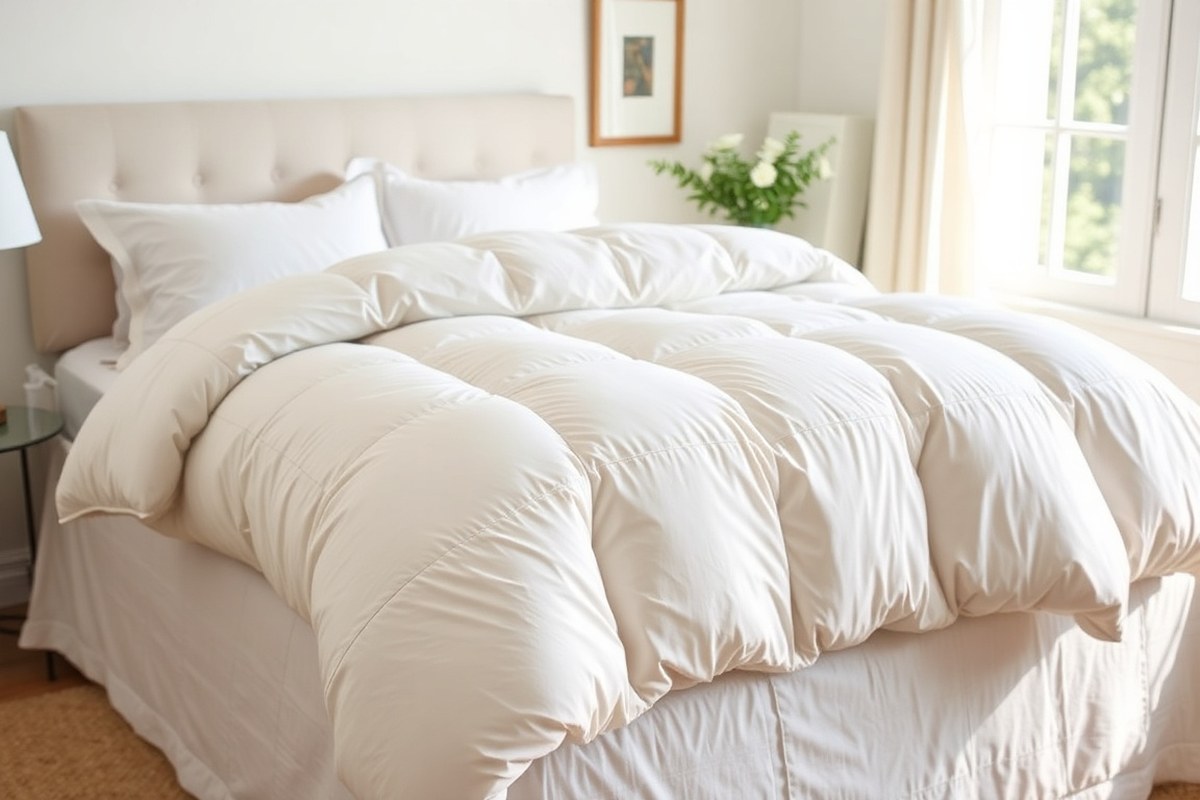
Yes, you can wash a down comforter at home safely if you follow the right steps to protect its filling and fabric. Proper care can keep your comforter fresh and extend its life without damages like clumping or mildew. This advice is especially useful if you want to clean your comforter yourself but are unsure about the process or frequency.
This information helps homeowners and renters who own down comforters and seek practical, easy-to-follow cleaning tips. You will learn how often to wash your comforter, the best methods for cleaning and drying, and when professional cleaning is a better choice to keep your bedding soft and durable.
Key Takeaways
- Wash or professionally launder your down comforter every 1 to 3 years for regular upkeep.
- Wash every 3 to 6 months if you don’t use a cover, have allergies, sleep with pets, or sweat heavily.
- Machine wash on a gentle cycle with low heat and use mild detergent for safe cleaning.
- Dry your comforter on low heat for 2 to 4 hours, shaking it every 30 minutes to prevent clumping.
- Spot-treat stains and odors with a remover and let it sit at least 15 minutes before washing.
- Always ensure your down comforter is completely dry before storage to prevent mildew and odors.
Can You Wash a Down Comforter at Home Safely?

Yes, you can wash a down comforter at home safely, provided you meet certain conditions that protect the fabric and filling. The first step is to check the capacity of your washing machine. Most home front-loading machines that can comfortably hold a down comforter without crowding (usually at least 3.5 cubic feet) are suitable. A tight fit prevents proper cleaning and rinsing, and may damage the comforter or the washer. When your machine is too small, using a large-capacity laundromat washer is a good alternative. Some down comforters have “dry clean only” labels, but these can often still be washed at home if you take care to use gentle methods and specialized detergents.
Choosing the right detergent matters. Avoid harsh or enzyme-based cleaners that can degrade down feathers. Specialized down detergents like NikWax Down Wash Direct are recommended by some experts for cleaning at home. Using cold or warm water on a delicate or gentle cycle will help prevent damage to the feathers and fabric shell. Before washing, remove all bedding underneath and avoid cleaning the comforter on the bed. This avoids transferring dirt and allows the comforter to move freely in the washer.
After washing, drying the comforter thoroughly is essential to avoid clumping feathers, mildew, or odor. Use low heat in a dryer with clean tennis balls or dryer balls to help restore the down’s loft and distribute it evenly. Should the dryer fail to fully dry the comforter, air-dry it on a clean, sunny, and flat surface. Avoid stringing the comforter on a line as this can cause uneven drying and damage. Ensuring the comforter is 100% dry before storing or using it again prevents mildew and bad smells.
When determining if washing at home is right for your comforter, look at its size, care label, and condition. Washing every 1 to 3 years is typical for most down comforters unless you have allergies, pets, or sweat heavily at night, in those cases, washing every 3 to 6 months might be needed. Tough stains that don’t come out in home washing may require professional cleaning to protect the comforter’s quality. Proper washing at home costs nothing more than your detergent, water, and electricity, while professional cleaning can range from $30 to $100 or more depending on size and service.
Following these guidelines can help you safely wash a down comforter at home while maintaining its warmth and fluffiness. Keep in mind that proper machine size, gentle detergents, careful drying, and thorough drying are key to good results and avoiding damage. When in doubt, experts suggest erring on the side of professional care for particularly valuable or delicate comforters.
How Often Should You Wash Your Down Comforter?
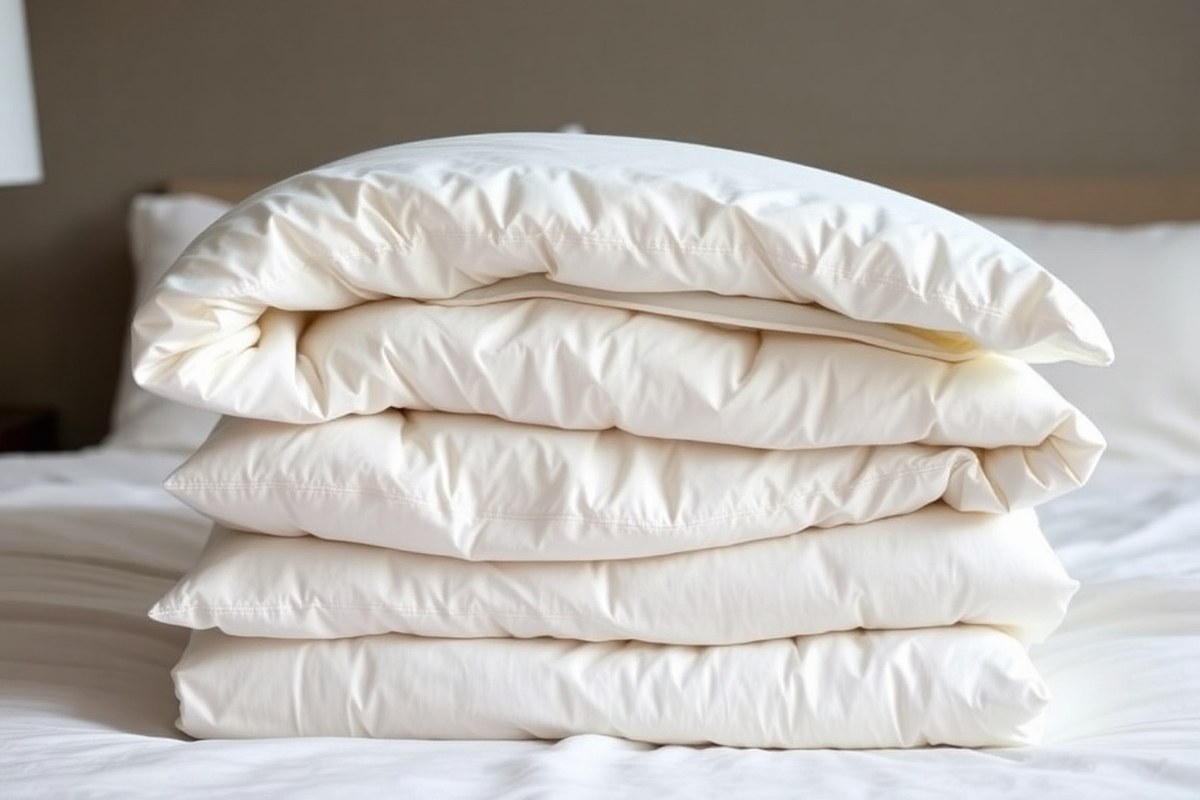
Washing your down comforter every three to six months is usually enough for regular use without pets or allergies. This timeline protects the down filling by preventing unnecessary exposure to water and agitation, which can break down the delicate feathers over time. For comforters without a removable cover, cleaning at least once per season helps prevent buildup of skin oils, sweat, and dust. Using a duvet cover reduces how often you need to wash the comforter itself, as you can wash the cover more frequently along with your sheets and pillowcases.
Homes with pets on the bed or anyone with allergies should consider washing the comforter more often, around every two to three months, to remove pet hair, dander, and allergens that accumulate. Illness also calls for a quicker wash cycle, ideally immediately after recovery, to reduce exposure to germs for others using the bedding. Taking extra care to thoroughly rinse all detergent at each washing helps keep the feathers fluffy and prevents irritation for allergy sufferers.
Over-washing can damage your comforter by breaking down the down fill that traps heat and creates loft. Mechanical stress from frequent washing or using the wrong water temperature accelerates wear and clumping. It’s safer to rely on spot-cleaning stains and airing the comforter between washes to extend its life. When washing, always select warm water and a delicate cycle, and aim to wash the comforter alone to avoid uneven wear and insufficient rinsing.
For light use with a protective cover and no pets, washing the comforter once or twice a year may suffice. If spots or odors develop, treat these with a mild stain remover and soak the comforter before a full wash, which may delay the need for frequent laundering. Soaking in a tub with mild detergent reduces stress from machine agitation. Proper drying on low heat with frequent fluffing restores loft and helps prevent mildew.
Avoid washing your down comforter too often; excessive cleaning can reduce its warmth by damaging the down filling, so rely on spot treatments and using a duvet cover to extend the time between washes.
Machine Washing vs. Hand Washing a Down Comforter
Choosing between machine washing and hand washing your down comforter depends on your comforter’s care label, your washing machine’s capacity, and how much effort you want to put in. Machine washing usually saves time and is effective for most down comforters that don’t have delicate fabrics. Hand washing offers gentle care but takes more work and is best for comforters without machine wash instructions or if you lack a suitable washer.
Using a front-loading washer, select the delicate setting and choose either cold or warm water along with a mild detergent. Check that the washer has enough space for the comforter to move without restriction, preventing harm to its fabric and stuffing. After washing, put it in the dryer at a low heat, adding wool dryer balls or clean tennis balls. Pause the dryer every 30 to 60 minutes to manually separate any damp down clusters. This drying usually takes a few hours, ensuring the down remains light and dries evenly.
Hand washing involves soaking the comforter in a bathtub filled with cold or lukewarm water and gentle detergent. You need to agitate gently and rinse thoroughly to remove all soap. The comforter will get very heavy when wet, making it cumbersome to handle. Drying takes longer, often several days if air drying, and you must frequently shake out clumps and redistribute the filling by hand. Hand washing requires more physical effort but lowers the risk of mechanical damage compared to machine washing.
| Method | Pros | Cons | Best Use Case |
|---|---|---|---|
| Machine Washing | Quick, effective, uses delicate cycle, livens down with dryer balls, minimal manual handling | Needs large front-loader, risk of fabric damage if overloaded, requires careful drying | Comforters labeled machine washable; sufficient washer size available |
| Hand Washing | Gentle on delicate fabrics, control over wash cycle, no machine needed | Very labor-intensive, comforter gets heavy when wet, long drying time (days), risk of mildew if not dried properly | Comforters with delicate fabrics, no machine access, or suspect machine wash risks |
| Dry Clean Only (Special Case) | Preserves very delicate fabrics and finishes, professional care | Chemicals can harm down, more expensive, potential exposure to harsh solvents | Comforters explicitly labeled “Dry Clean Only” |
Selecting the right method means reviewing your comforter’s label and weighing your machine’s size and your willingness to hand wash and dry it carefully. Avoid putting your comforter in a top-loading washer with a central agitator, as this type of machine can tear the fabric and cause uneven wear in the filling. Hand washing or professional cleaning might be better in that case. For most down comforters labeled for machine wash, using a large, front-loading washer on a delicate cycle with gentle detergent delivers good results with less effort.
Follow drying instructions strictly to avoid clumping or mildew. Air drying can refresh a comforter but may take a long time to fully dry down fill. Monitoring drying progress and fluffing the comforter regularly is important, whether you use a dryer or air dry. Your goal is to have the comforter dry and fluffy instead of heavy or damp feeling.
Step-by-Step Guide to Machine Washing a Down Comforter
Machine washing a down comforter is possible with the right approach. Using a large-capacity washer, gentle detergent, and appropriate settings helps protect the delicate down and maintain loftiness. Following careful preparation and washing steps reduces risk of damage or clumping.
Choosing Detergent and Settings
Use a liquid high-efficiency (HE) detergent designed for delicate fabrics or down. Avoid powders or bleach, which can strip natural oils and harm down fill. Select a gentle or delicate cycle on your front-loading washing machine to minimize agitation. The temperature should be cold or warm, never hot, to prevent shrinking or damaging the fabric and down.
The spin speed should be slow or medium to help extract water without stressing the filling. A large-capacity washer is important to give the comforter room to move freely, reducing clumping. Washing a down comforter alone is essential to prevent excess weight and friction from other items.
Preparing Your Comforter for Washing
Check the manufacturer’s care label thoroughly before washing to confirm machine washability. Remove any duvet covers or additional bedding. Inspect the comforter for tears or openings and mend them to avoid down leakage. Shake the comforter out to redistribute the down fill evenly before placing it in the washer.
Pre-treat any spots or stains with a gentle stain remover or a mild soap solution, focused on the spots only, to prevent excess moisture on the entire comforter. Close all zippers and fasteners to avoid snagging.
Washing and Rinsing Process
After selecting the correct detergent and washer settings, you’re ready to wash. Always run at least two complete rinse cycles to ensure all detergent is fully removed; residue can damage down and reduce loft. Use a gentle cycle and avoid overloading to keep the comforter moving freely.
Spin cycles should be set to a moderate speed to extract as much water as possible, accelerating drying time and reducing mildew risk. Prepare a few clean tennis balls or dryer balls to toss in the dryer later, which will help break up clumps formed during washing and drying.
The total washing process including multiple rinses can take 1.5 to 2 hours depending on machine capacity and comforter thickness. Patience is key to clean thoroughly without harm. Follow these steps each time you machine wash your down comforter for the best results:
- Confirm your washer is a large-capacity, front-loading machine.
- Set the machine to gentle cycle with cold or warm water.
- Use liquid HE detergent formulated for delicates or down.
- Pre-treat spots with mild stain remover and mend any tears.
- Place comforter alone inside the washer, evenly distributing it.
- Run the wash cycle, then complete at least two rinse cycles.
- Use a slow to medium spin speed to remove excess water without stress.
- Remove comforter promptly and prepare for drying using dryer balls.
How to Dry a Down Comforter to Avoid Clumping and Mildew
Drying a down comforter requires patience and careful attention to prevent clumping and mildew. Use low to medium heat and plan for a drying time between 4 and 12 hours. Regularly fluffing the comforter and using dryer balls can keep the down evenly distributed and help it dry thoroughly.
Setting the Dryer Temperature and Time
Choose the lowest heat setting your dryer offers, often labeled as “air fluff” or “low heat.” Avoid high temperatures because they can damage the down feathers and shrink the fabric. The drying process typically takes 4 to 12 hours depending on your dryer’s heat level and size of the comforter.
Start by setting the dryer on low to medium heat for about 3 to 5 hours. Check the comforter’s dryness level halfway through and adjust the time accordingly. Using a longer drying period on a cooler setting is safer and reduces the risk of overheating or damaging the filling.
Using Dryer Balls for Fluffing
Add two to three clean tennis balls, wool dryer balls, or a canvas sneaker with no laces to the dryer. These help agitate the comforter during the cycle and keep the down from clumping by breaking up any lumps. Dryer balls also speed up drying by allowing more air circulation around the comforter.
It is best to avoid fabric softener sheets, as they can leave a coating on the down, which reduces loft and breathability. Placing the tennis balls or wool balls into the dryer with the comforter ensures more even drying and helps maintain fluffiness throughout.
Shaking and Checking the Comforter Periodically
Pause the drying process every 30 minutes to remove and shake the comforter. This manual fluffing breaks up damp clumps of down and redistributes the filling for uniform drying. Also, turn and fold the comforter during these breaks to expose all sections to heat.
Feeling the comforter for damp spots and lumps is critical. If you find heavy, cold spots, rearranging or kneading these areas will encourage better airflow and drying. Consistent checking helps avoid mildew caused by trapped moisture and keeps the down fluffy. Follow these steps to dry your down comforter properly:
- Set your dryer to the lowest heat or air fluff setting.
- Place your slightly untangled down comforter in the dryer.
- Add two or three clean tennis balls, wool dryer balls, or a sneaker without laces.
- Start the dryer and run it for about 30 minutes.
- Stop the dryer, remove the comforter, and shake it vigorously to break up clumps.
- Check for damp spots, knead and redistribute those areas.
- Return the comforter and dryer balls to the machine and continue drying.
- Repeat shaking and checking every 30 minutes until the comforter is completely dry, which may take 4 to 12 hours.
Avoid rushing the drying process with high heat; down feathers dry best slowly and gently to maintain loft and prevent mildew.
How to Treat Spots and Odors on a Down Comforter Before Washing
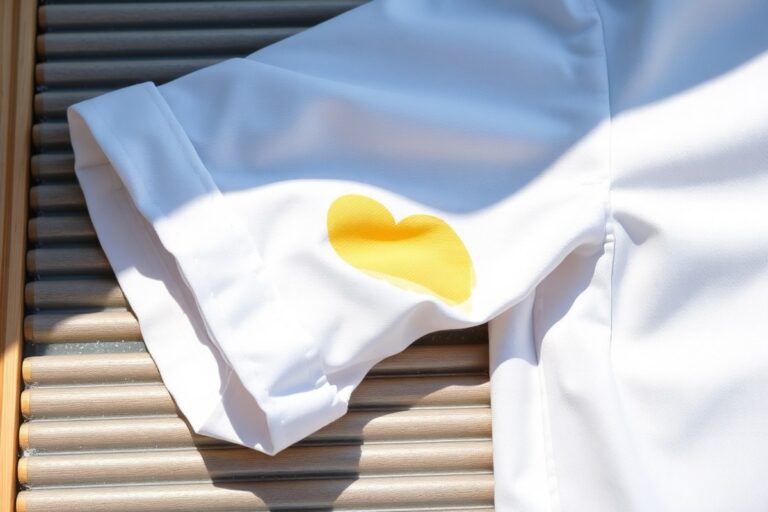
Before washing a down comforter, treating spots and odors carefully is essential to preserve the delicate down filling. Start by gently inspecting your comforter for any visible stains or dirt. Use a soft brush, like The Laundress Stain Brush, to softly scrub away stains without damaging the fabric. Apply a stain remover that is safe for down; avoid harsh chemicals that can break down the natural fibers. For effective stain removal, apply the remover directly to the stain and let it sit for about one hour. This waiting period allows the product to lift the stain without requiring excessive scrubbing, which can harm the down clusters.
When spot-treating, pull back the comforter cover to keep the cleaning product away from the down itself. This step is important because direct contact with powerful stain removers or strong soaps can cause clumping or damage to the fill. Use cold water for rinsing and soaking any treated areas, as hot water can set stains and lead to shrinkage. A clean sponge or a soft brush can be used to gently remove the stain remover after it has done its work.
For removing odors, sprinkle baking soda lightly over the affected surface. Let the baking soda sit for at least 15 minutes to absorb smells effectively. Afterward, vacuum the baking soda off using a handheld vacuum cleaner, such as the Black + Decker Dust Buster, which works well without tugging on or harming the fabric. This method avoids the use of harsh chemicals that might degrade the comforter’s down.
Choosing a gentle detergent without additives for any hand washing or machine prewash is advisable. These detergents cleanse the down fibers and remove dirt and odors gently. Steer clear of bleach, fabric softeners, or strong enzymatic cleaners as they pose a risk of damaging the softness and loft of the down.
Prewashing treatments like spot removal and deodorizing take a little time but offer a significant payoff. Comforters that undergo proper prewashing care look cleaner, retain loft better, and last longer. Failing to adequately treat stains or odors beforehand can result in persistent marks or unpleasant smells, even after washing. Taking care not to overscrub or use harsh chemicals preserves the integrity of both the cover fabric and the down inside, making your comforter soft and cozy for multiple seasons.
Common Washing Mistakes and How to Fix Them
Clumping in a down comforter happens when wet spots inside the filling don’t dry evenly. This causes the down to stick together in lumps, which reduces the comforter’s loft and warmth. To fix clumping, run your comforter through additional drying cycles, ideally with dryer balls or clean tennis balls. These help break up clumps and restore fluffiness. Clumping that persists after a few drying sessions calls for airing the comforter in a dry, sunny place and fluffing it by hand now and then.
Mildewy smells usually come from moisture trapped inside the comforter or from using too much detergent. To prevent this, make sure the comforter dries completely on a low or medium heat setting, giving it plenty of room to tumble freely. Using a dehumidifier in your laundry or bedroom area can reduce excess moisture in the air, keeping your comforter fresher longer. Avoid powder detergents or laundry pods in excess, as leftover residue can cause lingering odors and fabric damage.
Shrinking or tears often result from washing at too high a temperature or using harsh detergents and aggressive machine cycles. Always follow the manufacturer’s washing instructions, generally preferring cold water and gentle cycles. When your comforter shrinks, gently stretch it back to its original shape while it’s damp, then allow it to air dry flat. Small tears can be repaired with a needle and thread designed for heavier fabrics or fabric adhesive patches made for mattresses or upholstery.
- Wash the comforter separately to prevent lint or wrinkles
- Use gentle detergent, avoiding excess amounts
- Dry with dryer balls to break up clumps
- Run multiple drying cycles until completely dry
- Reduce air humidity with a dehumidifier
- Repair small tears promptly with heavy-duty thread or fabric patches
- Follow manufacturer care instructions closely
Address mistakes quickly by adding extra drying time or repairing rips before they worsen. Letting moisture linger risks mildew growth and a sour smell. Taking preventative measures like avoiding overloaded machines and controlling detergent amounts will keep your down comforter fluffy and odor-free for years.
When to Choose Professional Cleaning for Your Down Comforter
Sending your down comforter for professional cleaning makes sense when your bedding has specific care requirements, is too large for your machines, or shows signs of deep stains and odors that spot cleaning doesn’t fix. Professional cleaning services can offer specialized wet cleaning that maintains the loft and integrity of the down filling without risking damage from improper home washing.
Signs Your Comforter Needs Professional Care
Check the care label on your comforter first. If it specifies dry cleaning only or warns against machine or hand washing, professional cleaning is necessary. Comforters with delicate outer fabrics like silk or some synthetics may require this treatment to avoid shrinkage, fabric damage, or loss of softness. Comforters that are oversized or heavily soiled can also benefit from professional care, since many home washers and dryers cannot handle the bulk or may leave moisture trapped inside, leading to mildew or clumping.
Comforters that have persistent odors, deep stains beyond surface spots, or visible mold and mildew should be professionally cleaned. Attempting to wash these at home without specialized equipment and detergents might not fully sanitize the bedding and can worsen damage. A professional cleaner can assess your comforter’s condition and apply appropriate detergents and sanitizers safely.
Cost and Time Expectations
Professional cleaning prices for down comforters typically range from $25 to $50 per item depending on size, fabric type, and location. Larger king-sized comforters or those with complicated fabrics can cost more. Cleaning often takes 2 to 5 days because some services use wet cleaning methods that require careful drying to prevent mildew. Adding stain treatment or fabric protection can increase costs and turnaround time.
Many local laundromats offer large capacity washers and dryers that accommodate comforters, sometimes charging around $5 to $10 per load. This can be a cost-effective alternative when you want to wash at a facility rather than at home but don’t need full professional service. Choosing a trusted laundry service experienced with down products ensures your comforter gets proper handling.
Advantages of Professional Cleaning
Professional cleaning maintains the fluffiness and insulation ability of the down without causing clumping or fiber damage. Wet cleaning services use detergents specifically formulated for down, which clean thoroughly while preserving natural oils that keep feathers resilient. These cleaners also ensure comforters dry evenly and completely, reducing the risk of mold or lingering damp smells.
Another benefit is stain and odor elimination on a deeper level than typical home methods. Professionals might apply targeted treatments that break down body oils, sweat, and allergens embedded in the fill and fabric. Those concerned about allergies or respiratory issues will especially appreciate how professional cleaning removes dust mites and other irritants more effectively.
Always follow the care label instructions and never guess if your down comforter is safe to wash at home; improper cleaning can permanently damage its warmth and loft.
Step-by-Step Action Plan for Washing Your Down Comforter
Follow these steps to safely and effectively wash your down comforter at home and keep it fresh.
- Before you start: Check the care label on your comforter for any specific instructions or warnings.
- Day 1: Spot clean any visible stains using a mild detergent and a clean cloth to avoid spreading or setting the stain.
- Day 1: Load the comforter into a large-capacity washing machine, using a gentle cycle with cold water and mild detergent designed for down or delicate fabrics.
- Day 1: Add tennis balls or dryer balls to the dryer to help break up clumps and maintain loft as the comforter dries.
- Day 1: Dry the comforter on low heat, pausing periodically to fluff and separate the down filling to prevent clumping.
- After drying: Shake and air out the comforter for several hours to ensure all moisture evaporates and mildew is prevented.
- Every 3-6 months: Wash your down comforter following this plan or use professional cleaning if the comforter is heavily soiled or fragile.
Frequently Asked Questions
Can You Wash a Down Comforter with a Regular Home Washing Machine?
Yes, you can wash a down comforter in a home machine if it fits well without crowding. Use a front-loading washer to avoid damage and select a gentle cycle with cold water for best results.
Is It Safe to Wash a Down Comforter with Other Laundry Items?
It’s best to wash a down comforter alone or with similar soft items like pillows to prevent damage. Overloading the washer can cause uneven cleaning and strain your washer.
Can I Use Bleach When Washing My Down Comforter?
You should avoid using bleach on down comforters as it can damage the feathers and fabric. Opt for a gentle detergent specially formulated for down or delicate fabrics.
How Do You Prevent the Down from Clumping During Washing?
Using a front-loading washer on a gentle cycle and adding clean tennis balls or dryer balls in the dryer helps keep down filling evenly distributed and fluffy.
What Water Temperature Is Best for Washing a Down Comforter?
Use cold or warm water on a gentle cycle to protect the down insulation and prevent fabric shrinkage or damage.
Can Frequent Washing Damage a Down Comforter?
Washing a down comforter too often can reduce its loft and insulation over time. Wash every 1 to 3 years or more often if you use no cover or have allergies.
Before You Go
You can safely wash your down comforter at home if you follow the right steps to avoid damage and clumping. Spot treating stains first and using the correct washer settings make a big difference. Start by checking your care label, spot cleaning any marks, and preparing your washer with gentle detergent today.