How to Eliminate Armpit Stains: 8 Effective Methods That Actually Work
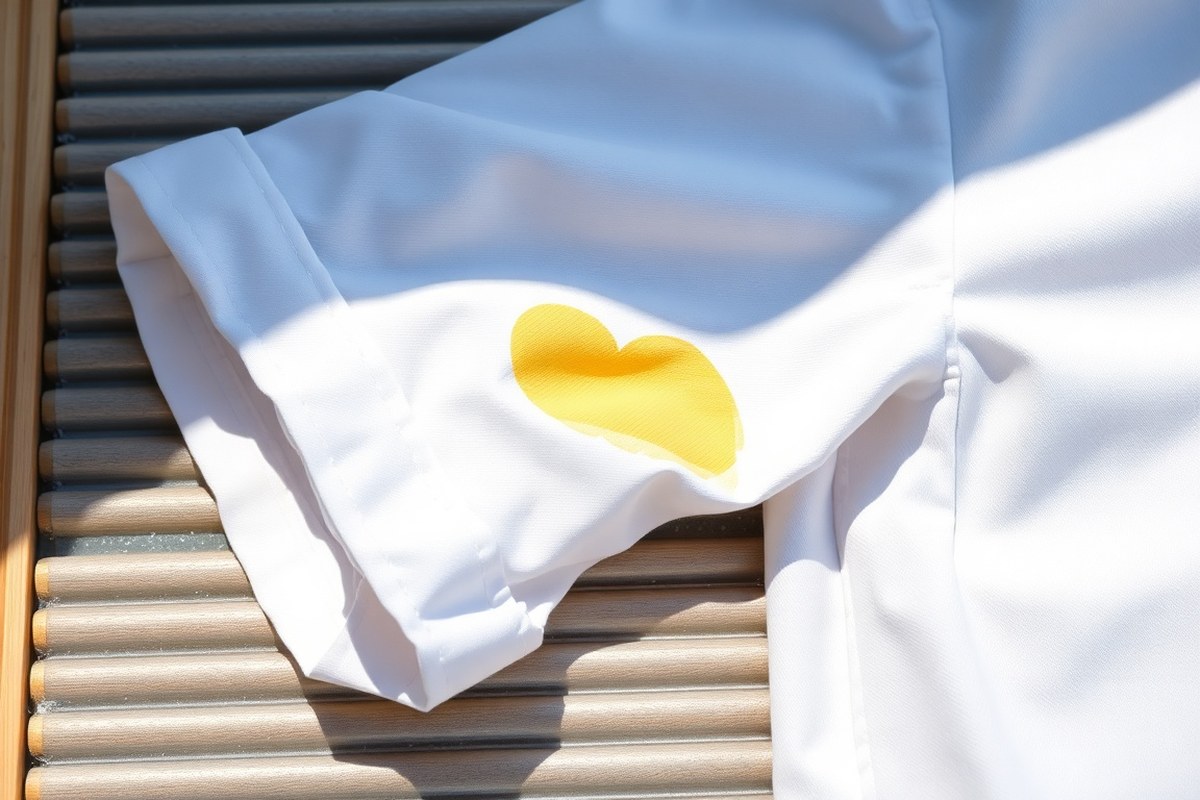
How to eliminate armpit stains starts with treating the affected area quickly using products like baking soda, vinegar, or enzyme cleaners, depending on the fabric and stain severity. Avoid heat until stains are fully removed, as heat can set the stain permanently. This approach works best for anyone looking to save their clothing from yellow or white underarm marks caused by sweat and deodorants.
This article offers practical methods to remove armpit stains safely and effectively. It covers natural remedies, commercial stain removers, fabric-specific treatments, and steps to prevent stains before they form, helping you maintain fresh, clean shirts without damaging the fabric.
Key Takeaways
- Use a baking soda paste with warm water on stains and let it sit 15 minutes or overnight before laundering.
- Soak shirts in 2 cups water mixed with 1 cup white vinegar for 30 minutes to lift sweat stains.
- Apply enzyme cleaners directly to armpit stains and pre-treat for at least 30 minutes before washing.
- For white garments, apply 3% hydrogen peroxide on colorfast areas as a spot treatment.
- Do not use machine heat on stained garments until stains are completely removed to avoid setting them.
- Check if your deodorant contains aluminum, which can contribute to tougher armpit stains.
1. How to Eliminate Armpit Stains Safely and Effectively
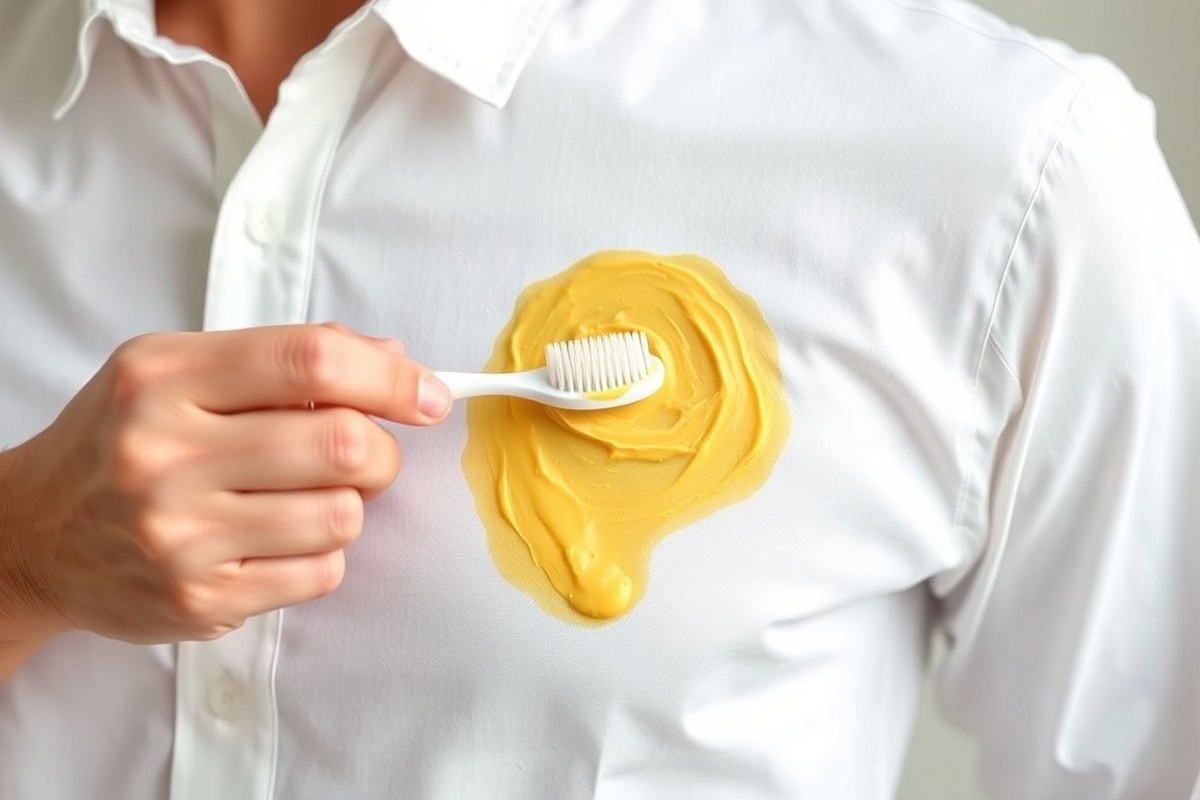
Removing armpit stains safely and effectively requires the right combination of household ingredients and proper treatment time to protect your fabric. Using baking soda, vinegar, or hydrogen peroxide can break down stains without harsh chemicals, making your clothes look fresh again without damage. Avoid heat during the process since high temperatures can set stains permanently. Cold rinsing and using gentle stain removers help preserve delicate fabrics. Follow these steps carefully to target stubborn stains and keep your shirts clean.
- Prepare a baking soda paste. Mix 4 tablespoons of baking soda with 1/4 cup of warm water until it forms a spreadable paste. Baking soda works as a mild abrasive and deodorizer that lifts sweat and deodorant buildup.
- Apply the paste to the stained area. Spread a thick layer over the armpit stain, covering it completely. Let the paste sit for 30 minutes to an hour to break down the stain particles without damaging cotton or linen fabrics.
- Rinse the treated area with cold water. Use cold water to remove the paste and the loosened stain before heat exposure. Warm or hot water can cause proteins in the sweat to bind with fabric fibers, setting the stain deeper.
- Soak the garment in white vinegar solution. Fill a basin with one part white vinegar and two parts cold water. Submerge the stained section and soak for 30 minutes or longer for stubborn stains. Vinegar helps neutralize stains and odors safely.
- Apply hydrogen peroxide for extra stain removal. Use 3% hydrogen peroxide directly on the stain after vinegar soaking, especially on white or colorfast cotton. Let it sit 10 to 15 minutes to oxidize and fade the discoloration. Avoid hydrogen peroxide on delicate or colored fabrics to prevent fading.
- Wash the garment in cold water. Use an enzymatic detergent or a detergent booster designed for stain removal. Avoid fabric softeners as they can trap residues and make stains harder to remove. Wash according to the care label instructions.
- Air dry the clothing. Do not use a dryer until the stain is completely gone. Heat from dryers can permanently set any remaining stain. Inspect the garment after washing and repeat the treatment if necessary before drying.
2. What Causes Armpit Stains and How Sweat and Deodorant Interact

Armpit stains form because sweat, deodorant ingredients, bacteria, and fabric interact in complex chemical and physical ways. Sweat contains proteins and oils that mix with aluminum salts in many antiperspirants to create stubborn stains that settle deeply into fabric fibers. Body heat and drying speed up chemical reactions and cause residues to harden, making stains difficult to remove.
How Sweat Components Contribute to Stains
Sweat itself is mostly water but contains proteins like keratin and lipids (skin oils) that cling to fabric. These proteins play a key role because they bind with other substances to form insoluble residues. The natural bacteria on your skin break down sweat and produce compounds that add to discoloration. Sweating more intensely or for longer periods increases the amount of protein and bacterial byproducts deposited on your clothing.
When sweat dries on the fabric, it leaves behind both proteins and oily residues that can trap dirt and deodorant chemicals. This buildup forms the foundation of armpit stains, especially when combined with substances like aluminum salts.
The Role of Aluminum Salts in Deodorant and Antiperspirant Stains
Many antiperspirants include aluminum compounds such as aluminum chloride or aluminum zirconium. These salts temporarily block sweat glands to reduce sweating but react chemically with sweat proteins and lipids. A protein-lipid-aluminum complex forms, causing a crusty, yellowish stain that embeds into the textile fibers by polymerizing within them. This chemical reaction makes the stain tougher to remove than sweat alone.
Applying too much antiperspirant increases the amount of aluminum salts present, boosting the chance of visible, stubborn stains after sweat accumulates. Aluminum-free deodorants reduce this risk because they don’t contain these reactive salts, though they can still cause marks if residue builds up.
Effect of Body Heat and Drying on Stain Formation
Higher body temperatures accelerate the chemical reactions between sweat, bacteria, and deodorant ingredients. As sweat dries, with heat or air exposure, the protein-lipid-aluminum complexes harden and adhere more firmly to fabric fibers. This drying process causes the stain to bind at a microscopic level within the textile structure, which makes prompt washing necessary for effective removal.
Temperature also influences fabric integrity. Hot water during washing can sometimes set stains further if applied incorrectly. It’s best to treat stains with cold or lukewarm water initially to prevent heat from fixing the residues deeper into the fabric.
Why Some Deodorants Stain More Than Others
Formulas with aluminum salts tend to cause the most noticeable yellow stains because they chemically bond with sweat compounds. Deodorants that rely on other active ingredients, such as natural botanicals or alcohol-based formulas without aluminum, generally cause fewer or lighter stains. However, buildup from solid deodorant sticks or powders that don’t dissolve well can leave visible white patches or residue on dark fabrics.
Your personal hygiene and laundry habits also affect how stains develop. Over-application of deodorant leaves more product on your skin and clothes, increasing residue that reacts with sweat. Regular washing right after use prevents build-up that eventually forms tough stains.
Apply deodorant sparingly and wait a few minutes before dressing to let it dry, reducing residue transfer and stain formation.
3. Natural Remedies to Treat and Lift Armpit Stains
Natural ingredients like baking soda, vinegar, and lemon juice offer effective, non-toxic ways to reduce and remove armpit stains. They work by breaking down stain residue and lifting discoloration without harsh chemicals. Exact application methods and wait times vary by ingredient but remain simple and affordable.
Using Baking Soda Paste for Stains
Baking soda acts as a mild abrasive and deodorizer that gently lifts sweat stains without damaging fabric fibers. It works best on heavier cottons but should be avoided on silk and wool. A baking soda paste applied to the stain can loosen both discoloration and odor. Follow these steps to apply a baking soda paste effectively:
- Mix two parts baking soda with one part warm water to form a spreadable paste.
- Spread the paste evenly over the armpit stain using a spoon or your fingers.
- Let the paste sit on the fabric for 15 minutes for fresh stains or overnight for older, set-in stains.
- Rinse the garment with cold water to remove the paste.
- Launder the clothing as usual using your regular detergent.
Leaving the paste on longer improves stain removal but monitor delicate fabrics for signs of wear. Baking soda is low-cost, about $2.25 for a 16-ounce box, and widely available. Avoid using hot water before treatment, as that may set stains further.
Vinegar Soaks to Break Down Residue
Distilled white vinegar contains acetic acid, which dissolves deodorant buildup and loosens sweat stains, especially on natural fabrics like cotton and linen. Diluted vinegar solutions prevent fiber damage while ensuring effectiveness. Use this soaking method to treat armpit stains:
- Mix one part distilled white vinegar with two parts cold or lukewarm water in a basin or sink.
- Submerge the stained area of the garment fully in the solution.
- Soak the fabric for 30 minutes. Avoid exceeding this time on delicate linens to prevent weakening fibers.
- Remove the garment and rinse thoroughly with cold water.
- Launder normally to remove any residual vinegar odor.
Vinegar is an affordable option at roughly $3.75 per 16-ounce bottle. For persistent stains, combine vinegar soaking with a baking soda paste to allow a chemical reaction that further lifts stains. Avoid soaking synthetic fabrics for extended periods, as their dyes may be sensitive.
Lemon Juice Applications and Sun Exposure
Lemon juice’s natural citric acid has mild bleaching properties that break down stains gently while removing odor. It also acts as a natural brightener when paired with sunlight. For white or colorfast cotton shirts, lemon juice is an effective way to refresh the underarm area. To apply lemon juice:
- Mix equal parts fresh lemon juice and warm water in a spray bottle or bowl.
- Dab or spray the solution directly onto the armpit stain.
- Let the fabric sit for 15 to 30 minutes at room temperature.
- Rub gently to help lift the stain without stretching the fabric.
- Lay the garment flat in direct sunlight for 1 to 2 hours to improve natural bleaching.
- Rinse with cold water and launder as usual.
Using lemon juice works best on whites or light-colored fabrics to avoid fading. For color-sensitive clothes, test a hidden area before applying broadly. The process requires patience, but sunlight exposure combined with lemon juice can noticeably lighten stubborn discoloration naturally.
4. Comparing Commercial Enzyme and Oxygen-Based Stain Removers
Enzyme-based and oxygen-based stain removers target armpit stains differently and work best on specific fabric types. Enzymes break down protein stains, ideal for heavy sweat marks, while oxygen-based products use bleaching agents to lift stains safely from many fabrics. Choosing between them depends on your fabric’s care instructions and the stain’s severity.
How Enzyme Stain Removers Work
Enzyme stain removers contain biological catalysts that digest protein-based stains such as those caused by sweat and deodorant breakdown. These enzymes break down stubborn proteins, loosening the stain so it can be washed away. For armpit stains, applying an enzyme cleaner directly to the affected area and letting it sit for at least 30 minutes before washing significantly improves results.
Enzymes are effective at normal wash temperatures, generally between 86°F and 113°F (30°C to 45°C), which preserves fabric integrity. They work best on natural fibers like cotton but are often safe on many synthetic blends. Since enzymes target proteins, they won’t remove dye-based or oil stains.
Oxygen-Based Removers and Their Benefits
Oxygen-based stain removers rely on active oxygen to break down a variety of stains, including protein stains, through a bleaching process that is milder than chlorine bleach. Their nonchlorine formula typically includes hydrogen peroxide or sodium percarbonate, which decomposes into oxygen, cleaning fabrics without harsh chemicals.
This makes oxygen-based products safer for use on colored fabrics and those with synthetic fibers such as polyester or spandex. They can also be used on whites as a gentler alternative to chlorine bleach. Oxygen bleaches do not cause fabric damage or leave strong chemical residues when used as directed.
Choosing the Right Product for Fabric
Using the right stain remover depends on the fabric type and its care label instructions. Avoid chlorine bleach on armpit stains unless the care tag explicitly allows it because it can react with proteins, causing yellowing. Instead, oxygen-based removers are a safer choice for whites and colors.
Enzyme-based removers excel on cotton and other protein-friendly fabrics but should be tested first on delicate materials like silk or wool. Oxygen-based stains removers generally have wider fabric compatibility but may require longer soaking for set-in stains. For blends with spandex, color-safe oxygen bleach options like Clorox 2™ work well.
Pre-treat armpit stains by applying the chosen remover directly onto the fabric and letting it sit about 30 minutes before washing in the warmest water safe for the fabric. Use detergents without bleach additives to avoid residue buildup, and avoid mixing enzyme removers with chlorine bleach or vinegar to prevent damaging reactions.
| Feature | Enzyme-Based Removers | Oxygen-Based Removers |
|---|---|---|
| Mechanism | Digest protein stains using biological enzymes | Use nonchlorine bleach (hydrogen peroxide-based) to break down stains |
| Best For | Protein stains from sweat and deodorant on cotton and blends | Whites and colored fabrics, including synthetics and spandex blends |
| Safe Fabric Types | Natural fibers, cotton, polyester blends (test delicates) | Most fabrics except some delicate silks and wools (check label) |
| Temperature for Use | Warm water (86, 113°F or 30, 45°C) to activate enzymes | Warm or hot water per fabric care instructions |
| Pre-Treatment Time | At least 30 minutes | Can be 30 minutes or longer soaking for tough stains |
| Safety Notes | Avoid mixing with chlorine bleach or vinegar | Do not use chlorine bleach on protein stains unless label allows |
Applying stain removers correctly prevents fabric damage and improves stain removal. Following care labels, using warm water for pretreatment and wash cycles, and choosing enzyme or oxygen-based products based on fabric type provide the best results. This approach helps keep your clothing free from yellow armpit stains without risking colour loss or fibre weakening.
5. Treating Armpit Stains on Different Fabric Types
Natural fibers like cotton and linen are better at removing armpit stains compared to synthetic materials because they absorb sweat and allow cleaning solutions to work more effectively. Soak the stained spot in cold water mixed with a gentle detergent or an oxygen-based stain remover such as OxiClean for about 30 minutes. After soaking, rub the fabric gently against itself to help release the stain, then wash in warm water near 104°F (40°C). Avoid using bleach on colored cotton or linen to prevent color damage. For white cotton shirts showing yellow stains, apply a baking soda and water paste directly on the spot, leave it for 30 minutes, and then wash as usual. Linen’s delicate nature responds well to this gentle treatment without needing vigorous scrubbing, which can weaken the fabric.
Polyester and other synthetic fabrics trap sweat and deodorant, causing more stubborn stains and lingering odors. These materials require a careful approach to avoid heat-related damage and preserve fabric integrity. Start by spot-treating stains with a gentle liquid detergent or a commercial enzyme-based stain remover, letting it sit at room temperature for 20-30 minutes. Wash synthetics in cold water on a gentle cycle to prevent shrinking or melting, and never use bleach as it can break down fibers and alter colors. Avoid drying synthetic items on high heat; instead, air dry or use the lowest heat setting on your dryer to prevent setting the stain further.
Delicate fabrics like silk or rayon demand special care due to their fragile nature. Use only mild detergents designed for delicates and cold water throughout the process. Conduct a spot test by applying detergent to a hidden area and waiting 10 minutes to check for fading or fabric damage. Treat stains by dabbing gently with a damp cloth combined with a small amount of detergent; do not rub, as that can damage fibers. Avoid soaking delicate fabrics for more than 10-15 minutes. Hand washing is usually best, followed by laying flat to dry away from direct sunlight or heat sources, which can cause fading.
- Test stain removers on an inconspicuous area before full application
- Avoid scrubbing which can weaken fabric threads
- Never combine bleach with ammonia-based cleaners
- Use cold water for synthetics, warm (not hot) for cotton and linen
- Opt for oxygen-based stain removers over chlorine bleach for colored fabrics
- Allow stain removers to work for 15 to 30 minutes before washing to maximize their effectiveness.
- Air dry when possible to prevent heat setting stains
Hot water and high dryer heat can permanently set armpit stains, so always wash with cold or warm water and avoid high heat drying, especially for synthetics and delicate fabrics.
Removing armpit stains successfully depends on choosing the right method per fabric type. Natural fibers like cotton and linen allow more aggressive pretreatment and warmer water, while synthetics need gentle, cold treatments. Delicate fabrics require cautious handling with spot testing and minimal agitation. These steps reduce the risk of fading, shrinking, or fabric damage while improving stain removal effectiveness.
6. How to Prevent Armpit Stains Before They Start
Switching to an aluminum-free deodorant can significantly reduce the chance of armpit stains because traditional antiperspirants with aluminum compounds react with sweat to cause yellow marks. Choosing a natural deodorant without harsh chemicals and artificial fragrances limits buildup on the fabric and underarm skin, which helps minimize stains and odor. Apply deodorant sparingly, use about a quarter-sized amount per underarm, and allow it to dry completely before dressing to avoid residue transfer.
The fabric you wear also affects how stains form. Breathable, moisture-wicking materials like cotton, bamboo, or performance blends keep sweat from accumulating and reduce staining. Synthetic fabrics that trap moisture, such as polyester, tend to hold onto sweat and cause stains more quickly. White and light-colored clothes reveal yellow sweat stains more readily, so selecting materials with stain resistance or wearing darker colors helps hide marks.
Proper laundry habits prevent stains from setting in fabric fibers. Wash armpit areas as soon as possible using warm water between 104°F and 140°F (40°C to 60°C) and a detergent designed to tackle sweat and body oils. Avoid using bleach on dark clothes, and instead, treat white shirts containing spandex with a color-safe stain remover like Clorox 2™ before washing. After laundry, air-dry garments to avoid heat setting stains; avoid high heat from tumble drying or ironing on stained areas.
- Apply a quarter-sized amount of aluminum-free deodorant per underarm
- Wait 2 minutes for deodorant to dry before putting on clothes
- Choose breathable, moisture-wicking fabrics like cotton or bamboo
- Wash stained areas promptly in warm water (104°F to 140°F)
- Use color-safe stain removers on whites with spandex
- Air-dry clothes to prevent stains from setting
- Wear darker colors to better conceal sweat marks
Regular showering removes bacteria that contribute to odor and staining, further preventing buildup on clothing. Overusing deodorant hoping for better coverage can backfire by adding residue that causes white crusty stains on dark fabrics. Limiting product use and focusing on effective laundry care and fabric choice creates the best environment to prevent armpit stains without sacrificing hygiene or comfort.
7. Common Mistakes That Worsen Armpit Stains and How to Fix Them
Using heat too soon on armpit stains is a common mistake that often turns temporary marks into permanent ones. The high temperatures of a dryer or an iron can set sweat and deodorant stains, especially those containing aluminum compounds, making them nearly impossible to remove later. Avoid tossing your stained shirt into the dryer until you’re certain the stain is gone. Air drying is a safer choice because it doesn’t lock in the stain.
Harsh scrubbing also causes damage. Vigorous rubbing may spread the stain further or weaken fabric fibers, leading to thinning or holes. Instead, treat the stain gently with a suitable pre-wash stain remover or a mild natural acid like lemon juice, letting it soak before softly blotting or dabbing with a cloth. Repeated gentle treatments are much more effective than aggressive scrubbing.
Applying deodorant or antiperspirant excessively is another problem. Using more than 2 to 3 swipes, rolls, or sprays per armpit can build up product residue that reacts with sweat to deepen stain color and increase difficulty of removal. Apply deodorant sparingly to reduce product buildup and lower the chance of staining.
- Do not dry clothes in a dryer until armpit stains are fully treated and removed.
- Use mild stain treatment, such as diluted lemon juice, before washing.
- Avoid scrubbing vigorously; gently dab or blot the stain instead.
- Limit deodorant use to 2-3 swipes, rolls, or sprays per underarm area.
- Air dry clothes on a line or rack to prevent heat setting stains.
- Repeat stain removal steps before drying if the stain persists.
- Check stains on dry shirts for any remaining discoloration before ironing or wearing.
For stains that have already set due to heat, re-treating is still possible but requires patience and proper methods. Apply an enzyme-based stain remover that targets protein and organic buildup and let it work for 15 to 30 minutes before rewashing. Some natural acids like lemon juice exposed to sunlight can help break down yellowing if you hang the shirt outside to dry in the sun. Avoid ironing the armpit area on high heat as it can worsen the stain.
Understanding these mistakes and correcting them helps preserve your clothes and keeps armpit stains from turning permanent. Using gentle treatments, limiting deodorant amounts, and avoiding heat exposure until stains are lifted will give you the best results.
8. When to Seek Professional Help for Stubborn Armpit Stains
When armpit stains remain after multiple at-home treatments, it might be time to consult a professional cleaner. Stains that are dark yellow or brown and have set for several weeks or months typically demand expert attention. A useful rule of thumb is if you’ve tried enzyme or oxygen-based removers twice with no fading, the stain is probably too old or ingrained to be fully removed without professional intervention.
Professional cleaners use commercial-grade solvents and techniques not available for home use. Dry cleaning services treat garments with chemical solvents that dissolve oils and sweat residues at controlled temperatures around 65 to 80 degrees Fahrenheit, which helps lift deep-set stains without damaging the fabric’s structure. Specialty services may also offer wet cleaning, steam treatments, or even ozone cleaning for highly sensitive or expensive items like silk, wool, and wedding gowns. These methods reduce the risk of fabric shrinkage, color loss, or distortion that often happens with home washing machines or harsh chemicals.
Choosing professional cleaning matters most when dealing with clothing labeled “dry clean only,” or delicate fabrics such as structured suits and silk blouses. Professionals can identify the fabric and stain type to decide the safest process. The benefit includes not only improved stain removal but also preserving fabric integrity and garment shape. On the downside, professional cleanings typically cost between $10 and $30 per item depending on fabric and service complexity, and repeated treatments might be necessary for very stubborn stains.
Before booking a service, assess the garment’s value against the cleaning cost. Clothing that is expensive or carries sentimental value should be treated professionally to prevent irreversible damage from home efforts. However, some stains completely absorbed into fibers might not be removable even by specialists, so set realistic expectations about results. Request a consultation or advice from the cleaning service beforehand and specify the stain’s age and previous treatment steps.
Here’s a simple decision checklist to determine if professional help is needed: stained fabric is delicate or labeled dry clean only, repeated home treatments have failed, stain is old and darkly set, garment is structured or expensive, or stain removal risks damaging fabric. When one or more of these conditions applies, seek out a reputable cleaner who specializes in fabric care and stain removal.
Repeat at-home stain treatments with the same product more than twice often wastes time and risks fabric damage, call a professional before that point.
Step-by-Step Action Plan to Eliminate and Prevent Armpit Stains
Follow this plan to safely remove armpit stains and keep your clothes looking fresh over time.
- Before wearing your clothes: Apply a clear, non-staining deodorant and let it dry completely to reduce residue buildup.
- After each wear: Rinse the armpit area in cold water to remove sweat and prevent stains from setting.
- Day 1 after noticing stains: Pretreat armpit stains with a natural solution like baking soda paste or an oxygen-based stain remover; let it sit 30 minutes to 1 hour.
- Immediately before washing: Gently rub the stained area to boost stain remover efficacy; then wash on the warmest safe cycle according to fabric care labels.
- After washing: Check the stain before drying; repeat pretreatment and wash again if stains remain, since heat can set stains permanently.
- Week 1 and ongoing: Incorporate enzyme-based detergents periodically to break down protein and oily residues causing stains.
- Regularly: Rotate your wardrobe and wash worn clothes promptly to prevent buildup and protect fabric fibers.
- When stains resist: Consult a professional cleaner to avoid damaging delicate or valuable fabrics.
Frequently Asked Questions
Can Old, Dried Armpit Stains Be Completely Removed from Shirts?
Old, dried armpit stains can often be removed but may require stronger treatments. Using enzyme-based cleaners and repeating the process increases success chances.
What Laundry Temperature Best Removes Armpit Stains?
Warm water helps dissolve sweat and deodorant residues better than cold water. Use warm settings unless fabric care labels advise otherwise.
Does Deodorant Type Affect Armpit Stain Severity?
Yes, antiperspirants with aluminum compounds often cause more stains than natural deodorants. Switching products may reduce staining.
Can Vinegar Be Used to Remove Armpit Stains?
Vinegar can break down sweat and deodorant stains when diluted properly. Apply it with a cloth before washing for best results.
Is It Okay to Bleach White Shirts with Armpit Stains?
Bleach can remove armpit stains on white cotton but may damage delicate fabrics. Test a small area first and follow label instructions carefully.
How Soon Should You Treat Armpit Stains After Wearing?
Treating stains promptly ensures easier removal. Ideally, wash or pre-treat garments within 24 hours for best results.
Key Points to Remember
Removing armpit stains effectively takes consistent care tailored to your fabrics and the types of products you use. The sooner you act on new stains, the better your chances of preserving your clothes without harsh treatments. Start by treating your most stained items today so you can protect your wardrobe going forward.