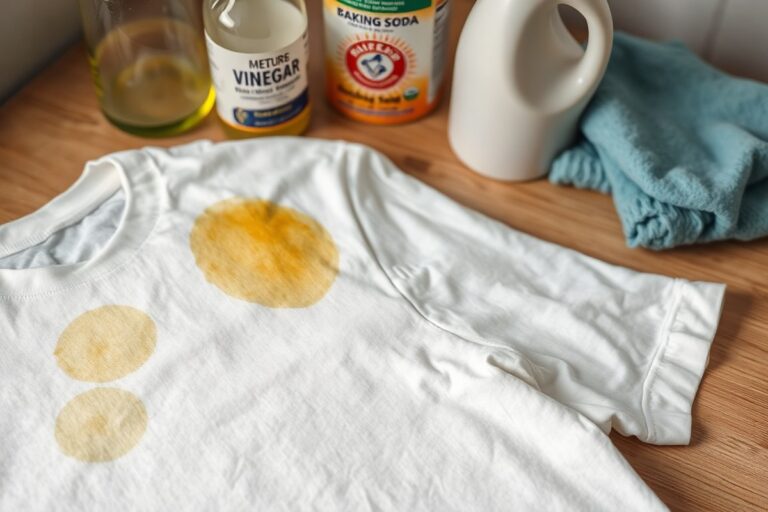
How to Remove Armpit Stains: 8 Proven Methods for Fast, Effective Results
Removing armpit stains quickly and effectively starts by treating the area as soon as possible with appropriate solutions like baking soda or white vinegar. For tougher stains, a hydrogen peroxide and baking soda paste works well when applied and left to sit before washing. This advice is for anyone dealing with yellow or dark underarm marks on shirts, offering practical methods you can do at home using common products.
You’ll find clear instructions on how long to treat fresh versus set-in stains, the science behind why these stains form, and tips to avoid mistakes that make stains harder to remove. This information helps you extend the life of your clothes and keeps them looking fresh without expensive treatments.
Key Takeaways
- Treat armpit stains within 2 to 4 hours for fresh stains to prevent them from setting.
- Use a paste of 2 parts baking soda, 1 part hydrogen peroxide, and 1 part water for tough stains.
- Let the stain treatment sit for 30 to 60 minutes before washing to maximize stain removal.
- Soak stained areas in a one-part white vinegar to two-parts warm water solution for 30 to 60 minutes.
- Wash stained garments within 24 hours and avoid machine heat until stains are fully removed.
- Do not dry clothes with stains above 104°F to prevent the stain from baking into fabric fibers.
1. Effective Ways to Remove Armpit Stains at Home

Removing armpit stains at home requires choosing the right method based on fabric type and stain freshness. Fresh sweat stains can usually be treated with simple household products like baking soda or vinegar, while older, set-in stains often need stronger solutions such as hydrogen peroxide or oxygen bleach. White and colorfast fabrics tolerate mild bleaching agents better than colored or delicate textiles, where gentler, stain-specific treatments work best.
Hydrogen peroxide (3%) acts as a mild bleach and is effective in brightening white or colorfast cotton and cotton blends. Combining it with baking soda creates a paste that targets stubborn yellow armpit stains. Avoid using hydrogen peroxide on colored fabrics due to the risk of yellowing. For colored or delicate fabrics such as silk or wool, distilled white vinegar or baking soda alone are safer and still produce good results. Regular household bleach is not recommended on protein-based stains like sweat as it can set the stain permanently.
Using these products correctly and timing your treatment matters. Fresh stains respond well to quick treatments, while set stains may require soaking or repeated applications over several hours. Always test any solution on a hidden fabric area first to check for colorfastness and fabric damage. Avoid putting stained clothes in the dryer until stains are gone, as heat can fix the stains permanently. Follow these steps for effective home removal of armpit stains, adjusting treatments based on fabric type and stain age:
- Identify Fabric Type and Stain Age: Check garment care labels and note if stains are fresh (within 24 hours) or set (older than 24 hours).
- Pre-Treat with Baking Soda or Vinegar: For cotton and colorfast fabrics, sprinkle baking soda on the stain or soak the area in a 1:1 solution of distilled white vinegar and water for 15, 30 minutes.
- Apply Hydrogen Peroxide Paste for Whites: For white or colorfast fabrics with stubborn stains, mix equal parts 3% hydrogen peroxide and baking soda into a paste. Gently rub the paste onto the stain and leave for 30 minutes.
- Rinse Thoroughly: Use cold water to rinse out the treatment, which helps prevent the stain from setting further.
- Wash Normally: Launder the garment in cool or warm water using your regular detergent. Avoid hot water which can set stains.
- Inspect Before Drying: Check the stained area after washing. If traces remain, repeat the treatment to improve results without drying the fabric yet.
- Air Dry the Garment: Let clothes dry naturally to avoid heat setting any residual stain.
2. Why Do Armpit Stains Form and How Sweat Causes Them

Yellow and dark armpit stains form mainly due to a mix of sweat, deodorant, and bacteria interacting with your shirt’s fabric. Sweat contains salts and body oils that, when trapped in fabric fibers, oxidize over time and develop yellow or brownish discoloration. These stains often appear in high-contact areas such as the armpits because those spots accumulate moisture and chemical residues. The oxidation process causes the visible yellow staining that is hard to remove once it sets into the clothes.
Deodorant plays a significant role in these stains. Many deodorants contain aluminum compounds designed to reduce perspiration by blocking sweat glands. When aluminum in deodorant combines with sweat and bacteria, it can create chemical reactions that deepen the stain color and make it more difficult to remove. Also, deodorant residue can leave stiff, white crusty deposits on dark fabrics that sit on the fabric surface rather than penetrating deeply. These residues often require different cleaning approaches compared to yellow sweat stains that soak into fabric fibers.
Bacteria thriving in the warm, moist environment of the armpits contribute to stain formation by breaking down sweat and oils, intensifying the discoloration and odor. Keeping armpit hair trimmed or shaving it helps reduce bacteria buildup, which in turn reduces stain severity. Different fabrics also affect how stains form and stick. Natural fibers like cotton absorb sweat more easily, which may cause deeper stains, while synthetic fabrics might show deodorant residue more prominently. Matching your detergent’s strength, water temperature, and wash cycle to the fabric type is key to addressing these stains properly.
Some armpit stains are tougher to remove than others because of the chemical makeup and duration of buildup. Fresh sweat stains contain salts and oils that are easier to wash out with proper treatment. However, older stains tend to oxidize and bind permanently to fabric fibers. Over time, residues from deodorant and detergent can also build up, complicating removal. Aluminum-free or low-aluminum deodorants can help minimize chemical reactions that cause yellow stains. Avoid heavy detergent residue by thoroughly rinsing laundry, especially in the armpit area, to prevent setting stains.
Regularly trimming armpit hair and choosing deodorants without aluminum can help reduce stubborn stains by limiting bacteria growth and chemical buildup.
3. How Long to Treat Fresh Versus Set-In Armpit Stains
The time you spend treating armpit stains directly affects your success in removing them. Fresh stains typically need under two hours of treatment, while medium-set stains benefit from a soak lasting between two and eight hours. For deep-set or old stains, an overnight soak is often essential to break down discoloration and buildup fully.
Fresh Stain Quick Treatment (Under 2 Hours)
Treating fresh armpit stains quickly is key because they haven’t bonded deeply with the fabric yet. A fast response prevents the proteins and minerals from setting into the fibers. Ideally, you want to start treating the stain as soon as possible and complete the process within two hours to maximize removal. Follow these steps to handle fresh stains efficiently:
- Rinse the stained area with cool water to dilute sweat and deodorant residues.
- Apply an enzyme-based detergent directly to the stain to break down proteins.
- Gently rub the detergent into the fabric using your fingers or a soft brush.
- Let it sit for 15 to 30 minutes to allow enzymes to act.
- Rinse again with cool water to remove loosened particles.
- If any stain remains, prepare a hydrogen peroxide and baking soda paste.
- Apply the paste to the stain and leave it for 30 to 60 minutes.
- Wash the garment according to care instructions but avoid heat during drying.
Completing this routine in under two hours can significantly reduce staining, often removing it completely without needing long soaks.
Medium-Set Stains (2 to 8 Hours Soak)
Stains that have been sitting for a day or two become tougher as sweat minerals and deodorant compounds set into the fabric. Allowing a soak of two to eight hours softens these residues and breaks down the stain more effectively than quick treatment alone.
Use a soak with a slightly acidic solution such as diluted white vinegar or a mixture of hydrogen peroxide and baking soda. This helps demineralize the stain without damaging the fabric fibers. To treat medium-set stains:
- Mix one part hydrogen peroxide with two parts water and add two tablespoons of baking soda.
- Submerge the stained area fully in this solution.
- Allow the garment to soak for a minimum of two hours, up to eight hours for more persistent stains.
- Occasionally agitate the garment during soaking to encourage stain breakdown.
- Remove from soak and gently scrub the stain with an old toothbrush.
- Rinse with cool water and check for fading.
- Repeat with fresh solution if necessary before washing normally.
This soak time balances stain removal effectiveness with fabric safety, avoiding damage that can occur with prolonged strong chemical exposure.
Deep Set or Old Stains (Overnight Soak)
Old armpit stains and those set deeply into fabric fibers often need prolonged treatment. An overnight soak of 8 to 12 hours gives the cleaning agents ample time to penetrate and lift the buildup that short soaks cannot remove.
Using a hydrogen peroxide and baking soda paste applied thickly to the stain before soaking improves results. Gently rubbing the paste in with a soft brush increases solution contact with stain molecules. Steps for overnight treatment:
- Create a thick paste of hydrogen peroxide and baking soda.
- Rub the paste into the stain using an old toothbrush to reach fabric fibers.
- Wrap the garment in plastic to keep moisture in and place it in a shallow dish or sealed container.
- Let it sit undisturbed overnight (8 to 12 hours) in a cool place away from direct light.
- Rinse thoroughly with cool water the next day and check the stain.
- Wash the garment in cold water using enzyme detergent and air dry.
This method risks some fabric weakening if repeated frequently but often provides the best chance to remove very old sweat stains at home.
When to Repeat Treatment Cycles
Rarely will a very set armpit stain vanish after a single treatment. Most stains will fade significantly after one or two cycles of soaking and scrubbing but may require repetition.
Repeat the full treatment if discoloration remains after washing, especially for older stains. Avoid any heat exposure during washing or drying between cycles because heat can permanently set stains, making removal next time harder.
Set this decision rule: If visible stain remains and the fabric is still sound, repeat the soak and scrub steps up to two more times. For persistent cases, switching to professional dry cleaning is often more effective.
4. Preventing Armpit Stains Before They Develop
Preventing armpit stains starts with controlling sweat and choosing the right deodorant. Keeping your skin clean and dry reduces residue buildup. Simple habits like regular washing and grooming also play a key role in avoiding stains.
Choosing Stain-Resistant Deodorants
Some deodorants contribute more to armpit stains, especially those containing aluminum compounds. These substances can combine with sweat salts, leading to yellow discolorations that are hard to remove. Opting for stain-resistant or anti-yellow stain deodorants helps lower this risk. Look for products that advertise “anti-white mark” and “anti-yellow stain” properties along with sweat protection.
Applying deodorant to clean, dry skin prevents excess product from rubbing onto your clothes. Avoid using excessive amounts, as this can worsen buildup and staining. Testing a new deodorant on a small shirt area can help you see if it causes stains before daily use.
Maintaining Clean, Dry Armpit Skin
Regular personal hygiene keeps sweat and oils, which trap deodorant, from building up on your skin and clothing. Wash your underarms daily with mild soap and lukewarm water, rinsing thoroughly. After washing, dry the area completely before applying any deodorant or putting on clothes. Moisture left on the skin or fabric can increase staining.
During hot or active days, consider wiping your underarms with a damp cloth or using sweat-absorbing powders to reduce moisture. Avoid applying deodorant immediately after intense sweating; wait for the skin to dry first.
Regular Laundry and Washing Habits
Frequent laundering prevents sweat and deodorant buildup that leads to staining. Using a biological washing powder helps break down organic residues better than non-biological detergents. Washing shirts soon after wearing them, ideally within 24 hours, stops stains from setting in.
Maintain washing temperatures around 105°F to 120°F (40°C to 50°C), which cleans sweat without damaging most fabrics. Avoid dryer heat on stained areas as it can set stains permanently.
- Wash shirts after each use or at least every two wears if lightly soiled
- Pre-treat underarm areas with stain removers or a mix of mild soap and hydrogen peroxide (1 part soap to 2 parts peroxide) before washing
- Select biological detergent to break down protein and oil residues
- Use cold water rinse cycles to prevent stain setting
- Air dry shirts especially those prone to yellowing
- Avoid fabric softeners that can leave residues and trap odors
Following these laundry habits reduces the frequency of heavy-duty stain treatments and keeps fabrics looking their best.
Shaving or Trimming Armpit Hair
Trimming or shaving armpit hair minimizes sweat and deodorant getting trapped against the skin and fabric. Hair can hold moisture and product residues, increasing the chance of stains forming. Shorter hair also helps deodorant apply more evenly and absorb fully into the skin.
Shave carefully and replace razors regularly to avoid irritation or skin damage, which can affect deodorant absorption and comfort. For those who prefer not to shave, keeping hair neatly trimmed to a short length provides many of the same benefits without full removal.
5. Avoiding Common Mistakes When Removing Armpit Stains
Many people worsen armpit stains or damage clothes by using heat, waiting too long to treat stains, or applying harsh chemicals like chlorine bleach. Avoiding these errors preserves fabric quality and improves cleaning results. Making smart choices about timing, temperature, and products gives the best chance to remove stains without trouble.
Avoiding Hot Water and Dryer Heat
Using hot water or putting stained clothes directly into the dryer often makes sweat stains harder or even impossible to remove. Heat can set protein- and mineral-based stains, locking them into the fabric. Cold or lukewarm water, around 70°F to 90°F, works better to loosen sweat residues without causing permanent setting.
After washing, avoid tumble drying stained garments until the stain is fully gone. Instead, air dry or line dry the item. Dryers at 120°F or higher create heat that permanently bonds stains to fabric fibers. This means you may waste effort washing the shirt again without improving results.
Do not put a stained shirt in the dryer until you confirm the stain is completely removed to prevent permanent setting.
Not Waiting Too Long to Treat Stains
Stains become more difficult to remove as they age and chemically bond with fabric fibers. Treat fresh armpit stains promptly, ideally within hours or at most one day, to increase removal success. For set-in stains, more intensive treatments or multiple applications are needed, and sometimes complete elimination is impossible.
Leaving a stain untreated for several days or weeks allows sweat and deodorant residues to oxidize and harden. This often requires stronger enzymes or commercial stain removers, which may cost $5 to $15 per bottle. Prevent the need for these by treating the stain as soon as possible using pre-soaks or spot sprays specifically designed for protein-based stains.
Steering Clear of Chlorine Bleach
Chlorine bleach is often harmful to fabrics and can worsen yellow armpit stains. The bleach reacts with proteins and aluminum compounds in sweat residues, creating more noticeable discoloration or damage. It’s safest to avoid chlorine bleach on colored or delicate fabrics altogether.
Use oxygen-based (non-chlorine) bleaches as a gentler alternative when more cleaning power is needed. These products usually cost between $6 and $12 and can whiten without damaging fibers or intensifying stains. Always test any bleach on a hidden spot first and follow label instructions for contact time, usually 5 to 15 minutes.
Avoiding Overuse of Deodorant Products
Excess deodorant or antiperspirant buildup contributes to the severity of armpit stains and makes removal harder. Using multiple layers or combining products with different ingredients can leave mineral deposits and residues that embed deeply into fabric.
To limit this problem, apply a thin, even layer of deodorant and allow it to dry before dressing. Washing clothes after two or three wears prevents buildup and avoids excessively frequent deep cleanings that degrade fabric over time.
- Apply deodorant sparingly to reduce residue
- Wait for deodorant to dry before putting on clothes
- Rotate shirts to allow for proper washing cycles
- Choose products without aluminum compounds if prone to staining
- Use detergent with enzymes to break down sweat and deodorant residues
- Rinse clothing thoroughly to remove soap and minerals
- Consider water hardness; use water softeners if needed to improve wash quality
6. Best Laundry Practices for Maintaining Stain-Free Shirts
Washing stained shirts as soon as possible after sweating prevents stains from setting into the fabric. Sweat left on clothing for hours or days reacts with deodorants and body oils, creating yellow stains that are harder to remove. Getting your shirts into the laundry within a few hours at most reduces this chemical bonding and increases the chance of full stain removal.
Using the right detergent also makes a big difference. Enzymatic detergents contain proteins that break down the compounds in sweat and deodorant, reaching deep into fabric fibers. These detergents are often marketed to remove tough stains like sweat and grass. They tend to cost around $10 to $15 for a medium-sized container but may be worth it if you struggle with persistent armpit stains.
Proper drying is key. Avoid high-heat dryers immediately after washing stained shirts, as heat can cause any remaining stain to set permanently. Instead, line-dry or air-dry shirts in a shaded area, preventing colour fading and added wear. Once the stain is fully removed, using the dryer on a low or medium setting is fine for regular care.
- Sort clothes to wash sweaty shirts separately from lightly worn garments to ensure focused stain treatment.
- Pre-treat visible stains with lemon juice or a small amount of enzymatic detergent and let sit for 10 to 15 minutes before washing.
- Wash shirts in warm water (approximately 90°F to 110°F), which helps dissolve oils without damaging fabric.
- Use the recommended detergent amount on the label, typically 2 tablespoons for a medium load, to ensure effective cleaning and avoid residue.
- Prefer a full wash cycle over quick wash to give detergent time to break down stains.
- Air dry shirts after washing stained areas to prevent heat setting, then use dryer later for overall drying if desired.
Following this checklist helps you keep shirts fresh and reduces visible sweat stains. If stains remain after one wash, repeat pre-treatment rather than increasing detergent or heating, as these can damage fabric and lock in stains. You save money and wear by maintaining consistent care habits combined with properly timed washing and drying routines.
7. When to Choose Dry Cleaning or Professional Stain Removal
Choosing dry cleaning or professional stain removal is best when home methods fail, especially on delicate, structured, or dry-clean-only garments such as silk, wool, or tailored suits. These fabrics require special care since harsh scrubbing or water-based treatments at home can damage their texture, shape, or finish. Professional cleaners know how to handle these materials safely and effectively.
Dry cleaning can successfully remove fresh armpit stains and deodorant buildup because it uses solvents like perchloroethylene or hydrocarbon-based liquids that dissolve oils and proteins without water. For tough sweat stains, especially older yellow marks, dry cleaning may remove much of the discoloration but might not completely erase the stain if it has set deeply. Stubborn yellow stains tend to bind tightly to fabric fibers, requiring repeated or more intensive treatments that professionals offer.
Professional stain removal services apply targeted chemical treatments tailored to the type of stain and fabric involved. They may use enzyme-based stain removers or oxygen-based bleach alternatives that break down sweat components on a molecular level. These chemicals work alongside the mechanical action of specialized equipment and controlled temperature to lift stains without harming the garment. This process often involves pre-treating the stains before the actual dry-cleaning cycle.
Taking your clothes to a commercial service typically costs between $10 and $25 per item, depending on fabric complexity and stain severity. For garments like wedding gowns or structured suits, costs might be higher due to the extra care and time required. The turnaround time can range from a few days to a week. Good results look like noticeably faded or fully removed stains with preserved fabric integrity and colour.
Be cautious about repeated home treatments on delicate items, as they can leave water rings, fading, or fabric distortion. Some stains may also grow darker if improperly treated, which highlights the advantage of professional intervention. When dry cleaning or professional removal isn’t an option, at least avoid harsh bleach or excessive heat to prevent worsening the stain or fabric damage.
If a stain covers a large area, is on heavily structured clothing, or survived several home attempts, professional cleaning is the safest and most effective choice. They combine chemical knowledge, equipment, and experience to restore the garment as much as possible while keeping it wearable and attractive.
8. How Fabric Type and Clothing Impact Stain Removal Success
Fabric type largely determines the method and success of armpit stain removal. Natural fibers like cotton and linen tolerate more aggressive treatments, such as enzymatic stain removers and warm to moderately hot water (below 104°F or 40°C). Synthetic fabrics, including polyester blends, may trap oils and aluminum compounds from deodorants, making stains more stubborn, but they safely handle similar treatments. Delicate materials like silk or garments labeled dry clean only require gentle approaches, avoiding heat and harsh chemicals that can damage the fibers.
The temperature of the water used during treatment is a significant factor. Protein and aluminum-based stain components start to “bake” into fabric if exposed to water warmer than 104°F, causing permanent yellowing. Cold water rinsing immediately after stain detection is best to prevent this. You should apply a stain remover suitable for the fabric type promptly, then air dry until the stain is gone. Avoid machine drying if any stain remains, as heat sets the stain irreversibly.
| Fact Parameter | Technical Scientific Data | Impact on Textiles |
|---|---|---|
| Primary Catalyst | Aluminum Zirconium Tetrachlorohydrex GLY | Polymerizes proteins into fabric; forms a permanent matrix |
| Organic Compound | Human Sebum & Apocrine Proteins | Substrate for oxidative yellowing and fiber stif |
| Critical Temperature | Above 40°C (104°F) | Accelerates permanent “baking” of the protein-aluminum complex |
For delicate fabrics, use a mild detergent or specialized silk/wool soap and cold water. Gently blot stains instead of rubbing, and test any stain remover on a hidden area first. Avoid baking soda on delicate fabrics as it can be too abrasive. For cotton or polyester shirts, apply a paste of baking soda and water directly to the stain, let sit about 30 minutes, then rinse thoroughly in cold water. You may also pre-treat with an enzymatic cleaner designed for protein stains. Allow the garment to air dry and repeat treatment if needed before using a dryer.
Avoid hot water and machine drying until stains are completely removed to prevent permanent setting and yellowing.
In general, fabrics prone to hold on to stains include synthetic blends with aluminum-based deodorant buildup and natural fibers exposed to heat. Careful selection of stain treatment matching your clothing’s material, quick response, and proper drying method greatly improve your chances of complete stain removal without damage.
Step-by-Step Action Plan to Remove Armpit Stains
Follow this plan to treat armpit stains effectively and keep your shirts looking clean and fresh.
- Before you start: Identify the fabric type of the garment to choose the right cleaning method and avoid damage.
- Immediately after wearing: Rinse fresh armpit stains with cold water to prevent them from setting in.
- Within 24 hours: Treat the stain using a gentle stain remover or a paste of baking soda and water. Let it sit for 15-30 minutes, then rinse again to check progress.
- Before washing: Pretreat stubborn or set-in stains with a liquid detergent or an enzyme cleaner, gently rubbing it into the fabric.
- Wash cycle: Use the warmest water safe for the fabric with a quality detergent. Avoid bleach unless the fabric care label allows it, as it can worsen stains on certain materials.
- After washing: Air dry the garment to inspect if the stain is gone before using a dryer, which can set stains permanently.
- If stain remains: Repeat pretreatment and wash steps or consider professional cleaning, especially for delicate or dry-clean-only fabrics.
Frequently Asked Questions
How to Remove Deodorant Stains from Black Shirts Quickly Naturally?
Use a mixture of cold water and mild detergent to gently rub the stain. Avoid harsh chemicals that can fade dark fabrics and focus on spot-cleaning rather than soaking to protect the shirt’s color.
How to Get Sweat Stains Out of Shirt?
Treat the stain with a pre-wash stain remover or a paste of baking soda and water before laundering. Hot water and vigorous washing can set the stain, so always check care labels first.
Can Yellow Underarm Stains Be Removed?
Some yellow stains can be significantly reduced with targeted treatments but may not disappear entirely, especially if old. Using enzyme-based detergents and repeating treatments helps improve results.
How to Stop Leaving Armpit Stains?
Keep your armpit hair trimmed or shaved to reduce bacteria buildup. Use deodorants without aluminum and wash shirts after every wear to minimize stain formation.
What Household Items Remove Armpit Stains Effectively?
Baking soda, white vinegar, and hydrogen peroxide can help break down stains naturally, but use them cautiously to avoid fabric damage.
Do All Fabrics Respond the Same to Armpit Stain Treatments?
No, delicate fabrics need gentler stain removal methods and cooler water to prevent damage or discoloration.
Final Thoughts
Using targeted treatments early and choosing the right cleaning method for your fabric will greatly improve your chances of removing armpit stains. Start by identifying your garment’s fabric and rinsing stains promptly after use. Taking these small, timely steps can keep your clothes stain-free longer and save you from costly replacements.