Can You Put Vinegar in Washing Machine? A Complete Guide with Safe Steps
Yes, you can put vinegar in your washing machine safely when used correctly. It works well for cleaning clothes, deodorizing fabrics, and maintaining your machine without harmful chemicals. This is useful for homeowners and renters looking for simple, affordable laundry care that avoids buildup and unpleasant smells.
This guide explains how to use vinegar in your washing machine for laundry and machine cleaning, which types of vinegar work best, and when to avoid it. You’ll also learn about the benefits, common mistakes, and safe practices to get the most from vinegar without damaging fabrics or your appliance.
Key Takeaways
- Adding 1/2 cup of distilled white vinegar during the rinse cycle helps soften fabrics and remove odors without using chemicals.
- Using 1 to 2 cups of vinegar in a hot water wash once a month helps thoroughly clean and keep your washing machine running well.
- Use distilled white vinegar with about 5% acetic acid concentration for safe and effective laundry care.
- Avoid using vinegar on delicate fabrics such as silk or wool to prevent damage or discoloration.
- Replace detergent with 1/2 cup of vinegar for a gentle, odor-neutralizing wash on cotton and polyester items.
- Do not mix vinegar directly with bleach or detergents to prevent harmful chemical reactions and residue buildup.
Can You Put Vinegar in a Washing Machine Safely?

Vinegar can be used safely in most washing machines without damaging the appliance or your clothes. It is a gentle, non-toxic alternative to harsh chemicals and works well for cleaning and deodorizing laundry. However, it’s important to use the right type of vinegar and add it correctly to avoid any problems. Distilled white vinegar is the best choice because it is clear and free from dyes or other additives that might stain clothes or harm machine parts.
Before adding vinegar, check your washing machine’s manual. Most front-load and top-load washers can handle vinegar without issue. Vinegar does not harm common fabrics like cotton, polyester, or blends, but you should avoid using it on delicate materials such as wool and silk. Acids in vinegar can break down the fibers in these fabrics, causing damage over time.
To safely use vinegar in your washing machine, pour about half a cup (4 ounces) of distilled white vinegar into the fabric softener dispenser. This allows the vinegar to be released during the rinse cycle, softening clothes and removing odors without interfering with the detergent or washing process. For cleaning the machine itself, you can run an empty hot water cycle with one to two cups of vinegar occasionally, ideally every one to two months. This helps maintain your machine’s performance and prevents residue buildup inside the drum and pipes.
Avoid pouring vinegar directly into the drum during a wash cycle with clothes. This can cause uneven distribution and might lead to fabric irritation or damage. Also, never mix vinegar with bleach or other strong cleaners in the machine, as this can create harmful fumes. Vinegar is acidic and prolonged exposure can erode rubber seals or hoses if used in excessive amounts or too frequently. Limiting usage to monthly maintenance cycles or when needed for laundry deodorizing is safer.
Using vinegar typically costs only a few cents per load, making it an affordable option compared to commercial fabric softeners or machine cleaners. Results include softer fabrics, reduced static cling, and fresher-smelling laundry. Your washing machine can also benefit from cleaner internal parts and less mineral buildup. Observing your washer’s manual instructions and fabric care labels will ensure vinegar remains a safe and effective laundry aid.
How to Use Vinegar in Your Washing Machine for Laundry
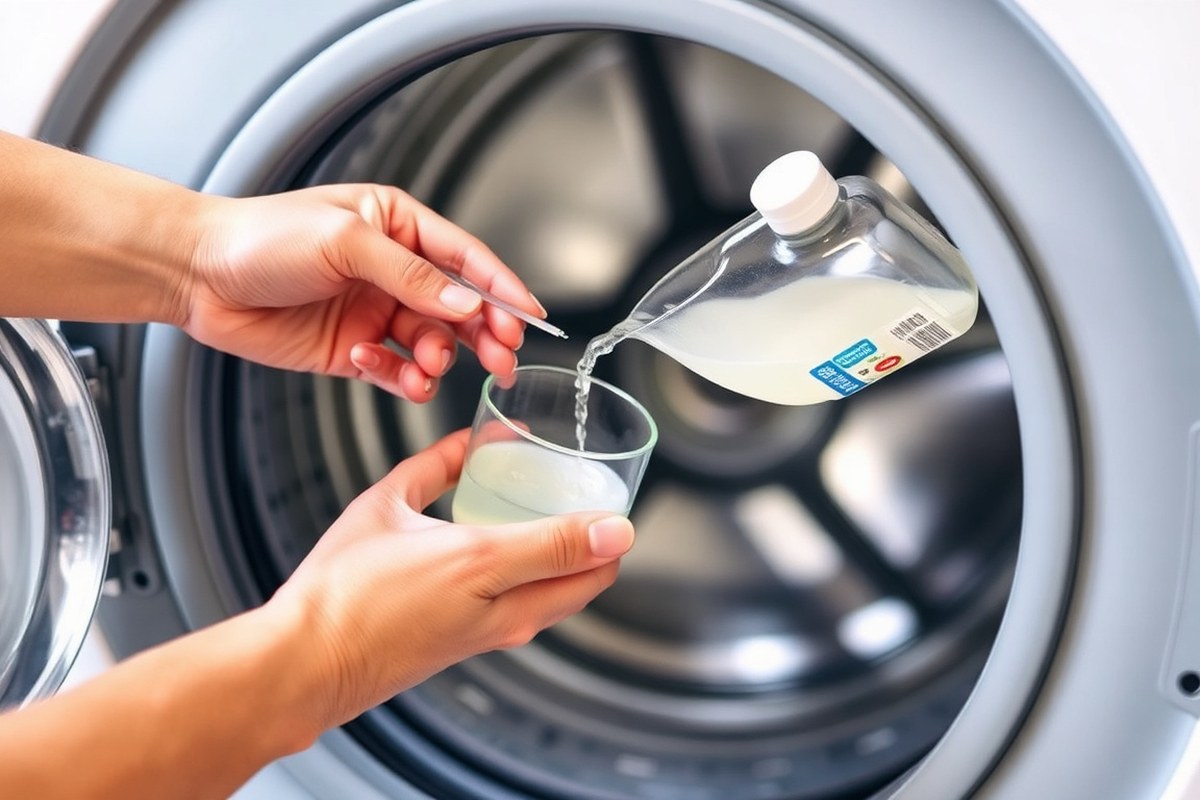
To use vinegar effectively in your washing machine for your laundry, add about half a cup of diluted white vinegar during the final rinse cycle. For top-load washers, pour it into the fabric softener dispenser or directly into the drum at the right time. Front-load washers usually work best when you put vinegar in the fabric softener compartment. Proper timing and placement help soften fabrics, reduce odors, and avoid damage.
How Much Vinegar to Use per Load
Use 1/2 cup to 1 cup of white distilled vinegar per laundry load depending on the size and soil level. A half cup suffices for a regular load, while a full cup is good for larger or odor-prone loads like towels or sportswear. Avoid more than 1 cup per wash since excessive vinegar can affect the rubber parts in some machines over time.
Dilute the vinegar with water before adding it if pouring directly into the drum. For example, mix 1 part vinegar with 1 part water to reduce acidity concentration. This is especially helpful if your washer cycles are shorter or if you use cold water, helping vinegar spread evenly.
Where to Add Vinegar in Different Washer Types
For top-loading machines, the best place to add vinegar is the fabric softener dispenser during the rinse cycle. This prevents vinegar from interacting with detergent and allows it to work when fabrics rinse clean. When your machine doesn’t have a dispenser, pour the diluted vinegar straight into the drum once the wash cycle is done and the rinse cycle starts.
Front-load washers usually have a separate fabric softener compartment. Add white distilled vinegar there to ensure it dispenses during the right cycle. Avoid adding vinegar with the detergent because acid mixing with certain detergents or bleach can cause damage or reduce effectiveness. You can add vinegar directly to the drum for both machine types; just make sure it goes in at the rinse cycle to prevent chemical reactions or damage to your laundry.
Timing the Vinegar Addition During the Cycle
Adding vinegar during the final rinse cycle is important to get fabric softening and odor control benefits without interfering with the detergent’s cleaning action. Vinegar works best when fabrics are rinsed and detergent residues are mostly removed. Here is a simple step-by-step method for adding vinegar to your laundry load:
- Start by loading your laundry and adding detergent as usual.
- Set the machine to complete the normal wash cycle first.
- When the machine reaches the rinse cycle, add 1/2 to 1 cup of white distilled vinegar.
- When your washer includes a fabric softener dispenser, pour the vinegar in there before you begin the load to allow automatic release.
- For top-load machines without a dispenser, wait until the wash cycle ends and the rinse cycle begins, then pour diluted vinegar into the drum.
- Let the washer finish the rinse and spin cycles as normal.
- Remove laundry promptly to avoid any lingering vinegar smell.
Never combine vinegar and bleach in the same cycle, as mixing these chemicals can produce harmful fumes and damage your machine and clothing.
Choosing the Best Vinegar and Avoiding Risks
White distilled vinegar with about 5% acidity is the best choice for laundry. It cleans, softens, and helps remove odors without the risk of damaging fabrics or washing machines. Avoid cleaning vinegar or any vinegar labeled as “high acidity” since these can have up to 10% acetic acid. Using them can cause bleaching or weakening of fabric fibers and even corrosion in some washing machine components.
Vinegar acts as a mild acid that can break down residues but mixing it with certain laundry products can create problems or reduce effectiveness. Never combine vinegar with bleach. This produces toxic chlorine gas, which poses serious health hazards. Also, mixing vinegar with baking soda won’t release harmful fumes but neutralizes the cleaning power of both, so it’s not beneficial. Adding vinegar separately during appropriate wash steps works best.
Consult your washing machine’s manual before using vinegar. Some manufacturers advise against it or suggest reduced amounts, especially for high-efficiency (HE) machines. Typically, use about 1/2 to 1 cup of white distilled vinegar per load to avoid corrosion risks. Pour vinegar into the fabric softener dispenser to add it during the rinse cycle, not the wash cycle, if your machine has that feature. This limits acid exposure to detergent and fabrics. The table below helps you decide which vinegar and combinations to use or avoid in your laundry routine:
| Vinegar or Product Type | Recommended Use | Main Risk or Caution |
|---|---|---|
| White Distilled Vinegar (5% acidity) | Safe for laundry softening and odor removal | Use moderate amounts (0.5 to 1 cup); avoid frequent use on delicate fabrics |
| Cleaning Vinegar (8-10% acidity) | Not recommended for laundry | Can bleach fabrics and damage machine parts |
| Vinegar + Bleach | Never mix | Creates toxic chlorine gas; serious health hazard |
| Vinegar + Baking Soda | Separate use recommended | Neutralizes cleaning effects if combined |
| Hydrogen Peroxide + Baking Soda | Alternative washing machine cleaner | Use as directed; separate from vinegar |
Use vinegar with caution on sensitive fabrics like silk or acetate and avoid overusing it on wool to prevent fiber weakening. Using it as a rinse additive reduces damage risk. Running a cleaning cycle with vinegar can reduce persistent odors or buildup in your washing machine, but check the manufacturer’s guidelines before trying this. Discontinue vinegar if you notice discoloration, fabric damage, or machine issues, and reach out to a professional if needed.
Benefits of Adding Vinegar to Laundry
Vinegar works well as a natural fabric softener because its mild acidity helps break down residues left by detergents and commercial softeners. Adding about half a cup of white vinegar to the fabric softener dispenser during the rinse cycle softens clothes by loosening fibers and reducing static cling, leaving your laundry feeling softer without any sticky residue. This method works best with front-loading washers where vinegar is released at the right time in the wash cycle.
Vinegar also fights odors effectively. Its acidic nature neutralizes alkaline odor-causing compounds, such as sweat and mildew smells. To remove odors, add half a cup to a full cup of white vinegar to your washing machine during the rinse cycle. This helps freshen fabrics without masking smells with artificial fragrances. Using vinegar in this way is especially helpful for towels, gym clothes, or pet bedding that tend to hold on to stubborn odors.
For stains, vinegar can aid in removal when used as a pretreatment. For example, spotting a fresh coffee stain by dabbing it with straight white vinegar before washing can help break down the stain’s compounds. Let the vinegar sit on the fabric for 10 to 15 minutes before laundering as usual. Avoid using vinegar as a deep stain remover on delicate or colored fabrics, since its acidic properties might cause fading or damage if left too long.
Vinegar also brightens clothes by dissolving mineral deposits and detergent buildup found in hard water areas. These residues often cause whites to look dull and colors to fade. Adding half to one cup of vinegar to the rinse cycle helps restore brightness and softness without harsh chemicals. Over time, vinegar also helps remove build-up in the machine that could otherwise redeposit on clothes, maintaining better cleaning performance. However, frequent use can upset the washing machine’s balance, so it is best to use vinegar no more than once a week.
Although vinegar offers many laundry benefits, it does not replace detergent since it lacks surfactants needed to remove dirt. It is best used as an additive to improve laundering results. Proper timing and dosage are key: always add vinegar to the fabric softener compartment or during the rinse cycle to avoid interfering with detergent cleaning or damaging machine parts like rubber seals. Following these steps ensures you get softer, cleaner, fresher-smelling clothes with less risk of wear or damage.
How to Use Vinegar to Clean and Maintain Your Washing Machine
Vinegar can help clean and deodorize your washing machine, but it must be used carefully to avoid damage. Using vinegar washes out residue and prevents odors when applied correctly. Regular cleaning keeps your machine running well and extends its life.
Preparing the Washing Machine for Cleaning
Start by emptying the washer and removing any clothes or detergent residue. For the detergent drawer, wait until the washing cycle finishes, then take out the drawer and clean it separately with undiluted white vinegar. Spray the vinegar inside the drawer housing to remove buildup and mildew.
Also, check the rubber seals or gaskets around the door. Mold can gather there, so wipe these areas with a cloth soaked in vinegar to reduce mildew.
Running a Vinegar Cleaning Cycle
A cleaning cycle with vinegar helps clear out soap scum and mineral deposits. Use white distilled vinegar because it is safe and affordable.
- Set your washing machine to the hottest water setting and longest cycle available without clothes.
- Pour 2 cups (approximately 480 ml) of white distilled vinegar directly into the drum.
- Start the cycle and let it run fully to dissolve residue inside the drum and hoses.
- If your machine model allows it, pause the cycle after it fills with water and vinegar. Let it sit for 1 hour to increase cleaning effectiveness before continuing the wash.
- After the cycle ends, wipe down the drum, door, and seals with a dry cloth.
Tip: Avoid combining vinegar with bleach or other harsh chemicals during cleaning to prevent harmful fumes and damage to your washer.
Post-Cleaning Care and Frequency
Rinse the detergent drawer and wipe seals dry to prevent mildew growth. Leave the door open for several hours after cleaning to air out moisture. Drying out your washer prevents mold and odors between cleanings.
Use the vinegar cleaning cycle every 1 to 2 months if you do frequent washing or less often for occasional use. Overusing vinegar in the washing machine can sometimes damage rubber seals and parts, so moderate frequency is best.
Fabrics and Situations to Avoid Using Vinegar
Avoid using vinegar on delicate fabrics such as silk, rayon, acetate, and triacetate. These materials can be weakened or discolored by the acidity of vinegar. Wool items may also be affected if the vinegar isn’t diluted properly, losing softness or texture. Stick to white cotton, polyester, and durable blends for vinegar use. Test a small hidden area when unsure to prevent unwanted damage.
Steer clear of vinegar in laundry situations involving elastic or spandex fabrics, as vinegar can degrade elastic fibers over time. Using vinegar directly on stains without dilution might set the stain or cause color changes, especially on brightly colored or dark clothing. Avoid combining vinegar with bleach or commercial detergents directly in the same load to prevent chemical reactions that may damage clothes or the washing machine.
- Do not pour vinegar directly onto clothes; always mix it with water or add to the dispenser.
- Skip vinegar in washing machines with rubber or plastic parts prone to vinegar damage over time.
- Avoid vinegar on stain treatments unless tested on a hidden spot first.
- Never mix vinegar with bleach or strong detergents to prevent harmful fumes and fabric damage.
- When vinegar dulls fabric, wash the item right away using cold water and a mild detergent.
- Use only distilled white vinegar to avoid residues or staining from colored vinegars.
- Limit vinegar use to 1/2 cup per wash cycle to minimize risks to machine components.
Common mistakes include adding vinegar directly where it contacts rubber seals or hoses in the washing machine. This can lead to premature wear or leaks, as noted by Maytag. Protect your machine by adding diluted vinegar to the fabric softener compartment or during the rinse cycle only. When vinegar causes damage or stains, rinse the fabric quickly with cold water. For persistent discoloration, soak the item in an oxygen-based bleach solution safe for the fabric type. Avoid harsh scrubbing which can worsen fabric damage.
Regular users of vinegar in laundry recommend using no more than 1/2 cup of distilled white vinegar per load. This amount is enough to soften fabrics, reduce odors, and break down detergent residues safely. Overuse increases the risk of damage to both clothes and washing machine parts, especially rubber components that can react poorly to acid. Adjust usage based on load size and fabric sensitivity, and always check garment care labels for warnings against vinegar or acid-based treatments.
Common Mistakes When Using Vinegar in Washing Machines
Using vinegar in your washing machine can be helpful, but mistakes may reduce its benefits or cause damage. Most errors come from using too much vinegar, mixing it with incompatible products, adding it at the wrong time, or applying it on sensitive fabrics. Avoiding these mistakes is easy with clear steps and precautions.
Using Too Much Vinegar
Pouring too much vinegar in the washing machine can damage rubber seals and hoses over time and leave a strong smell on clothes. High-efficiency (HE) machines use less water, so they need smaller amounts of vinegar. Generally, 1/4 to 1/2 cup of white distilled vinegar per load is enough. Using more doesn’t clean better and may cause corrosion or lingering odor.
To avoid problems, measure vinegar carefully using a standard cup or measuring spoon. Stick to the recommended amount, and don’t add more “just in case.” Overuse also wastes vinegar and can raise costs unnecessarily by a few cents per load, given vinegar’s low price.
Mixing Vinegar with Bleach or Detergent
Mixing vinegar with bleach creates chlorine gas, which is harmful to breathe and can cause respiratory issues. Vinegar and detergent usually won’t cause chemical hazards, but some detergents have enzymes or brighteners that vinegar can neutralize. This reduces vinegar’s effectiveness and detergent performance.
To avoid risks and conflicting actions, never add vinegar to the same compartment as bleach or detergent. Instead, use vinegar during a separate rinse cycle or add it manually after the wash cycle completes. This ensures vinegar won’t mix directly with bleach or detergent inside the drum.
Adding Vinegar at the Wrong Cycle Time
Add vinegar during the rinse cycle only, not the wash cycle. Adding it during the wash cycle cancels out detergent benefits because vinegar is acidic, and most detergents are alkaline. This reduces stain removal and cleaning power. Vinegar also works best when fabrics are pre-rinsed.
Use the fabric softener dispenser for vinegar if your washer allows it. Adding vinegar manually means waiting until the wash cycle finishes, then opening the lid and pouring it in before the final rinse. For timing:
- On machines with a fabric softener dispenser, pour 1/4 to 1/2 cup of vinegar there before starting the wash.
- For manual addition, wait until the wash finishes; the machine usually beeps or stops spinning.
- Don’t add vinegar right at the start or during detergent use to avoid chemical conflict.
Following this timing reduces odor and fabric damage while increasing vinegar’s effectiveness.
Using Vinegar on Sensitive Fabrics
Vinegar’s acidity can weaken certain fabrics like silk, rayon, and acetate or non-colorfast wool. It can cause fading, discoloration, or fiber damage. Avoid using vinegar on delicate or vintage clothes where the fabric care label advises no acids or alkalines.
Instead, reserve vinegar treatments for cotton, polyester, and other common household fabrics. If unsure about a fabric’s compatibility, test vinegar on a small hidden section of the item before washing the entire garment. Use cool or warm water during vinegar rinse cycles to protect fabric fibers from heat damage.
Alternatives to Vinegar for Laundry and Machine Cleaning
Baking soda is a common alternative if you want to avoid vinegar in your washing machine. It helps neutralize odors and can boost detergent effectiveness. Use about 1/2 cup of baking soda added directly to the drum before running a hot wash cycle. For deep cleaning, you can increase the amount up to 2 cups. Baking soda is affordable, usually under $1 per pound, and it’s safe for most machines and fabrics.
Enzymatic cleaners are another option. These use enzymes to break down organic residue, like sweat or food stains, which helps prevent buildup inside your washer. These products usually come in liquid or powder form and are used according to the manufacturer’s instructions, often requiring a warm or hot cycle to activate the enzymes. Enzymatic cleaners may cost $10 to $20 per treatment, so they’re a bit pricier than baking soda or vinegar but effective for stubborn grime.
Commercial washing machine cleaners are designed specifically to remove soap scum, limescale, and odors. They often combine acids and surfactants to deliver results in one or two cleaning cycles. These cleaners can be convenient but might contain harsh chemicals that affect sensitive skin or certain machine parts over time. Carefully follow label instructions to avoid damage or residues on clothing. Here’s a comparison of common alternatives for deep cleaning and deodorizing your washing machine:
| Cleaner | Benefit | Use Amount | Cost Range | Drawbacks |
|---|---|---|---|---|
| Baking Soda | Neutralizes odors, gentle on machines | 1/2 to 2 cups per cycle | Under $1 per lb | Less powerful on heavy buildup |
| Enzymatic Cleaners | Effective on organic stains/residue | Follow product instructions | $10, $20 per use | Requires warm cycle; higher cost |
| Commercial Washing Machine Cleaners | Removes soap scum and limescale | Follow label directions | $5, $15 per use | Harsh chemicals, possible skin irritation |
For a simple deep clean with baking soda, sprinkle it inside the drum and run a hot wash. This will help remove odors and minor residues. For tougher grime, an enzymatic cleaner might be necessary, or a commercial machine cleaner following the product’s recommended dosage and cycle settings.
Do not mix baking soda and vinegar directly in the machine at the same time; this can neutralize their effects and create excess foam that damages the washer.
Choosing between these options depends on your needs. Baking soda is inexpensive and eco-friendly, but not the best for heavy buildup. Enzymatic cleaners work well on organic soils but cost more. Commercial machine cleaners are strong but can irritate skin and may stress machine parts if used too often. By assessing your washer’s condition and what you want to treat, odor, residue, or scale, you can pick the right cleaner without vinegar.
Step-by-Step Action Plan for Using Vinegar in Your Washing Machine
Follow these steps to use vinegar safely in your laundry and machine cleaning routines.
- Before your first laundry load: Select plain white distilled vinegar with about 5% acidity to avoid residue or damage.
- At your next wash: Add 1/2 to 1 cup of vinegar to the fabric softener dispenser during the rinse cycle for fresher, softer clothes.
- Week 1: Use vinegar to clean the machine by running an empty hot cycle with 2 cups of vinegar once; this removes buildup and odors.
- Week 2: Check your clothes for any fading or fabric damage after using vinegar; avoid vinegar on delicate fabrics like silk or acetate going forward.
- Month 1: Repeat machine cleaning with vinegar monthly to keep your washer fresh and extend its life.
- Ongoing: Avoid mixing vinegar with bleach or laundry detergent inside the machine to prevent harmful chemical reactions.
- When unsure: Always read fabric care labels before using vinegar on any garment to avoid damage.
Frequently Asked Questions
Can You Put Vinegar in a Washing Machine Safely?
Yes, you can safely put vinegar in your washing machine, especially distilled white vinegar. Use it carefully to avoid damaging rubber seals by limiting usage to every 1-2 months.
Where Do You Put the Vinegar in a Washing Machine?
For front-load washers, put vinegar in the fabric softener compartment. In top-load machines, you can add vinegar directly to the drum during the rinse cycle.
How Much Vinegar Should I Use in My Washing Machine?
Use 1/2 to 1 cup of distilled white vinegar for laundry purposes and 1 to 2 cups for cleaning the machine. Adjust amounts based on load size and cleaning needs.
Can Vinegar Replace Detergent in Laundry?
Yes, you can substitute 1/2 cup of distilled white vinegar for detergent to help deodorize clothes, but it may not clean heavily soiled laundry like detergent does.
How Often Should I Clean My Washing Machine with Vinegar?
Use 1 to 2 cups of vinegar in a hot water cycle every 1 to 2 months to clean your washer and help it run efficiently.
Will Vinegar Damage My Washing Machine?
Vinegar is safe in small amounts but should not be used excessively to avoid rubber seal damage. Follow usage recommendations and avoid mixing with bleach.
Wrapping Up
Using vinegar in your washing machine can improve laundry results and help maintain your machine when applied properly. Start by adding vinegar cautiously and observing your fabrics and washer for any issues. Staying within recommended amounts and schedules keeps your laundry routine safe and effective. Try vinegar in your next wash with softener or a cleaning cycle to experience its benefits firsthand.