How Do You Get Rid of Sweat Smells in Clothes: 8 Effective Methods That Work
To get rid of sweat smells in clothes, pretreat the affected areas, soak in odor-fighting solutions, and wash promptly with a quality detergent. Using natural ingredients like baking soda or lemon juice before washing helps break down odors effectively. For intense smells, extend soaking times and consider specialized detergents designed to eliminate persistent odors.
This helps anyone dealing with stubborn sweat smells from daily wear, especially athletic clothing. You’ll find practical, easy-to-follow methods that suit different fabrics and everyday routines to keep your clothes fresh.
Key Takeaways
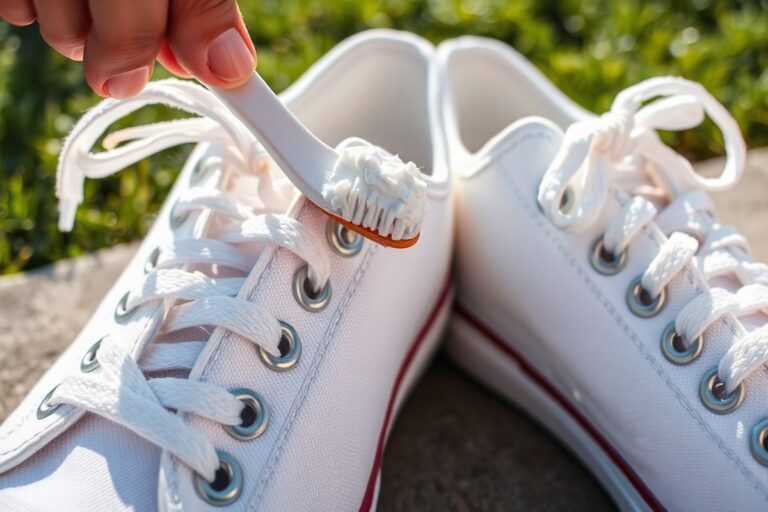
- Pretreat sweat stains by scrubbing underarm areas gently with a toothbrush before soaking or washing.
- Soak smelly clothes for 20 to 45 minutes in water mixed with baking soda or lemon juice to neutralize odors.
- Use detergent with odor-removal technology for lasting freshness, especially on athletic or synthetic fabrics.
- Let treated clothes sit for 10 to 15 minutes before washing to increase odor elimination.
- Seal clothes in a bag for about 10 minutes after treatment to improve the fresh smell.
- For stubborn odors, soak clothes overnight before washing to fully break down sweat smell compounds.
1. Effective Steps to Get Rid of Sweat Smells in Clothes
Removing sweat smells from clothes requires a combination of soaking, pretreating, and proper washing techniques to target odor-causing bacteria and neutralize odors effectively. Using household ingredients like white vinegar and baking soda can significantly improve odor removal. Soaking clothes in these solutions loosens sweat buildup before washing, while pretreating stubborn areas ensures deeper cleaning. Also, choosing the right water temperature and refreshing your washing machine regularly helps prevent odors from lingering.
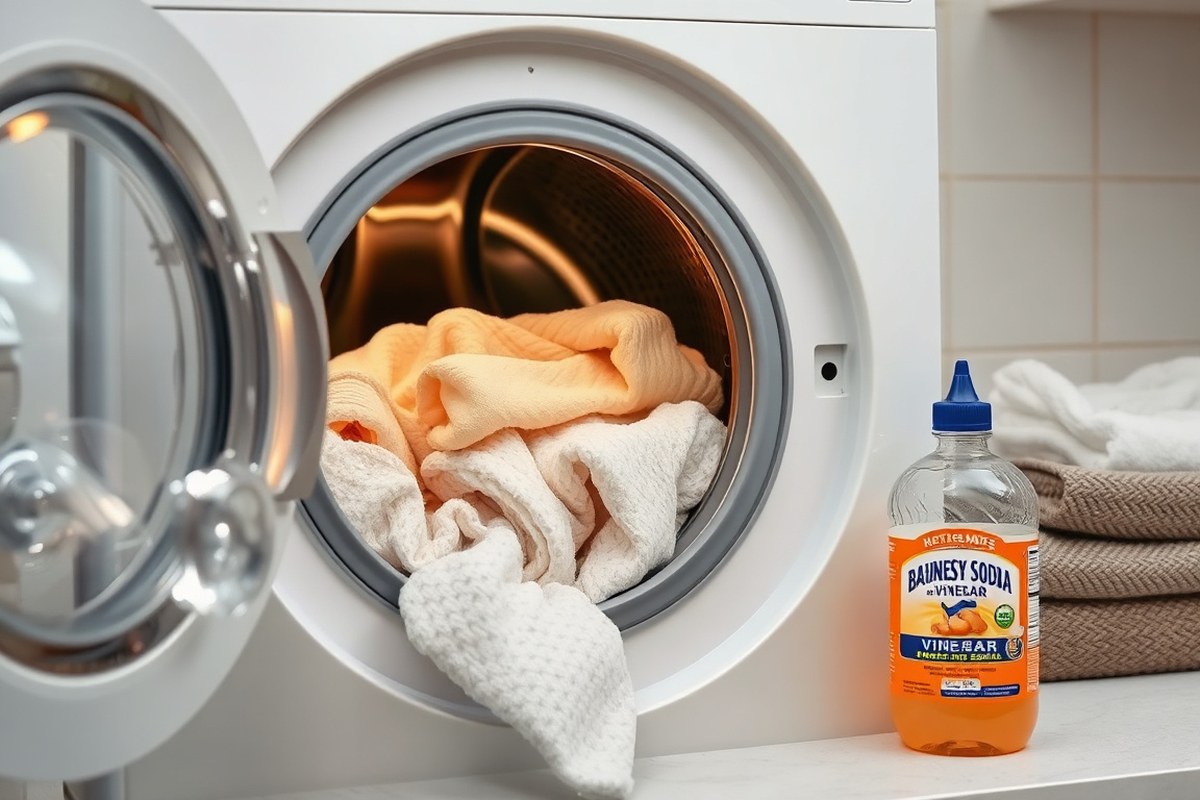
- Soak clothes in a vinegar solution. Mix one part white vinegar with four parts cold water and let sweaty garments soak for 30 to 60 minutes. Vinegar’s acidity breaks down odor-causing bacteria and neutralizes smells without damaging fabrics. Avoid hot water for soaking, which can set odors and stains.
- Pretreat high-sweat areas. Apply a paste of baking soda and water directly to areas like underarms or collars. Let it sit for 15 to 30 minutes before laundering. Baking soda absorbs odors and helps lift sweat residue that a regular wash may miss.
- Use a heavy-duty detergent with odor-fighting agents. Select detergents designed to combat body odor. These often contain enzymes or oxygen-based ingredients targeting sweat molecules. Follow package instructions for detergent amount based on load size and soil level.
- Wash clothes promptly after use. The sooner you launder sweaty garments, the less chance bacteria have to multiply and cause persistent odors. Delaying washes allows the smell to embed deeper into fibers, making removal more difficult.
- Choose the right water temperature. Wash in warm water (about 90°F to 110°F) to maximize detergent efficiency without risking fabric damage. For synthetic or delicate fabrics, cold water helps protect fibers but may require additional pretreatment.
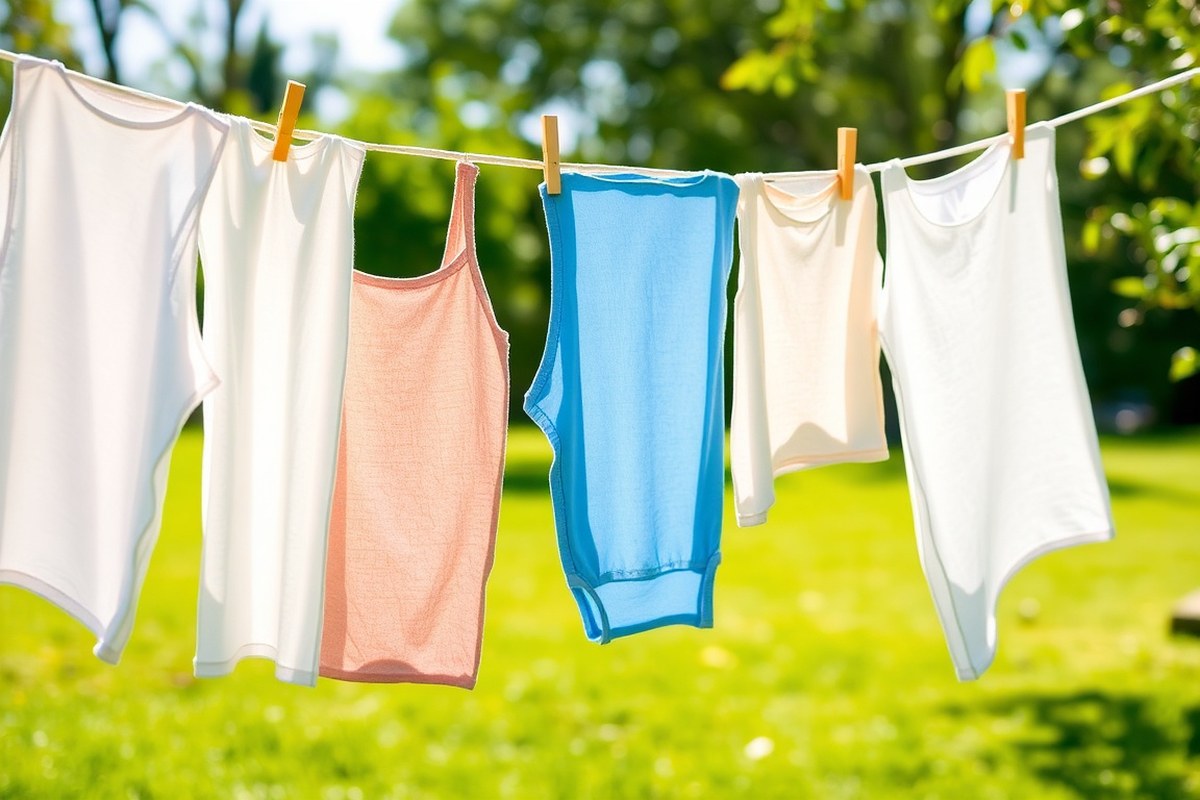
- Ventilate and dry clothes thoroughly. After washing, air dry garments in direct sunlight if possible. Sunlight acts as a natural deodorizer and antibacterial agent. If using a dryer, choose a setting that fully dries clothes to prevent musty smells.
- Maintain your washing machine. Run a monthly cleaning cycle with vinegar or a washing machine cleaner to remove detergent residue and bacteria buildup. A clean washer improves odor removal and freshens laundry.
2. Why Do Clothes Still Smell of Sweat After Washing?

Clothes can still smell like sweat after washing because bacteria and oils remain trapped in the fabric, improper detergent or washing habits are used, or the washing machine itself is dirty. Some detergents don’t fully break down sweat residues, and fabric softeners can even worsen odors. A dirty washing machine also re-deposits smell-causing residues onto your clothes.
Bacteria and Residue Build-Up in Fabrics
Bacteria thrive in the moist, warm environment of sweat-soaked clothes and cling to fabric fibers. Regular washing may not remove all bacteria, especially if you use cold water or a mild detergent. Body oils and deodorant residues also accumulate and trap odors. Synthetic fabrics, in particular, hold onto these residues more than cotton. Using a detergent with enzymes designed to break down oils and sweat can improve odor removal.
Pre-treating the underarm or high-sweat areas with baking soda or vinegar before washing helps reduce bacteria and residue. Washing clothes as soon as possible after wearing prevents odors from setting deeply. Letting clothes stay damp in the washer too long allows bacteria to multiply and odors to grow.
Washing Machine Cleanliness and Maintenance
When clothes come out of the machine smelling musty, the culprit can be grime, detergent buildup, or mold inside the washer. Washing machines accumulate odor-causing residues over time and need regular cleaning to avoid transferring smells back onto your laundry. Cleaning intervals depend on usage but aim to clean your machine every month or every 20 washes. To clean a washing machine:
- Run an empty hot-water cycle with washing machine cleaner or white vinegar
- Wipe door seals, detergent dispensers, and drum regularly to remove residue
- Leave the door open between uses to let moisture evaporate
- Check and clean the drain pump filter if your machine has one
This maintenance stops mold and mildew buildup that cause musty odors, helping your clothes come out smelling fresh.
Detergent Choice and Washing Habits
Using too little detergent or one not designed to tackle odors and oils can leave sweat smells behind. A good quality enzyme detergent or one formulated for sportswear works better on sweat residue. Washing in water that’s too cold also reduces cleaning power, especially on synthetic fabrics.
Overloading the machine limits water and detergent from reaching all clothes, so wash moderate loads. Choose washing cycles with longer agitation or hotter temperatures when fabrics allow it. Avoid using too much detergent because excess buildup can cause odor retention.
Fabric Softeners and Odor Retention
Fabric softeners coat fibers with a thin layer of chemicals, sometimes trapping odors inside rather than washing them away. Skipping softener or using odor-fighting alternatives can improve odor removal. Some brands have “anti-odor” softeners, but many standard ones worsen sweat smells, especially on activewear.
Testing your laundry without fabric softener for a few washes will tell you if it’s contributing to lingering odors. Focus on detergent, water temperature, and machine cleanliness first before adding softening agents.
Regularly inspect and clean your washing machine and avoid fabric softeners on sweaty sports clothes to keep odors from sticking around.
3. Best Home Remedies to Remove Sweat Odor from Different Fabrics
Common household products like white vinegar, baking soda, and lemon juice effectively remove sweat odors from clothes without harsh chemicals. Each works differently depending on the fabric type and odor severity, and some need extra care to avoid damage or color fading. Using these remedies correctly helps neutralize odor-causing bacteria and keeps your clothes fresh.
White Vinegar Solutions and Uses
White vinegar is an effective and affordable option to tackle sweat smells because it neutralizes bacteria that cause odor. To use, mix one part white vinegar with four parts warm water and soak the smelly garment for 30 minutes before washing as usual. For moisture-wicking workout clothes, soaking helps break down odor trapped in fibers.
Avoid apple cider vinegar since its strong scent may linger after drying. After soaking, rinse and dry clothes completely; the vinegar smell should dissipate, leaving a fresh result. Vinegar is safe for most fabrics but works best on cotton and synthetic blends. Turn clothes inside out to target odor on sweat-prone areas like underarms.
Baking Soda Benefits and Precautions
Baking soda is another popular remedy due to its odor absorption and pH-neutralizing properties. Add half a cup of baking soda to your washing machine along with detergent or dissolve it in water for a pre-soak. It can also be sprinkled directly on dry garments as a deodorizing powder before washing.
This method is safe for many fabrics, including cotton and synthetics, but delicate materials like silk may require gentler options. Baking soda removes odor without bleaching, so it’s preferred for colored clothes or mixed fabrics. For stubborn smells, an overnight soak in a baking soda solution may be needed.
Lemon Juice for Stubborn Odors
Lemon juice offers natural antibacterial qualities and a fresh scent, making it helpful for tough sweat odors. Apply freshly squeezed lemon juice directly on odor spots and let it sit 10 to 15 minutes before washing. However, lemon juice can bleach colored fabrics, so it is best reserved for whites or tested on a hidden area first.
For white clothes, combining lemon juice with sunlight drying can naturally brighten and deodorize fabric. Avoid lemon juice on delicate or synthetic fabrics, where its acidity might cause damage or fading.
Other Popular DIY Remedies
Oxygen bleach is a gentler alternative to chlorine bleach and can remove both sweat stains and odor without weakening fabric fibers. Use it only on whites or colorfast garments per package instructions. For white clothes with persistent sweat stains, a diluted oxygen bleach soak can restore brightness and kill odor-causing bacteria.
Spritzing clothes with a mixture of water and essential oils or using commercial odor eliminators like Arm & Hammer Odor Blasters are additional options. These work best as supplements after washing to maintain freshness rather than primary treatments for heavy odor. The following table compares these home remedies by fabric compatibility, odor effectiveness, and any risks or limitations to consider.
| Remedy | Best For | Effectiveness | Considerations |
|---|---|---|---|
| White Vinegar | Cotton, synthetics, moisture-wicking | Neutralizes bacteria and sweat odor well | Apple cider vinegar scent lingers; avoid on delicate fabrics |
| Baking Soda | Cotton, synthetics, colored fabrics | Absorbs odors, gentle on colors | May irritate delicate fabrics if overused |
| Lemon Juice | White cotton and linens | Good for brightening and deodorizing | Can bleach colors; avoid delicacies |
| Oxygen Bleach | White, colorfast clothes | Removes tough stains and odors | Not for delicate or dark fabrics |
| Essential Oil Sprays | All fabrics as a finishing touch | Mask odors; may reduce odor buildup | Not a substitute for washing |
Selecting the right home remedy depends on fabric type and how strong the sweat odor is. For everyday cotton workout shirts, vinegar soaks provide quick odor neutralization without risk. Baking soda suits mixed or colored fabrics that need odor control with less risk of fading. Lemon juice works for stubborn odors in whites but not on color or delicate fabrics. Oxygen bleach is ideal for whites needing stain and odor removal but requires caution to avoid damage.
4. How to Prevent Sweat Smell from Building Up in Clothes
Preventing sweat smell from building up in clothes starts with how you treat them right after wearing. Bacteria cause the odor by feeding on oils and proteins left by sweat, so limiting their growth is key. Always avoid leaving sweaty clothes in a pile for more than a few hours, as that lets bacteria multiply and embed the smell deep into the fabric. Polyester holds onto sweat oils more stubbornly than cotton, making it smell worse over time.
Air drying sweaty clothes properly helps stop odors before they start. Hanging garments outside in direct sunlight for several hours kills bacteria with UV light, naturally reducing smell. Aim to dry activewear or gym clothes outdoors whenever possible, especially white or light-colored pieces, since they show sun damage less. If outdoor drying isn’t an option, hang clothes in a warm, well-ventilated room and make sure they dry completely within a day to prevent musty odors.
Freezing clothes to kill odor-causing bacteria doesn’t work as expected. Cold temperatures only put bacteria in a dormant state; once clothes thaw, bacteria reactivate, and odors can return. For this reason, skip freezing as a preventive strategy.
Odor control technologies embedded in fabrics, such as antibacterial treatments or Polygiene technology, help prevent the bacteria growth that causes sweat smells. Choosing clothing with these built-in protections is especially useful if you sweat a lot or wear workout clothes frequently.
- Always hang sweaty clothes promptly instead of letting them sit in a hamper.
- Dry clothes in direct sunlight for 2 to 4 hours when possible to kill bacteria.
- Store dry clothes with moisture absorbers, like uncooked rice or charcoal bags, to reduce mildew smell.
- Choose loose-fitting, breathable fabrics like cotton to allow sweat to evaporate.
- Rotate workout clothing frequently to prevent repeated buildup.
- Turn clothes inside out before washing to better target sweat-soaked areas.
- Wash workout clothes with detergents designed to break down sweat and bacteria.
Beyond laundry habits, lifestyle choices can influence sweat odor. Eating fewer spicy foods and drinking less alcohol may reduce the intensity of your body odor, which lowers the chance of sweat smells setting into clothes. Wearing tight clothing traps sweat and slows evaporation, so opt for looser fits to keep skin cooler and clothes fresher longer. Following these practical steps will keep your clothes smelling cleaner and reduce the need for extra treatments or rewashing.
5. Choosing the Right Laundry Detergents and Odor-Fighting Products
Selecting the right laundry detergent is key to removing sweat odors effectively. Detergents like Persil ProClean Odor Fighter and ARM & HAMMER™ Plus OxiClean™ Odor Blasters™ 5-in-1 Power Paks are specifically formulated to attack deep odors, not just mask them. These products contain enzymes and odor-neutralizing agents that penetrate fabric fibers, breaking down sweat and bacteria that cause persistent smells. Specialized sports detergents, such as Sweat X Sport Detergent and 2Toms StinkFree Sport Laundry, clean deeply to restore fabrics’ breathability and stretch, which regular detergents may not do.
Detergents vary in their ability to clean heavily sweat-soaked workout items like socks and undershirts, which absorb moisture and oils. Tide PODS® Plus Febreze 4in1 Sport Odor Defense™ pacs remove odors that have developed over several days, helping keep garments fresher for a longer period. These detergent pods usually cost between $0.25 and $0.50 per load, depending on the brand and packaging, offering an affordable way to control odors. To use, put the recommended number of pods directly into the washing machine drum before loading your clothes, and follow the instructions regarding water temperature and wash settings.
| Body Area | Reason for Odor | Fabric Impact |
|---|---|---|
| Armpits | High sweat and bacteria levels | Strong armpit odor trapped in fabric |
| Back and Chest | Large sweat glands | Odor spreads across larger areas |
| Neckline and Collar | Contact with skin oils | Stains and lingering body odor |
Using fabric softeners can sometimes make sweat smells worse, especially on activewear. Softener oils can leave residues that trap odors and interfere with moisture-wicking technologies in sports fabrics. To keep clothes truly odor-free, avoid fabric softeners on workout gear and rinse with an extra water cycle if your washer allows it. Checking the smell after washing requires inspecting clothes when fully dry since dampness can mask odors. A careful sniff test in a well-ventilated area or wearing the clothes briefly after drying can confirm if odor removal was successful.
Repeatedly drying clothes on high heat can lock in sweat smells, so air dry or use a low-heat setting to prevent odors from becoming harder to remove.
6. Safe Treatment Tips for Delicate and Synthetic Fabrics
Synthetic and delicate fabrics need extra care when treating sweat odors to avoid damage. These materials often trap sweat smell because synthetic fibers hold onto oils more than natural ones, making regular washing less effective. For example, polyester or nylon tends to retain odor deeply, while delicate silk or lace can degrade if exposed to harsh chemicals or hot water.
Start by washing these clothes in cold water to prevent sweat odors from setting in. Use a detergent formulated for synthetic fabrics or gentle enough for delicates, as these detergents target oil buildup without harming fibers. Avoid fabric softeners, which coat fibers and reduce breathability, causing odors to linger. Choose a detergent labeled “for synthetics” or “delicate care” that specifically mentions oil removal or contains enzyme-free formulas.
To protect expensive garments, consider applying underarm shields. These thin pads stick inside the garment and absorb sweat before it reaches the fabric. They cost around $10 to $20 for a pack and can extend the life of your clothes by preventing odor and staining.
For hand-wash delicate fabrics, soak them for about 15 to 30 minutes in cold water with a mild detergent, then rinse thoroughly. Avoid wringing or twisting; press gently to remove excess water instead. Air-dry in a shady, well-ventilated area since heat can damage fibers and set odors permanently. When machine washing is allowed, choose the gentlest cycle and cold water, and skip the dryer. Dryers can shrink delicate fabrics and intensify odors through heat damage.
If sweat smell persists even after washing, try sealing the damp garment inside a plastic bag with a few drops of essential oil or a dryer sheet for 10 minutes. This method temporarily masks odors without chemicals. For deep odor removal, professional cleaning services like Laundryheap use controlled methods that protect fabric and remove heavy scents safely, which may be worth considering for costly or highly delicate items.
Always test any treatment on a small, hidden area before applying it to the entire garment. While common remedies like vinegar or baking soda work well on cotton, they may weaken or discolor delicate and synthetic fibers. Following these precautions ensures your clothes stay fresh without compromising their appearance or texture.
7. How to Pretreat Heavy Sweat Stains and Odors Before Washing
Pretreating heavily sweat-stained clothes helps remove bacteria that cause persistent odors and breaks down sweat residues before washing. Using baking soda or vinegar soaks, enzyme detergents, and focused spot treatments can significantly reduce smells and stains. Spending 20 to 30 minutes to apply these methods gives the best chance for fresh results.
Make and Apply a Baking Soda Paste
Baking soda neutralizes odors and lifts sweat stains by balancing pH and breaking down acids. For tough spots like underarms or collars, preparing a baking soda paste targets the problem areas directly and prevents odor buildup during washing.
Create the paste by mixing 3 parts baking soda with 1 part water until thick but spreadable. Apply a generous layer over the stained or smelly fabric, rubbing it lightly with your fingers to embed the paste into the fibers. Let the paste sit at least 20 minutes before washing to allow full action on sweat compounds.
Using Vinegar Soaks Effectively
Vinegar is a natural antiseptic that disrupts the bacteria producing sweat odor in clothes. A soak in vinegar solution dissolves both the smell compounds and residue that trap bacteria in fabric.
Combine 1 cup of white vinegar with 4 cups of cold water in a basin or sink. Submerge the sweat-affected clothes fully and soak for 20 to 30 minutes. Avoid soaking longer than 1 hour to prevent weakening fabric or fading colors, especially for delicate or colored items. After soaking, wash the clothes normally with detergent to remove vinegar smell and loosened dirt.
Scrubbing and Spot Treatment Techniques
Direct scrubbing can remove buildup that soaking alone might not reach. For persistent odors, applying enzyme-based sports detergent or a baking soda paste followed by gentle scrubbing boosts stain removal.
Before washing, place the treated garment on a flat surface. Use a soft-bristled toothbrush or cloth to gently scrub the treated areas for 1 to 2 minutes. This agitation helps release sweat residues and bacteria from fibers. Avoid excessive scrubbing which might damage delicate fabrics. Rinse briefly if the product instructions suggest, then proceed to regular washing.
Preventing Pretreatment Mistakes
Common errors in pretreating sweat stains cause lingering smells despite washing. Avoid these to improve results:
- Do not soak clothes too long. Over-soaking, especially with vinegar, can weaken fibers or fade colors.
- Do not use hot water for soaking. Cold or lukewarm water preserves fabric integrity and prevents setting stains.
- Always follow pretreatment by a proper wash cycle with sufficient detergent to rinse out residues and bacteria.
- Avoid using fabric softeners in washing as they may trap odors in synthetic fibers.
- Do not rely solely on spraying deodorizing sprays; they mask odor but don’t remove bacteria causing sweat smell.
8. Maintenance and Troubleshooting for Long-Term Odor Control
Washing machines can contribute to lingering sweat smells on clothes. Residue buildup from detergents, fabric softeners, and minerals in water can create a breeding ground for bacteria inside the machine. This leads to musty odors transferring back to your laundry. Cleaning your washing machine regularly helps prevent this problem and improves overall washing performance.
Cleaning your washing machine every 1 to 3 months is a good practice. Front-loading machines tend to trap moisture and develop odors faster than top-loaders, so they may need more frequent attention. Use a cleaning cycle if your machine has one, or run an empty wash with hot water (at least 140°F) and 2 cups of white vinegar or a washing machine cleaner. Wipe down the drum, door seals, detergent dispensers, and rubber gaskets to remove grime and mold.
Common mistakes that cause sweat odors to linger include overloading the washing machine and using too little detergent. Clothes need space to move freely for effective rinsing and odor removal. Too many items packed tightly reduce water flow and prevent sweat residue from washing away. Using cold water alone might not fully eliminate bacteria, so consider a warm or hot wash for particularly smelly items (check garment care tags first).
- Don’t overload the machine; leave enough space for tumbling.
- Use the recommended amount of detergent based on load size and soil level.
- Choose an appropriate water temperature for odor-prone clothes.
- Clean the washing machine drum, seals, and dispensers regularly.
- Leave the door open after washing to allow drying and prevent mold.
- Check and clean filters or drain pumps as specified in your machine’s manual.
To confirm if your clothes are truly odor-free, smell them immediately after washing and drying in a well-ventilated area. If any sweat or mildew scents remain, the issue might be either the wash routine or the machine itself. Retreat affected clothes with a vinegar or baking soda soak before washing again. Dryer sheets or fabric softeners mask odors but don’t remove bacteria, so avoid relying solely on them.
Leave your washing machine door open between cycles to prevent moisture buildup and reduce the risk of odor-causing bacteria growth.
Step-by-Step Action Plan for Removing Sweat Smells from Clothes
Follow these clear steps to quickly get rid of sweat odors and keep your clothes smelling fresh over time.
- Before Washing: Pretreat heavily soiled or sweat-stained areas with a mixture of equal parts white vinegar and water. Let it sit for 15 minutes to break down odor-causing oils.
- During Washing: Use a detergent formulated to fight odors, preferably one with enzymes. Wash clothes in the warmest water safe for the fabric and add 1 cup of baking soda or odor eliminator to boost freshness.
- After Washing: Check for leftover smells before drying. If any odor remains, repeat pretreatment and washing; drying can set odors permanently.
- Drying: Air dry clothes outside in sunlight when possible, as sunlight helps eliminate bacteria that cause odors. Avoid dryers when a smell persists.
- After Use: Allow sweaty clothes to air out immediately and avoid leaving them balled up in laundry baskets. This prevents odors from setting in.
- Weekly Maintenance: Wash workout clothes or frequently worn items after each use with detergent and odor-fighting additives to prevent buildup.
- Monthly Deep Clean: Run your washing machine with a washing machine cleaner to remove residues that cause odors in your laundry process.
Frequently Asked Questions
Can Sweat Smells Be Removed from Clothes Without Washing Immediately?
Yes, airing clothes out and using fabric sprays can reduce sweat smell temporarily, but washing is needed for full odor removal.
Does Sweat Smell Come from Bacteria on Clothes?
Sweat itself is odorless, but bacteria breaking it down on clothes cause the smell. Proper washing removes these bacteria.
Can Sweat Smell Return Even After Washing?
Yes, if bacteria or oils aren’t fully removed or washing machine issues cause residue, the smell may come back.
Will Body Powders Help Control Sweat Odor on Clothes?
Body powders can reduce sweat and odor on skin, which indirectly helps keep clothes fresher longer.
How Often Should I Clean My Washing Machine to Prevent Sweat Smells in Clothes?
Cleaning the washing machine monthly prevents bacteria buildup that causes lingering odors on clothes.
Are Some Fabrics More Likely to Hold Sweat Smells?
Synthetic fabrics and close-to-skin garments like workout clothes absorb sweat and odors more than natural fibers.
Key Points to Remember
Getting rid of sweat smells in your clothes relies on timely pretreatment, using the right detergents, and proper drying methods. Start by treating your most odor-prone garments with vinegar and warm water wash cycles to break down buildup effectively. Consistent care prevents odors from returning and keeps your clothes smelling fresh longer.