How Do You Shrink Sweatpants: 8 Proven Ways to Adjust Fit Safely
To shrink sweatpants effectively, use high heat by washing in hot water, then drying on the highest setting, or soak in near-boiling water briefly. Targeting specific areas like the waistband can adjust the fit without altering the entire garment. These techniques work best with cotton or cotton blends and require careful timing to avoid over-shrinking.
This advice fits anyone wanting to tailor their sweatpants at home safely and with minimal effort. You’ll learn how fabric type affects shrinkage, realistic expectations, and alternative methods for those without dryers, plus how to avoid common mistakes and undo excess shrinkage.
Key Takeaways
- Use hot water soaking (90-100°C) for 5-10 minutes to initiate shrinkage before drying on high heat.
- 100% cotton sweatpants shrink more easily than polyester or synthetic blends under heat.
- Spraying sweatpants with water before tumble drying hot can shrink them about one size.
- Focus heat treatments on tight areas like waistbands or cuffs for targeted shrinkage.
- Leave sweatpants soaking for 5-30 minutes depending on desired shrink amount.
- Skip heat if sweatpants are 100% polyester to prevent damage or no significant shrinkage.
1. How to Shrink Sweatpants Effectively at Home

Shrinking your sweatpants at home is straightforward when using heat and moisture, especially if they’re made of cotton or cotton blends. Heat causes the fibers to contract, and water helps set this change. The quickest and most reliable way to shrink sweatpants is by wetting them and then applying high heat in a dryer. This method is inexpensive, requires no special tools, and typically shrinks the pants about one size.
Before you start, always check the care label to make sure the fabric can handle hot water and dryer heat without damage. While cotton sweatpants respond well to this method, synthetic blends may shrink less or require repeated treatments. Avoid over-shrinking by stopping once you reach a comfortable fit, as sweatpants rarely shrink more than one size smaller.
- Spray or wet your sweatpants evenly with water. Use a spray bottle to dampen the fabric thoroughly, or briefly soak the pants in water then wring out excess moisture so they’re damp but not dripping.
- Set your dryer to the highest heat setting. Turn on the dryer and place the damp sweatpants inside. High heat helps shrink the fibers by tightening their structure.
- Dry the sweatpants for about 30 minutes. This duration is usually enough for noticeable shrinkage, especially for cotton fabrics. Avoid longer times initially to reduce the risk of excessive shrinking or damage.
- Check the fit once dry. Try the sweatpants on to see if they have reached your desired size. If they’re still too large, repeat the spraying and drying steps, keeping an eye on how much they shrink each time.
- Consider boiling water for cotton sweatpants for extra shrinkage. Fill a pot with boiling water, remove it from heat, then submerge the sweatpants for 5 to 10 minutes. Remove carefully, dry by hand, and follow up with a high-heat dry cycle to set the shrink.
- Use a steam iron for targeted shrinking. For stubborn areas like the waistband, apply steam using an iron with a steam function. Hold the iron just above the fabric and move it slowly to avoid burning.
The cost is minimal, mainly the water and electricity your dryer uses. You won’t need special equipment unless you lack a dryer, in which case other methods apply. Successful shrinking results in sweatpants that are tighter but still comfortable, without noticeable fabric damage or stiffness. Shrinking too much or too often can break down fibers, so it’s best to proceed gradually.
2. How Fabric Types Influence Sweatpants Shrinkage
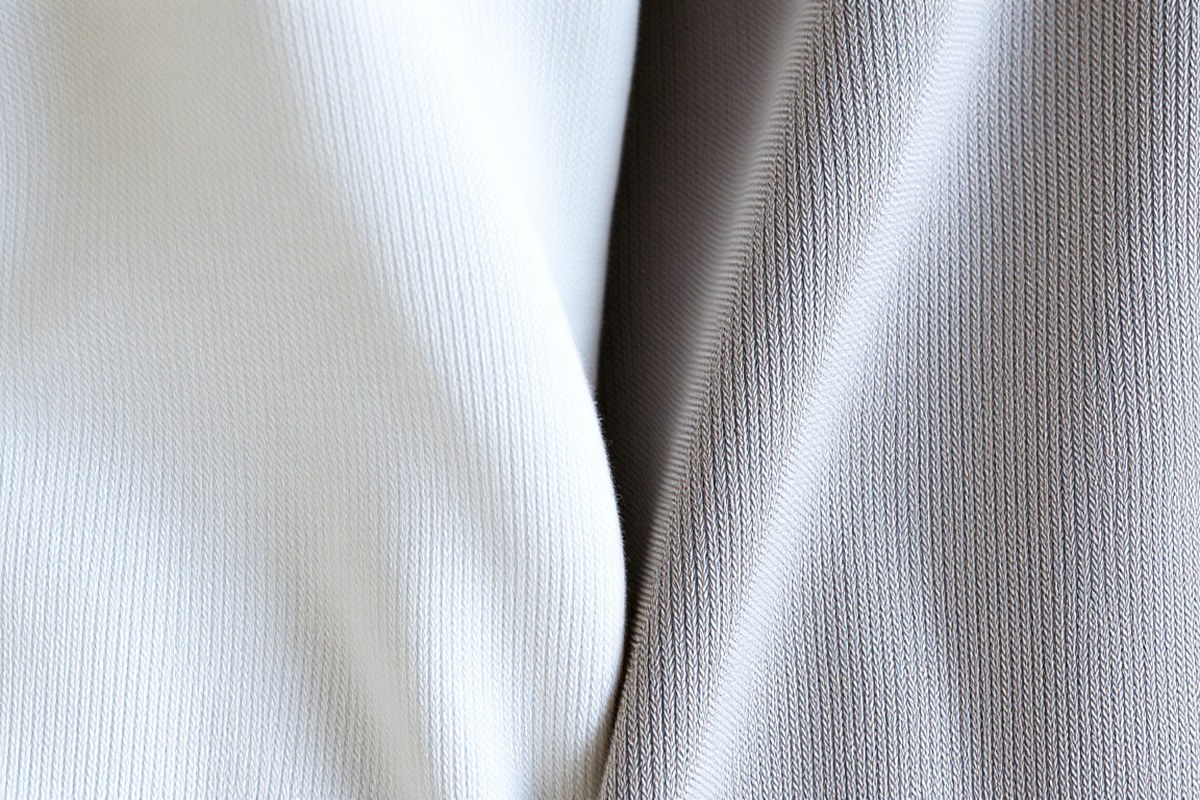
Fabric composition greatly affects how sweatpants shrink. Cotton fibers absorb water and respond to heat by tightening their weave, so cotton sweatpants usually shrink more easily. Polyester fibers, by contrast, are synthetic and more resistant to shrinking, requiring higher heat to change shape. Blends of cotton and polyester fall in between, shrinking less than pure cotton but more than pure polyester.
Elastane and spandex, often added for stretch, require extra care. These fibers begin to degrade near 140°F (60°C), so exposing sweatpants with elastane blends to high heat can cause permanent loss of elasticity and fabric damage. Because of this, you must keep the temperature below that threshold when shrinking elastane blends.
| Fabric Type | Shrinkage Ease | Temperature Threshold | Typical Shrinkage Range | Damage Risk |
|---|---|---|---|---|
| 100% Cotton | High | Up to 212°F (100°C) | 2, 7% (hot soak), 1, 5% (hot wash + dry) | Low |
| Cotton-Polyester Blends (50/50 to 80/20, no elastane) |
Moderate | Up to 140°F (60°C) | Proportional to cotton content, usually less than 100% cotton | Moderate at high heat |
| 100% Polyester | Low | 158, 176°F (70, 80°C) for glass transition Up to 212°F (100°C) for some shrinkage |
1, 2% per cycle with heat + mechanical action | Low |
| Cotton-Elastane / Spandex Blends (90/10 to 95/5) |
Low | Below 140°F (60°C) to avoid damage | Minimal without risking elastane damage | High if overheated |
To shrink 100% cotton sweatpants, you can use high temperatures safely up to boiling water (212°F) or a hot dryer. Blends without elastane shrink proportionally less, so expect less reduction, especially in legs and waist areas. Polyester sweatpants usually resist shrinking unless you expose them to temperatures above 158°F, which can initiate polyester shrinkage, but it usually only reduces size by 1 or 2 percent per cycle.
For sweatpants with elastane or spandex, do not exceed 140°F (60°C); higher temperatures degrade the stretch fibers, leading to loss of recovery and permanent damage. Use a warm wash or low dryer heat, accepting minimal shrinkage to preserve fabric integrity.
Always check the care label and fabric content before shrinking; overheating sweatpants with elastane can irreversibly damage the stretch fibers.
3. Safe Temperature and Time Guidelines for Shrinking
To safely shrink sweatpants, you need to control water temperature and drying time carefully based on the fabric type. Cotton and cotton blends respond well to water temperatures around 140°F (60°C) and dryer heat near 158°F (70°C), while polyester requires lower temperatures to avoid damage. Soaking in hot water for about 30 minutes or tumble drying on high heat for 20-30 minutes generally achieves effective shrinking without ruining your sweatpants.
Temperature Limits for Cotton vs Polyester
Cotton sweatpants can usually handle water temperatures up to 140°F (60°C) safely. At this temperature, heat causes cotton fibers to contract and shrink, especially if the fabric is unpre-shrunk. Avoid boiling cotton sweatpants longer than 30 minutes to prevent excessive shrinking or fabric damage. Polyester fibers shrink much less and can melt or deform if exposed to temperatures above 150°F (65°C). For polyester or polyester blends, stick to water temperatures below 120°F (49°C) and avoid hot dryer settings to prevent melting or shrinking that damages shape and texture.
Boiling water (212°F or 100°C) can shrink cotton or cotton blends effectively but will damage polyester and elastane components. Use boiling water only when you confirm your sweatpants are mainly cotton or cotton blend without heat-sensitive prints or stretch materials.
Recommended Soak Times for Boiling and Warm Water Methods
Soaking sweatpants in hot water maximizes fiber contraction evenly. For boiling water, submerge cotton or cotton-blend sweatpants fully for 30 minutes, stirring occasionally to maintain even heat. Avoid soaking for more than 30 minutes to limit fabric stress and discoloration.
Warm water soaks between 120°F and 140°F (49°C, 60°C) require longer soaking times, around 45 to 60 minutes, but are gentler on delicate fabrics and reduce the risk of overheating. Stir the sweatpants every 10 minutes to ensure the heat penetrates all layers.
- Use a pot or basin large enough to submerge sweatpants fully
- Wear heat-resistant gloves when handling boiling water
- Stir sweatpants gently during soak to distribute heat
- Avoid soaking elastane-heavy pants in boiling water
- Remove promptly after soak to prevent excess color fading
Warm water soaks take longer but reduce strain on the fabric. Boiling water shrinks faster but needs careful handling and avoiding heat-sensitive materials.
Drying Cycle Duration and Heat Settings
Tumble drying is the final and most effective step to lock in shrinkage after soaking. For cotton sweatpants, tumble dry on high heat, which approximates 158°F (70°C) surface temperature inside the dryer. Typical drying runs between 20 and 30 minutes, but check the fit every 10 minutes to avoid over-shrinking.
Polyester or blends with synthetic fibers should dry on medium or low heat settings, roughly 120°F (49°C), for about 20 minutes. Avoid high heat for these fabrics to prevent warping or shiny, hardened patches.
- Set dryer to high heat for cotton or cotton blends
- Dry for 20 to 30 minutes, checking fit periodically
- Use medium or low heat settings for synthetic or blended fabrics
- Stop drying early if sweatpants feel stiff or overly shrunken
- Remove and reshape sweatpants immediately after drying
Overheating can cause permanent fiber damage, loss of fabric color, or prints cracking. Always follow fabric care labels and err on the side of lower heat if unsure.
4. How Much Can Sweatpants Shrink? Expected Results
Shrinking sweatpants typically results in about one size down after using heat-based home methods like washing in hot water and drying on high heat. This translates to roughly a 3-5% reduction in overall dimensions for cotton-blend or fleece sweatpants, with variations depending on fabric type and whether the garment has been pre-shrunk during manufacturing.
Cotton fleece sweatpants, especially those that are not sanforized, can shrink up to 5% per cycle because knit fabrics like single-jersey loopback or French terry allow for this degree of contraction. However, sanforized cotton fleece, which has been mechanically pre-shrunk during finishing, will usually shrink less than 1% with each shrink attempt. Clothes labeled as sanforized are less likely to change significantly in size, so multiple cycles may be necessary if you want a noticeable fit change.
Sweatpants made with a high polyester content shrink very little. Polyester fibers have a glass-transition temperature around 70 to 80°C (158 to 176°F), and typical home dryer temperatures do not exceed this enough to cause fiber constriction. For example, 100% polyester athletic fleece usually shrinks less than 1% even after the hottest drying cycles. This means if your sweatpants are mostly polyester, you should expect minimal shrinkage, and heat-based methods might not be effective.
Targeted methods like steaming or using a hot iron can shrink specific parts of your sweatpants, such as the waistband or legs. These approaches allow you to focus controlled heat on smaller areas, producing a more localized shrink effect than washing and drying can offer. Yet, the percentage of shrinkage in these cases depends on the fabric blend and how much heat you apply; always use caution to avoid damaging delicate fibers.
Repeated shrinking cycles can incrementally reduce the size if the first attempt doesn’t meet your expectations. Shrinkage is largely linear at the fabric level, so each additional hot wash and dry cycle may reduce size by a similar small percentage until you reach your target. Be aware that seams may shrink an additional 1-2% due to stitch density, which can slightly alter how the pants fit overall.
Predicting shrinkage depends on knowing your sweatpants’ fabric. Cotton-rich blends and knit fleece will shrink more noticeably, while polyester-heavy fabrics resist shrinking. For example, if you’re working with 80% cotton and 20% polyester, expect moderate shrinkage closer to the cotton range, but less than a pure cotton pair. If your garments are mostly synthetic, anticipate almost no size change.
5. Targeted Shrinking: Focus on Waistbands and Legs
You can shrink specific parts of your sweatpants like the waistband or legs by using targeted heat and moisture carefully. Steam irons, hot water soaks, and hair dryers work best to focus heat on those areas without shrinking the entire garment.
Using a Steam Iron for Spot Shrinkage
A steam iron can help shrink specific areas by applying focused heat and moisture. This method is good for waistbands or cuffs that have stretched out. The iron’s steam softens the fabric fibers, while the heat causes them to contract, tightening those sections.
Set your steam iron to a medium-to-high setting appropriate for cotton or cotton-blend fabrics (around 300°F or 150°C). Avoid holding the iron too long in one spot, especially if the fabric contains elastic, to prevent damage. Follow these steps to shrink spots with a steam iron:
- Turn the sweatpants inside out and dampen the targeted area slightly with water using a spray bottle.
- Plug in and set your steam iron to a cotton or steam setting around 150°C (300°F).
- Place a thin cloth or pressing cloth over the dampened area to protect the fabric.
- Apply the steam iron slowly and evenly, moving it back and forth for 5 to 10 minutes.
- Check the area regularly to observe shrinkage and avoid overheating.
- Allow the spot to air dry flat before trying on.
Always use a pressing cloth to prevent shininess or scorching when using a steam iron on sweatpants.
Applying Hot Water Soaks Selectively
You can target specific sweatpants areas by soaking only the waistband or leg cuffs in hot water. Hot water contracts cotton fibers, so submerging just these parts causes localized shrinkage. This option is useful if you want to avoid shrinking the entire pair.
Use water heated to 120°F to 140°F (about 50°C to 60°C) to prevent damage. Avoid boiling water as it risks weakening elastane or synthetic blends. Try this soaking method:
- Fill a basin with hot water between 120°F and 140°F (50°C, 60°C).
- Submerge only the waistband, cuffs, or leg areas you want to shrink.
- Let the fabric soak for 5 to 10 minutes, checking periodically.
- Remove the soaked section and gently wring excess water (do not twist hard).
- Lay the sweatpants flat or hang them to dry, avoiding stretching while drying.
Do not soak elastic parts for prolonged periods; heat damages the elastic and can lead to loosening instead of tightening.
Caution When Shrinking Elastic Bands or Drawstrings
Most sweatpants include elastic or elastane in the waistband and drawstring areas. These materials degrade if exposed to heat above 140°F (60°C), causing the elastic to harden and lose its stretch. Instead of shrinking, the waistband may become looser over time.
Limit heat exposure on elastic by using lower iron settings or cooler water soaks. You can also use a hair dryer at a low to medium heat setting to gently warm these areas without overheating. To protect elastic:
- Set the iron to a low or synthetic setting, below 140°F (60°C).
- Use quick, light passes rather than prolonged ironing.
- Apply lukewarm water to elastic parts instead of hot water.
- Consider using a hair dryer held 6 to 8 inches away, moving continuously for even heat.
- Test a small area first to check how the material reacts.
Heating elastic above 140°F can cause permanent damage; always test a small spot before applying heat to the entire waistband or drawstrings.
6. Shrinking Sweatpants Without a Dryer: Alternative Methods
Sweatpants can shrink without a dryer by relying on heat from hot water and carefully controlling the drying process. Soaking sweatpants in hot water or even boiling water encourages the fibers to contract, making the pants smaller. Air drying then lets you manage the amount of shrinkage, avoiding further reduction that a dryer might cause.
Hot Water Soaking for Extended Time
Soaking sweatpants in hot water for an extended period loosens the fibers, which then tighten as the fabric dries. This method applies consistent heat without the agitation of a washing machine or the intense heat of a dryer. You get gradual shrinkage that’s easier to control. Follow these steps to shrink your sweatpants using a hot water soak:
- Heat enough water in a bathtub, basin, or large sink to around 120 to 140 degrees Fahrenheit.
- Submerge the sweatpants completely, making sure no part is left dry.
- Leave the sweatpants to soak for 30 to 60 minutes, stirring occasionally to expose all areas uniformly.
- Drain the water carefully without rinsing with cold water, which could stop the shrinking process.
- Gently squeeze out excess water without wringing, as stretching can undo shrinking effects.
- Place the sweatpants flat or hang them to air dry, avoiding direct sunlight to prevent fading.
Using Boiling Water Immersion Safely
Boiling water immersion produces a dramatic shrinking effect from the rapid and intense heat. Cotton and cotton-blend sweatpants respond well, but synthetic fabrics might not shrink significantly or could get damaged. Handle boiling water with care to avoid burns or fabric damage. To safely use boiling water for shrinking:
- Bring a large pot of water to a full boil (212 degrees Fahrenheit).
- Remove the pot from heat and carefully submerge the sweatpants using tongs, ensuring complete immersion.
- Let the pants soak for 5 to 10 minutes only, as too long can weaken fibers.
- Remove the sweatpants carefully and immediately transfer to a towel to absorb some moisture.
- Lay flat or hang to air dry, watching for over-shrinking during the drying phase.
Note that repeated boiling can cause fading or fabric wear. This method suits urgent or sizable shrinkage but may not be ideal for delicate or pricey sweatpants.
Air Drying to Control Shrinkage Level
Air drying gives you control over how much your sweatpants shrink after applying heat and water. Unlike machine drying, it avoids extra heat and tumbling that can cause unpredictable or excessive shrinkage. Drying sweatpants flat on a surface or on a hanger lets you measure the shrinkage progress at your pace. Tips for effective air drying:
- Pat the sweatpants gently with a towel to remove excess water but avoid wringing.
- Hang them in a warm, ventilated area but out of direct sunlight to prevent color fading.
- Check shrinkage after the sweatpants feel mostly dry; you can dampen and reshape them if needed.
- For waistbands or legs that need more shrinkage, spot dampen those areas and let air dry again.
This technique takes longer than machine drying but reduces risks of over-shrinking or fabric distortion. It also helps maintain fabric softness and shape better with repeated use.
7. Common Mistakes When Shrinking Sweatpants and How to Avoid Them
Shrinking sweatpants can be tricky because fabric and elastic respond differently to heat. Many make the mistake of using too high a temperature in the washer or dryer, which can damage fibers and weaken elastane or waistband elastic. Sweatpants with 5-10% elastane in the body or elastic waistbands are especially vulnerable. Overheating can cause stretch loss, permanent fabric distortion, or color fading. Avoiding these issues requires a careful balance of heat and time.
Another common error is ignoring garment labels that mention treatments like anti-shrinkage or Sanforised. These treatments prevent noticeable shrinkage, so trying to shrink these pants wastes effort and risks damage. When your sweatpants include treatments or stretchy synthetic blends, think about whether shrinking them will work well.
Uneven shrinkage also happens when the sweatpants aren’t dried or washed evenly. For example, drying sweatpants folded or bunched up can cause some areas to shrink more than others, leading to a warped fit. To prevent this, always shake them out and dry flat or hang after washing.
- Check the care tag for fabric type and shrinkage warnings before starting.
- Avoid very hot washes; keep temps near 130°F (54°C) to protect elastane.
- Use medium heat in the dryer and check frequently to avoid over-shrinking.
- Dry sweatpants fully spread out or hanging to avoid uneven shrinking.
- Don’t attempt to shrink sweatpants with anti-shrinkage treatments.
- After shrinking, gently stretch out waistband elastics to restore some give.
- Should the sweatpants shrink too much, soak them in lukewarm water and carefully stretch them while they’re still damp.
Fixing minor damage involves addressing elastic that has lost flexibility or fabric that’s become too tight. Gently pulling on damp sweatpants can help restore some length. Avoid repeated high-heat cycles to prevent worsening damage. Pay attention to the fabric blend: natural fibers like cotton shrink more easily, while synthetic blends can resist shrinkage but suffer heat damage.
Damaged sweatpants might feel stiff or tight after an aggressive shrinking attempt. Soaking them in cold water with a fabric conditioner and hand stretching can sometimes ease stiffness. When shrinking elastane-rich sweatpants, lower heat repeatedly with short drying bursts can achieve better control over fit without harm. These steps increase the chance you get a comfortable, well-fitting pair without sacrificing wearability.
8. What to Do If Sweatpants Shrink Too Much
When sweatpants shrink too much, you can often regain some of their original size by carefully stretching and relaxing the fabric. This matters because too much shrinkage can make sweatpants uncomfortable or unusable, especially around the waist or legs. Stretching works best on sweatpants made primarily of cotton or cotton blends without high elastane content, as elastane fibers do not easily regain shape once shrunk or heat-damaged.
To stretch shrunk sweatpants at home, use a combination of moisture and gentle pulling. Stretching might not bring back a comfortable fit, so think about professional alterations like adding to the waistband or letting out the seams. These options depend on the fabric and how much the sweatpants have shrunk. Follow these steps to stretch sweatpants that shrunk too much:
- Dampen the sweatpants. Fill a spray bottle with warm water (around 90°F to 100°F) and mist the areas that need stretching until they feel lightly wet but not soaking. This softens the fibers and makes them more pliable.
- Lay them flat on a clean surface. Smooth out wrinkles and position the sweatpants so you can clearly see the tight areas you want to stretch.
- Gently pull the fabric. Use your hands to slowly stretch the tight parts, such as the waistband or legs. Focus on one area at a time to avoid overstressing the fabric.
- Hold the stretch. Keep the fabric stretched for several minutes or until it begins to relax. You can also secure the sweatpants in an expanded position with heavy objects or elastic bands stretched over a flat surface.
- Let sweatpants dry while stretched. Allow the sweatpants to air dry completely in the stretched position. This helps the fibers set in the new shape without reverting.
- Repeat if necessary. Multiple stretching and drying cycles may improve results but avoid excessive pulling that could distort or damage the seams.
- Consider professional alterations.Severe shrinkage or elastane in the fabric can require a tailor to add fabric panels or adjust seams safely, usually costing between $20 and $50 based on the work.
Do not use hot water or high dryer heat on sweatpants with elastane, temperatures above 140°F can damage the elastic fibers, making shrinkage permanent and irreversible.
Step-by-Step Action Plan to Shrink Your Sweatpants at Home
Follow these steps carefully to shrink your sweatpants safely and see an improved fit. Check after each phase to make sure you’re getting the results you want.
- Before you start: Read your sweatpants’ care label to confirm fabric type and washing instructions.
- Step 1, Hot water wash: Wash the sweatpants in hot water for about 30 minutes to trigger shrinking. Check if they feel smaller after drying.
- Step 2, High heat drying: Dry on high heat for 20 to 30 minutes, focusing on the waistband or legs if needed. Feel if those areas tightened up.
- Step 3, Repeat if necessary: If the fit is still loose, repeat the wash and dry cycle once more but avoid exceeding 40 minutes of drying to prevent over-shrinking.
- Step 4, Targeted shrinking: To shrink just waistband or leg areas, dampen them and use a hot iron or hair dryer carefully while stretching the fabric less.
- Step 5, Alternative drying method: If you don’t have a dryer, soak sweatpants in hot water, then hang in direct sunlight or use a heated room to dry slowly, checking size periodically.
- Step 6, Avoid mistakes: Don’t use bleach or fabric softeners, and avoid over-drying or shrinking polyester-blend sweatpants as they shrink less and may warp.
- After shrinking: Try the sweatpants on and see if they fit better. If too tight, gently stretch the fabric by hand or wear them and move around for a while to loosen up.
Frequently Asked Questions
Can I Shrink Sweatpants Made from Synthetic Fibers Like Polyester?
Sweatpants made from polyester or nylon fibers do not shrink easily with heat or water like cotton does. These fabrics are more resistant to shrinking, so you might not see noticeable size changes using typical home methods.
How Often Can I Shrink My Sweatpants Before Damaging Them?
Repeated shrinking can weaken fabric fibers and affect fit over time. It’s best to shrink your sweatpants only once or twice to avoid excessive wear or distortion.
Does Washing Sweatpants in Cold Water Prevent Shrinkage?
Yes, washing sweatpants in cold water helps reduce the likelihood of shrinkage by keeping fabric fibers stable. Use cold water to maintain fit if you don’t want them to shrink further.
Can Shrinkage Change Sweatpants’ Color or Texture?
Shrinking sweatpants may slightly alter their texture or cause color fading, especially with heat and repeated drying. Handle with care to maintain appearance while shrinking.
Is It Possible to Shrink Old or Heavily Worn Sweatpants?
Older, worn sweatpants might shrink less because fibers lose elasticity over time. Shrinking tends to work best on newer or well-maintained cotton-based sweatpants.
Will Shrinking Sweatpants Affect Their Stretchiness or Comfort?
Shrinking can make sweatpants feel tighter and reduce stretchiness, particularly around waistbands and cuffs. Take care to avoid over-shrinking for comfort.
Key Points to Remember
Shrinking sweatpants at home takes careful attention to fabric type, water temperature, and drying time. Start with moderate heat and short drying cycles to control the fit. Your next step is to test one method on an old or less-favored pair to see how the fabric reacts before adjusting your best sweatpants.