Does the Dryer Shrink Clothes? What Fabrics Shrink & How to Avoid It
Does the dryer shrink clothes? Yes, it often does, especially natural fibers like cotton that respond to heat and moisture changes. You can avoid unwanted shrinking by understanding the fabrics that shrink the most and adjusting drying methods accordingly.
This information helps anyone who cares about maintaining garment size and appearance through laundry routines. By applying specific drying practices, you’ll better preserve your clothes and prevent frustrating size losses.
Key Takeaways
- 100% cotton garments can shrink up to 20% during the first dryer cycle when new.
- Drying cotton at temperatures above 90°F (32°C) increases the risk of shrinkage.
- Denim made of 100% cotton is durable but can still shrink slightly in hot dryers.
- Using low heat and gentle drying settings helps control the degree of shrinkage.
- Checking clothes midway through drying allows you to stop once the desired size is reached.
- Natural fibers shrink mostly after the first wash and dry, so pre-shrunk items shrink less later.
Does the Dryer Actually Shrink Clothes and Why?

Yes, dryers can shrink clothes, and this happens because of the combined effects of heat, moisture, and tumbling motion inside the machine. The heat in the dryer causes fibers, especially in natural fabrics like cotton and wool, to contract. Unlike popular belief, heat alone is not the only cause; the mechanical action of tumbling plays a significant part by stretching and then allowing the fibers to relax into a smaller shape.
When clothes are wet, their fibers are swollen with moisture. As the dryer heats the fabric, the moisture evaporates, and the fibers lose water and contract. This contraction is more noticeable in natural fibers because they absorb more water than synthetic ones. While synthetic fabrics like polyester generally resist shrinking, natural fibers are sensitive to the drying environment. The repeated stretching and contracting from tumbling cause the fabric to settle into a tighter weave, which results in shrinkage.
The tumbling action mimics manual agitation, gently working the fabric fibers as the drum turns. This mechanical stress causes the fibers to bind closer together if they have been stretched out before drying. For example, stretched cotton T-shirts can actually regain their original shape due to tumbling. However, excessive tumbling combined with high heat can permanently shrink the fibers. Over-drying clothes or setting the dryer on the highest heat can increase the risk, particularly for delicate or natural fabrics.
In practice, clothes shrink most when they enter the dryer still very wet and exposed to high temperatures for extended periods. Dryers typically operate between 125°F and 135°F for regular drying cycles, with high-heat settings reaching up to 145°F. This heat range is sufficient to alter fiber dimensions over a drying cycle lasting 30 to 60 minutes, depending on load size and moisture level. Removing clothes while slightly damp or using lower heat settings can reduce shrinkage risks, but tumbling in any heat will still affect sensitive materials somewhat.
Clothes that have been pre-shrunk during manufacturing tend to hold their size better in the dryer, but untreated fabrics will continue to shrink with each drying cycle. Some homeowners purposely use the dryer to intentionally shrink certain cotton garments by running a hot, full cycle, but this comes with tradeoffs. Excess heat and tumbling can stress fabrics, leading to loss of softness and durability over time. For best results, monitor drying time and temperature carefully and avoid overdrying to protect your clothing’s fit and texture.
Which Fabrics Shrink Most in the Dryer?
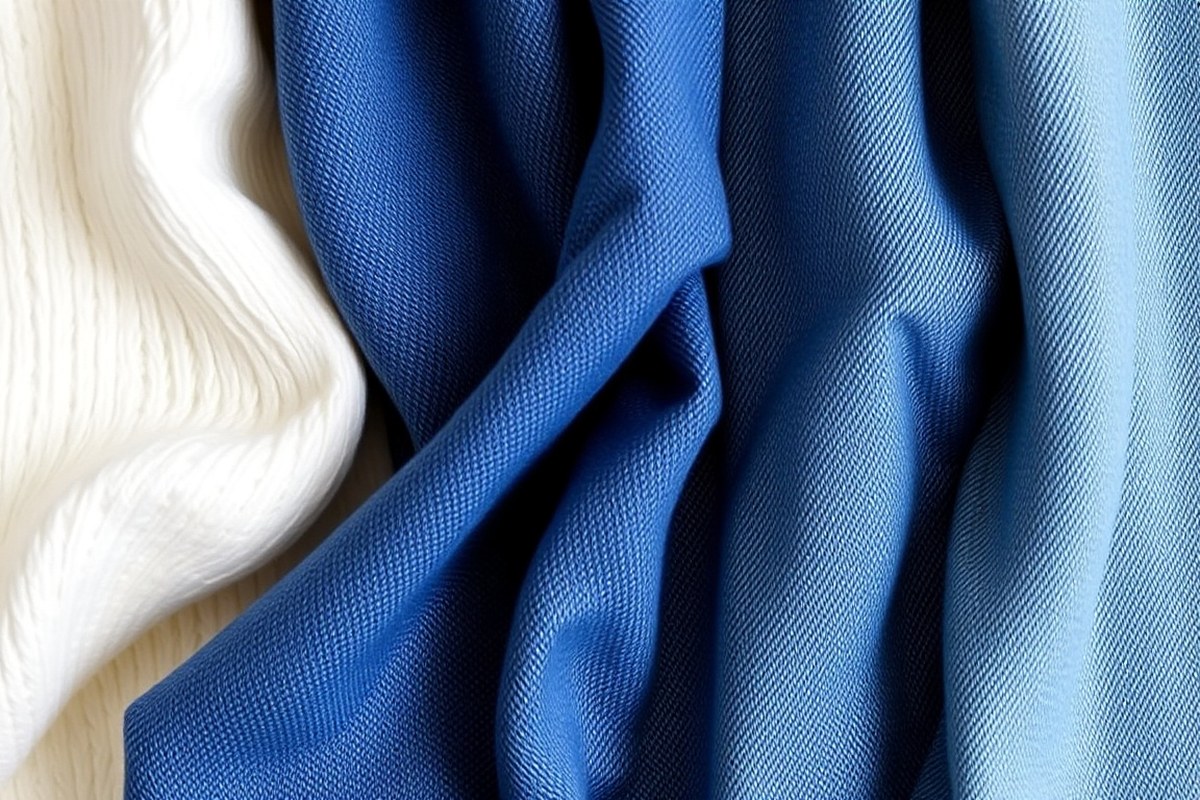
Fabrics differ in how much they shrink in the dryer, mainly because of their fiber content. Natural fibers like cotton, wool, and rayon tend to shrink more than synthetic fibers such as polyester and nylon. Cotton, for example, can shrink up to 20% when new and dried on high heat, while synthetic fabrics usually shrink less than 5%. Understanding these differences helps you prevent unwanted shrinking and care for garments properly.
Fabric blends add complexity because shrinkage often happens gradually and depends on the ratio of fibers. Clothes with a higher percentage of natural fibers shrink faster and more noticeably, whereas blends with more synthetics take longer and shrink less. In some cases, cotton-rayon blends actually shrink safely in the dryer, which might be useful when you want a slight size reduction. Separating fabrics by type before drying reduces the chance of shrinkage from heat exposure.
| Fabric Type | Shrinkage Risk | Typical Shrinkage Percentage | Dryer Heat Resistance |
|---|---|---|---|
| 100% Cotton (New) | High | Up to 20% | Low; avoid high heat |
| Wool | High | Varies, often noticeable | Low; prone to felting and shrinking |
| Cotton-Rayon Blends | Medium | Gradual Shrinkage | Moderate; often safe to dry carefully |
| Polyester | Low | Less than 5% | High; withstands dryer heat better |
| Nylon | Low | Less than 5% | High; resists shrinking |
| Denim (High Cotton) | High | Up to 10% | Low; beware heat damage |
Synthetic fibers typically handle heat better but may still shrink if exposed to intense dryer settings. Compared to cotton or wool, their shrinkage is less severe or slower. For blended fabrics, the shrinkage amount depends on fiber ratios, requiring multiple wash and dry cycles to reach maximum shrinkage.
Separate clothes by fabric type before drying to minimize heat exposure on delicate natural fibers and reduce overall shrinkage risk.
How Dryer Settings Affect Shrinkage Risk
Dryer settings significantly affect the risk of shrinking your clothes. Using lower heat levels and avoiding over-drying greatly reduces shrinkage chances. Choosing the correct cycle and drying duration based on fabric type keeps your garments closer to their original size.
Choosing the Right Heat Setting
High heat settings in dryers increase fiber contraction, causing clothes to shrink more. To reduce this risk, use the low heat or delicate setting whenever possible. These settings typically operate at temperatures below 125°F, which helps prevent excessive fiber tightening that happens above 130°F.
Low heat settings take longer but protect the fabric’s shape and size. Avoid high or tumble dry settings unless the care label explicitly permits it. Some fabrics react strongly to heat, so err on the side of caution to maintain garment integrity.
How Drying Time Influences Shrinkage
The longer clothes tumble in the dryer, the greater the risk of shrinkage. Prolonged exposure to heat squeezes fibers tighter together, causing permanent size reduction. Removing clothes promptly when the cycle ends prevents this.
Over-drying happens when clothes dry completely and continue to stay in the hot dryer. This can lead to stiffness, shrinkage, and fabric damage. You should check your load about 5 minutes before the cycle finishes and pull out garments that feel slightly damp to minimize this risk.
Impact of Care Labels and Cycle Selection
Care labels provide specific drying instructions designed to avoid shrinkage. Following these directions helps you select dryer cycles that balance drying efficiency with fabric safety. Gentle or delicate cycles typically feature slower drum rotation and lower heat, protecting delicate textiles with less mechanical stress and heat.
Using the proper cycle also ensures appropriate drying time combined with heat level, reducing friction and heat damage. Ignoring the instructions leads to higher chances of shrinking and wear.
Additional Techniques to Reduce Shrinkage
Consider using wool or plastic dryer balls to lift and separate clothes in the dryer. Increased air circulation lets you dry at lower temperatures and shorter cycles. This method saves energy and further limits fabric stress on fibers.
- Select low heat or delicate drying cycles
- Remove clothes while still slightly damp to avoid over-drying
- Use dryer balls to separate items and improve airflow
- Follow the garment care label instructions precisely
- Skip high heat settings unless specifically recommended
- Regularly clean the lint filter to maintain dryer efficiency
These simple practices reduce shrinkage risk and extend the lifespan of your clothes.
When to Avoid Dryer Use Altogether
Some fabrics, especially those prone to strong shrinkage like wool and some cotton blends, do best without heat drying. Air drying or tumble drying on a no-heat or air-fluff setting eliminates heat-induced shrinkage risk completely.
Choosing air drying takes more time but prevents the fibers from contracting further. This approach is safer for delicate, expensive, or sentimental items where size and fit preservation matter most.
Safe Drying Practices for Common Garments
Protecting your clothes from dryer shrinkage depends on fabric type and care. Knowing the right drying methods for jeans, wool, and delicate items can keep your garments looking good without unwanted size changes or damage.
Drying Jeans and Denim Safely
Jeans and denim, especially those made of cotton or cotton blends, can shrink if exposed to high heat in the dryer. Because denim is a tightly woven fabric, the heat tends to tighten the fibers, causing shrinkage. Stretchy denim blended with synthetic fibers may resist shrinking better but still requires careful drying.
Use a low-heat or medium-heat dryer setting to reduce shrinkage risk. Avoid the hottest cycles, and remove jeans from the dryer while slightly damp to air dry the rest of the way. Removing jeans promptly prevents over-drying, which can make denim stiff and prone to shrinkage. Using dryer balls can also help reduce drying time and lessen exposure to heat.
Handling Wool and Delicate Fabrics
Wool is very sensitive to heat and agitation, which the dryer can cause, leading to felting and severe shrinkage. Delicate fabrics like silk and fine knits should never be placed in a hot dryer. Instead, drying these materials requires a gentler approach.
Setting the dryer to “Air Dry,” “Tumble,” or “Spin” cycles uses motion without heat, which can prevent fiber damage and shrinkage. However, air drying is generally safer for these fabrics. Lay wool items flat on a drying rack to maintain shape and avoid stretching. Before drying, make sure wool garments are damp, not soaked, to reduce the risk of fibers clumping together and shrinking excessively.
- Use air drying or flat drying for wool and delicate fabrics
- Choose dryer settings with no or low heat whenever possible
- Ensure wool is damp, not wet, before drying
- Use gentle detergents designed for wool or delicate materials
- Remove items promptly to avoid over-drying effects
- Consider wool dryer balls to reduce drying time and wrinkles
Following these steps preserves delicate textiles and prevents the irreversible damage that dryers can cause to sensitive fibers.
Drying Bras, Lingerie, and Activewear
Bras, lingerie, and performance activewear require extra care since heat and tumbling can break down elastic fibers and delicate lace. The dryer’s heat dulls elasticity and can permanently change the shape or fit of these garments.
Always air dry these items to maintain their elasticity and fabric integrity. Lay bras flat to dry to keep their shape and hang lingerie or activewear in a well-ventilated area away from direct sunlight. If quick drying is essential, use the dryer’s air-only or lowest heat setting and place items in a mesh laundry bag to reduce agitation.
How Initial Washing Impacts Dryer Shrinkage
Both washing and drying can cause clothes to shrink, but the initial wash sets the stage for how much shrinkage occurs later in the dryer. Washing temperature, cycle type, and garment handling during the wash impact fabric tension and fiber structure, which influence subsequent shrinkage during drying. Proper washing techniques reduce the risk of excessive shrinking after drying cycles.
Water Temperature’s Role in Fabric Shrinkage
Water temperature during the first wash significantly affects how much clothes shrink later in the dryer. Hot water, especially above 120°F (49°C), can cause fibers like cotton to relax and contract, leading to up to 5% shrinkage on the first wash and dry. Cold water washing slows this fiber contraction, preserving the garment’s original size and shape more effectively.
For fabrics prone to shrinking, such as cotton and wool, washing in cold water helps maintain tension in the fibers. Polyester and synthetic blends generally tolerate warmer water without significant shrinkage, but cotton and wool benefit from water temperatures below 80°F (27°C). Adjust your washer’s settings accordingly, using cold water for delicate or natural fibers to minimize initial shrinkage that the dryer might worsen.
Effect of Washing Cycles and Agitation
The cycle type and level of agitation during washing can influence shrinkage. Aggressive cycles with heavy agitation cause fibers to rub, twist, and compress, which loosens fabric tension. This makes fibers more likely to contract and shrink once dried. Gentler cycles on delicate or permanent press settings reduce mechanical stress on fabrics, helping maintain size.
For items prone to shrinking, use wash cycles designed for delicates or hand wash settings that minimize agitation and spinning speed. Avoid overdosing on detergent, which can increase friction and fiber damage, leading to shrinkage. Proper fabric care labels typically recommend a gentle cycle combined with cold water to reduce fiber distortion before drying.
Handling Fabrics Before Drying
How you handle clothes after washing also impacts shrinkage during drying. Overstretching or wringing wet clothes changes the fabric’s structure and can lead to uneven shrinking or misshaping during drying. Instead, gently squeeze excess water out or use the washer’s low spin option to remove moisture safely without stressing the fibers.
For delicate fabrics like wool, reshape garments while damp and lay them flat to dry instead of using the dryer to avoid further shrinkage. For cottons and blends intended for drying, avoid cramming too many clothes into the washer or dryer, as this increases friction and prolongs drying time, which intensifies fabric contraction.
Shrinking Across Multiple Wash and Dry Cycles
Shrinkage tends to be most pronounced during the first wash and dry cycle because the fabric returns to its natural relaxed state from manufacturing tension. After this initial shrinkage, subsequent washes and dries usually cause little to no additional size reduction if you use proper care methods. However, repeated exposure to hot water and high dryer heat can cause gradual shrinkage over time.
Protect fabrics by washing in cold water and drying on low heat settings to avoid cumulative shrinkage. Stop drying while clothes are still slightly damp to reduce fiber stress. Using shorter drying cycles and removing clothes promptly can help preserve size over repeated uses. Fabrics like cotton can lose up to 10% of their size if exposed to hot water and high heat repeatedly, so controlling the initial and ongoing laundry steps matters.
Always follow the care label’s washing temperature and cycle recommendations to minimize fabric shrinkage before drying your clothes.
Step-by-Step Checklist to Prevent Shrinking Clothes
Preventing clothes from shrinking in the dryer requires attention to how you wash, dry, and handle your laundry. Taking a few careful steps can protect your favorite garments, save you money on replacements, and keep your wardrobe looking its best longer. Using the right water temperature, adjusting dryer settings properly, and using tools like fabric softeners contribute significantly to reducing shrinkage risk. Here is a practical checklist to follow every time you do laundry.
- Sort Clothes by Fabric Type and Care Label
Separate clothes prone to shrinking, such as cotton and wool, from synthetic fabrics. Always check the care label for drying instructions; if the label says “tumble dry low” or “air dry only,” follow it strictly to avoid damage. - Wash in Cold Water
Use cold water instead of warm or hot for washing to avoid activating shrinkage in fibers. Cold water helps reduce not only shrinkage but also color fading, keeping fabrics in better shape overall. - Use Fabric Softeners or Dryer Sheets
Add a fabric softener during the wash or use dryer sheets when drying to minimize static cling and prevent fibers from twisting and contracting. These products cost around $5-$10 for a bottle or box and can be found at most supermarkets. - Select the Correct Dryer Setting
Choose “low heat,” “delicate,” or “air fluff” settings on the dryer to limit exposure to high temperatures, which cause shrinkage. Modern dryers often have moisture sensors to avoid over-drying, so use these settings to stop the cycle once clothes are dry but not overheated. - Avoid Overloading the Dryer
Drying too many items at once leads to uneven heat distribution and can cause some fabrics to over-dry. Give them room to tumble freely, which helps heat circulate evenly and reduces shrinkage risks. - Remove Clothes Promptly After Drying
Take clothes out as soon as the dryer stops to prevent wrinkles that can lead to fiber distortion. Frequent reshaping and hanging can also help maintain the size and form of your garments. - Air Dry When Possible
For delicate or shrink-prone garments, air drying is safer. Lay flat or hang to dry as instructed on the label, especially for wool or pre-shrunk items that still might shrink in a dryer.
Can Shrunk Clothes Be Unshrunk or Resized?
Shrinking in the dryer mainly happens because heat causes fibers to contract, especially with cotton. Once a garment has shrunk, completely reversing it can be challenging, but some practical methods can help restore or slightly improve its fit. You can resize a piece depending on the fabric type, how much it shrunk, and if it was dried with harsh settings.
Natural fibers like cotton and wool are more likely to respond to attempts at reshaping than synthetic fabrics. Your garment labeled “pre-shrunk” probably won’t regain lost size since it was already treated to reduce shrinking. On the other hand, untreated cotton often reacts well to gentle stretching after soaking in water, as wet fibers become more flexible and easier to manipulate.
To try resizing, start by soaking the shrunken garment in lukewarm water mixed with a gentle conditioner or baby shampoo, this helps relax the fibers. Let it soak for about 30 minutes, then carefully wring out excess water without twisting. Lay the garment on a flat towel and slowly stretch it back to the desired dimensions. Some light tugging around the seams and overall length can help, but avoid overstretching, which risks distorting the garment’s shape.
- Soak the garment in lukewarm water with conditioner or baby shampoo for 30 minutes
- Gently wring out excess water without twisting the fabric
- Lay flat on a towel and carefully stretch back to the desired size
- Reshape seams and sleeves with light, even tension
- Air dry flat to hold the stretched shape
- Repeat if necessary, but avoid aggressive stretching
- Consider professional alterations for permanently shrunken or delicate clothes
Good results usually mean the garment is wearable again without being overly tight or uncomfortable. This method works best with cotton and wool but may not always succeed. Stretching synthetic blends often has little effect because their fibers don’t relax like natural materials. Taking care when drying in the future helps prevent shrinkage from becoming a recurring problem.
Heavy shrinkage or fabric damaged by excessive heat may be beyond home fixes, requiring a tailor’s help or replacement. Keep in mind that reshaping takes time and patience and won’t restore the garment to its original perfect fit. Test a small part first for colorfastness and elasticity, especially if your clothing has special finishes or dyes.
Professional Laundry Services and Shrinkage Prevention
Professional laundry services provide expert fabric care that significantly reduces the risk of shrinkage, especially for delicate or valuable items. These services use specialized machines and techniques, such as cold water washing, controlled drying temperatures, and gentle tumbling cycles that follow the specific requirements on garment care labels. By managing these factors precisely, they prevent the excessive heat exposure and mechanical stress that cause many fabrics to shrink in a home dryer.
Using professional laundry often means your clothes avoid the common pitfalls of domestic dryers, where temperatures can reach 140°F (60°C) or higher, a heat level that often leads to unwanted shrinkage. Laundry technicians rely on equipment calibrated to maintain lower, consistent temperatures and adjust cycle lengths to suit the fabric, minimizing both heat and agitation. This careful approach benefits cotton, wool, and rayon items that are prone to shrinking, preserving their original fit and texture.
Choosing professional laundry becomes especially important for garments made with natural fibers or intricate weaves. Fine wools, silk blends, and handmade knits are vulnerable not just to shrinking but to distortion and felting if dried improperly. The extra care provided by professionals can help maintain the garment’s shape and fiber integrity, extending its lifespan beyond home laundering. This service is also valuable for clothing with embellishments or delicate trims that can get damaged by aggressive dryer action.
Cost depends on the type and volume of items but generally ranges from $1.50 to $5 per piece for standard laundering, with higher-end treatments costing more. Many laundry services offer pricing tiers depending on fabric type and whether pressing or hand-finishing is required. This expense can be justified by the avoidance of damage and shrinkage repair costs, making professional laundering a practical investment for preserving your wardrobe quality.
The results of professional laundering are evident in garments that retain their shape, size, and softness over time. When shrinkage occurs, it often relates to improper care during at-home drying cycles, such as ignoring care labels or using high heat indiscriminately. By relying on expert services, you reduce these risks and avoid common errors like over-drying or aggressive tumbling that are hard to control without specialized equipment.
Those with heirloom textiles, high-end fashion, or sentimental garments should consider professional laundry as a way to protect their investment. The careful handling and fabric expertise make these services a good option whenever you want to prevent irreversible shrinkage or fabric damage. For everyday cotton T-shirts or towels, professional services might be less essential, but for anything labeled “dry clean only” or “hand wash,” taking the garment to a laundry professional greatly improves outcomes.
Always follow garment care labels strictly, and when in doubt about drying delicate or valuable fabrics, choose professional laundry services to avoid irreversible shrinkage.
Step-by-Step Action Plan to Prevent Dryer Shrinkage
Follow this simple plan to keep your clothes fitting right after drying. These steps help you manage shrinkage risk effectively.
- Before your first wash: Check the garment care labels for fabric type and drying instructions to choose the right settings.
- Day 1 – Initial washing: Wash clothes in cold water or on a gentle cycle to reduce stress on fibers. Clothes should feel normal to the touch when done.
- Day 1 – Drying session: Use the lowest heat setting on your dryer or air dry delicate fabrics. The clothes should come out soft without a noticeably tighter fit.
- Week 1 – Testing fit: After drying, try on clothes to confirm they have not shrunk. Notice shrinkage? Switch to air-drying those items next time.
- Ongoing maintenance: Separate fabrics by type for washing and drying to avoid applying high heat to shrink-prone clothes. Consistently follow label instructions.
- Monthly review: Inspect clothes for signs of unwanted shrinkage and adjust your washing and drying habits accordingly to prevent further issues.
- Shrinkage happens: Try gently stretching damp garments back to size, then lay them flat to air dry and see if they return to their original fit.
Frequently Asked Questions
Does a Clothes Dryer Shrink Clothes?
Yes, clothes often shrink in the dryer because heat and tumbling cause fabric fibers to contract, especially natural fibers like cotton. Using lower heat settings can reduce this risk.
How Often Do Japanese Do Laundry?
Typically, Japanese households wash clothes two to three times a week, balancing fabric care with daily wear needs. This frequency helps maintain garment quality without over-washing.
Does Washing Clothes at 60 Shrink Them?
Washing at 60 degrees Fahrenheit (about 16 degrees Celsius) generally won’t cause shrinkage; higher temperatures are more likely to shrink natural fibers. Cold or cool washes help preserve fabric size.
Can You Shrink a XL to a Medium?
Yes, shrinking an XL to a medium is possible for certain natural fibers by washing with hot water and drying on high heat, but results vary by fabric and can damage garments.
Does the Dryer Shrink Synthetic Fabrics Like Polyester?
Synthetic fabrics like polyester shrink very little in dryers because their fibers resist heat shrinkage. High temperatures can still damage the fabric, so use low heat settings.
Will Air Drying Completely Prevent Shrinkage?
Air drying reduces heat-related shrinkage but won’t always prevent fabric contraction from the initial wash cycle. Handling fabrics gently during washing is also important.
Before You Go
Dryers can cause clothes to shrink, especially when heat settings are too high or fabrics are sensitive. Preventing this starts with following care labels and using gentle drying methods. Test your drying routine on less expensive or less worn items first to find what works best for your wardrobe. Take one step today by checking your dryer’s heat setting and adjusting it to low or air dry for your next load to protect your clothes from shrinking.