
What Does a Dryer Sheet Do? How It Softens, Decreases Static & Adds Freshness
A dryer sheet softens clothes, reduces static cling, and adds fragrance during the drying process. It works by transferring a coating of fatty acids and quaternary ammonium compounds onto your laundry fibers to make fabrics feel softer and repel static electricity. You don’t have to use dryer sheets to dry clothes effectively, but they offer benefits especially suited to certain fabrics and laundry needs.
This article is for homeowners and laundry users curious about how dryer sheets affect their clothes and how to use them properly. You’ll get clear answers on what dryer sheets do, which fabrics to avoid using them on, safer alternatives, and tips to maximize their effectiveness for fresher, softer laundry.
Key Takeaways
- Dryer sheets coat fabrics with softening agents and anti-static chemicals for a smooth, static-free feel.
- Avoid dryer sheets on athleticwear, microfiber, towels, flame-resistant, and water-repellent fabrics to maintain performance.
- Use one dryer sheet per load to prevent residue buildup that can affect fabric texture and absorbency.
- Dryer sheets add fragrance that masks odors but can contain chemicals some may wish to avoid.
- Natural wool dryer balls offer a reusable alternative to reduce drying time and soften clothes safely.
- Do not over-dry clothes when using dryer sheets, as overheating can cause wrinkles and reduce softening effects.
What Does a Dryer Sheet Do to Your Clothes?
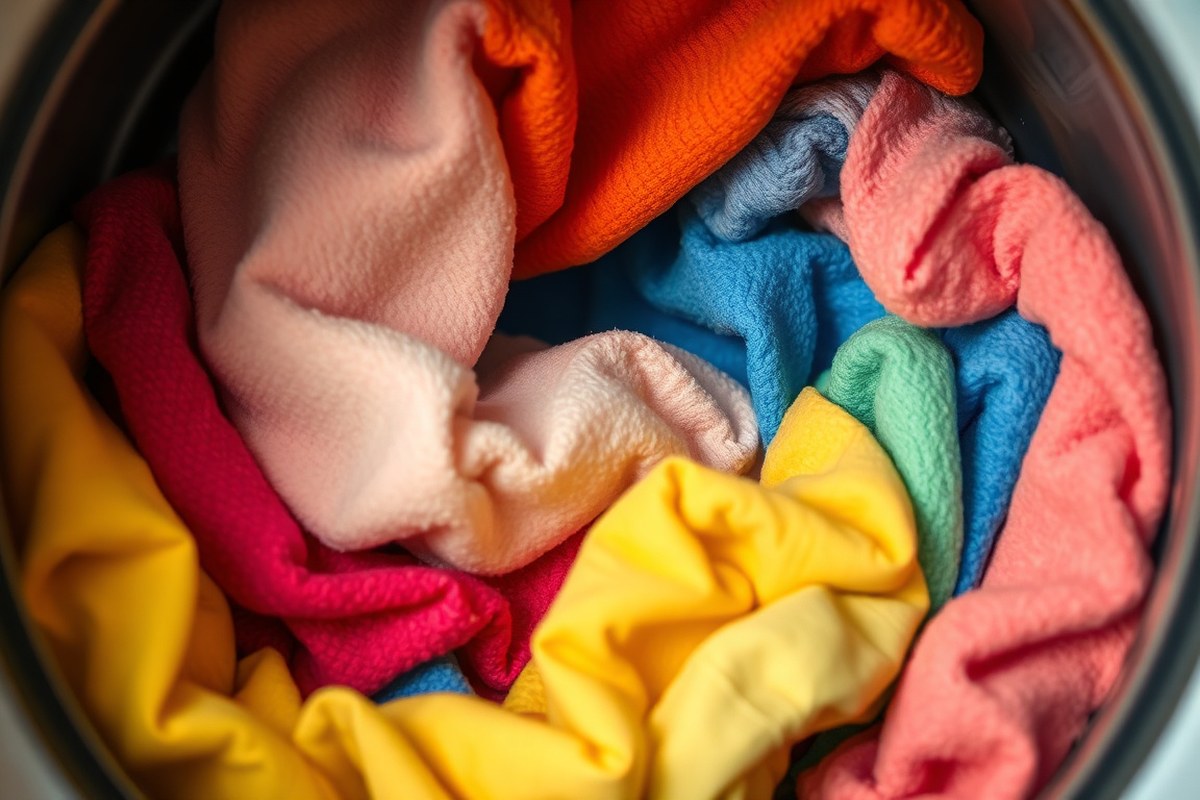
Dryer sheets serve three main purposes during the laundry drying process: reducing static cling, softening fabrics, and adding a fresh scent to your clothes. As your laundry tumbles in the dryer, the heat activates the coating on the dryer sheet, which spreads softening agents and anti-static chemicals evenly across the fabrics. This coating helps neutralize the static electricity that builds up, preventing clothes from sticking together or causing small shocks and sparks when you handle them. Using one dryer sheet per average load is usually enough, though for larger loads or heavy fabrics, two sheets can improve effectiveness.
The static reduction happens because dryer sheets deposit a thin layer of positively charged chemicals onto your clothes. These chemicals counteract the negative charges that create static cling. By neutralizing static, your laundry comes out easier to fold and put away, without clinging or crackling. Clothes are less likely to attract lint or dust, and the risk of static shocks goes down.
Beyond static control, the softening action of dryer sheets makes clothes feel smoother and more comfortable against your skin. The coating contains lubricants that reduce friction between fibers during tumbling. This softening also diminishes wrinkles, helping clothes look neater right out of the dryer and making ironing easier. Dryer sheets prevent garments from feeling stiff or scratchy after drying, especially towels, jeans, and synthetic fabrics prone to roughness.
Scent is another key benefit. Dryer sheets come infused with fragrance molecules that transfer onto your laundry as the sheets tumble heat-activated inside the dryer. This leaves clothes smelling fresh and pleasant even hours after the load finishes. The amount of scent depends on the brand and how many sheets you use. People who prefer a stronger fragrance might add a second sheet for heavier loads. Fragrance options vary widely, so you can choose anything from subtle to more noticeable aromas.
Using dryer sheets is a straightforward way to improve the texture and scent of your laundry while eliminating static problems. Applying one or two sheets per load is all it takes, and it usually adds less than 5 cents to the cost of each wash load, making it an inexpensive laundry upgrade. However, certain fabrics or sensitive skin might require alternatives since some dryer sheets contain fragrances or chemicals that can irritate. In those cases, skipping sheets or choosing fragrance-free options can help.
How Dryer Sheets Work: The Science Behind the Softness

Dryer sheets work by releasing a coating of softening and antistatic chemicals onto your clothes as they tumble in the dryer. This coating generally includes fatty-acid softeners and quaternary ammonium compounds, sometimes called esterquats. These ingredients activate under the dryer’s heat, around 120°F to 140°F, and bond to the fabric fibers, making them feel smoother and reducing stiffness. The softeners help relax fabric fibers, which is why your clothes come out feeling softer without additional rinsing or washing steps.
The key to reducing static lies in how these chemicals interact with electrical charges built up on clothes during drying. When fabrics rub together in the drum, electrons transfer and create static cling. The quaternary ammonium compounds in dryer sheets have a positive charge, which neutralizes the negative static charge that builds up on synthetic fibers like polyester and nylon. This chemical charge balancing stops clothes from sticking together or attracting dust and lint.
The dryer’s heat plays a important role in making these compounds work effectively. Without enough heat, the coated fabric softeners won’t melt or spread properly, and their antistatic action diminishes. Therefore, using dryer sheets in a low-heat or air-fluff cycle reduces their benefits. Typical drying cycles that reach above 120°F allow the chemicals to transfer evenly and coat the fabric thoroughly.
Usually, a single dryer sheet is enough for a typical load of laundry weighing about 5 to 7 pounds. The sheet’s thin fabric base, often made from polyester or cellulose, carries the chemical coating. As the dryer rotates, the softening agents transfer from the sheet to all the garments by physical contact and heat, delivering softness and a fresh scent in one pass.
While dryer sheets are convenient, their chemical coatings may not be ideal for all fabrics. For example, using them on towels can reduce absorbency because the softeners coat the fibers. They might also interfere with moisture-wicking fabrics or flame-retardant clothing fibers. Still, for everyday cotton and synthetic mixes, dryer sheets provide a practical way to soften clothes and reduce static without extra hassle.
Avoid using dryer sheets on moisture-wicking athletic wear, since the coating can reduce their fabric’s ability to manage sweat effectively.
How to Use Dryer Sheets Correctly for Best Results
To get the best results from dryer sheets, use one sheet per small or average laundry load by placing it on top of your clothes before you start the dryer. Avoid overloading the dryer to prevent residue buildup on your laundry. Reusing dryer sheets or adding extra sheets for a single load usually doesn’t improve softening and can lead to unwanted residue.
When to Add the Sheet in the Drying Process
Place the dryer sheet on top of your wet laundry just before starting the dryer’s cycle. Adding it at the beginning allows it to release softening agents evenly throughout the drying process. Avoid adding the sheet partway through, as that reduces effectiveness in combating static and wrinkles.
Starting with a fresh sheet is key because each sheet is designed to last the entire drying cycle. Most dryer sheets release their softening and anti-static chemicals slowly as heat activates them, making the beginning of the cycle the best time to start.
Recommended Number of Sheets per Load Size
Use one dryer sheet for small to average loads, which typically fill up about half to three-quarters of the dryer’s capacity. For larger or heavier loads, such as bulky bedding or multiple towels, adding a second sheet can provide sufficient softening and reduce static.
Using more than two sheets rarely improves results but can leave residue on clothing and inside the dryer. Using fewer than one sheet per load usually results in less effective softening and static control.
Tips to Avoid Dryer Sheet Residue and Build-Up
Dryer sheet residue can build up inside your dryer, especially on the lint screen and moisture sensor bars, reducing airflow and dryer efficiency. To minimize this, clean your lint screen thoroughly after every load. Once a month, wash the screen with warm, soapy water to remove sticky residues.
Avoid overloading your dryer since compressed clothes can trap the sheet against fabric, causing melted residue spots. Give your laundry enough room to tumble freely during the cycle. Also, avoid using dryer sheets on towels, water-repellent fabrics, and flame-resistant clothing, because residue can affect these items’ performance. Follow these steps to maximize dryer sheet performance while protecting your clothes and dryer:
- Sort your laundry and load the dryer without overfilling it, leaving enough space for clothes to tumble freely.
- Place one fresh dryer sheet on top of the wet laundry for small to average loads; add a second sheet only for very large or heavy loads.
- Start the drying cycle immediately after adding the dryer sheet to maximize exposure to heat and tumbling.
- Once the cycle finishes, remove clothes promptly to reduce wrinkles and static buildup.
- Clean the lint screen after every load to remove dryer sheet residue and lint buildup.
- At least once a month, wash the lint screen with soap and water to keep airflow clear.
- Avoid using dryer sheets on towels, water-repellent, or flame-resistant fabrics to prevent damage or residue buildup on these materials.
- If you notice residue buildup inside your dryer, wipe down the interior and moisture sensor bars monthly to maintain efficiency.
Which Fabrics Should You Avoid Using Dryer Sheets On?
Dryer sheets can damage certain fabrics by leaving a coating that reduces their natural properties, like water repellency or flame resistance. Avoid using dryer sheets on fabrics such as towels, microfiber, flame-resistant clothing, and water-repellent materials to maintain their performance and safety features.
Fabric Type
Some fabrics are less compatible with dryer sheets due to the chemicals they contain. Towels often lose absorbency when coated by softeners. Microfiber and moisture-wicking athletic wear also suffer from reduced breathability and moisture management. Flame-resistant fabrics, including children’s sleepwear, can lose their protective qualities if exposed to these chemicals. Water-repellent fabrics may lose their ability to shed water effectively.
Why to Avoid Dryer Sheets
Dryer sheets contain fabric softening agents that coat fibers. While this improves softness and helps reduce static, it can interfere with specific fabric functions. For towels, this coating blocks the fibers, making them less able to absorb moisture. Flame-resistant clothing relies on chemical treatments on the fabric surface that dryer sheets can cover, reducing flame-retardant effectiveness. Water-repellent fabrics rely on a surface treatment that dryer sheets can weaken, diminishing water repellency.
Using dryer sheets on these materials could lead to longer drying times, reduced effectiveness, and in some cases, safety risks. Avoiding dryer sheets on these fabrics will help maintain their intended properties and prolong their lifespan.
Recommended Alternatives
For fabrics sensitive to dryer sheets, there are better options. Wool dryer balls naturally soften fabrics without chemicals and improve drying efficiency by separating clothes. Adding half a cup of white vinegar to the rinse cycle can help soften towels and remove residues without harming absorbency. For flame-resistant or water-repellent fabrics, it’s best to air dry or use no fabric softening agents at all.
| Fabric Type | Effect of Dryer Sheets | Why to Avoid |
|---|---|---|
| Towels | Reduced absorbency | Softener coating blocks moisture absorption |
| Water-repellent fabrics | Lost water repellency | Softener interferes with water-repellent finish |
| Flame-resistant clothing | Reduced flame resistance | Coating diminishes self-extinguishing ability |
| Microfiber and athletic wear | Reduced moisture-wicking | Softener reduces breathability and moisture management |
Following these fabric guidelines helps you preserve the qualities that make those materials useful. Using appropriate fabric care methods will optimize performance and safety while avoiding issues like reduced absorbency or function.
Alternatives to Dryer Sheets and When to Use Them
You don’t have to rely on dryer sheets to soften your clothes or reduce static. Several alternatives fit different preferences, including eco-friendly options like wool dryer balls and reusable cloth sheets. Liquid fabric softeners offer another choice during the wash cycle instead of the dryer.
Wool Dryer Balls
Wool dryer balls are made from sustainably sourced wool and can be reused for hundreds of loads. They work by separating clothes in the dryer, allowing hot air to circulate more efficiently, which can reduce drying time and wrinkles. Unlike dryer sheets, wool balls contain no added chemicals or fragrances, making them a safer option for sensitive skin and the environment.
One wool dryer ball can replace up to 1,000 single-use dryer sheets. Use three or four balls per load for best results. Simply toss them into the dryer along with your laundry.
Liquid Fabric Softener
Liquid fabric softeners are added during the wash cycle, not the dryer. They dissolve in water and coat the fabric, providing softness and reducing static. This option is ideal if you want the fabric softener effects from the start of the process. Since the fabric softener is added in the wash, you don’t need dryer sheets in the dryer afterward.
Use the fabric softener dispenser built into most modern washing machines, or add about 1/4 cup (60 mL) to the rinse cycle. Overuse can leave residue or reduce fabric absorbency, especially on towels.
Reusable Cloth Dryer Sheets
Reusable cloth dryer sheets are washable fabric squares infused with natural softeners and scents like lavender. They provide similar benefits as disposable sheets but generate less waste. These sheets work best when you dampen them lightly before placing them in the dryer.
After finishing a load, wash the reusable sheets with your regular laundry and reuse them up to 50 times, depending on quality. This option appeals to those wanting to avoid chemicals found in some disposable sheets without giving up softness and fragrance entirely.
Below is a table comparing common alternatives to dryer sheets. It shows what they cost, how to use them, and their main benefits and downsides to help you decide which fits your laundry needs.
| Alternative | How to Use | Approximate Cost | Benefits | Drawbacks |
|---|---|---|---|---|
| Wool Dryer Balls | Toss 3-4 balls into the dryer | $15-$30 for set of 4 | Eco-friendly, reusable, reduces drying time | Minimal fragrance, may need more balls for large loads |
| Liquid Fabric Softener | Add 1/4 cup to rinse cycle in wash | $4-$8 per bottle (32-64 oz) | Softens clothes, reduces static from wash start | Can leave residue, not used in dryer |
| Reusable Cloth Dryer Sheets | Dampen and toss into dryer; wash after 50 uses | $10-$20 per pack (3-6 sheets) | Less waste, gentle, customizable scent | Needs regular washing, less common |
For best results with wool dryer balls, use multiple balls and avoid combining with fabric softener liquids to prevent fabric buildup.
Choosing the right alternative depends on your priorities. Wool dryer balls cost more upfront but last years and reduce energy use by drying clothes faster. Liquid fabric softeners are convenient if you prefer treatment during washing and don’t mind chemicals. Reusable cloth sheets bridge the gap by cutting waste while maintaining softness and scent. Testing each option with your typical laundry load helps you find what works best.
Common Mistakes with Dryer Sheets and How to Avoid Them
One frequent mistake with dryer sheets is overusing them, which can lead to residue buildup on both your clothes and dryer components. This residue may reduce towel absorbency and clog your dryer’s lint trap, forcing more frequent cleanings to keep the machine running efficiently. Avoid using more than one sheet per load, especially with smaller loads, to prevent stains and buildup caused by excess fabric softener coating.
Another common error involves using dryer sheets on tightly packed loads or on fabrics that don’t respond well to them. When the dryer is overloaded, sheets may become trapped in one spot rather than tumbling freely with the clothes. This uneven distribution can cause greasy marks or stains in the same area on your garments. Choose lighter loads instead and make sure clothes have room to move around to get the best static-fighting and softening benefits from the sheets.
Some fabrics, like moisture-wicking athletic wear or certain microfiber towels, don’t pair well with dryer sheets because the coating reduces their performance. Applying sheets to these materials can diminish breathability or moisture absorption. It’s best to skip dryer sheets for these items to keep their specialized functions intact.
- Use only one dryer sheet per load to avoid residue buildup.
- Do not overload the dryer; ensure clothes tumble freely.
- Avoid using sheets on moisture-wicking or microfiber fabrics.
- Regularly clean your dryer’s lint filter to remove chemical buildup.
- Replace used sheets when they no longer soften or reduce static effectively.
- Spot-test new garments to check for potential staining before full use.
Maintaining your dryer when using dryer sheets involves checking and cleaning the lint filter more often since the sheets deposit a thin coating that can trap lint and reduce airflow. Cleaning the filter after every few loads or when you notice longer drying times or a musty smell helps prevent overheating and energy waste. For routine upkeep, wipe the inside of the dryer drum occasionally to remove any sticky residue left by sheets.
Stains from dryer sheets usually occur when the load is too full or sheets get stuck in one area, transferring excess fabric softener onto clothes. Keeping loads moderate in size and removing sheets promptly after the cycle ends minimizes staining risks. When you do notice residue marks, a quick wash with detergent and warm water typically removes them without damage.
Are Dryer Sheets Safe for People and the Environment?
Dryer sheets often contain chemicals and fragrances that can leave residues on clothing, which may cause skin irritation, especially for people with sensitive skin or allergies. These residues are usually mild for most users but can trigger reactions such as itching, redness, or rashes in sensitive individuals. Allergies or skin conditions make fragrance-free or hypoallergenic dryer sheets a better choice to lower the chance of irritation. Some brands offer products specifically designed without dyes or perfumes to help prevent allergic reactions.
The environmental impact of dryer sheets is another important consideration. Many conventional dryer sheets are made from synthetic materials that are not biodegradable, meaning they contribute to landfill waste after a single use. The production and disposal of these sheets involve chemicals that may harm the environment. For example, while the amounts of volatile organic compounds released by dryer sheets are generally small, they include substances like alpha-pinene, a known moderate irritant, which may affect indoor air quality and contribute to pollution. Choosing biodegradable or reusable alternatives, such as wool dryer balls, can reduce environmental harm. Wool balls do not leave chemical residues and can be reused for years, offering both cost savings and a lower ecological footprint.
Not all dryer sheets are the same. Ingredients and fragrance types vary widely between brands, which affects their safety and impact. Some sheets focus on strong scents and use more chemicals, while others prioritize being fragrance-free and skin-friendly. Most ingredients in dryer sheets are considered safe for regular use, but if your priority is avoiding potential health risks or environmental damage, look for products labeled free of synthetic fragrances, dyes, and harmful chemicals. These options may cost more per sheet, often in the range of 15 to 30 cents each compared to cheaper scented varieties, but they provide a safer choice for sensitive skin and a more environmentally conscious option.
Your approach to using dryer sheets will depend on your personal needs and priorities. Begin by testing fragrance-free dryer sheets on a small batch of laundry to check for any skin reactions if anyone in your family has sensitive skin. For households aiming to reduce environmental impact, switching to reusable alternatives or biodegradable sheets can make a difference. Keep in mind that dryer sheets are single-use products, so the ongoing expense and waste add up. Balancing convenience, cost, and health considerations will help you decide the best choice for your laundry routine.
Creative Uses for Dryer Sheets Beyond Laundry
Dryer sheets do more than soften clothes and reduce static in your laundry. You can use them in several practical ways around your home to freshen up spaces, reduce static cling on fabrics, and assist with cleaning tasks. Both new and lightly used dryer sheets retain some of their softening agents and scent, making them useful beyond the dryer.
One easy way to repurpose used dryer sheets is by turning them into dusting cloths. The anti-static properties help attract dust from surfaces like blinds, baseboards, and electronics without leaving residue. They also work well for removing pet hair from upholstery and clothing. Simply rub the sheet over the fabric or surface to lift unwanted hair quickly.
- Use dryer sheets as a natural air freshener by placing them in shoes, gym bags, or closets
- Wipe chrome fixtures and tiles with dampened dryer sheets to remove water spots and soap scum
- Rub dryer sheets over lampshades and window blinds to reduce dust buildup
- Sharpen scissors by cutting through folded dryer sheets several times to restore blade edges
- Refurbish static-prone curtains or cushions by lightly wiping with a dryer sheet
- Freshen garbage cans and diaper pails by placing a dryer sheet at the bottom
- Use a dryer sheet as a gentle cleaning tool for removing sticky residue from surfaces
Many of these tasks take less than five minutes and require no special equipment. The low cost of dryer sheets, often priced around $0.10 to $0.20 each in bulk, makes recycling a used sheet good value for everyday chores. Using them on non-fabric surfaces improve their scent and helps control dust and static without chemicals designed for heavy-duty cleaning, so results may vary based on the surface and how dirty it is.
Do not use dryer sheets on moisture-wicking or athletic fabrics outside the dryer, as residue can affect their performance.
Keep in mind that dryer sheets slowly lose their effectiveness after repeated use, so if a sheet no longer releases fragrance or feels stiff, it’s time to discard it. For freshening up small spaces, placing a sheet inside a fabric pouch or taped under furniture corners can provide subtle scent release with minimal effort. These alternate uses give you more mileage from each box and can reduce waste in your household routine.
Step-by-Step Action Plan for Using Dryer Sheets Effectively
Follow these steps to enjoy softer clothes, reduce static, and protect your fabrics without compromising safety or the environment.
- Before you start: Check garment care labels to avoid dryer sheets on fabrics like microfiber or flame-resistant materials, which may be damaged.
- Load your dryer: Add your laundry as usual, leaving enough space for clothes to tumble freely; this helps dryer sheets work evenly.
- Place one dryer sheet: Use one sheet per medium load by placing it on top of clothes before starting the dryer; excess sheets may leave residue.
- Choose dryer settings: Select the appropriate heat setting based on fabric type to prevent shrinking or static buildup.
- After drying: Remove clothes promptly to reduce wrinkles and static; if static persists, consider adding a dryer sheet next time or try a damp cloth alternative.
- Weekly check: Inspect your dryer for sheet residue buildup and clean the lint trap to maintain dryer efficiency and fabric care.
- Explore alternatives: Try wool dryer balls periodically to reduce chemical use and static, especially if you have sensitive skin or environment concerns.
Frequently Asked Questions
Can Dryer Sheets Help Reduce Dust in Your Home Beyond Laundry?
Yes, dryer sheets can trap dust on surfaces like blinds and shelves, helping reduce dust accumulation around your home. Their static-repellent properties make them handy for quick dusting tasks.
Do All Dryer Sheets Use the Same Chemicals?
No, different brands coat their sheets with varying invisible chemicals, which can affect scent and softness outcomes. You might prefer one brand’s smell or softness feel over others.
Can Used Dryer Sheets Be Reused for Household Cleaning?
Yes, used dryer sheets can clean stubborn food residue on cookware or deodorant stains on clothes. They offer a practical way to extend the sheet’s usefulness beyond laundry.
What Causes Dryer Sheets to Sometimes Leave Residue on Clothes?
Overloading an overly full dryer can trap sheets against fabric, causing melted residue. Prevent this by not stuffing the dryer and periodically cleaning the lint trap and drum.
Are Dryer Sheets Effective for Removing Static in Clothes on the Go?
Yes, wiping a dryer sheet along the inside of your clothing can quickly reduce static cling when you’re not at home. It’s a simple trick for on-the-spot static control.
How Often Should You Clean Your Dryer to Prevent Sheet Residue Buildup?
Monthly wipe-downs of your dryer drum and lint trap help prevent residue buildup, which maintains airflow and extends your dryer’s lifespan. Regular maintenance improves performance.
Wrapping Up
Dryer sheets work by coating fabrics with softening agents and reducing static cling, making your laundry feel smoother and fresher. Careful use ensures fabric longevity and reduces health or environmental risks. Try adding a single dryer sheet to your next load and note the difference in softness and static reduction to see how it fits your laundry routine.