How to Clean Polyester: 8 Essential Steps for Perfect Fabric Care
To clean polyester safely and effectively, use a gentle detergent and wash in cold or warm water depending on the garment’s care label. Avoid high heat during washing or drying, and treat stains promptly with appropriate stain removers or soaking methods.
This advice is for anyone caring for polyester clothing, including everyday wear and athletic gear, as well as blended fabrics. You’ll find clear steps on washing, stain removal, drying, ironing, and maintenance to keep polyester looking its best.
Key Takeaways
- Check the garment’s fiber content for polyester blends before cleaning.
- Use cold or warm water and a mild detergent to protect fabric integrity.
- Apply a small amount of stain remover directly and wait 15 minutes before washing.
- Soak heavily soiled items for 10, 15 minutes before machine washing.
- Avoid drying polyester on high heat to prevent damage and static cling.
- Air dry polyester on a flat towel to maintain shape and texture.
1. How to Wash Polyester Safely and Effectively
Polyester is a tough yet delicate fabric when it comes to washing. It handles both machine and hand washing well, but the method and settings you choose affect its appearance and lifespan. Using the right water temperature and detergents prevents fading and damage, while sorting colors reduces the risk of color transfer.
Machine washing polyester clothes is generally safe, especially casual garments. Choose a gentle cycle to avoid harsh agitation that can roughen the fibers. Cold or warm water works best, typically around 70°F to 90°F (20°C to 30°C), because hot water may weaken the fabric and cause shrinkage or melting. For colored polyester, cold water helps preserve vivid shades and minimizes fading. Hand washing remains the ideal choice if you want to extend the life of your polyester items or if the garment label advises it. Hand washing also gives you more control over how gently the fabric is treated.
Detergent choice matters. Use a mild liquid detergent formulated for synthetics or colors. Avoid those with bleach, fabric softeners, or harsh enzymes, which can break down polyester fibers and reduce water resistance. If your load includes both polyester and cotton, consider separate washes since cotton detergents might not be optimal for synthetics. Separating colors, whites, darks, and bright hues, limits dye transfer that can ruin your polyester clothes. Use this step-by-step washing plan to keep polyester garments clean without damage:
- Sort your laundry. Separate polyester by color groups, whites, darks, and bright colors, to prevent bleeding. Keep polyester blends with similar fabrics to avoid excessive wear.
- Choose a detergent. Pick a mild liquid detergent designed for synthetic fabrics or colors. Measure according to the load size, usually about 1 to 2 tablespoons for a normal wash.
- Select the water temperature. Use cold to warm water between 70°F and 90°F (20°C to 30°C). Cold water is best for preserving colors and avoiding shrinkage.
- Set your machine to gentle or delicate. Avoid heavy agitation and fast spin speeds to protect the polyester fibers and reduce wrinkles.
- Load the machine. Place polyester items loosely inside to allow water and detergent to circulate freely. Overloading can cause uneven cleaning and wear on the fabric.
- Start the wash cycle and monitor detergent levels. Use the right detergent amount and avoid fabric softeners, which can coat polyester and reduce breathability.
- Remove promptly after washing. Take out polyester clothes right after the cycle finishes to prevent wrinkles and mildew.
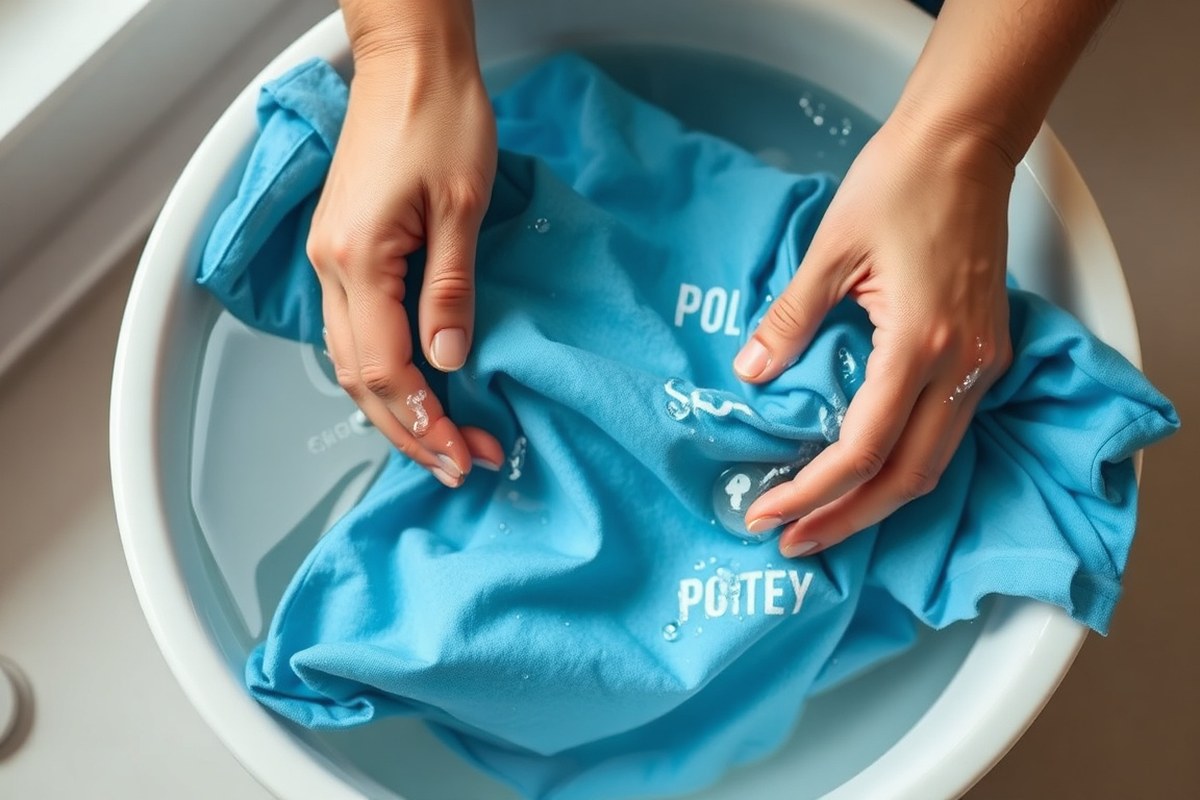
- For hand washing, fill a clean basin with cold to warm water. Add a small amount of mild detergent and soak the polyester garment for 5 to 10 minutes. Gently agitate by swishing, then rinse thoroughly with cool water.
2. Effective Stain Removal Techniques for Polyester Fabrics

Removing stains from polyester requires quick action and the right cleaning products to avoid fabric damage. Treat stains as soon as possible to prevent them from setting, which can make removal much harder. Use a gentle stain remover designed for synthetics or mild soap for initial treatment. Avoid bleach, harsh chemicals, and solvents because these can weaken or discolor polyester fibers.
Pre-treating the stain by soaking the polyester fabric for about 15 to 30 minutes improves stain removal success. For food, sweat, and drink stains, a specialized bleaching solution can be used safely if the garment care label allows. Soak the garment in a cool or lukewarm solution; hot water risks setting stains or damaging prints, especially on printed polyester, where dyes are infused into fibers. Never apply peroxide or alcohol automatically on colored polyester, as these can cause fading.
Testing any stain treatment is important before full application. Dab a small amount of the product on an inconspicuous area and wait 5 to 10 minutes to check for colorfastness or fabric reaction. Avoid homemade water-based treatments on dry-clean-only items since those require professional care to avoid damage.
| Stain Type | Recommended Treatment | Soaking Time | Cautions |
|---|---|---|---|
| Coffee, Tea, Juice | Prompt pre-treat with mild soap or synthetic stain remover | 15, 30 minutes | Use cool or lukewarm water; avoid bleach |
| Food, Sweat | Specialized bleaching solution | About 30 minutes | Follow garment instructions; test colorfastness |
| Grease and Oil | Paste of baking soda, peroxide, and mild soap | At least 20 minutes | Peroxide only on white/polyester blends; test first |
| Unknown Colored Stains | Pre-treat with synthetic fabric stain remover | 15, 30 minutes | Avoid peroxide/alcohol without testing |
Using home remedies such as vinegar or baking soda can be safe for polyester when used properly. Baking soda works well as an absorbent in grease stains when combined in a paste with mild soap. Vinegar is less common for polyester but can sometimes help neutralize odors after a careful spot test. Avoid applying peroxide or bleach directly unless the fabric is white and the product label permits it.
To limit damage, never leave a pre-treatment soak longer than recommended, and rinse thoroughly before machine washing. Polyesters are water-resistant and handle water-based stains better than many fabrics, but heat from dryers can set residual stains permanently. Avoid drying stained areas until you are sure the stain is removed.
Always test stain removers on a hidden part of the polyester fabric and wait 10 minutes to check for any adverse effects before full application.
3. Drying Polyester: When to Air Dry and How to Use a Dryer
Polyester can be safely dried either by air drying or using a dryer on low heat settings. Air drying is best for delicate or printed polyester garments to avoid damage, while the dryer should be set to low heat or air fluff to prevent shrinking and protect fabric fibers. Using proper drying techniques helps reduce issues like static cling and fabric wear.
Best Air Drying Practices for Polyester
Air drying polyester preserves its shape and color by avoiding harsh conditions. Place your clothing on a hanger or flat surface in a space with good airflow, keeping it out of direct sun or near heaters to avoid damage. This fabric tends to dry fast, often in just a few hours based on how thick it is and the humidity level, making air drying a practical option if you’re not in a rush.
For best results, avoid wringing out polyester; instead, gently squeeze out excess water after washing or roll the item in a clean towel to absorb moisture. This reduces stretching and helps the polyester retain its form. Air drying also prevents fabric damage caused by high dryer heat or tumbling movements.
Using Tumble Dryers Safely for Polyester Fabrics
Using a dryer is fine for polyester if you select a low heat setting, such as “low,” “medium,” or “air fluff.” High heat can shrink polyester or cause fibers to weaken, resulting in pilling or misshaping. Removing garments while they are still slightly damp reduces wrinkles and static buildup.
Sometimes polyester pieces can tolerate a short drying time on medium heat, especially thick items, but to be safe, always check the care label and start with the lowest heat. Overdrying risks heat damage and static cling. It may take a few cycles on low heat to dry larger garments completely.
- Use the lowest heat or “air fluff” setting on your dryer
- Remove polyester items while still a bit damp to reduce wrinkles
- Avoid drying polyester with heavy fabrics to minimize wear
- Turn garments inside out to protect prints or delicate finishes
- No fabric softeners in the dryer to avoid residue build-up
- Check care tags for specific drying instructions
Following these steps prevents damage and maximizes your polyester garment’s lifespan.
Methods to Reduce Static Cling After Drying
Static cling is common with polyester because of its synthetic fibers. Using a dryer sheet during the drying cycle helps reduce static and keeps clothes feeling softer. Alternatively, you can throw a damp washcloth or a ball of aluminum foil into the dryer to cut down static without chemicals.
Removing clothes as soon as the dryer cycle ends also reduces static buildup since allowing items to sit in the drum increases static electricity. Giving the garment a light shake before wearing will help release static too.
- Add a dryer sheet during drying to prevent static
- Toss a damp cloth or aluminum foil ball into the dryer as a natural static reducer
- Remove garments immediately after drying
- Lightly shake or smooth polyester clothes before wearing
- Avoid over-drying, which increases static cling
These simple steps make wearing polyester more comfortable by minimizing static shocks and cling.
4. Ironing Polyester: Avoiding Heat Damage and Wrinkles
You can safely iron polyester by using a low to medium heat setting and protecting the fabric from direct heat. Heat above about 300°F (149°C) risks melting or weakening the fibers. Use a pressing cloth or iron on the reverse side, and keep the fabric slightly damp or use steam to avoid damage and wrinkles.
Setting the Iron to the Right Temperature
Polyester is sensitive to high heat and can melt if exposed to temperatures above about 300°F (149°C). Most irons have specific synthetic or polyester settings between low and medium heat ranges. Always select the synthetic setting or adjust the temperature dial to low or medium heat before starting.
Check the care label for any temperature instructions. Using temperatures higher than the suggested range can cause the fabric to become shiny, sticky, or even melt. On many irons, this setting is marked as “Synth” or “Polyester” and generally keeps the iron temperature below 300°F.
Using Pressing Cloths for Protection
Placing a pressing cloth between the iron and polyester fabric adds a layer of protection that prevents direct contact with heat. A clean cotton cloth or a thin towel works well. This method reduces the risk of shiny marks, melted spots, and fabric weakening.
You can also iron polyester on the reverse side of the garment to protect visible surfaces. Avoid ironing printed areas as heat can damage or discolor designs. When using steam, keep the pressing cloth slightly moist to increase heat distribution and protect fibers.
Ironing Techniques to Remove Wrinkles Gently
To remove wrinkles without damaging polyester:
- Set your iron to the synthetic or low-medium heat setting suitable for polyester.
- Lightly dampen the polyester item or spray it with water before ironing to soften wrinkles.
- Place a pressing cloth over the fabric or turn the garment inside out.
- Gently press the iron onto the fabric without sliding it harshly; instead, use a lift-and-press motion.
- Use the steam function on your iron wherever possible instead of dry ironing to relax wrinkles.
- Avoid ironing over prints or embellishments to prevent melting or distortion.
- Let the polyester cool completely before moving or hanging to help wrinkles set smoothly.
These steps help prevent heat damage such as fibre melting, shine marks, or brittleness. Using steam or dampness assists in wrinkle removal while keeping fabric fibres safe.
5. Caring for Polyester Blends and Special Fabrics
Polyester blends with cotton, wool, or spandex require different care than 100% polyester because each additional fiber brings its own washing and drying needs. Cotton blends generally tolerate warm water and regular washing cycles, similar to pure polyester, but you should avoid high heat in the dryer to prevent shrinking. Wool blends call for much gentler care; handwashing or using a delicate cycle with cold water is necessary to avoid felting or shrinking. Spandex mixed with polyester needs cold water and low-heat drying to maintain elasticity and prevent damage.
Checking the care label is essential before washing polyester blends. When cotton or spandex is present, choose a delicate cycle or hand wash if the garment is valuable or prone to stretching. Wool blends deserve extra caution, often requiring professional cleaning or strict cold water hand washing. Warm water and regular cycles can harm these fibers despite polyester’s resilience. Follow these steps: fill a basin with cold or lukewarm water and a mild detergent designed for delicate fabrics, soak the wool-blend item gently for 5 to 10 minutes, rinse carefully, and lay flat to dry instead of using the dryer.
Printed or coated polyester fabrics need even more specific attention. Coatings generally do not hold up well to soaking or scrubbing, so wiping with a damp cloth and mild soap usually suffices. Avoid standard machine washing with heavy agitation, which can crack or peel printed layers. For coated polyester, spot clean stains quickly to reduce overall washing. When the manufacturer permits machine washing, choose a gentle cycle with cold water and put the garment in a mesh bag to protect its surface. Use air drying to preserve the coating’s integrity.
Dry-clean-only polyester items usually have delicate embellishments, special finishes, or blend fibers that cannot handle water washing at home safely. Even though some polyester is washable, dry-clean-only labels indicate a risk of damage from water or typical detergents. For these garments, professional dry cleaning is the safest choice to maintain structure and appearance. Attempting at-home dry cleaning kits might be suitable for less special items but can lead to uneven cleaning or fabric harm on high-quality pieces.
Always separate dry-clean-only polyester items from washable ones to avoid accidental damage during laundering.
The key to caring for polyester blends and special fabric types is identifying the additional fibers and finishes, then adjusting washing temperature, cycle, drying, and cleaning methods accordingly. Using cold or lukewarm water, gentle detergents, and avoiding harsh agitation or heat helps maintain both polyester and its blended fibers. Spot cleaning and air drying protect coated or printed finishes, while dry-cleaning remains appropriate for delicate or finished polyester garments.
6. Preventing and Fixing Common Polyester Washing Mistakes
One common mistake with polyester is using hot water during washing. Hot water can weaken the fibers, leading to shrinkage and pilling over time. To protect your polyester clothing, always wash in cold or lukewarm water, which is below 104°F (40°C). Cold water cleaning helps maintain the fabric’s strength and shape without sacrificing cleanliness.
Another error is using strong or chlorine-based bleach. Harsh bleach damages the polyester fibers and any printed designs on the fabric. Instead, choose oxygen-based bleach or stain removers formulated for synthetic fabrics when needed. These are gentler and reduce the risk of discoloration or fiber breakdown.
High dryer heat also causes problems for polyester. Excessive heat can warp or even melt the fibers, altering the garment’s fit and feel. Set your dryer on a low or air-dry setting to minimize risk. When possible, air drying also preserves fabric integrity and prevents static build-up.
Detergents with harsh chemicals or fabric softeners should be avoided. They can dull polyester’s color and leave residues that attract dirt. Use a mild liquid detergent made for synthetic fabrics and skip fabric softeners, as they can clog polyester fibers and reduce breathability.
- Wash polyester in cold or lukewarm water only, never hot.
- Avoid chlorine-based bleach; use oxygen bleach or targeted stain removers.
- Dry on low heat or air-dry to prevent shrinking and warping.
- Use mild liquid detergent without fabric softener.
- Follow washing symbols carefully to maintain fabric shape and appearance.
- Do not soak polyester in harsh solvents or aggressive detergents.
When you notice pilling or fading, avoid hot water and harsh washing cycles to help prevent further damage. Pilling occurs when fibers break down due to heat and friction, so gentle handling during washing and drying prevents it. Shrinkage calls for avoiding heat in future washes and gently reshaping the garment by hand while it’s damp to bring back the fit.
Polyester’s durability depends on proper care, even though it feels sturdy. Being mindful about water temperature, cleaning agents, and dryer heat ensures your polyester clothing lasts longer without unwanted wear or changes. Spending a little extra time to avoid these mistakes saves you from replacement costs and frustration later on.
7. Safe At-Home Cleaning for Dry-Clean-Only Polyester Items
You can clean dry-clean-only polyester items at home, but it requires extra care, gentle detergents, and close attention to the fabric’s reaction. Taking precautions helps avoid damage to delicate fibers or embellishments. Testing stain treatments on a hidden spot first and using a mild approach reduce the risk of permanent harm.
Preparing Safe Cleaning Solutions
Choose a gentle detergent labeled safe for delicate fabrics or one formulated for hand washing. Avoid strong chemicals, bleach, or harsh stain removers that can degrade polyester or cause color loss. Mix the detergent with cool or lukewarm water, keeping the temperature below 85°F to prevent shrinking or distortion.
Before applying any cleaning solution, do a spot test on an inconspicuous area. Dab a small amount of diluted detergent, wait 5 to 10 minutes, then check for color changes, fabric texture shifts, or any damage. When there’s no negative effect, proceed with the full cleaning.
Stepwise Gentle Wash and Rinse Procedure
Hand washing dry-clean-only polyester involves a slow and delicate process. It mainly relies on gentle agitation and soaking rather than scrubbing, which can harm the fabric. Rinse thoroughly to remove all detergent, as residues can stiffen or dull the material.
- Fill a clean basin or sink with cool to lukewarm water (below 85°F) and add a small amount of mild detergent, mixing until dissolved.
- Submerge the polyester item fully and gently agitate it by softly moving it around for about 3 to 5 minutes.
- Let the garment soak for 10 to 15 minutes to allow the detergent to work on any dirt or surface stains.
- Gently press the fabric to release dirt but avoid wringing or twisting, which can damage fibers.
- Drain the soapy water and refill with fresh, cool water for rinsing. Agitate lightly to remove detergent.
- Repeat rinsing steps until no bubbles or soap residue remain, which may take two or three rinses.
- Press water out gently by pressing the fabric between towels; do not wring.
- Lay flat or hang the garment to air dry away from direct sunlight or heat sources.
This process usually takes about 30 to 45 minutes in total. Stain treatments applied during soaking should be left on no longer than 15 minutes initially; check progress and repeat only if safe.
When to Stop and Seek Professional Cleaning
Stop home treatment if the fabric shows signs of color fading, texture changes, or if decorations like sequins, beads, or prints start to degrade. Strong stains such as paint, nail polish, or industrial chemicals are unlikely to respond well to at-home methods and require a professional’s care.
When a stain doesn’t improve after one or two gentle treatments, avoid persistently rubbing or soaking, which may worsen the damage. For items with mixed care labels or heavy embellishments, professional dry cleaning reduces risk and ensures safe preservation.
8. Storage and Long-Term Care to Keep Polyester Looking New
To keep polyester garments looking new, proper storage plays a key role in preventing creases, static buildup, and color fading. Hanging polyester clothing on padded or plastic hangers helps maintain the shape and avoids sharp fold lines that form when folded for long periods. Avoid wire hangers, which can create unwanted marks or stretches.
Static electricity can build up in polyester during dry seasons or in low-humidity environments. To reduce static, store items in a cool, dry place and consider using anti-static spray on the fabric. Avoid overcrowding your closet to allow air circulation, which helps prevent moisture buildup that can lead to mildew and discoloration.
- Hang polyester garments to maintain shape and prevent wrinkles.
- Use padded or plastic hangers to avoid shoulder dents or stretching.
- Store in a cool, dry area away from direct sunlight to preserve color vibrancy.
- Keep items separated by color to prevent dye transfer, especially with new pieces.
- Use anti-static sprays or dryer sheets occasionally to reduce static buildup.
- Avoid tightly folding polyester if long-term storage is necessary; opt for rolling with acid-free tissue paper to limit creasing.
- Ensure adequate space between garments for airflow and to prevent mustiness.
Polyester holds vibrant colors well, but ultraviolet rays from sunlight can cause fading over time. Keeping polyester away from direct sun during storage avoids premature discoloration. Cooler temperatures combined with low humidity further protect fabric integrity and prevent mildew. This approach also helps maintain the elasticity of blended forms of polyester, preserving the overall garment fit.
Always check care labels before storing, as some polyester blends may require more delicate handling.
Folding polyester is fine for short periods, but long-term folding risks creating permanent creases, especially on heavier or coated polyester fabrics. If space limits hanging, fold loosely and add layers of acid-free tissue paper between folds to cushion the fabric. Rolling polyester pieces can also minimize creases, making this a helpful option for travel or seasonal storage. Following these storage principles preserves the color, shape, and feel of polyester, extending garment life and keeping your clothing and linens fresh and comfortable for years.
Step-by-Step Action Plan for Cleaning Polyester
Follow these steps to clean polyester effectively and keep it looking fresh.
- Before washing: Check the care label on your polyester item for any special instructions or warnings.
- Preparation: Treat visible stains using a gentle stain remover or a mild detergent directly on the spot; let it sit for 10 minutes.
- Wash cycle: Use cold or warm water with a gentle cycle setting to avoid damage; success means your fabric is clean without shrinking or misshaping.
- Drying: Air dry if possible; if using a dryer, choose low heat and remove the items promptly to prevent wrinkles.
- Ironing: Use a low heat setting or a pressing cloth if ironing is necessary; the fabric should be wrinkle-free without any shiny spots.
- Special care: For polyester blends or dry-clean-only items, follow label directions or use safe at-home dry-cleaning kits.
- Storage: Store polyester garments in a cool, dry place on hangers or folded neatly to avoid creases and damage.
Frequently Asked Questions
Why Are People Avoiding Polyester?
Some avoid polyester because it is not biodegradable and can shed microplastics in the wash. This environmental impact concerns those trying to reduce synthetic waste.
Can You Hand Wash Polyester That Says Dry Clean Only?
You can gently hand wash dry-clean-only polyester with cold water and mild detergent to avoid damage. Avoid wringing and dry flat to maintain the fabric’s shape.
Can You Use Dawn Dish Soap on Polyester?
Dawn dish soap is safe for spot-treating grease stains on polyester because it cuts oil effectively. Always test on a hidden area first to prevent possible discoloration.
Can I Put Polyester in the Dryer?
Polyester can usually go in the dryer on a low heat setting, but air drying is gentler and reduces static cling. Remove it promptly to prevent wrinkles.
How Do I Reduce Static Cling on Polyester Clothes?
Using a fabric softener or dryer sheets during the drying cycle helps reduce static cling in polyester fabrics. Alternatively, air drying can minimize this issue.
Is It Okay to Bleach Polyester Fabrics?
Avoid bleach on polyester as it can weaken fibers and cause discoloration. Use color-safe detergents for stubborn stains instead.
Wrapping Up
Cleaning polyester is simple when you use the right techniques to prevent damage and maintain appearance. Address stains promptly and choose gentle washing and drying methods to extend your polyester items’ life. Your next step is to check your closet for polyester pieces and start by treating any stains with mild detergent before washing.