How to Wash White Shoes in Washer: Complete Guide for Safe, Spotless Results
You can wash white shoes in the washing machine safely by using the right settings, proper preparation, and cleaning agents designed for delicate footwear. Following specific steps avoids damage and keeps your shoes looking spotless. This method works well if you want an easy, effective way to refresh your white shoes without spending on replacements.
This advice suits anyone with white sneakers or canvas shoes that need cleaning. You’ll learn how to prepare your shoes, pick detergents, choose machine settings, and handle drying to maintain their brightness and shape over multiple washes.
Key Takeaways
- Remove shoelaces and insoles before placing white shoes in a mesh laundry bag or pillowcase for washing.
- Use a gentle washing machine cycle with cold water to prevent shoe damage and keep whites bright.
- Apply a paste of baking soda and vinegar on stains and let it sit for 15, 20 minutes before washing.
- Wash shoelaces separately to avoid tangling and ensure thorough cleaning for both laces and shoes.
- Air-dry white shoes naturally after washing, avoiding direct sunlight or heat sources that can warp or yellow shoes.
- Brush off loose dirt before washing to reduce grime and improve cleaning effectiveness in the machine.
Can You Wash White Shoes in the Washing Machine?

You can wash some white shoes in a washing machine safely, but it depends largely on the shoe material. Canvas and certain synthetic fabrics generally tolerate a gentle machine wash on a cold, delicate cycle without damage. Using a small amount of mild detergent and placing the shoes in a pillowcase or mesh laundry bag helps protect both the shoes and your washer’s drum. Adding a few old towels balances the load, reducing tumbling that could harm the machine or the shoes.
Leather, suede, vinyl, and rubber shoes are not safe for machine washing. According to Whirlpool, these materials risk losing their shape, texture, or structural integrity when exposed to the agitation and water of a washing cycle. The foam cushioning in some sneakers also tends to degrade in the wash, which affects comfort and support, so even if the shoe looks okay externally, its performance may suffer. Avoid the washer for these materials and opt for hand cleaning with proper cleaners.
As a guideline, you can put canvas and many synthetic white shoes in the washer but only on a cold, gentle cycle. Always remove laces and insoles beforehand; wash insoles separately with water and mild detergent or a white vinegar solution. Using bleach is an option only for all-white, colorfast shoes to brighten them. Here is a quick decision guide for you: canvas shoes, usually machine washable on delicate and cold cycle with mild detergent; knit shoes, may tolerate machine washing but use extra caution and a laundry bag; synthetic shoes, can often be washed gently but check the label; leather and suede, never machine wash; rubber, avoid the washer because it can crack or degrade.
If you are unsure about your shoes, consider the washing instructions often found inside the shoe or on the box. When in doubt, hand cleaning preserves shoe quality and reduces risks. Machine washing can cause peeling, cracking, or warping, attributes more common when washing non-washable shoe types or using hot water and harsh detergents.
Preparing White Shoes for Machine Washing
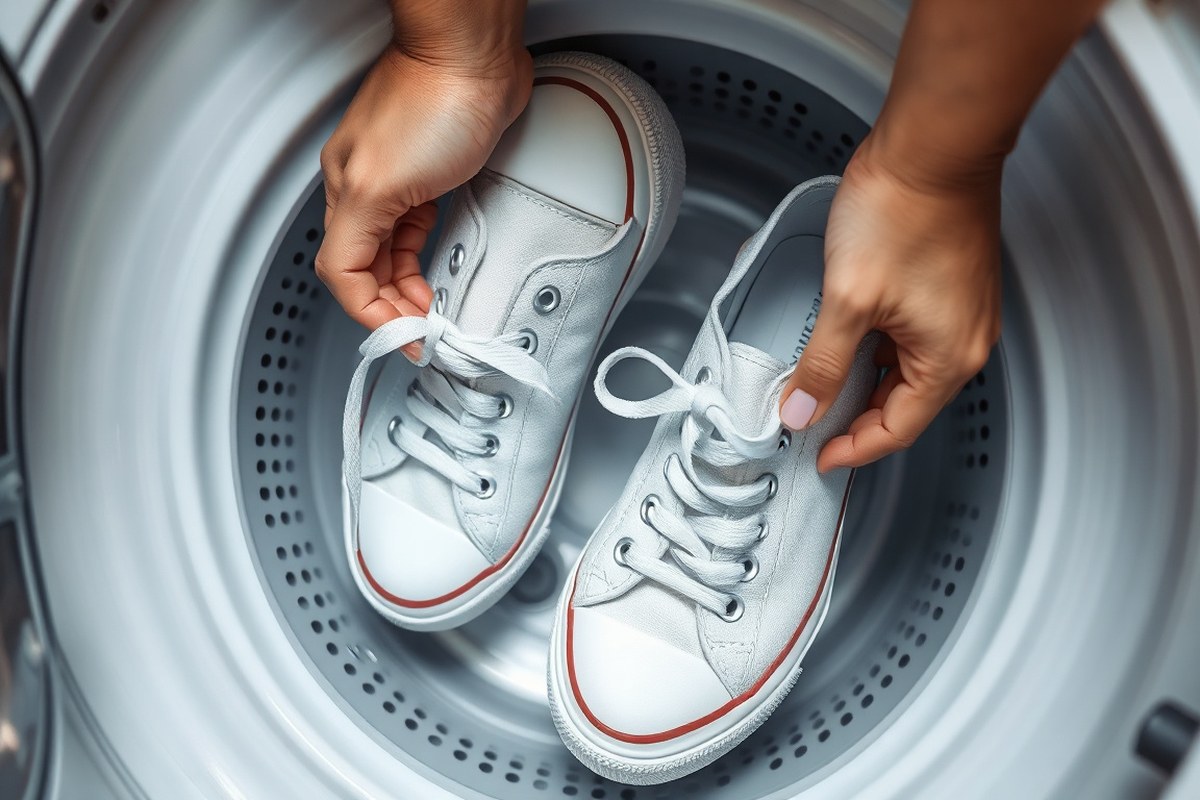
Properly preparing white shoes before putting them in the washing machine is key to getting a clean, fresh result without damage. Removing laces and insoles and pre-cleaning surface dirt prevents grime from settling and ensures the whole shoe washes evenly. Tackling these steps carefully helps avoid dullness or stains from setting in during the wash cycle.
Removing Laces and Insoles Separately
Laces hold a surprising amount of dirt and grime, making shoes look worn even when the fabric is clean. Take out the laces before washing the shoes to clean each part thoroughly. Soaking laces in warm water mixed with a few drops of dish soap or an oxygen-based cleaner like OxiClean softens dirt buildup. Let them soak for several hours or overnight for best results.
Insoles trap sweat and dirt, affecting shoe freshness. Remove them to avoid retaining moisture or odors inside the shoe during the wash. Insoles can be hand-washed separately using mild detergent and warm water, then air-dried fully before placing them back in the shoes. Avoid machine washing insoles prone to damage or warping.
Removing Surface Dirt with a Brush
Rough or wet dirt on white shoes can stain during washing without pre-removal. Use a dry soft-bristled brush to gently scrape off loose dirt and debris before starting the wash. A brush specifically designed for sneakers or a clean toothbrush works well to reach seams and textured areas.
This step prevents dirt particles from grinding deeper into the fabric and keeps the washing water cleaner. Removing visible dirt also shortens your washing and drying time because less soil remains on the shoes.
Pre-Cleaning Stains Using a Baking Soda and Vinegar Mix
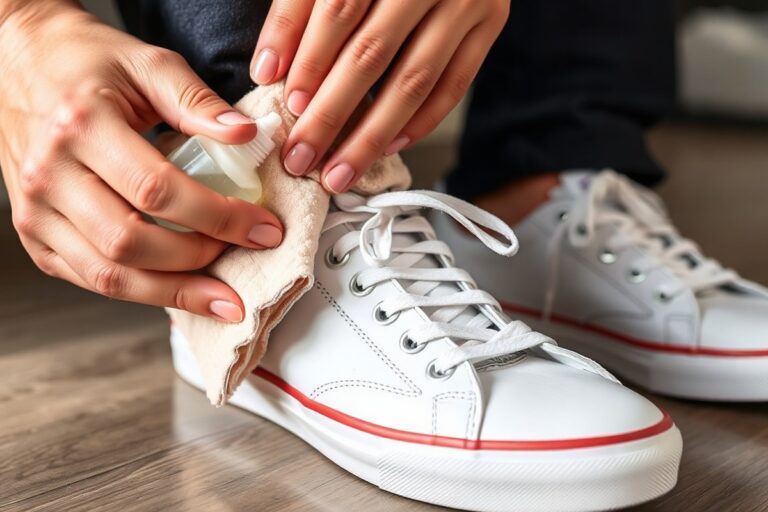
White shoes often develop stains that washing alone may not fully remove. Prepare a paste with equal parts baking soda and white vinegar for spot treatment. Apply this mixture directly to dirty patches using a cloth or soft brush, letting it sit for around 15 minutes. This blend breaks down grime and brightens stains safely.
After the mixture rests, gently rub the area again to lift dirt before rinsing lightly with water. Taking time to pre-treat stains increases the likelihood your shoes come out clear and white after machine washing.
Step-by-Step Preparation Before Washing
Follow this checklist to ensure your white shoes are ready for the washing machine:
- Remove the laces and soak them in warm, soapy water or OxiClean solution for at least 4 hours.
- Take out the insoles and clean them separately with mild detergent, then air-dry fully.
- Use a dry soft brush to remove loose dirt and grit from the shoe surface.
- Mix equal parts baking soda and white vinegar to form a paste.
- Apply the paste to any stained or heavily soiled areas and let sit for 15 minutes.
- Gently scrub the treated areas with a toothbrush or cloth, then wipe away excess paste.
- Let shoes dry briefly before placing in the washing machine to avoid excess moisture buildup.
Cleaning laces and insoles separately prevents uneven washing and helps both dry thoroughly, avoiding odors or damage.
Choosing Detergents and Cleaning Agents for White Shoes
For cleaning white shoes in the washing machine, mild laundry detergents with warm water work best overall. These detergents help lift dirt without damaging the material or the shoe’s brightness. Dish soap can clean white sneakers effectively when mixed with warm water, providing gentle oils removal. It’s a good choice for hand scrubbing or as an added boost inside the wash. Avoid harsh chemicals that might weaken fabrics or cause yellowing over time.
| Cleaning Agent | Pros | Cons | Usage Tips |
|---|---|---|---|
| Mild Laundry Detergent | Gentle on fabrics, effective dirt removal, safe for machine use | May not whiten stains as strongly | Use warm water and a small amount in the washer or hand soak |
| Dish Soap | Removes oils and light stains, affordable, easy to mix | Less effective on deep stains alone | Mix with warm water (3 parts dish soap to 1 part water) for hand scrubbing or inside washing |
| Baking Soda | Natural deodorizer, mild abrasive for brightening, inexpensive | Needs to be combined with water or vinegar, can leave residue if not rinsed well | Make a paste with warm water; apply with toothbrush for stains; rinse thoroughly |
| Vinegar | Helps remove odors, cuts through buildup, natural | Can weaken glue or fabrics in large amounts, should be diluted | Use sparingly; apply to cloth and rub stains, avoid mixing in the washer with bleach |
| Bleach | Strong whitening power for whites | Harsh on fabrics, can cause yellowing or damage, toxic fumes | Use only diluted (1 part bleach to 5 parts water), apply by hand with care, never mix with vinegar |
Baking soda works well by itself when you create a paste combining equal parts baking soda and warm water. Apply this paste with a toothbrush to the affected areas on your shoes for about 15 minutes before rinsing. Vinegar offers odor removal benefits and helps break down grime, but keep it minimal because it can damage some materials and adhesives. Use vinegar applied with a clean cloth only to the stains, never poured directly into the washing machine.
Mixing bleach and vinegar is unsafe due to toxic chlorine gas release, so never combine them. When using bleach, dilute it heavily and avoid soaking the entire shoe to prevent weakening the glue and fabric. Scrubbing with dish soap mixed with warm water and baking soda is a safer everyday option for whitening and cleaning your shoes without the harsh effects of bleach. Detergents designed for laundry are your safest bet in the washer, especially for stubborn dirt, as they are formulated for fabrics and prevent yellowing.
Machine Settings and Washing Tips for White Shoes
Choosing the right washing machine settings and loading your white shoes correctly can make a big difference in the cleaning result and protect both your shoes and the machine. Use cold water to prevent any heat-related damage or shrinkage, which commonly happens in hot water. Select a gentle or delicate cycle with a slow spin speed to reduce wear on the shoes’ fabric and structure. The cycle usually takes between 30 and 45 minutes depending on your machine.
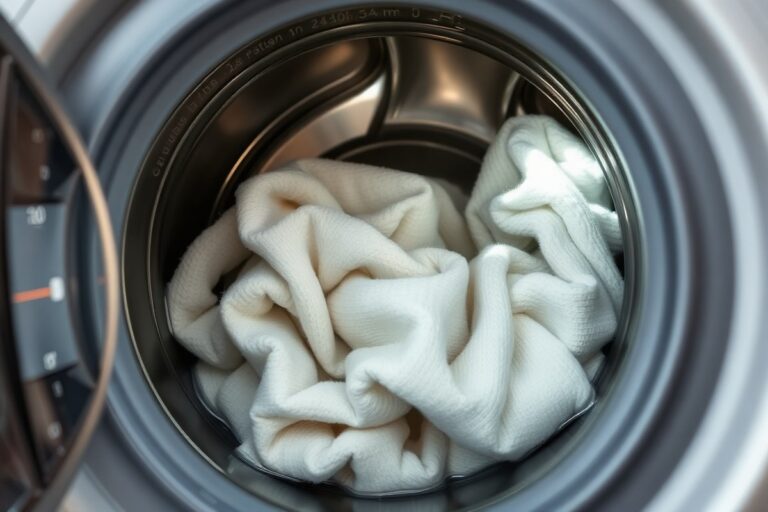
Balancing the load is important to avoid noise and damage during the spin cycle. Putting in a few towels with the shoes acts as padding, reduces banging against the drum, and helps the machine stay stable. Avoid overloading the washer; the shoes need room to move so the detergent and water can reach every surface thoroughly. Here is a step-by-step guide to machine settings and loading tips for washing white shoes:
- Remove shoelaces and insoles. Wash these separately or by hand to clean every part without tangling or damage.
- Brush off excess dirt and mud. This prevents particles from lingering and damaging the drum or your shoes.
- Place the shoes in a mesh laundry bag. This protects them from hitting the washer walls too hard and stops laces from getting caught in the agitator.
- Add 2 to 3 towels with similar colors. The towels will balance the load and cushion the shoes during the cycle.
- Select cold water and set the machine to a gentle or delicate cycle. Cold water stops shrinkage and gentle settings lower stress on fabrics.
- Set the spin speed to low or medium. A slower spin reduces the risk of deforming the shoes.
- Use a mild detergent. Avoid bleach unless the shoes are heavily stained with non-delicate materials, as bleach can weaken fabric fibers.
- Start the washing machine. The cycle should last about 30 to 45 minutes depending on the model.
Following these steps keeps your white shoes cleaner and preserves their shape with minimal risk of damage. Avoid hot water, high spin speeds, and overloading the machine. This approach takes under an hour and costs just the regular detergent and water usage, usually no more than a few cents per wash cycle. After the cycle, always air dry the shoes to maintain their shape and color longevity.
Drying White Shoes Safely After Washing
Drying white shoes correctly after washing is essential to maintain their shape, avoid yellowing, and prevent damage to the materials. The best way to dry your white shoes is to air-dry them at room temperature. Avoid placing them in a dryer because the high heat can warp the sole, shrink fabrics like knit or canvas, and cause discoloration, especially yellowing of midsoles that can ruin the overall look.
Start by removing any excess water with a clean towel or paper towels by gently pressing inside and around the shoe to soak up moisture. Stuff the shoes with crumpled white paper towels or clean cloths to help keep the shoe’s shape and absorb moisture from the inside. Avoid newspaper as its ink can transfer onto light shoes. Replace the stuffing periodically during drying if it becomes very damp. Place your shoes somewhere with good air circulation but out of direct sunlight to stop the materials from fading or yellowing. Allow around 24 to 48 hours for most white shoes to dry fully, depending on the thickness of the material and the humidity of your environment.
Different materials require special care. Leather and synthetic leather shoes benefit from using a shoe tree or stuffing with paper to maintain shape but need to dry more slowly at room temperature to avoid cracking. Canvas shoes dry faster but can stiffen if dried too quickly, so keep the air movement consistent. For knit or mesh running shoes, avoid rough brushing after washing; instead, dry gently and use a soft cloth to clean any remaining dirt once dry. Letting cleaning agents like baking soda mixtures remain on the shoes as they dry can help with odor and stain removal, but any residue should be wiped away with a damp cloth before the shoes are fully dry.
Common mistakes to avoid include putting white shoes in the dryer, which can cause permanent damage. Avoid direct heat sources such as heaters or hair dryers, which dry the shoes unevenly and risk warping materials. Also, don’t leave shoes wet in a pile or confined space, as this encourages mildew growth and unpleasant smells. If your shoes smell damp after drying, placing a shoe deodorizer or a sachet of baking soda inside can help absorb odors before you store them again.
Never use a dryer on white shoes; air-drying with properly stuffed insides prevents shape loss and yellowing that heat causes.
Pre-Treating and Removing Stubborn Stains on White Shoes
Spot-treating tough stains before and after washing white shoes can dramatically improve their brightness. Using a baking soda paste or commercial cleaners removes dirt and dark marks without damaging the material. Proper pre-treatment focuses on stubborn spots like toe box edges, scuffs, and streaks, while post-wash touch-ups address remaining discoloration.
Making a Baking Soda and Vinegar Paste
A homemade paste of baking soda and white vinegar works well to lift stains on rubber midsoles and fabric parts of white shoes. Baking soda gently scrubs away grime, while vinegar’s mild acidity breaks down discoloration. Avoid this paste on leather surfaces, as vinegar can dry out the material and baking soda may be abrasive.
- Mix 2 tablespoons of baking soda with 1 tablespoon of diluted white vinegar to form a thick paste.
- Apply the paste directly onto stubborn spots such as toe box edges, scuff marks, and dark streaks.
- Let the paste sit for 10 to 15 minutes to allow it to penetrate and break down stains.
- Use a soft brush, like an old toothbrush, to gently scrub the treated areas in circular motions.
- Rinse off the paste with warm water, making sure no residue remains.
- Dry the shoes with a clean cloth before machine washing.
Applying Spot Removers Safely
White toothpaste or baking powder mixed with water also make effective spot removers for white rubber soles and certain fabrics. Toothpaste with baking soda can brighten rubber without harsh chemicals. Commercial products like Clean Magic Erasers are gentle and useful on hard parts of the shoe, such as soles and midsoles.
Spot-clean stains carefully, avoiding scrubbing leather too hard to prevent damage. Never use washing up liquid, shampoo, or scrubs to tackle stains, as these can discolor or harm the shoe material. Treat each stain as a chance to maintain your shoes’ appearance but avoid over-treating or soaking the leather.
- Dampen a soft cloth or sponge with water and apply a small amount of white toothpaste or baking powder paste to the stained spot.
- Gently rub the stain in circular motions for about 1 to 2 minutes.
- Wipe away the paste with a clean, damp cloth, avoiding excess water on fabric or leather.
- For hard rubber parts, use a Clean Magic Eraser gently on the stained area until the mark lifts.
- Allow the shoes to air dry before placing them in the washing machine or wearing them again.
Treating Yellowed Rubber Soles
Yellowing on rubber soles is common and can lessen the shoe’s white look. Diluted white vinegar helps reverse yellowing if you test it on a small area first to avoid damage. Avoid using bleach, as it can weaken rubber and cause uneven coloring.
Applying vinegar with a soft cloth on rubber parts lifts yellow stains over time, especially if combined with sunlight exposure while drying. Baking soda or toothpaste also retain whiteness on soles but are better for immediate stain removal rather than deep yellowing treatment.
- Prepare a solution of equal parts white vinegar and water in a small bowl.
- Test the mixture on a small, hidden section of the rubber sole for 5 minutes to check for any adverse reaction.
- If safe, dip a cloth or sponge into the vinegar mixture and apply it to the yellowed rubber areas.
- Let the solution sit for 10 minutes, then rinse with warm water.
- Place the shoes in indirect sunlight for 1 to 2 hours to help brighten the soles naturally.
- Repeat weekly until the desired whiteness returns, avoiding excessive treatments that could degrade the sole.
Washing Different White Shoe Materials Correctly
Washing white shoes in a washing machine requires different approaches depending on the shoe material. Canvas and rubber shoes handle machine washing well, while leather and knit shoes demand more careful, gentle treatment to avoid damage.
Canvas Shoes Washing Guidelines
Canvas shoes are sturdy and can usually be washed in a machine without much risk. Use cold or warm water (not hot) and a gentle cycle to prevent shrinking or warping. Removing the laces and insoles before washing helps clean every part effectively. Avoid harsh detergents or bleach that may weaken the fabric. After washing, air dry the shoes away from direct sunlight to avoid yellowing or stiffening.
Canvas is porous, which means it absorbs water easily. Washing in water warmer than 104°F (40°C) may cause the canvas to shrink or loosen its shape. Gently scrubbing stains before machine washing improves results.
Leather Shoes Washing Cautions
Leather shoes should never be fully submerged or washed in a standard washing machine cycle because water can ruin the leather’s finish and structure. Instead, clean white leather by wiping with a damp cloth and mild soap or using special leather cleaners and a soft brush. For tough rubber soles or toe caps, spot clean carefully with a magic eraser or a soft cloth to avoid leather damage.
Applying grease or oils to leather is a common myth; it can actually harm leather rather than preserve it. After cleaning, allow leather shoes to air dry naturally, stuffing them with paper towels to maintain their shape. Avoid using a hair dryer or any heat source directly on leather.
Knit and Mesh Shoe Care
Knit and mesh materials are delicate and more susceptible to damage, such as stretching or tearing, during machine washing. Hand washing is the safest method, using a soft brush and mild detergent. If using a washing machine, choose a gentle or delicate cycle with cold water, and place the shoes inside a mesh laundry bag to prevent friction.
Separate cleaning of any leather overlays before washing helps prevent dye transfer. After washing, patience during air drying is necessary to maintain the shoes’ shape and texture, avoiding direct heat or sunlight. The table below summarizes the best washing methods for common white shoe materials, risks to watch for, and care tips:
| Material | Washing Method | Risks | Care Tips |
|---|---|---|---|
| Canvas | Machine wash gentle cycle, cold/warm water | Possible shrinking or shape loss if hot water used | Remove laces/insoles, air dry away from sun |
| Leather | Spot clean only with damp cloth and mild soap | Water damage, stiffness, cracking | Use leather cleaner, air dry naturally, no heat |
| Knit/Mesh | Hand wash preferred; machine gentle cycle with laundry bag if necessary | Stretching, fraying, tearing | Separate leather overlays cleaning, gentle drying |
| Rubber (soles, toe caps) | Machine safe; or spot clean with magic eraser | Staining, abrasion | Use gentle scrubbing, avoid overheating |
Following these material-specific guidelines will help you maintain the bright white appearance of your shoes while preventing damage. Adjust your washing method based on each shoe’s materials and construction to extend the life of your footwear.
Common Mistakes and How to Avoid Them When Washing White Shoes
Washing white shoes in a machine can lead to several common mistakes that cause discoloration, damage, or poor cleaning results. One frequent error is skipping pre-treatment of stains, which can result in spots setting permanently. Another is using hot water, which might cause the shoe materials to yellow or warp. Overloading the washing machine with shoes or adding heavy objects without protection can harm both the shoes and the washer.
Yellowing often happens if shoes aren’t rinsed properly or if they dry in direct sunlight, which breaks down fabric whiteners. To prevent this, use cold water during washing and air dry shoes in a shaded, well-ventilated area. Avoid fabric softeners and bleach products that aren’t specially designed for shoes, as they can leave residues and dull the color.
- Wash shoes separately or with soft laundry like towels to minimize impact damage
- Remove shoelaces and insoles to wash separately for thorough cleaning
- Use a gentle cycle with cold water to protect fabric and prevent shrinking
- Place shoes in a mesh laundry bag or pillowcase for extra protection inside the washer
- Air dry shoes naturally, avoiding heat sources or direct sun
- Apply a stain repellent spray after drying to maintain whiteness longer
- Run an empty washing cycle with vinegar occasionally to clear detergent buildup in the machine
Protecting your washing machine from damage is just as important. Hard soles or metal parts on shoes can scratch the drum, while heavy loads may unbalance the machine. Use mesh bags and avoid washing multiple pairs at once. After washing shoes, inspect the drum and seal for any grime or debris buildup, wiping it down to keep the machine functioning well.
Always check shoe care labels and choose the gentlest washing cycle to reduce risks of damage to both shoes and washing machine.
Maintaining your white shoes after washing involves prompt drying and careful storage. Avoid piling wet shoes in dark, damp places, which speeds fabric breakdown and yellowing. Regularly cleaning the shoes with a soft brush to remove dirt can extend the time between washes, preserving their bright look.
Step-by-Step Action Plan for Washing White Shoes in the Washing Machine
Follow these steps to clean your white shoes safely in a washing machine and see visible improvements.
- Before you start: Remove excess dirt and debris by brushing your shoes. This prevents clogging your machine and improves cleaning results.
- Pre-treatment phase: Apply a stain remover to any stubborn marks and let it sit for 10-15 minutes. This helps target tough spots without harsh scrubbing.
- Loading phase: Place your shoes in a mesh laundry bag or pillowcase with some old towels. This cushions the shoes and balances the load, reducing damage risk.
- Choosing detergent: Use a gentle liquid detergent made for whites to avoid residue and maintain brightness.
- Machine setting: Select a cold or warm delicate cycle with a slow spin speed. This setting cleans without warping or shrinking your shoes.
- After washing: Remove shoes promptly to avoid yellowing. Stuff them with paper towels to keep shape while air drying away from direct sunlight or heat sources.
- Inspect: When dry, check if stains are gone. Repeat pre-treatment and wash again by hand if needed for persistent spots.
Frequently Asked Questions
Does Dawn Dish Soap Clean White Sneakers?
Dawn dish soap can help remove surface dirt from white sneakers but isn’t strong enough alone for deep cleaning in a washing machine. It works best as a spot cleaner before machine washing to loosen grime without damaging shoe materials.
What Is the Best Way to Wash Cloth Shoes?
Hand washing with mild detergent is best for cloth shoes to avoid material damage. Machine washing can be done on a gentle cycle, but it might reduce the shoes’ lifespan.
How to Clean White Soles?
Use a soft brush with a mild detergent or baking soda paste to scrub white soles before washing. This removes dirt build-up and prevents dulling.
How to Wash Shoes in Washing Machine Without Mesh Bag?
Avoid machine washing white shoes without a mesh bag or pillowcase as it can damage the shoes and washing machine drum. A protective barrier keeps them secure during the cycle.
How to Wash Your Trainers in the Washing Machine?
Remove laces and insoles, place trainers in a mesh bag or pillowcase, use cold water, mild detergent, and a gentle cycle. Add towels to balance the load and protect shoes.
Can You Put White Shoe Laces in the Washing Machine?
Yes, removing laces and placing them in a mesh bag allows safe machine washing alongside your white shoes.
Before You Go
Washing white shoes in the machine can be safe and effective if done with care and the right steps. Your shoes will look cleaner while lasting longer and keeping their shape. Next time you notice dullness or stains, start with gentle pre-treatment, then a careful machine wash to bring back their brightness.