What Shrinks Clothes: Causes, Fabrics, and Effective Prevention Tips
What shrinks clothes are heat, moisture, and agitation during washing and drying, especially with natural fibers like cotton and wool. Hot water or high dryer heat contracts the fabric fibers, causing shrinkage that can be permanent. Synthetic fibers tend to resist shrinking, but blends vary depending on their composition and treatment.
This information is useful if you want to avoid unexpected shrinking or intentionally shrink garments with control. You’ll learn how different fabrics react to washing and drying, key laundry mistakes to avoid, and specific prevention tips to keep your clothes fitting right.
Key Takeaways
- Use cold water (60-80°F) for washing to minimize fiber contraction and reduce shrinkage risk.
- Always check care labels to identify fabric blends and follow specific washing instructions.
- 100% cotton can shrink 3-5% after one hot wash and dry cycle without proper care.
- Wool can shrink 5-10% if exposed to hot water or agitation, so hand wash or dry clean when possible.
- Avoid high dryer heat settings, especially for natural fibers prone to shrinking.
- Preshrunk fabrics like some cotton blends still may shrink slightly but less than untreated cotton.
What Actually Shrinks Clothes During Washing and Drying?
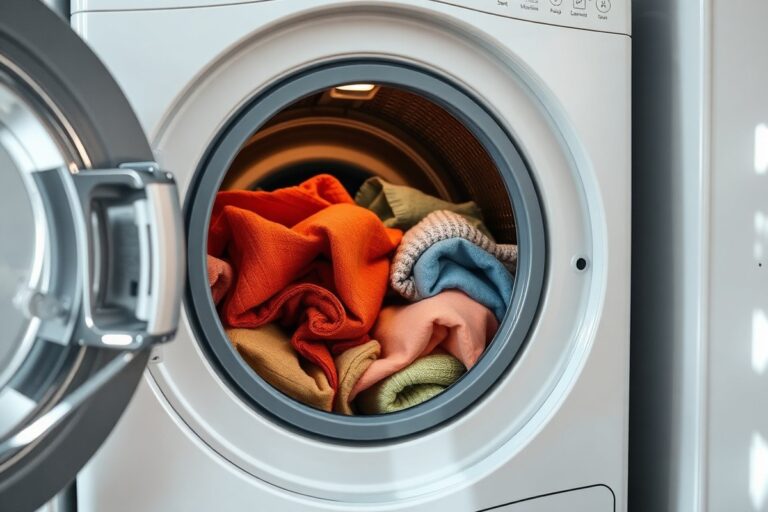
Shrinking clothes happens mainly because of heat, moisture, and agitation interacting with the fibers of the fabric. Heat causes the fibers to relax and then tighten up as they cool, making the garment smaller. Moisture softens the fibers, allowing them to move closer together when combined with heat or mechanical action. Agitation in the washing machine, such as the tumbling or spinning movement, physically pushes fibers to contract, especially in natural fabrics like cotton, wool, and linen. These three factors work together during washing and drying to cause shrinkage.
Heat plays the biggest role in shrinking clothes. The dryer’s high heat causes fibers to curl up and contract strongly, making shrinkage more noticeable after drying than after washing. Even if you wash clothes in cold water, tumble drying on high heat can shrink them significantly. Using a low heat or air-dry setting in the dryer reduces this risk. Washing in cold water usually involves temperatures between 60 and 80 degrees Fahrenheit, which generally prevent heat-related shrinkage. However, if your “cold” water feels warm or your clothes still shrink, the machine may be using warmer water than expected or the cycle could be too intense.
Moisture is essential because dry fibers resist shrinking. When wet, fibers become flexible and can shift positions during agitation. Combined with heat during drying, these fibers contract and lock into a smaller shape. Without moisture, heat alone will not cause as much shrinkage because the fibers cannot move freely.
Agitation also affects shrinkage by mechanically forcing fibers to bunch together. The tumbling and spinning in washing machines provide this action. Front-loading machines typically use gentler agitation than top loaders, so they tend to cause less shrinkage. Higher-intensity wash settings, which increase movement and cycle time, accelerate the process of fiber contraction. This is why factory-made clothes sometimes feel looser out of the box, they have been washed or tumbled to pre-shrink them.
Cold water washing reduces heat shrinkage but is not a guarantee against all shrinkage. Mechanical agitation during cold cycles can cause minor shrinkage in sensitive fabrics. This is especially true if the wash cycle is long or the agitation is strong. To manage shrinkage risk, use the gentlest cycle available with cold water and avoid mixing delicate fabrics with heavy or rough items that increase friction and agitation.
How Different Fabrics React to Shrinking: A Comparison Table
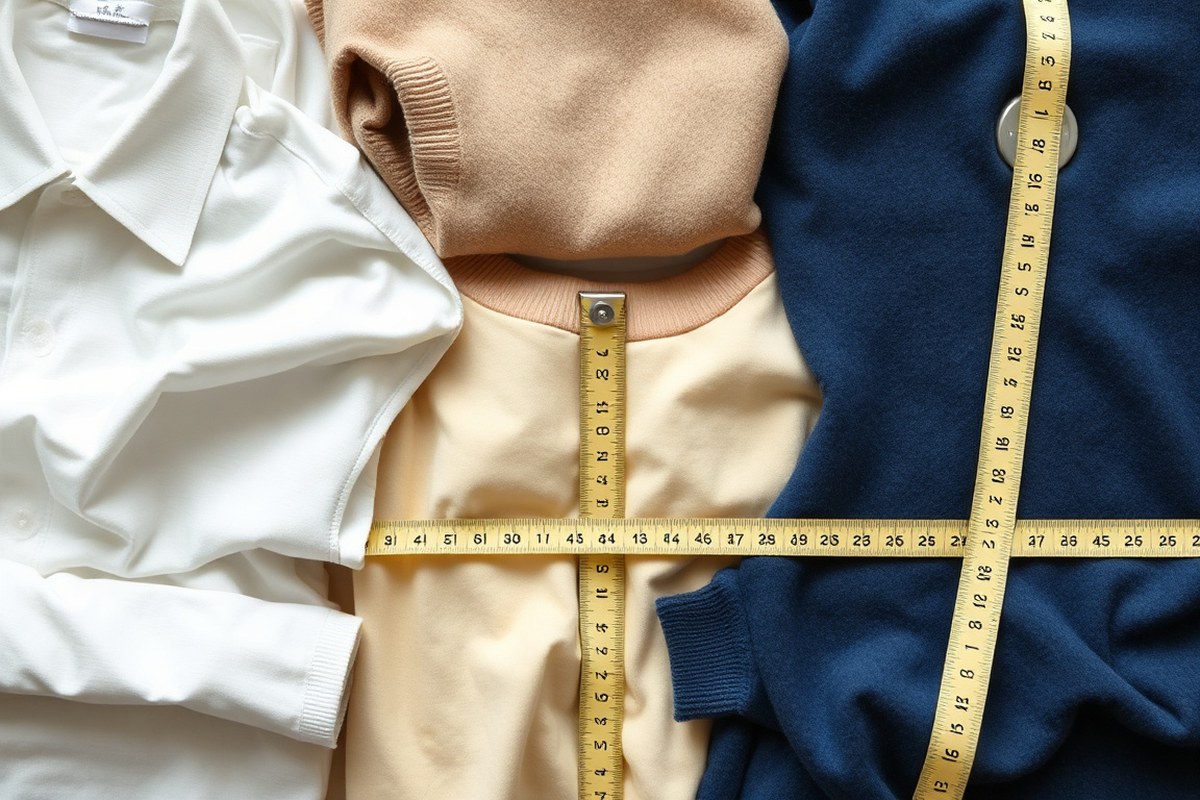
Different fabrics react to heat, water, and mechanical action in unique ways, causing varied shrinkage levels. Natural fibers such as cotton, wool, and rayon tend to shrink the most because their fibers relax and contract when exposed to heat and moisture. Synthetic fibers like polyester and nylon generally resist shrinking but can still be affected by high heat. Understanding how each fabric type shrinks helps you control the process better and avoid surprises.
| Fabric | Initial Dimensions | After Wash & Dryer | Dryer Impact |
|---|---|---|---|
| Cotton (100%) | Standard | Shrinks up to 5% if washed hot and dried high heat | High heat increases shrinkage; preshrunk cotton shrinks less |
| Wool | Standard | Shrinks 3-4% with warm water + low heat drying | Low heat required; high heat causes felting damage |
| Polyester | Standard | Minimal shrinkage if washed cold; up to 2% with high heat | High heat can cause slight shrinkage; blends less vulnerable |
| Rayon | Standard | Shrinks up to 4% when washed warm and dried carefully | Delicate handling needed; heat can deform fibers |
| Blends (60% Cotton / 40% Polyester) | Standard | Shrinks less than 100% cotton, more than polyester alone | Shrinkage reduced by polyester content |
| Nylon | Standard | Rarely shrinks unless exposed to very high heat | Typically stable with machine drying |
Preshrunk cotton does reduce shrinkage, but it does not prevent it completely. Expect some minimal shrinkage over time, especially if exposed to hot water or high dryer heat. Fabric blends change the shrinkage rate: increasing synthetic content usually lowers the overall shrinkage. A 60% cotton and 40% polyester blend will shrink noticeably less than 100% cotton but more than pure polyester. Wool and rayon need gentler handling, or they may shrink unevenly or felt.
Tip: Always check the care label and test a small, hidden area before applying heat or washing to fabrics prone to shrinking.
How to Safely Prevent Clothes from Shrinking
Preventing your clothes from shrinking starts with careful attention to washing and drying methods tailored to each fabric type. Using the right water temperature, wash cycle, and drying strategy can keep your favorite garments fitting their best. Following fabric-specific detergent choices and special handling instructions reduces the chance of unwanted shrinkage and preserves garment quality over time.
Check Care Labels Before Washing
Every garment comes with care instructions designed to protect its fabric and fit. Checking the care label before washing gives you essential guidance on water temperature, cycle settings, and drying methods tailored to that particular cloth. Ignoring these instructions increases the risk of damaging fibers or causing shrinkage.
Look for notes about temperature limits and whether a garment requires hand washing or dry cleaning instead. Sorting clothes according to label directions helps you choose the right machine settings and avoid mixing delicate fabrics with heavier items that could harm them.
Choose Cold Water and Gentle Cycles
Using cold water with a gentle or delicate cycle minimises stress on fabric fibers while effectively cleaning clothes. Hot water may shrink or damage natural fibers such as cotton and wool, even if the cycle is gentle. Cold water washes also save energy, making them environmentally friendly and cost-effective.
Gentle cycles use a slower, softer tumbling action and reduce spin speed, preventing mechanical agitation that tightens fibers and causes shrinking. This setting lowers the physical wear on garments, preserving their shape and softness. The best approach to avoiding shrinkage during washing includes:
- Select cold or cool water temperatures below 80°F (27°C)
- Use gentle or delicate cycles instead of heavy or normal settings
- Set a low spin speed to reduce fiber tension
- Avoid overloading the washing machine to ensure proper rinsing and less agitation
- Sort laundry by fabric type and care instructions
This careful approach helps maintain garment size and texture without sacrificing cleanliness.
Use Low-Heat or Air Drying Methods
Drying is often where shrinking happens most noticeably. Avoid high heat in dryers, which causes fibers to contract. Instead, use low-heat or no-heat drying options whenever possible. Tumble dry on low, use air fluff, or opt for air drying to protect garments.
Air drying preserves fabric integrity by allowing moisture to evaporate naturally without mechanical stress or heat damage. Hang clothes indoors in a well-ventilated area away from direct sunlight, which can fade and weaken fibers. Try these drying tips to prevent shrinkage:
- Choose low heat or “air dry” cycles on your dryer
- Remove clothes promptly when slightly damp to finish drying flat or hanging
- Hang garments on padded or wide hangers to maintain shape
- Lay heavy sweaters flat on drying racks to avoid stretching
- Avoid direct sunlight exposure when air drying
Select Fabric-Friendly Detergents
Detergents formulated for delicate fabrics or natural fibers help protect your clothes from shrinkage and damage. Avoid harsh chemicals or bleach, which break down fibers and increase the risk of contraction during washing and drying.
Use mild, pH-neutral detergents designed for wool, silk, or cotton blends. These detergents gently clean while maintaining fabric strength and elasticity. Some detergents include fiber conditioners or anti-shrink additives that further reduce shrinkage potential. When selecting a detergent:
- Choose products labeled safe for delicates or specialty fabrics
- Avoid excessive detergent use; it can build up and stiffen fibers
- Rinse thoroughly to remove residual detergent that can affect fabric performance
- Consider natural or plant-based detergents for gentler care
Additional Tips for Delicates and Wool
Delicate and wool garments require extra care to prevent shrinking. Hand washing with cool water and gentle detergent is often best for these fabrics. Avoid wringing to prevent fiber distortion.
When machine washing, place delicates in mesh laundry bags to reduce friction and tangling. Use the shortest cycle available and spin at the lowest speed. Woolen items benefit from drying flat on breathable surfaces to maintain size and shape. For delicate fabrics, these practices help minimize shrinkage:
- Hand wash or use delicate cycle inside a mesh bag
- Use cold water only
- Avoid fabric softeners, which can coat fibers and reduce breathability
- Reshape and dry flat on a towel or drying rack
- Store wool garments folded to prevent stretching
How to Intentionally Shrink Clothes at Home: Safe Methods
You can intentionally shrink natural fiber clothes safely by using hot water soaking and controlled drying techniques. Cotton and wool respond best to heat and moisture, contracting their fibers when exposed to temperatures of 130°F (54°C) or higher. Avoid excessive drying since too much heat risks damaging fabrics or causing uneven shrinkage.
Prepare Hot Water Soak for Cotton and Wool
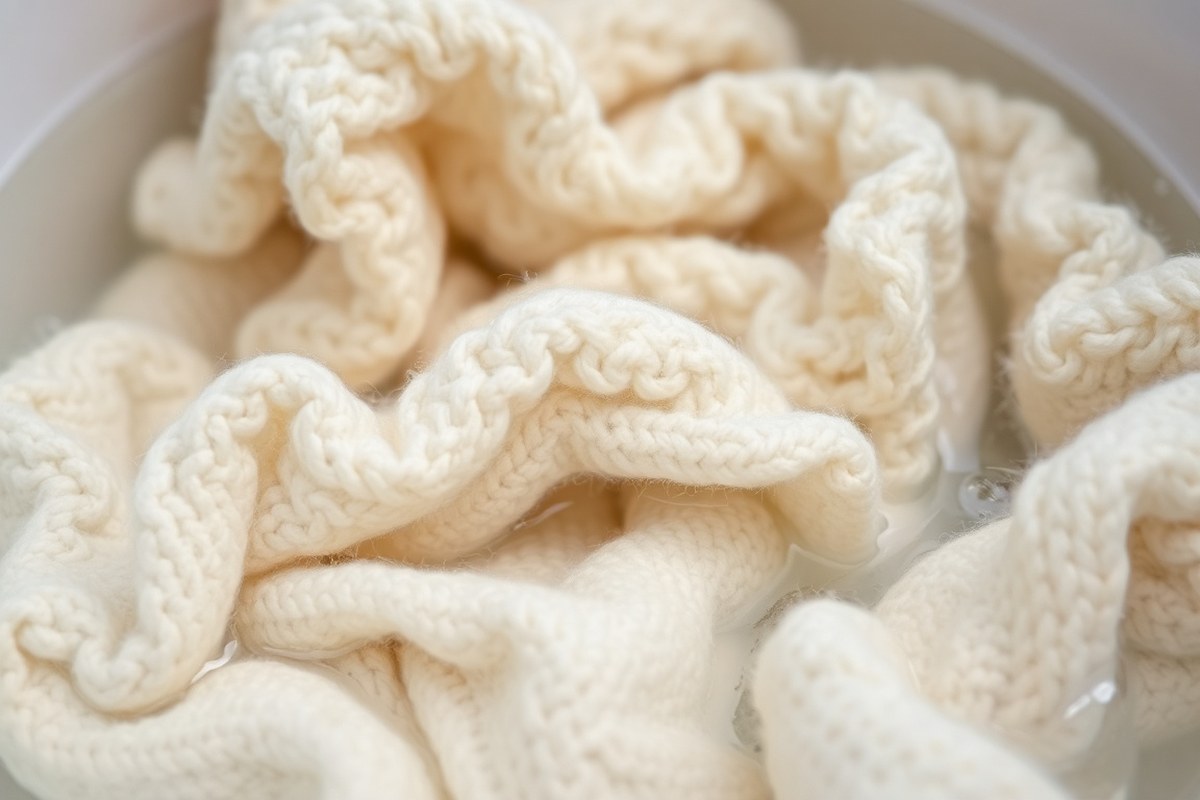
Begin shrinking by soaking your clothes in hot water, which relaxes and loosens the fibers so they can contract. For cotton, soak for about 30 minutes in water at 130°F or higher. Wool requires less time, usually between 10 to 30 minutes, with the water temperature kept warm but not boiling to prevent felting. Using clean water without detergent focuses the process on shrinkage without altering fabric texture.
Soaking loosens stretched fibers, which then contract when dried. You can fill a bathtub or a basin with hot water to this temperature, ensuring the garment is fully submerged. Agitating gently during the soak can help fibers absorb water evenly and maximize shrinkage potential.
- Fill a basin or tub with hot water at about 130°F (54°C).
- Submerge the cotton or wool garment completely in the water.
- Gently move the fabric underwater every few minutes to encourage even soaking.
- Let the garment soak for 30 minutes for cotton, 10 to 30 minutes for wool.
- Remove the garment carefully, avoiding wringing to prevent distortion.
- Press out excess water by rolling the garment in a clean towel.
Use High-Heat Dryer Settings Cautiously
Drying on high heat causes the fibers to tighten and lock in the shrinkage. Most cotton clothes shrink 3% to 5% after washing and drying on high heat, while denim may shrink 3% to 4%. Use your dryer’s highest heat setting and check the garment frequently to avoid over-shrinking or damage. Several drying cycles may be needed to reach your desired size reduction.
High heat accelerates shrinkage but risks stretching or warping if left too long. Sleepers and sweatshirts that need significant sizing down respond well to repeated hot drying. For delicate wool, air drying after hot water soaking is safer since extreme heat can cause felting and irreversible damage.
- Place the damp garment in the dryer immediately after soaking and blotting.
- Set the dryer to the highest heat setting available.
- Run the dryer for one 30- to 40-minute cycle.
- Check the garment size after each cycle to gauge shrinkage progress.
- Repeat drying cycles as needed, but avoid over-drying or overheating.
Monitor and Measure Shrinkage Progress
Shrinking clothes intentionally takes time, one hot wash and dry cycle typically reduces size by 3% to 5%. Track measurements after each drying cycle to avoid overshrinking. Use a tape measure on key points such as chest width, sleeve length, or inseam before starting and after each shrink attempt.
Measure when the garment cools completely, as continued shrinkage can occur for a short time after drying. Stopping at your desired size prevents irreversible shrinking or deformation.
Alternatives to Dryer Shrinkage Methods
Drying on high heat is the fastest way to shrink natural fibers but not the only option. Sun drying after soaking can shrink clothes moderately, especially cotton, without heat damage risks. Lay the soaked garment flat in direct sunlight, allowing natural warmth to tighten fibers slowly over several hours.
For those without a dryer, repeat hot water soaking followed by towel drying also encourages shrinkage. Pressing out water with towels speeds drying time and gently contracts fibers. Avoid wringing which may stretch fabric unevenly. Using a hairdryer on a warm setting over sections of a flat garment can also apply localized shrinking heat carefully.
How to Reverse Clothes Shrinking After Washing
You can partially reverse clothes shrinking by relaxing the fabric fibers through soaking and gentle stretching. Using a mild conditioner or baby shampoo softens the fibers, making it easier to reshape your garments. Air drying flat after stretching helps them keep the improved size and shape.
Use Conditioner or Baby Shampoo Soak
Start by soaking the shrunken clothing in lukewarm water mixed with a mild fabric softener like hair conditioner or baby shampoo. These products contain ingredients that temporarily lubricate and relax the fibers, making them more pliable and easier to stretch. Here’s how to prepare the soak:
- Fill a basin with lukewarm water (about 90°F or 32°C).
- Mix about 1 tablespoon of hair conditioner or baby shampoo into each liter of water to prepare the solution.
- Immerse the shrunken garment fully in the solution.
- Let it soak for 30 minutes to up to 12 hours, depending on the fabric’s shrinkage severity.
- Occasionally rub the conditioner gently into thicker or heavily shrunken areas.
Use lukewarm water, not hot, to avoid further shrinking or damaging the fibers.
Gently Stretch Wet Garment
After soaking, keep the garment wet to maintain fiber softness. Use your hands to carefully stretch the fabric back toward its original shape and size. Avoid harsh pulling, which can distort the garment or cause seam damage.
Gently pull the garment’s length and width to stretch it evenly. Placing the clothing flat on a towel and rolling it lightly first helps absorb extra water, preventing drips and safeguarding delicate materials. Aim to stretch evenly on all sides to keep the original shape.
Air Dry Flat to Maintain Shape
Once stretched, lay the garment flat on a dry towel to air dry in the desired shape. Air drying prevents the heat damage that often causes further shrinkage during machine drying. Make sure to reshape the clothing as it dries to lock in the new size.
- Place the stretched garment flat on a clean, dry towel.
- Roll the towel up with the garment inside to absorb excess moisture; leave it for 15 minutes.
- Unroll and reshape the garment carefully to its original dimensions.
- Lay it flat on another dry towel to air dry in a well-ventilated area away from direct sunlight or heat sources.
For wool or delicate fabrics, air drying flat is essential to prevent deformation and maintain softness. Expect partial improvement; some shrinkage might be permanent, especially if heat or agitation caused the fibers to lock tightly.
Do not hang wet garments to dry, as this can stretch them out unevenly and distort the shape.
Common Laundry Mistakes That Cause Unexpected Shrinking
Ignoring the care labels on your clothes is one of the most common reasons for unexpected shrinking. These tags provide essential information on water temperature, drying heat, and cycle type. Washing clothes in hot water above 120°F (49°C) or drying them on high heat can significantly shrink fabrics, especially natural fibers like cotton and wool. Using cooler water and lower dryer heat helps maintain the original size of your clothes. Overloading your washer or dryer restricts proper agitation and airflow, causing uneven wash and dry cycles that increase the risk of shrinkage.
Faulty washing machines or dryers can also contribute to shrinking. Your washer might expose clothes to excess heat or agitation if it delivers inconsistent temperatures or doesn’t finish cycles properly. This issue can sometimes be resolved by maintaining or replacing the appliance, but having a home warranty can help cover repairs if these problems persist.
To avoid making your clothes too small, always check the clothing’s care tag before washing. Choose gentle or normal washing cycles with moderate spin speeds to minimize stress on the fabric. Avoid the hottest water settings and high heat drying unless the label specifies that it’s safe.
- Read and follow manufacturer’s care labels on each garment.
- Wash clothes in cool or warm water to limit shrinkage risk.
- Avoid using high heat settings in the dryer.
- Do not overload the washer or dryer to allow better movement and drying.
- Use a gentle or normal wash cycle with moderate spin speed.
- Separate delicate items to wash alone or with similar fabrics.
- Monitor your washer and dryer to ensure they operate consistently.
The best wash cycle for minimizing shrinkage usually involves cooler water temperatures and a gentle or normal cycle with moderate spin speed. This reduces fiber stress and prevents tightening or felting. Drying on low heat or air drying can further prevent clothes from shrinking. The tradeoff is longer drying times and sometimes less effective stain removal, so you might need to pre-treat stains and plan ahead for drying.
Overloading your machines often costs little but can cause significant damage to clothes by increasing friction and uneven heat exposure. Taking care to wash smaller loads and spreading similar fabrics can help clothes keep their intended shape and size. Repairing or replacing faulty machines helps prevent ongoing shrinkage problems and boosts cleaning performance.
How Washer and Dryer Settings Specifically Affect Shrinkage
Washer and dryer settings play a important role in how much your clothes shrink. Temperature is the biggest factor affecting shrinkage. Hot water causes fibers, especially natural ones like cotton, to contract and shrink. Cold water cycles usually prevent shrinking, but this depends on the actual temperature of the water entering your machine. You can test this by using a kitchen thermometer placed under the faucet or inside the washer drum right as the cycle begins. If the temperature reads above 70°F (21°C) on a supposed cold cycle, warm water may be causing unexpected shrinkage during washing. This is a common issue in warmer climates or summer months.
The spin speed in your washer also impacts shrinkage. High spin speeds extract more water but increase friction and mechanical stress on fibers, which can push them to shrink or weaken prematurely. Choosing a lower spin speed can reduce this stress and help preserve garment size. However, lower spin speeds leave clothing wetter, so the dryer has to work harder, increasing drying time. Since the dryer is responsible for most shrinkage, minimizing drying heat and time is also key.
Cycle type matters because some are gentler and reduce mechanical agitation. Delicate or hand-wash cycles usually have slower drum rotation and gentler tumbling, which lowers the chance of fiber damage and shrinkage. Cotton or heavier fabrics may need a standard cycle, but reducing agitation whenever possible helps extend fabric life. Machine type plays a role too; front-loading washing machines tend to be gentler due to tumbling action, whereas top-loaders with agitators can apply more force and increase shrinking risk.
Dryer settings have a larger impact on shrinkage than washer settings. High heat rapidly contracts fibers and locks them smaller. To protect your clothes, use low heat or air fluff settings, especially for cotton or blends prone to shrinking. Limit drying time by drying clothes only until they are just dry, then air-drying the rest of the way. Over-drying increases shrinkage and weakens fibers.
Some older or malfunctioning washing machines have temperature sensors or valves that do not regulate water temperature accurately. This can cause warm water to enter on a cold cycle, leading to unintentional shrinkage despite your chosen settings. Resetting the machine or calling a technician to inspect it might be necessary if you consistently see shrinkage despite careful cycle and temperature choice. You may detect this by comparing the actual water temperature (tested with a thermometer) against the machine settings.
When to Seek Professional Help for Shrunken Clothes
Professional help is recommended for shrunken clothes when the garment is valuable, delicate, or when at-home remedies have failed to restore the fit. Dry cleaning services are particularly effective in reversing shrinkage, especially for fabrics that require precise temperature control and specialized treatment. These services use advanced techniques and equipment not available in typical home washers and dryers, which helps gently relax fibers and can partially or fully restore the original size.
Notice your clothes shrunk after washing? First, check the care tag. Garments labeled “dry clean only” or “professionally cleaned recommended” should be taken to a professional before attempting any at-home fixes. Professional cleaners invest in careful temperature management and fabric-specific detergents to prevent further damage while reversing shrinkage. For delicate items like wool, silk, or premium cotton, professional processing often prevents additional shrinking or distortion that might happen during home laundering.
A tailor can also be a good option if the shrinkage is modest or localized, such as in seams or sleeves. Tailors can alter shrunken clothing by letting out seams or reshaping parts, which is practical if the fabric has room to expand within the existing seams or if adding darts and panels suits the style. However, alteration has limits: extreme shrinkage or fabric damage cannot be fixed through tailoring. Costs can range from $20 to $100 or more depending on the garment’s complexity and fabric type, which can be more economical than buying a replacement, especially for expensive clothing.
Consider professional services when your clothes are expensive, sentimental, or made from sensitive fabrics. Dry cleaners typically charge between $5 to $20 per item, and some offer pickup and delivery options for convenience. Services branded as eco-friendly or using fabric-specific care might also help extend garment life. For new customers, discounts around 20% are common, helping make professional care more affordable. Using professional laundry providers also reduces the risk of further shrinking caused by incorrect water temperature or drying methods at home.
Select professional help if the shrinkage affects the garment’s fit significantly and you want to preserve its appearance with minimum risk. You can contact companies specializing in fabric care for advice before sending your clothes. Expect clear evaluations from pros who will explain whether treatment or alteration is possible, what the process involves, and a price estimate. When your garment is no longer wearable and too damaged, professionals advise replacing it rather than costly, ineffective fixes.
Always follow the garment’s care tag instructions first; ignoring “dry clean only” warnings risks irreversible shrinkage that professionals may not be able to fix.
Step-by-Step Action Plan to Manage Clothes Shrinking
Follow these steps to control shrinkage and keep your clothes fitting well after washing and drying.
- Before washing: Check the fabric care label for temperature and drying guidelines to match appropriate settings.
- Day 1: Set your washer to cold water and a gentle cycle; confirm clothes come out undamaged and without size loss.
- Day 2: Choose a low-heat or no-heat setting on your dryer or air dry; measure your clothes after drying to track size retention.
- Week 1: Test intentional shrinking by soaking cotton items briefly in warm water and air drying; note any size changes.
- After 2 weeks: Apply mild stretching to slightly shrunken wool or cotton garments post-wash before drying again; check fit improvement.
- Monthly: Clean your washer and dryer filters and vents to maintain consistent temperature and airflow, preventing accidental overheating.
- As needed: Consult a professional tailor to resize or reshape your favorite shrunken clothes, especially delicate or valuable items.
Frequently Asked Questions
Does a Clothes Dryer Shrink Clothes?
Yes, high heat from the dryer can cause many fabrics to shrink by making fibers contract. Using a low heat setting or air drying helps reduce this risk.
What to Do If Clothes Shrink After Wash?
Try soaking the garment in lukewarm water with conditioner to relax fibers, then gently stretch it back to size. This can help reverse some shrinkage, especially with cotton.
Is There a Way to Shrink Clothes on Purpose?
You can intentionally shrink clothes by washing them in hot water and drying them on high heat, which causes the fibers to contract. Make sure to test with less valuable items first.
What Materials Don’t Shrink in the Dryer?
Synthetic fabrics like polyester, nylon, and acrylic usually resist shrinking in the dryer because their fibers are more heat stable. However, always check care labels for specifics.
How to Prevent Clothes from Shrinking?
Wash clothes in cold water and avoid high heat in the dryer. Following manufacturer label instructions is the best way to protect your clothes from unwanted shrinkage.
Can Heavily Stained Clothes Shrink More During Washing?
Yes, dirt and oils can affect fabric fibers, sometimes causing uneven shrinkage, so cleaning stains before washing may reduce this risk.
Final Thoughts
Shrinking clothes results mainly from heat and agitation affecting fabric fibers. By adjusting wash and dry techniques based on fabric type, you can avoid unwanted shrinkage or shrink garments intentionally with control. Start by testing your washer and dryer settings with less valuable items before working on prized clothes to see how your equipment impacts size. Taking simple steps like checking labels and using cool water with gentle drying helps maintain the fit you want over time.